
Destinations
Where do you want to go?
Everything we've written is below, broken out by region and country. Use the search box if you know what you're looking for. Browse the articles if you need inspiration. And if you're planning something complicated — that's what our travel video consultation's for.
Search for a destination, activity, or trip type:
Planning a trip and not sure where to start? We offer personal 1-hour consultations — honest advice based on real experience, no travel agencies involved. Just us, you, and a video call. 🐧
Arctic & Nordic Countries
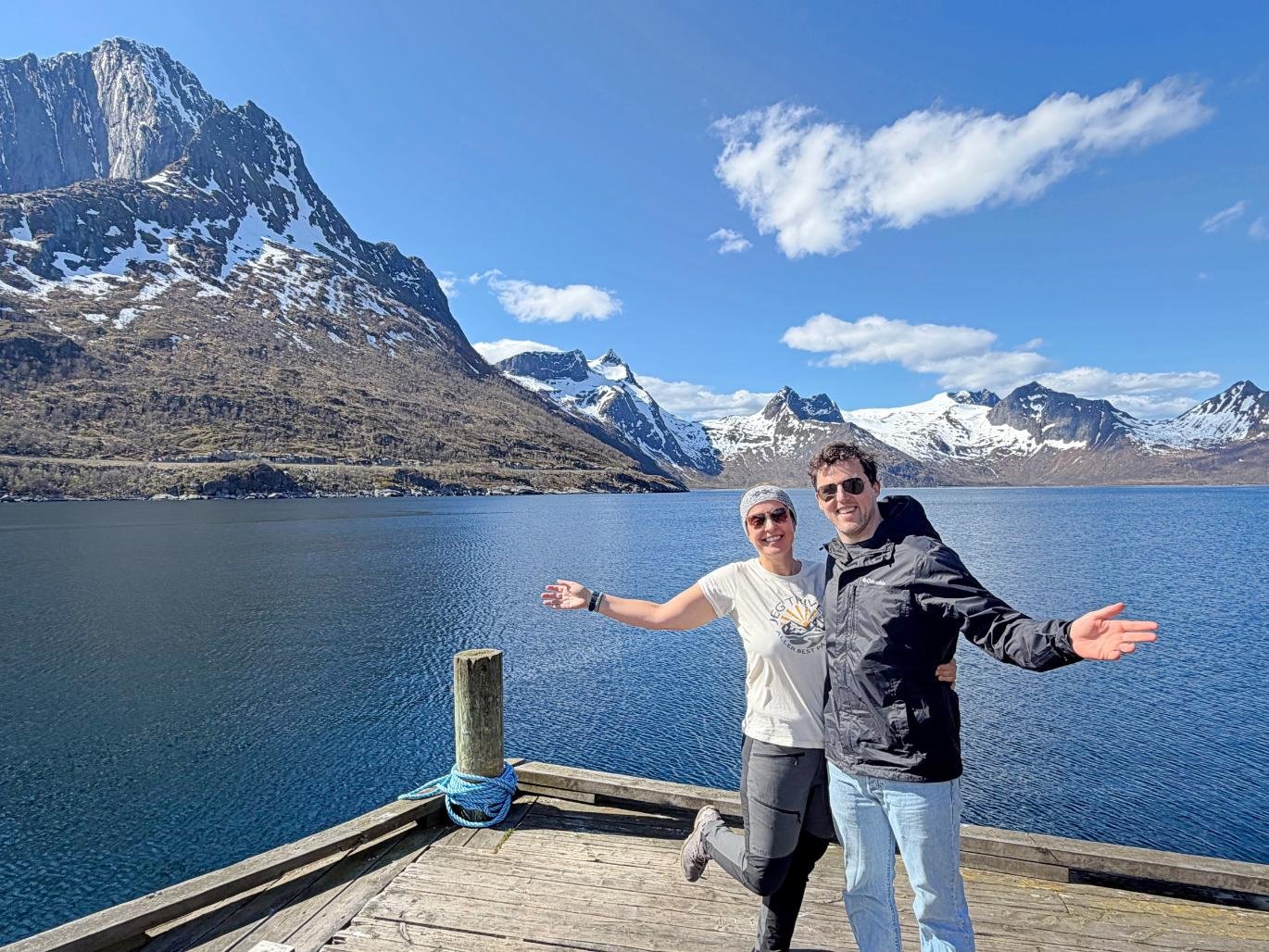
Norway
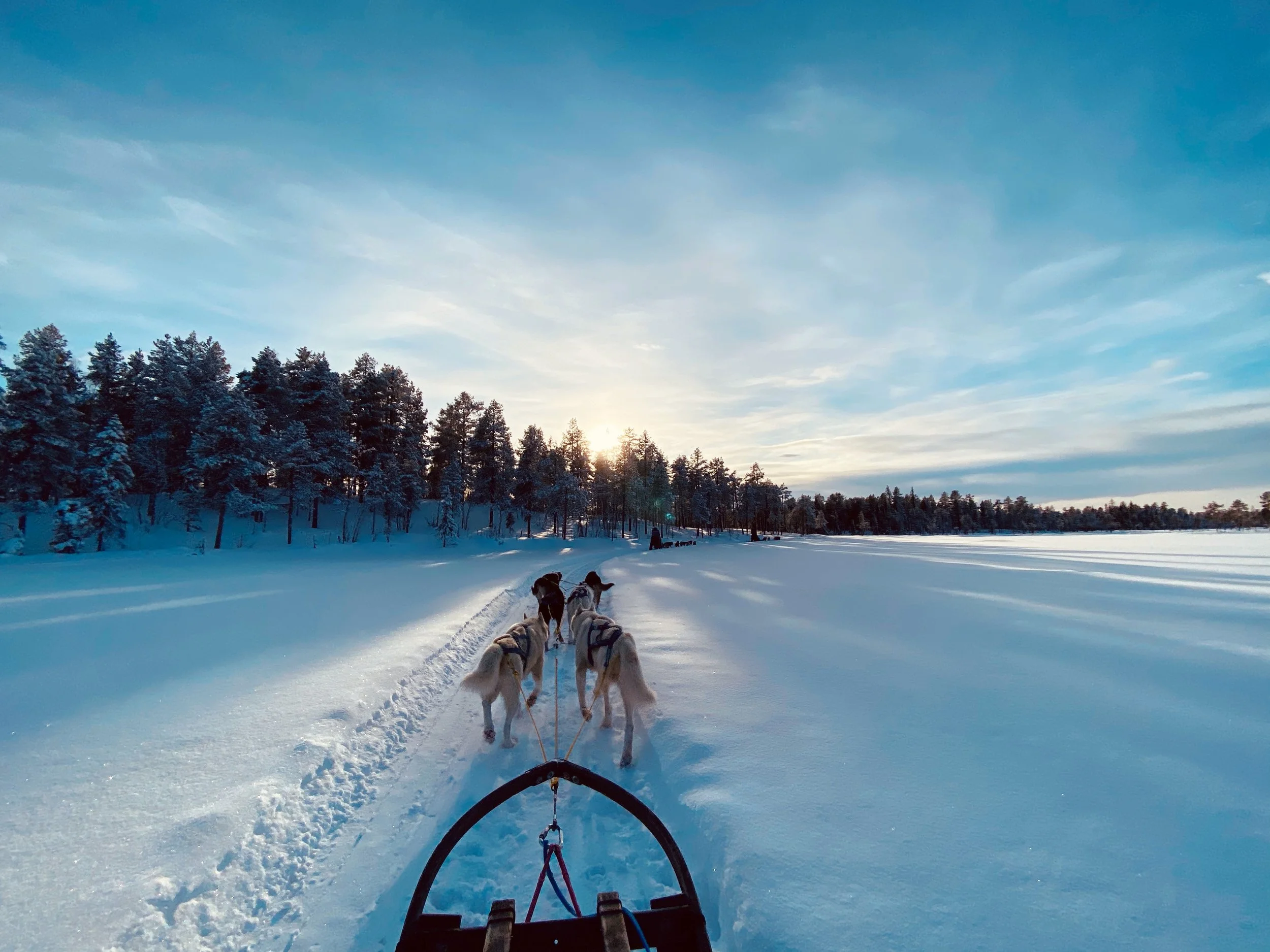
Lapland
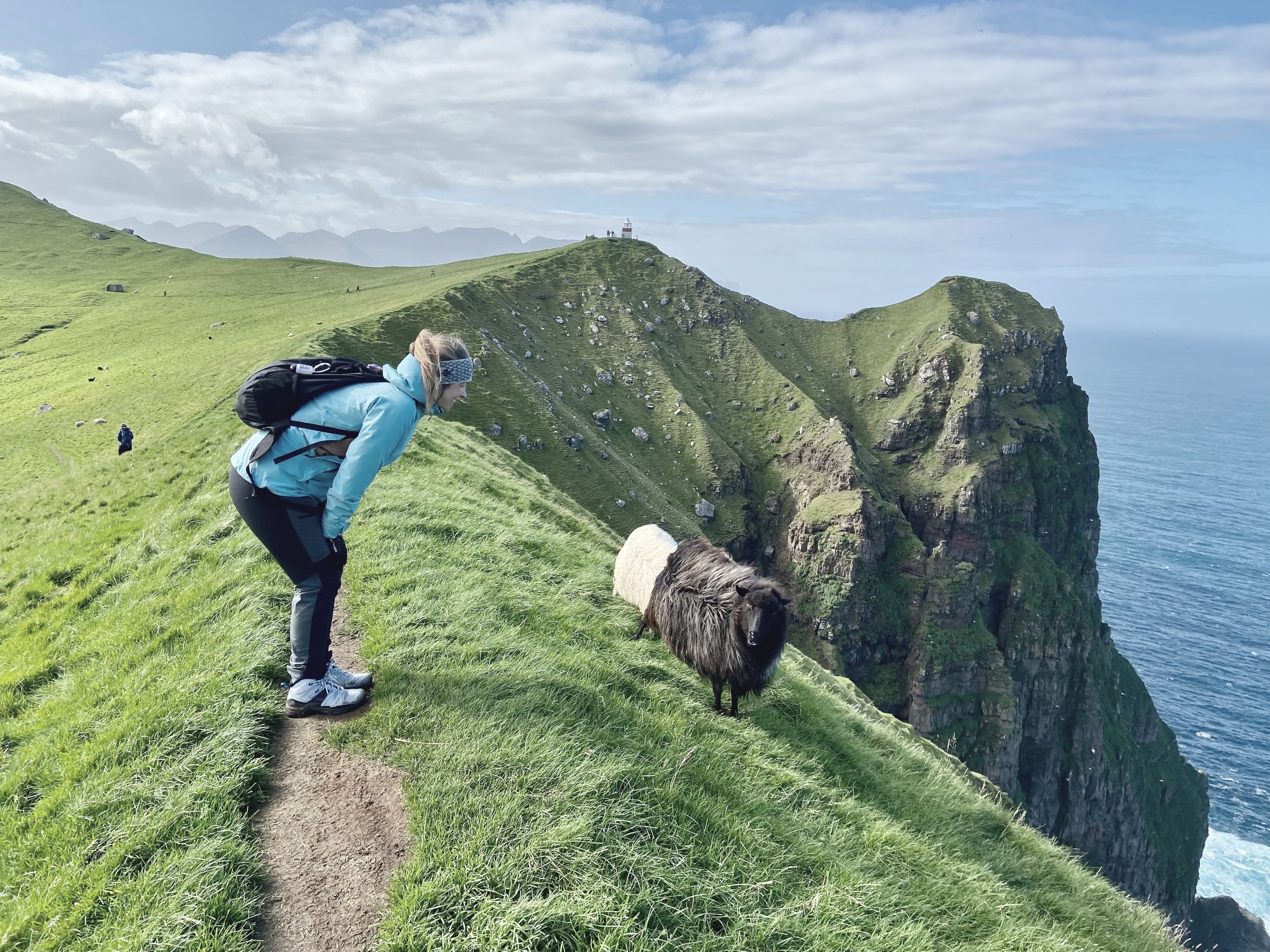
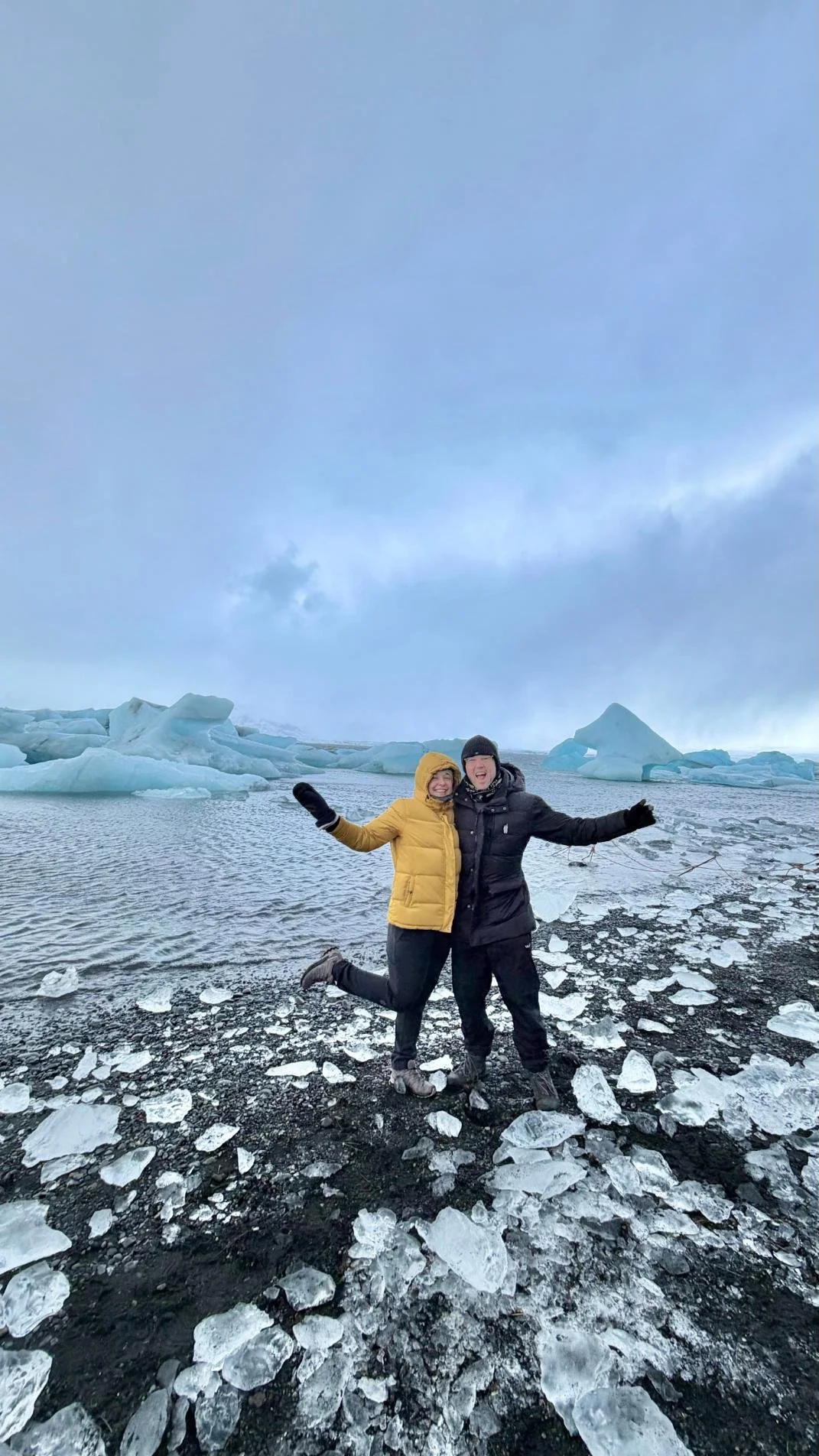
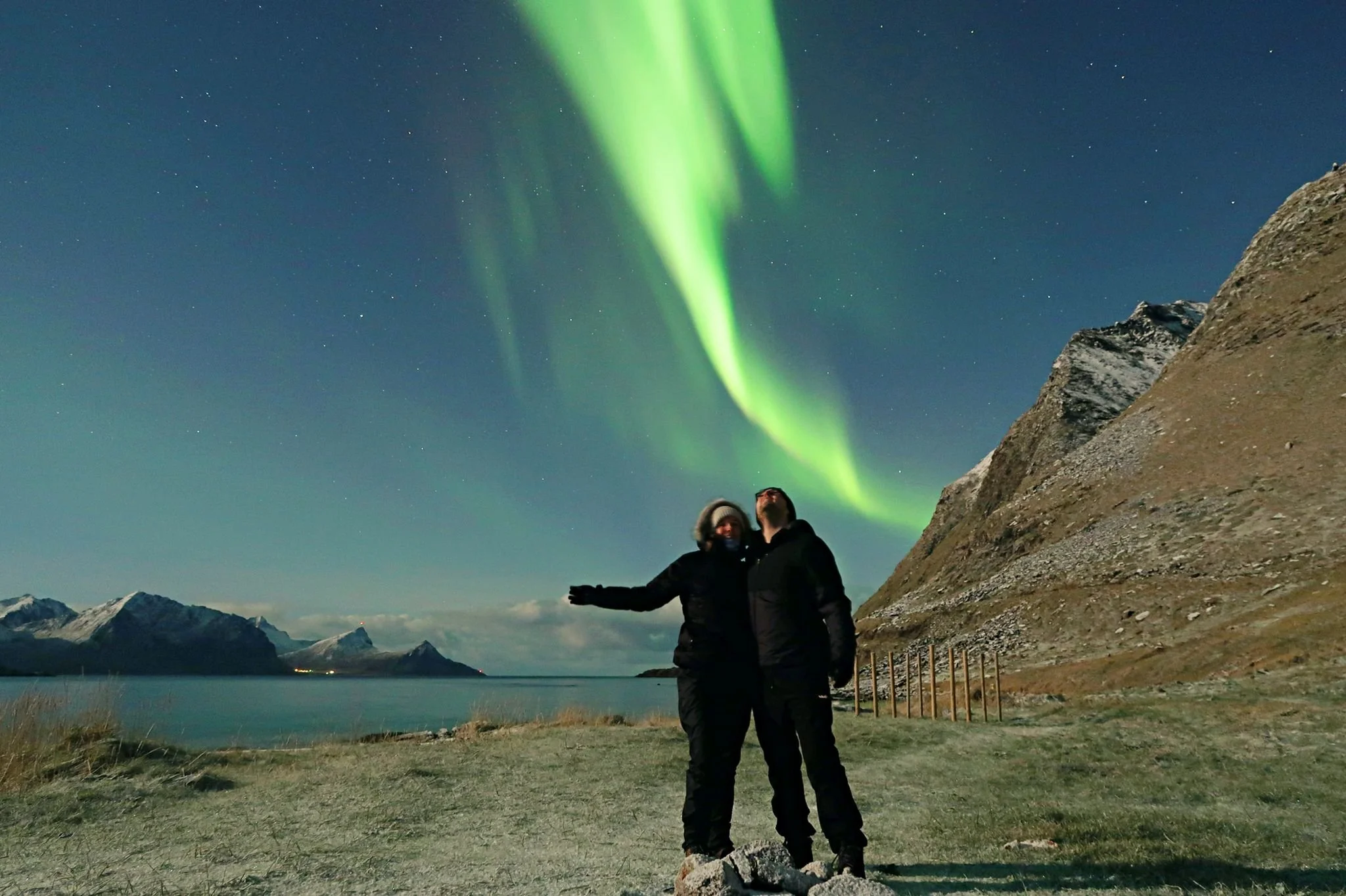
Faroe Islands
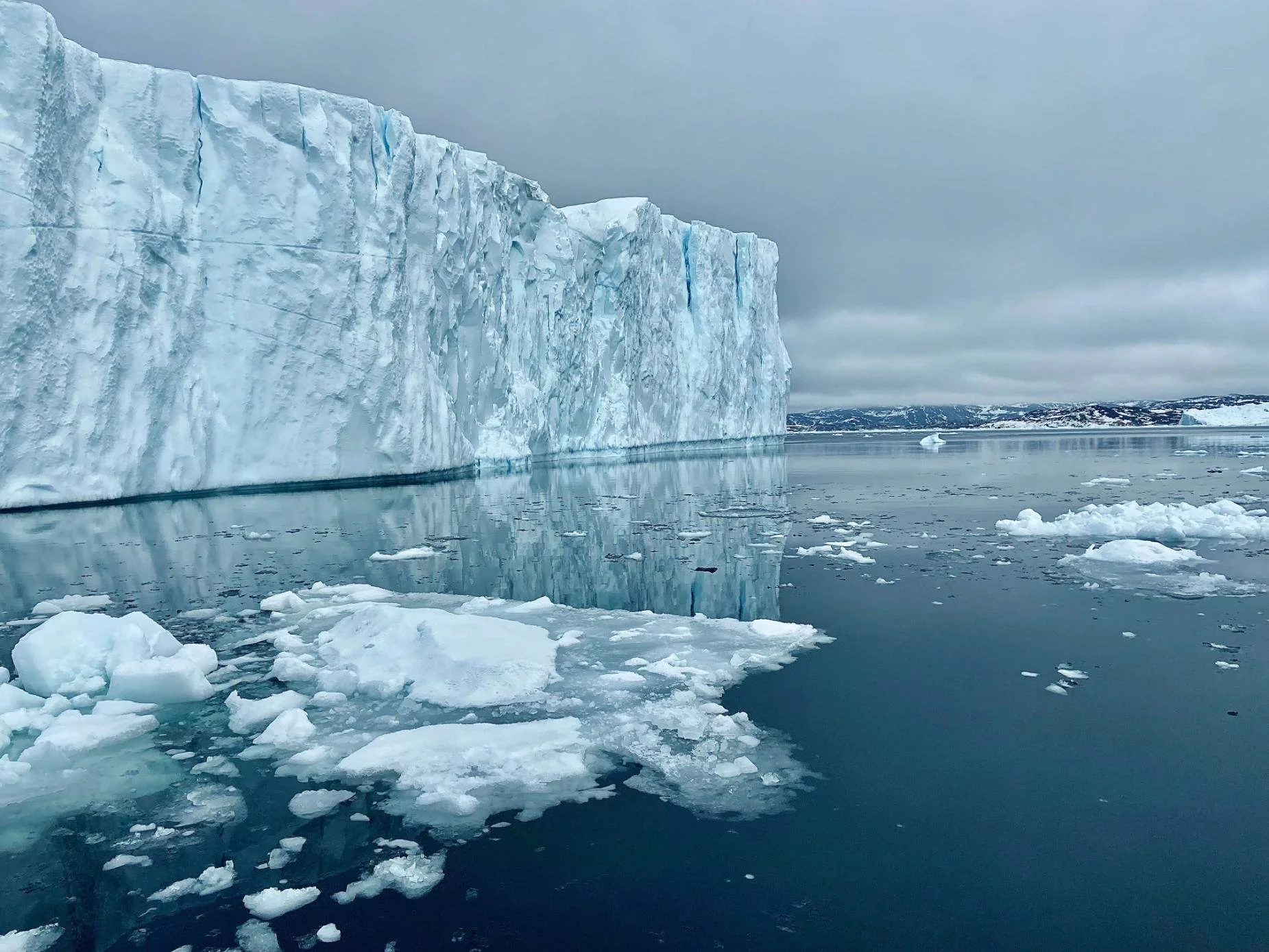
Greenland
Northern lights
Iceland
Southern Europe
Our most-read guides from the south:
Portugal: 5 Destinations Off the Beaten Path
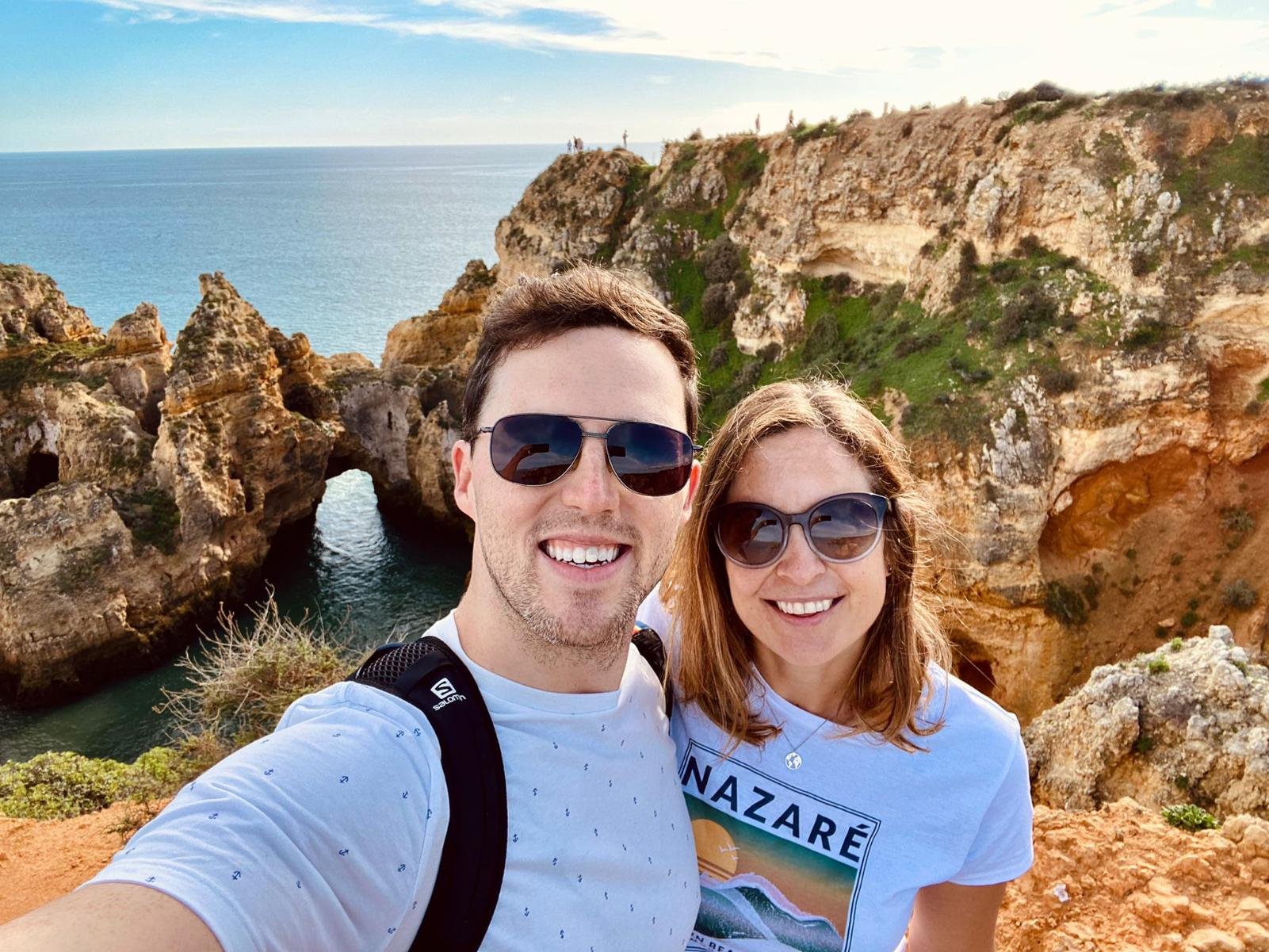
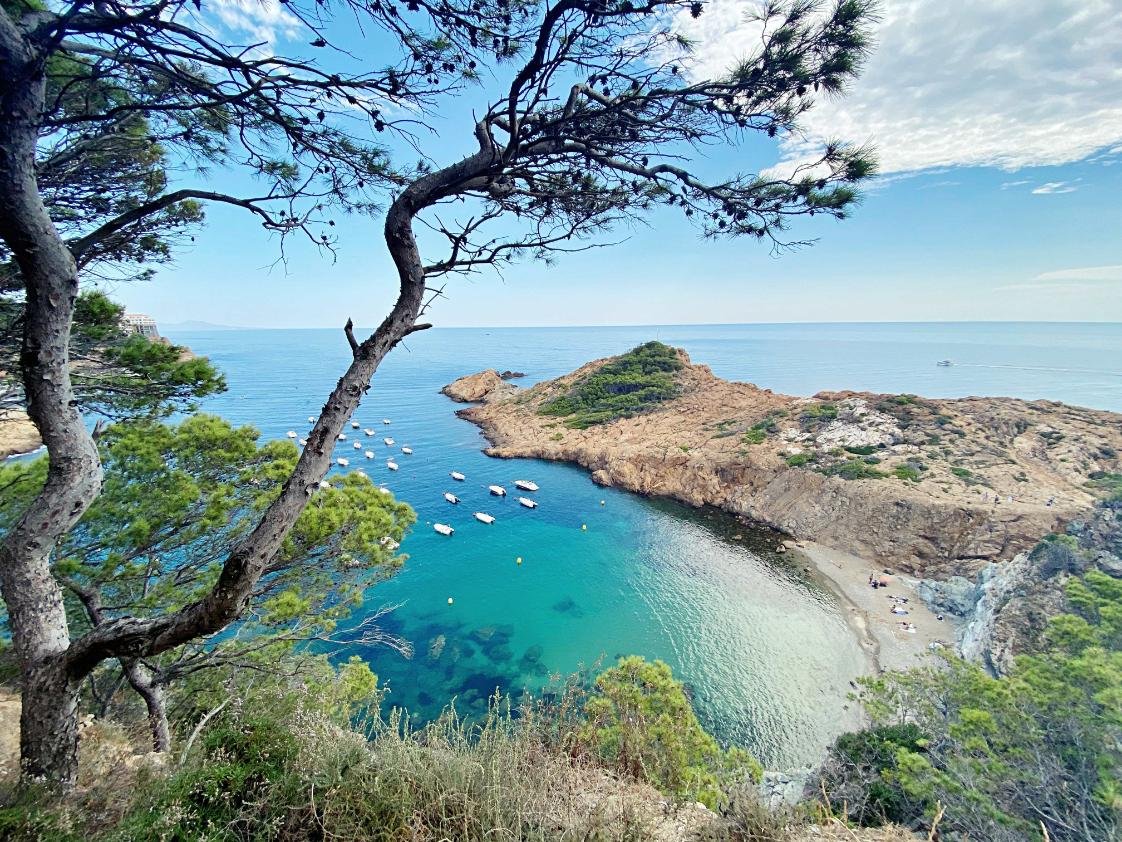
Portugal
Spain
Other countries in Europe
Americas
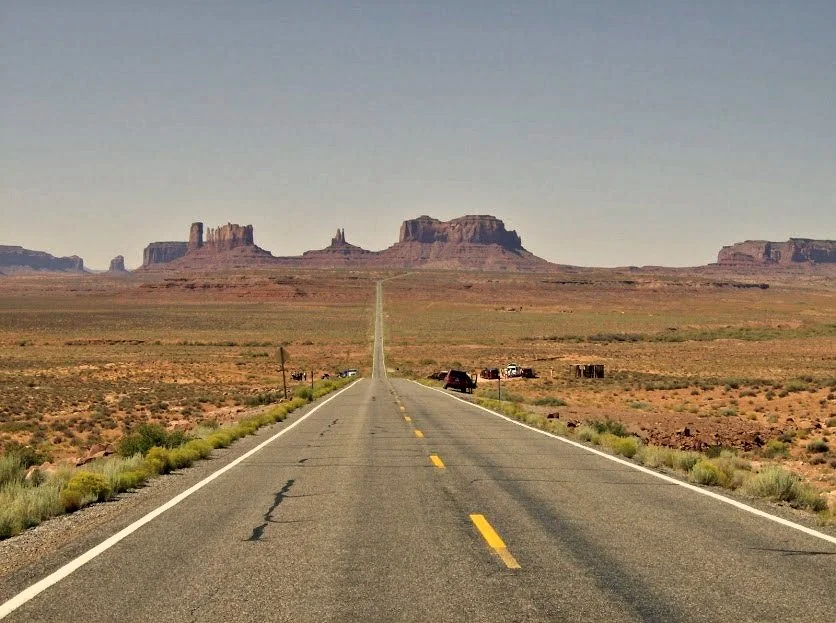
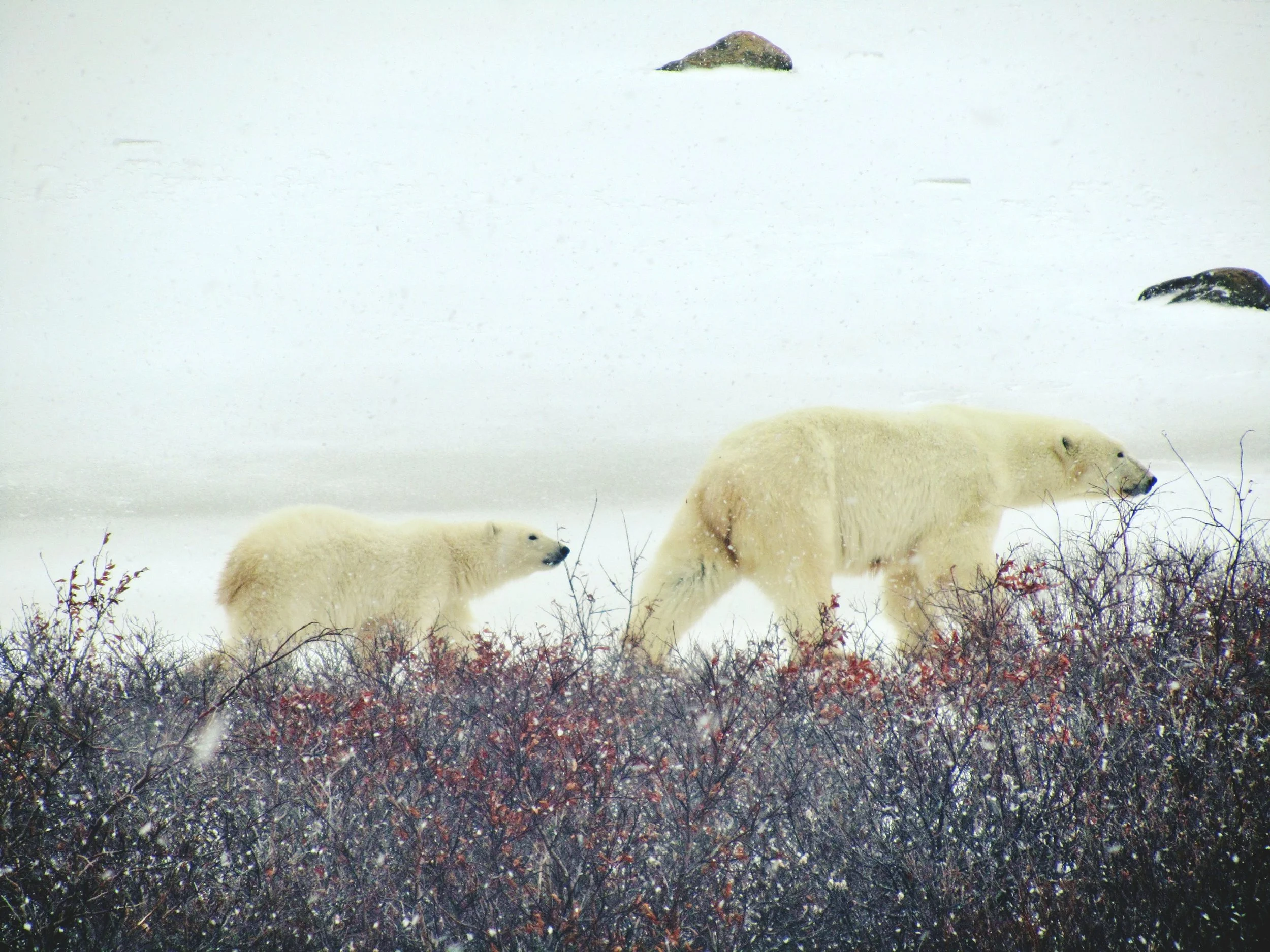
Canada
USA
Oceania & Asia
Our most-read guides:
Africa
Our most-read guides:
Latest posts
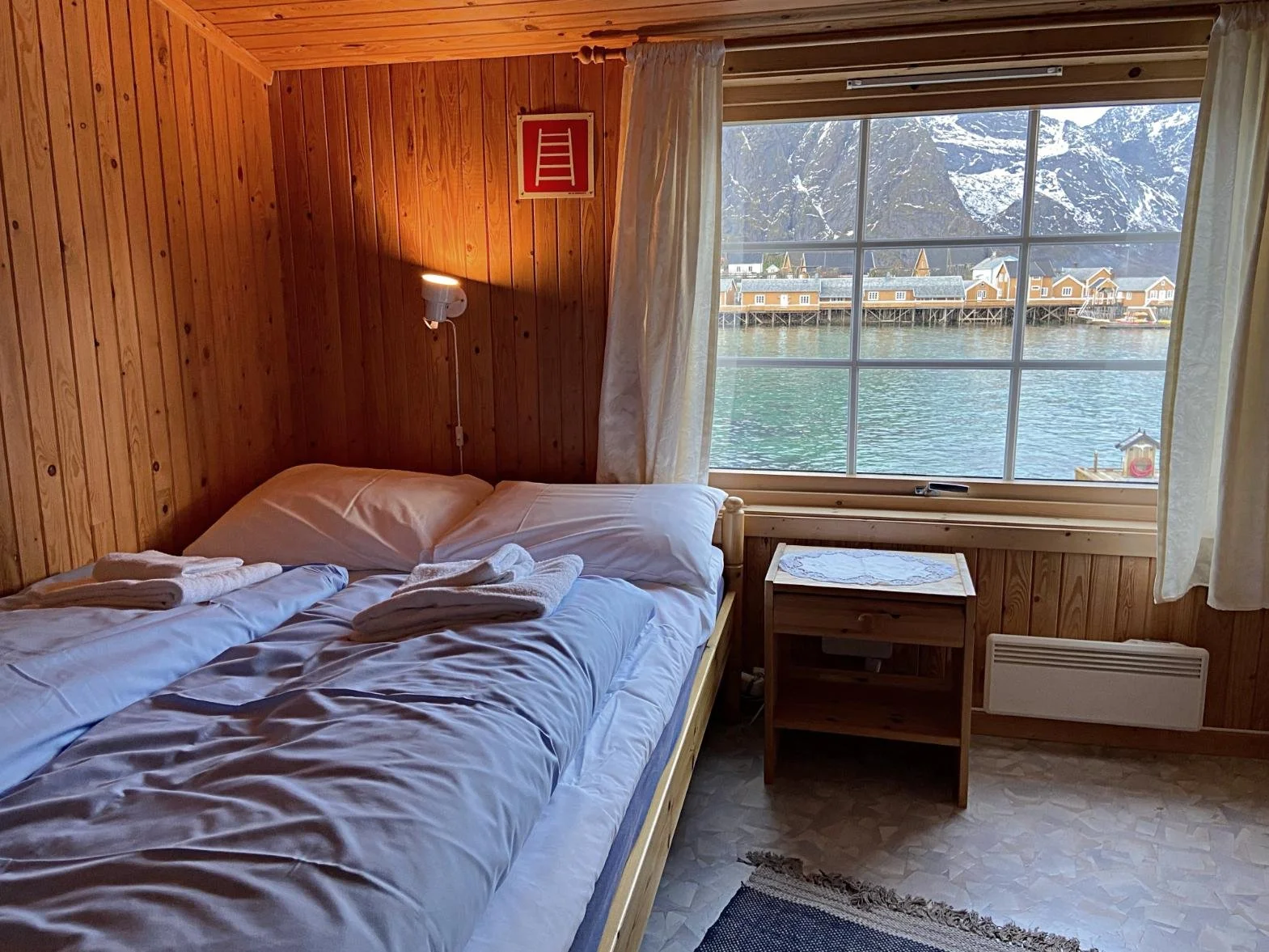



Free download
Travel Cheaper Cheat Sheet
27 tips on flights, hotels, hidden costs and more — spend less without missing what actually matters.
No spam. Unsubscribe anytime.
You're in! Check your inbox. 🐧
We've watched the sunset from Mount Aksla, hiked on Runde bird island, tried the floating sauna Svai when the sea was 4 degrees, and almost stayed forever deep in the Summøre Alps & fjords.
Ålesund, Norway, definitely rewards that kind of wandering, and where you stay changes the trip. A harborside room in the Art Nouveau center is a different experience than a night an hour inland with a fjord out the window! Here's our selection of hotels in Ålesund, and in the surrounding Sunnmøre Alps and fjords.