
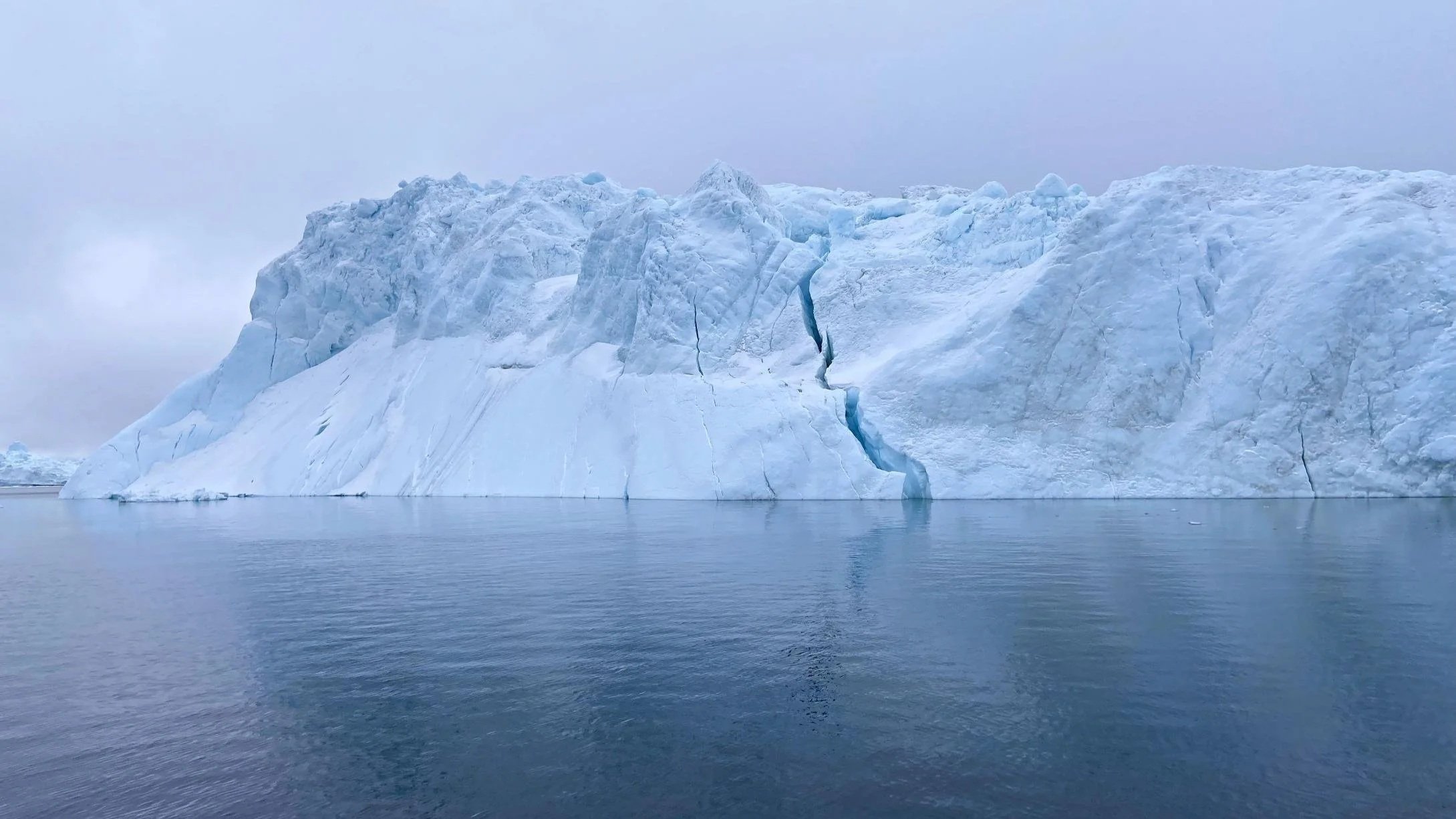
Arctic Travel Hub
The Arctic: Our comfort zone
For us, the Arctic isn’t just another journey — it’s the thread that ties so much of our life and work together. Eli spent years studying these regions for her master’s thesis, and together we’ve returned again and again, chasing the light, the silence, and the stories that only exist here.
This is a land of contrasts. Icebergs drift past tiny fishing towns. Aurora curtains ripple above sled dogs howling in the dark. Reindeer graze in Lapland while polar bears roam Svalbard’s endless coasts. The Arctic is wild, unpredictable, sometimes harsh — and yet endlessly magnetic.
Greenland, Svalbard, Lapland, Alaska… every corner we’ve visited has carved its mark into us. We’ve ferried between Ilulissat and Nuuk, stood in awe under skies ablaze with northern lights, and felt the stillness that only the high north can offer.
The Arctic is our passion, our specialty, and the place we most love to share with you. These guides are the closest we can get to bringing you along, until you go and fall in love with it yourself. But fair warning: once you’ve been here, nothing else will ever feel quite the same.
Jump to: Norway · Iceland · Finnish Lapland · Swedish Lapland · Greenland · Faroe Islands · Canada & Alaska · Arctic Essentials · Northern Lights Hub
Arctic Norway

Lofoten isn't one destination; it's a chain of islands strung together by bridges and a single road. And where you sleep decides how much of it you see, especially if you have a short amount of time. Base yourself wrong and you'll spend half your trip driving back and forth for dinner. Base yourself right, and everything from the Reinebringen sunrise to the last ferry out is fifteen minutes away. This is a village-by-village breakdown of where to stay in Lofoten, built around what each area is good for.
For the full list of specific hotels and resorts across the islands, our Best Hotels & Resorts in Lofoten guide has the complete picks; this one is about choosing the right base first. We stayed at a few!
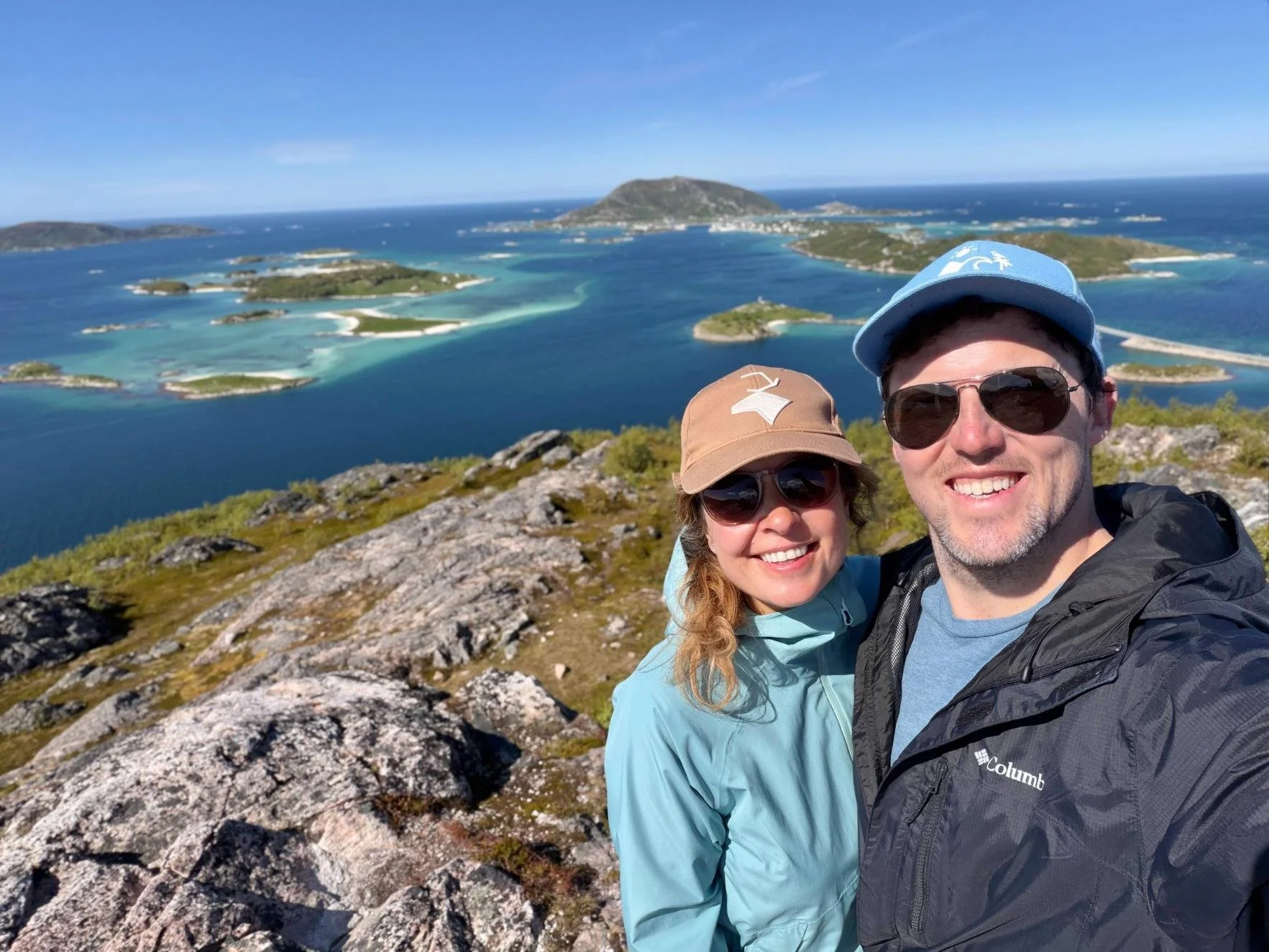
Sommarøy, Arctic Norway, is the kind of place that looks photoshopped until you're standing on it: turquoise water, white sand, and mountains right behind the beach, all an hour from downtown Tromsø. It's earned the nickname the Caribbean of the North for that reason… although the water temperature will quickly bring you back to reality.
We went on a sunny Sunday in May and the place was packed with locals. We did it as a day trip between Kvaløya and Senja, but you can just as easily stay the night. And you probably should. Here are the best things to do in Sommarøy, and everything else you need to know!
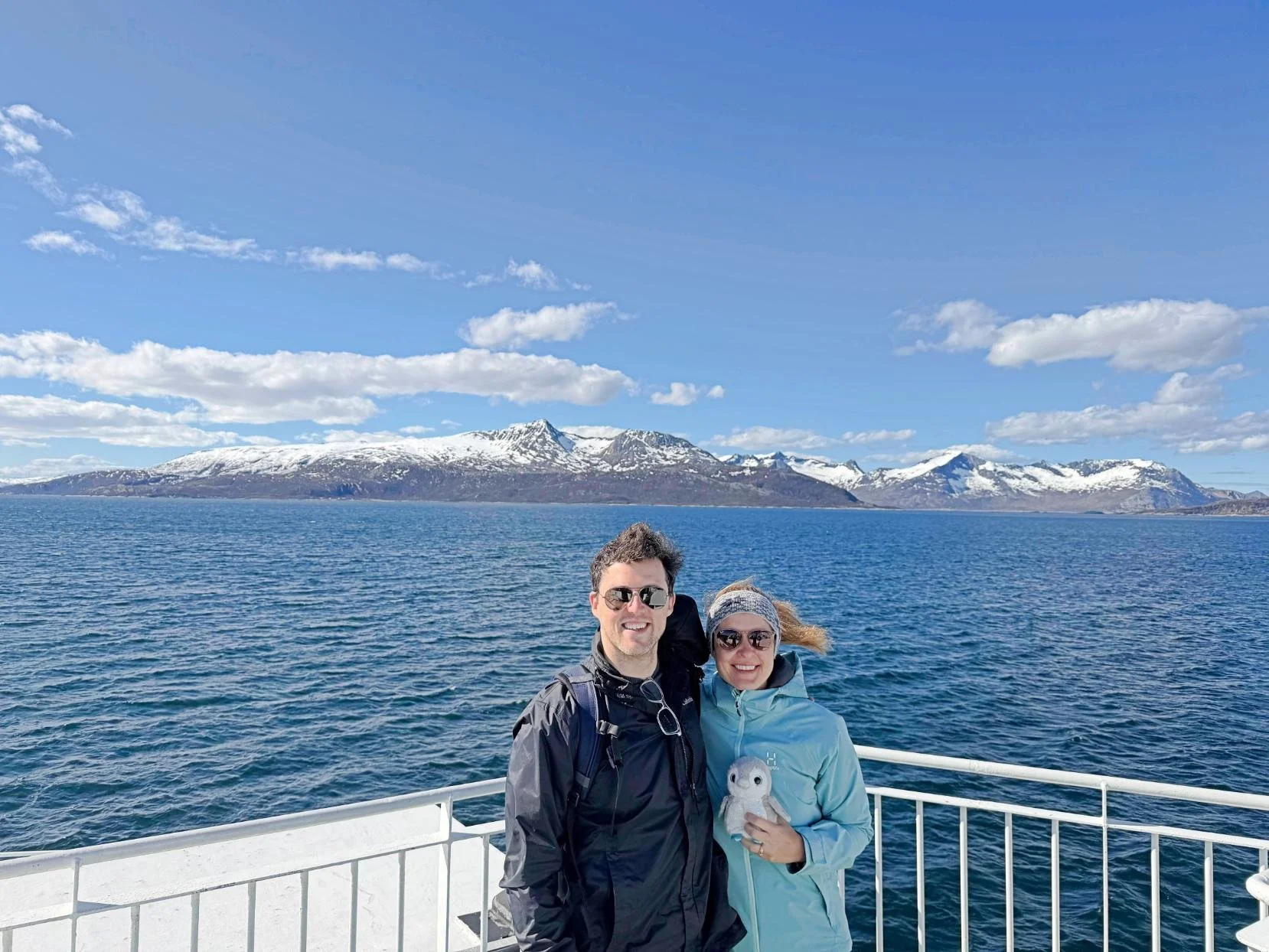
Tromsø, Norway, is better connected than its latitude on the map suggests: a busy airport, a long-haul bus that runs all the way into Finnish Lapland, and a coastal ferry route that's been calling here for more than a century. What it doesn't have is a railway, which throws off a lot of people planning a Norway rail trip around it. Here's how to get to Tromsø, whether you're flying in from Europe or working your way up through Norway, Finland, or Sweden.
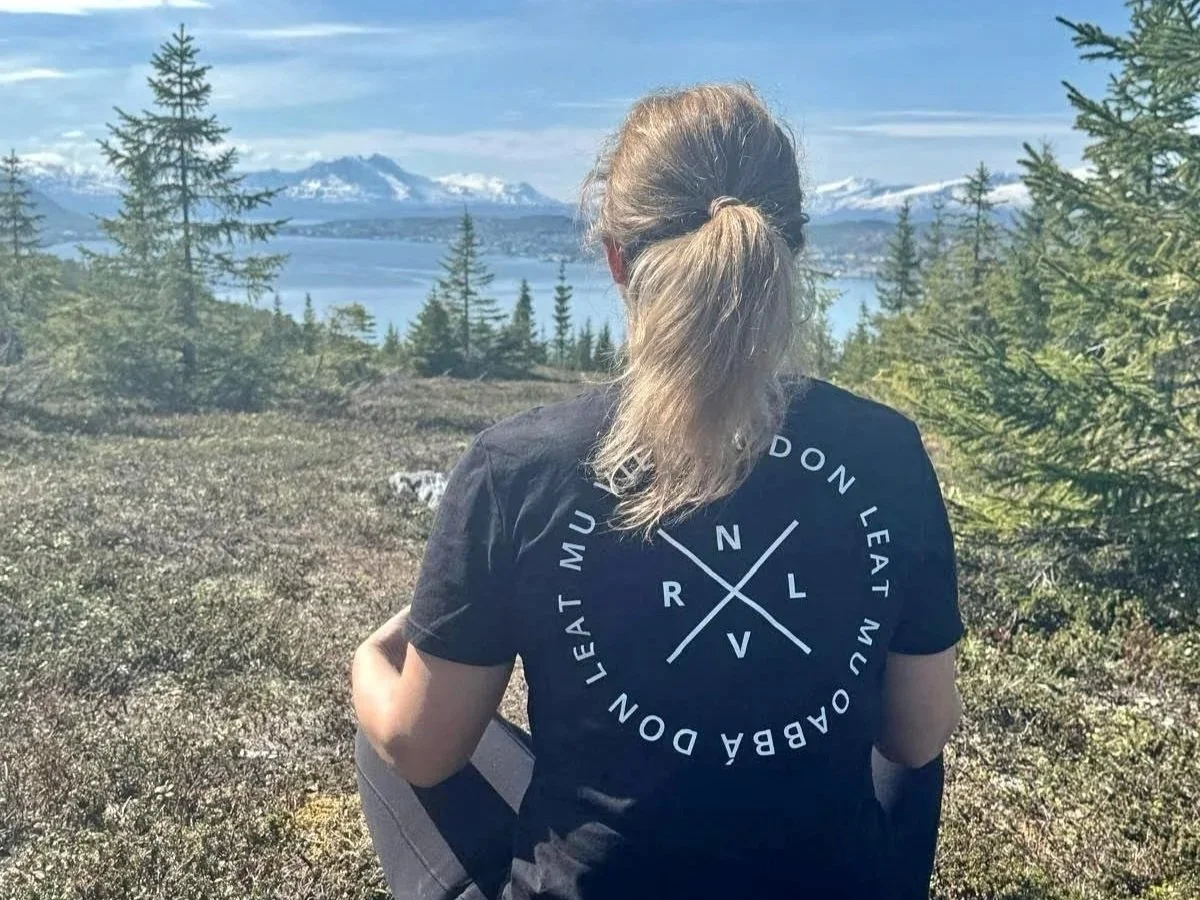
Do you need a car in Tromsø to go hiking? Not always. Our full best hikes in Tromsø guide covers everything, including the ones you need a car for, but plenty of the best trails are doable in Tromsø without a car at all. This is the shorter, more specific version: the 9 hikes here are reachable on Tromsø's local buses, and we added 4 with an overnight stay.
Some of these hikes are possible year-round (with snowshoes or skis in winter), and some are only accessible from late spring to early fall. Also note that buses are infrequent during the weekends and national holidays (sometimes not running at all). Check on Svipper to plan ahead!
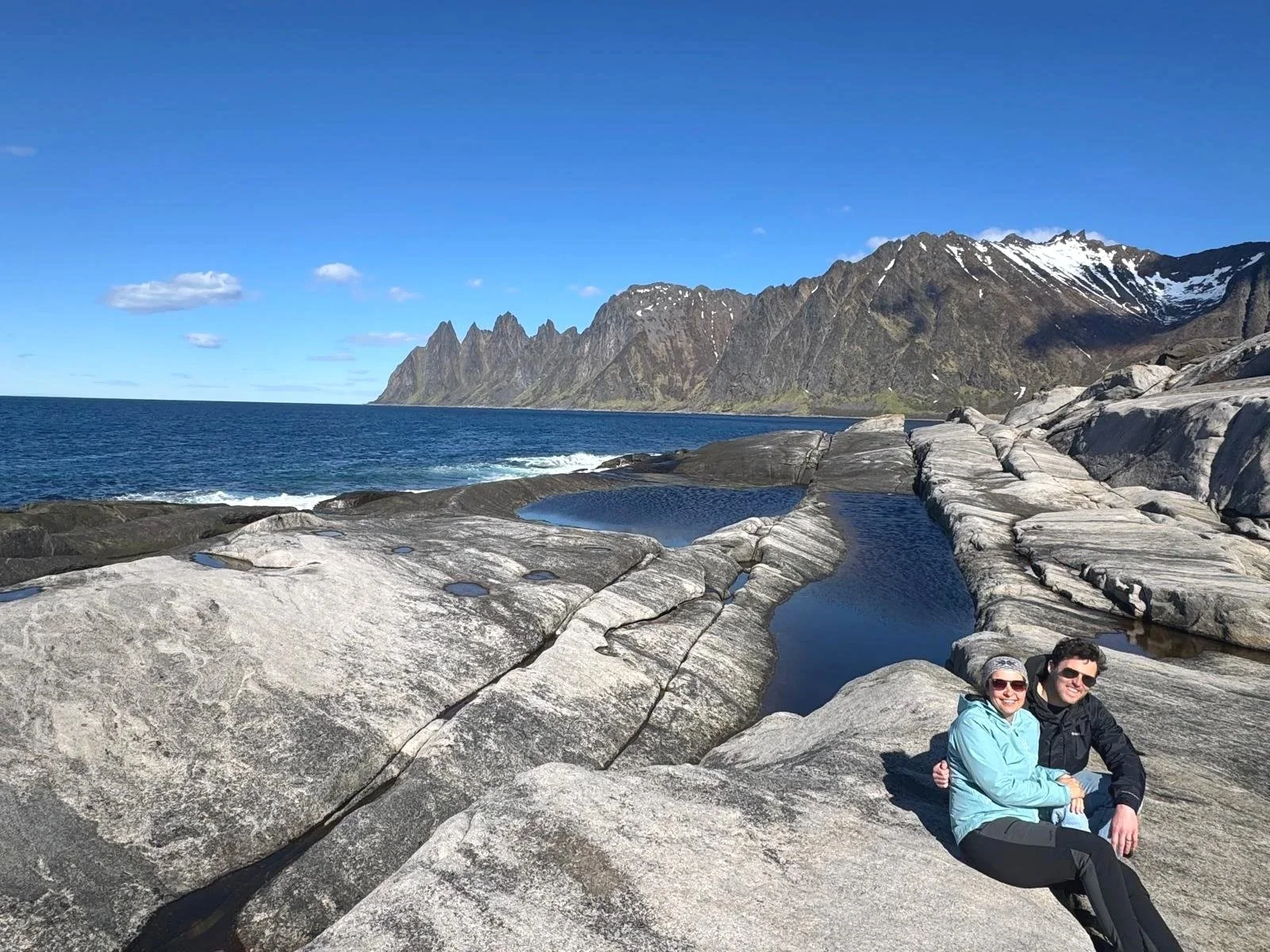
Senja, Norway, gets compared to Lofoten constantly, and the comparison holds right up until you notice how empty the roads are. Same jagged peaks, same fishing heritage, same beaches that shouldn't exist this far north, but far fewer people, far fewer signposts, far fewer villages, and long stretches where you won't pass another car. It's less “developed” as a destination, in the best way. Here are the best things to do in Senja beyond the hiking trails, whether you're not up for a strenuous summit or you just want to fill the days between hikes.
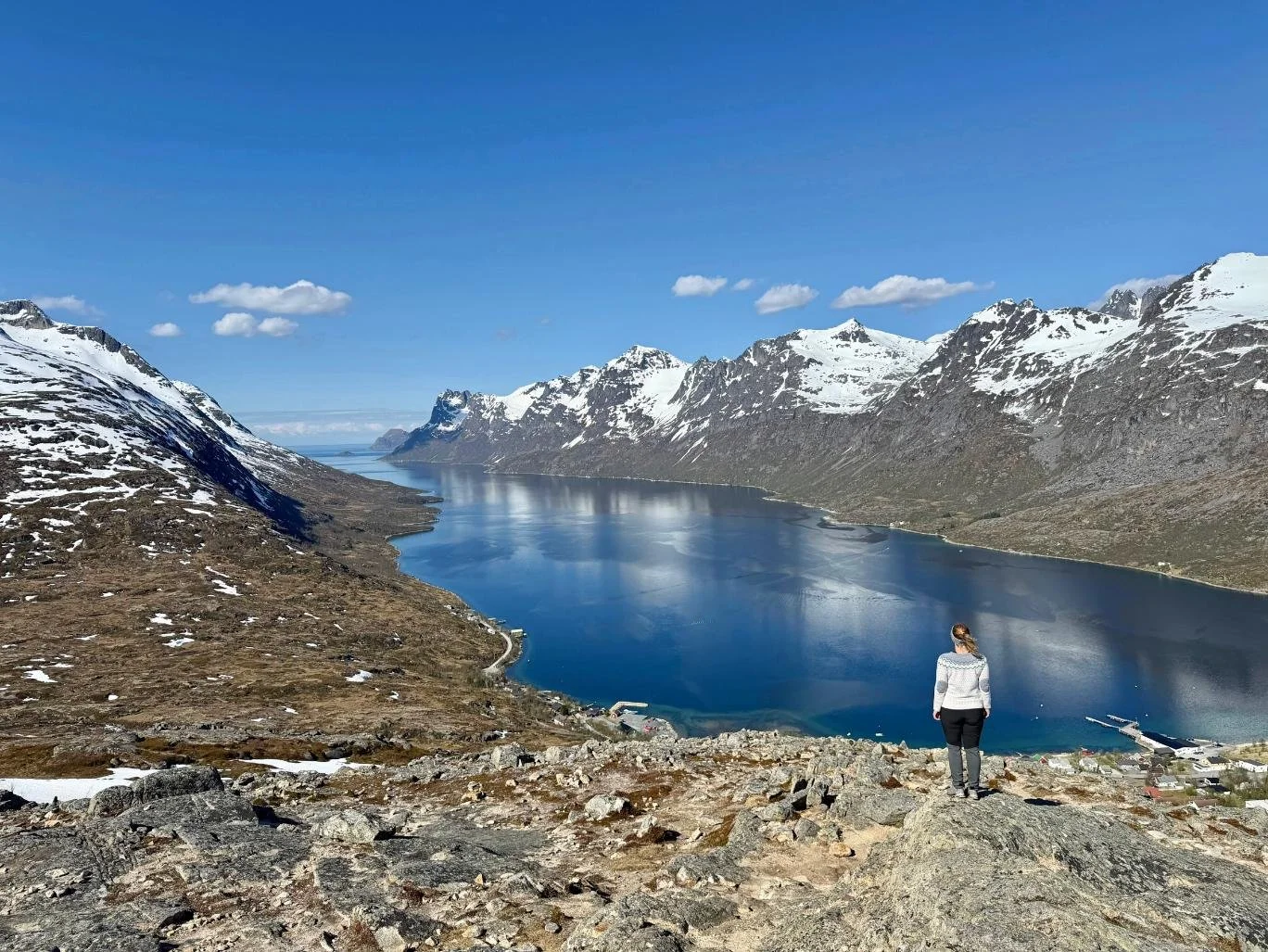
Tromsø, Norway, gets treated as a hiking base camp for the Lyngen Alps or Senja, and a lot of visitors never hike anything closer than the cable car queue at Fjellheisen. That's a shame, because the city itself sits between two mountains, backs onto a forested ridge, and is a short drive from an island (Kvaløya) with some of the prettiest and overlooked trails in Northern Norway. This Tromsø hiking guide covers what's walkable from downtown, what's a short drive or bus ride away, and where to go if you want something bigger.
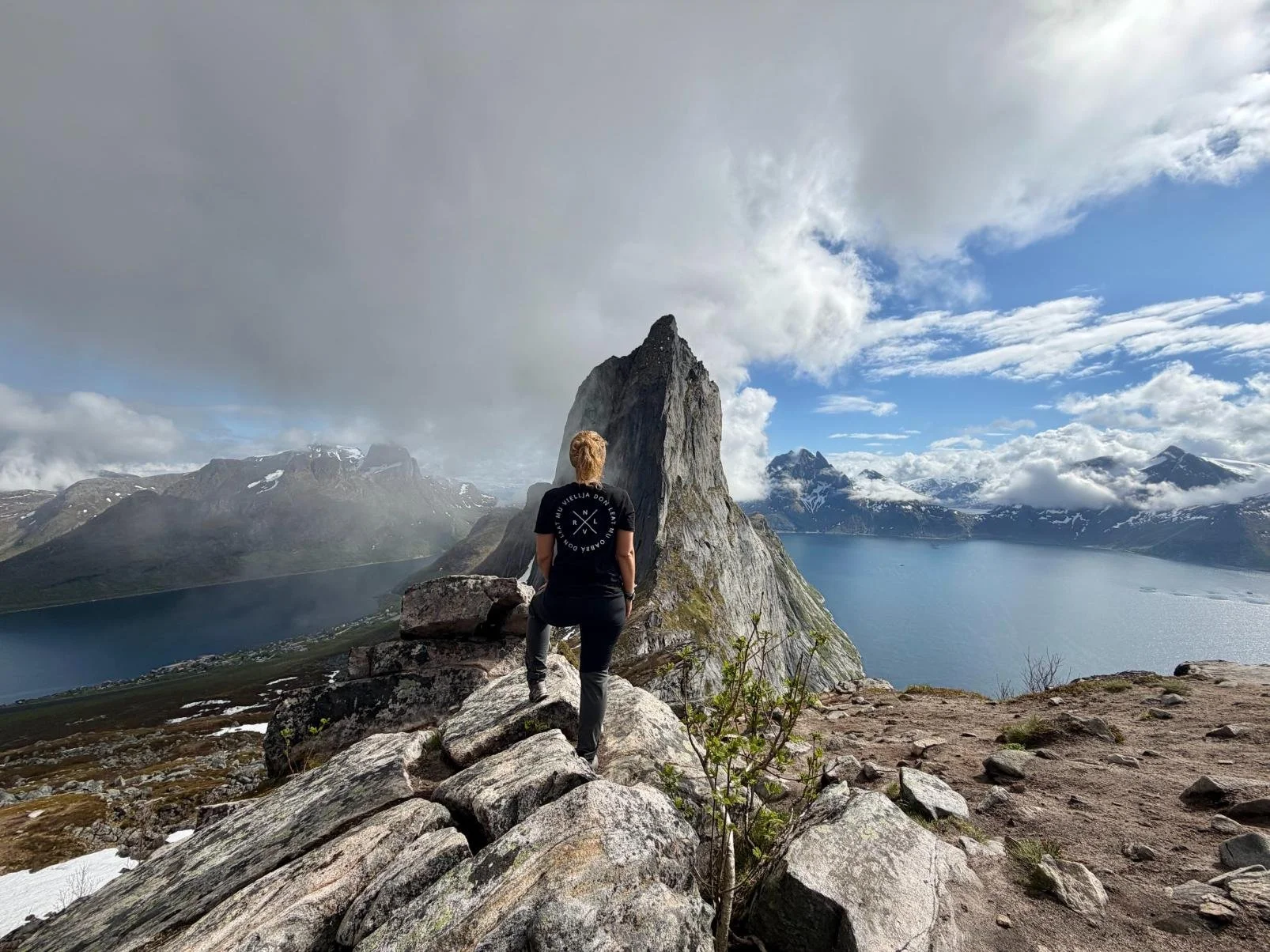
We had four days on Senja, Norway, with variable weather and a rotating window of clear skies. We hiked Hesten, Husfjellet, Knuten above Mefjordvær, and Utsikten near Hamn i Senja. And we can’t wait to go back for more!
This Senja hiking guide covers those four trails from our own experience, plus the big ones we didn't do — Segla, Barden, and Breidtinden — because they deserve their own introduction.
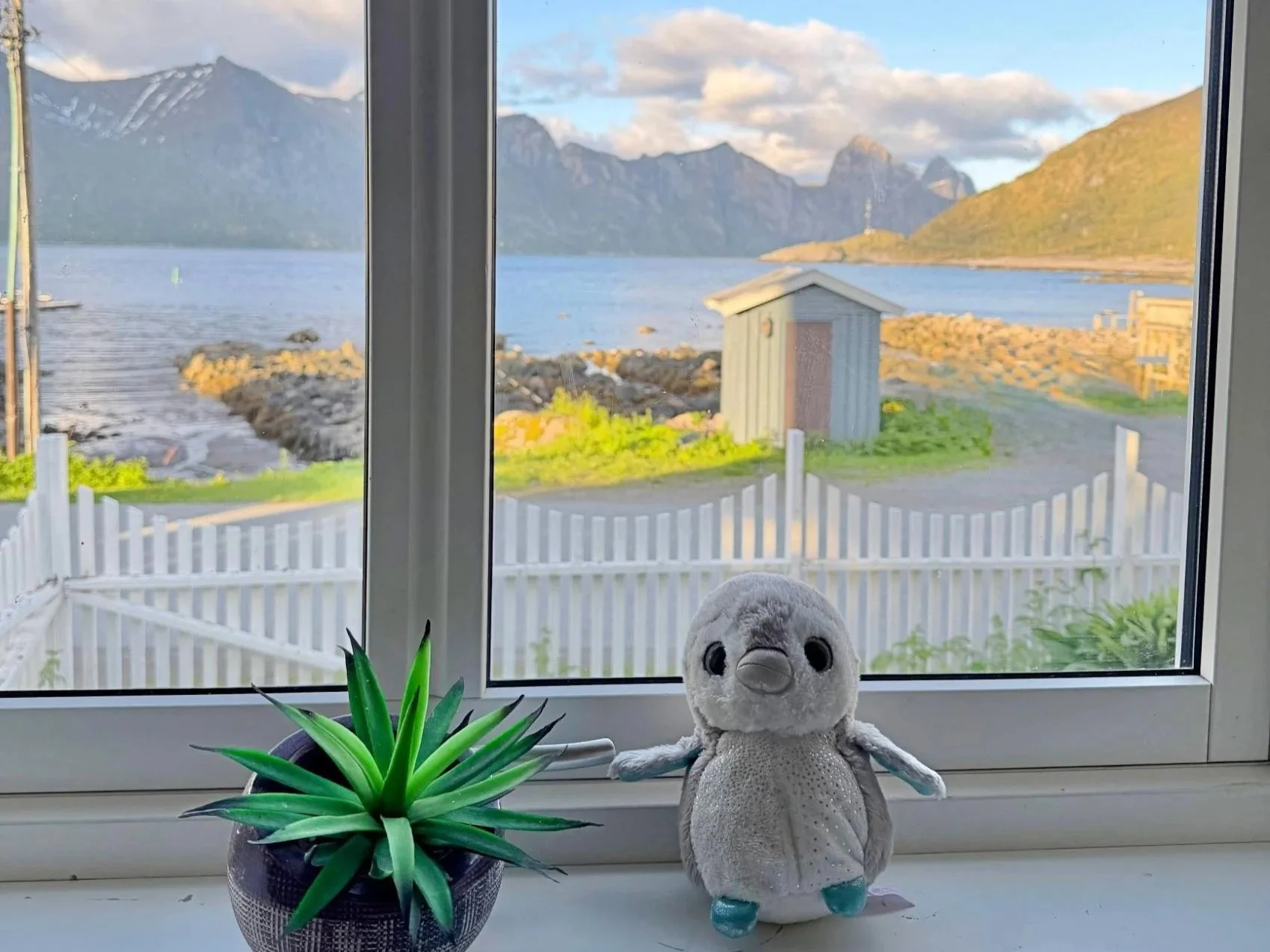
We split our time on Senja across different corners of the island, and the conclusion was fast: everything is spectacular, close to a fabulous hiking trail, and each accommodation is part of the experience.
Norway's second-largest island sits about two to three hours from Tromsø by car and ferry. The question isn't whether Senja is worth the detour. It is, and we’re pretty confident you’ll agree. The question is which part of it you want as your base.
This guide covers the best hotels in Senja, including the ones we stayed at, plus one bonus option just outside the island that's too well-positioned to leave out.
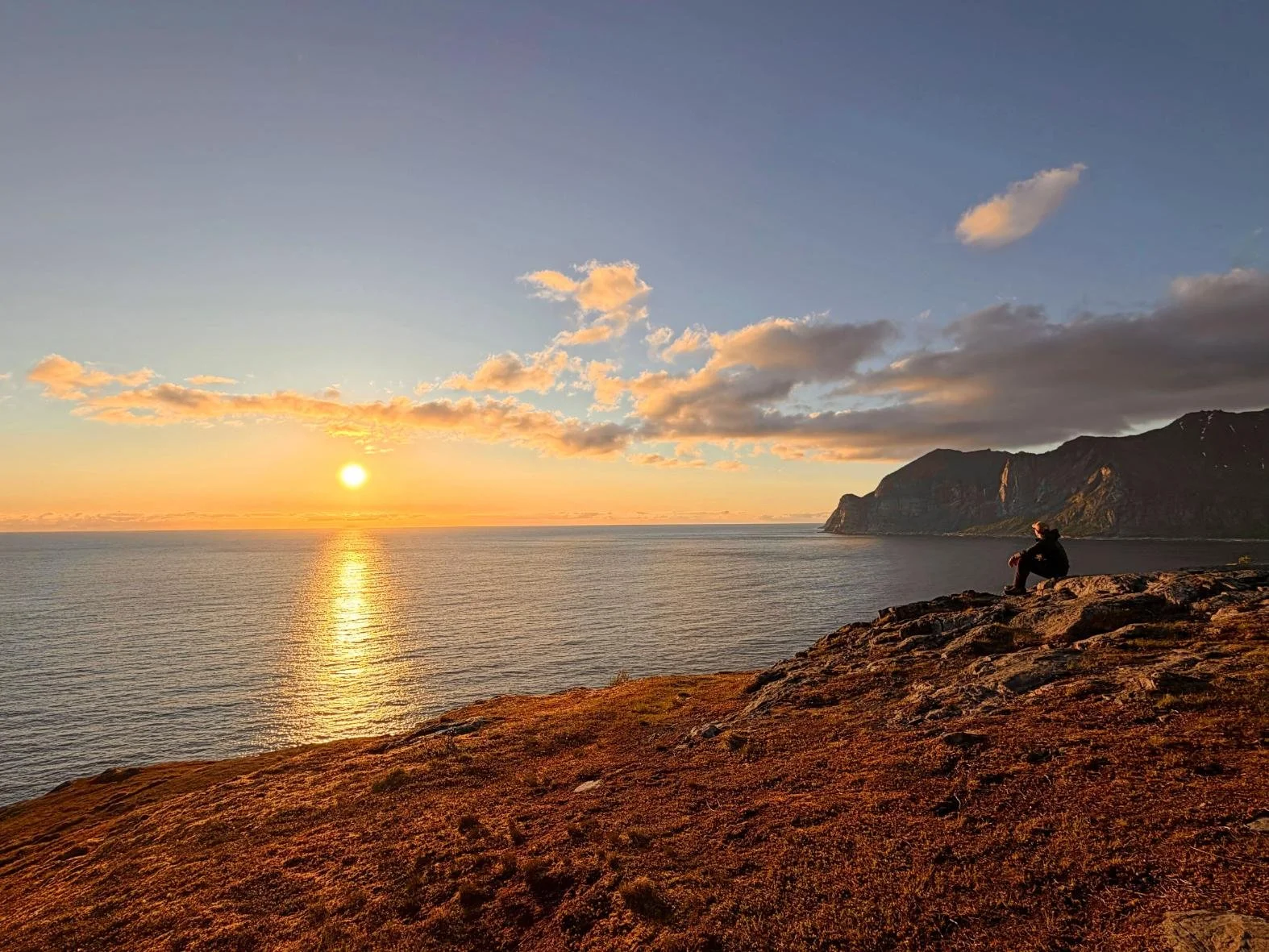
If you live in Southern Europe like us, you’re probably really, really hot right now. So, this summer, go up north!
Most people think of Tromsø, Norway, as a winter destination: northern lights, dog sledding, snow-covered peaks. And yes, that version of the city is real and a bit too crowded for our taste. But summer in Tromsø is different!.
The midnight sun runs from mid-May through late July. That means golden light at midnight, warm enough afternoons to swim (brave souls do, and not just Norwegians), wildflowers on the ridgelines, and an incredible energy in the air. You can hike at 11pm and still have hours of light ahead of you. The beaches — with white sand and turquoise water — fill up with locals who wouldn’t even dream of spending the summer in Spain. Oh, and less tourists!
This is our guide to the best things to do in Tromsø in summer.
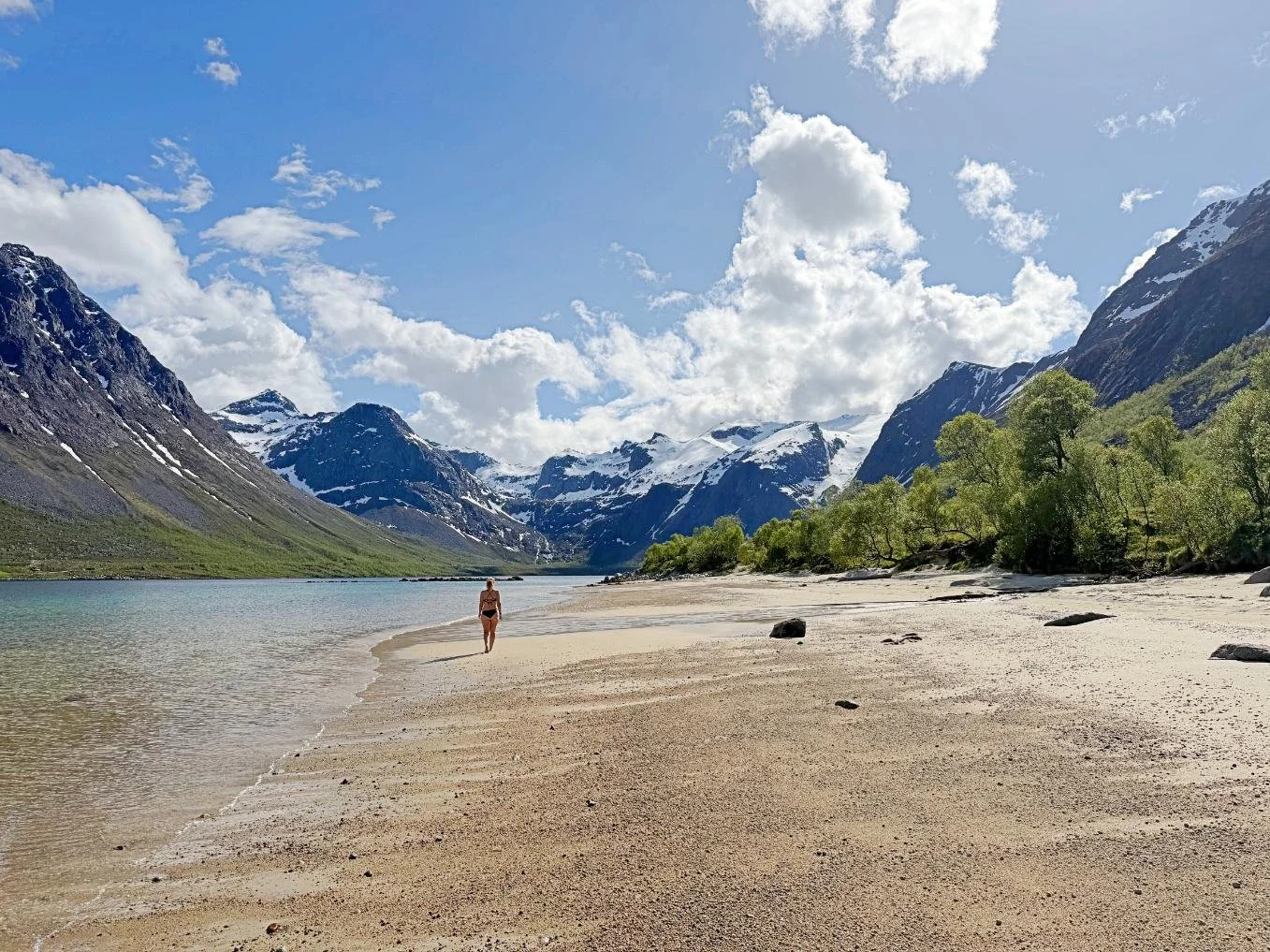
Kvaløya sits twenty minutes from Tromsø by car, connected by a bridge most people cross on their way somewhere else. Most treat it as a northern lights parking spot in winter, or a stepping stone to Senja or Sommarøy. We visited several times, and eventually stayed a couple of nights. And it turned out to be one of the most extraordinary places we've been in Northern Norway — wild, nearly empty, and completely underrated.
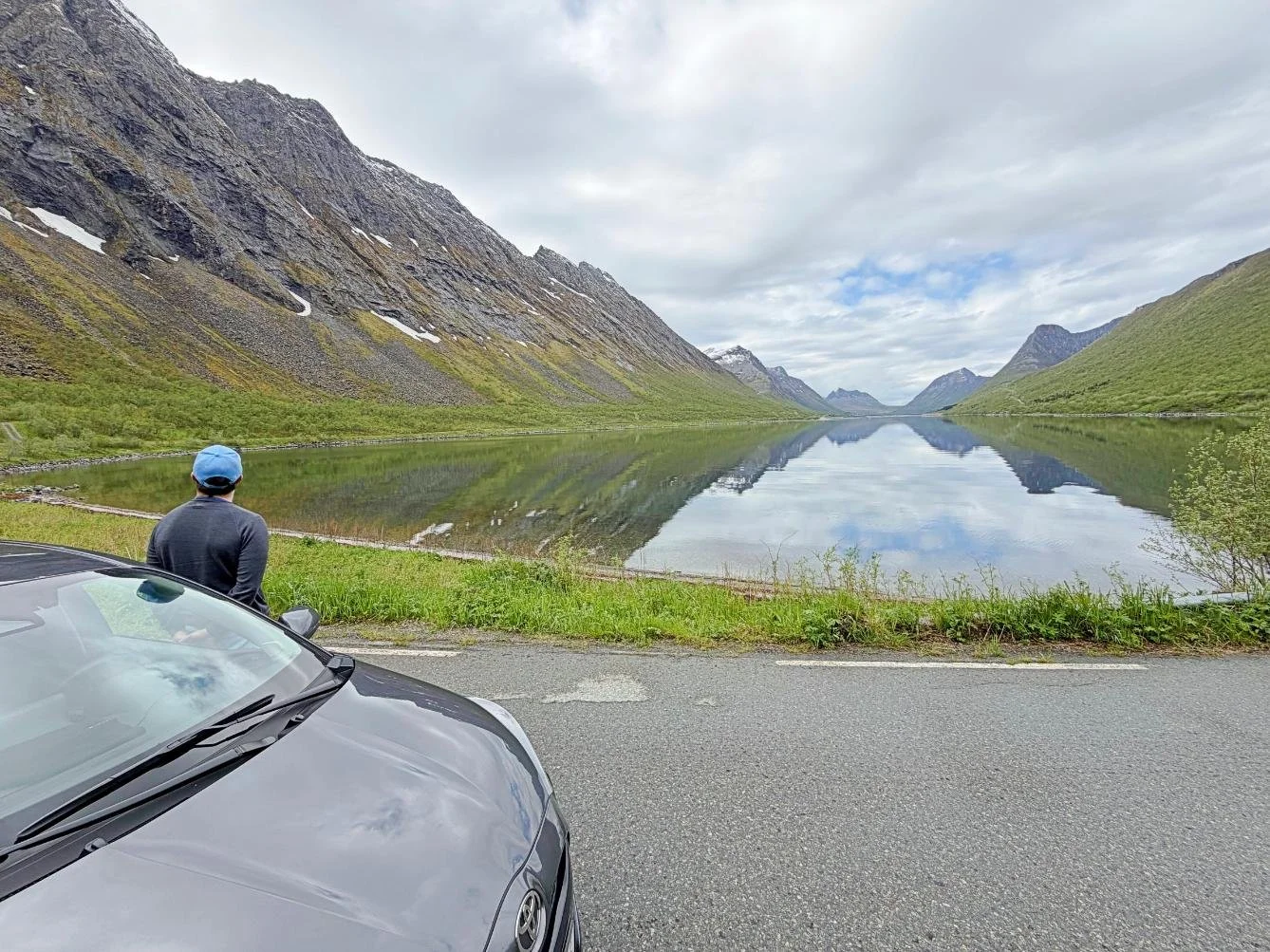
Tromsø, Norway, works perfectly well without a car for a lot of visitors. The city is walkable, the buses are functional, and most of the big tour operators will pick you up from your hotel. If you're spending a few nights chasing the northern lights on guided tours and doing daytime activities in the city, you can get by just fine on foot and public transport.
But if you want to actually explore the region — drive out to fjords on your own schedule, stop where you want, visit Senja (unless you take a day trip), push further toward the Lofoten Islands or the North Cape — a rental car changes the entire trip. Northern Norway is one of the great road trip destinations in the world. A car doesn't just add convenience; it opens up a completely different way of travelling, and absolute freedom.
This guide covers everything you need to know about renting a car in Tromsø, from picking it up at the airport to driving on snow-covered roads in the dark.
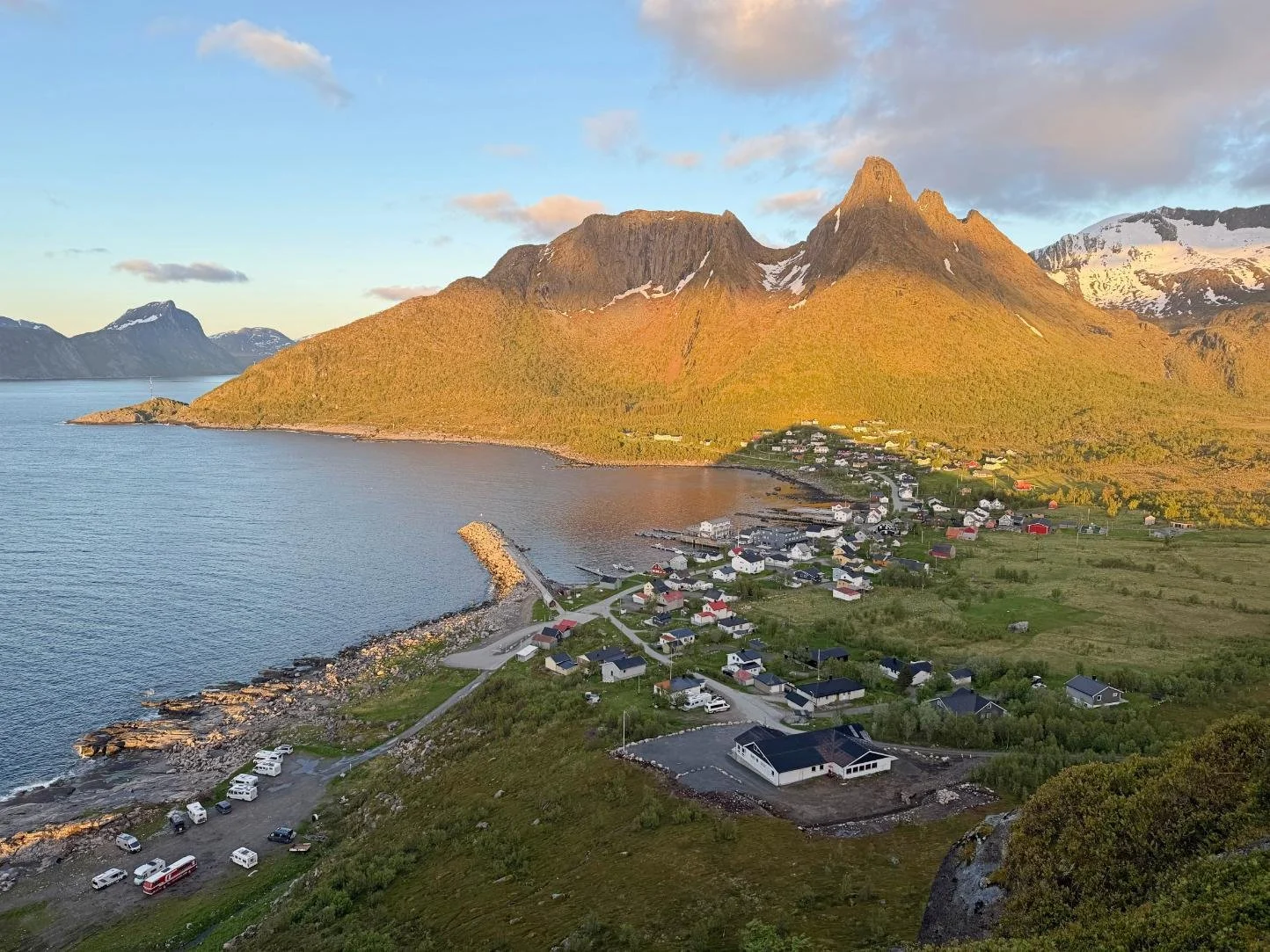
Mefjordvær doesn't announce itself. There's no big sign, no tourist infrastructure, no car park full of coaches.
It's a fishing village of about 150 people on the northwest coast of Senja, gathered quietly around a small harbor with the fjord in front and peaks dramatically rising behind. Actually, it’s technically a settlement belonging to Senjahopen.
And right at the water's edge, where the old brygge once stood, is Mefjord Brygge — a resort that has grown up organically around the village.

Tromsø isn't one place to stay — it's five, and the one you pick changes the trip. A central hotel on Tromsøya means walking to everything, but a cabin on Kvaløya means darker skies and a completely different pace. Tromsdalen puts you next to the Arctic Cathedral with a quieter feel than the city. Håkøya Island offers a level of seclusion that's hard to find that close to an airport. And further out — Sommarøy, Malangen, Lyngen — it’s a whole different universe.
This guide covers all of them, with our personal picks at every price point. For aurora-specific recommendations, see our dedicated best hotels in Tromsø for the northern lights guide.
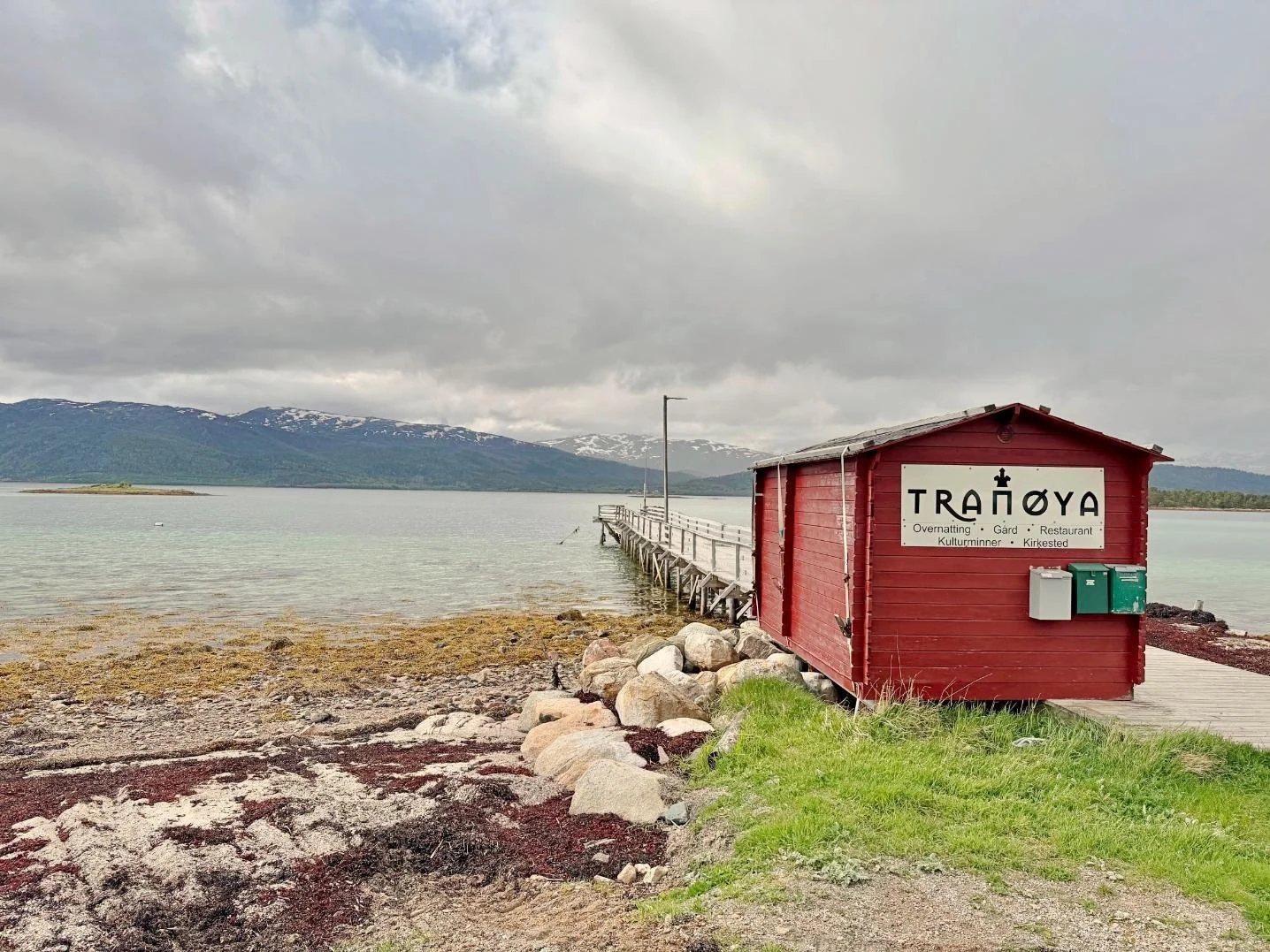
Tranøya is barely a kilometre across. It sits in a quiet bay just off the southern coast of Senja, reachable only by boat, and has been home to Vikings, vicars, and a Copenhagen socialite who followed a young theologian to the Arctic.
Today it's run by two sisters under the name Senja Moments, and it’s one of the most quietly remarkable places to stay in Northern Norway.
Wenche came to pick us up from the shore in her motorboat on a moody, rainy day, which made the whole place even more atmospheric.
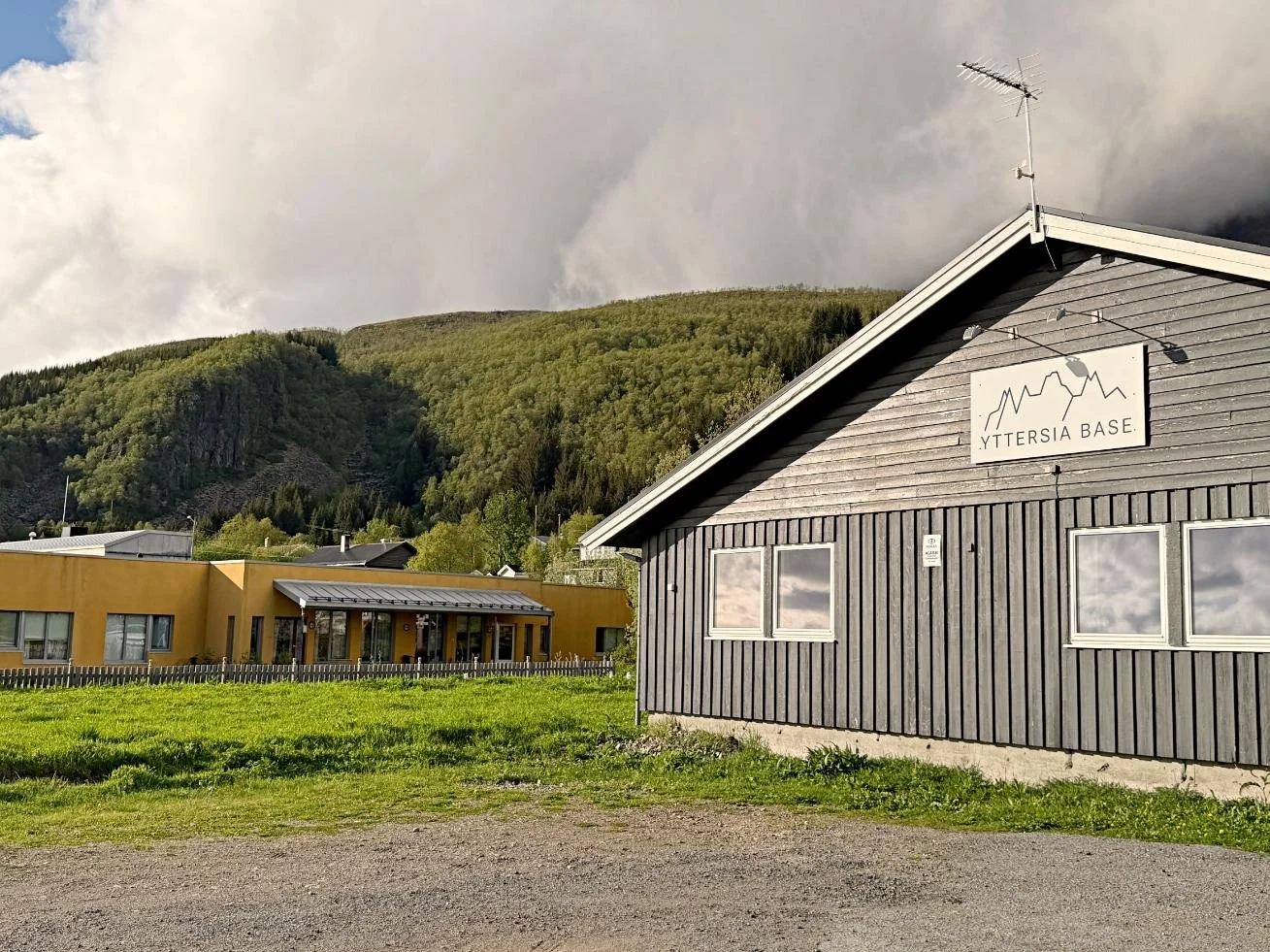
Senja has no shortage of dramatic places to sleep, some on par with what you could find in the Lofoten.
But finding a place that puts you right where you want to be — with good food a few steps away, the island's most iconic hikes within reach, and a host who actually grew up here — that's a different thing.
Yttersia Base in Skaland (with adjacent restaurant Nordisk Bris) is that place. We took time to explore the area, appreciated the good night’s rest and delicious meal after hiking, and left with a list of reasons to come back.
There’s passion behind the hotel and restaurant, and this is exactly the type of place we enjoy and happily recommend.
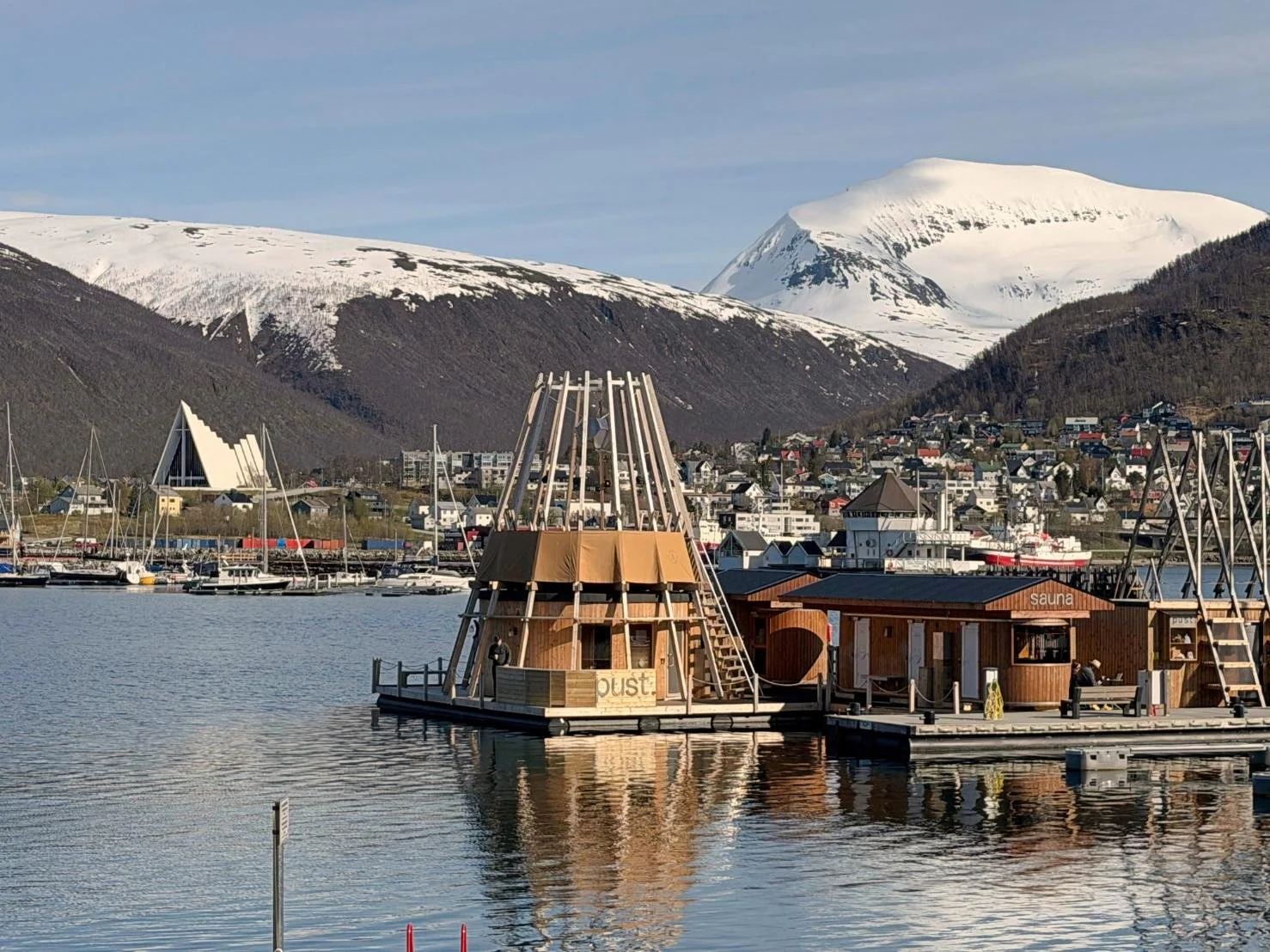
We came to Tromsø for the first time in winter 2009. Since then, the city has changed quiiite a bit. It’s now a true Arctic capital, with a true capital offering, which is surprising at this latitude (thanks, Gulf Stream!). However, most visitors go on a northern lights tour, take the cable car, buy a couple of souvenirs and leave without really exploring Tromsø and its majestic surroundings. This guide of things to see in Tromsø is for the other kind of trip.
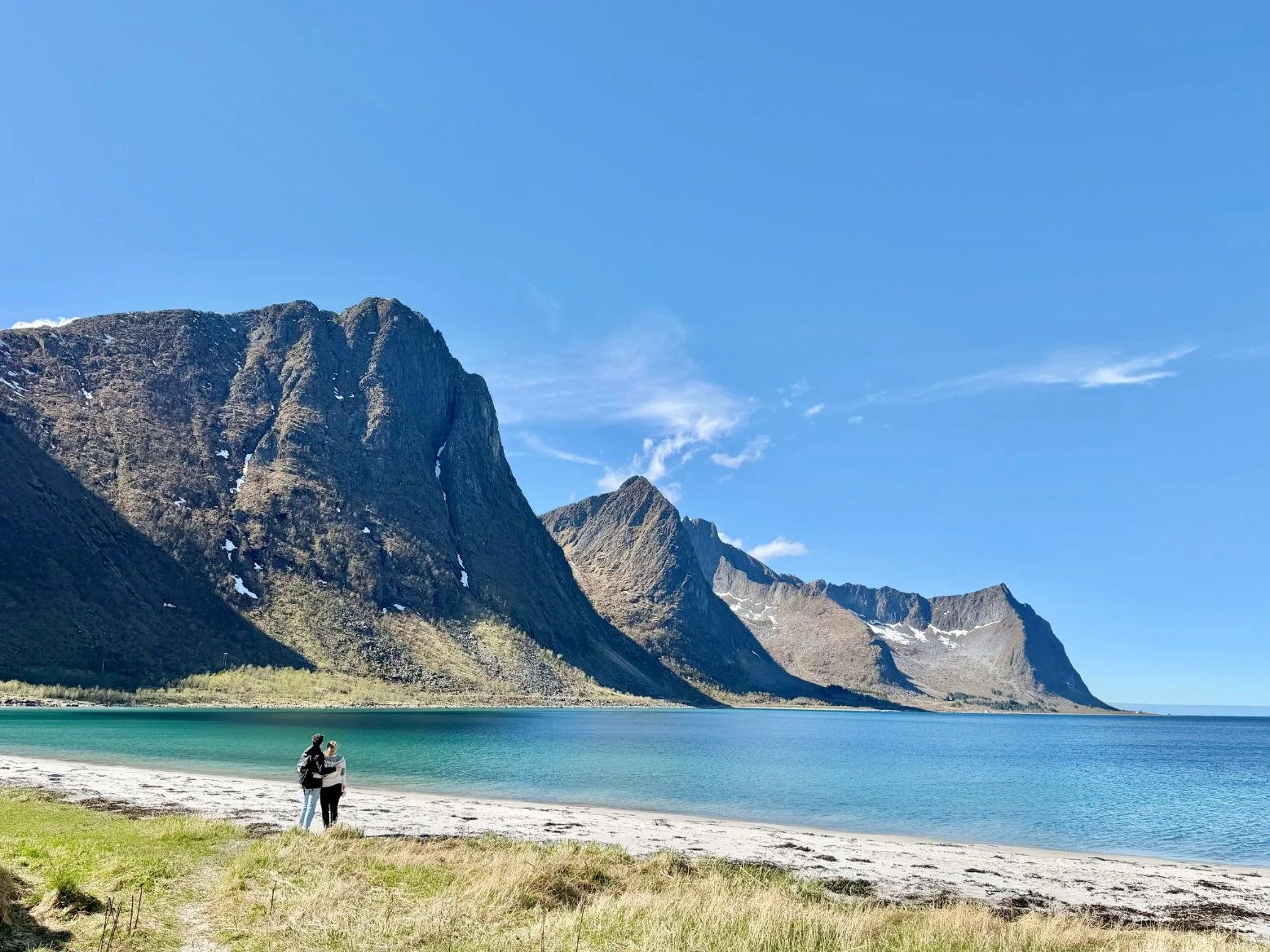
Norway's second largest island sits two hours from Tromsø and holds scenery that makes Lofoten look like it has competition. And trust us, the bar is high. Senja's western coast is where the Arctic Ocean meets near-vertical mountain faces, where fishing villages cling to inlets the road barely reaches, and where the beaches look photoshopped even when you're standing on them. The problem — if it is one — is that driving it yourself means watching the road instead of the view. Senja's scenic route is narrow, winding, and entirely worth your full attention on the landscape side of the windscreen. We took Unique Norway's small-group day tour with local guide Henrik, and what follows is what that's like.
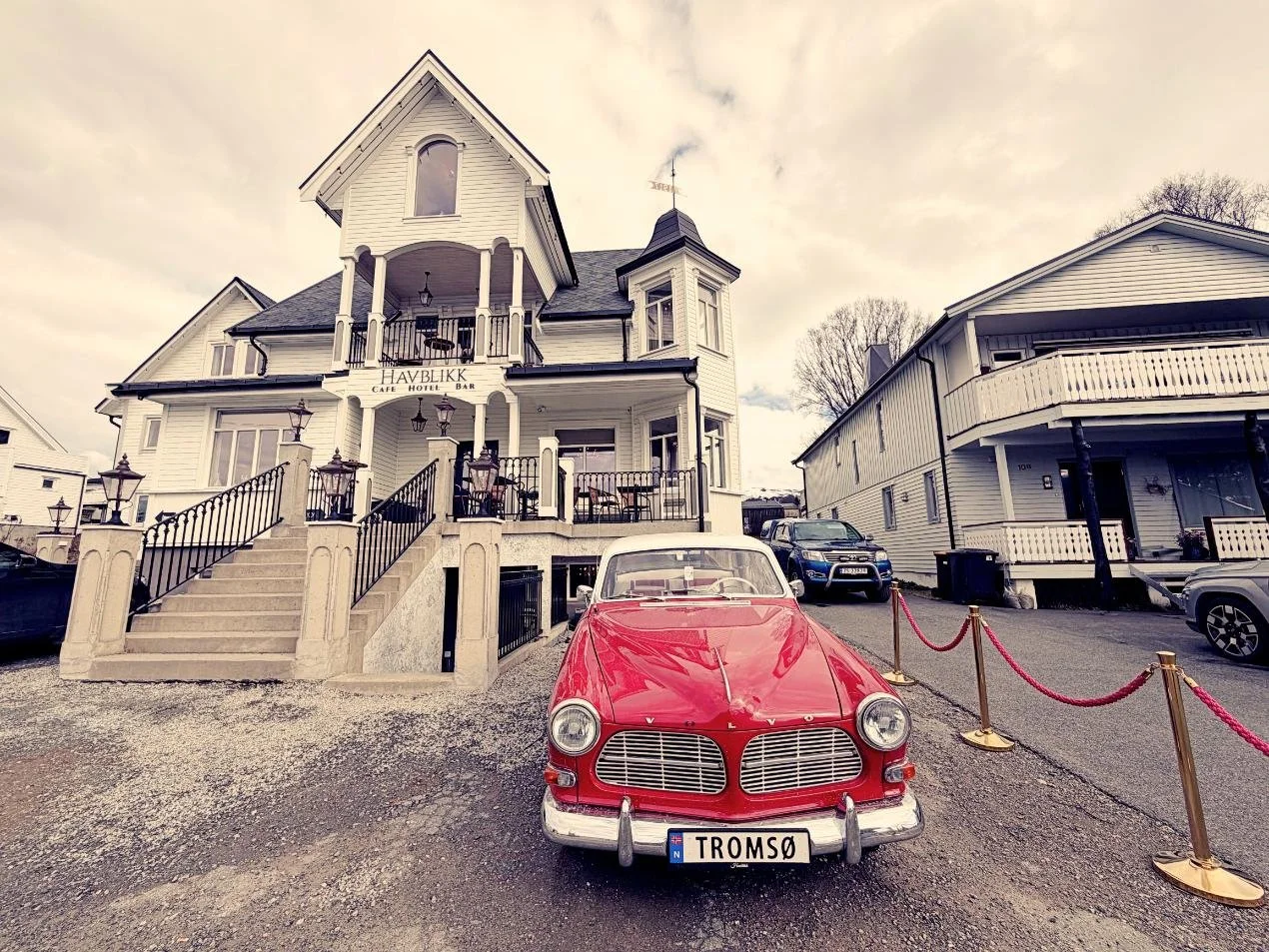
Tromsø's hotel scene is dominated almost entirely by chains. Scandic, Radisson, Clarion — if you've looked at where to stay in the city, you've scrolled through a lot of familiar names. Villa Havblikk is different. The owner found a 1917 Norwegian wooden villa in poor condition, bought it, and rebuilt it from the ground up — modern comforts throughout, but vintage decor and furniture that give a lot of character to the place. It sits directly across the Tromsø bridge from the city center in Tromsdalen, near the Arctic Cathedral and the cable car, with fjord views and a bar that locals enjoy. We spent time here and came away with a clear opinion on who it's right for.
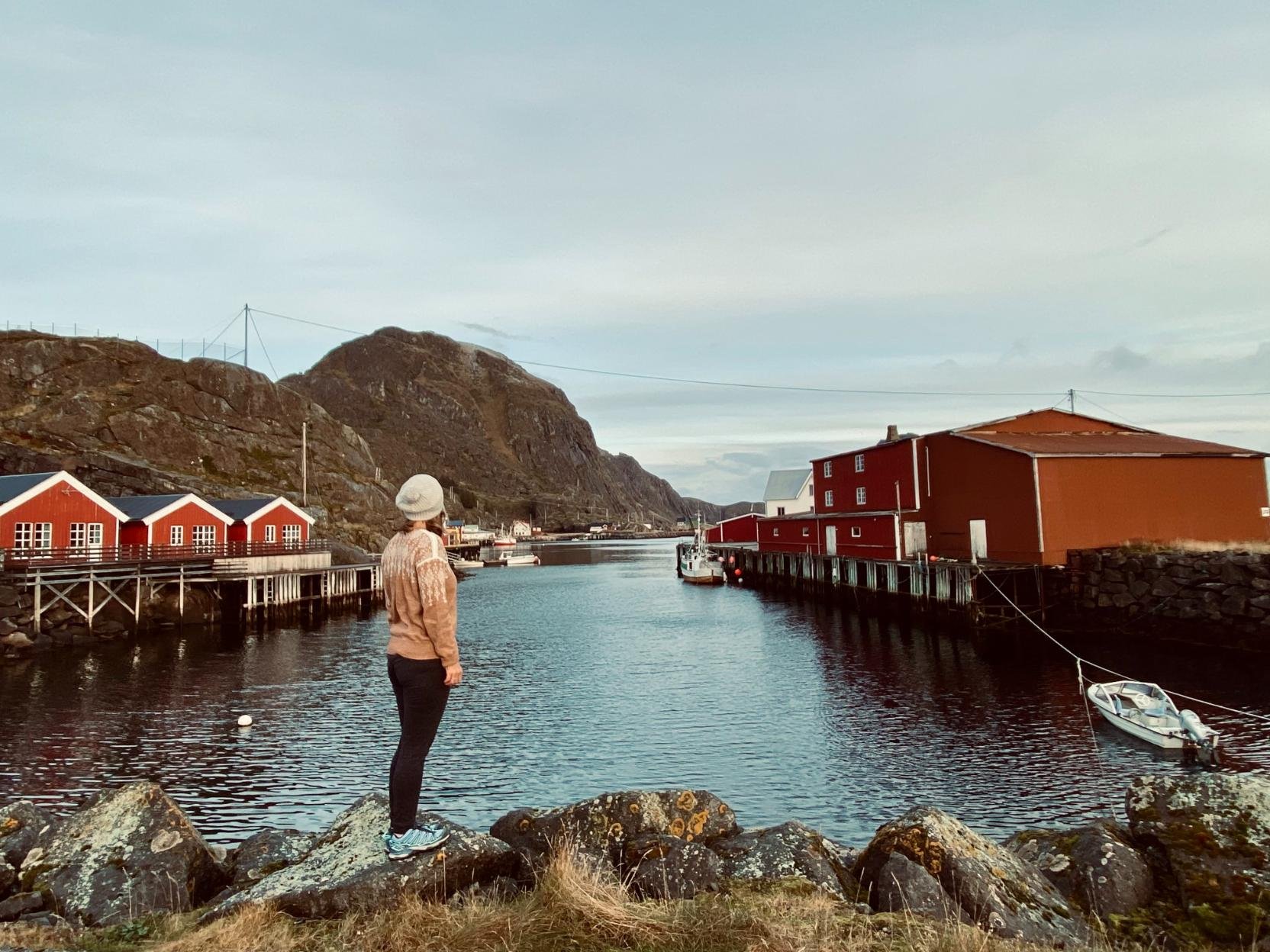
Most people come to Lofoten for the scenery and leave surprised by how much there is to actually do in it. Hiking gets most of the attention — and we've written a full hiking guide in Lofoten if that's your priority — but the activities here go well beyond trails. Whale watching in the Arctic dark. Kayaking under the midnight sun. Sea eagles dropping from altitude to snatch fish from the surface beside your boat. A fishing village frozen somewhere between 1890 and now. The Northern Lights over the harbor.
This is everything worth doing in Lofoten beyond the hikes, with honest notes on what each experience is actually like and when to go for it.
So, put on your hiking shoes and follow us on our favorite trails!
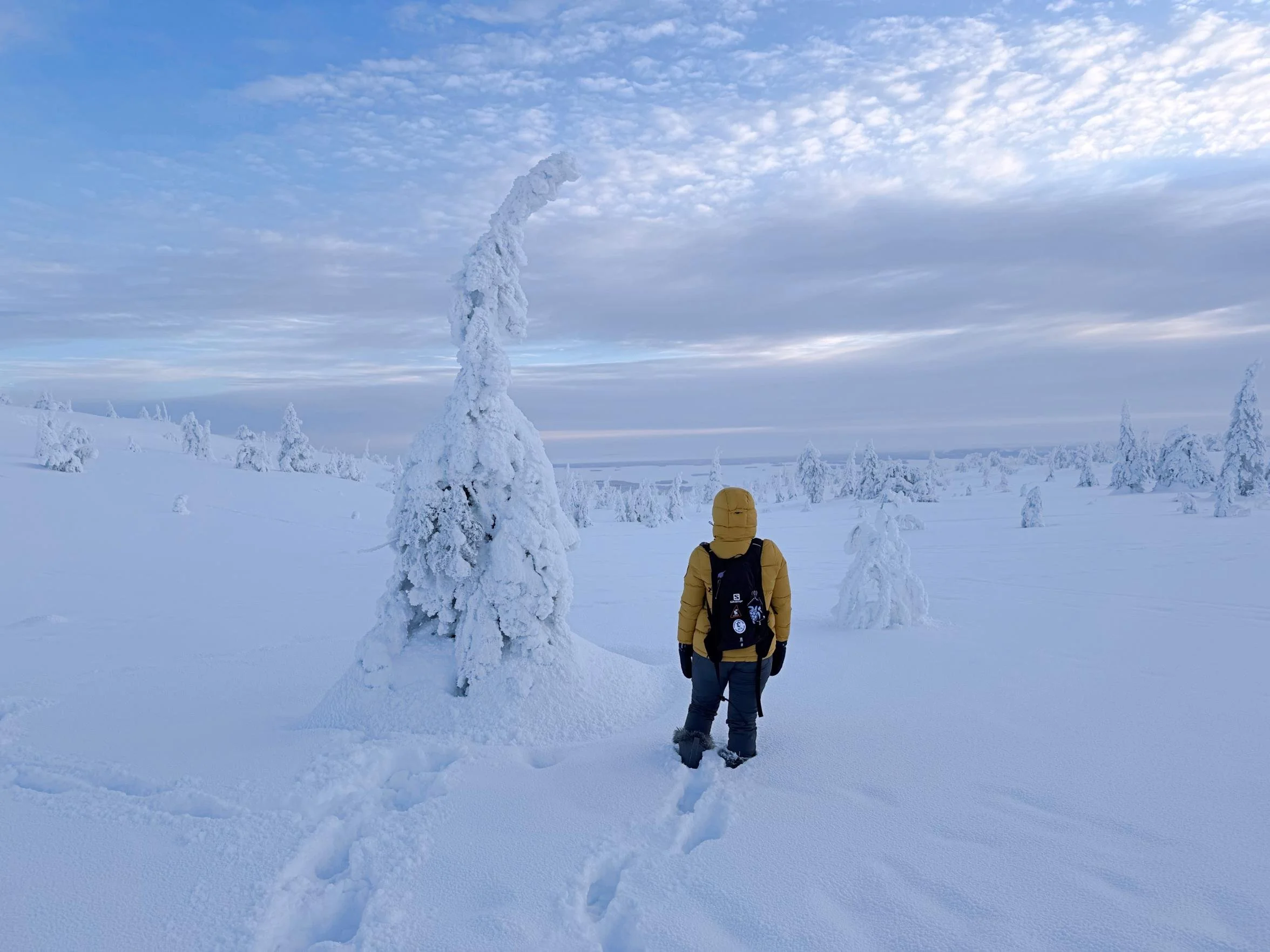
Lapland is not one place.
It stretches across Finland, Sweden, Norway and Russia, and each side behaves differently. Different snow patterns. Different temperatures. Different landscapes.
If you’re asking:
Will there be snow in Lapland in December?
Is Lapland warmer in Norway than Finland?
When is snow guaranteed?
Is November too early?
Is April too late?
You’re asking the right questions and will find an answer in this guide!
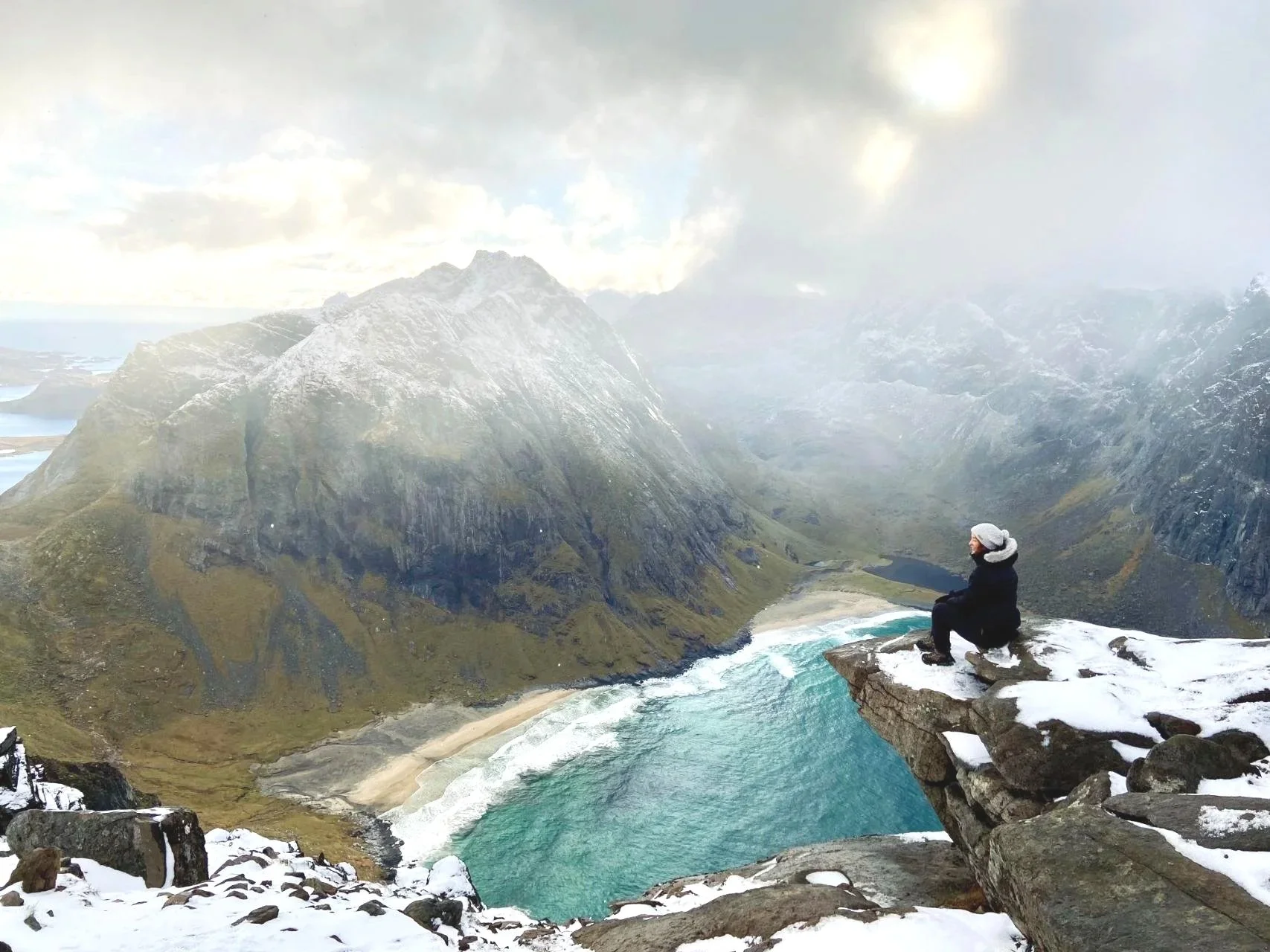
Lofoten is never just “nice.” It’s dramatic in winter, cinematic in summer, moody in autumn, and quietly magical in spring.
But the experience changes completely depending on when you go.
Are you chasing northern lights? Midnight sun hikes? Empty roads? Snow-covered rorbuer?
Here’s exactly what to expect month by month — so you can choose the Lofoten season that matches your reason for going.

If you’ve been researching the Lofoten Islands, you’ve probably noticed a pattern: most content focuses on summer. Hiking. Midnight sun. Dry trails and long days.
So a fair question comes up fast:
Is Lofoten actually worth visiting in winter?
The honest answer is ABSOLUTELY yes — if you understand what kind of trip it becomes. Winter in Lofoten is quieter, moodier, and less predictable. You won’t hike high ridges. You will spend more time watching weather, light, and sea. And trust us, you’ll want to, because this is without a doubt one of the most spectacular places on earth. It also means lower prices and a lot less people, which is always nice — in our humble opinion.
If that sounds appealing, winter can be one of the most rewarding times to go.
Time off is limited. Flights and hotels aren’t cheap. And winter travel in Lapland adds friction whether you like it or not. So this guide is about experiencing Lapland well in one week — without rushing, without backtracking, and without pretending the Arctic is smaller or easier than it is.
If you’ve got more time, perfect. Stay longer.
If you’ve got seven days, this is how to make them count.
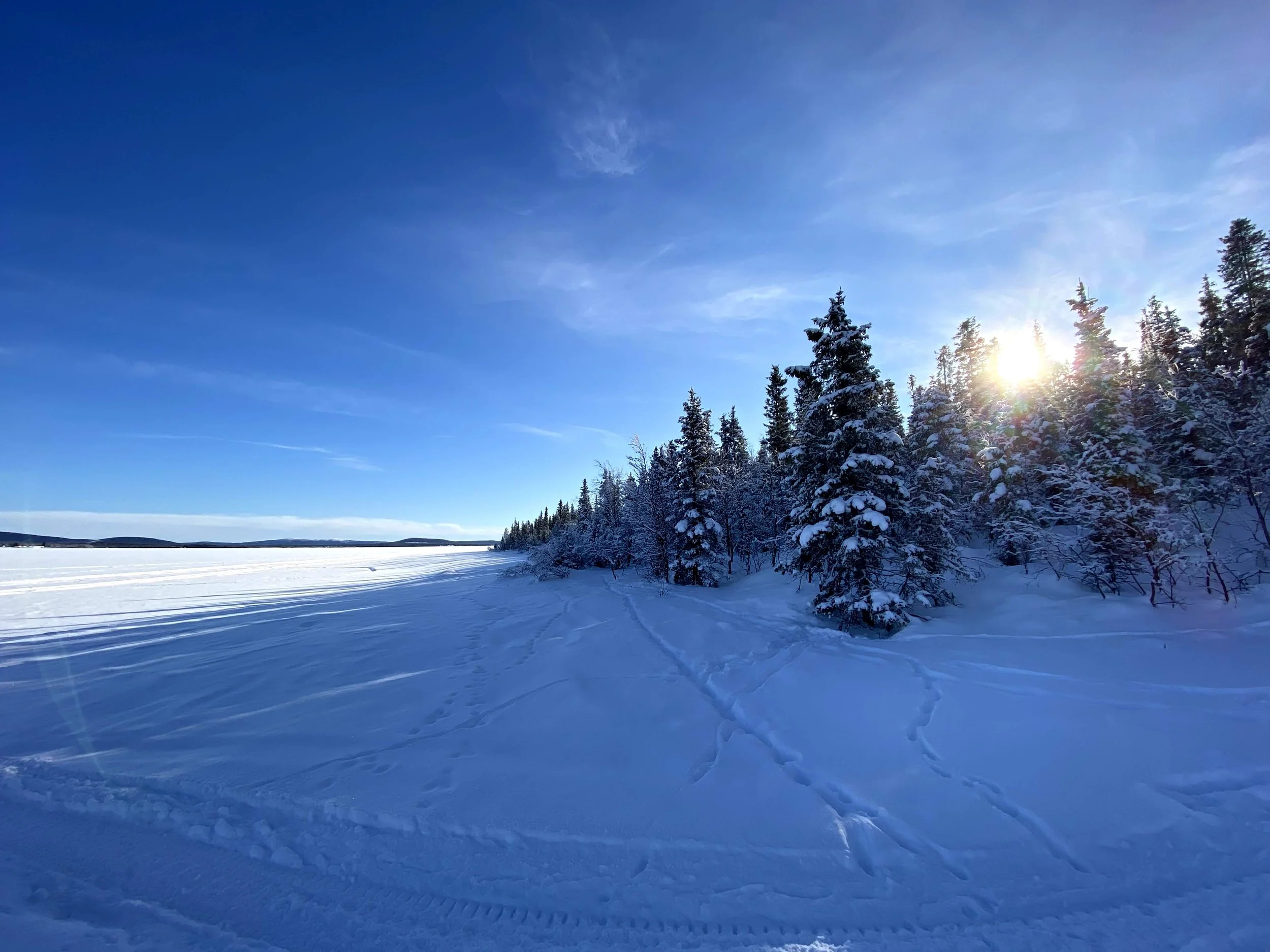
We’re unapologetically in favor of slow travel. Fewer places, more time. Staying somewhere long enough to notice how the light shifts, how silence settles in, how weather quietly dictates the pace. In the Arctic, less is often more: winding down in a sauna after a day outside, waiting for the northern lights, watching the snow fall, enjoying a “fika” by the fire.
But we also know reality.
Time off is limited. Flights and hotels aren’t cheap. And winter travel in Lapland adds friction whether you like it or not. So this guide is about experiencing Lapland well in one week — without rushing, without backtracking, and without pretending the Arctic is smaller or easier than it is.
If you’ve got more time, perfect. Stay longer.
If you’ve got seven days, this is how to make them count.
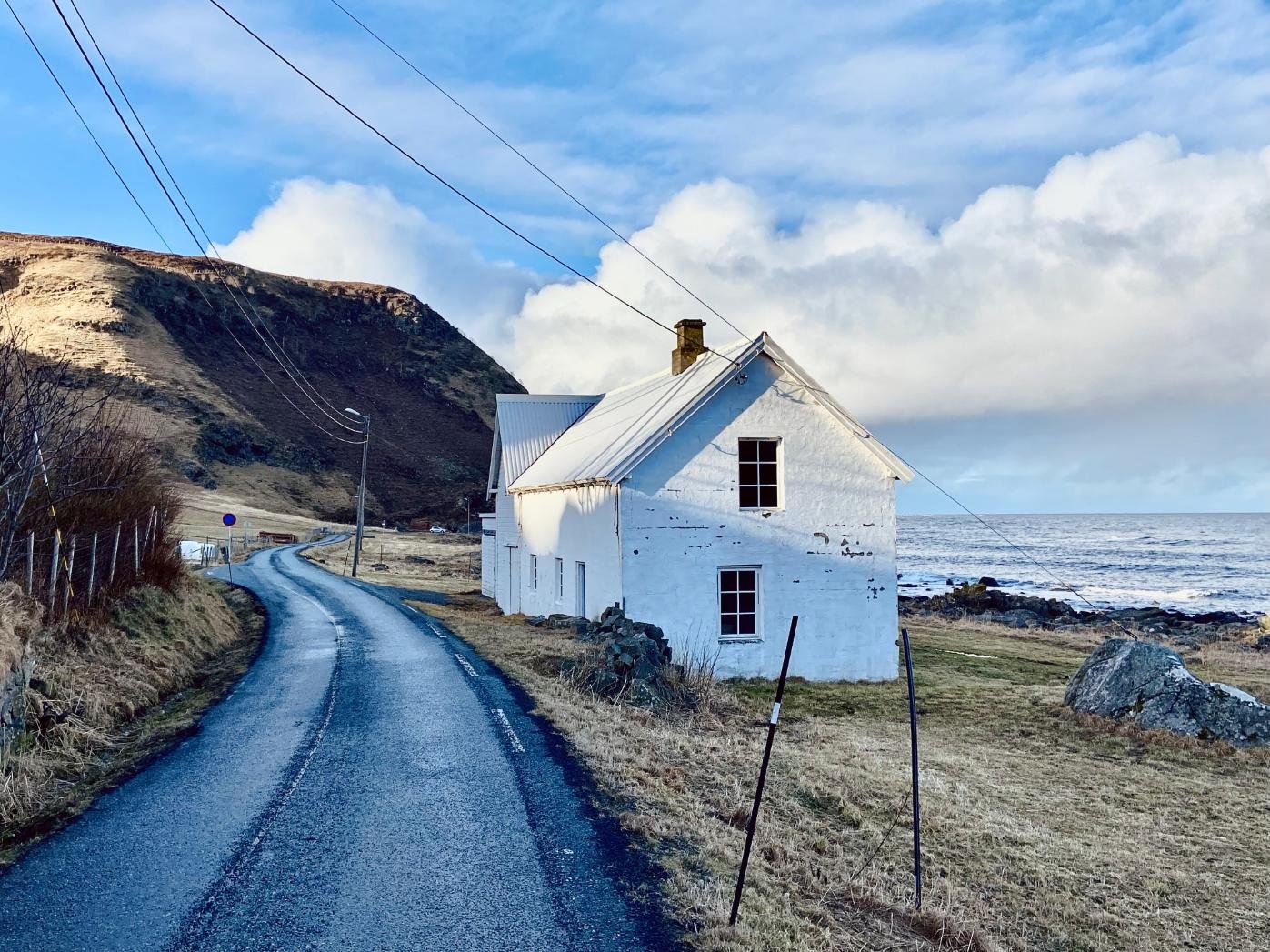
Alta doesn’t behave like a “gateway destination.” It doesn’t funnel you toward a checklist. It doesn’t shout must-see.
And that’s precisely why it’s one of the best bases for a road trip in Arctic Norway — although we could stay forever in Alta and not get bored!
But for many people, once they’ve booked a few nights in Alta, the same question always follows:
Where can you realistically go from Alta — especially in winter?
One of our readers actually sent us this question (thank you, Priscilla!)
This guide covers the best trips from Alta, year-round, with clear explanations about winter road conditions, safety, driving times, and realistic expectations. And if you prefer not to drive, we also included a couple of bus alternatives!
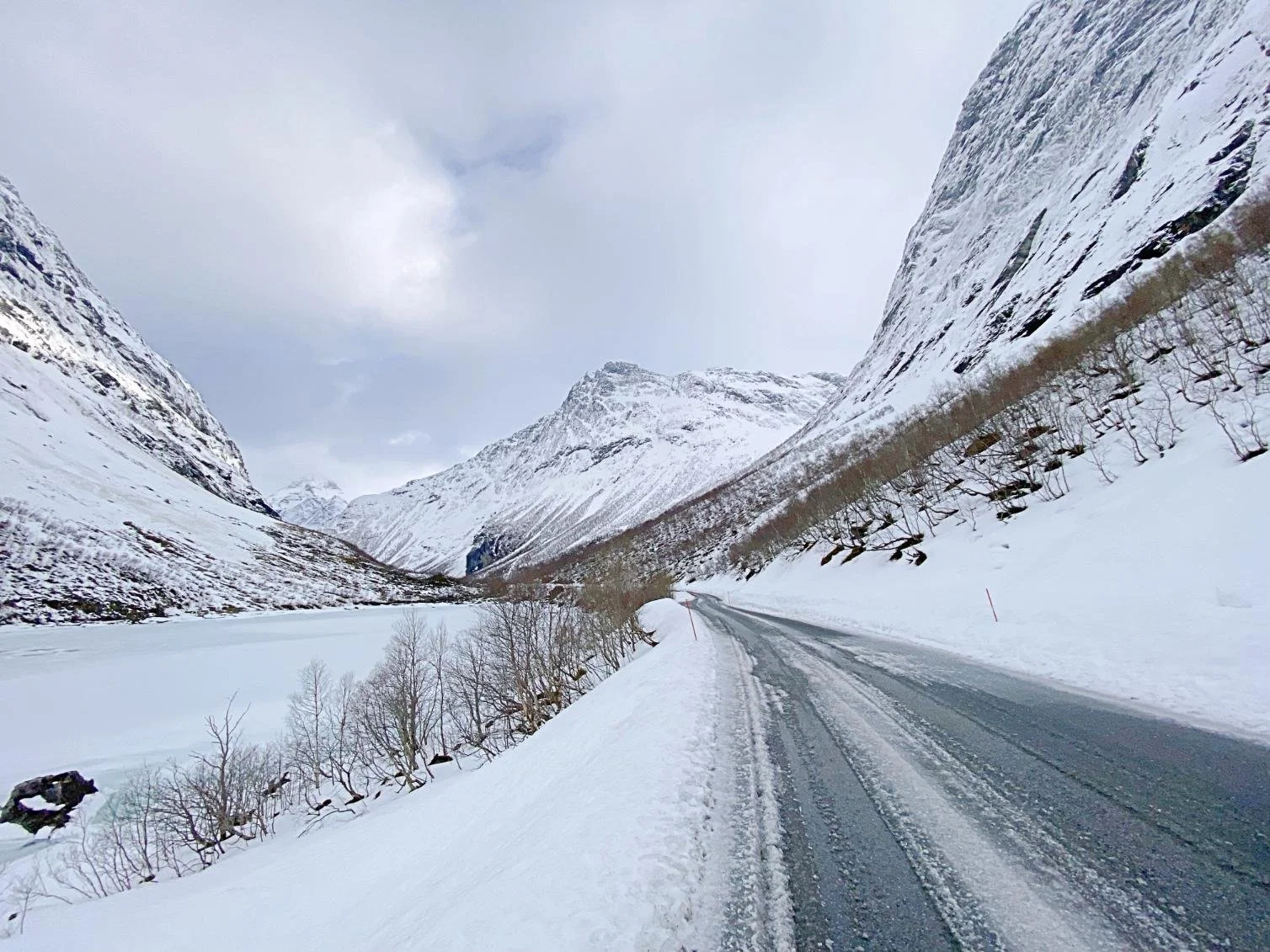
Alta looks small on the map. That’s deceptive.
Yes, it’s compact. Yes, the airport is close. But once you start planning northern lights nights, winter activities, or trips beyond town, the car vs tours question becomes very real — and the answer isn’t the same for everyone.
We’ve done Alta with and without a car, in different seasons. Here’s the honest breakdown.
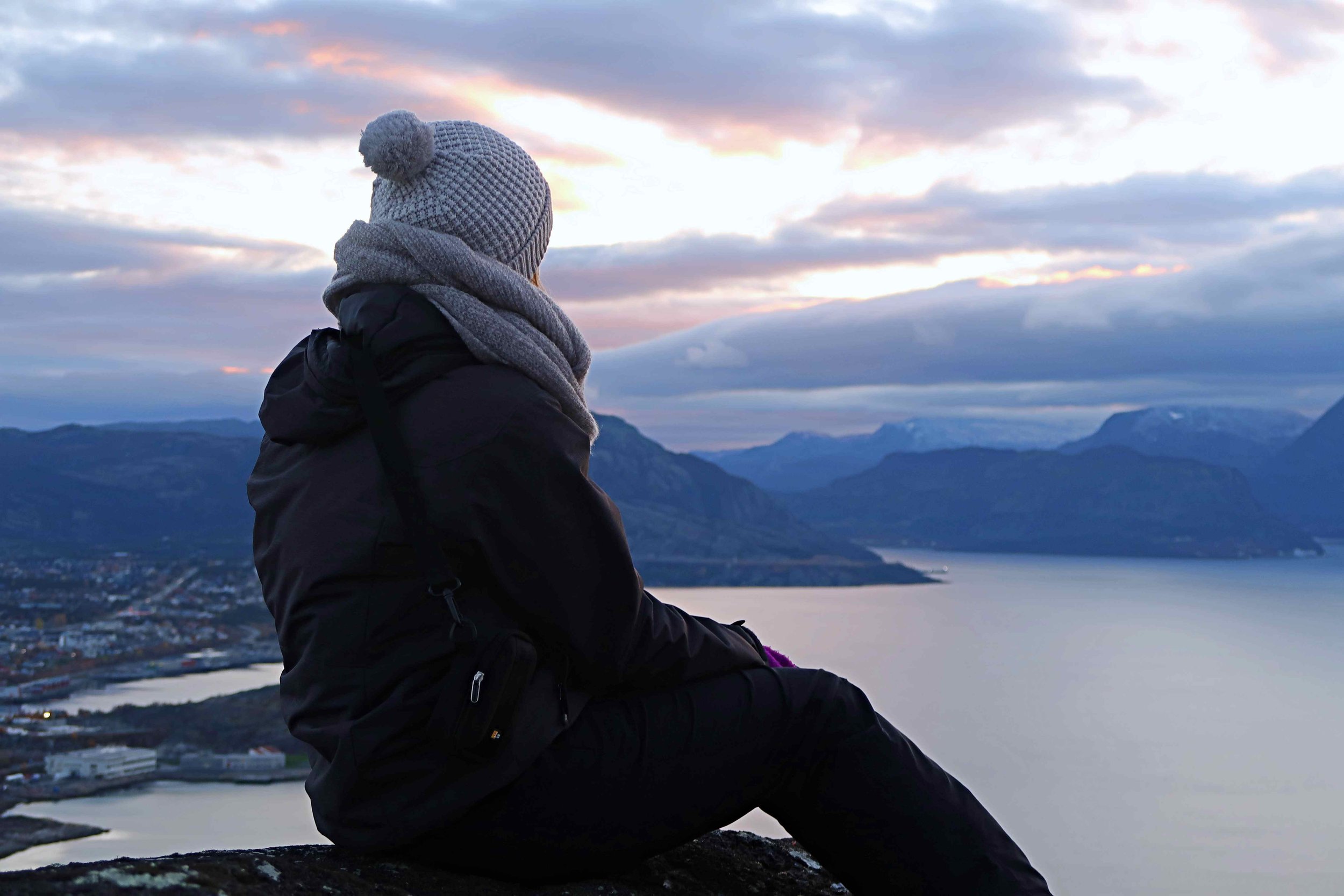
We love Alta because it doesn’t try to impress you. It just hands you a quiet fjord, a forest trail, a sky that changes every five minutes, and lets everything unfold naturally.
On our last trip, we realised Alta’s wild side is exactly what keeps pulling us back—fewer people, bigger spaces, and that steady feeling that you’re finally breathing again.
This guide is all about outdoor adventures that don’t overlap with the general “what to do” list—real places, real trails, and seasonal nature experiences you can’t get in the bigger, more touristy Arctic cities.

Rovaniemi is lovely.
It’s iconic.
It’s Santa’s “official” hometown.
It’s also… completely flooded from November to early January.
Families, buses, long lines, sold-out activities, €450 reindeer rides, and prices that make reindeer reconsider their life choices.
If you're dreaming of Christmas magic without the stampede, Scandinavia is full of places that feel just as magical — sometimes more.
We’ve spent winters all over the Arctic — Kiruna, Abisko, Luleå, Alta, Tromsø, Svalbard, and Finnish Lapland (outside Rovaniemi) — and there are SO many places where the Christmas vibes are strong, the Northern Lights are bright, and the prices are (slightly) less terrifying.
And if your kids are begging for Santa, we’ve included a bonus a bit further away… but definitely off the beaten path!
Here are the best Rovaniemi alternatives, and what makes each special.
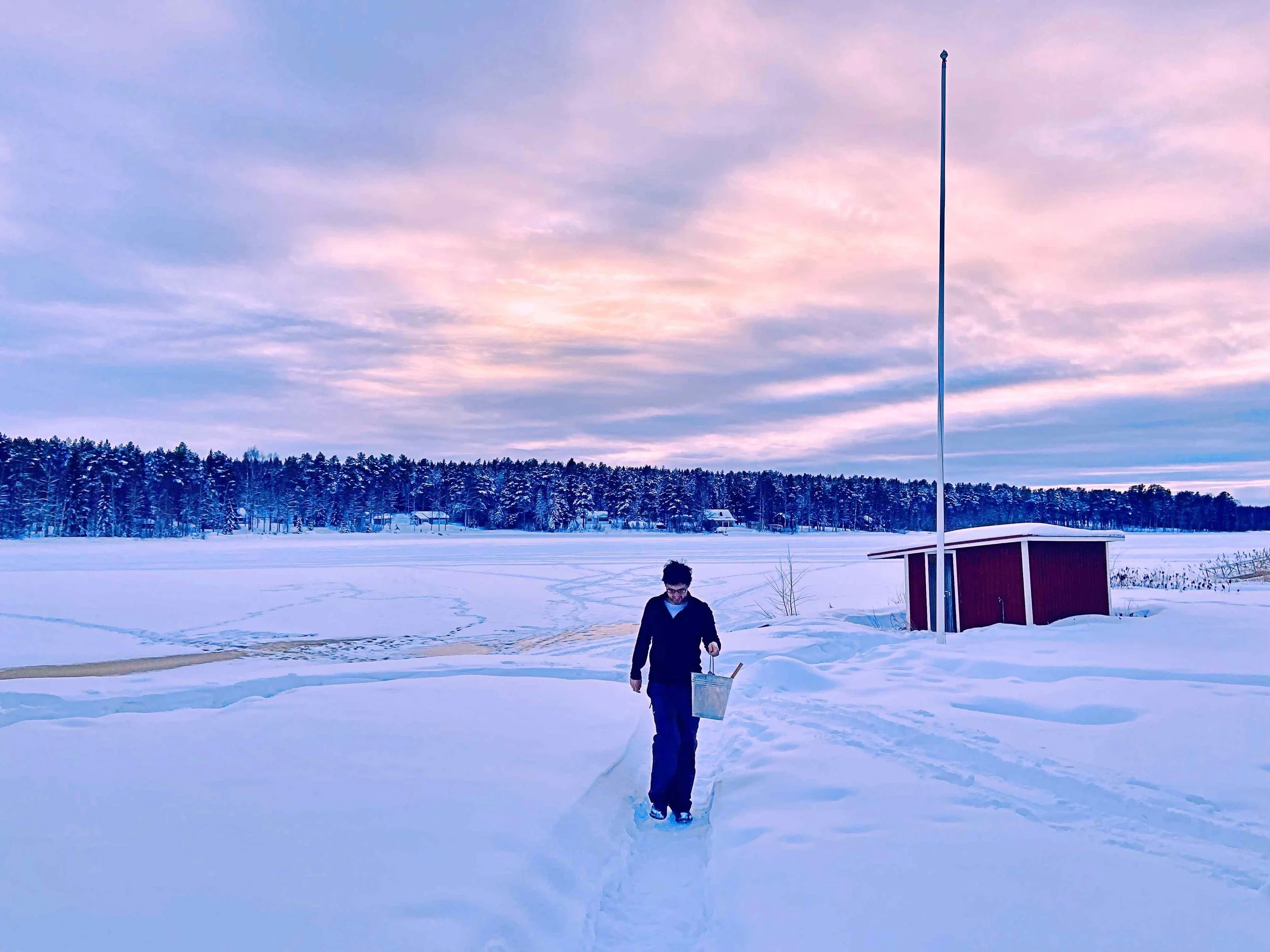
Alta is the kind of Arctic destination that sneaks up on you. One minute you’re staring at a map thinking, Why go that far north?
Then you get here, step into the silence, watch a curtain of green auroras fall over the fjord, and suddenly everything makes sense.
But here’s the thing: Alta in winter is cold. Really cold.
And the magic hits even harder when you can end the night in a steamy sauna, thawing your eyelashes while the snow quietly piles up outside. If you’re brave, you can even go for a dip in the frozen water or roll in the snow. That’s our favorite thing to do, and we can’t imagine a Nordic stay without it!
So we made your life easy — here are the best hotels with sauna in Alta, all perfect bases for northern lights hunters, winter road trippers, and anyone who believes warmth is half the adventure.
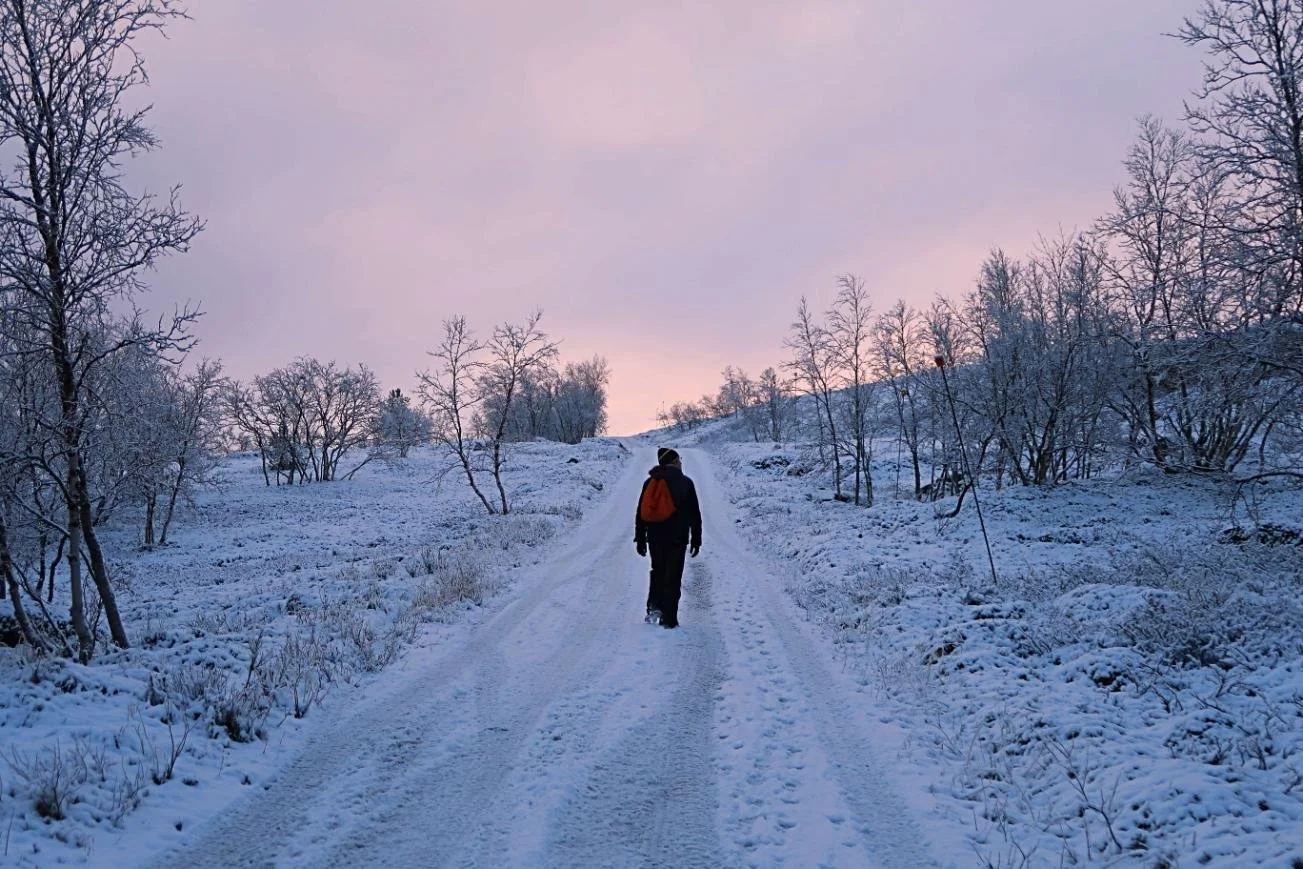
Alta in winter feels like the Arctic at its most honest — long blue hours, slow mornings, and skies that come alive at night.
Alta isn’t just “another Northern Lights town” — we actually compare Alta vs. Tromsø here— It’s calmer, smaller, and beautifully authentic.
Iceland
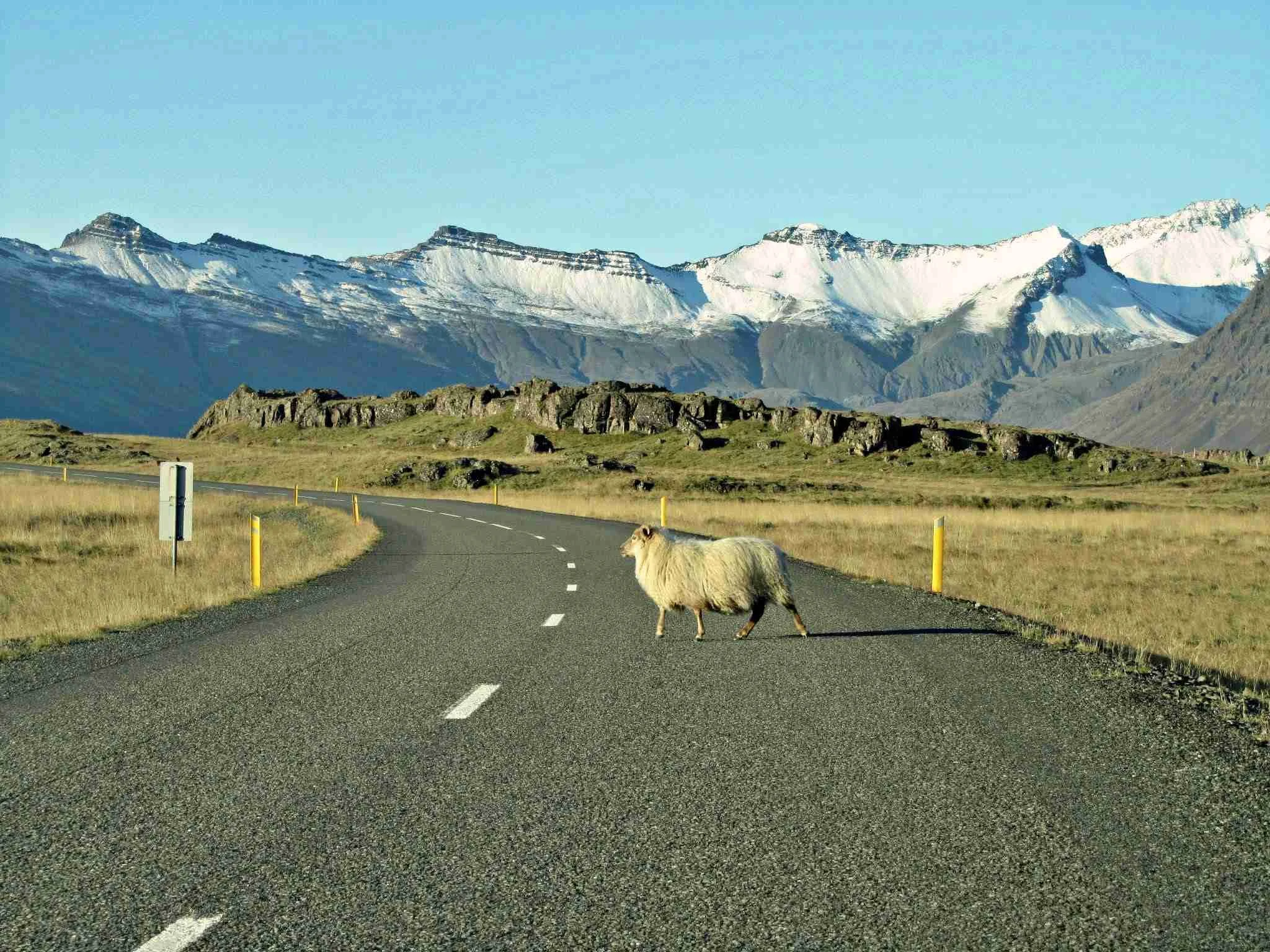
A lot of people associate Iceland with winter — northern lights, frozen landscapes, the darkness. We've been to Iceland in every season, and loved each one of them. Iceland in summer is a completely different country than in winter, and in a lot of ways a more surprising one.
The interior opens up. Roads that are impassable for eight months of the year become accessible. Puffins arrive. Whales move closer to shore. The sun barely sets, which messes with your sleep and your sense of time in the best possible way. And, if you know where to go, you can escape the crowds. We won’t sugarcoat it, though: popular highlights will be busy (explore our alternatives to Iceland’s main tourist spots here).
This is the summer Iceland most guides skip: the highland interior, the things that only exist between June and August, and what the weather is actually going to do to your plans.
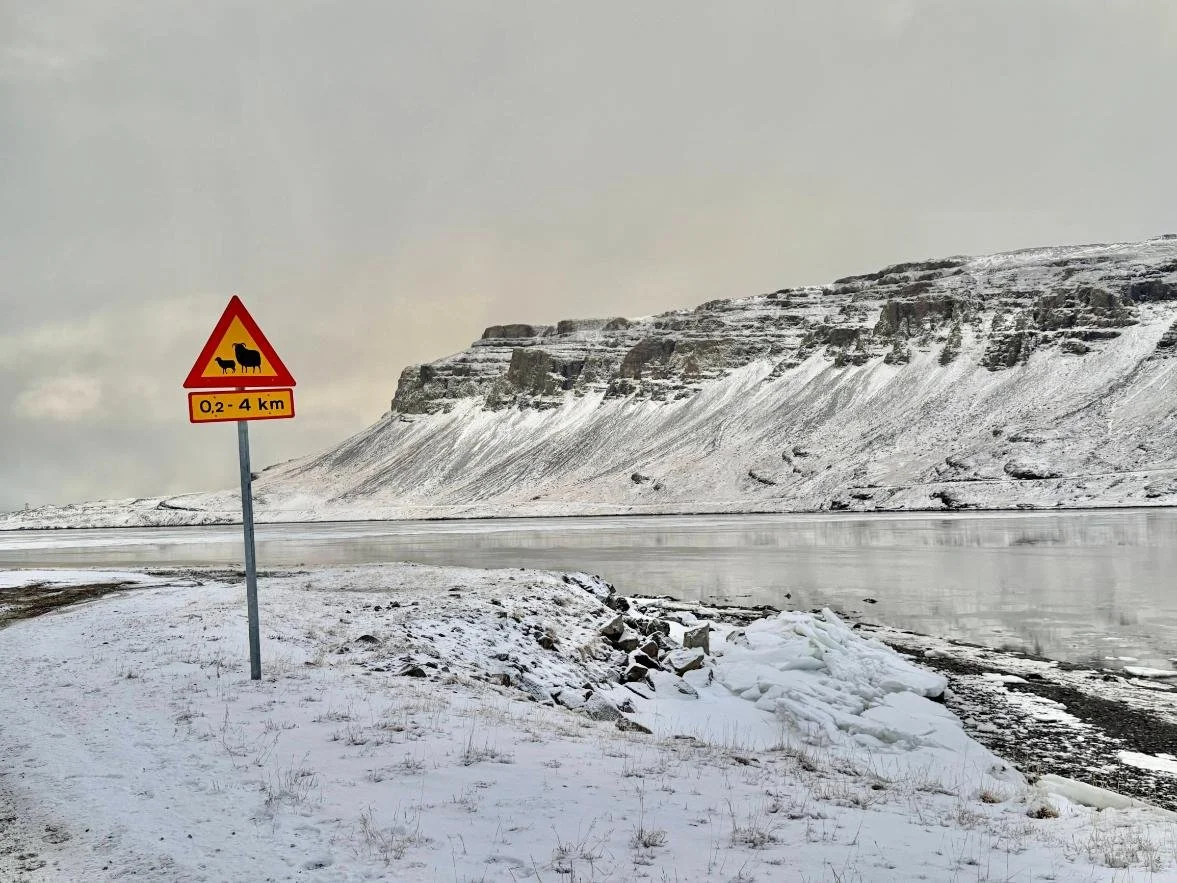
We've driven Iceland three times — twice in fall, once in winter — and every time we've covered a version of the same stretch: Reykjavík east along the south coast to Höfn, with various detours depending on the season and what we had time for. We haven't done the full Ring Road. The north and east of the island are on our list, and we'll be honest about that rather than paste in itinerary days we haven't actually driven.
What we have done, thoroughly and repeatedly, is the section that most people mean when they say "Iceland road trip": the south coast to the glacier lagoon, with additions to the Reykjanes Peninsula, the Golden Circle, Hvalfjörður, and Snæfellsnes when time allows. That's the trip this guide is built around.
One more thing upfront: this self-drive tour is entirely doable in a regular car. You don't need a 4x4 for the route described here. More on that below — and it changes the budget and logistics considerably.
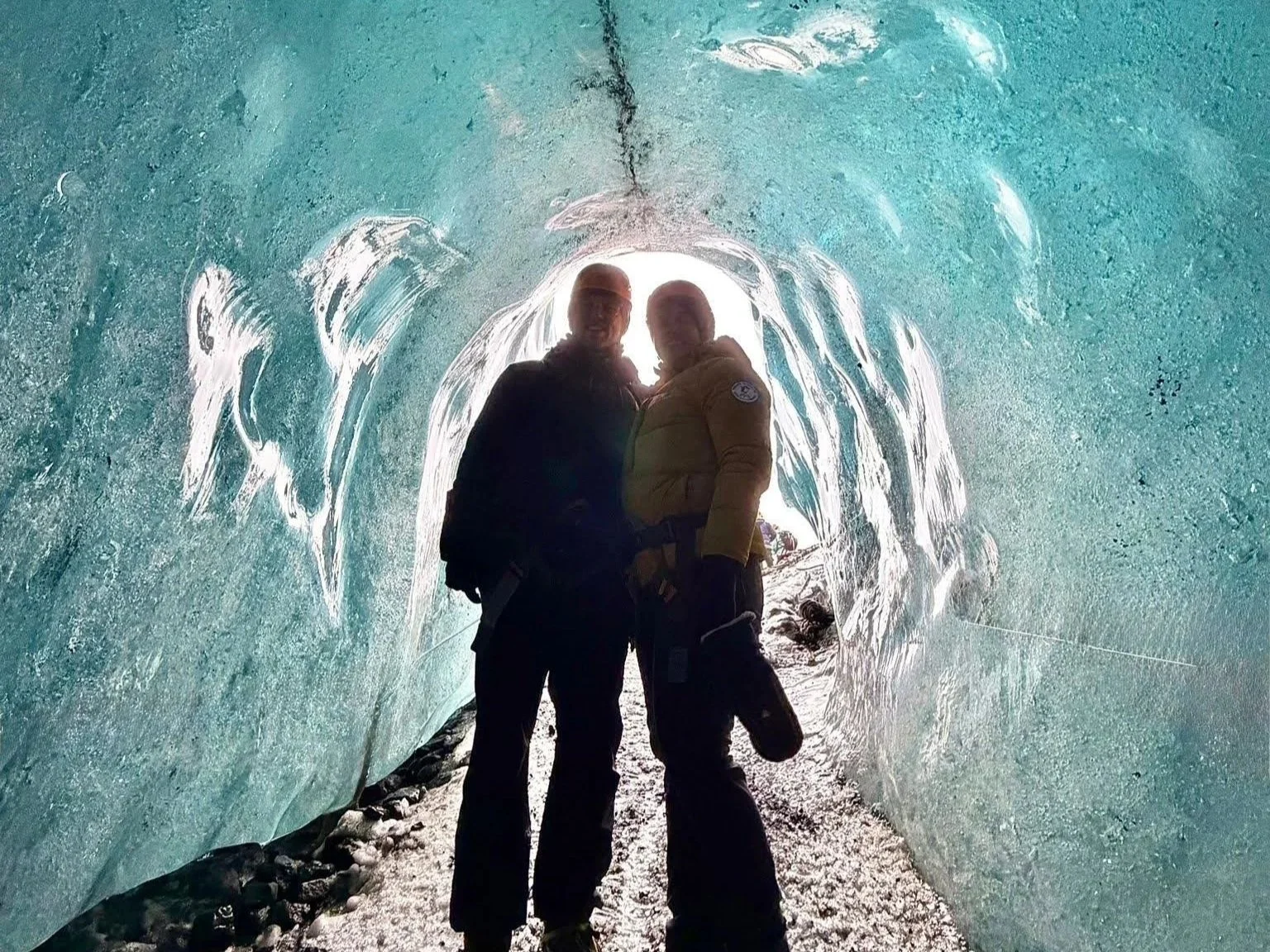
We've been to Iceland three times — in September, October and February — doing the kind of things that make travel insurance less of an afterthought and more of a genuine necessity. Driving remote roads in the dark chasing the northern lights, hiking across lava fields and glaciers, navigating weather that changes faster than any forecast predicted.
Iceland is small but mighty. It's one of the most geographically dramatic countries on earth, and a lot of what makes it worth visiting — the interior highlands, the glacier lagoons, the black sand beaches — is also genuinely remote. The nearest hospital to some of the places we've been is a long drive or a helicopter ride away.
That changes the insurance conversation.
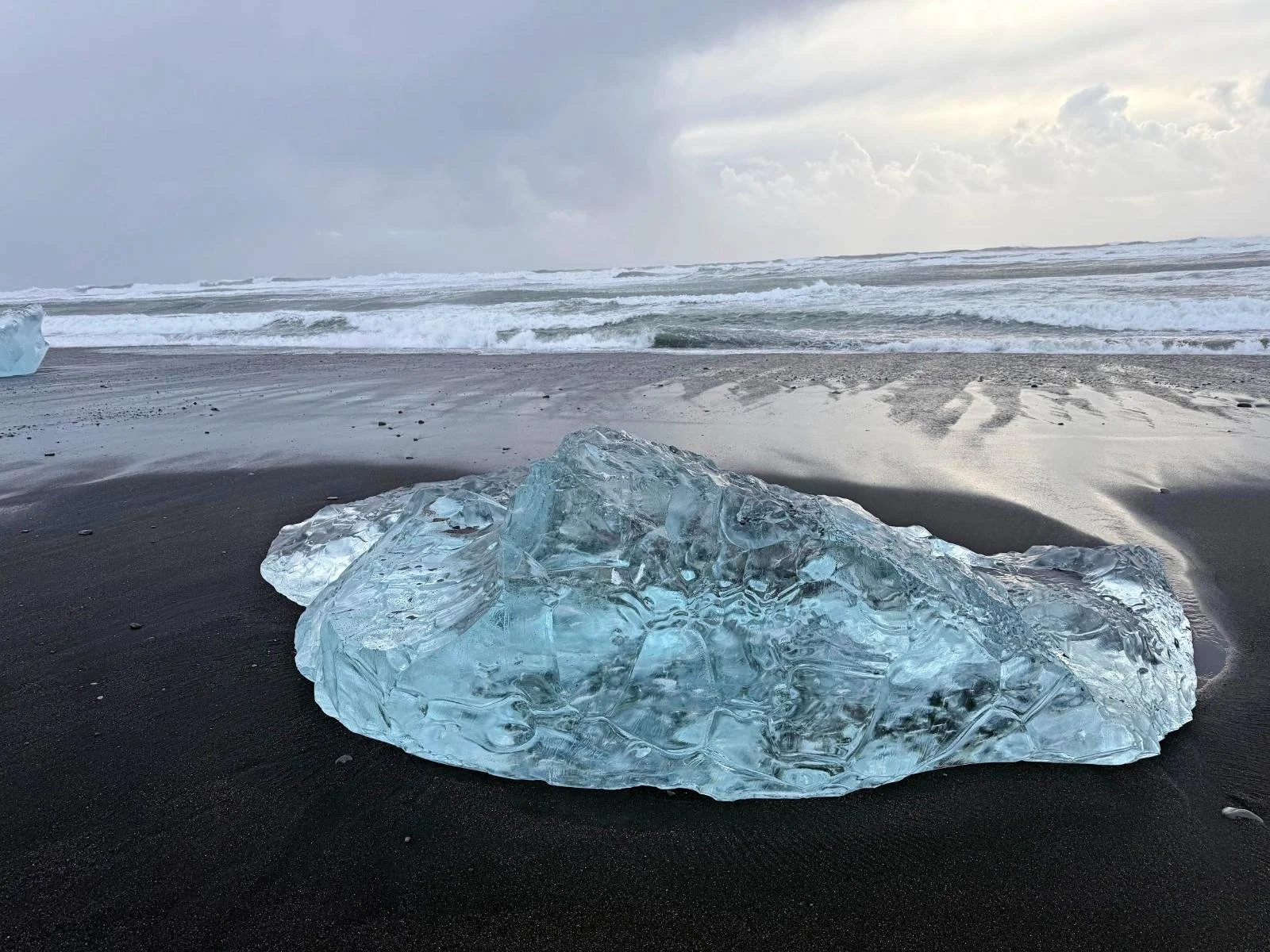
Planning a Ring Road self-drive is one of those trips that feels straightforward on paper — one road, loop it, done — until you actually try to figure out where to sleep. Iceland's Route 1 runs 1,332 km around the entire island, and even the South Coast stretch alone — from Reykjavík east to Höfn, covering the waterfalls, the glaciers, and Jökulsárlón — takes the better part of a week if you're doing it properly (and as it deserves).
This guide covers exactly that section. We've organized it by driving segment, because when you're planning a road trip, what you actually need to know is where to sleep after each day's drive. One rule before we start: book the glacier lagoon area first. Before Vík, before Reykjavík, before anything. Fewest options, highest demand, fastest sellout. If you read nothing else, remember that.
All properties here are bookable via Booking.com. Several also appear in our dedicated northern lights hotels in Iceland guide — we've flagged those below, since this stretch of the South Coast is excellent aurora territory in winter.
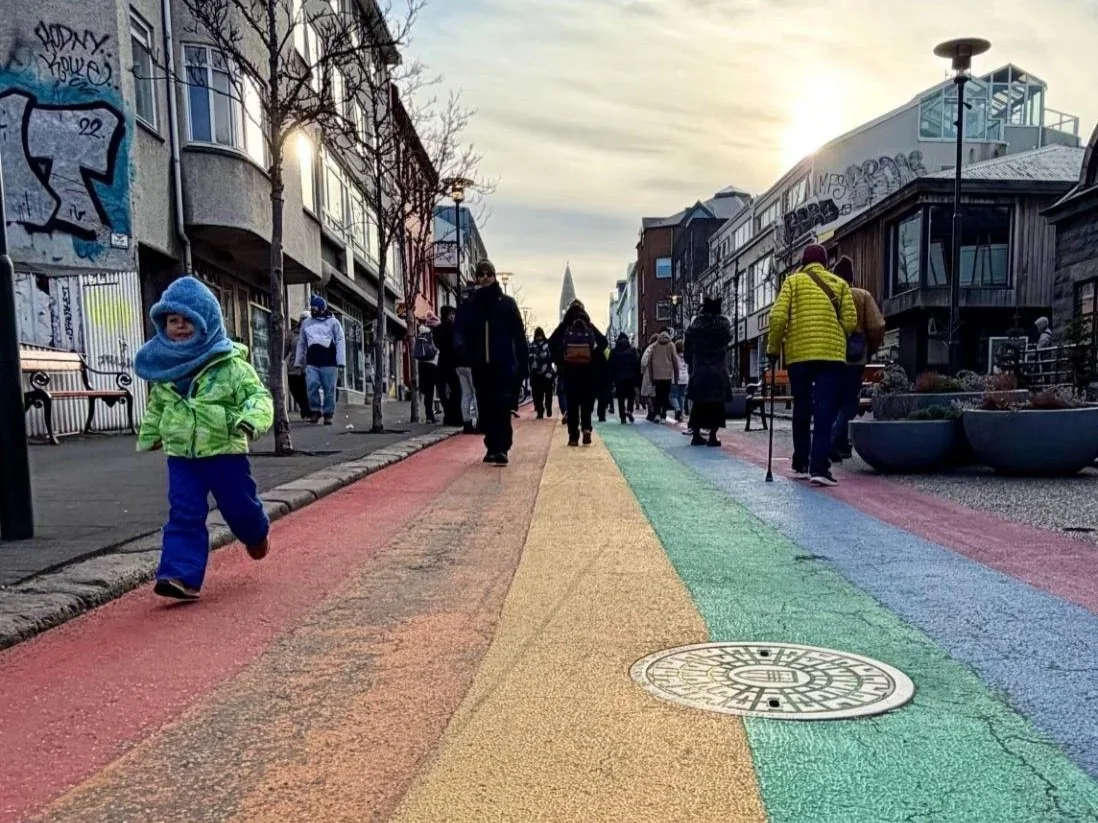
Reykjavik, as cool as it is, has earned its reputation as one of Europe's pricier capitals. A sit-down dinner for two, a round of drinks, a whale watching tour — the numbers add up fast, and they tend to go in one direction. But here's something the typical "budget Iceland" articles gloss over: Reykjavik has a surprisingly solid free list. Not "free in the sense that you're still spending on transport and food" free — genuinely, spend-nothing free.
The locals aren't eating at tourist restaurants or paying for entry to every museum. They're swimming in geothermal pools, walking the harbor, browsing flea markets, and sitting outside bakeries with a coffee and a pastry watching the light do something extraordinary to the sky. Most of that costs very little, and some of it costs nothing at all.
Here's what's actually worth your time — and your money, in the cases where a small amount is well spent.
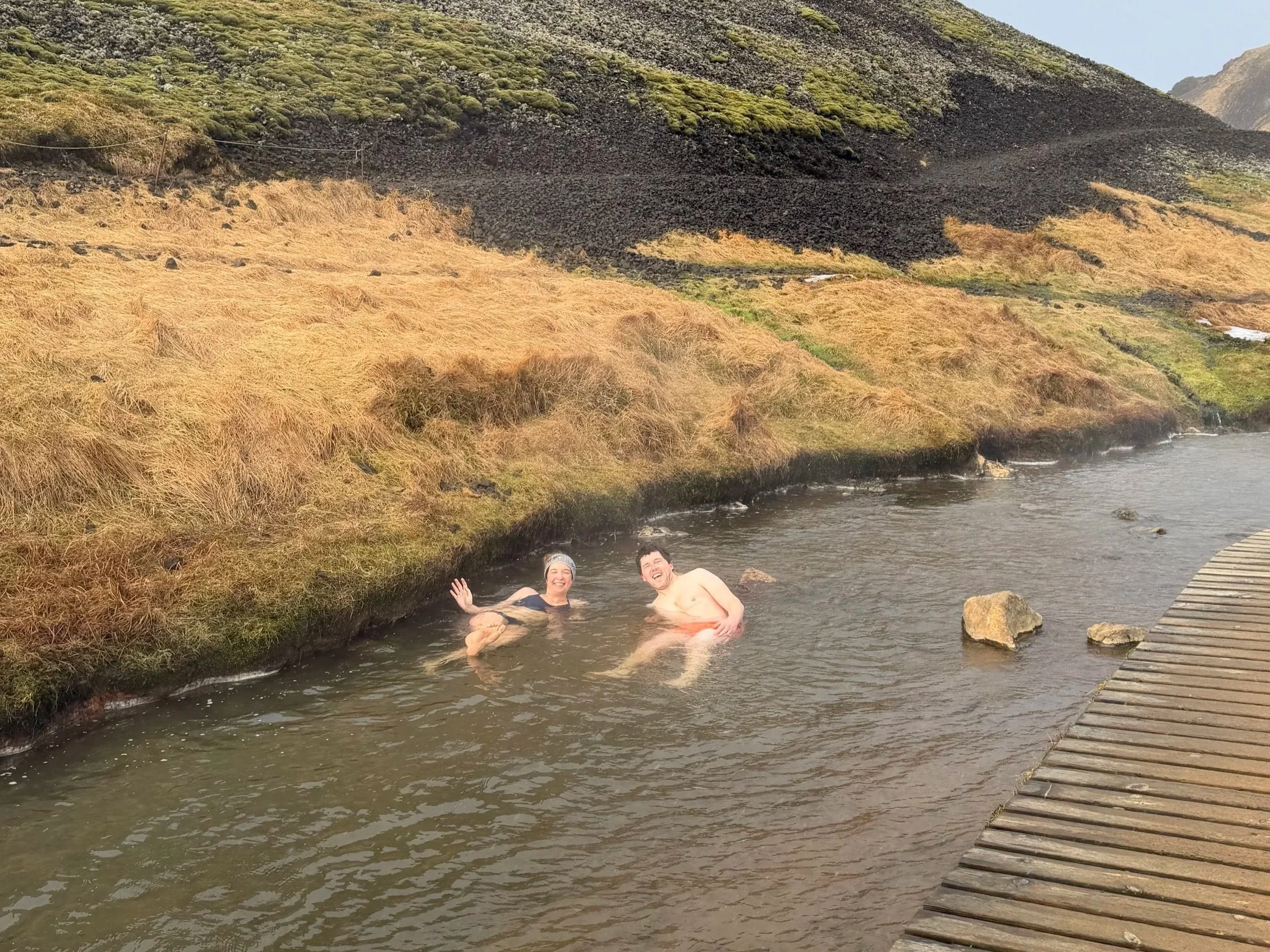
We've been to Iceland three times. The first was right after the 2008 financial crisis, when the Icelandic króna had collapsed and the country briefly became a very affordable destination. A private room in a hostel for €60. Those days are firmly gone.
If you’re wondering if Iceland is that expensive, let's be direct: Iceland is one of the most expensive countries in the world to visit. That's not a rumor or a rounding error — it's consistently near the top of the global rankings for cost of living and travel costs. A coffee will make you wince. A restaurant meal will drain your budget. The silver lining? It’s so expensive that even Norway will look cheap after it!
But here's the thing. The gap between a poorly planned Iceland trip and a well-planned one is enormous — larger than almost anywhere else. A few smart decisions on flights, car rental, food, and accommodation can cut your total spend dramatically without touching the parts of Iceland that actually matter. The volcanoes, the waterfalls, the glaciers, the northern lights — those are mostly free. What costs money is everything around them, and that's where the savings are.
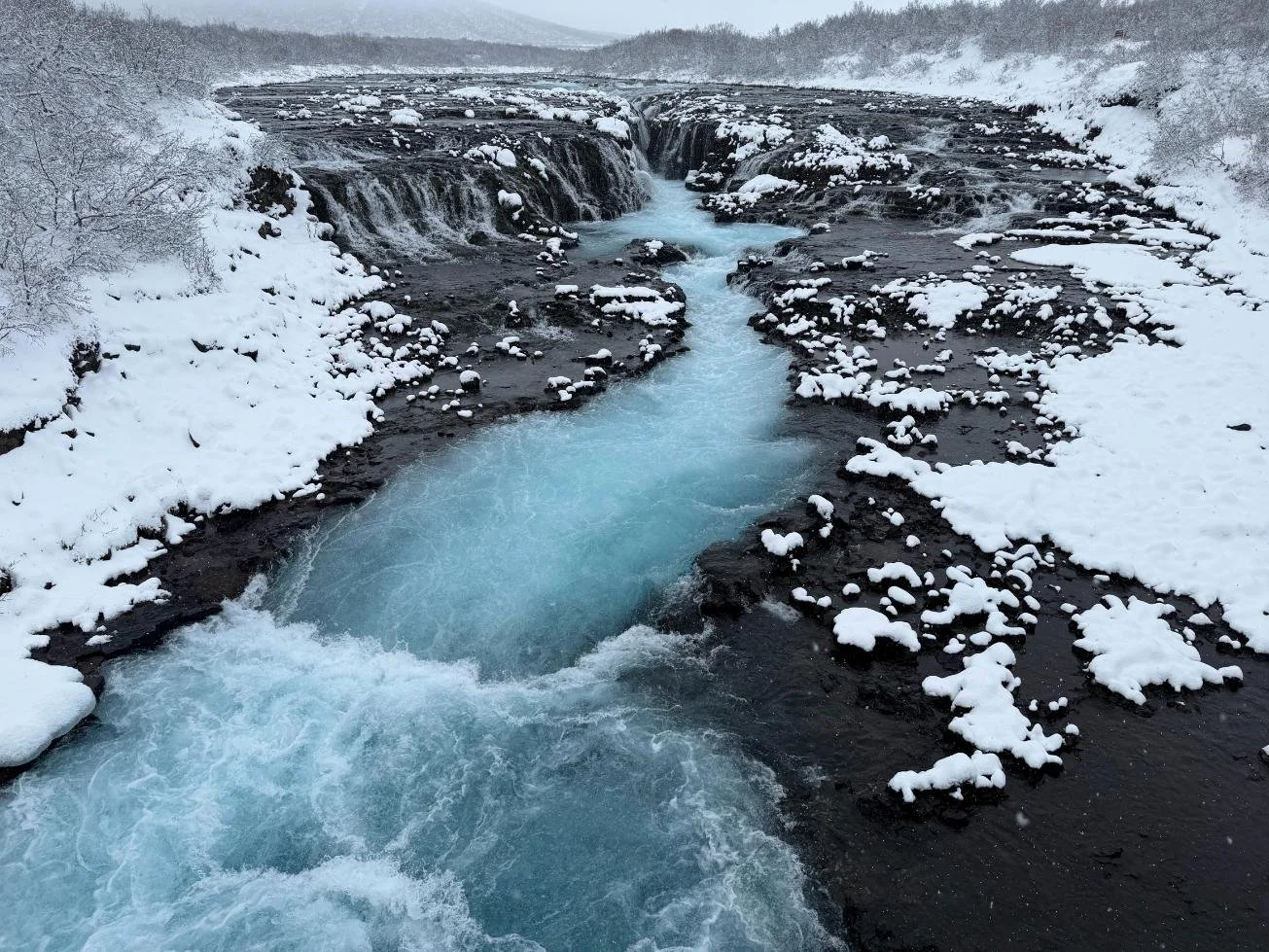
Iceland has a well-worn tourist circuit. Jökulsárlón, Reynisfjara, the Blue Lagoon, Gullfoss, Geysir — these are famous for good reason, and most people see all of them in a week-long ring road loop. They're genuinely spectacular. No one's going to talk you out of visiting them.
But here's the thing: these places have become way too popular. When we first visited 17 years ago, we had them mostly to ourselves in autumn. In 2026, it’s a different story. However, for most of these spots, the best-kept secret is that you barely have to go anywhere to find something just as good with a fraction of the people. The alternatives aren't buried on some niche hiking forum. They're right there — a 10-minute walk in most cases, or a short drive at most. You just have to know to look.
This guide is for people who already have the classics on the itinerary, got tired of the crowds and want to know what else is hiding nearby. All of it is doable with a rental car and no specialist equipment. Most of it is free.
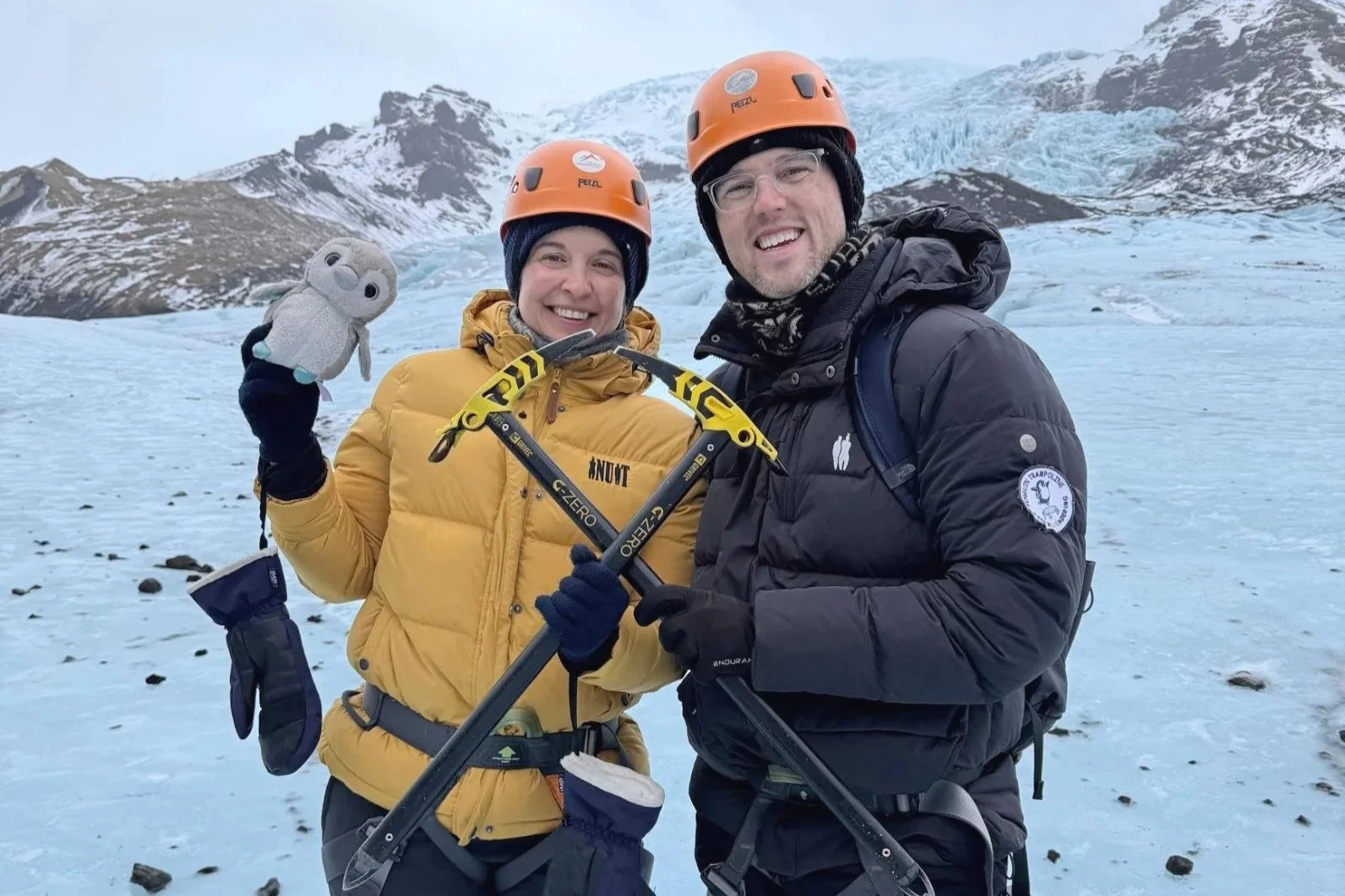
I (Eli) have walked on a glacier before. Specifically, on the Root Glacier in Wrangell-St. Elias National Park in Alaska — one of the coolest things I have ever done, literally. I came away from that trip with something I hadn't expected: a genuine obsession. Not with glaciers as a category, but with the specific, irrepeatable character of each one. They move differently, they look different, they feel different underfoot. Each glacier is like a natural museum. I will never get tired of them.
This was Jake's first glacier hike, and we both had been in an ice cave in Svalbard. And here's the thing about that: it didn't matter that I'd done it before. Walking onto Vatnajökull felt new for both of us.
We did the Ice Cave & Glacier Hike in Skaftafell with Icelandia — the tour brand of Icelandic Mountain Guides, one of the most established glacier guiding operations in Iceland, and our guide was Brook. Here’s our experience.
There's a particular type of tourist attraction in Iceland that does the same thing: ambient music, a café serving overpriced skyr, and a few hundred people in matching robes shuffling between milky pools. They're great. The views are real. But after the third one, you start to wonder if you're visiting Iceland or an influencer's photo shoot studio.
Hvammsvík is different.
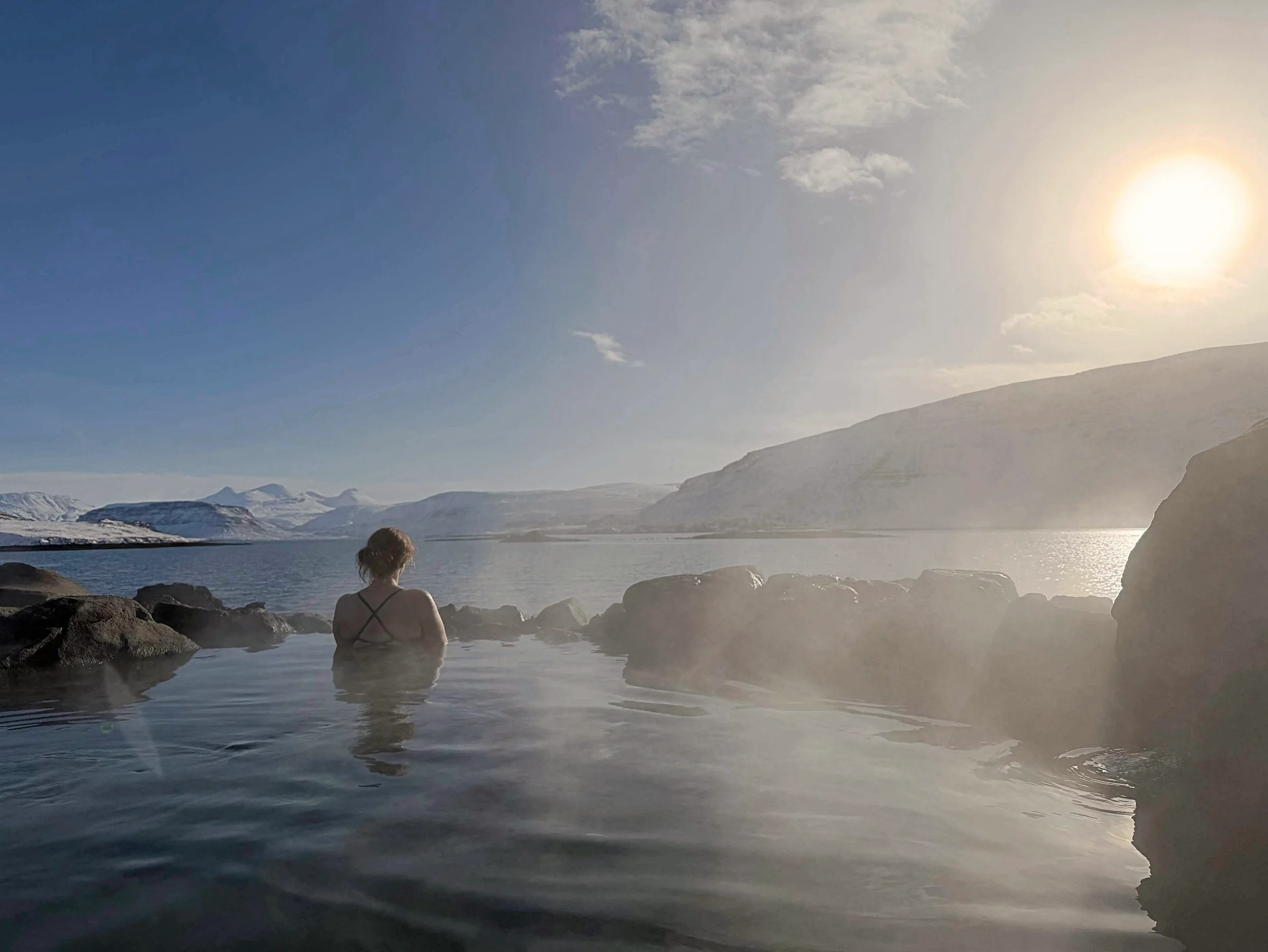
Eight natural geothermal pools cut directly into the North Atlantic shoreline of Hvalfjörður — Whale Fjord — about 56 kilometers from Reykjavík. At high tide, the lowest pools merge with the sea. There's no ambient playlist. No silica mud ceremony. No instructions to apply a complimentary face mask. Just warm water, cold air carrying salt and kelp from the fjord, mountains across the water, and — if you go on a quiet winter morning and time it right — almost nobody else there.
We went on exactly that morning. One of the better decisions we've made when choosing hot springs in Iceland.
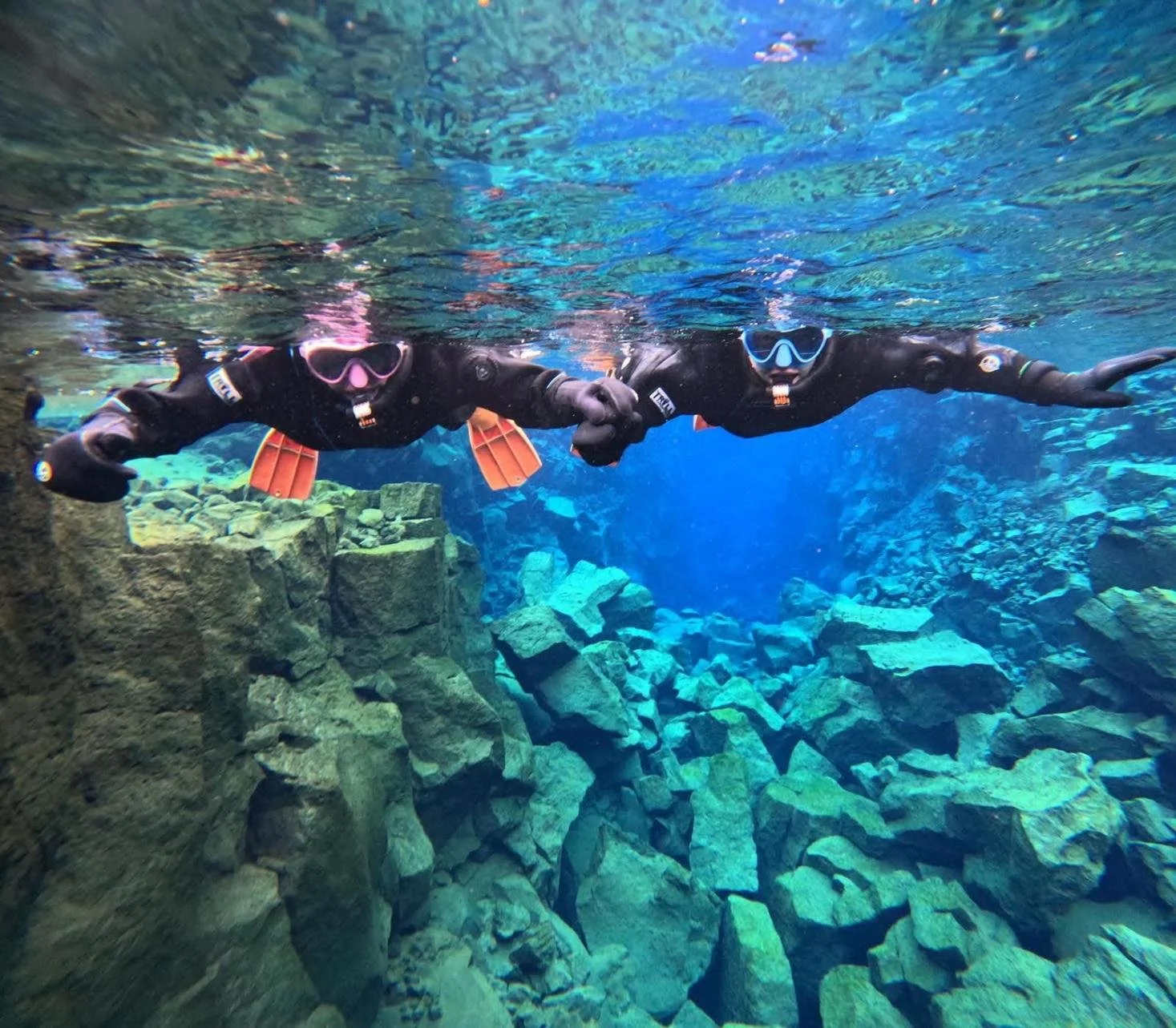
Don't go in expecting a reef. Þingvallavatn is home to three of Iceland's five freshwater fish species: brown trout (Salmo trutta), Arctic char (Salvelinus alpinus) — which has evolved into four distinct morphs in this lake alone — and the three-spined stickleback (Gasterosteus aculeatus, or hornsili in Icelandic). Thingvellir Whether you'll actually see any of them in Silfra is another matter — the water is cold, clear, and not especially hospitable, and fish tend to stay in the broader lake. But they're out there, and the sheer fact that an isolated population has had roughly 10,000 years to adapt to the specific conditions of this lava-filtered glacial environment Thingvellir makes the ecosystem feel like one more layer of quiet wonder in a place that has plenty of them.
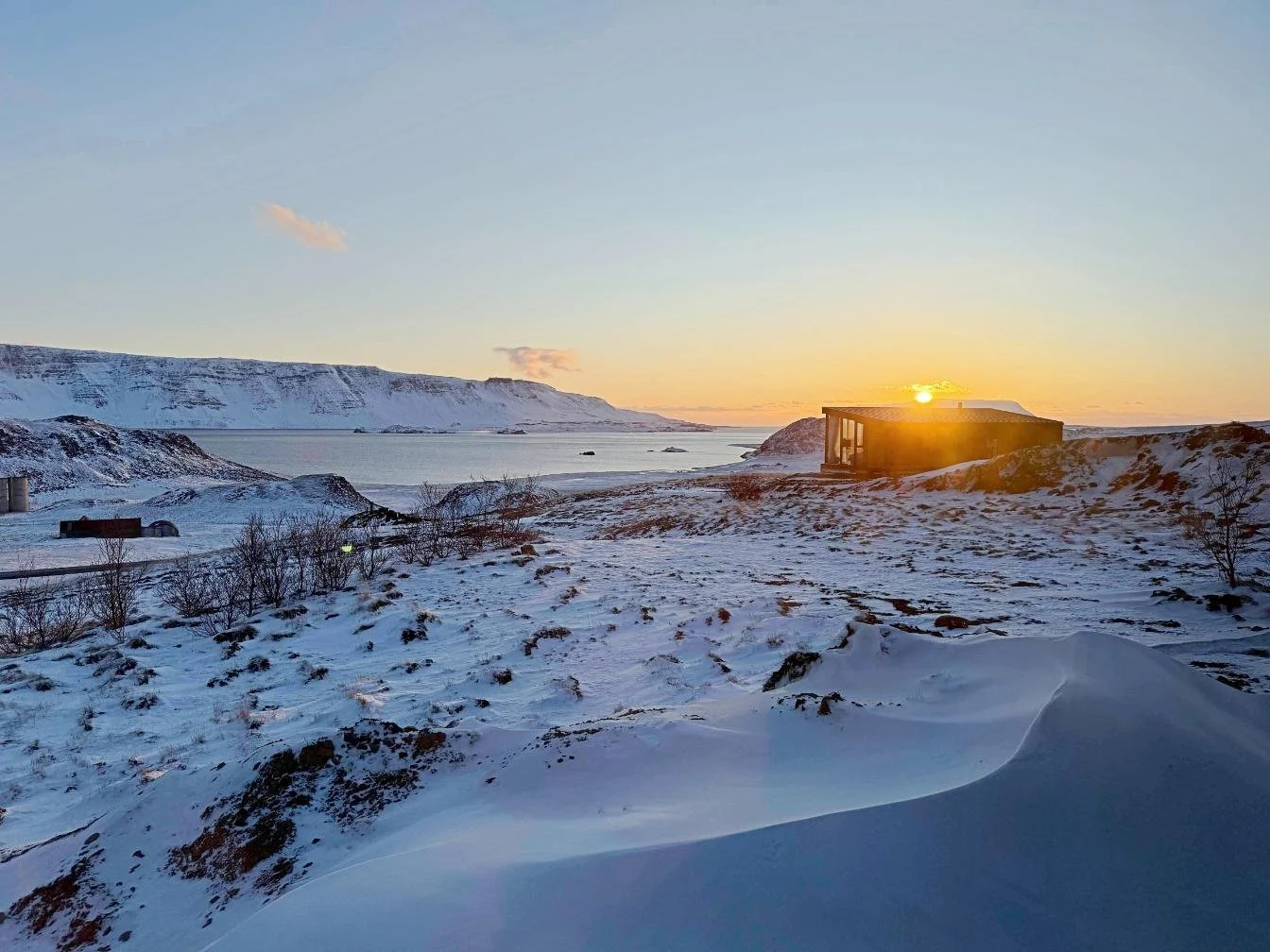
There's a tunnel under Hvalfjörður that most people take without thinking twice. It shaves 42 kilometres off the drive north. Efficient and practical? Sure. And almost certainly the biggest navigational mistake you can make in West Iceland.
Drive around the fjord instead. And if you really want to do it properly, stay there.
Out of curiosity, I (Eli) drove around Hvalfjördur 15 years ago on my way to the Snæfellsnes peninsula and still remembered it. Quiet, empty, no tour buses, and cool road signs like “Blindhæð” and “Sheep crossing”. The kind of Icelandic landscape that makes you feel like the country is performing exclusively for you rather than for the forty people in matching rain jackets behind you at Geysir.
And this time, even though Iceland got way more (too?) popular, we still found exactly this: a 30-kilometre fjord flanked by mountains that drop straight into dark water, a sky that does something different every single hour of the day, and a cabin on a hillside that we didn't particularly want to leave: Brekka Retreat & Spa Suites.

Iceland does not do subtle.
The ground cracks open. Glaciers melt over volcanoes. Geysers blast boiling water into the air every few minutes to remind you of the activity underneath.
And then, in a quietly lit room in Reykjavík's harbor district, a stream of glowing orange lava — real, 1,100°C (2,000°F) molten lava — pours in front of your face while you sit in your seat, feeling your cheeks get very, very warm.
That's the Lava Show.. And yes, it's exactly as spectacular as it sounds.
We experienced it during our recent trip to Iceland, and it earned its place as one of the most fascinating things we've done in a country that is, let's be honest, already full of genuinely fascinating things.
Here's the full story — including how it works, where the lava actually comes from, and what happens when you hold a piece of Iceland's volcanic past in your hands.
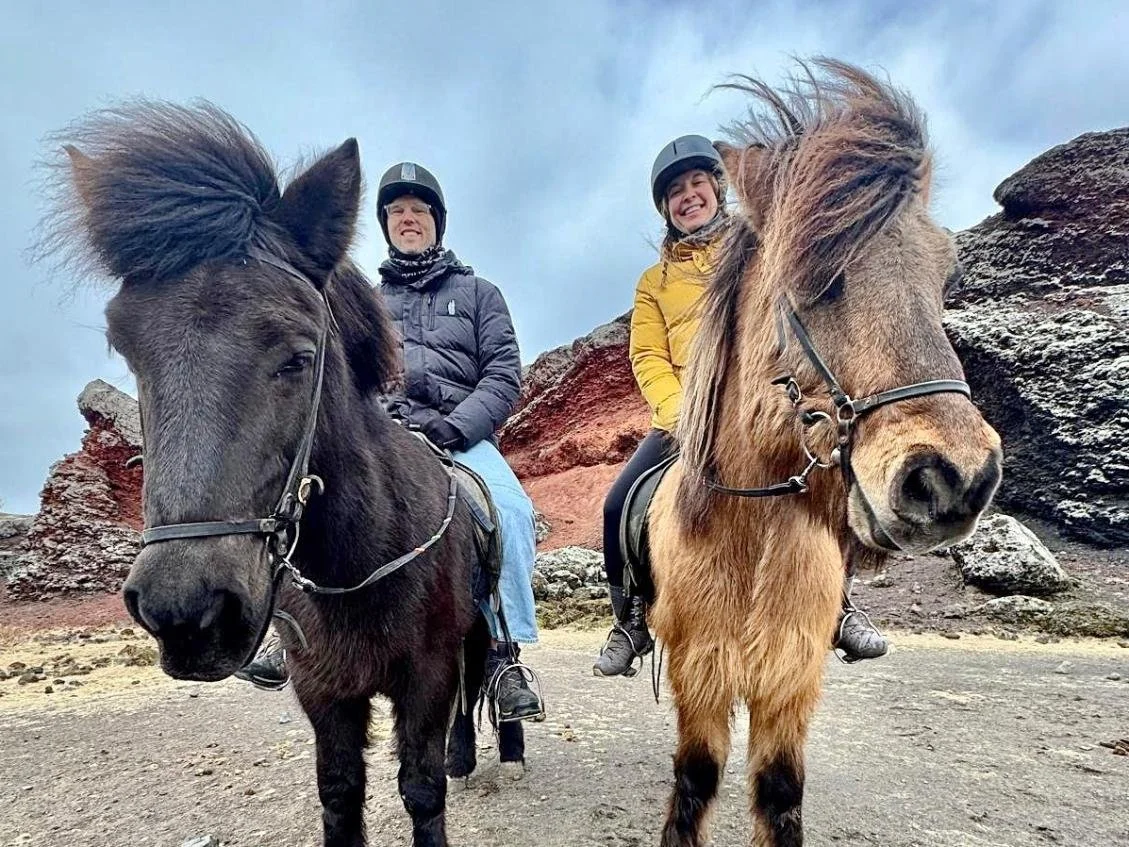
Iceland is a land shaped by fire and ice. Volcanoes erupt, glaciers creep across valleys, and the wind does whatever it wants.
In that kind of environment, you need a tough companion.
Enter the Icelandic horse, one of the most beloved symbols of the country.
During our recent trip, we rode through the lava fields outside Reykjavík with the team at Solhestar. No crowds, no gimmicks. Just lovely horses, good guides, and miles of volcanic landscape.
And one very opinionated horse named Spirit.
Ready for the ride?
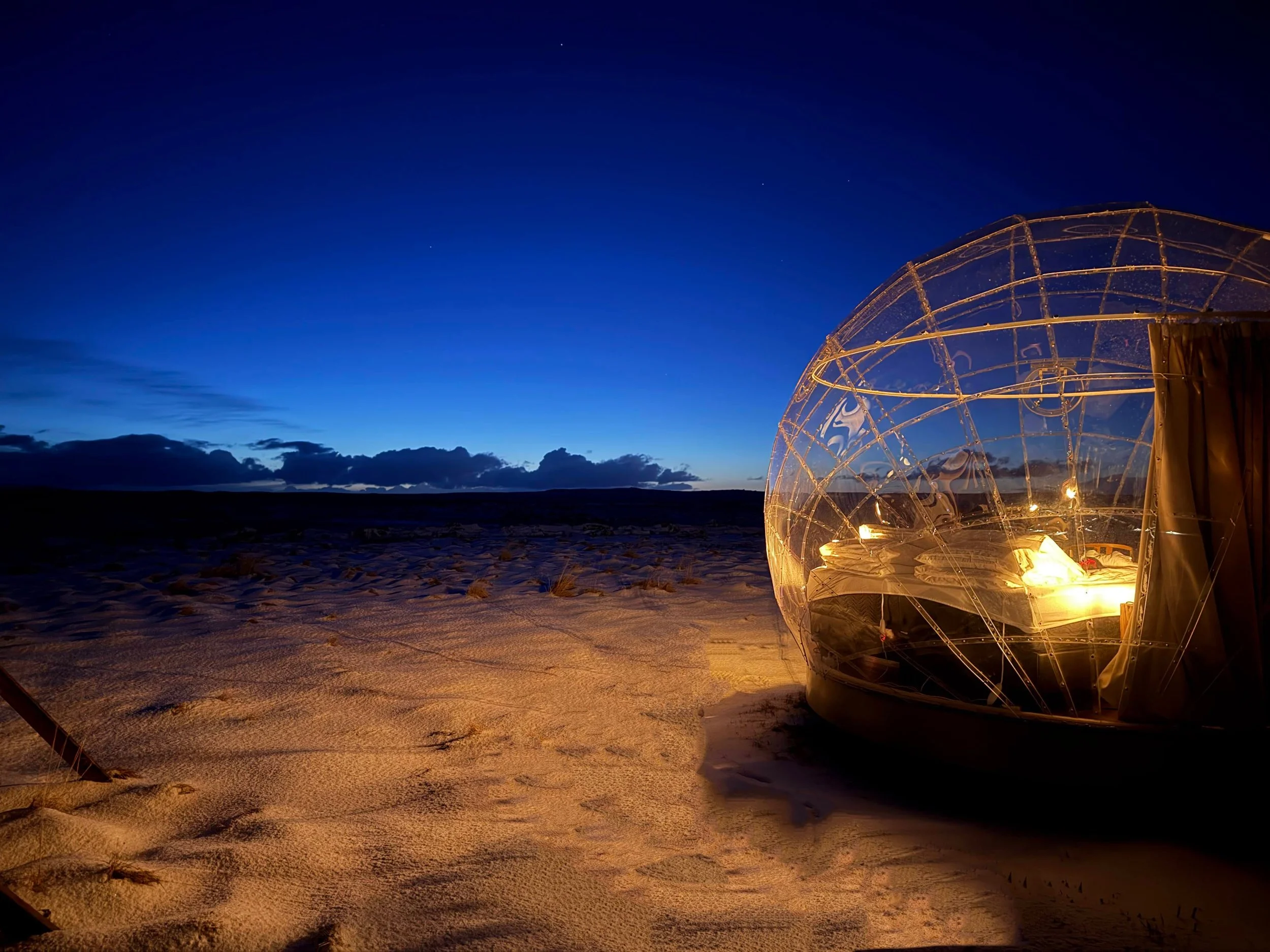
There's a particular kind of overconfidence that comes with booking an igloo in Iceland. You picture yourself lying in a warm, transparent pod, a glass of something good in hand, the northern lights pulsing overhead like the sky has been switched to a setting nobody told you about. It looks incredible on Instagram. It looks incredible in your head.
But, obviously, Lady Aurora (and nature) doesn’t work on a schedule.
We stayed at Aurora Igloo South just outside the small town of Hella on Iceland's south coast, during a night of low KP and stubborn cloud cover. We didn't see the northern lights. What we did see was a gorgeous orange sunset, followed by the kind of star-filled sky you only get when you're far enough from anything to actually notice the dark. It wasn't what we'd planned. It was still worth every minute.
This is the honest version of that stay.
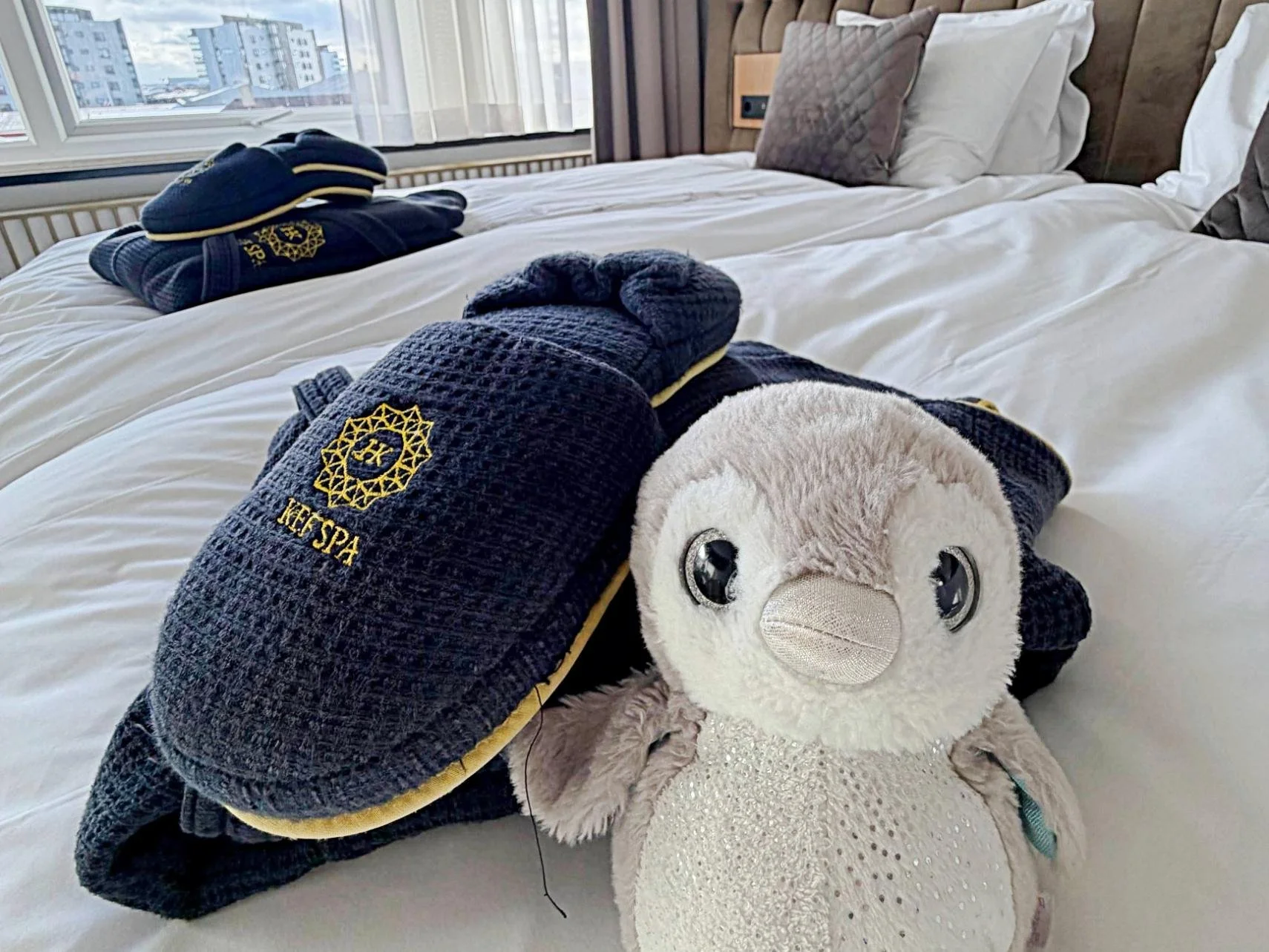
Most people experience Keflavík at approximately forty miles an hour. They land at KEF, get into a transfer bus, and move toward Reykjavík without a second look. The town slides past the window like the obligatory opening credits nobody reads. A petrol station. Some warehouses. Dark lava on both sides of the road.
It's an unfortunate habit.
We arrived at Hotel Keflavik in March, at the tail end of 17 days against Iceland's winter — frozen waterfalls, snowstorms, wind that had a very clear opinion about us being outside. We were tired in the way that active winter Iceland makes you tired, which is a specific, addictive kind of tired that involves sore legs, perpetually damp base layers, and a negotiated peace with the cold. The hotel was meant to be a convenient pre-flight stop. It turned into a proper, blissful ending to the trip.
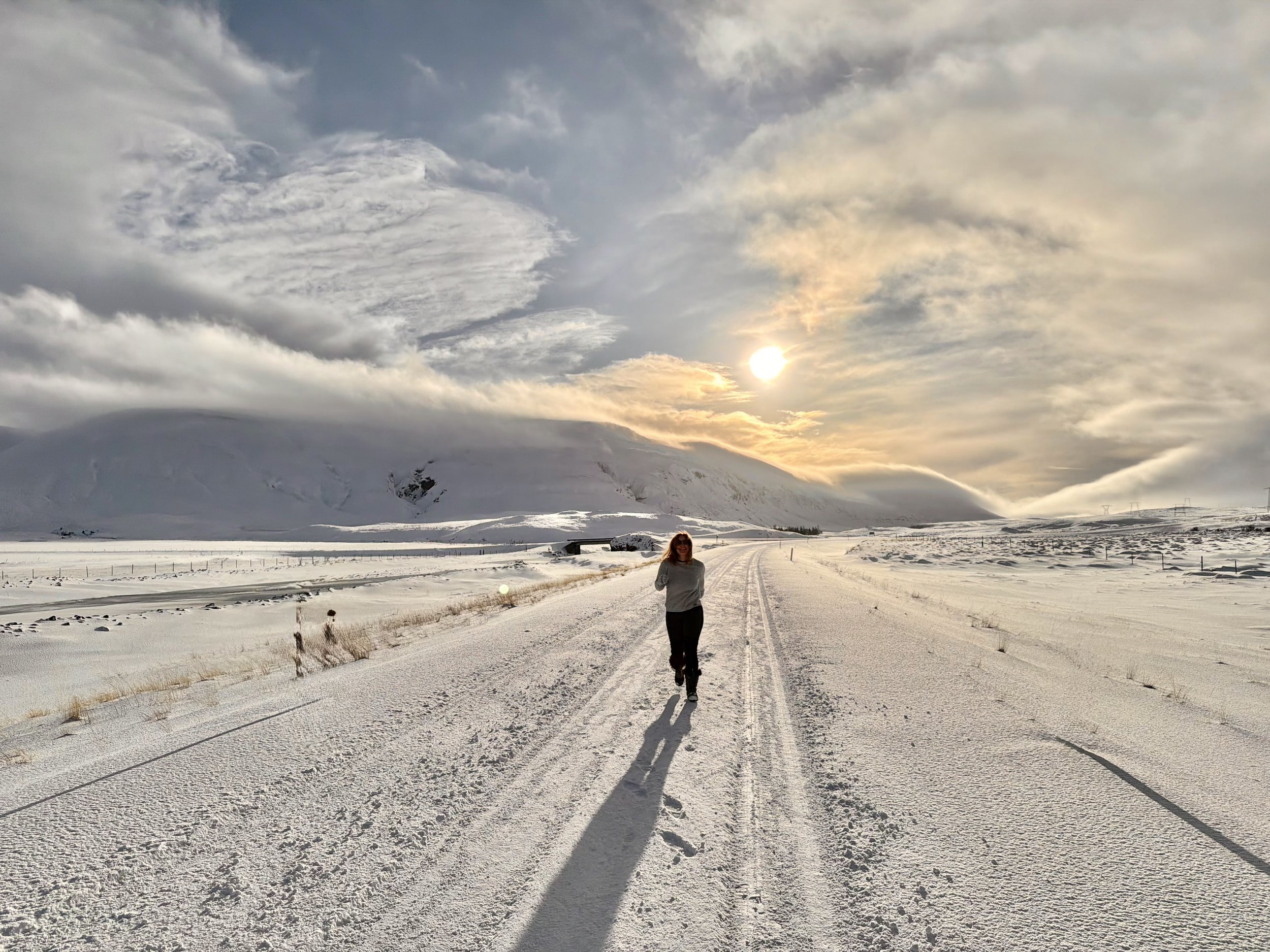
Winter in Iceland feels like a different planet. The sun barely rises, the air smells like snow and sulfur, and every drive turns into an Arctic movie scene. It’s quieter, wilder, and often cheaper than summer — fewer crowds, cheaper hotels, and the magic of the Northern Lights dancing above empty landscapes.
If you can handle icy roads and the occasional blizzard, winter rewards you with scenes so surreal they’ll make your camera battery freeze.

Spoiler alert: Anytime is a good time to visit Iceland!
And it’s because Iceland isn’t just another travel destination; it’s like visiting an entirely different world — or even planet. I (Eli) had always dreamed of venturing through its surreal landscapes, and after experiencing it twice, I’m convinced Iceland is a place everyone should see at least once.
From surreal black-sand beaches to incredibly blue glaciers, every turn will leave you in awe. Keep reading to know more!
Finnish Lapland

Rovaniemi is Finnish Lapland's main gateway, and it's built for it: an airport that runs seasonal direct flights from all over Europe, an overnight train from Helsinki with a spot for your car, and a bus network that reaches deep into the rest of Lapland once you've landed. We've done this trip both ways ourselves, flying in for a quick visit and taking the train up from Helsinki when we wanted to visit our friend Altti. Here's how each option works, and how to get around once you're here.
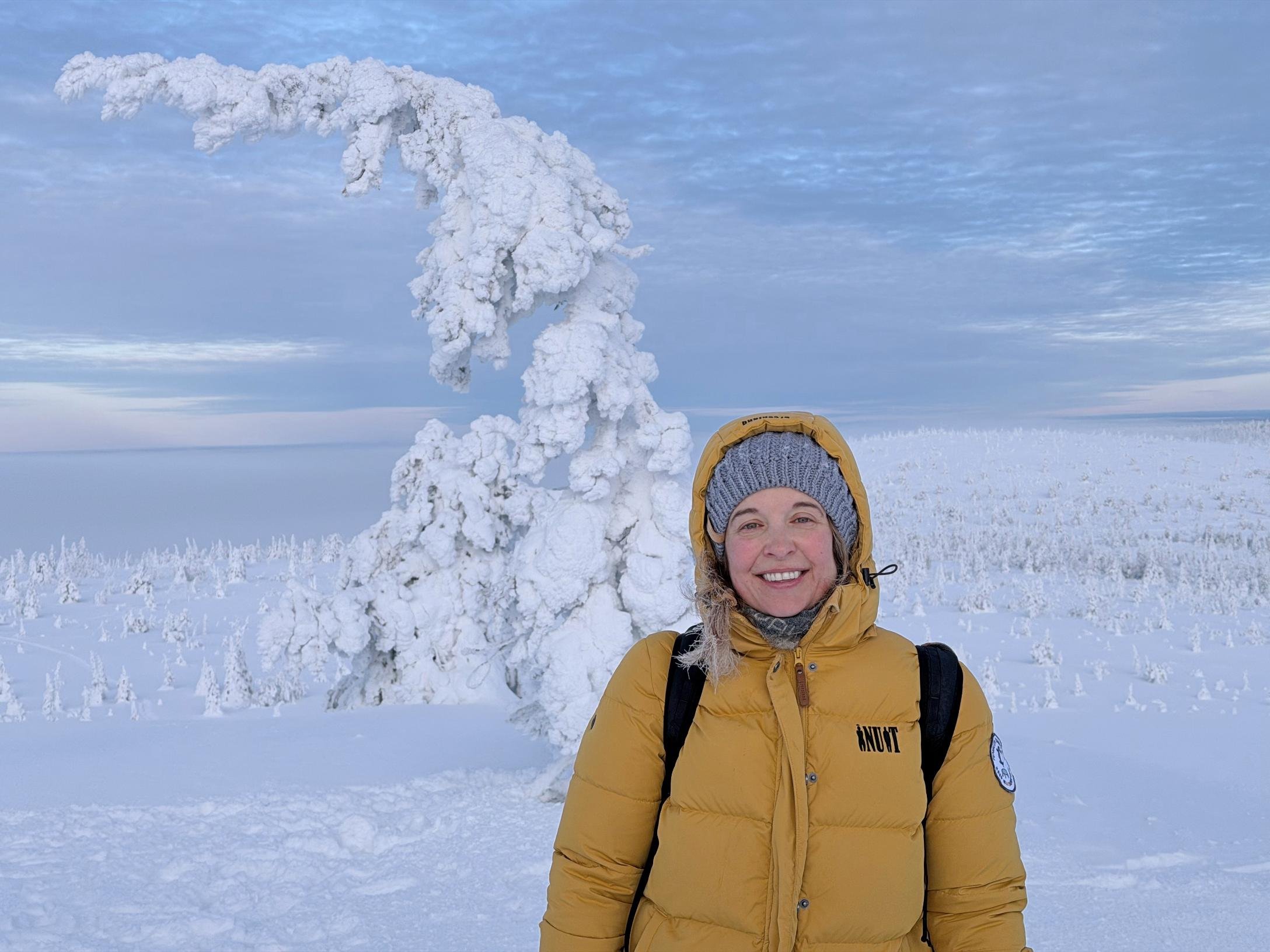
Every year, some people pay somewhere around 400£ to 600£ a person (or more) for an 18-hour coach-and-flight day trip to Finnish Lapland. A flight to Rovaniemi on its own can cost less than a taxi ride across London, if you book it right. Obviously, the Nordics are never cheap, but this guide will help you plan your trip to Lapland “on a budget". It's Finland-focused throughout, since that's what almost everyone searching for "Lapland" actually means.
If you're curious about the Swedish side, particularly Kiruna, we've covered that separately, and you’ll find lots of resources in our Lapland Travel Hub.
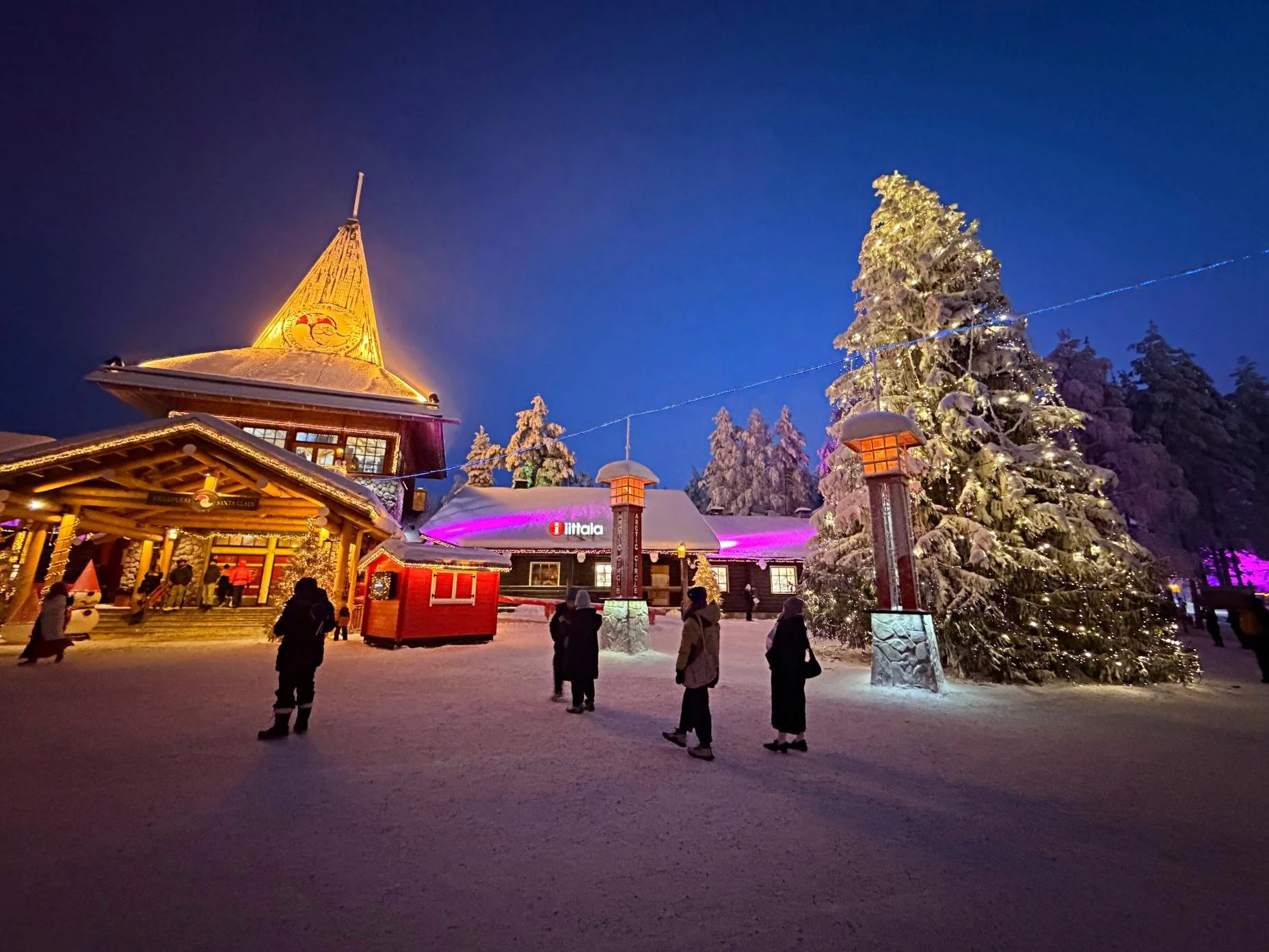
December in Rovaniemi is one of the most atmospheric things you can do in Europe. Snow so deep it swallows fence posts. Darkness that falls at 2pm and stays until 10am. Reindeer moving in slow single file through the forest. The northern lights ripping green across a sky you've never seen that dark. And a silence — an actual silence — that you feel in your chest.
The problem is that the internet has convinced most people that Christmas in Lapland means one specific thing: elves, a man in a red suit, and a theme park experience that costs a fortune and delivers considerably less magic than the landscape sitting five minutes outside it.
We're not here to tell you what to do. But we are here to be honest about what you're actually booking when you book "Christmas in Rovaniemi" — and what December in Finnish Lapland looks like when you strip the commercial layer back.
Lapland is not one place.
It stretches across Finland, Sweden, Norway and Russia, and each side behaves differently. Different snow patterns. Different temperatures. Different landscapes.
If you’re asking:
Will there be snow in Lapland in December?
Is Lapland warmer in Norway than Finland?
When is snow guaranteed?
Is November too early?
Is April too late?
You’re asking the right questions and will find an answer in this guide!
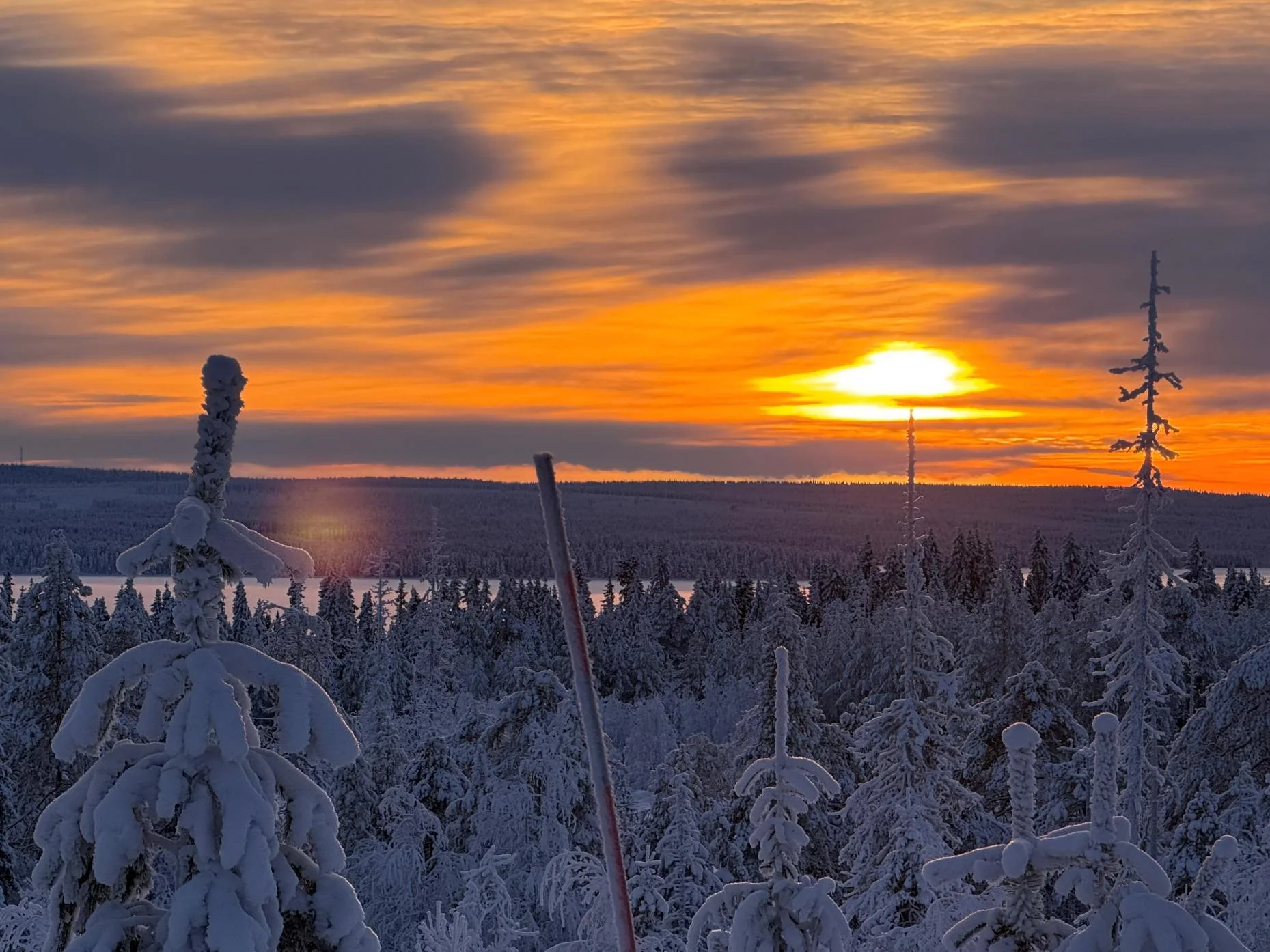
Rovaniemi sits just below the Arctic Circle and markets itself as the official hometown of Santa Claus. It’s easy to reach, well-developed, and famous worldwide.
But timing here isn’t just about temperature. In the Arctic, light changes everything. Dark winter for auroras, endless summer for midnight sun, golden autumn (ruska) for quiet forests.
And depending on when you go — and whether you stay in Rovaniemi or beyond — your experience can feel wildly different.
Let’s break it down honestly, with pros and cons of each month and season.
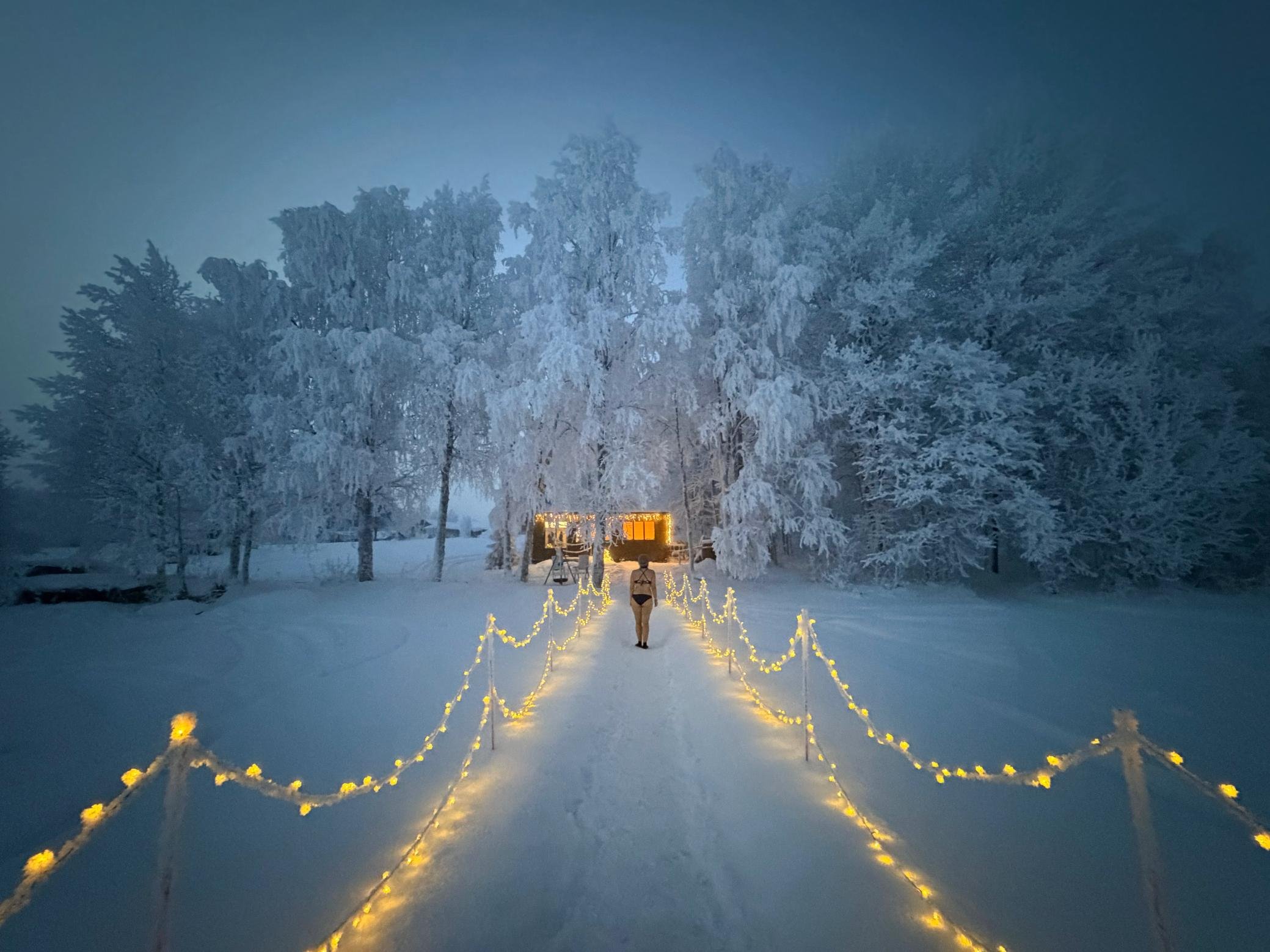
You can’t understand Finland without sauna. You can’t understand winter without cold water.
Put the two together and something very real happens — your body resets, your mind quiets, and winter suddenly feels less like something to endure and more like something to enjoy. Yes, enjoy! For us, it feels like a high.
That’s what we experienced with StayLapland. We’ve done saunas before. We’ve done winter trips before. But it was my friends’ first ice dip. And I’m pretty sure they got as hooked as us!
In the Nordics, sauna isn’t a “wellness activity”— it’s a way of life.
Ready to dive in?
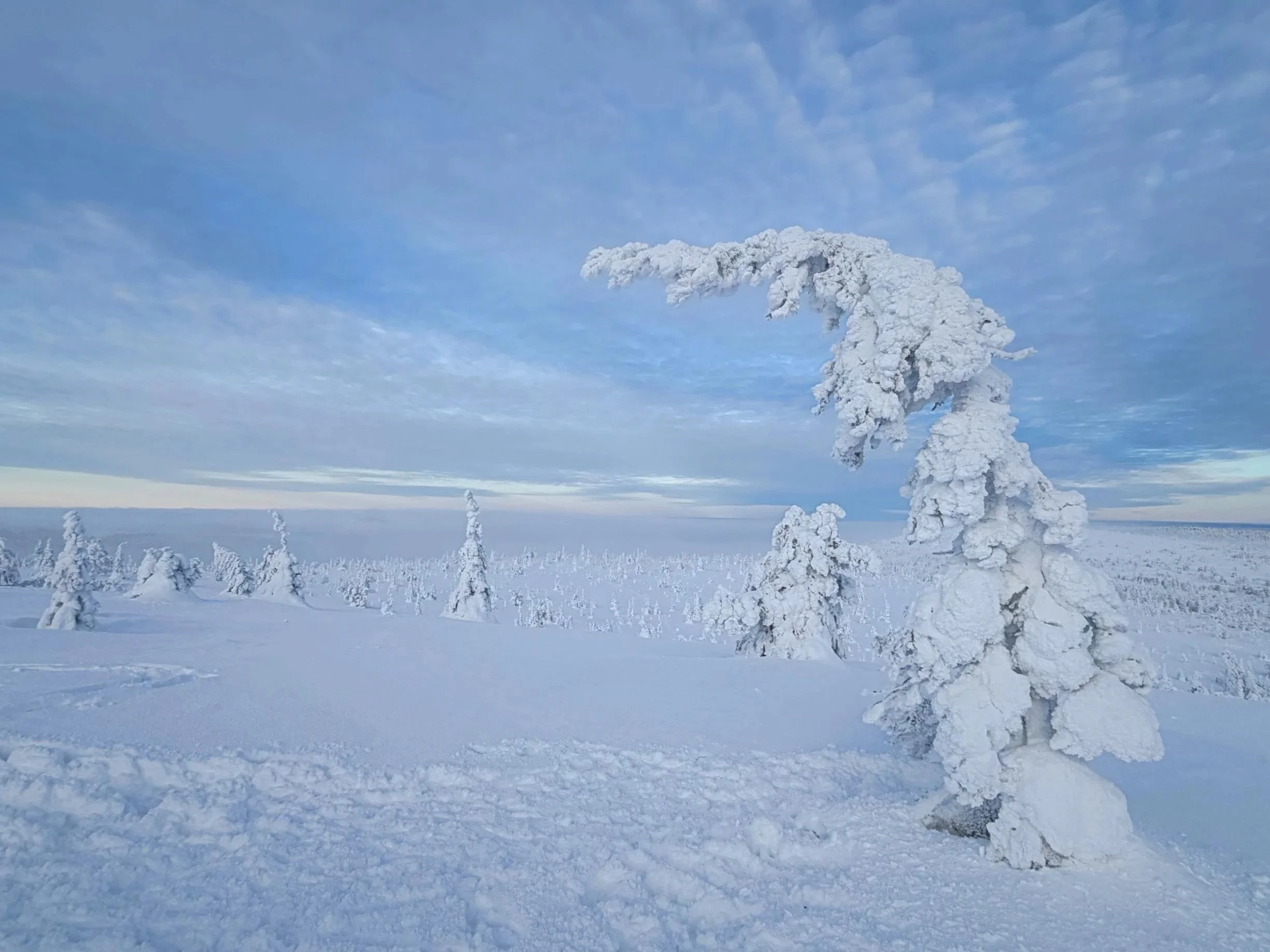
Rovaniemi in winter is… a lot.
Within about five minutes of arriving, you’ll see it: tour buses unloading at industrial speed, groups moving in formation, and yes — at least one fully grown adult dressed as an elf, enthusiastically herding people toward Santa Claus Village like it’s a festive airport security line.
But if you’re the kind of person who quietly backs away from crowds, prefers snow over shopping bags, and suspects that Lapland might have more to offer than a receipt printed with reindeer on it — good news. It absolutely does.
This article is about winter activities in Rovaniemi that don’t involve Santa. Think ice hotels that melt in spring, national parks where trees look like they’ve given up on physics, saunas followed by holes cut into frozen lakes, and nights spent waiting quietly for the sky to decide whether it feels like showing off.
We’re unapologetically in favor of slow travel. Fewer places, more time. Staying somewhere long enough to notice how the light shifts, how silence settles in, how weather quietly dictates the pace. In the Arctic, less is often more: winding down in a sauna after a day outside, waiting for the northern lights, watching the snow fall, enjoying a “fika” by the fire.
But we also know reality.
Time off is limited. Flights and hotels aren’t cheap. And winter travel in Lapland adds friction whether you like it or not. So this guide is about experiencing Lapland well in one week — without rushing, without backtracking, and without pretending the Arctic is smaller or easier than it is.
If you’ve got more time, perfect. Stay longer.
If you’ve got seven days, this is how to make them count.
Rovaniemi is lovely.
It’s iconic.
It’s Santa’s “official” hometown.
It’s also… completely flooded from November to early January.
Families, buses, long lines, sold-out activities, €450 reindeer rides, and prices that make reindeer reconsider their life choices.
If you're dreaming of Christmas magic without the stampede, Scandinavia is full of places that feel just as magical — sometimes more.
We’ve spent winters all over the Arctic — Kiruna, Abisko, Luleå, Alta, Tromsø, Svalbard, and Finnish Lapland (outside Rovaniemi) — and there are SO many places where the Christmas vibes are strong, the Northern Lights are bright, and the prices are (slightly) less terrifying.
And if your kids are begging for Santa, we’ve included a bonus a bit further away… but definitely off the beaten path!
Here are the best Rovaniemi alternatives, and what makes each special.

If you're planning a winter trip to Lapland, you're probably torn between magical Rovaniemi, the "official" hometown of Santa Claus in Finland, and Kiruna, Sweden's Arctic gem. But wait — there’s more! Other Lapland destinations like Tromsø, Norway, and other less known towns, might also be calling your name. So, which icy wonderland should you choose? Let’s break it down.

Rovaniemi, Finland, isn’t just Santa’s hometown — it’s the gateway to the Arctic, a cozy, snow-dusted city where Northern Lights dance above the rooftops and reindeer wander along frozen rivers.
We’ve stayed here several times in different seasons, and the truth is: there’s no “wrong” place to stay — only how close you want to be to nature, and how much you want to watch the aurora from bed.
That being said, it’s always better to be a bit further from city lights. And, personally, we love to have our own cabin with sauna for a true Nordic experience (you also save on food).
So here’s our handpicked list of the best hotels in Rovaniemi — from luxury spas to dreamy cabins — all with that essential Arctic magic.

If you’re yearning for the perfect fall escape, Finnish Lapland is your dream come true. Vast toundra and taiga landscapes stretching as far as the eye can see, vivid fall colors, cozy log cabins with crackling fireplaces, warm saunas, cold lakes, and the northern lights dancing overhead.
Whether you’re an intrepid adventurer or someone who just wants to snuggle up with a good book and hot cocoa, Finnish Lapland offers the perfect blend of wild and warm.
Swedish Lapland
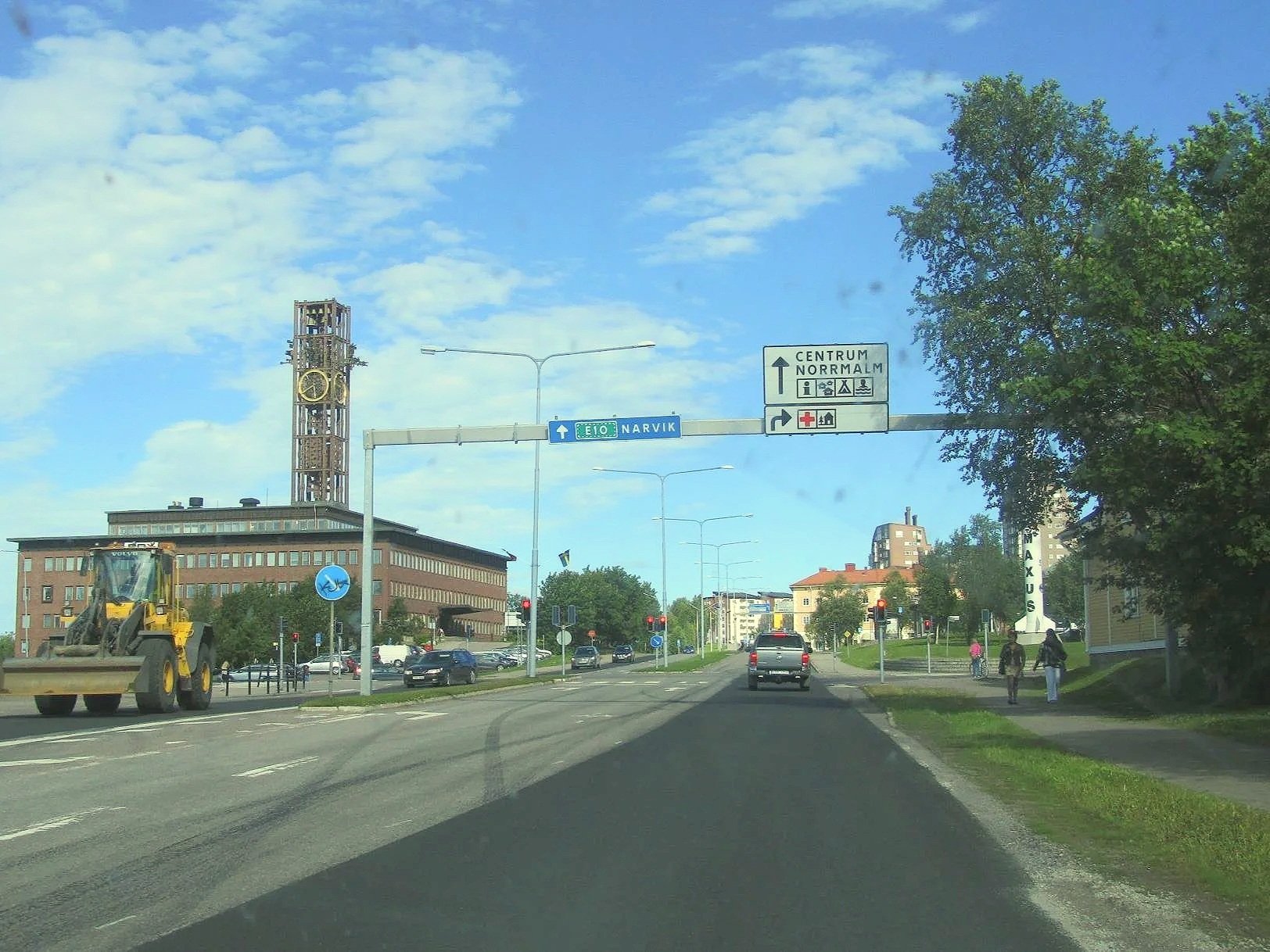
Kiruna, Swedish Lapland, is definitely small enough to walk across, but the moment you want the ICEHOTEL, Abisko, or a run at the aurora somewhere darker than town, you'll want your own wheels. Here's your guide to rent a car in Kiruna. We’ve been there 7 times!
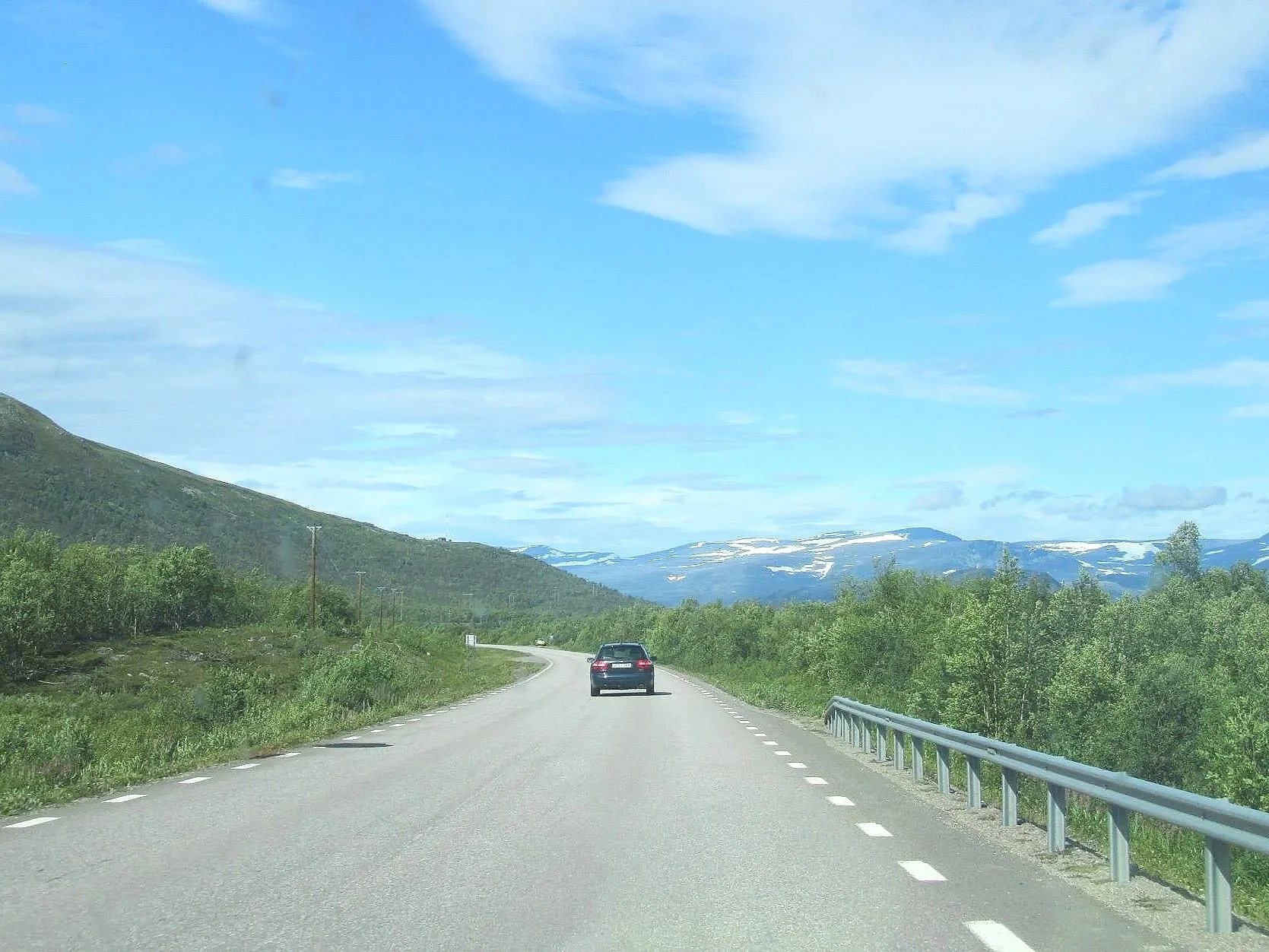
Abisko sits about 94 kilometers northwest of Kiruna, Swedish Lapland, on the same rail and road corridor that continues on to Riksgränsen and across the border into Narvik, Norway. Most people making this trip are headed for Abisko National Park, the Aurora Sky Station, or a stretch of the Kungsleden, and there are three ways to get from Kiruna to Abisko: train, bus, or car. We did the three, and here's how each one works.
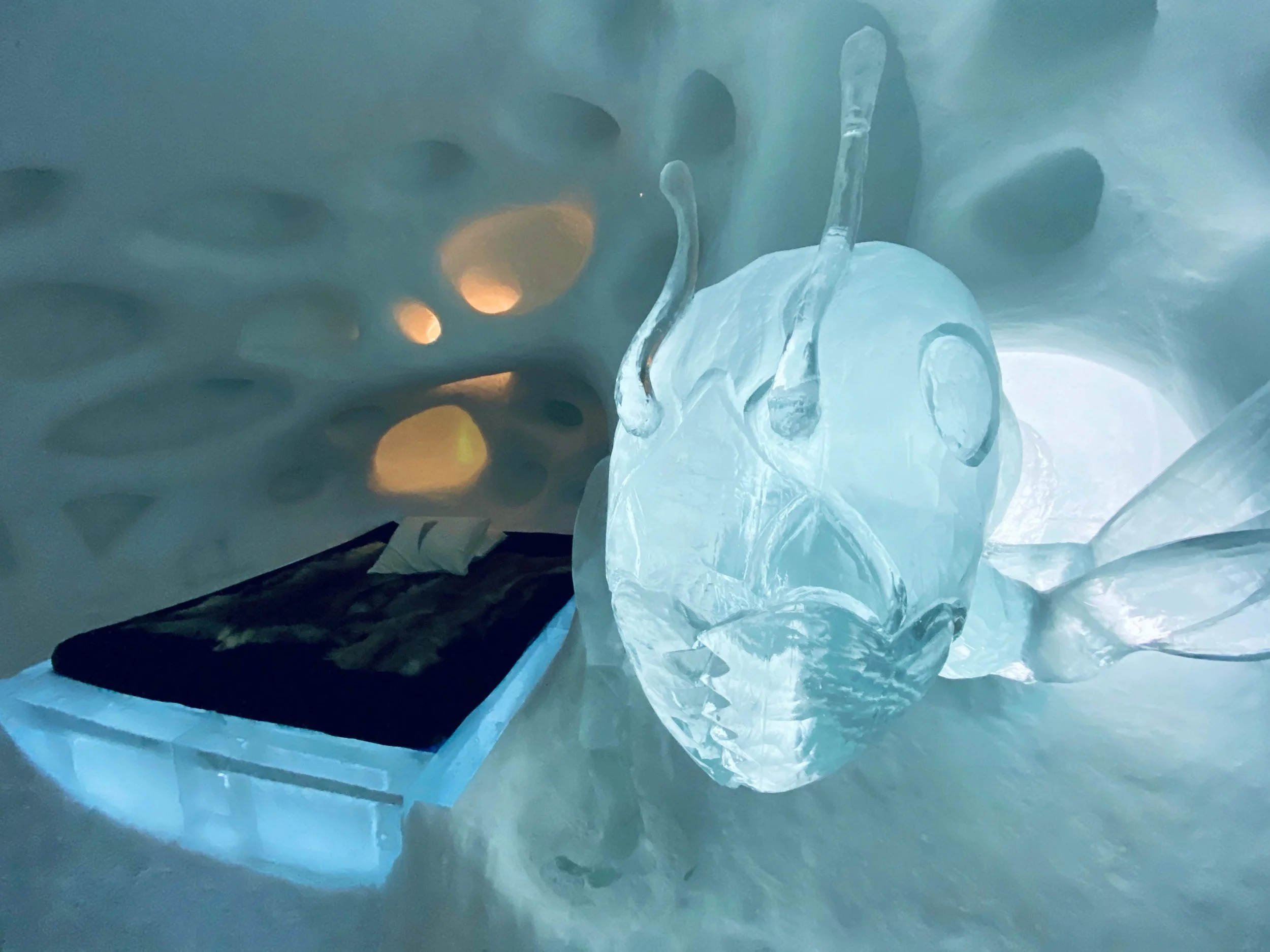
We've visited the ICEHOTEL, Swedish Lapland, seven times, and it's a different icy museum every time! The whole thing melts back into the Torne River each spring and gets rebuilt from scratch the next winter by artists from all over the world. We’ve visited other ice hotels in other countries, but this one is admittedly our favorite.
Sure, it’s pricey (and definitely worth it). But if you’re on a budget, you don't have to sleep on ice to visit. Here's the quick version, then the details. Ice ice baby!
Lapland is not one place.
It stretches across Finland, Sweden, Norway and Russia, and each side behaves differently. Different snow patterns. Different temperatures. Different landscapes.
If you’re asking:
Will there be snow in Lapland in December?
Is Lapland warmer in Norway than Finland?
When is snow guaranteed?
Is November too early?
Is April too late?
You’re asking the right questions and will find an answer in this guide!
We’re unapologetically in favor of slow travel. Fewer places, more time. Staying somewhere long enough to notice how the light shifts, how silence settles in, how weather quietly dictates the pace. In the Arctic, less is often more: winding down in a sauna after a day outside, waiting for the northern lights, watching the snow fall, enjoying a “fika” by the fire.
But we also know reality.
Time off is limited. Flights and hotels aren’t cheap. And winter travel in Lapland adds friction whether you like it or not. So this guide is about experiencing Lapland well in one week — without rushing, without backtracking, and without pretending the Arctic is smaller or easier than it is.
If you’ve got more time, perfect. Stay longer.
If you’ve got seven days, this is how to make them count.
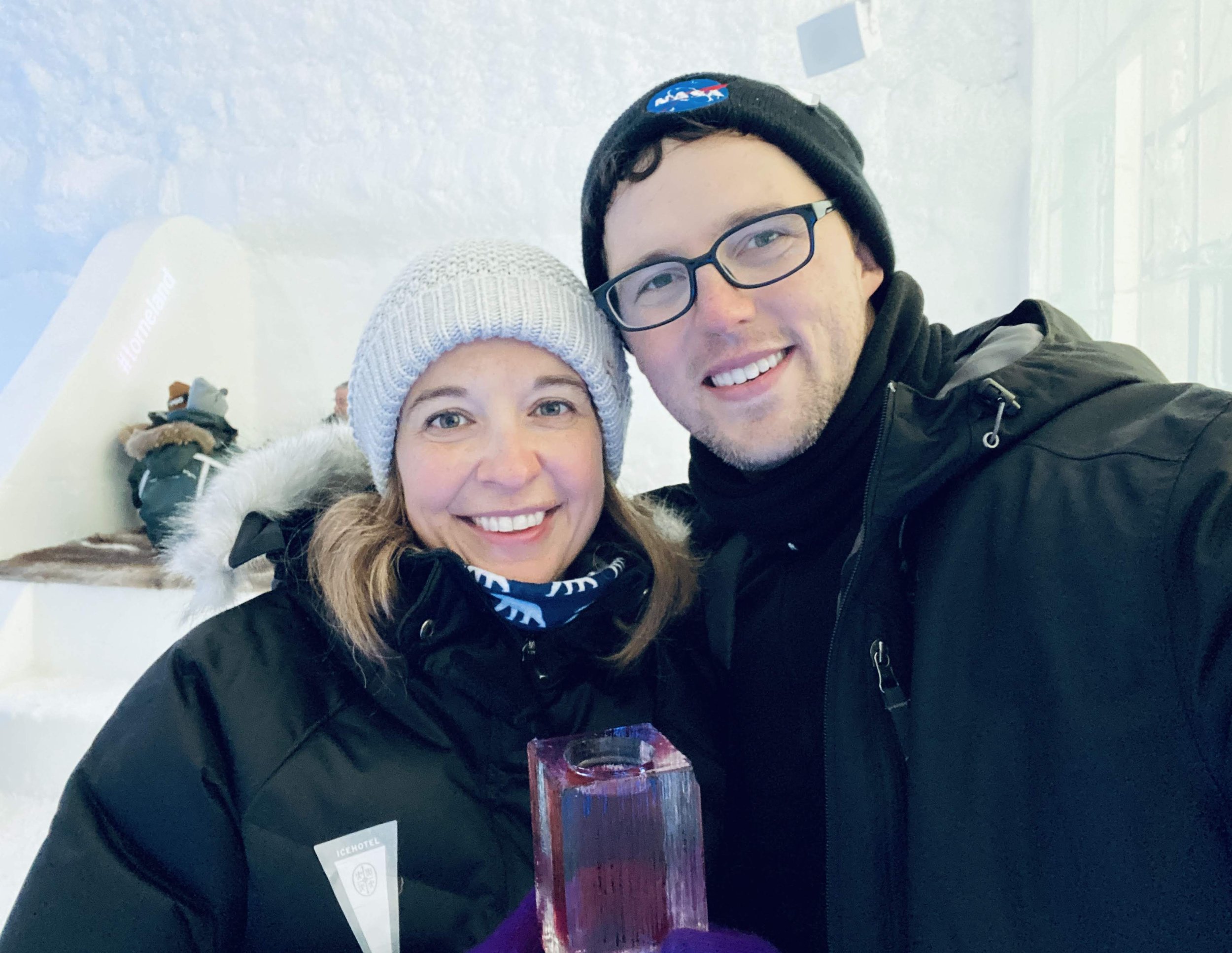
Kiruna in winter feels like stepping into its own Arctic dimension — blue-hour days that stretch forever, forests that glow with frost, and nights where the sky tears open in green. We’ve returned here many times, and every time it reminds us why Swedish Lapland hits differently: it’s calm, quiet, and somehow deeply personal.
If you’re heading north, here are the winter experiences that make Kiruna unforgettable.
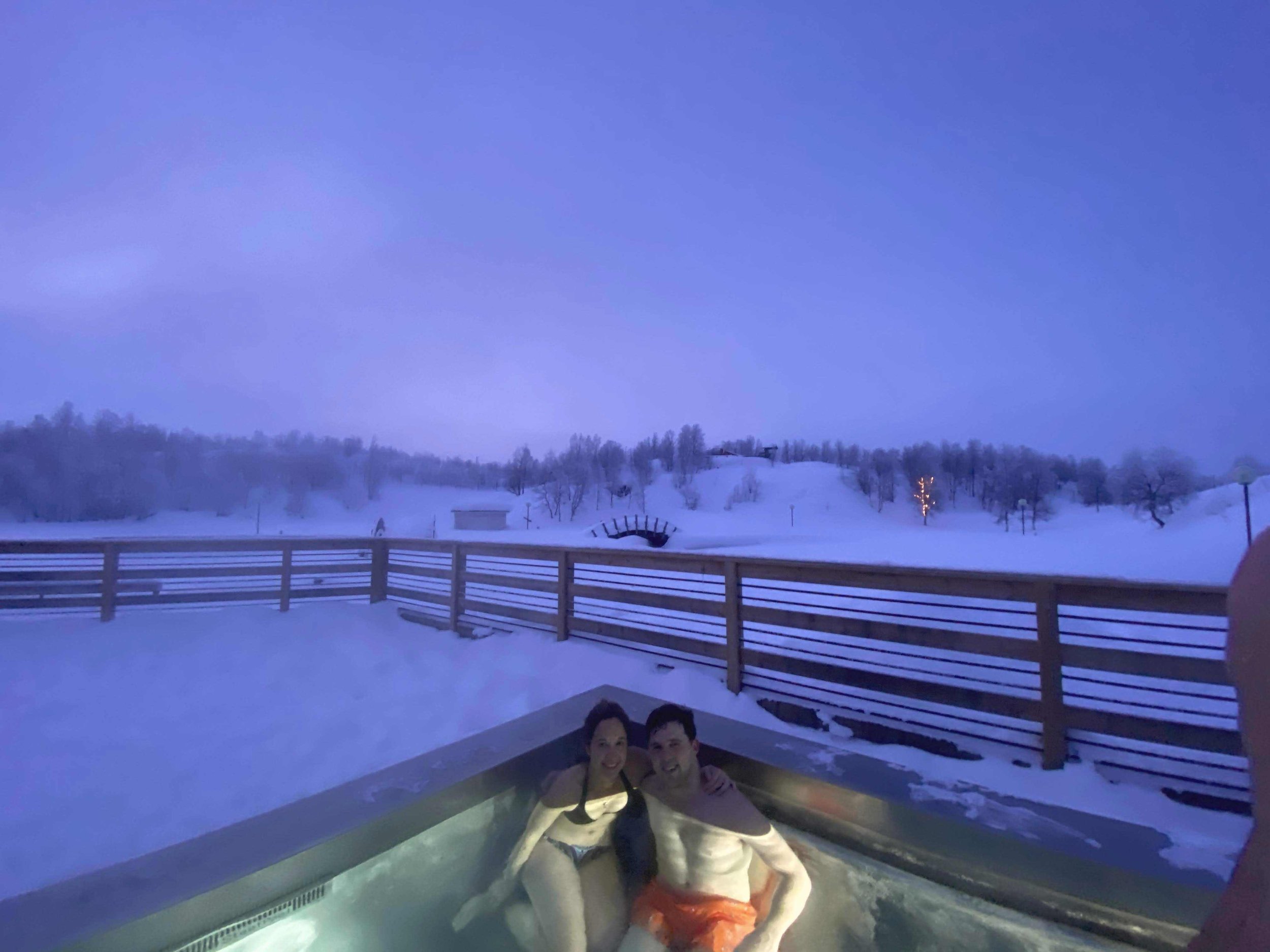
Kiruna holds a special place for me (Eli). That’s where my passion for the Arctic was born, back in 2007! As soon as I got off the plane, I knew it was true love at first sight. Maybe it’s the strange mix of mining town grit and Arctic wonder, or the way the Northern Lights appear right above the grocery store. Or the unpretentious authenticity, and the friendly locals.
We’ve been here seven times — long enough to watch part of the town literally move east to escape the expanding iron mine — including the church this past summer (2025). What hasn’t moved is the atmosphere: cozy cafés to warm up while watching the snow fall, locals on snowmobiles or sleds doing their grocery run, and hotels that feel built to survive winter (yes, even made of ice).
If you're planning a winter trip to Lapland, you're probably torn between magical Rovaniemi, the "official" hometown of Santa Claus in Finland, and Kiruna, Sweden's Arctic gem. But wait — there’s more! Other Lapland destinations like Tromsø, Norway, and other less known towns, might also be calling your name. So, which icy wonderland should you choose? Let’s break it down.

Somewhere between Stockholm’s bustle and the Arctic wilderness, Luleå glows quietly on Sweden’s northern coast. In winter, the sea freezes into an ice road, locals skate to work, and the Northern Lights shimmer above the bay. It’s peaceful, real, and a just the right amount of wild — but with great coffee and cozy beds.
Whether you’re here for the aurora, the architecture, or just a slower pace, here are the best Luleå hotels and nearby Arctic stays.
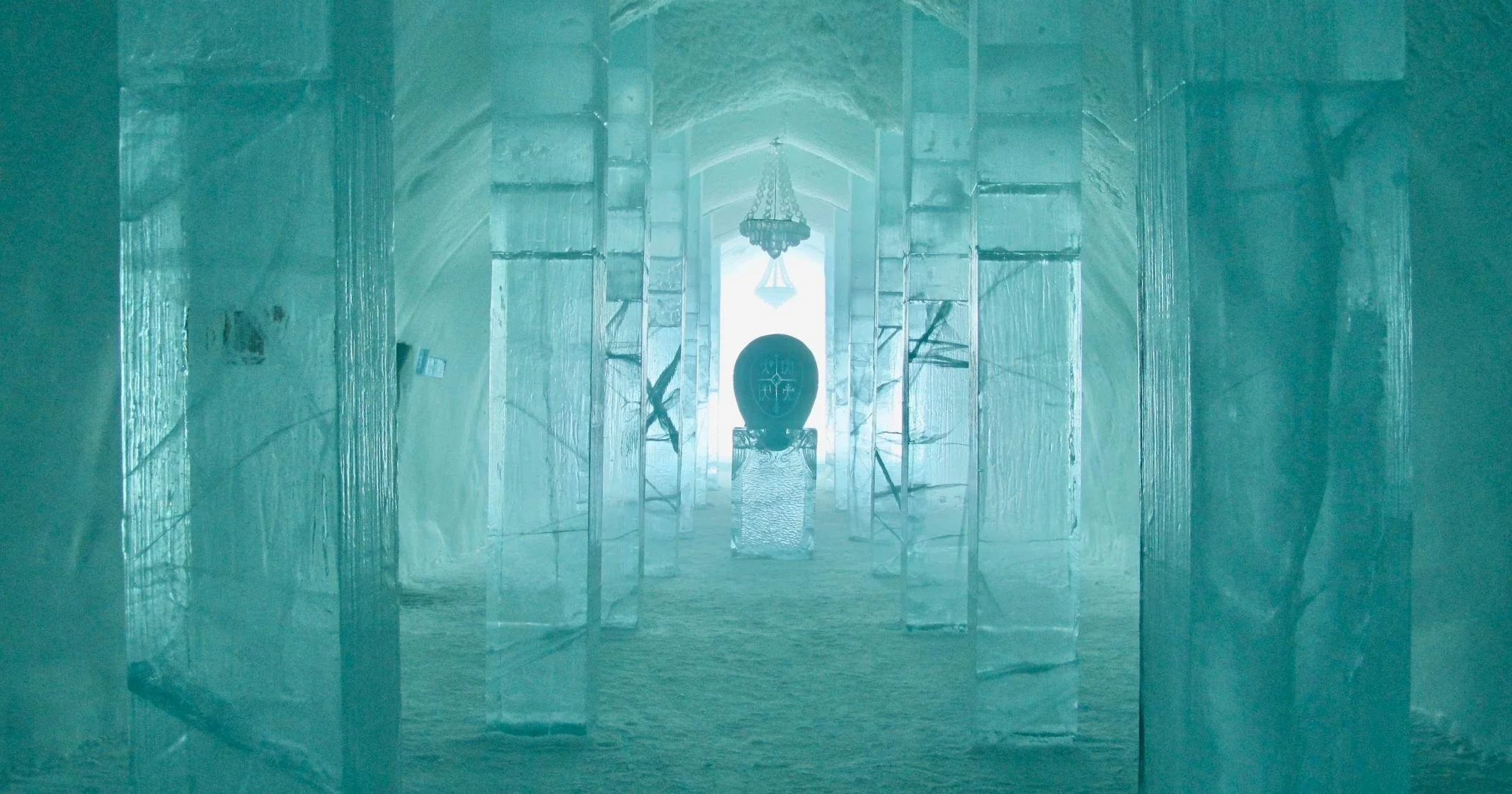
There’s cold, and then there’s Lapland cold—the kind that makes the air taste clean and turns silence into music. Well, actually, there’s Svalbard cold, which takes it to another level, but that’s another story. You probably came to Swedish Lapland for the Northern Lights, but you’ll stay for the cabins that smell like pine, the saunas with a view of forever, and the hosts who still cut firewood by hand to prepare a delicious suova (Arctic Food here).
We’ve crossed Swedish Lapland roughly a dozen times, from Luleå’s frozen archipelago to Abisko’s star-soaked skies to find the best stays—those that feel remote yet reachable, wild yet warm.
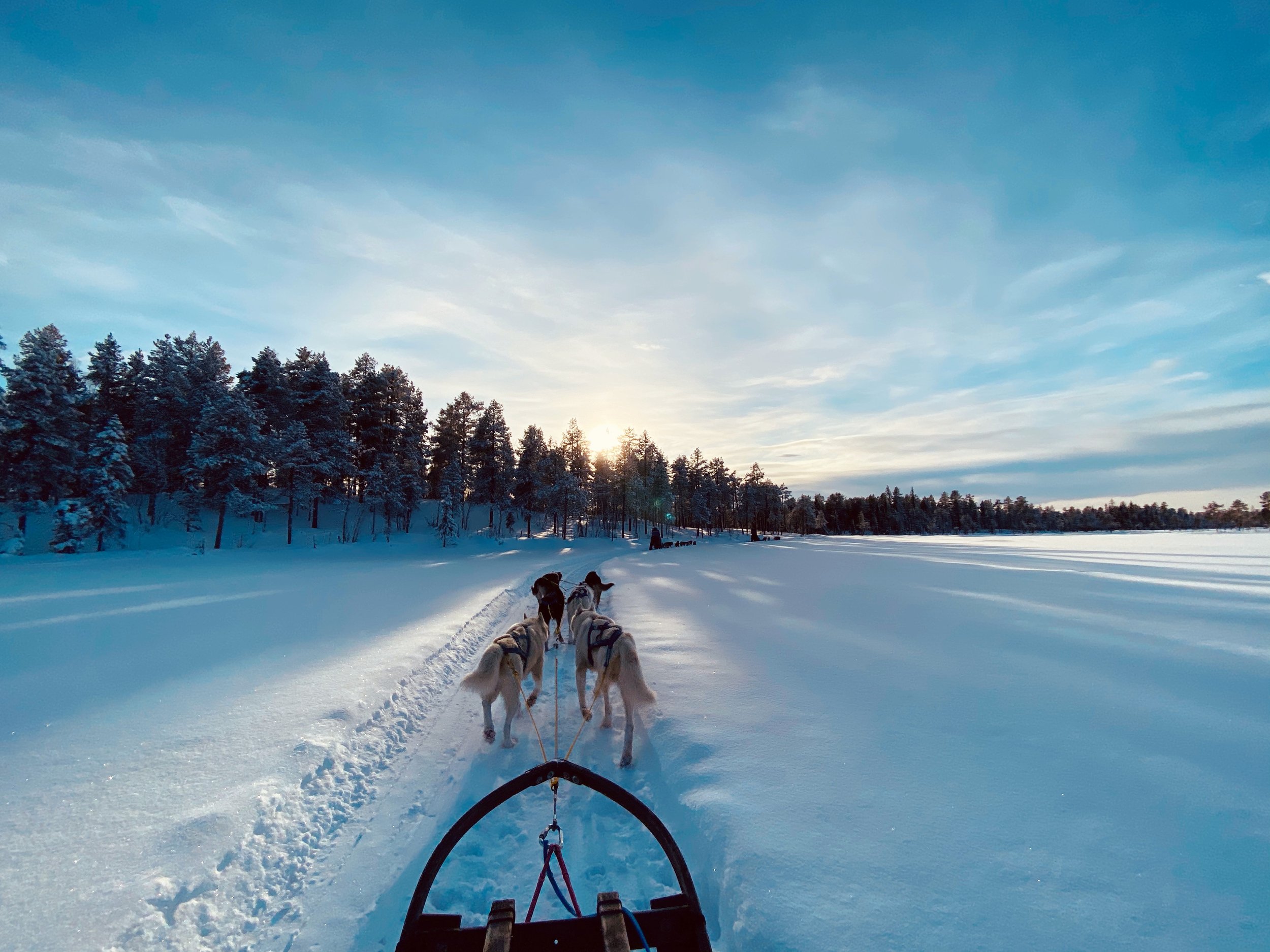
Kiruna is one of our happy places.
Eli has been there no less than 6 times and counting, and it was the first Arctic destination she took Jake to when he moved to Europe.
Yet, Swedish Lapland is not the most visited. Finnish Lapland is more popular due to Rovaniemi’s Santa Village, and Norway’s Troms and Finnmark regions attract visitors from all over the world.
Find out why Kiruna is so special to us, and our best tips to explore this beautiful corner of the Arctic!

Sweden is always a good idea, no matter where you go.
This time, to satiate our winterlust, we decided to head a little more South than usual and spend a week in Luleå.
The largest city in Swedish Lapland seemed to have it all, with a well-connected airport, snowy landscapes, cozy cafés and restaurants, and, of course, the frozen Bothnian archipelago. It’s a university town with very few tourists — exactly our kind of places!
Ready to travel to Luleå with us?
Greenland

Nuuk offers more tours than most visitors expect. The fjord system surrounding the capital — Nuup Kangerlua, the second-largest in the world — is the main event, and getting out on the water is what most people remember longest (in our opinion, it’s also spectacular from the top of nearby mountains). Add guided city walks that give the colonial quarter and the Greenland National Museum genuine depth, northern lights excursions in winter, and a solid selection available on the major booking platforms, and Nuuk turns out to be one of the more tour-rich destinations in Greenland. This guide covers everything bookable, how to do it, and what to expect in one of our favorite Arctic cities.

Ilulissat has a small but focused tour offering — which suits the destination. The town is compact, the Icefjord is the main event, and the best experiences here are the ones that get you on the water or into the landscape rather than in a bus. Most of what's worth doing is booked directly with local operators rather than through the big international platforms, and this guide covers exactly what exists, how to book it, and what to expect based on our own experience.
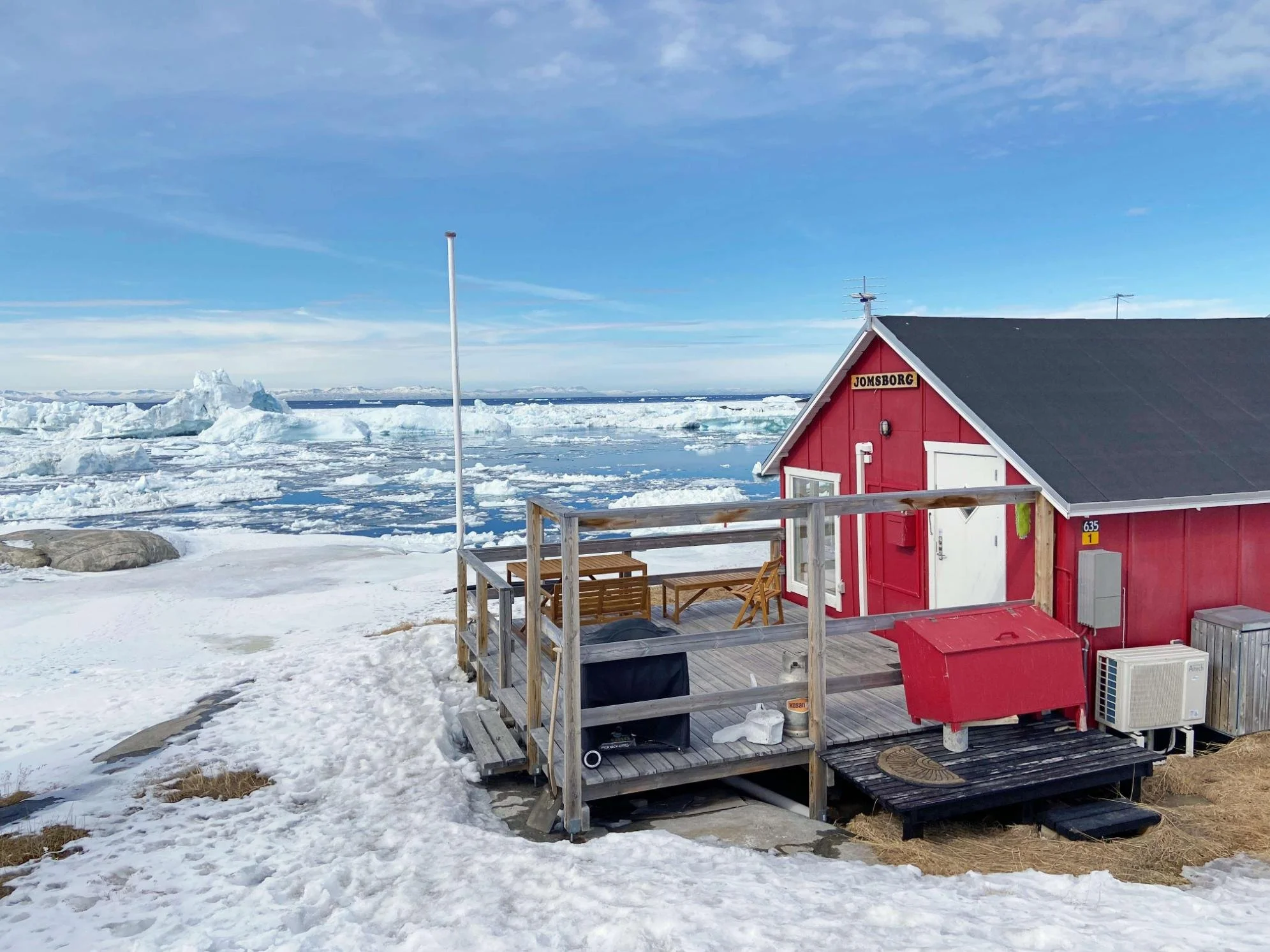
Ilulissat has roughly a dozen hotels, guesthouses, and self-catering cabins for a town of 4,500 people. We've stayed here ourselves — at Cabin Jomsborg, a self-catering cabin sitting ten meters from the water, which turned out to be one of the best accommodation decisions we've made anywhere.
Every property in this guide has icefjord or Disko Bay views in some form. In a town built above a UNESCO World Heritage glacier, there is no such thing as a bad location — only different ways to experience it.

Greenland isn’t a “summer vs winter” destination. It’s:
• Ice vs open water
• Midnight sun vs polar night
• Hiking season vs sea ice season
• Ferry running vs ferry closed
We’ve experienced Greenland in spring — ferry between Nuuk and Ilulissat, iceberg-filled waters, long Arctic evenings — and the timing shaped every single part of the trip. And we’ve experienced every season in the Arctic. Here’s how to choose yours.
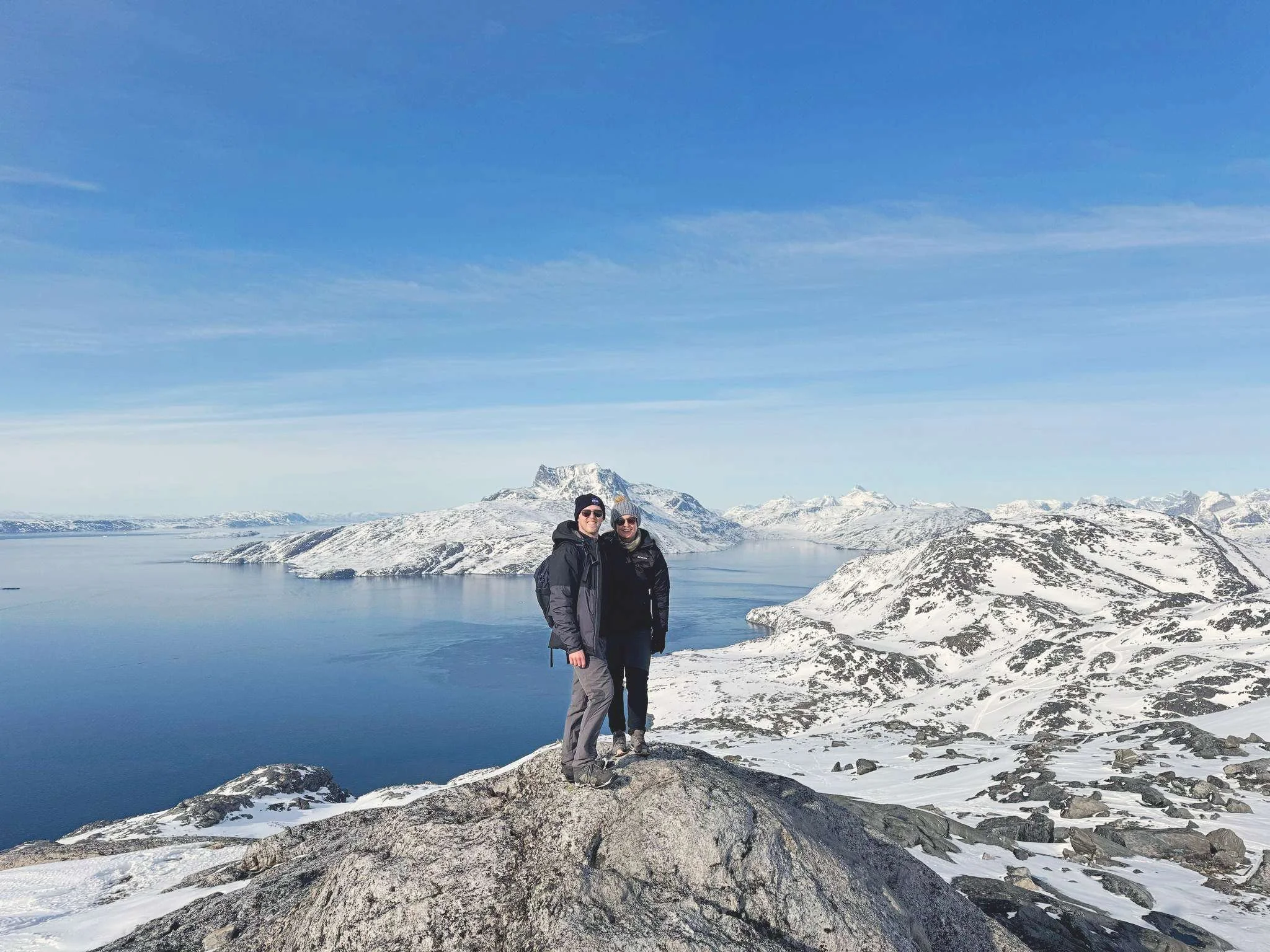
If you’re planning a trip to Greenland, one of the first real decisions you’ll face is this:
Do you base yourself in Nuuk, or Ilulissat?
They’re both spectacular.
They’re both pretty expensive.
They feel completely different.
And your choice will shape the entire rhythm of your trip.
Spoiler alert: the best answer is usually to combine both.
But let’s break it down properly.

Nuuk is overlooked by many visitors, who go straight on a ferry or a plane to Ilulissat. And that’s a shame, because we absolutely fell in love with it — read our Nuuk Travel Guide!
Nuuk is a one-of-a-kind capital where snow-capped mountains meet the sea and the rhythm of everyday, modern life blends seamlessly with the raw, untamed beauty of Greenland.
Greenland’s tiny but mighty capital isn’t just a gateway to glaciers and fjords, it's a vibrant, growing city full of character. The vibe there is just… cool, in every sense of the word!
From intimate guesthouses and self-catering apartments to upscale hotels, Nuuk’s accommodations reflect the city’s unique charm and mix of modernity with traditional Greenlandic influences. Whether you're looking for luxury or simplicity, there’s a place for everyone to rest their head after a day of Arctic adventure.

So why Nuuk, Greenland? Because it’s not trying to impress you. Nuuk doesn’t show off. It just is. It’s a capital without the stress, and without the tourist groups of Ilulissat. A city that feels like a village — if that village had sushi, mummies, arctic fjords, and some of the most grounded, generous people you’ll ever meet.
We had seen Nuuk in Conan O’Brien Must Go, we knew about the new airport, and we landed here with a few vague expectations about “Arctic vibes.” What we got was something else entirely: a crash course in Greenlandic calm, a boatload of icebergs, and an accidental royal sighting (more on that later). And honestly, we were very surprised on many levels.
Nuuk is not just a place. It’s a reset button. And we can’t shut up about it.

Packing for Greenland is like dressing for mood swings — sunshine, snow, wind, and rain all before lunch. We’ve lived it, felt it, and nearly froze our eyelashes off. Take this as your Arctic survival script (with a side of style… or not).
And yes, read our Ultimate Arctic Travel Guide for even more cherry-picked wisdom!

here’s something quietly radical about sailing down the coast of Greenland. In a world obsessed with faster, flashier, and flatter, boarding the Sarfaq Ittuk ferry from Ilulissat to Nuuk felt like a deliberate act of slowing down. Like trading in your high-speed train for a wandering polar bear. Or, say, skipping the flight in favor of a three-day odyssey past glaciers, fishing villages, and the kind of endless horizon that recalibrates your sense of scale.
We hate cruises. This has nothing to do with one. Welcome aboard!

Icebergs that groan and crack like thunder. Midnight suns that never set. Sled dogs howling across the frozen fjord. Welcome to Ilulissat: Greenland’s jaw-dropping, iceberg-studded west coast town where nature doesn’t just whisper—it roars.
Nuuk might be Greenland’s capital. But Ilulissat? Ilulissat is the showstopper. The drama queen. The main event. It’s the number 1 tourist destination in Greenland, and there’s a good reason for that.
At a young age, I (Eli) saw a documentary about Disko Bay and always remembered. So, seeing these icy giants 3 decades later was a dream come true. And there’s no word to describe a feeling like that, but we will try our best.
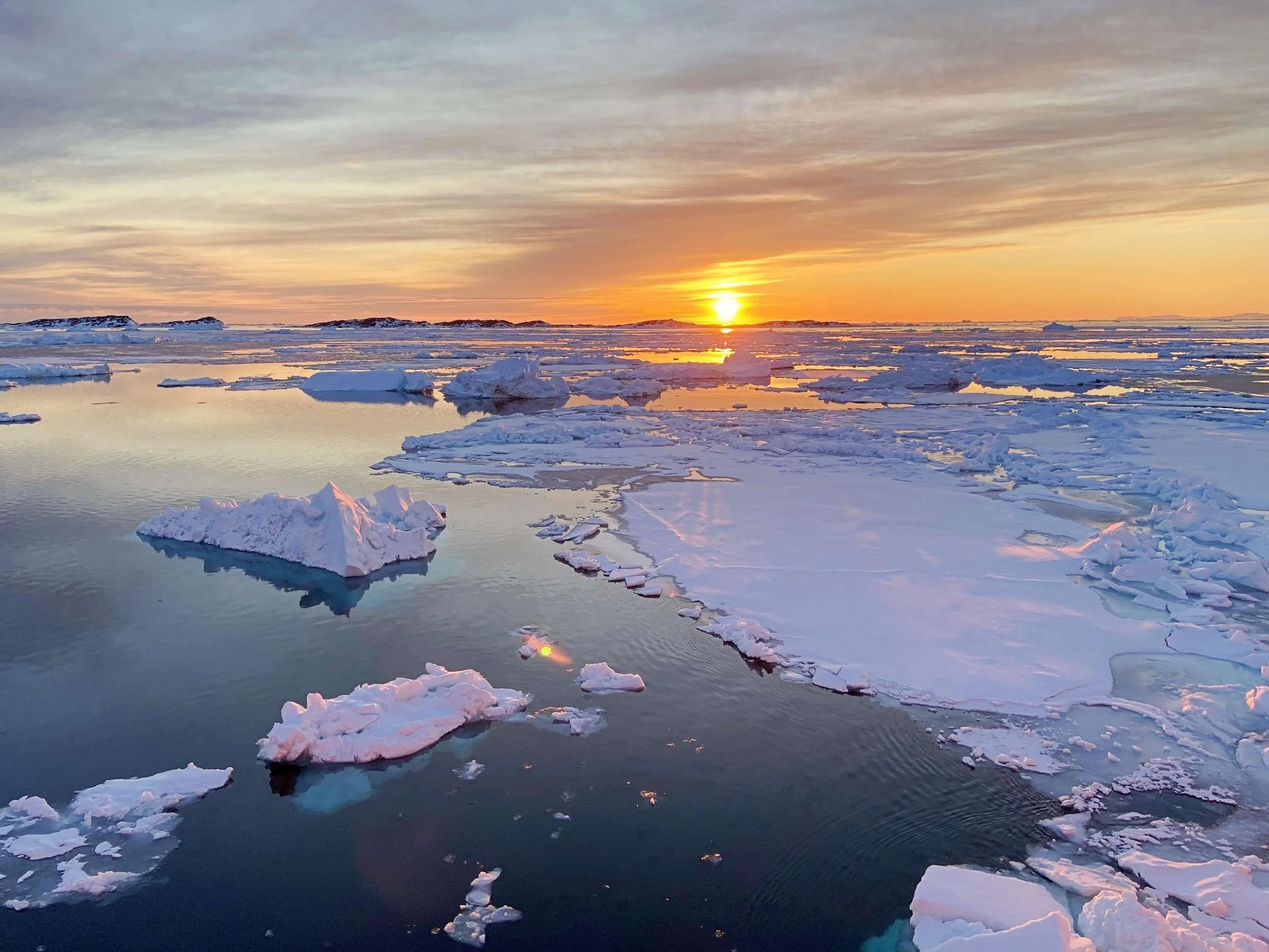
Greenland was a childhood dream for us, and the only Arctic destination we hadn’t explored (with the exception of Siberia, but not happening right now). So, when we heard about Nuuk’s new international airport and direct flights from the US, we HAD to go before everyone else does.
We just came back from Nuuk and Ilulissat — with a ferry ride in between — and we’re still thawing out emotionally. If you’re even slightly tempted to go, this is your sign. Here’s everything that might be useful if Greenland is on your bucket list (don’t worry, we’ll leave a few surprises). Adventure ahead!
Faroe Islands
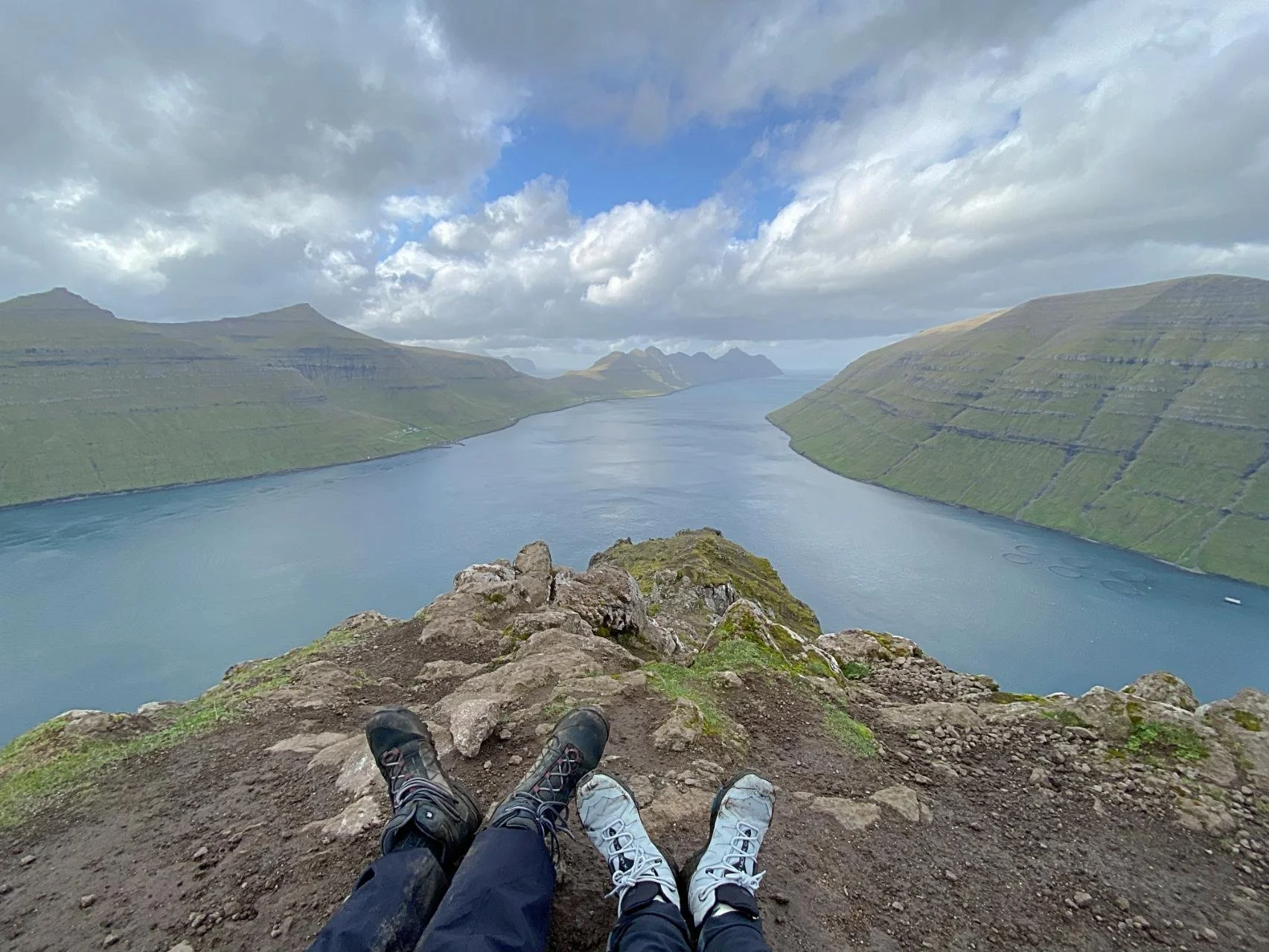
We modified hiking plans twice on our last trip to the Faroe Islands because of wind. Not rain — wind. The trail was fine, the visibility was fine, but the gusts at the cliff edge were the kind that make you reconsider your absence of vertigo. We sat it out in the car, ate some dry fish and tried again. We had a plan B. And a plan C. That, more than anything else, is what hiking the Faroe Islands is actually like. Sure, it’s not as cold or crazy as neighboring Iceland, but Atlantic moody weather is real.
If you can work with that — stay flexible, check the weather obsessively, and genuinely enjoy the possibility that your plans will change — then the Faroes offer some of the best hiking in the North Atlantic. Accessible trails. Dramatic coastal scenery on almost every route. Elevation that rewards without making you cry (hello, Lofoten). And a scale that means you can do a couple of hikes in a day if the conditions cooperate.
What follows is our island-by-island breakdown of the hikes in the Faroe Islands we'd actually recommend — with the real distances, the current fee situation, and the ferry logistics.
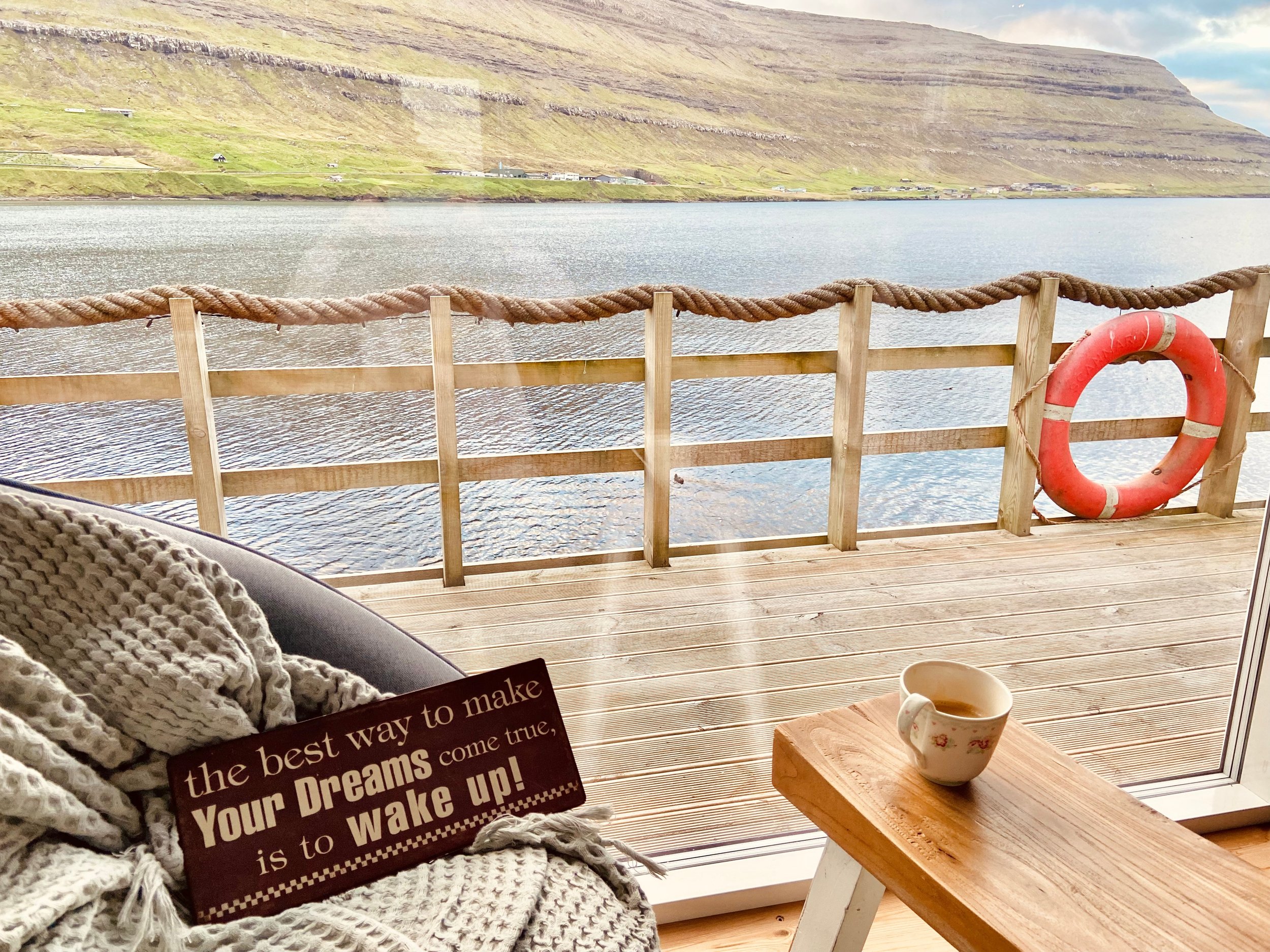
The Faroe Islands have fewer hotels than almost anywhere else in the North Atlantic — and that's part of what makes staying here feel special. You're not choosing between interchangeable chains. You're choosing between a harbor-front hotel in the old capital, a turf-roofed guesthouse in a village of twelve people, or a cottage perched above a waterfall that drops straight into the ocean. The accommodation is part of the experience in a way it rarely is anywhere else, and we love that.
The flip side: options fill up fast, especially in summer. The islands see a lot of visitors for their size, and the best Faroe Islands hotels — particularly anything outside Tórshavn — often book out weeks or months in advance. Read this guide, decide where you want to be, and book early.
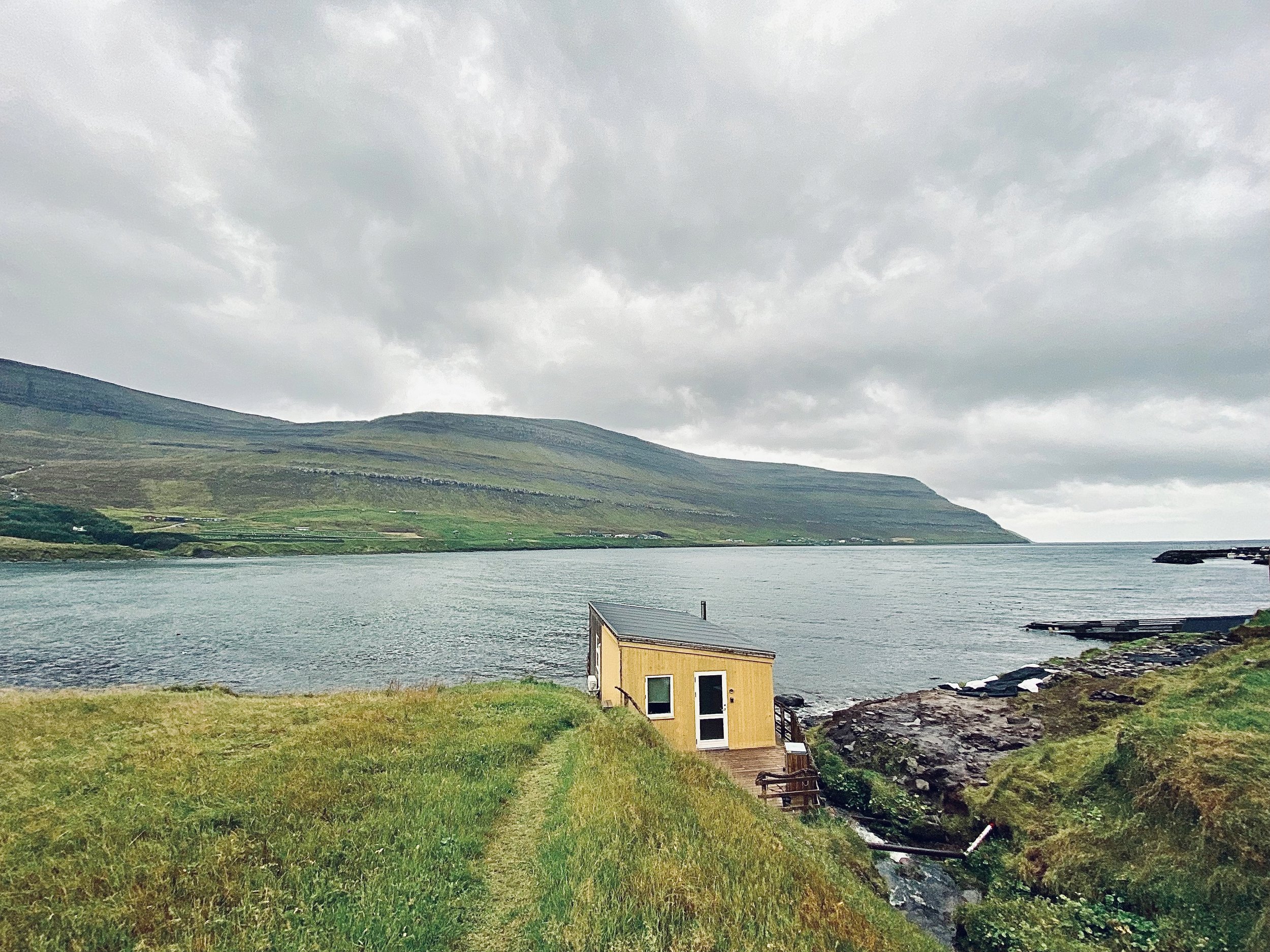
Klaksvík is not where most people stay on their first Faroe Islands trip — and that’s exactly why it works so well.
Set in the northern islands, Klaksvík feels lived-in rather than curated. It’s calmer than Tórshavn, closer to some of the Faroes’ most dramatic landscapes (Kalsoy, anyone?), and surprisingly practical as a base if you want space, silence, and real access to the north.
We stayed at a lovely fishermen’s cabin in early September and absolutely loved every minute we spent in this region.
Every stay below is:
somewhere we’d genuinely consider staying
chosen for location, comfort, and realism
We’ve mixed hotels, apartments, and cabins, because in Klaksvík, the right choice depends heavily on how you travel.
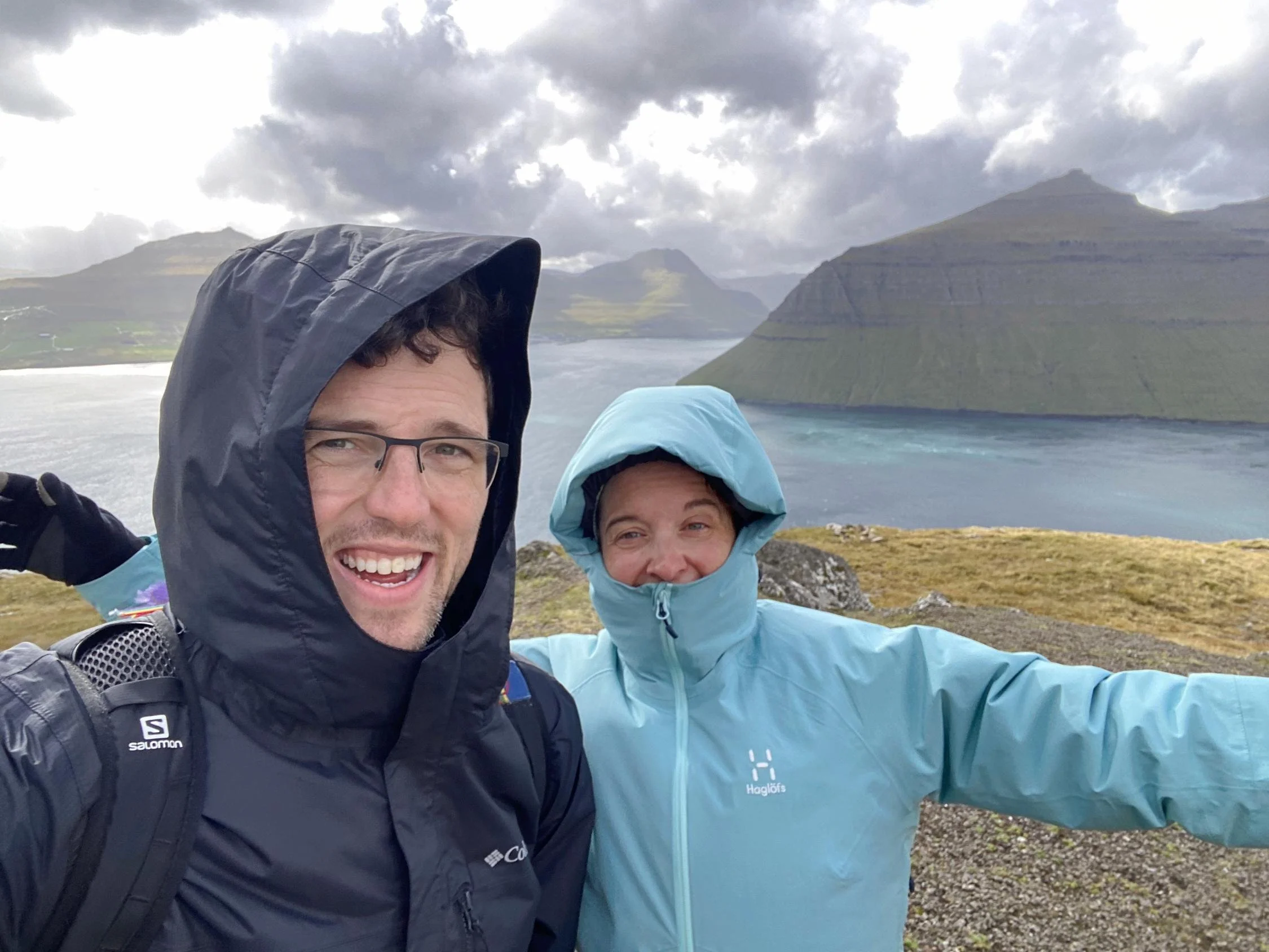
The Faroe Islands don’t have a “wrong” season. They have consequences (evil laugh).
Pick the wrong moment for you, and you’ll fight wind, crowds, or closed routes. Pick the right one, and the islands open up — quietly, dramatically, on their own terms.
We went late August to early September — for our wedding elopement before our official wedding in Spain — and it turned out to be the sweet spot. But that doesn’t mean it’s the best time for everyone.
This guide is structured the way people actually search—and plan: by season first, with month-level truth where it matters.
Spoiler alert: Weather is fickle year-round. Don’t expect guaranteed sun just because it’s summer!
Rovaniemi is lovely.
It’s iconic.
It’s Santa’s “official” hometown.
It’s also… completely flooded from November to early January.
Families, buses, long lines, sold-out activities, €450 reindeer rides, and prices that make reindeer reconsider their life choices.
If you're dreaming of Christmas magic without the stampede, Scandinavia is full of places that feel just as magical — sometimes more.
We’ve spent winters all over the Arctic — Kiruna, Abisko, Luleå, Alta, Tromsø, Svalbard, and Finnish Lapland (outside Rovaniemi) — and there are SO many places where the Christmas vibes are strong, the Northern Lights are bright, and the prices are (slightly) less terrifying.
And if your kids are begging for Santa, we’ve included a bonus a bit further away… but definitely off the beaten path!
Here are the best Rovaniemi alternatives, and what makes each special.

We were looking for a nature destination with whimsical, dramatic landscapes for our unofficial wedding. Iceland had gotten way too popular, and the Lofoten Islands seemed to be next…
We found the perfect Faroese photographer, so we decided to travel to the Faroe Islands to symbolically get married, and, of course, explore this one-of-a-kind destination!
Will you join us on an unforgettable trip to the Faroe Islands?
Spoiler alert: A very famous character died there!
Canada & Alaska
Rovaniemi is lovely.
It’s iconic.
It’s Santa’s “official” hometown.
It’s also… completely flooded from November to early January.
Families, buses, long lines, sold-out activities, €450 reindeer rides, and prices that make reindeer reconsider their life choices.
If you're dreaming of Christmas magic without the stampede, Scandinavia is full of places that feel just as magical — sometimes more.
We’ve spent winters all over the Arctic — Kiruna, Abisko, Luleå, Alta, Tromsø, Svalbard, and Finnish Lapland (outside Rovaniemi) — and there are SO many places where the Christmas vibes are strong, the Northern Lights are bright, and the prices are (slightly) less terrifying.
And if your kids are begging for Santa, we’ve included a bonus a bit further away… but definitely off the beaten path!
Here are the best Rovaniemi alternatives, and what makes each special.

If there’s one thing we’ve learned from our Arctic adventures, it’s that human stubbornness knows no latitude. Where most creatures call it quits, slap on some fur, and hibernate, humans build bars, churches, and—of course — saunas. Because what’s a little darkness, ice, and bone-snapping wind when there’s beer to drink, sins to confess, and steam to sweat out?
We’ve been there, frozen that — from sipping local brews in Svalbard to sweating it out in a sauna shaped like a golden egg in Sweden. So here’s our firsthand guide to the northernmost everythings—places so absurdly remote that you’ll question why (and how) they even exist.

Welcome to Churchill, Manitoba, where the frosty wilderness meets the adorable, yet very respected locals—and by locals, we mean the polar bears!
Seeing polar bears in the wild… I (Eli) had this lifelong dream. So, when I finally gathered enough savings, and taking advantage of a trip to Canada, I booked a tour from Winnipeg to Churchill.
So grab your warmest jacket, pack your sense of adventure, and follow me into the Hudson Bay wilderness, where the polar bears rule and humans are just “guests”.
Feat. an interview with Polar Bears International!

If you enjoyed our article on Churchill, the town of polar bears, and want to learn more about polar bears, this article is for you!
We had the honor to interview Barbara Nielsen, Senior Director of Communications at Polar Bears International.
Keep reading to find out more about their mission, their work, and polar bears!

Alaska is more accessible than it seems.
If, as a child, you dreamed of National Geographic documentaries on bears, salmon and gold diggers, we invite you to discover this wild land on a trip to Alaska that will awaken all your senses...
Arctic Essentials

If you’ve been reading us for a while, you know we’re in love with Arctic regions. And a lot of people turn to us for advice, and even want us to go with them on an Arctic trip!.
We’ve been there. We’ve hiked across frozen tundras, stood under the shimmering Northern Lights in absolute silence, and yes, once questioned our life choices while knee-deep in snow, miles from civilization.
The Arctic isn’t just a place — it’s a feeling, a test of resilience, and a reward for those who seek the extraordinary. So, this guide is for you, adventurous penguins, and all of our friends and relatives who keep asking us stuff (we love you)!
If there’s one thing we’ve learned from our Arctic adventures, it’s that human stubbornness knows no latitude. Where most creatures call it quits, slap on some fur, and hibernate, humans build bars, churches, and—of course — saunas. Because what’s a little darkness, ice, and bone-snapping wind when there’s beer to drink, sins to confess, and steam to sweat out?
We’ve been there, frozen that — from sipping local brews in Svalbard to sweating it out in a sauna shaped like a golden egg in Sweden. So here’s our firsthand guide to the northernmost everythings—places so absurdly remote that you’ll question why (and how) they even exist.
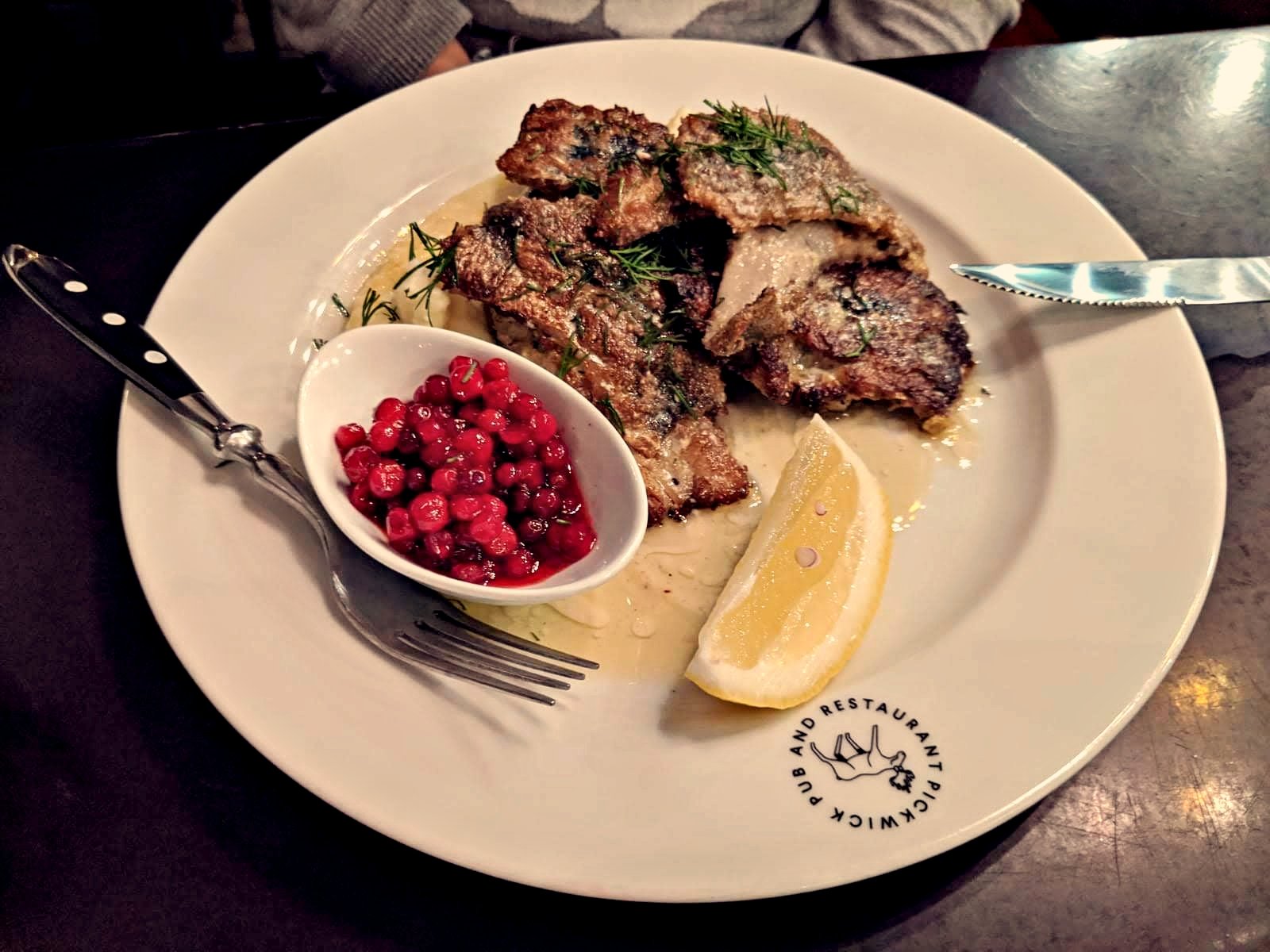
Nordic gastronomy is still under the radar. However, after dozens of trips to Fenoscandia, we can ensure you that we tried some of the best food we ever had up North.
And there’s a good reason for this: while most of the Western world is “suffering” from processed food and a disconnection from nature, Nordic cuisine is still heavily based on natural resources and deeply rooted in tradition.
So, follow us on a delicious culinary journey through Arctic Europe!
Northern lights
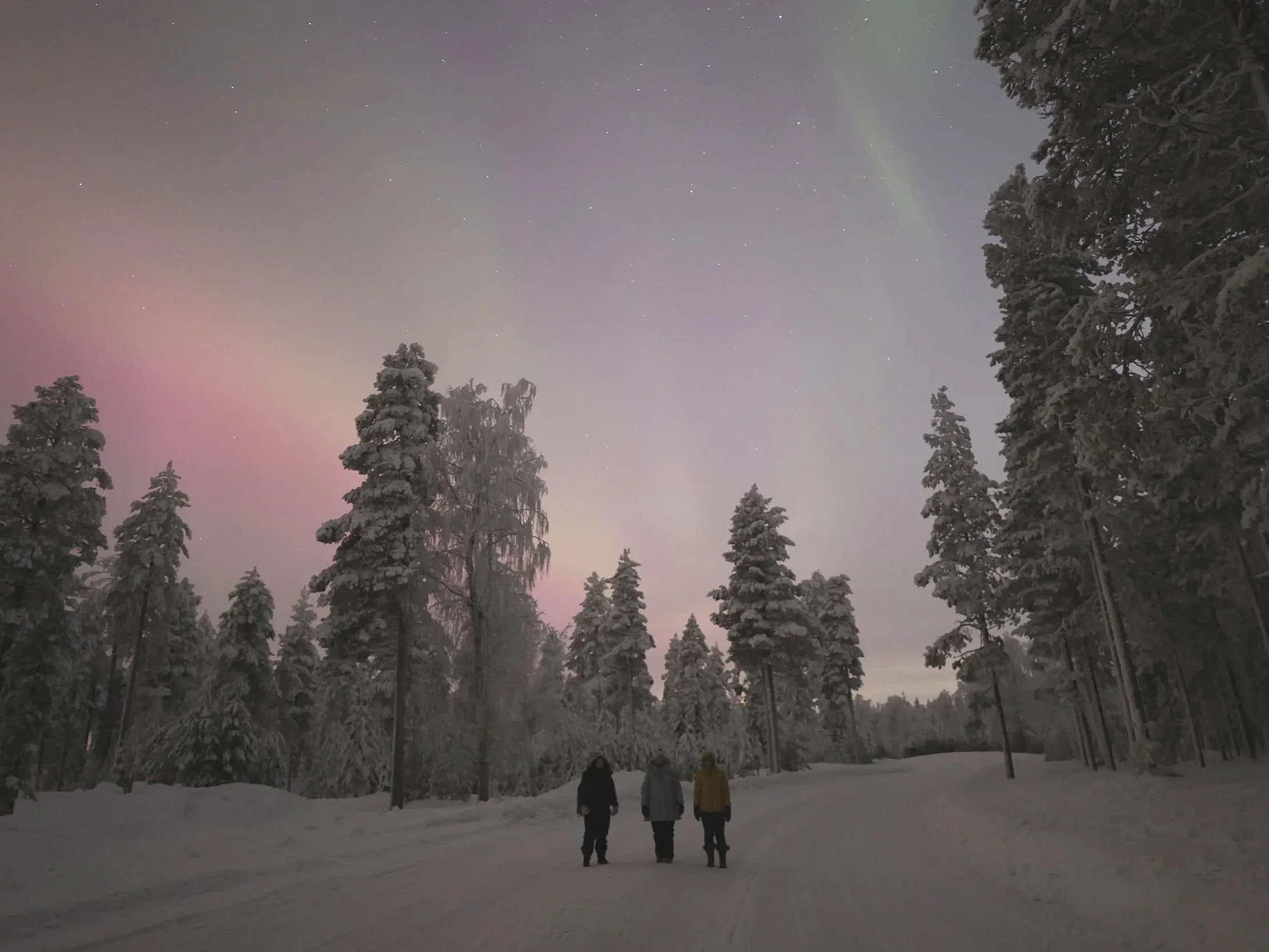
Rovaniemi sits right on the Arctic Circle and is easy to reach from all over Europe, but it's still a city with streetlights, so where you stand does more work here than in a lot of Lapland towns. And whether you've got a car changes everything. Here is how, when, and where to see the northern lights in Rovaniemi with or without a car.
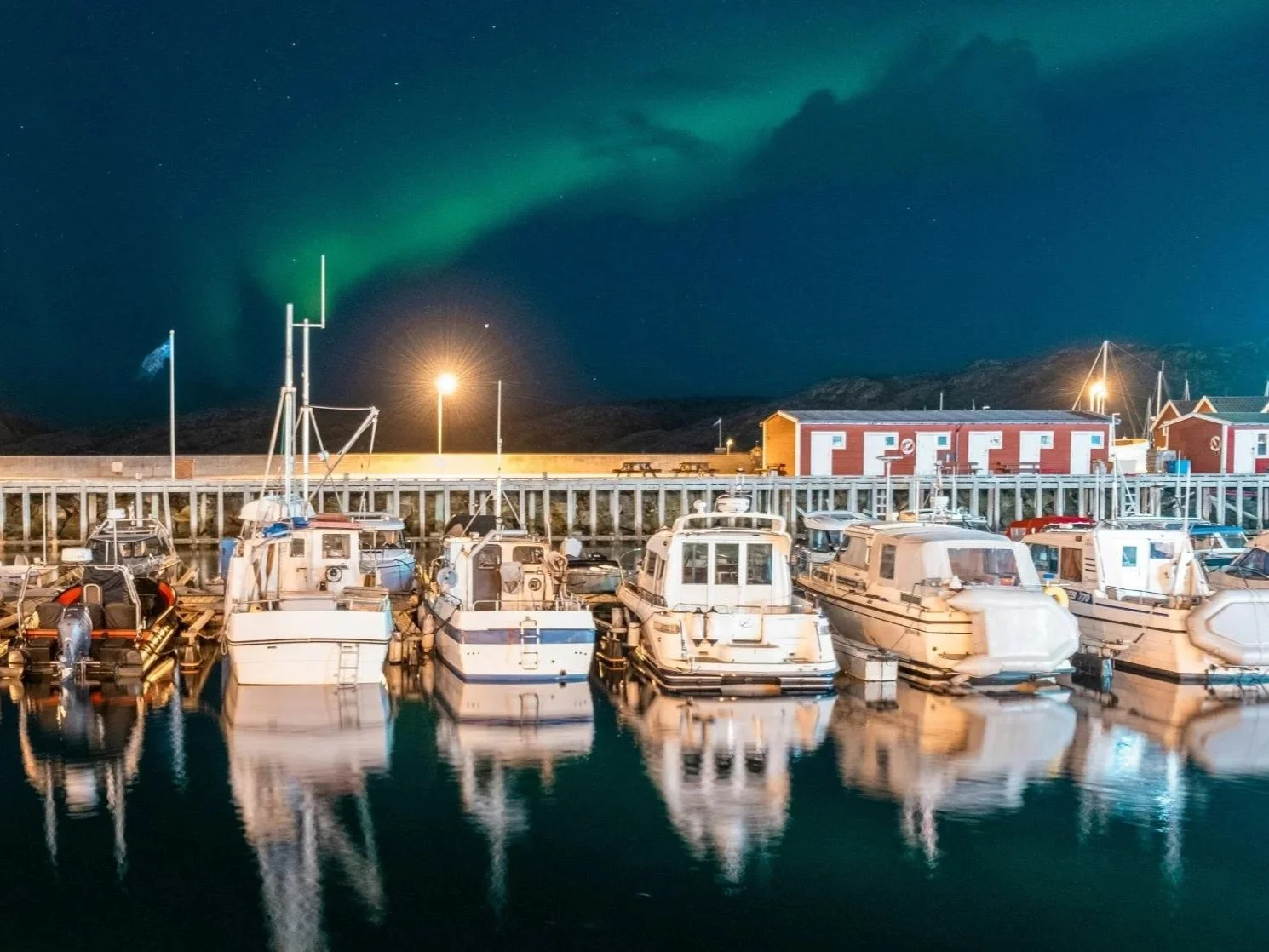
Bodø sits right on Norway's coast above the Arctic Circle, which makes it one of the easier places in the country to catch the aurora. It's also the mainland's usual jumping off point for Lofoten, so plenty of travelers end up chasing the lights in both places on the same trip. Follow our guide to see the northern lights in Bodø!
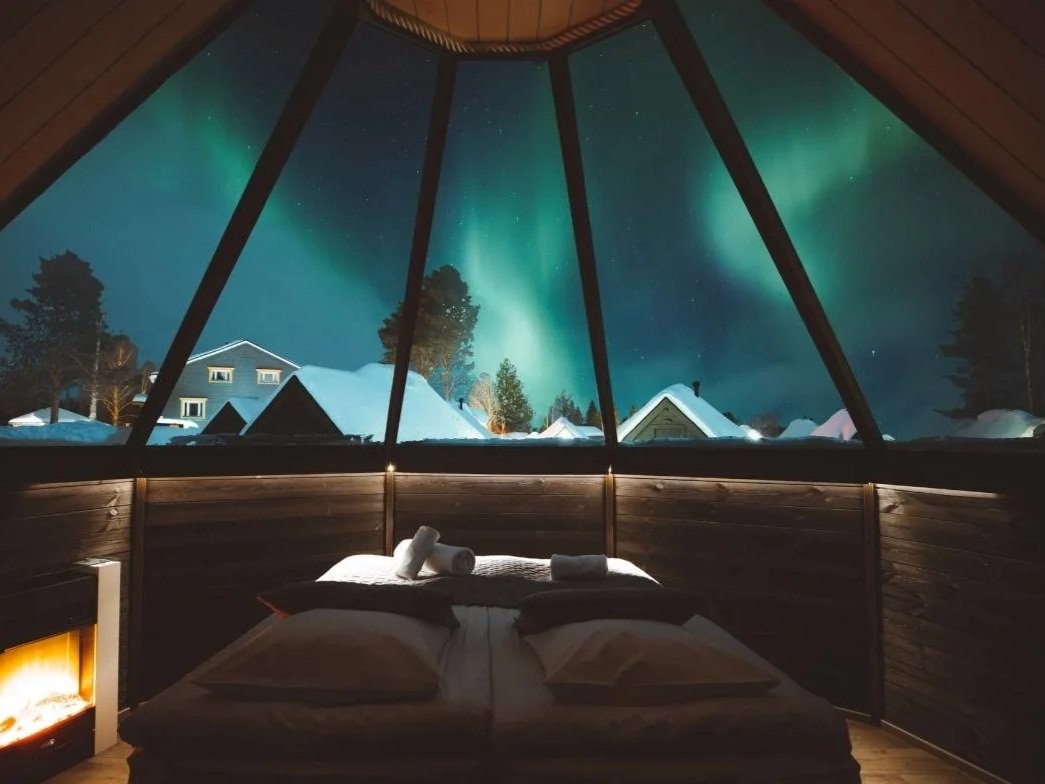
Every "best glass igloo" list in Finland points you toward the same photos. At Penguin Trampoline, we're not going to pretend we've slept in every one of them, because we haven't. We experienced the aurora igloo concept in Iceland, we visited the Arctic SnowHotel property (more on that below), and we dug into the rest property by property.
Here's what's different between them and what tends to move the price, and we also broke them down by region because we understand it’s a once-in-a-lifetime experience and you want to get it right!
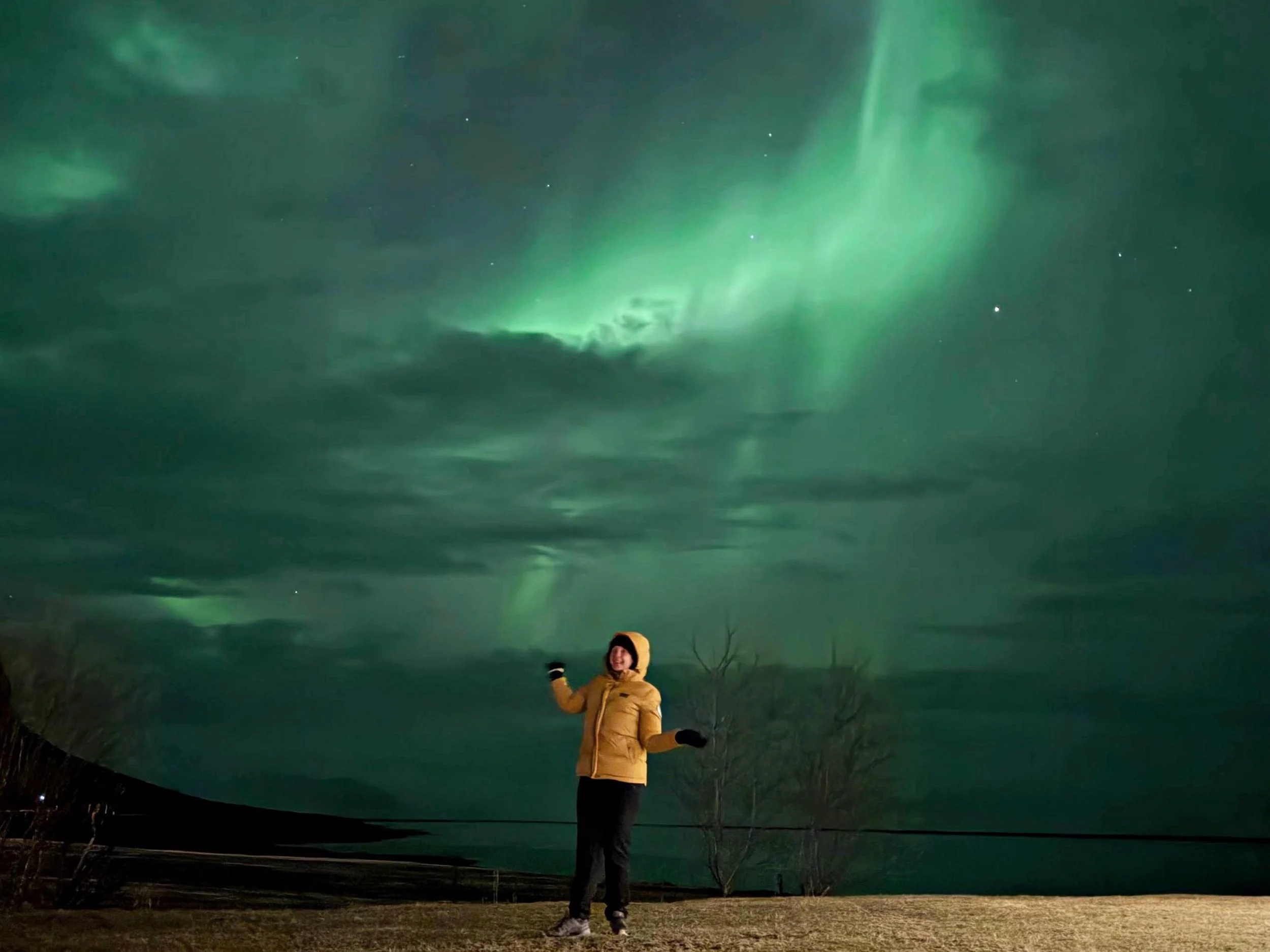
Sweden doesn't have one northern lights destination, it has three, and they don't behave the same way. Kiruna, Abisko, and Luleå, all in Lapland, each give you a real shot at the aurora, but for different reasons, and the right base depends on the kind of trip you're planning. This page is the fast version: where to go, when to go, what your odds really are, and whether you need a tour at all, based on two decades of experience chasing the aurora in the far north.
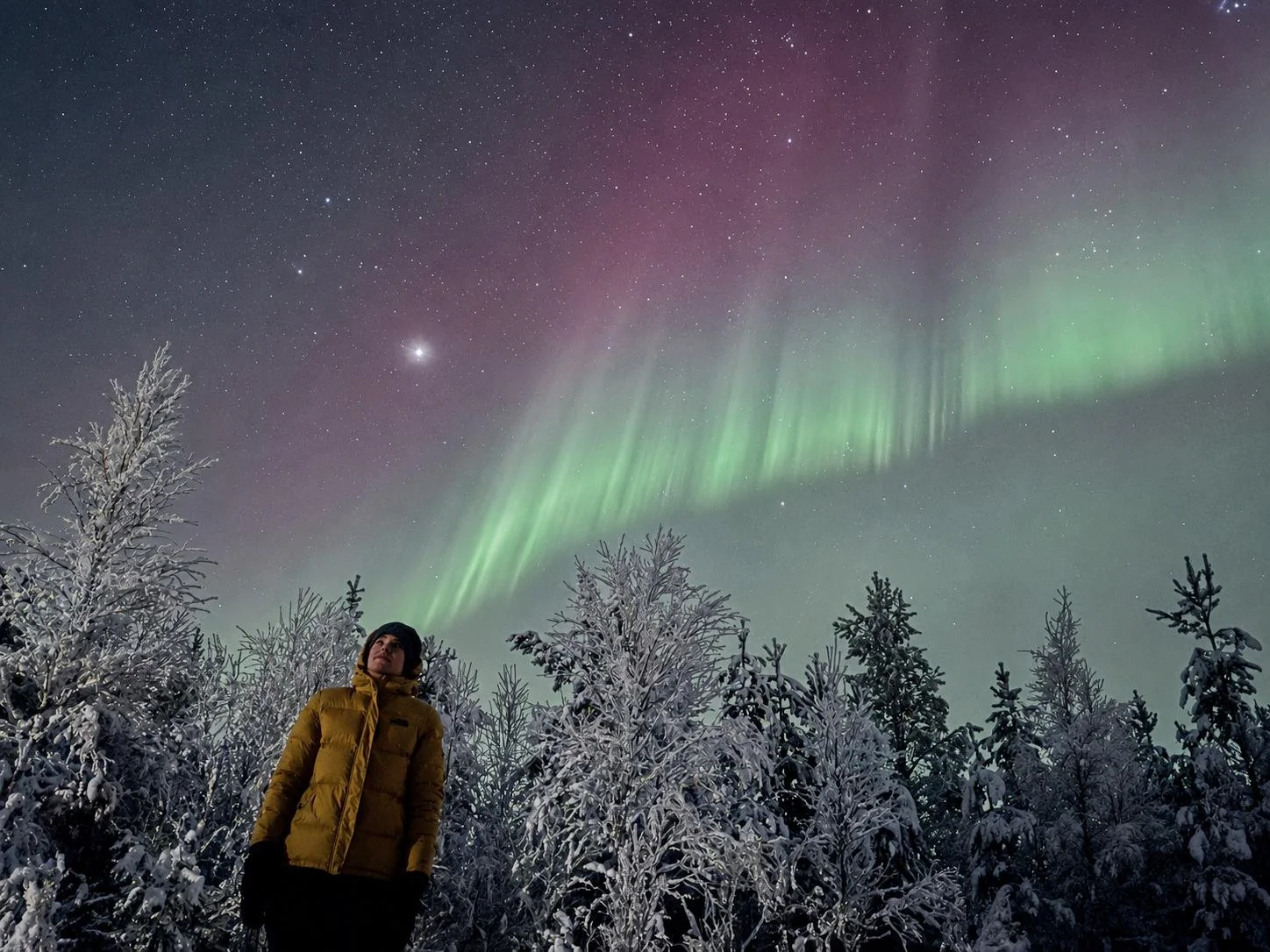
Sweden has three real bases for a northern lights tour: Kiruna, Abisko, and Luleå, all in Lapland. Each has its own tour scene, and we've covered each in depth elsewhere. This page is the fast version: how to pick a destination, what a good tour includes, and whether you need one at all.
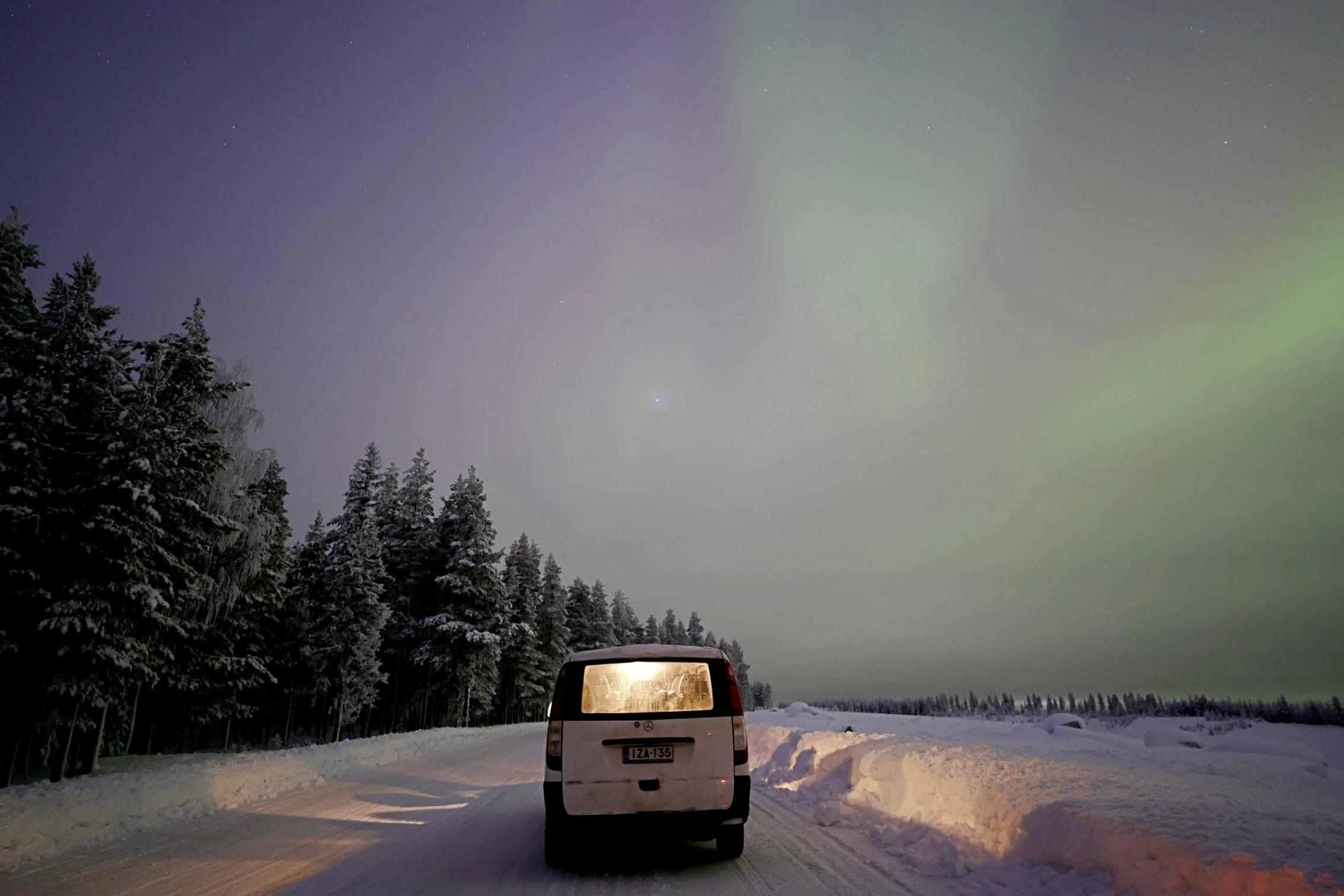
We've booked some aurora tours across Lapland over dozens of trips (including seven trips to Kiruna), sometimes to save ourselves the driving, sometimes because a friend visiting for the first time didn't want to gamble their one night on figuring it out alone. This is the breakdown we wish we'd had the first time: what each tour type gets you, what "guaranteed" tends to mean in Kiruna specifically, and how to choose between a minibus, a snowmobile, and a dog sled when you've only got one or two nights.
For the full picture on when to go, where to watch without a tour, and how Kiruna compares to Abisko, see our Northern Lights in Kiruna guide. This one is about the tours.
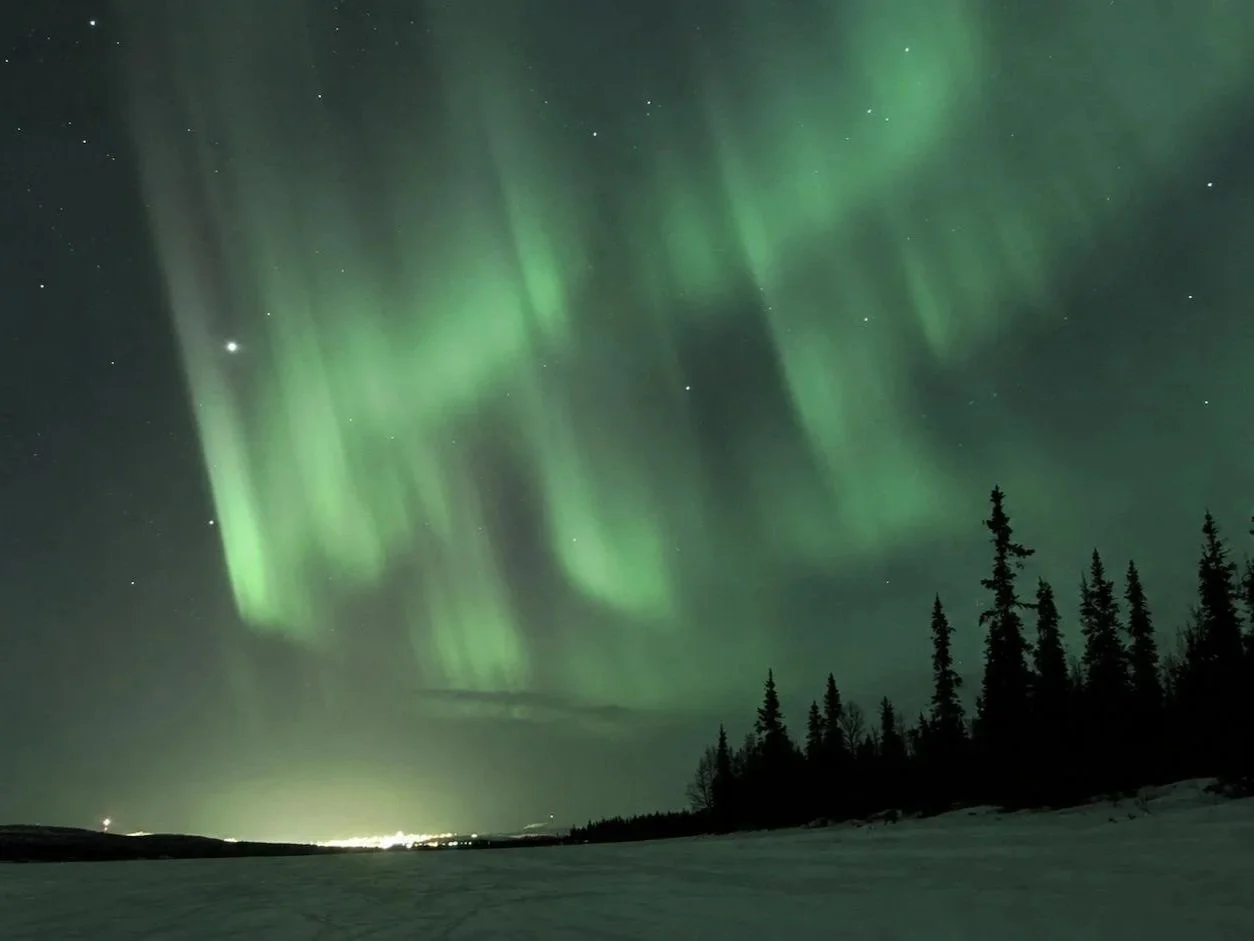
Kiruna, Swedish Lapland, is where my Arctic obsession actually began. I first came here as a student at Dalarna University back in 2007, fell for the place immediately, and ended up writing my master's thesis on polar destinations. I’ve been back seven times since, and Kiruna was also the first Arctic destination I ever brought Jake to. So when we talk about this sky, it's not theoretical!
Kiruna sits at 67.85°N, about 145 kilometers north of the Arctic Circle, which puts it well inside the auroral oval, the band of sky around the North Pole where the aurora shows up most often.
This guide covers when to go, where to watch (with or without a tour), how to check the forecast, and how Kiruna compares to nearby Abisko, since that's the question we get asked the most, and one we can answer from having tried both ourselves, more than once.
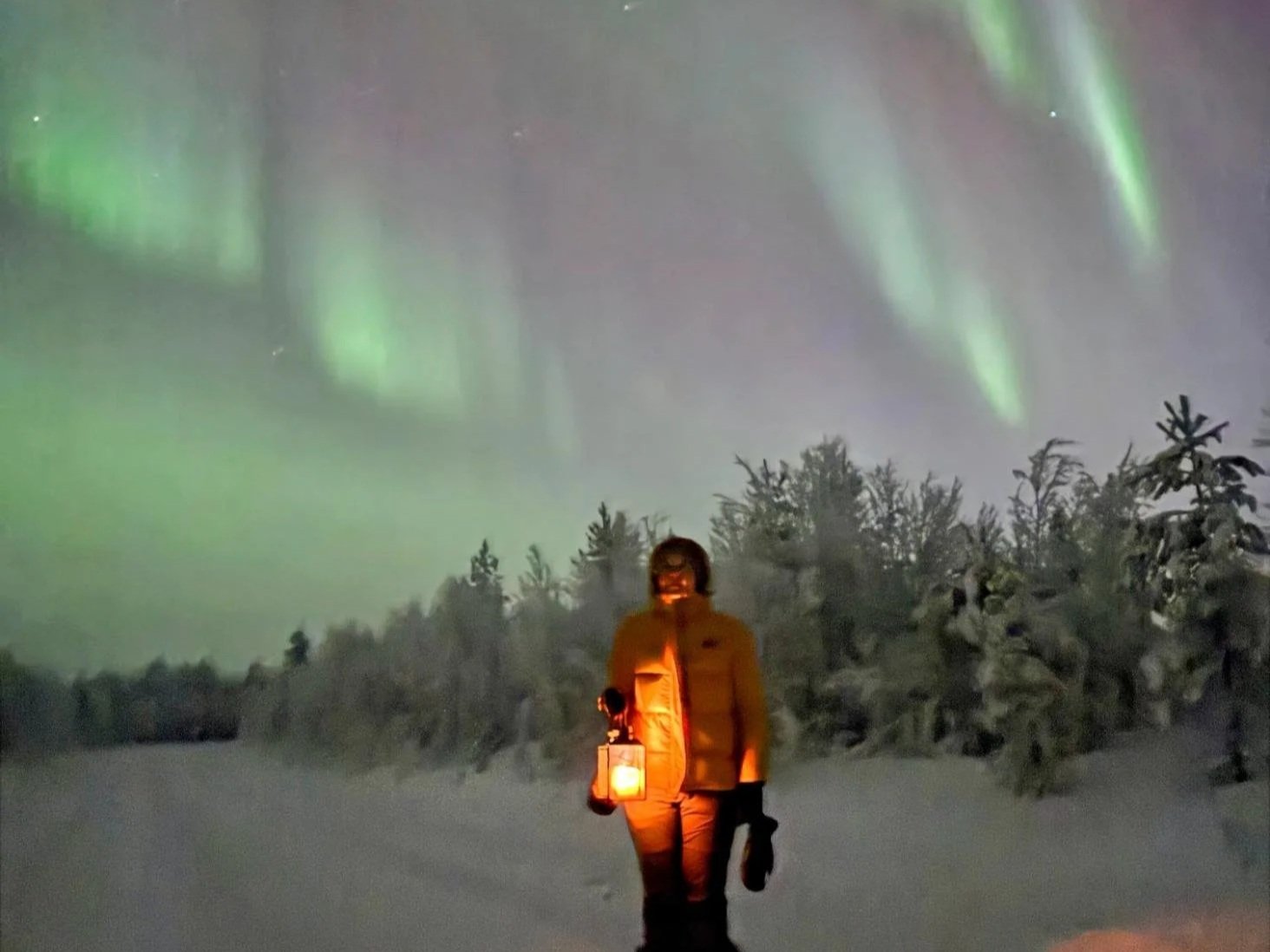
Rovaniemi alone has well over a hundred northern lights tours listed across Viator and GetYourGuide, and a lot of them read like the same three sentences reshuffled: local guide, real-time forecasts, "guaranteed" somewhere in the title. Levi and Saariselkä add their own smaller rosters on top of that. The listings aren't lying exactly, they're just marketing, and it's worth knowing what actually separates them before you hand over your evening.
This is the type-by-type breakdown: which tour gets you what, what "guaranteed" really means in Finnish Lapland specifically, and how to pick between a minibus, a snowmobile, and a husky sled when you've only got one or two free nights.
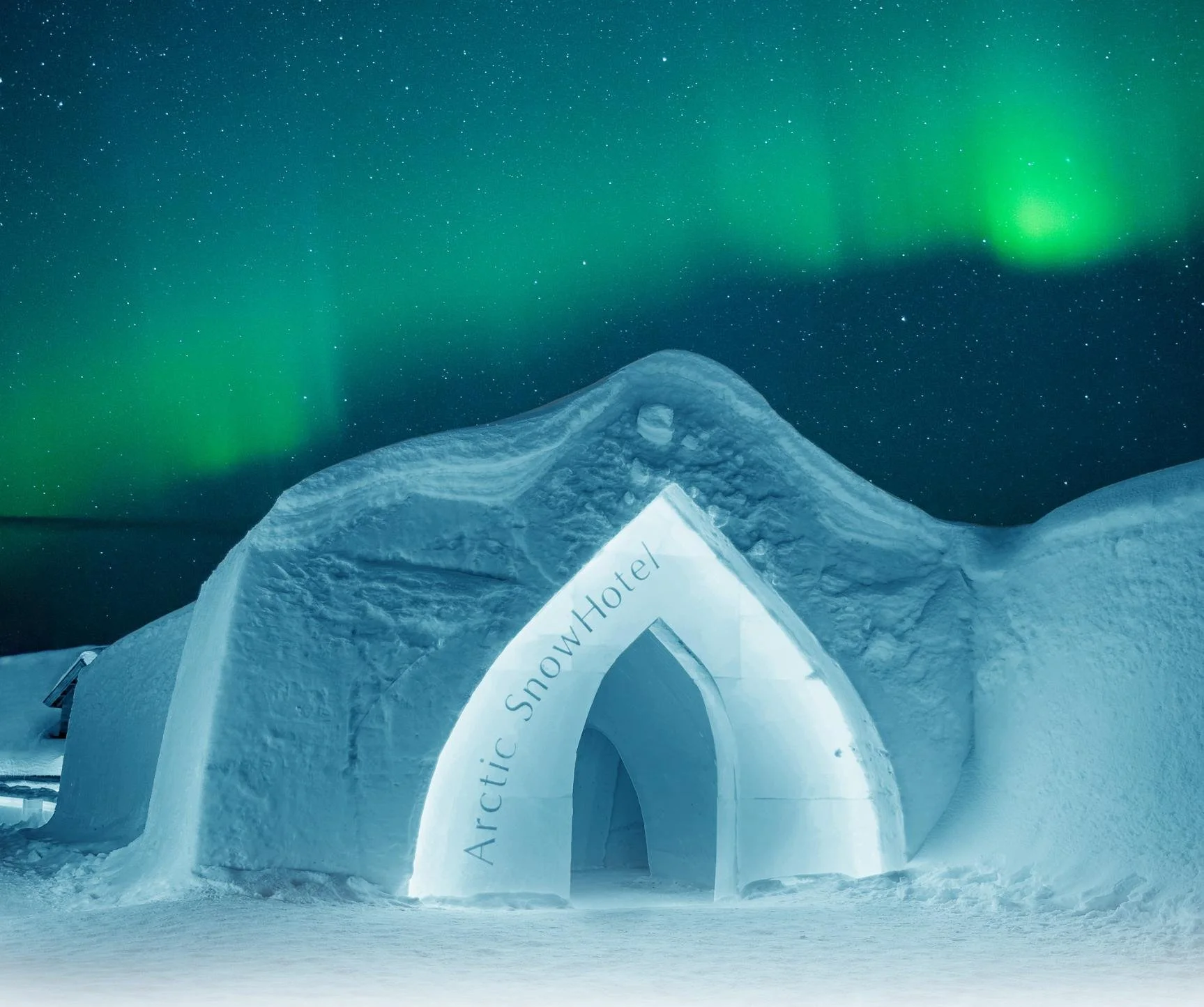
Every Finland aurora hotel roundup eventually points you to the same three glass igloos. Fair enough, they're famous for a reason. But Finnish Lapland runs from Levi in the west to Nellim on the Russian border, and the right bed for watching the sky depends more on which stretch of that region you're in than on whichever photo sold you on the trip in the first place.
We haven't slept in every single property on this list. What we did do is stay in one of these ourselves, visit most of the rest, and quietly drop a few famous names that don't hold up once you look past the marketing photos. Here's what's actually worth booking, split by what you want out of the stay: a glass roof over the bed, an ice hotel experience, a proper wilderness lodge, or a resort with enough going on to fill the hours between aurora checks.
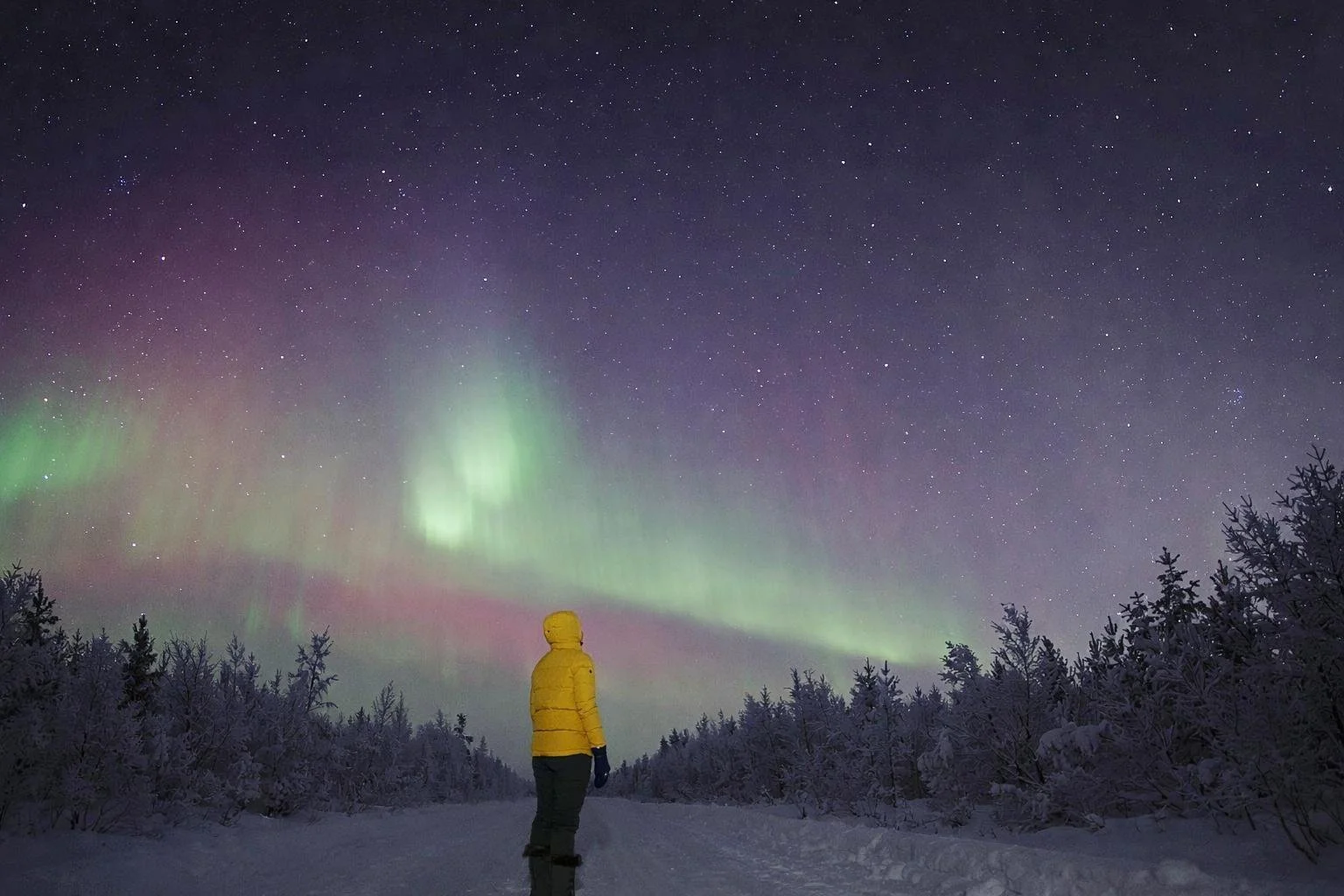
Lapland has a claim to the northern lights that few places can match: most of it sits inside the auroral oval, the band circling the North Pole where the aurora shows up most often and most reliably. We've chased it across the region, and the biggest decision was never really when to go. It was where.
This guide covers the two Lapland regions travelers usually book: Finnish Lapland (Rovaniemi, Levi, Saariselkä) and Swedish Lapland (Kiruna, Abisko, Luleå). Both sit well within aurora range. They just offer a different experience. If you’d rather chase the lights in Norway, we have a dedicated Arctic Norway page.
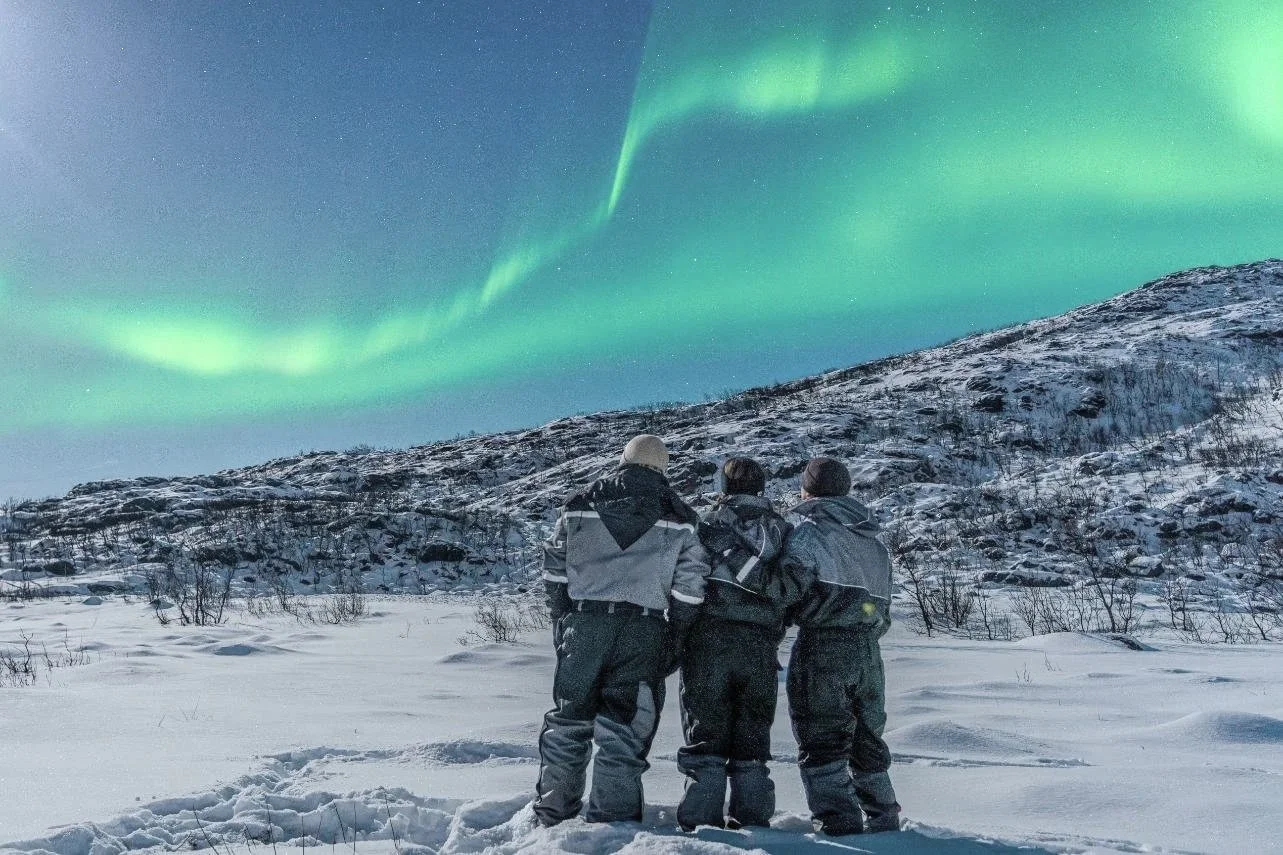
Tromsø, Norway, has more northern lights tour operators than anywhere else in the Arctic. Between Viator, GetYourGuide, and local operators, you're looking at a very long list, and a lot of the listings sound nearly identical: the same campfire photo, the same "expert guides," often the same word "guaranteed" somewhere in the title.
If you haven't already, read our full Northern Lights in Tromsø guide for best time of year, best spots, and forecast tools. This article is just about picking the right tour: what the different types actually mean, what's worth paying more for, and what "guaranteed viewing" really means.
Tromsø has become almost synonymous with the northern lights. It sits at 69.6°N, deep inside the auroral oval, with fjords and mountains in every direction and more tour operators than anywhere else in Northern Norway. Every winter, tens of thousands of people fly in with one mission (or shall I say, obsession). Some get lucky on their first night. Others spend a week chasing gaps in the cloud cover. Most land somewhere in between.
We've been to Tromsø more than once — summer and winter — and the honest answer to "is Tromsø good for northern lights?" is: yes, with some caveats you should know before booking anything. This guide to the northern lights in Tromsø tells you when to come, where to go when the sky clears, and how to maximize the nights you have.
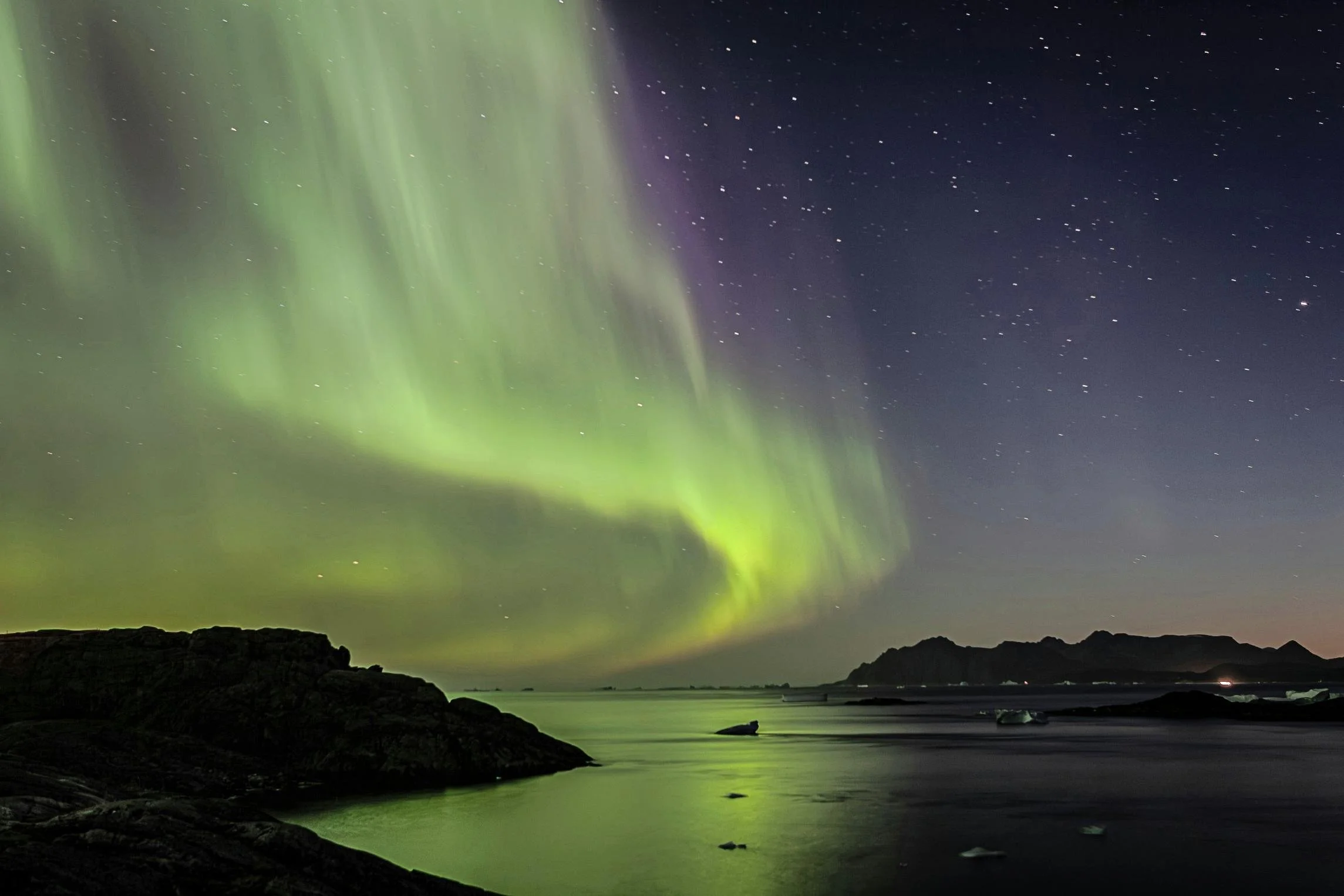
Most people chasing the aurora fly to Iceland or Norway. A smaller group goes to Lofoten. Almost nobody thinks of Greenland for the northern lights — which is, depending on how you weigh the variables, one of the best decisions any aurora hunter could make. The country spans from 60°N to 83°N, sits squarely inside the auroral oval across most of its territory, has almost no light pollution, and offers a sky backdrop that no other northern lights destination in Europe can match: icebergs the size of apartment buildings, lit green from above.
The reason Greenland doesn't dominate aurora travel lists is the same reason it doesn't dominate any travel list — getting here requires a deliberate decision, not a budget flight from London. But for those who make that decision, Greenland northern lights are a different category of experience.
So what does it actually take to see the northern lights in Greenland — and is it worth the effort compared to Iceland or Norway? Here’s how to think about it, and how to plan it properly.
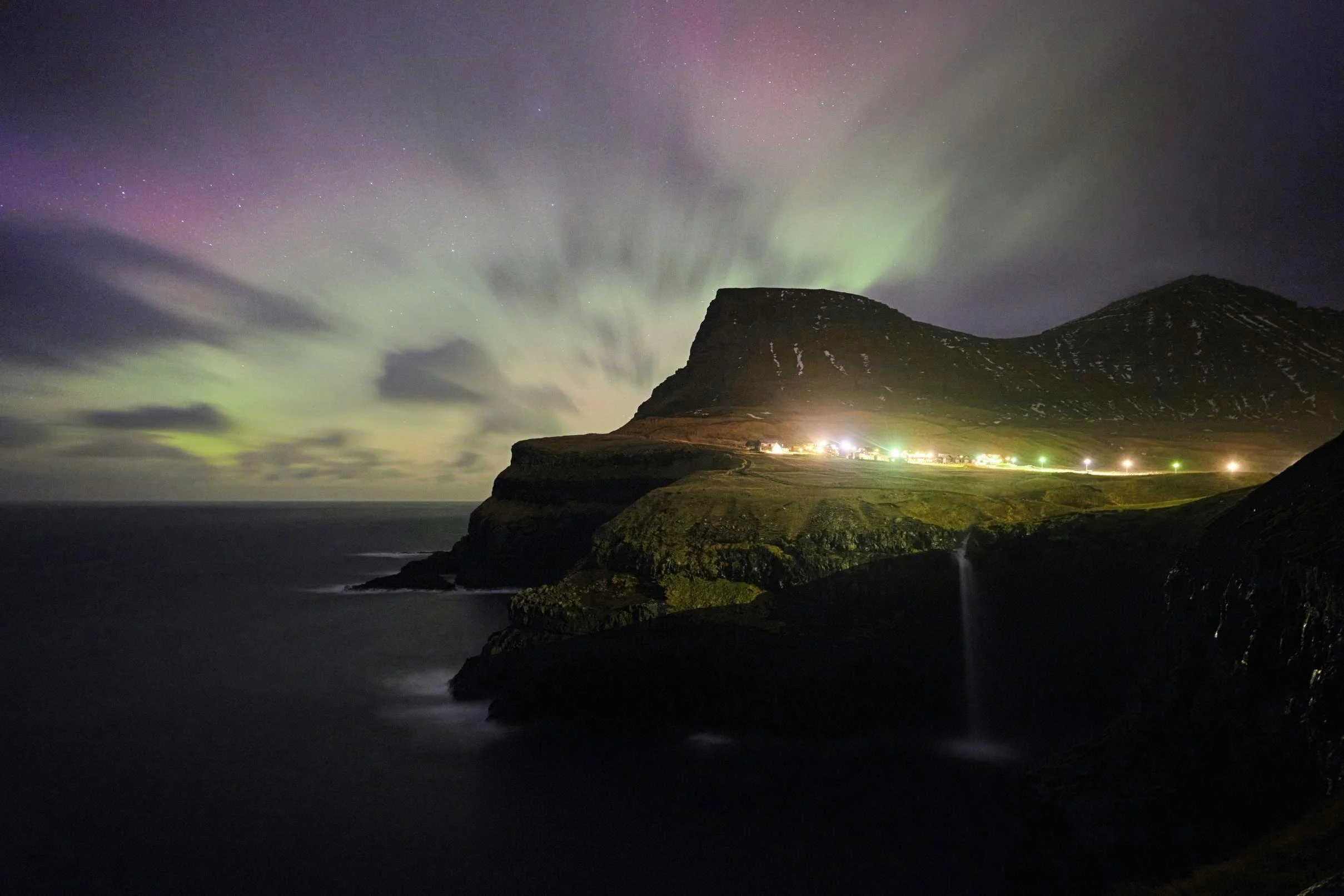
Yes, you can see the northern lights in the Faroe Islands. The question people should be asking isn't whether the aurora appears here — it does — but what it takes for it to appear, and how honest you're willing to be with yourself about the weather. The Faroes are not Iceland. They are not Lofoten. They sit at a latitude where the northern lights demand stronger geomagnetic conditions to show up, and they sit in the North Atlantic, which means cloud cover is a near-permanent feature of life. None of this means you shouldn't come. It means you should come prepared and have realistic expectations.
When the aurora does appear over the Faroe Islands, the backdrop is incredible. Sea cliffs dropping hundreds of meters into the ocean. Grass-roofed villages clinging to hillsides above invisible fjords. A darkness so complete that the Milky Way fills the gaps between passing storm clouds. The Faroes offer an aurora experience that is different — wilder, more remote, less curated — from anywhere else you can chase the lights in Europe.
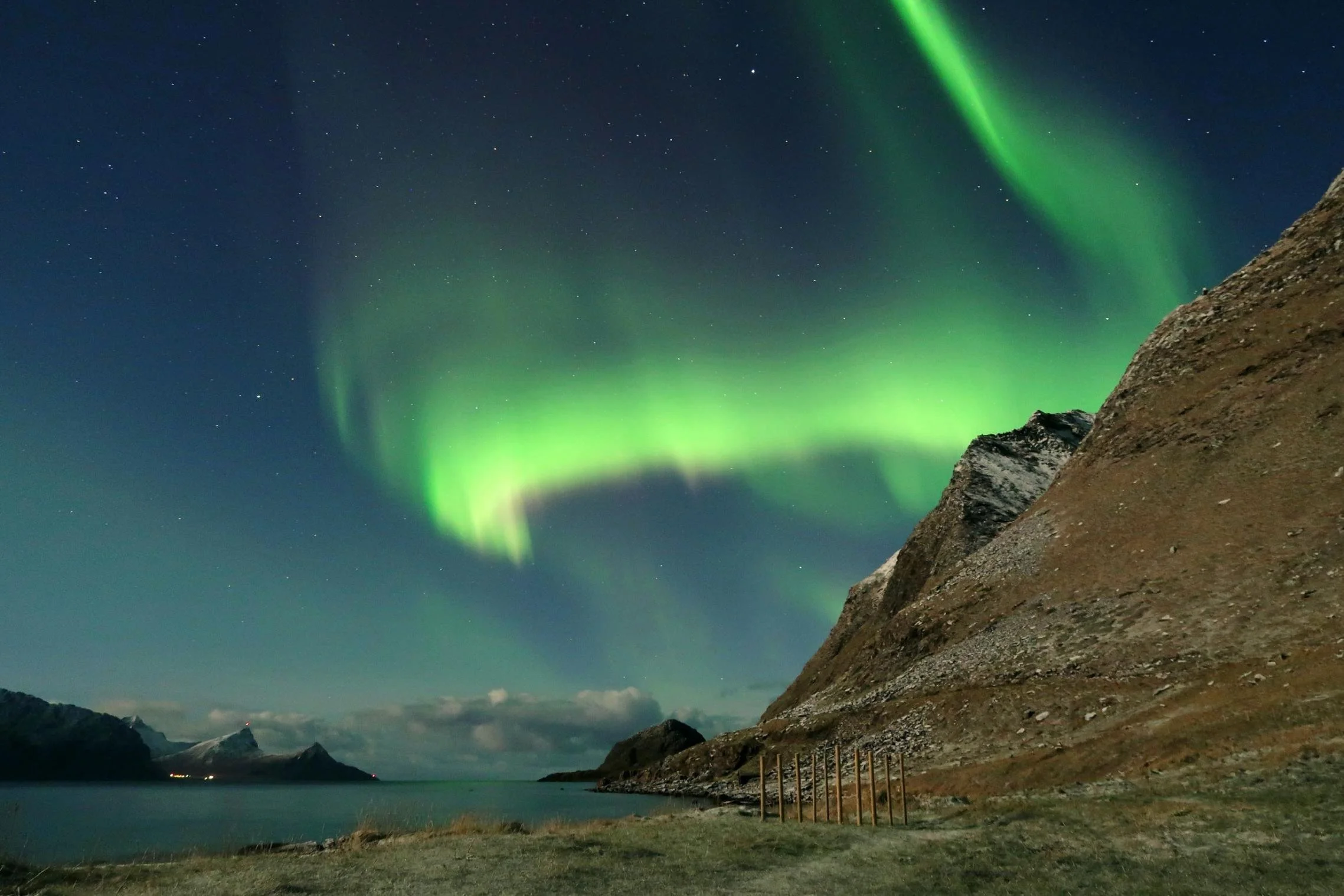
There is a version of the Lofoten northern lights experience that looks like the photos — green curtains filling the sky above a red rorbuer, the aurora reflected in a still fjord, the mountains black against a luminous horizon. That version is real. We've seen it several times. What the photos don't show is the three nights of solid cloud cover that preceded it, the midnight drive to a different beach because the sky looked slightly less terrible to the west, and the moment it cleared just enough, just long enough.
Lofoten is one of the best places in Europe to see the northern lights. It’s also one of the cloudiest. Knowing both things before you go is key if you have high aurora hopes.
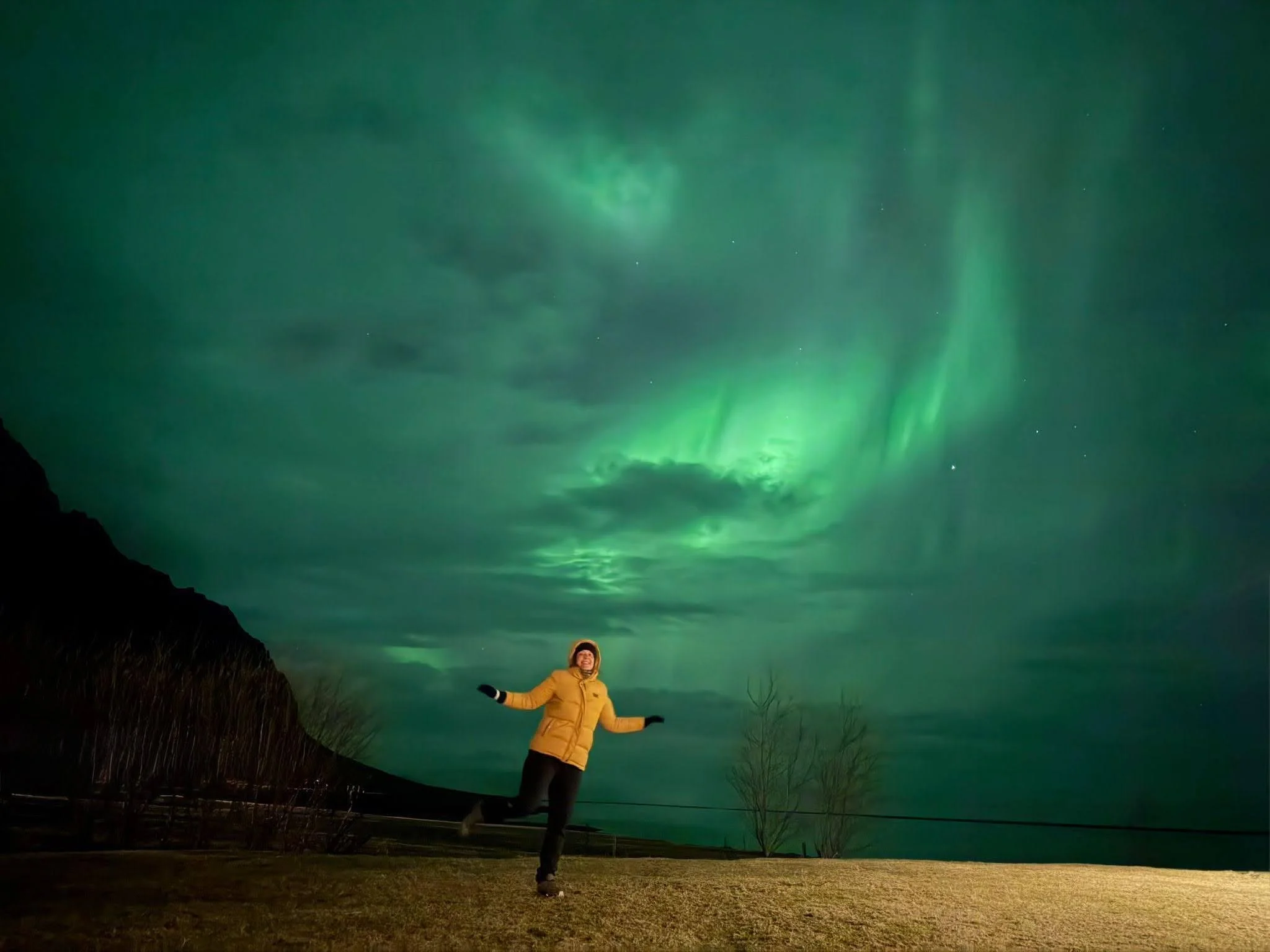
We've chased the northern lights in Iceland several times — and the single most important thing we learned is that timing is only half the equation. The other half is knowing how to read the conditions on the night itself and being willing to move when the forecast tells you to (well, and a bit of elf magic and luck too).
Most northern lights guides will tell you to go in January and cross your fingers. That's not wrong, but it's not the whole picture either. The best time to see the northern lights in Iceland depends on what you're optimising for — maximum darkness, best weather odds, equinox activity, or the current solar cycle — and the answer is different depending on which of those matters most to you.
This article is specifically about timing and forecasting. If you're still deciding whether Iceland is the right aurora destination for you at all, we've covered that in detail in our northern lights Iceland guide. If you're new to aurora hunting altogether, start with our northern lights for dummies guide first. And if you're ready to book and need hotel recommendations, go straight to our best northern lights hotels in Iceland. This piece sits between those two: it's for people who are going, and want to make the most of it.
Everything here is part of our northern lights hub — our full library of aurora guides covering destinations, gear, photography, and planning.
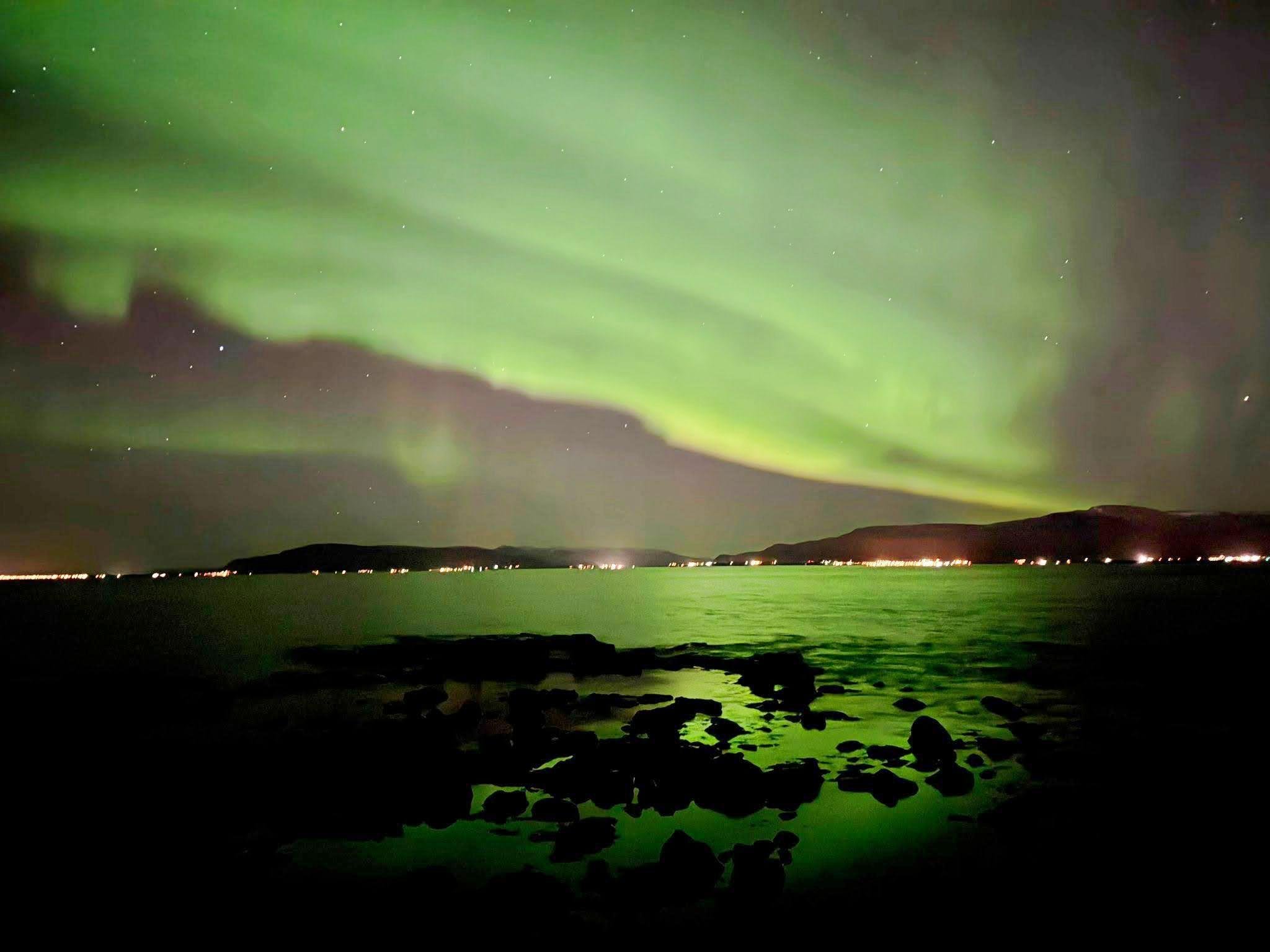
Iceland is probably the most Googled northern lights destination on the planet. And honestly? There are good reasons for that — but also a few things the average aurora guide won't tell you. If you're deciding whether Iceland is the right choice for your northern lights trip, this is the honest version of that answer.
The short version: yes, Iceland is a legitimate aurora destination, and for most people it's a brilliant choice. But it comes with a specific set of trade-offs that are worth understanding before you book. Because if you're going solely to see the lights with the highest possible odds, Iceland isn't actually your best bet. If you're going to Iceland for the full experience — and you want the lights as a bonus that will make the whole thing extraordinary — it might be the best trip of your life.
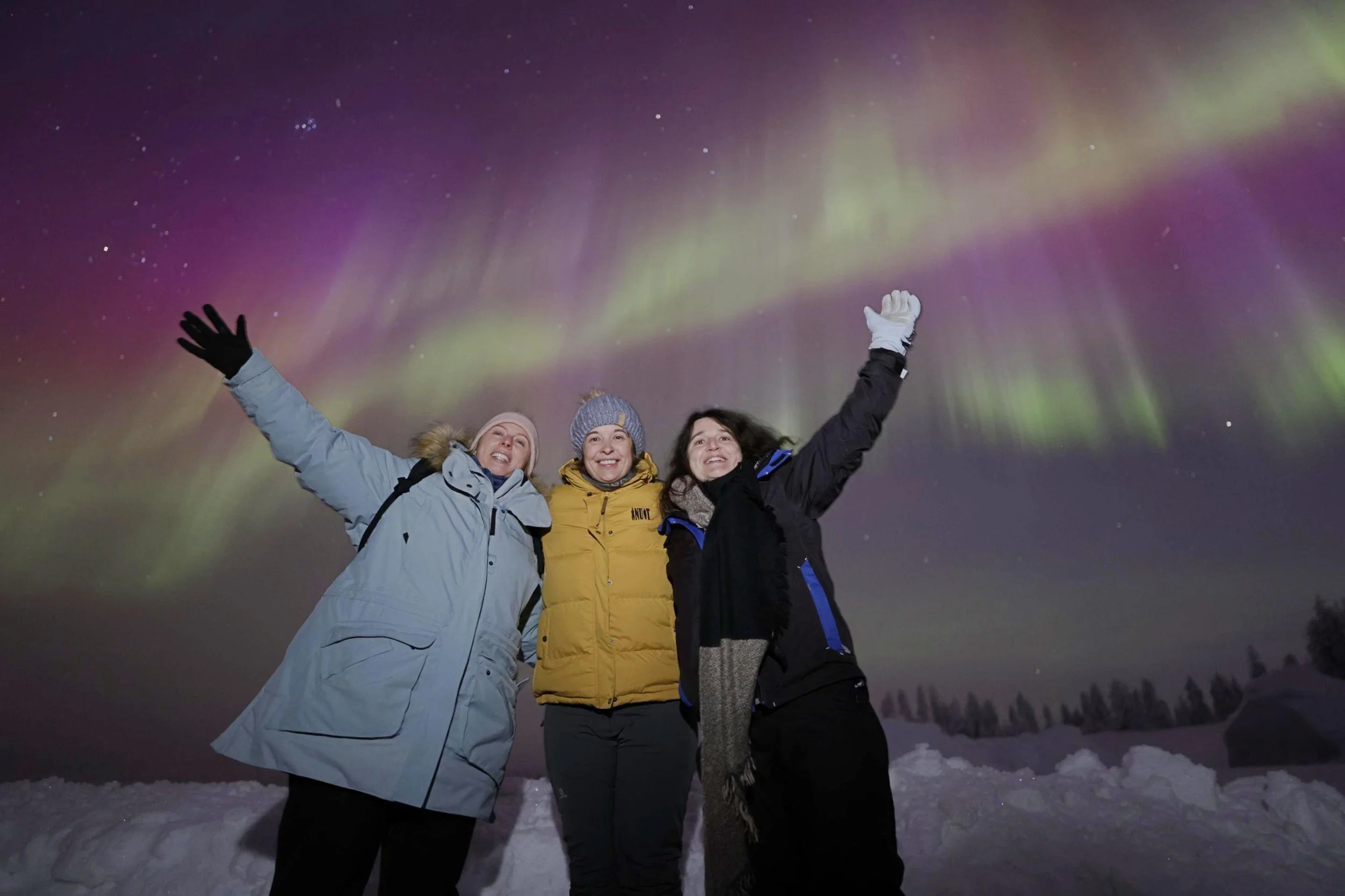
We’ll say this upfront: we usually don’t do northern lights tours.
We’re perfectly happy standing alone in the dark, refreshing forecasts, watching cloud maps like it’s a second job, and waiting patiently for the sky to make up its mind. That’s our normal rhythm.
But this Rovaniemi trip with my friends came with a few complicating factors.
We didn’t have a car. Clouds were threatening every single evening. One of my friends had never seen the northern lights. And we were staying close enough to the city that light pollution was always lurking in the background. Add a short stay to the mix, and suddenly “we’ll figure it out ourselves” starts feeling less noble and more risky.
So we booked a tour. And honestly? We’re really glad we did.
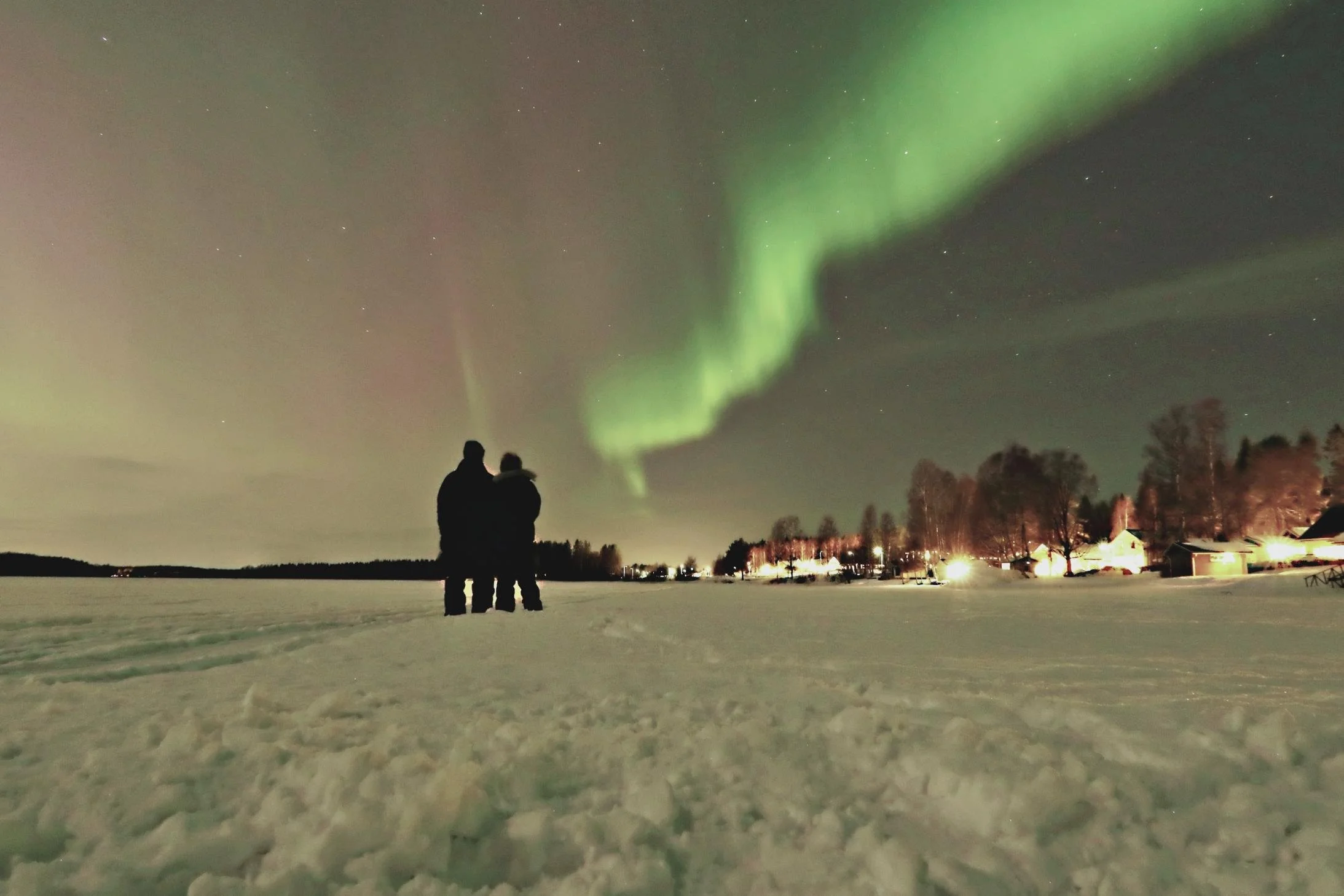
The 2025-2026 northern lights season has been exceptional so far, and one thing is clear: people aren’t just asking where to see the aurora anymore. They’re asking which kind of trip actually fits them.
Short stay or long trip?
Car or no car?
Tour or no tour?
Quiet or social?
First time or return visit?
This guide helps you choose the right northern lights destination based on your travel style, so your trip works in real life — not just on paper.
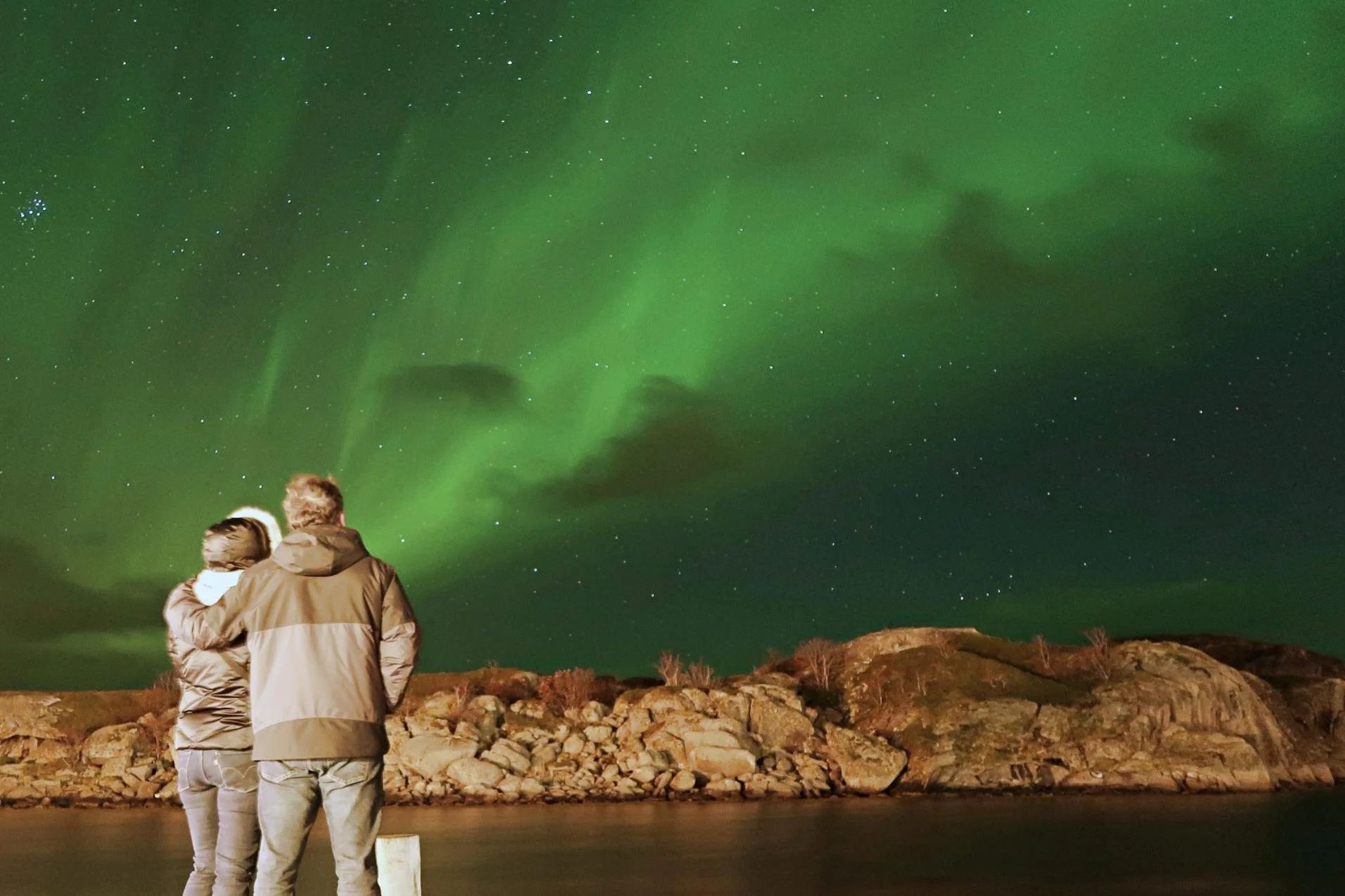
Seeing the northern lights is one of those travel dreams that feels almost mythic — until you start planning it and suddenly everything involves icy roads, late-night driving, weather stress, and rental car disclaimers written in very small print.
Here’s the reassuring truth: you absolutely can see the northern lights without a car. In many cases, it’s not just easier — it’s smarter. We’ve done it plenty of times — Luleå, Alta, Kiruna, Rovaniemi, etc. — as we usually don’t rent a car in winter.
This guide is for travelers who want the aurora without white-knuckle winter driving, missed turnoffs in the dark, or constant road-condition checks. We’ll show you how it works, where it works best, and how to choose accommodation and tours that do the heavy lifting for you.
So you want to catch the Northern Lights? Smart move. But here’s the thing — the aurora doesn’t just show up on demand like a Netflix show (or, as a local joked in Alaska, by activating a switch). Timing is (almost) everything. Get it right, add a pinch of luck, and you’ll be under a sky on fire. Get it wrong and… well, you’ll just be staring at some very expensive clouds or, at least, a stunning starry sky.
This guide covers the best months and seasons to see the Northern Lights (in Europe, North America, and even the Southern Hemisphere), plus a few insider tips — and some gear recs — to up your odds...
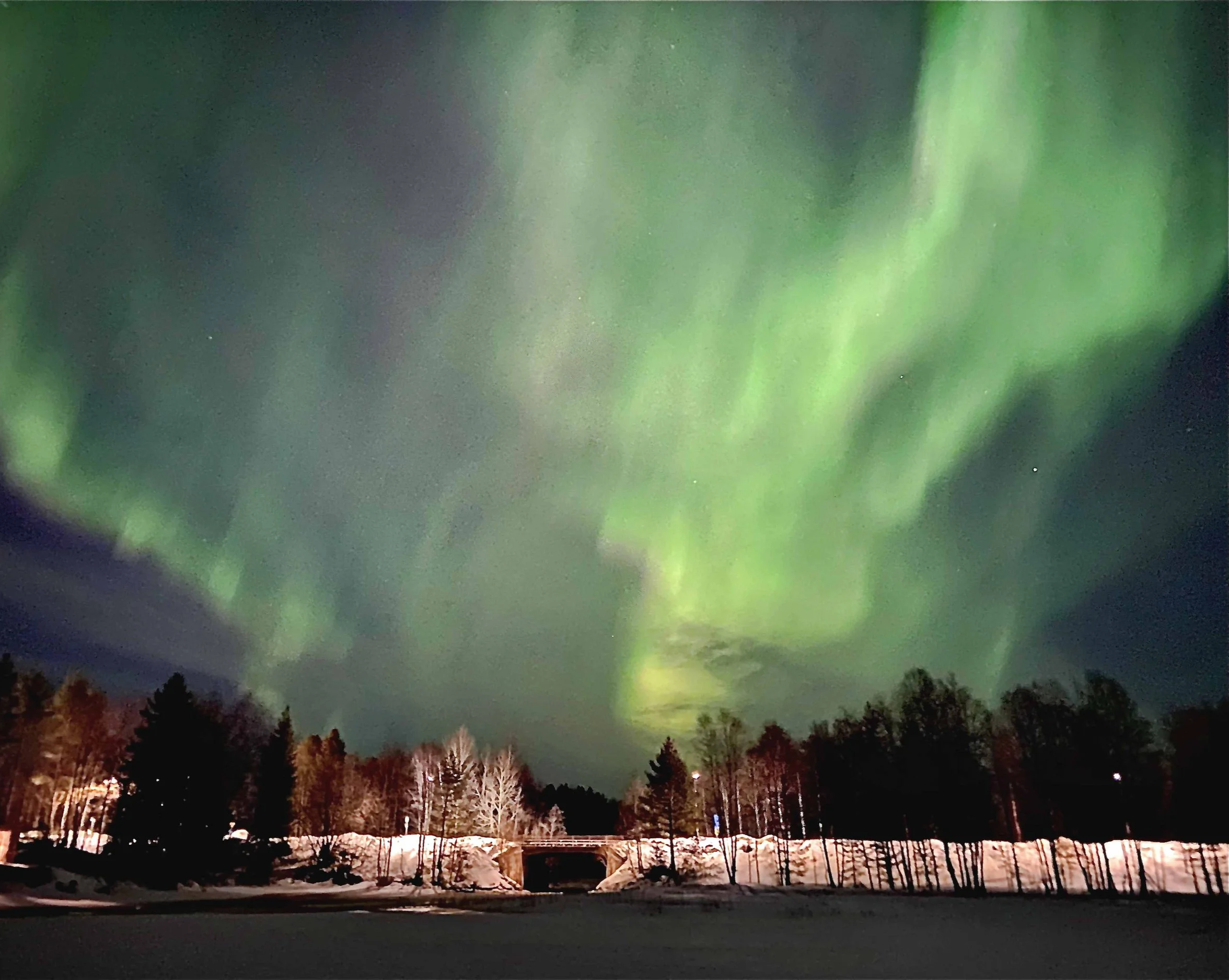
We’ve chased the aurora across every corner of the Arctic — Norway, Sweden, Finland, Greenland, Alaska — and Abisko is the one place where we show up relaxed. Clear skies are simply more common here. Locals from Kiruna drive to Abisko when it's cloudy. Photographers love it. And if you’re tired of stressing about forecasts, this is where you go to calm down and actually enjoy the night.
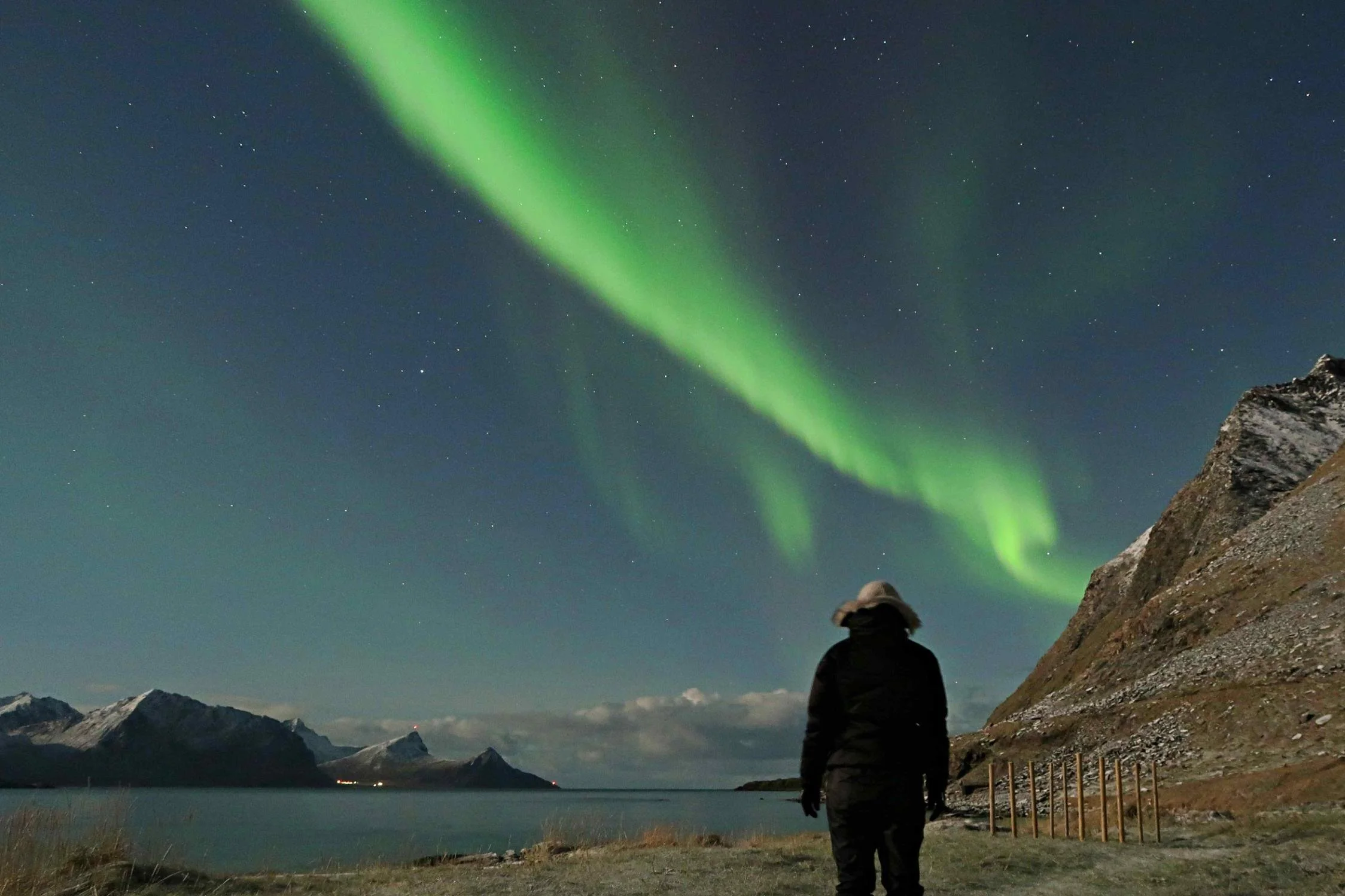
Norway is where the Northern Lights feel bigger, sharper, and somehow more alive. Yes, you can see aurora all across Lapland — Sweden, Finland — but, while we love every corner of Sápmi, Norway has something the others don’t: those insane fjords and steep mountains that turn every aurora into a full-blown cinematic event.
When the sky clears (and it does, especially in Alta and Finnmark), the lights don’t just appear overhead — they spill across ridges, dance along black-water fjords, and frame themselves perfectly behind peak after peak. It’s why so many aurora photographers swear by Norway. You don’t just see the lights here. You get foregrounds that make your jaw drop.
We’ve watched the aurora across the whole Arctic — Kiruna, Abisko, Iceland’s coast, Greenland’s wild ice — and nowhere gives you scenery like Norway on a clear night. This guide breaks down exactly where to go, when to go, how the weather works, and how to make the most of the landscape that makes Norway the superstar of aurora chasers.
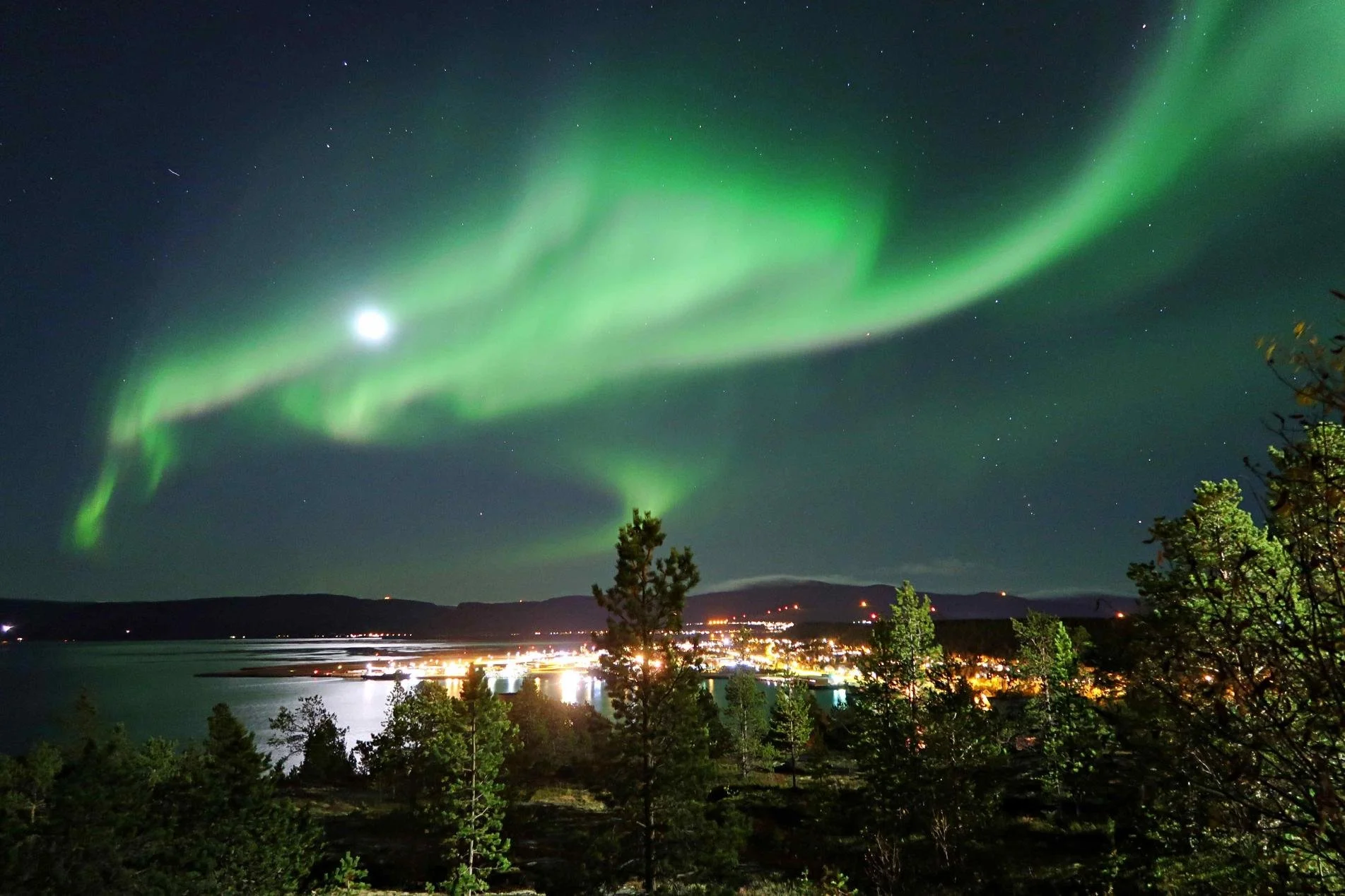
Alta has this calm magic to it.
No huge cruise ships.
No chaos.
No crowds fighting for a patch of darkness.
Just a dry valley, open sky, and some of the most reliable aurora weather in northern Norway.
We’ve chased the Northern Lights all over the Arctic — Svalbard, Lofoten, Swedish Lapland, Greenland, Finnish Lapland, Iceland, Churchill — but Alta remains where the sky has surprised us the most. Not once. Repeatedly.
This is the full guide to seeing the aurora in Alta: where to go, when to go, how to chase it, and how to give yourself the best possible odds.
If you want the science behind the aurora, photography settings, how colors work, or where else in the world to go, you’ll find everything neatly gathered in our Northern Lights Hub.
Now let’s get you under that green sky.
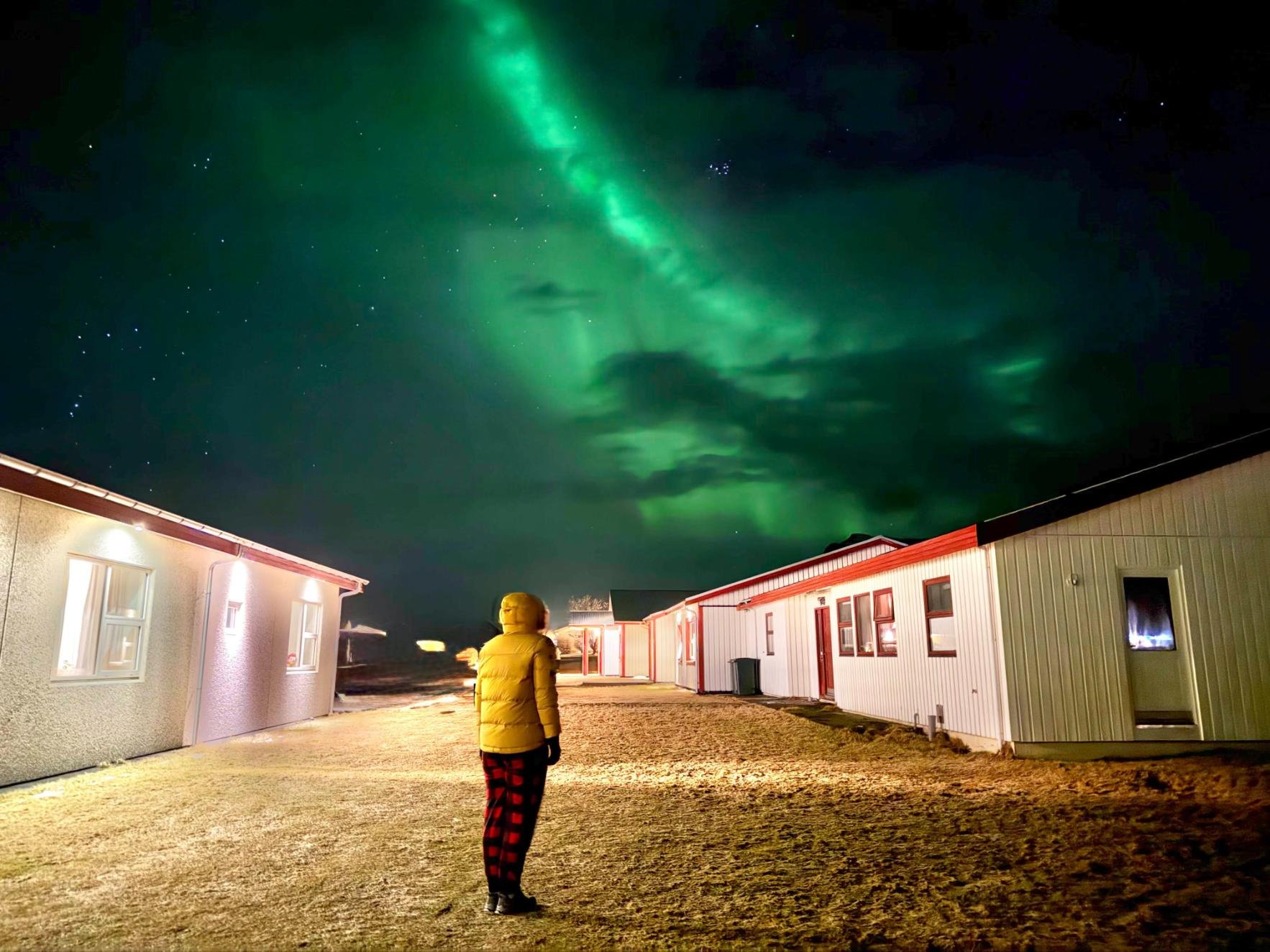
Watching the Northern Lights in Iceland doesn’t have to mean freezing outside with a tripod and a thermos. Although it has its magic and we really like it, we understand it’s not for everyone!
Some hotels let you do it the cozy way — wrapped in blankets, hot chocolate in hand, with green and pink ribbons dancing right above your bed.
We’ve picked the best Northern Lights hotels in Iceland — real places that balance comfort, location, and those once-in-a-lifetime aurora views.

In Luleå, winter doesn’t whisper — it glows. Between November and March, nights stretch long enough for the Northern Lights to take over the sky, turning this quiet city on Sweden’s frozen coast into one of the Arctic’s most underrated aurora destinations.
We stayed there a week in February, and saw the aurora 3 nights in a row!
Most travelers rush north to Kiruna or Abisko — and miss Luleå’s secret: you can see the Northern Lights here without leaving civilization.
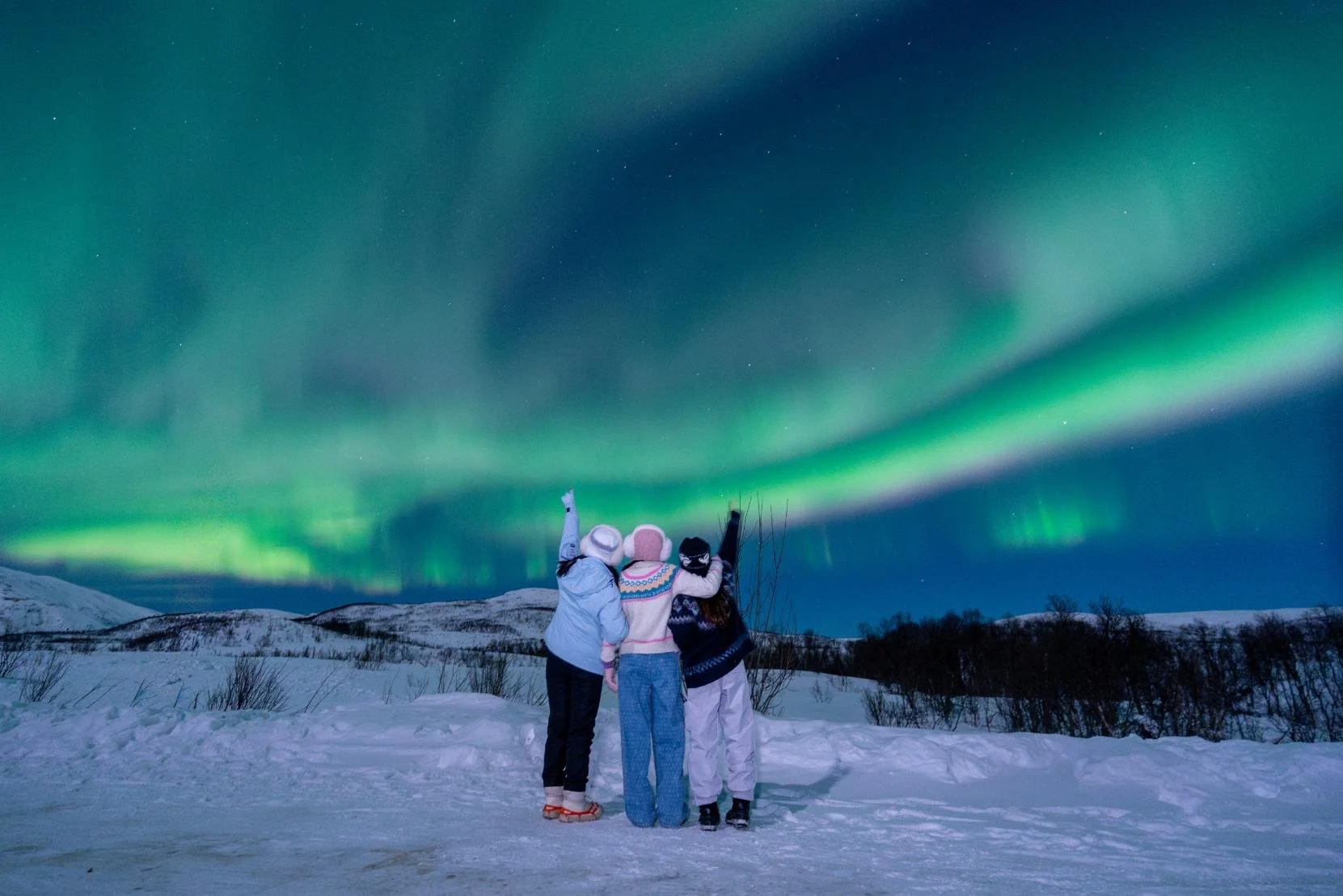
If you’re chasing the Northern Lights in Norway, Tromsø is usually the first name you hear — and for good reason.
The city sits right under the auroral oval, surrounded by mountains, fjords, and more cozy hotels than anywhere else above the Arctic Circle.
You don’t have to trek into the wild to see the aurora — sometimes it dances right above your balcony. That being said, if the aurora is on the weaker side, your best shot is far from the city lights. And you’ll find awesome options in the surroundings!
Here are the best Tromsø hotels for Northern Lights lovers, whether you want views, comfort, or a cabin-in-the-snow vibe.
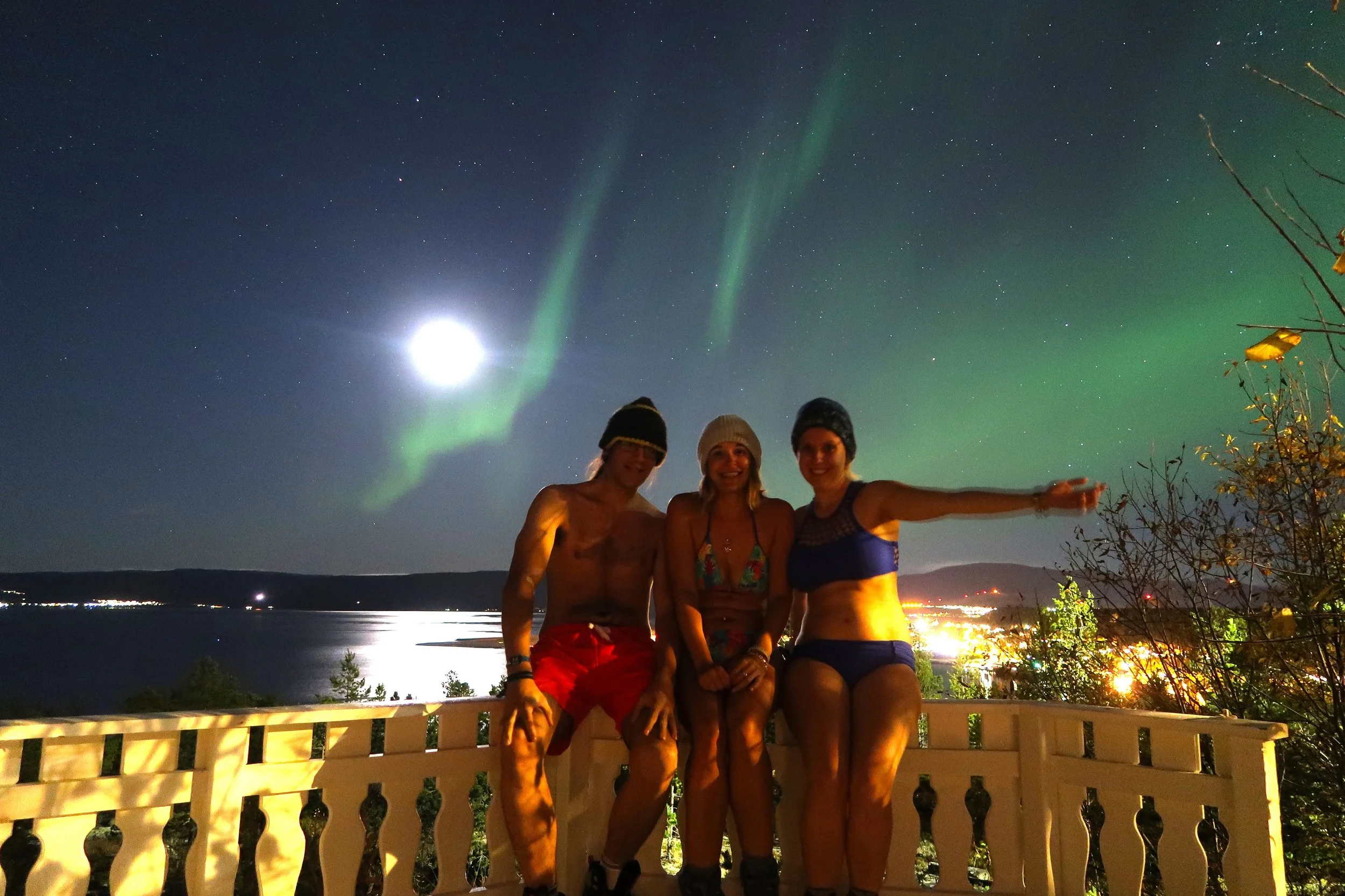
Alta, Norway may not get the same attention as Tromsø, but locals quietly call it the City of the Northern Lights — and for good reason.
Every winter, Alta becomes one of the most reliable places on Earth to join a Northern Lights tour and actually see the aurora dance.
We’ve actually seen some of our best auroras there, and it’s the mix of quiet roads, wide skies, and cozy Arctic charm that makes it special… with less tourists, as we love it!

You’ve seen the photos: glass igloos glowing under green skies, cozy cabins deep in Lapland, snow hotels made entirely of ice. It all looks unreal — and it is, until you find yourself standing outside at midnight, in –25°C, watching the aurora swirl above your room.
We haven’t stayed in every one of these hotels (we’re working on it, promise), but we’ve researched them, seen many in person, and talked to travelers who’ve frozen in all the right places. Here’s our handpicked list of the best hotels in Europe to see the Northern Lights in 2025, from Norway to Finland to Sweden — plus a few bonus picks in Iceland worth every chill.

The northern lights seem to be everywhere on social media. A couple of decades ago, this breathtaking natural phenomenon was only accessible to just a few lucky people. Now, it’s easier than ever to try and see them.
But between the best locations, when to go, the weather forecast, and the more scientific details such as the Kp-index (Kp-what?), it's not always easy to know where to start.
So if the northern lights have been on your bucket list for a while, keep reading for a few northern lights tips!

Free download
Travel Cheaper Cheat Sheet
27 tips on flights, hotels, hidden costs and more — spend less without missing what actually matters.
No spam. Unsubscribe anytime.
Frequently Asked Questions
-
The Arctic isn't one destination — it's a geography covering everything above roughly 66°N, and the experience varies enormously depending on where you go. Norway, Iceland, Finnish Lapland, Greenland, Svalbard, and Alaska all sit within or near the Arctic but offer completely different things. The practical questions — when to go, what to pack, how to get there — change with each destination. Eli spent years studying these regions academically before we started traveling them together, and we've been back more times than we can count. If you want a starting point built around what you actually want from an Arctic trip, we offer personal 1-hour consultations.
-
Eight: Norway, Sweden, Finland, Russia, the United States (Alaska), Canada, Denmark (Greenland), and Iceland — though only the tiny island of Grímsey actually sits on the line in Iceland. Our guides cover most of them: Arctic Norway from Lofoten to Svalbard, Finnish and Swedish Lapland, Greenland, Iceland, and Alaska. Each is a different world. The thing they share is the light — the midnight sun in summer, the aurora in winter, and a quality of stillness you don't find anywhere else on earth.
-
A lot, and it changes dramatically by season. In winter: northern lights, dog sledding, snowmobile safaris, ice fishing, igloos and glass-cabin lodges above the fjords. In summer: hiking under the midnight sun, sea kayaking, whale watching, sailing. Our Arctic Norway content covers Tromsø (our most-visited Arctic base), Senja, Lofoten, Alta, and Svalbard — each very different from the others. Tromsø is the most accessible entry point. Svalbard is the most extreme. Read our Arctic Survival Guide for tips.
-
Technically, only the island of Grímsey sits on the Arctic Circle line itself — the rest of Iceland, including Reykjavik, is just south of it. That said, Iceland earns its Arctic associations: the landscape, the climate, the northern lights season, and the midnight sun are all present. Northern Iceland around Akureyri has a genuinely Arctic feel, and the country behaves like an Arctic destination even if the exact coordinates don't confirm it. We have extensive Iceland guides covering the Ring Road, glacier hikes, hot springs, and off-the-beaten-path experiences.
-
Rovaniemi sits almost exactly on the Arctic Circle line, which is partly why it became home to Santa Claus Village. Beyond that, Finnish Lapland around Rovaniemi offers reindeer safaris, husky sled rides, snowshoeing, and some of the best sauna culture in the world — including the Finnish tradition of going from hot sauna directly into frozen lake or snow. We've also written about alternatives to Rovaniemi if you want to go deeper into Finnish Lapland beyond the main tourist infrastructure.
-
Arctic food is some of the most distinctive regional cuisine in the world. In Norway it's stockfish, reindeer, king crab from the Barents Sea, and cloudberries. In Finland, reindeer is everywhere — reindeer soup, reindeer stew, smoked reindeer on flatbread. Greenland has muktuk (beluga skin and fat) and fermented meats. Iceland has skyr, slow-cooked lamb, and hákarl — fermented shark — if you're feeling brave. Most of it tastes better than it sounds. The common thread is food built for cold, dark, remote conditions, and it shows.
Reine is the name on every Lofoten postcard, but it's not really just one place. What people mean by "Reine rorbuer" usually stretches across a string of small settlements tucked along the same stretch of coastline, Hamnøy, Sakrisøy, Olenilsøy, Toppøy, Andøy, each with its own rorbuer (read fisherman’s houses), its own dramatic view, and its own personality. Here’s our guide to the best rorbuer in Reine and around, because it’s the most authentic and picturesque accommodation you can stay at.