

Northern Lights Hub
The northern lights: Our magnetic North
For us, the aurora isn’t just another travel highlight — it’s a thread that runs through so many of our journeys. We’ve stood under silent skies in Greenland, Norway, Finland, and beyond, waiting for that first green shimmer to spill across the dark. And each time feels magical.
This is nature at its most unpredictable. You can have the clearest forecast and see nothing, or stumble outside for a midnight snack and find the whole sky ablaze. Curtains of green, ribbons of purple, sometimes even rare flashes of red — no two nights are ever the same, and that’s what makes the chase addictive.
Iceland, Lapland, Svalbard, Alaska… every place we’ve watched the northern lights has left us changed. We’ve frozen on mountain ridges, ferried along Arctic coasts, and shared quiet moments with locals who still look up in awe, even after a lifetime under the aurora.
The northern lights are our obsession, our specialty, and one of the most magical experiences we can share with you. These guides are our way of bringing you closer — until you step into the night yourself and see the sky catch fire. But be warned: once you’ve seen the aurora dance, you’ll never stop chasing it.
Aurora season is back, updated September 2026
The skies are dark again, which means 2026/2027 aurora season has properly kicked off (and what a kick-off) across the Arctic. If you've been waiting for the right window to book, this is it.
We're past the peak of the current solar cycle, which hit its highest point back in October 2024. That doesn't mean the show is over. Some of the strongest individual storms tend to land in the years right after a solar peak, so there's still potential for big nights this season. We'll keep this updated through the season, so check back if you're planning a trip.
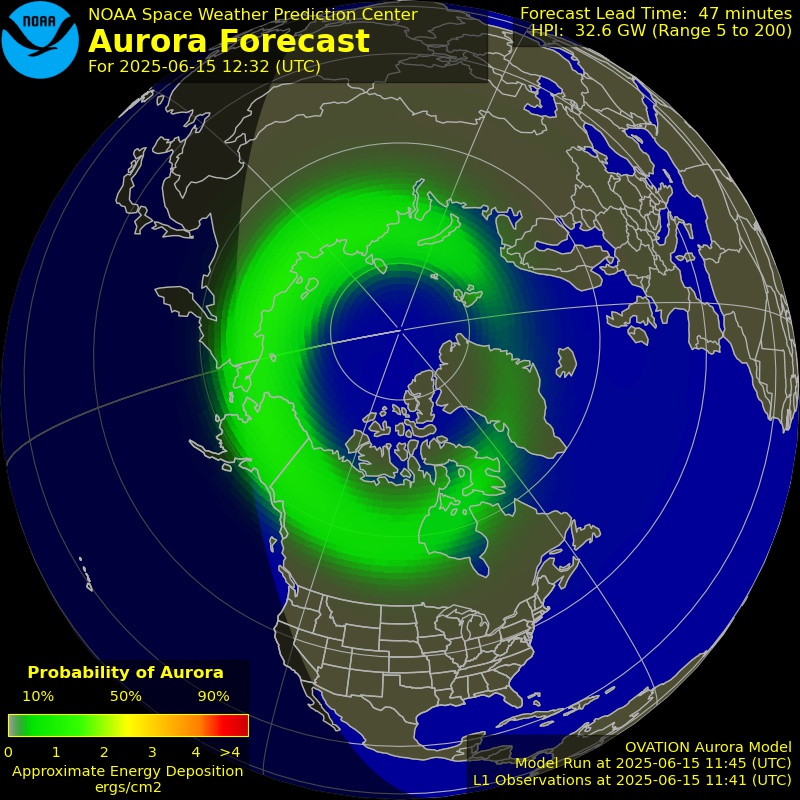
Live Aurora Conditions 🌌
This map updates every 30 minutes with the current aurora forecast. Chasing the lights down south instead? See the Southern Hemisphere forecast.
Live data via NOAA Space Weather Prediction Center
Jump to: Norway · Iceland · Finnish Lapland · Swedish Lapland · Greenland · Faroe Islands · Canada & Alaska · Aurora Essentials · Arctic Travel Hub
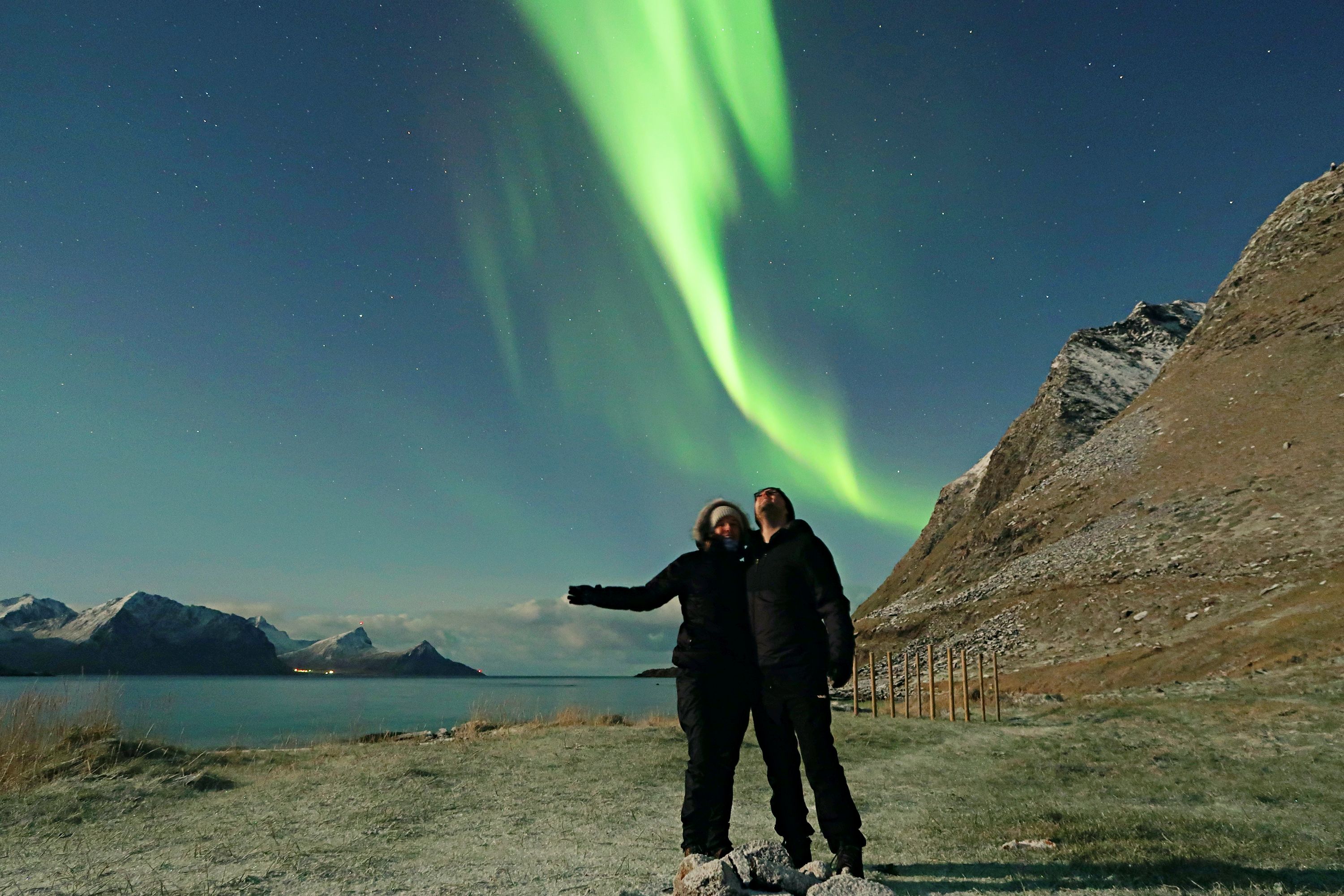
Planning a Northern Lights Trip? ✨
Get a free aurora checklist straight to your inbox.
No spam. Just northern lights strategy (and occasional penguin energy).
Thank you, little penguin! 🐧
Check your inbox — our best Northern Lights tips are on the way.
Northern lights in Norway
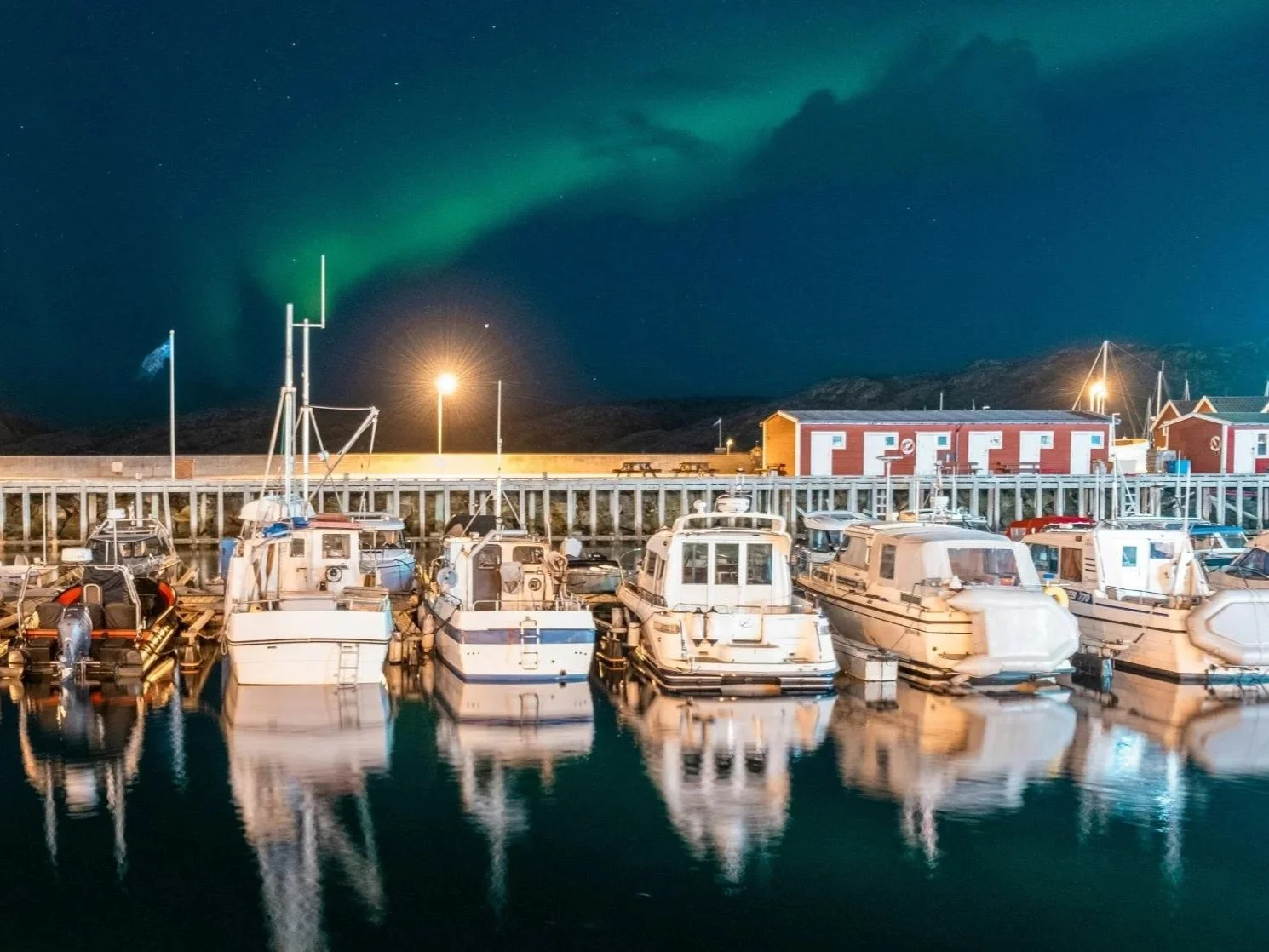
Bodø sits right on Norway's coast above the Arctic Circle, which makes it one of the easier places in the country to catch the aurora. It's also the mainland's usual jumping off point for Lofoten, so plenty of travelers end up chasing the lights in both places on the same trip. Follow our guide to see the northern lights in Bodø!
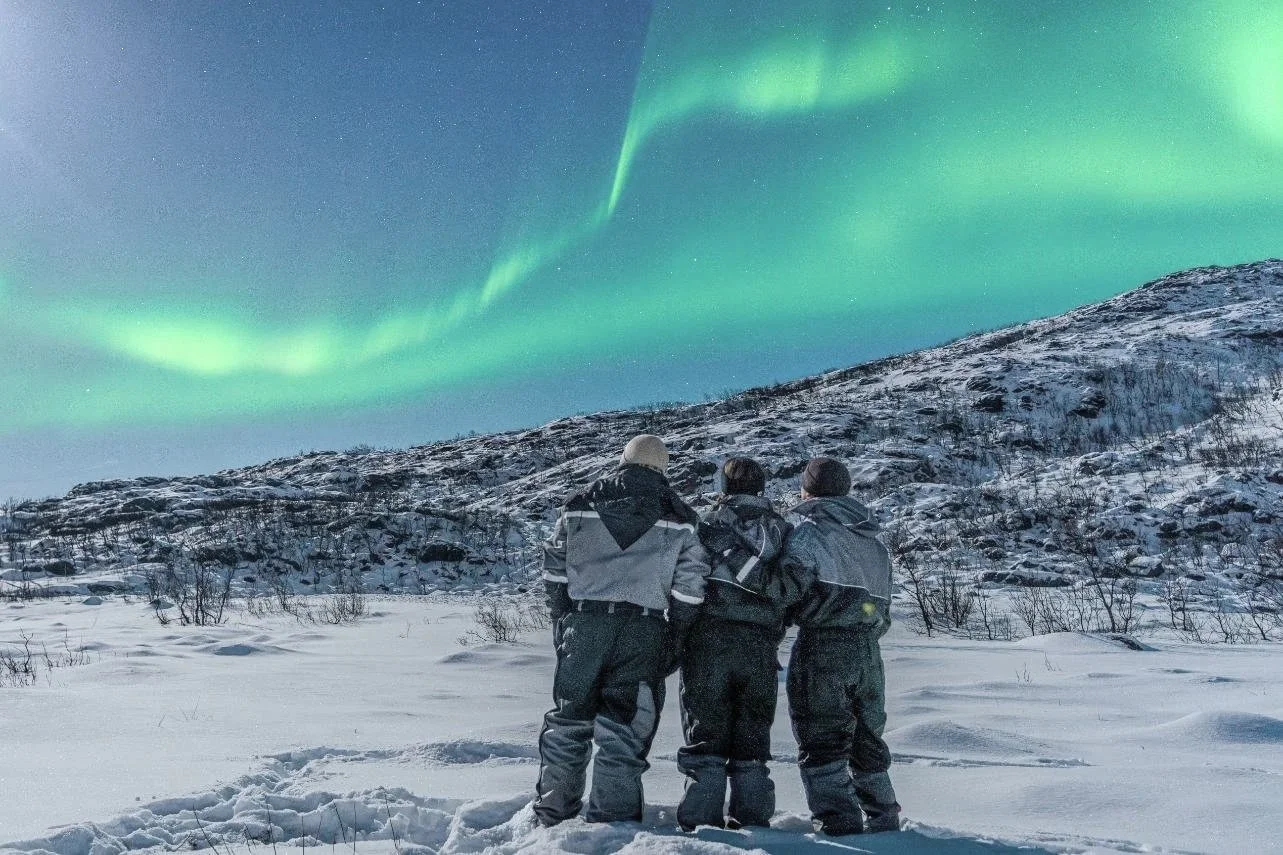
Tromsø, Norway, has more northern lights tour operators than anywhere else in the Arctic. Between Viator, GetYourGuide, and local operators, you're looking at a very long list, and a lot of the listings sound nearly identical: the same campfire photo, the same "expert guides," often the same word "guaranteed" somewhere in the title.
If you haven't already, read our full Northern Lights in Tromsø guide for best time of year, best spots, and forecast tools. This article is just about picking the right tour: what the different types actually mean, what's worth paying more for, and what "guaranteed viewing" really means.
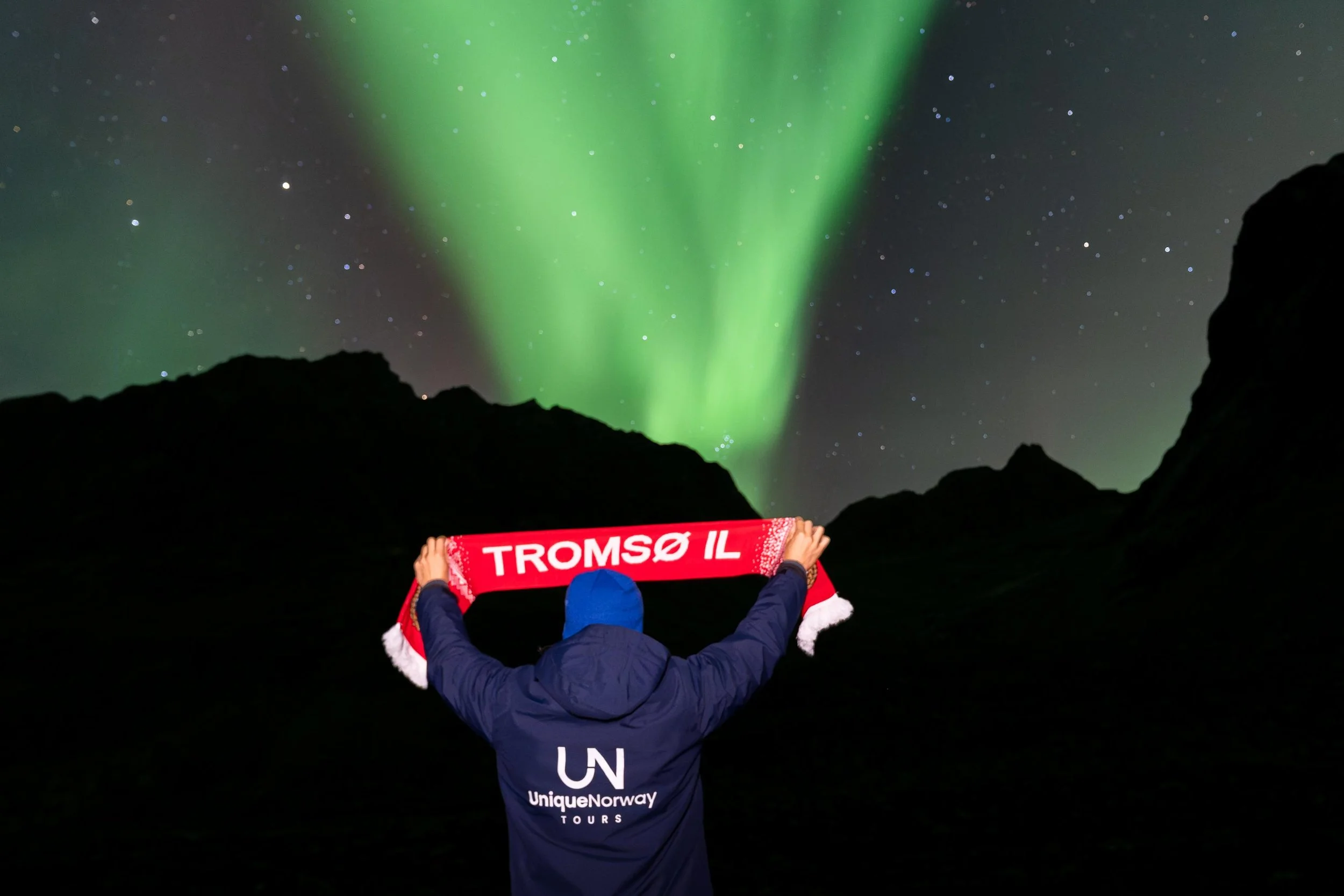
Tromsø has become almost synonymous with the northern lights. It sits at 69.6°N, deep inside the auroral oval, with fjords and mountains in every direction and more tour operators than anywhere else in Northern Norway. Every winter, tens of thousands of people fly in with one mission (or shall I say, obsession). Some get lucky on their first night. Others spend a week chasing gaps in the cloud cover. Most land somewhere in between.
We've been to Tromsø more than once — summer and winter — and the honest answer to "is Tromsø good for northern lights?" is: yes, with some caveats you should know before booking anything. This guide to the northern lights in Tromsø tells you when to come, where to go when the sky clears, and how to maximize the nights you have.
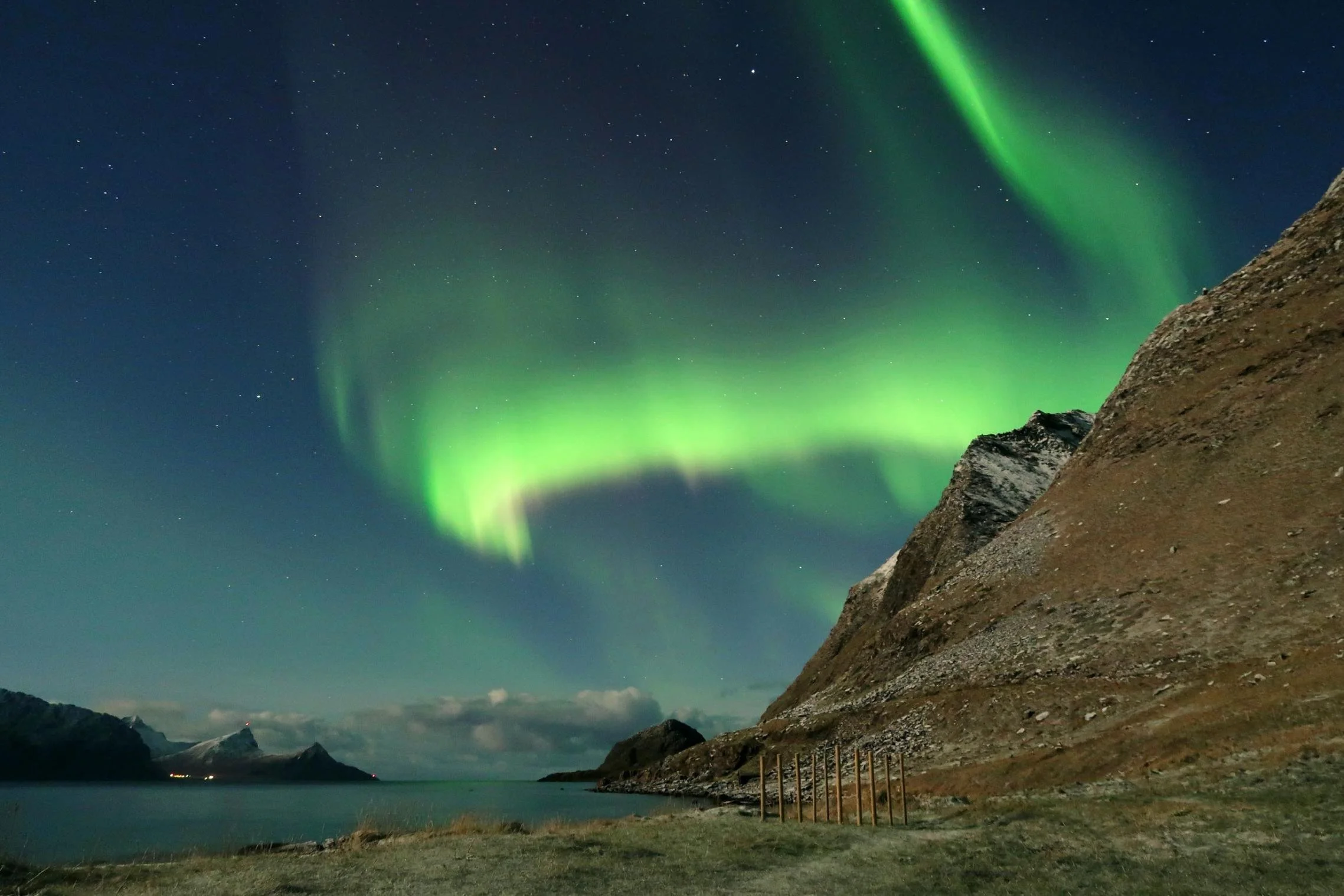
There is a version of the Lofoten northern lights experience that looks like the photos — green curtains filling the sky above a red rorbuer, the aurora reflected in a still fjord, the mountains black against a luminous horizon. That version is real. We've seen it several times. What the photos don't show is the three nights of solid cloud cover that preceded it, the midnight drive to a different beach because the sky looked slightly less terrible to the west, and the moment it cleared just enough, just long enough.
Lofoten is one of the best places in Europe to see the northern lights. It’s also one of the cloudiest. Knowing both things before you go is key if you have high aurora hopes.
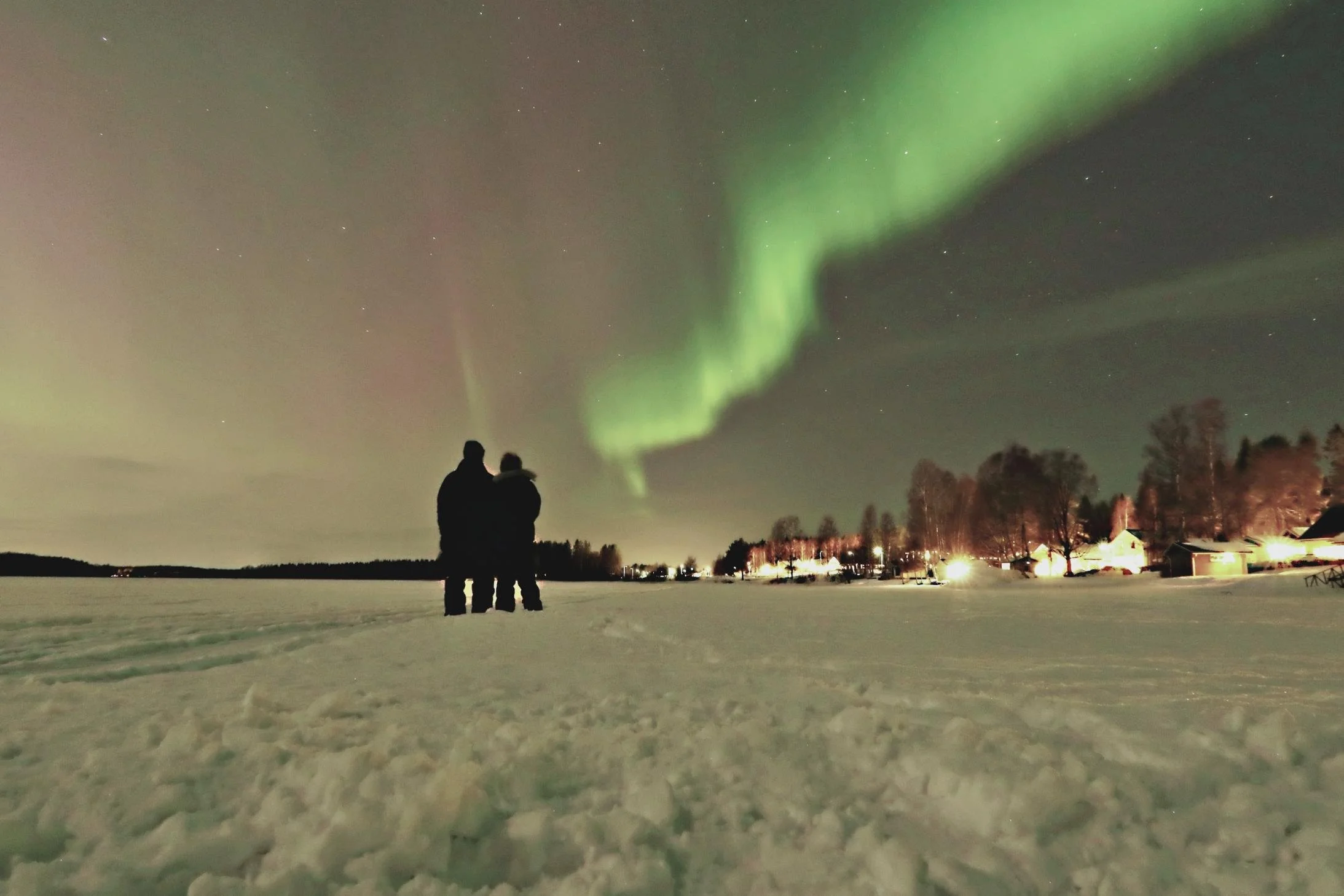
The 2025-2026 northern lights season has been exceptional so far, and one thing is clear: people aren’t just asking where to see the aurora anymore. They’re asking which kind of trip actually fits them.
Short stay or long trip?
Car or no car?
Tour or no tour?
Quiet or social?
First time or return visit?
This guide helps you choose the right northern lights destination based on your travel style, so your trip works in real life — not just on paper.
Seeing the northern lights is one of those travel dreams that feels almost mythic — until you start planning it and suddenly everything involves icy roads, late-night driving, weather stress, and rental car disclaimers written in very small print.
Here’s the reassuring truth: you absolutely can see the northern lights without a car. In many cases, it’s not just easier — it’s smarter. We’ve done it plenty of times — Luleå, Alta, Kiruna, Rovaniemi, etc. — as we usually don’t rent a car in winter.
This guide is for travelers who want the aurora without white-knuckle winter driving, missed turnoffs in the dark, or constant road-condition checks. We’ll show you how it works, where it works best, and how to choose accommodation and tours that do the heavy lifting for you.
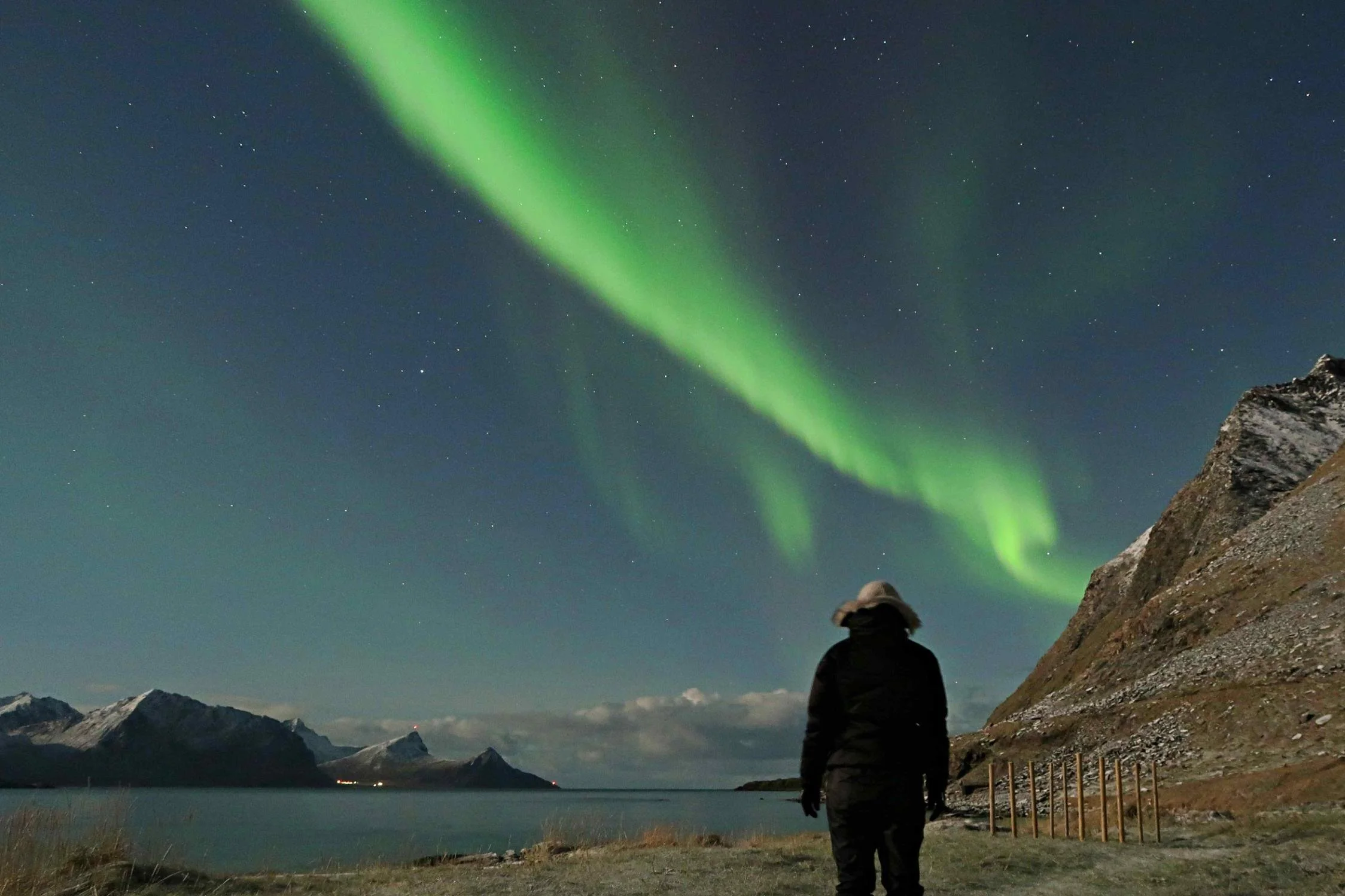
Norway is where the Northern Lights feel bigger, sharper, and somehow more alive. Yes, you can see aurora all across Lapland — Sweden, Finland — but, while we love every corner of Sápmi, Norway has something the others don’t: those insane fjords and steep mountains that turn every aurora into a full-blown cinematic event.
When the sky clears (and it does, especially in Alta and Finnmark), the lights don’t just appear overhead — they spill across ridges, dance along black-water fjords, and frame themselves perfectly behind peak after peak. It’s why so many aurora photographers swear by Norway. You don’t just see the lights here. You get foregrounds that make your jaw drop.
We’ve watched the aurora across the whole Arctic — Kiruna, Abisko, Iceland’s coast, Greenland’s wild ice — and nowhere gives you scenery like Norway on a clear night. This guide breaks down exactly where to go, when to go, how the weather works, and how to make the most of the landscape that makes Norway the superstar of aurora chasers.
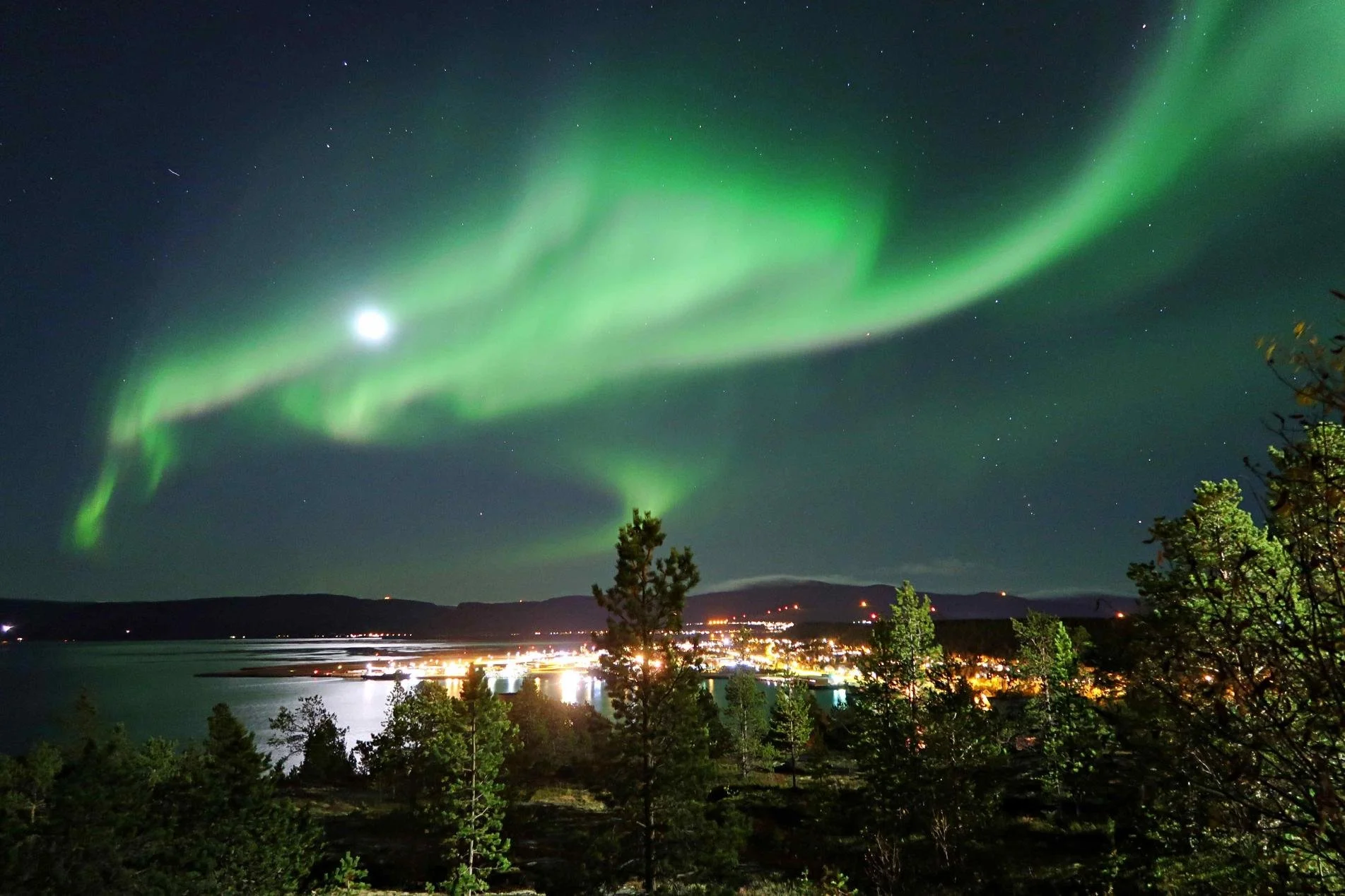
Alta has this calm magic to it.
No huge cruise ships.
No chaos.
No crowds fighting for a patch of darkness.
Just a dry valley, open sky, and some of the most reliable aurora weather in northern Norway.
We’ve chased the Northern Lights all over the Arctic — Svalbard, Lofoten, Swedish Lapland, Greenland, Finnish Lapland, Iceland, Churchill — but Alta remains where the sky has surprised us the most. Not once. Repeatedly.
This is the full guide to seeing the aurora in Alta: where to go, when to go, how to chase it, and how to give yourself the best possible odds.
If you want the science behind the aurora, photography settings, how colors work, or where else in the world to go, you’ll find everything neatly gathered in our Northern Lights Hub.
Now let’s get you under that green sky.
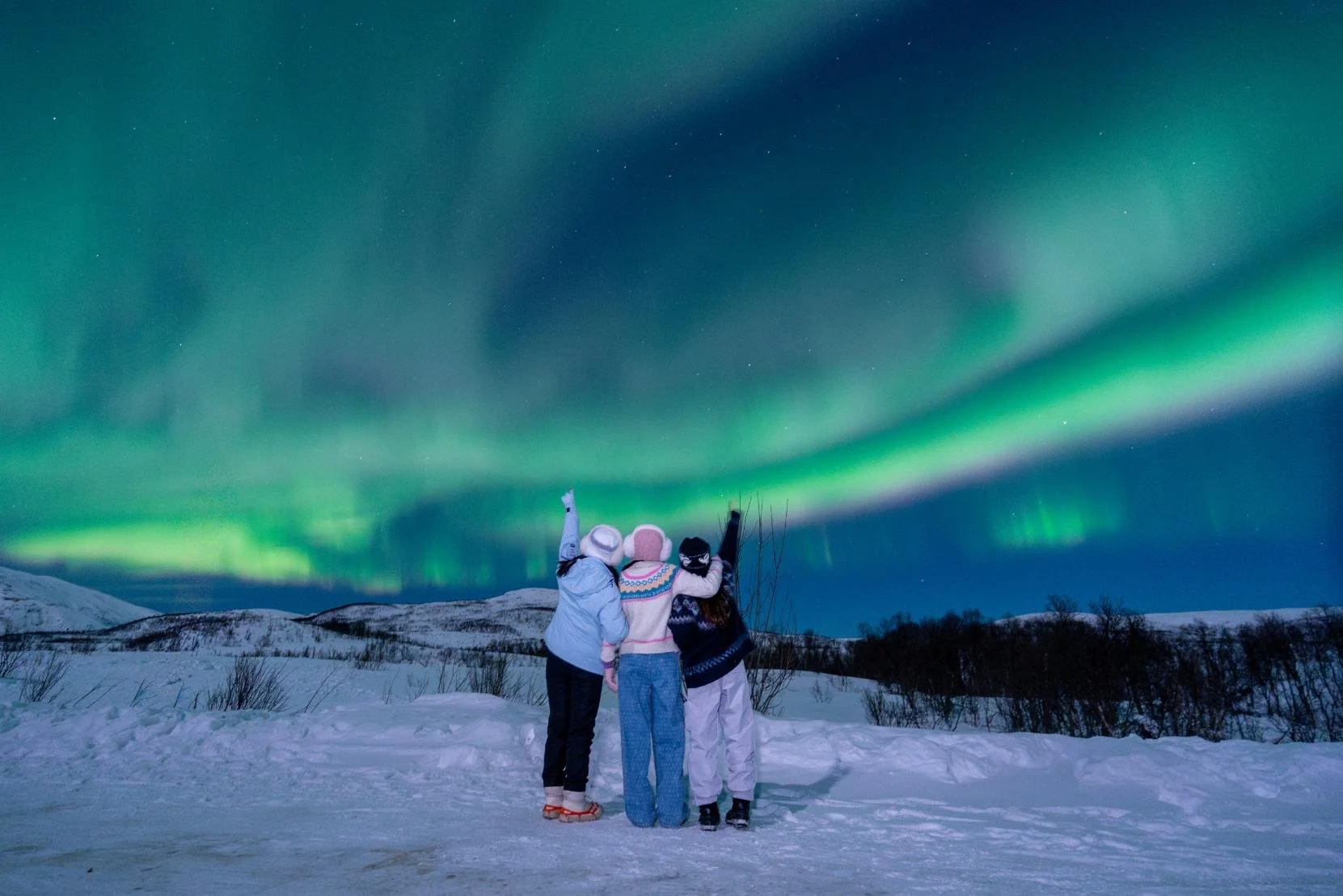
If you’re chasing the Northern Lights in Norway, Tromsø is usually the first name you hear — and for good reason.
The city sits right under the auroral oval, surrounded by mountains, fjords, and more cozy hotels than anywhere else above the Arctic Circle.
You don’t have to trek into the wild to see the aurora — sometimes it dances right above your balcony. That being said, if the aurora is on the weaker side, your best shot is far from the city lights. And you’ll find awesome options in the surroundings!
Here are the best Tromsø hotels for Northern Lights lovers, whether you want views, comfort, or a cabin-in-the-snow vibe.
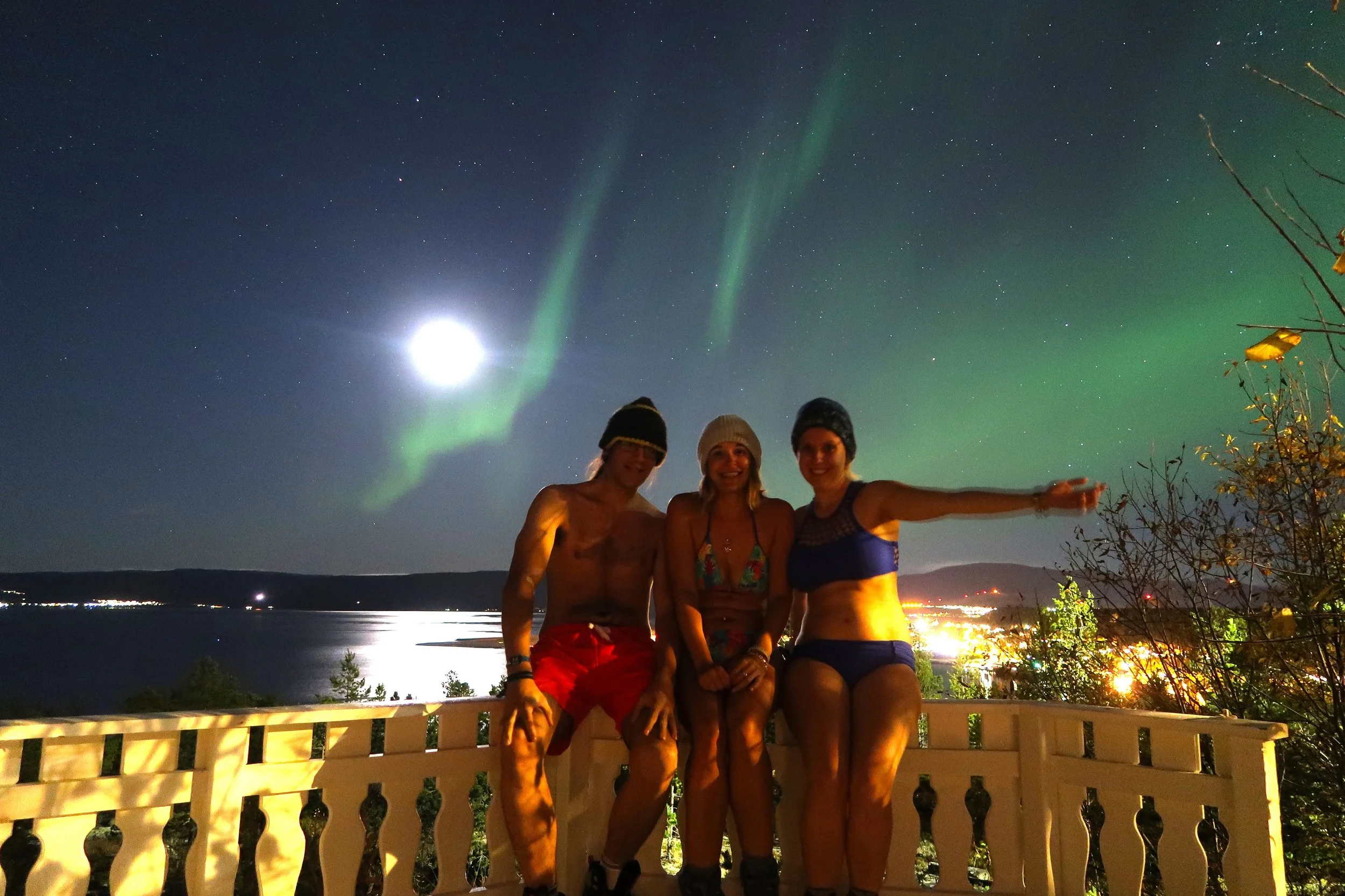
Alta, Norway may not get the same attention as Tromsø, but locals quietly call it the City of the Northern Lights — and for good reason.
Every winter, Alta becomes one of the most reliable places on Earth to join a Northern Lights tour and actually see the aurora dance.
We’ve actually seen some of our best auroras there, and it’s the mix of quiet roads, wide skies, and cozy Arctic charm that makes it special… with less tourists, as we love it!

You’ve seen the photos: glass igloos glowing under green skies, cozy cabins deep in Lapland, snow hotels made entirely of ice. It all looks unreal — and it is, until you find yourself standing outside at midnight, in –25°C, watching the aurora swirl above your room.
We haven’t stayed in every one of these hotels (we’re working on it, promise), but we’ve researched them, seen many in person, and talked to travelers who’ve frozen in all the right places. Here’s our handpicked list of the best hotels in Europe to see the Northern Lights in 2025, from Norway to Finland to Sweden — plus a few bonus picks in Iceland worth every chill.

If you’re searching for the best places to see northern lights, here’s the short answer: northern Norway, Iceland, Finnish Lapland, Sweden’s Abisko region, Greenland, Alaska, and parts of northern Canada consistently offer the highest visibility rates. The best months run from September to March in the northern hemisphere.
The northern lights don’t understand borders (and sometimes, neither do we).
If you’ve already dreamed your way through Iceland or Norway (see our Europe guide), here’s the global bucket list: the best places in the world to chase the aurora borealis — and even its southern twin, the aurora australis.
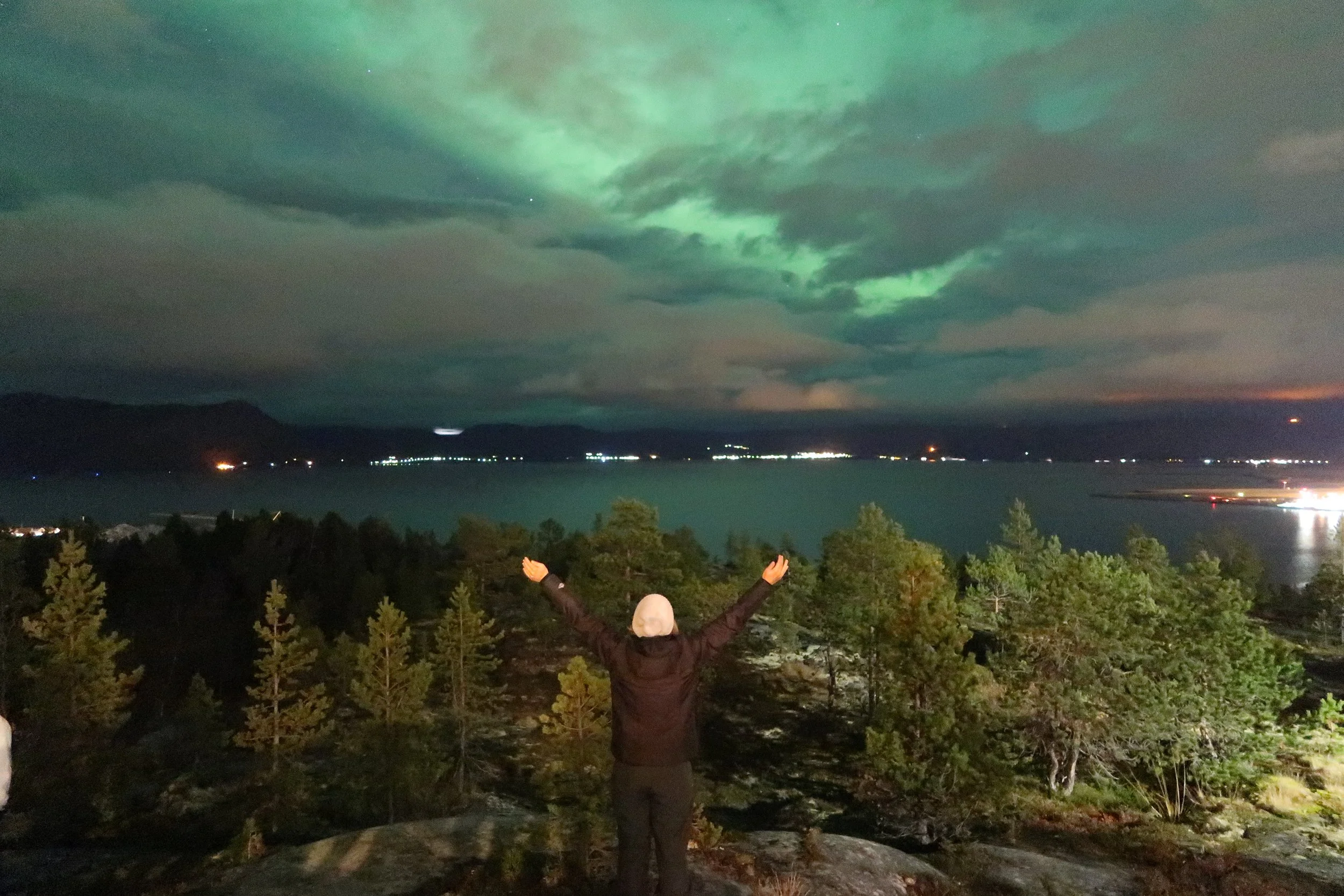
You’ve seen the photos. The swirls of green and purple. The ice hotels and starry skies. But how do you actually plan a Northern Lights trip in Europe without blowing your budget, freezing your face off, or ending up in the wrong place at the wrong time?
We’ve chased the aurora across Scandinavia and beyond — from cozy Finnish cabins to Swedish frozen lakes. We’ve waited hours in the cold, sometimes with a reward and sometimes with nothing except frostbite. We’ve tested apps, gear, and all the local tips we could get.
So, here’s our not-boring, fully practical guide to the best places to see the Northern Lights in Europe — and how to pick the one that matches your vibe.
Northern lights in Iceland
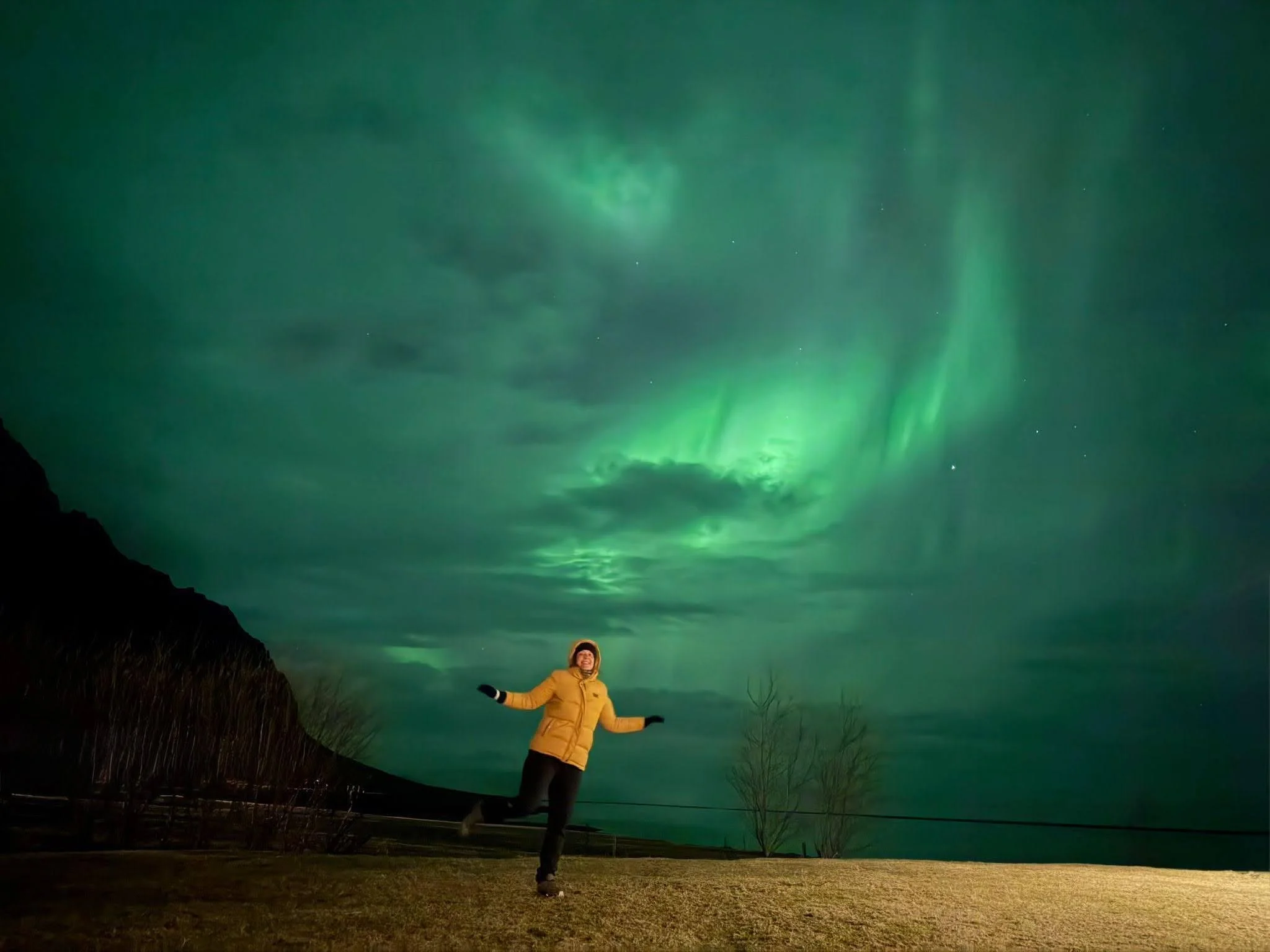
We've chased the northern lights in Iceland several times — and the single most important thing we learned is that timing is only half the equation. The other half is knowing how to read the conditions on the night itself and being willing to move when the forecast tells you to (well, and a bit of elf magic and luck too).
Most northern lights guides will tell you to go in January and cross your fingers. That's not wrong, but it's not the whole picture either. The best time to see the northern lights in Iceland depends on what you're optimising for — maximum darkness, best weather odds, equinox activity, or the current solar cycle — and the answer is different depending on which of those matters most to you.
This article is specifically about timing and forecasting. If you're still deciding whether Iceland is the right aurora destination for you at all, we've covered that in detail in our northern lights Iceland guide. If you're new to aurora hunting altogether, start with our northern lights for dummies guide first. And if you're ready to book and need hotel recommendations, go straight to our best northern lights hotels in Iceland. This piece sits between those two: it's for people who are going, and want to make the most of it.
Everything here is part of our northern lights hub — our full library of aurora guides covering destinations, gear, photography, and planning.
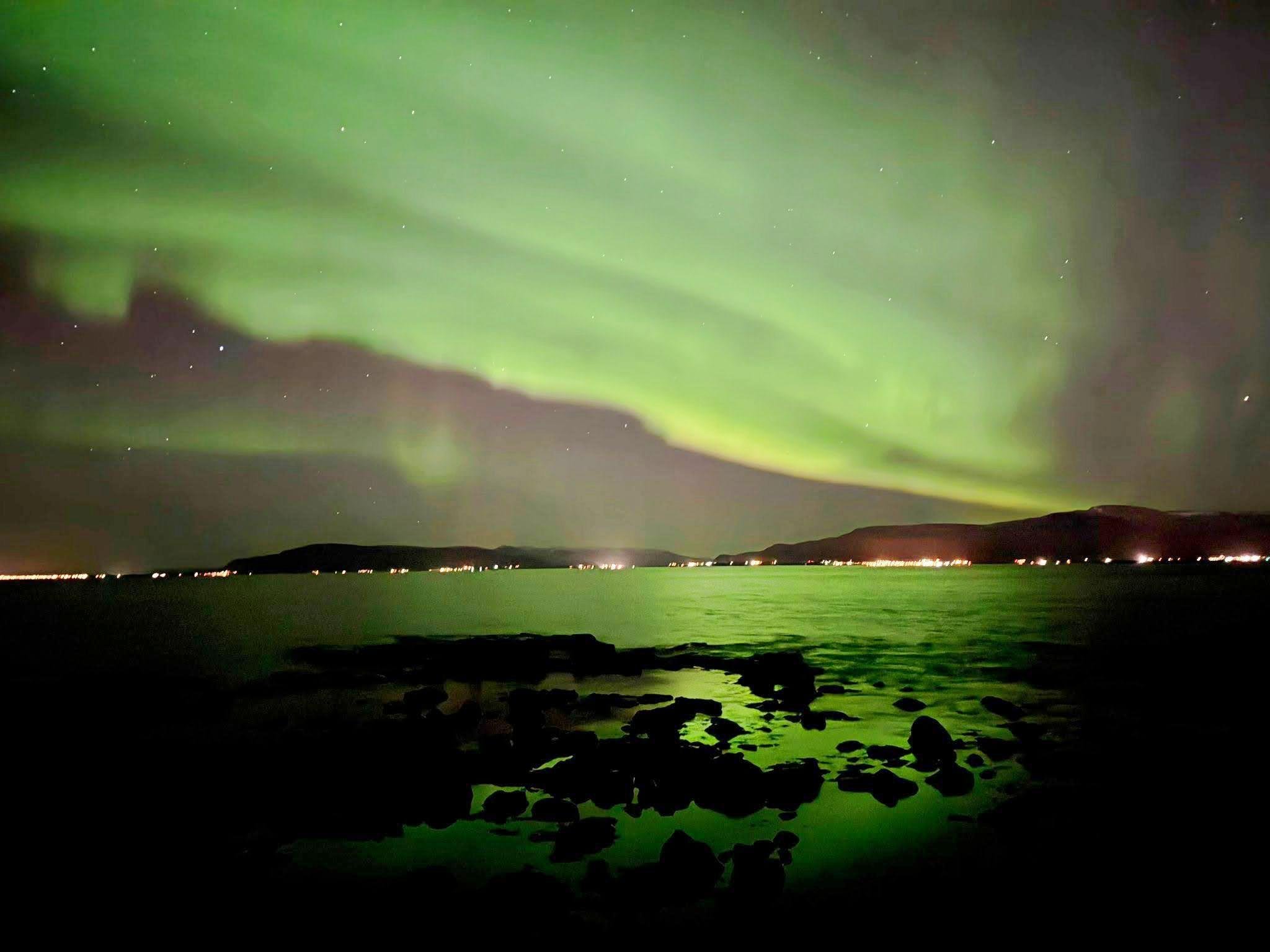
Iceland is probably the most Googled northern lights destination on the planet. And honestly? There are good reasons for that — but also a few things the average aurora guide won't tell you. If you're deciding whether Iceland is the right choice for your northern lights trip, this is the honest version of that answer.
The short version: yes, Iceland is a legitimate aurora destination, and for most people it's a brilliant choice. But it comes with a specific set of trade-offs that are worth understanding before you book. Because if you're going solely to see the lights with the highest possible odds, Iceland isn't actually your best bet. If you're going to Iceland for the full experience — and you want the lights as a bonus that will make the whole thing extraordinary — it might be the best trip of your life.
The 2025-2026 northern lights season has been exceptional so far, and one thing is clear: people aren’t just asking where to see the aurora anymore. They’re asking which kind of trip actually fits them.
Short stay or long trip?
Car or no car?
Tour or no tour?
Quiet or social?
First time or return visit?
This guide helps you choose the right northern lights destination based on your travel style, so your trip works in real life — not just on paper.
Seeing the northern lights is one of those travel dreams that feels almost mythic — until you start planning it and suddenly everything involves icy roads, late-night driving, weather stress, and rental car disclaimers written in very small print.
Here’s the reassuring truth: you absolutely can see the northern lights without a car. In many cases, it’s not just easier — it’s smarter. We’ve done it plenty of times — Luleå, Alta, Kiruna, Rovaniemi, etc. — as we usually don’t rent a car in winter.
This guide is for travelers who want the aurora without white-knuckle winter driving, missed turnoffs in the dark, or constant road-condition checks. We’ll show you how it works, where it works best, and how to choose accommodation and tours that do the heavy lifting for you.
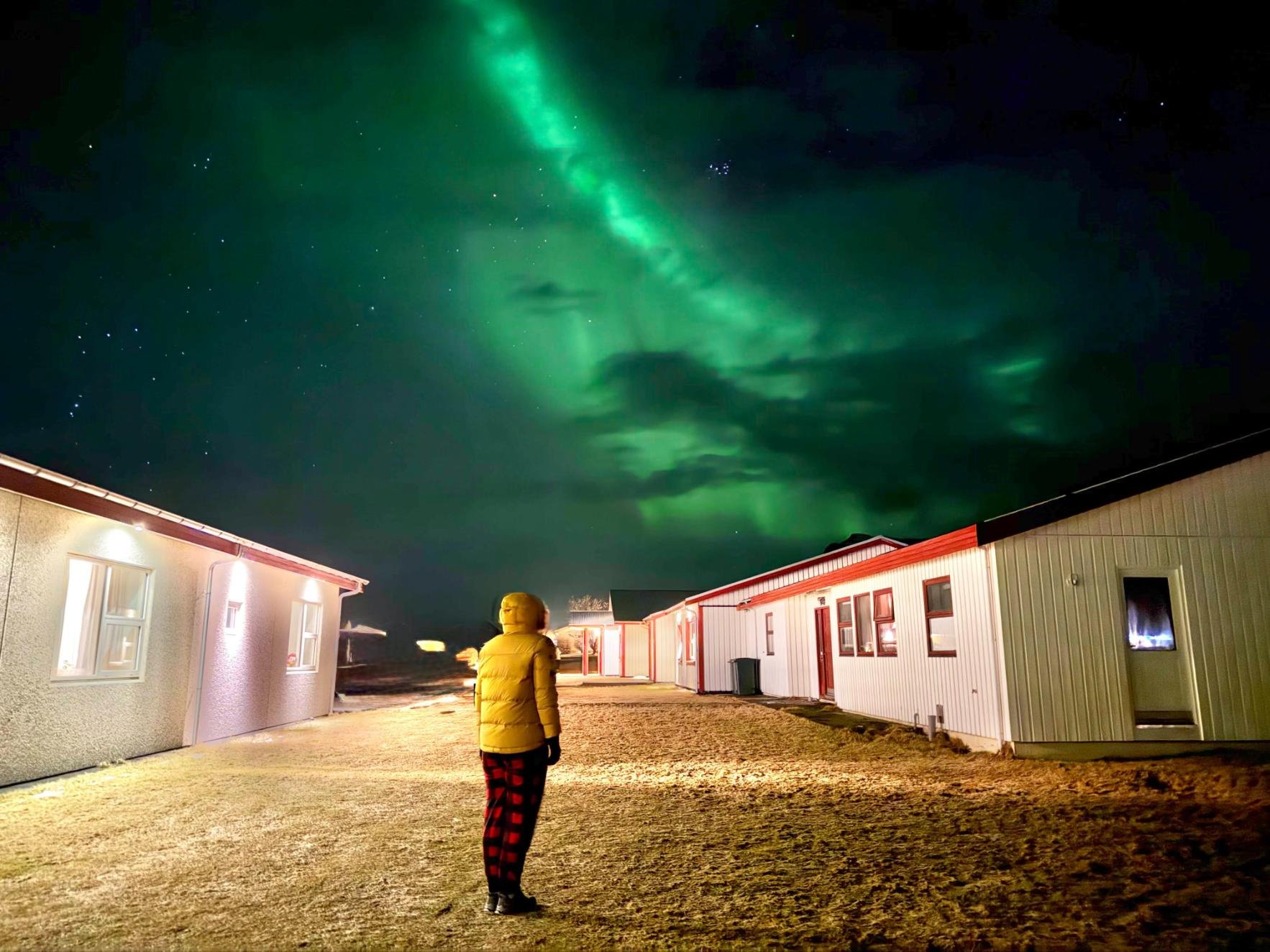
Watching the Northern Lights in Iceland doesn’t have to mean freezing outside with a tripod and a thermos. Although it has its magic and we really like it, we understand it’s not for everyone!
Some hotels let you do it the cozy way — wrapped in blankets, hot chocolate in hand, with green and pink ribbons dancing right above your bed.
We’ve picked the best Northern Lights hotels in Iceland — real places that balance comfort, location, and those once-in-a-lifetime aurora views.
You’ve seen the photos: glass igloos glowing under green skies, cozy cabins deep in Lapland, snow hotels made entirely of ice. It all looks unreal — and it is, until you find yourself standing outside at midnight, in –25°C, watching the aurora swirl above your room.
We haven’t stayed in every one of these hotels (we’re working on it, promise), but we’ve researched them, seen many in person, and talked to travelers who’ve frozen in all the right places. Here’s our handpicked list of the best hotels in Europe to see the Northern Lights in 2025, from Norway to Finland to Sweden — plus a few bonus picks in Iceland worth every chill.
If you’re searching for the best places to see northern lights, here’s the short answer: northern Norway, Iceland, Finnish Lapland, Sweden’s Abisko region, Greenland, Alaska, and parts of northern Canada consistently offer the highest visibility rates. The best months run from September to March in the northern hemisphere.
The northern lights don’t understand borders (and sometimes, neither do we).
If you’ve already dreamed your way through Iceland or Norway (see our Europe guide), here’s the global bucket list: the best places in the world to chase the aurora borealis — and even its southern twin, the aurora australis.
You’ve seen the photos. The swirls of green and purple. The ice hotels and starry skies. But how do you actually plan a Northern Lights trip in Europe without blowing your budget, freezing your face off, or ending up in the wrong place at the wrong time?
We’ve chased the aurora across Scandinavia and beyond — from cozy Finnish cabins to Swedish frozen lakes. We’ve waited hours in the cold, sometimes with a reward and sometimes with nothing except frostbite. We’ve tested apps, gear, and all the local tips we could get.
So, here’s our not-boring, fully practical guide to the best places to see the Northern Lights in Europe — and how to pick the one that matches your vibe.
Northern lights in Finnish Lapland
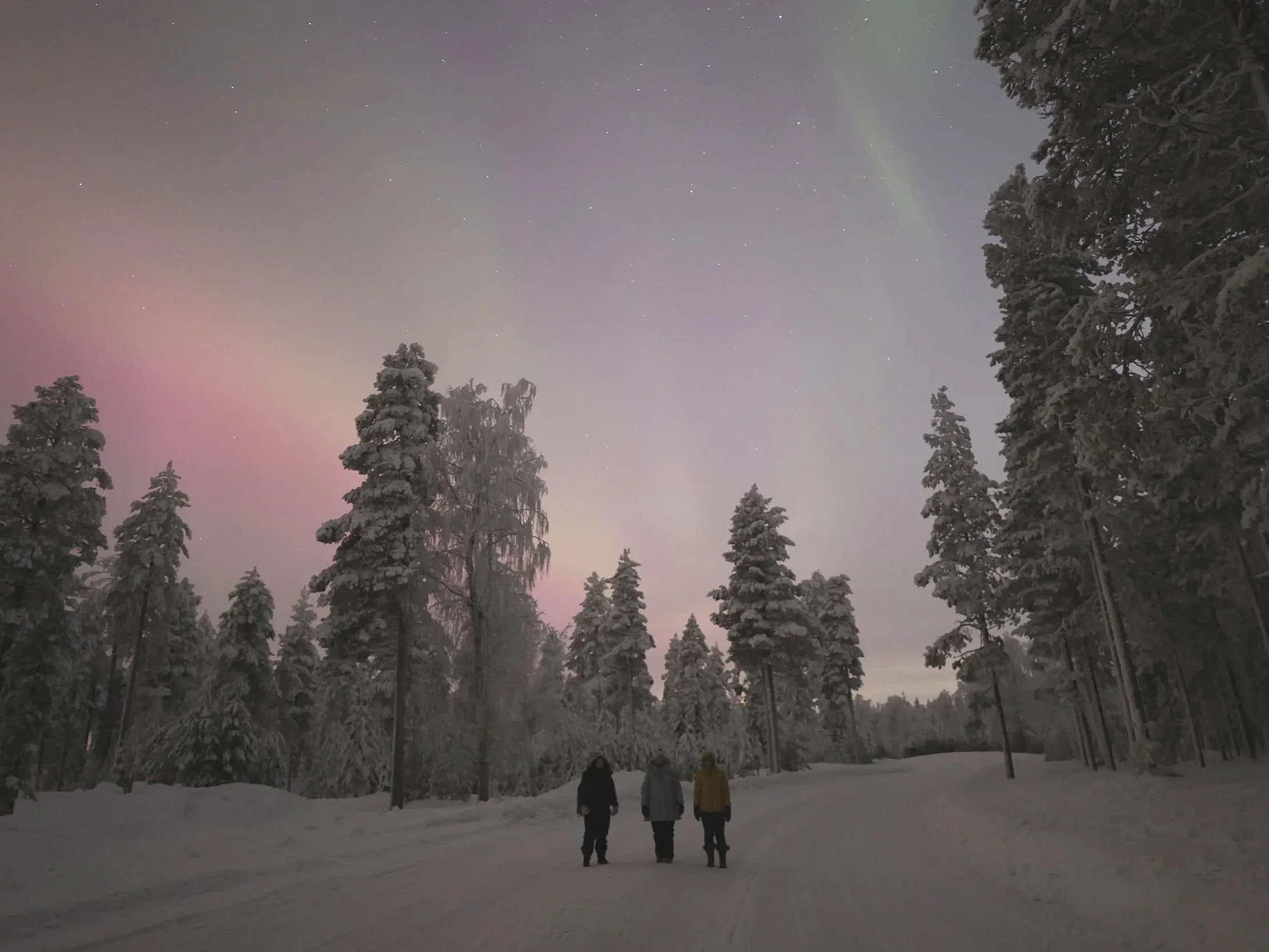
Rovaniemi sits right on the Arctic Circle and is easy to reach from all over Europe, but it's still a city with streetlights, so where you stand does more work here than in a lot of Lapland towns. And whether you've got a car changes everything. Here is how, when, and where to see the northern lights in Rovaniemi with or without a car.
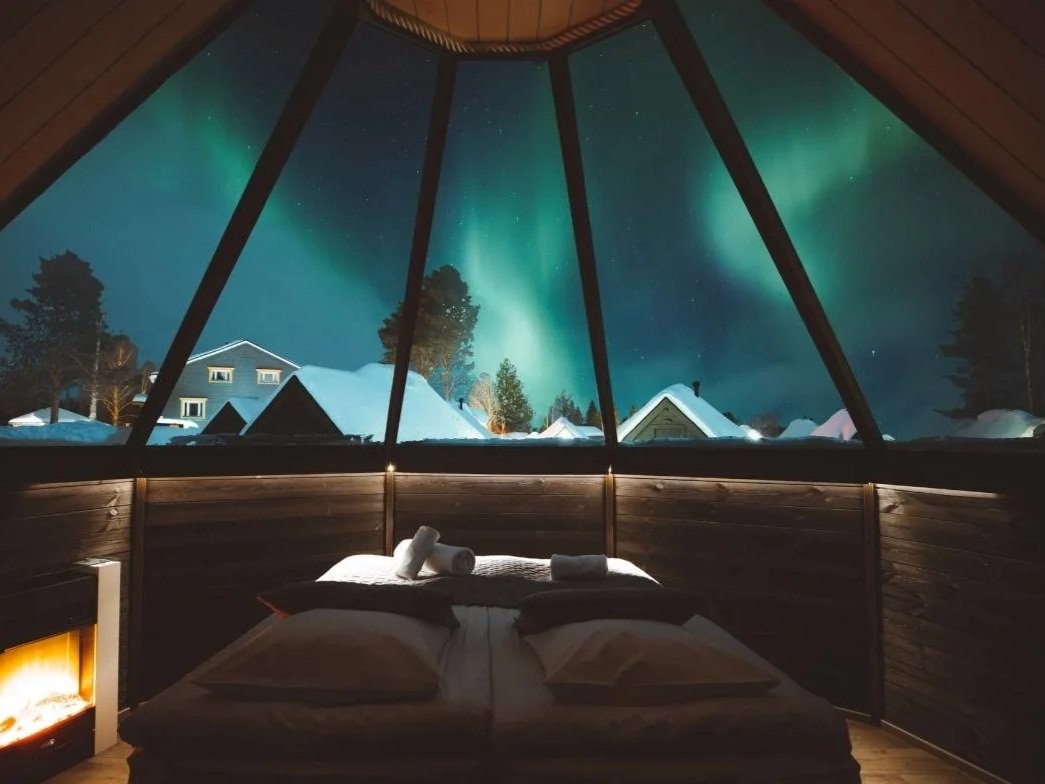
Every "best glass igloo" list in Finland points you toward the same photos. At Penguin Trampoline, we're not going to pretend we've slept in every one of them, because we haven't. We experienced the aurora igloo concept in Iceland, we visited the Arctic SnowHotel property (more on that below), and we dug into the rest property by property.
Here's what's different between them and what tends to move the price, and we also broke them down by region because we understand it’s a once-in-a-lifetime experience and you want to get it right!
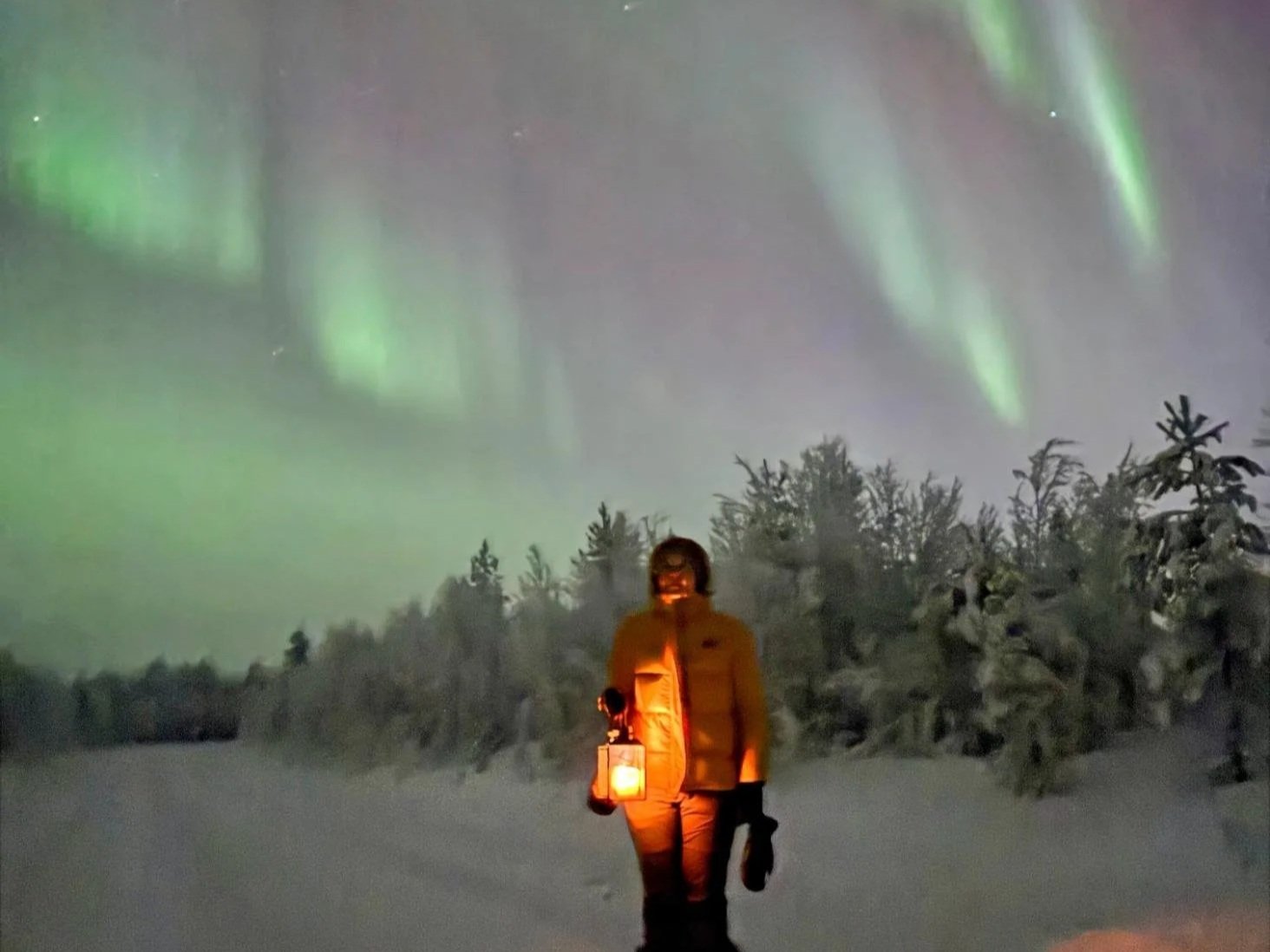
Rovaniemi alone has well over a hundred northern lights tours listed across Viator and GetYourGuide, and a lot of them read like the same three sentences reshuffled: local guide, real-time forecasts, "guaranteed" somewhere in the title. Levi and Saariselkä add their own smaller rosters on top of that. The listings aren't lying exactly, they're just marketing, and it's worth knowing what actually separates them before you hand over your evening.
This is the type-by-type breakdown: which tour gets you what, what "guaranteed" really means in Finnish Lapland specifically, and how to pick between a minibus, a snowmobile, and a husky sled when you've only got one or two free nights.
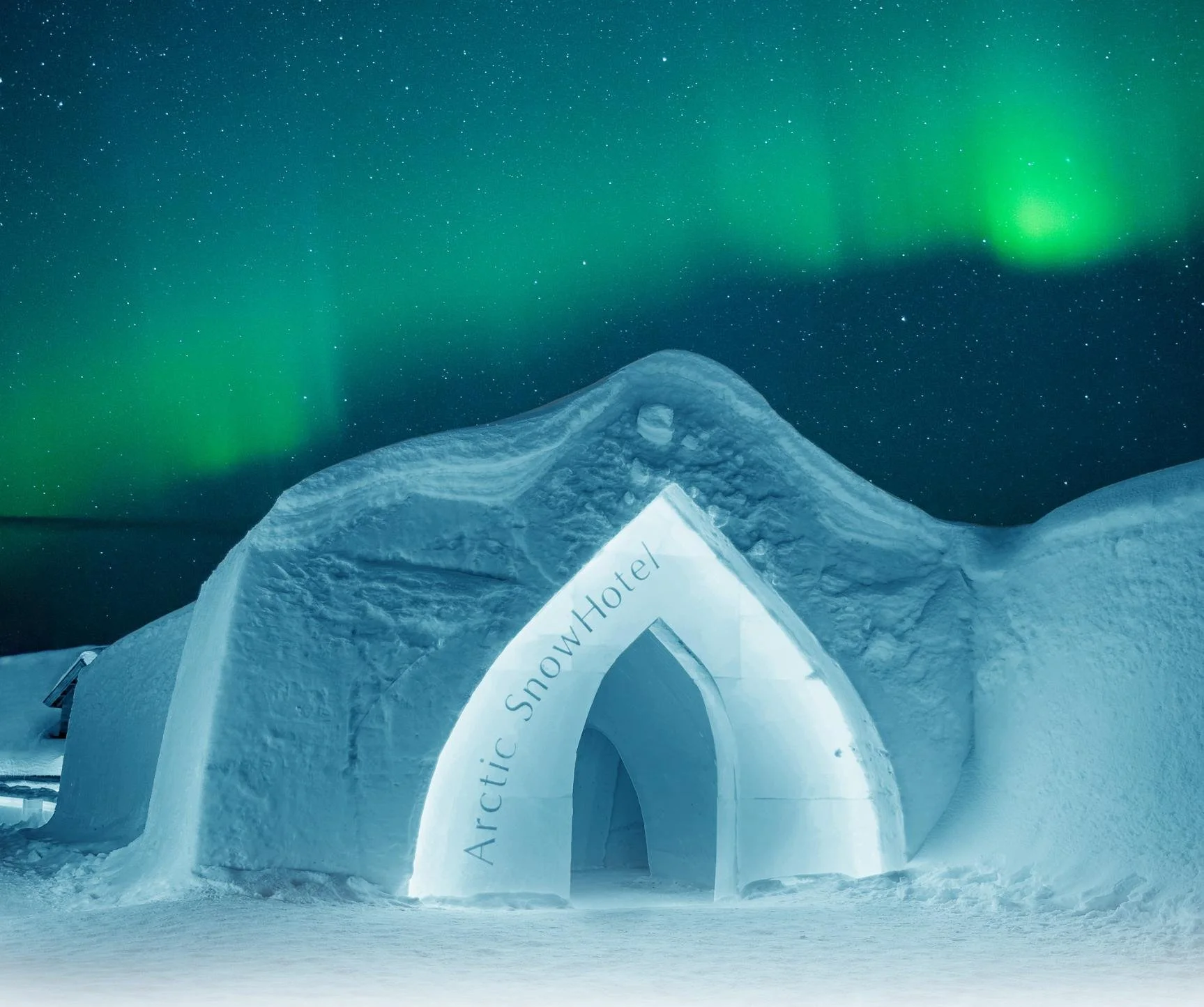
Every Finland aurora hotel roundup eventually points you to the same three glass igloos. Fair enough, they're famous for a reason. But Finnish Lapland runs from Levi in the west to Nellim on the Russian border, and the right bed for watching the sky depends more on which stretch of that region you're in than on whichever photo sold you on the trip in the first place.
We haven't slept in every single property on this list. What we did do is stay in one of these ourselves, visit most of the rest, and quietly drop a few famous names that don't hold up once you look past the marketing photos. Here's what's actually worth booking, split by what you want out of the stay: a glass roof over the bed, an ice hotel experience, a proper wilderness lodge, or a resort with enough going on to fill the hours between aurora checks.
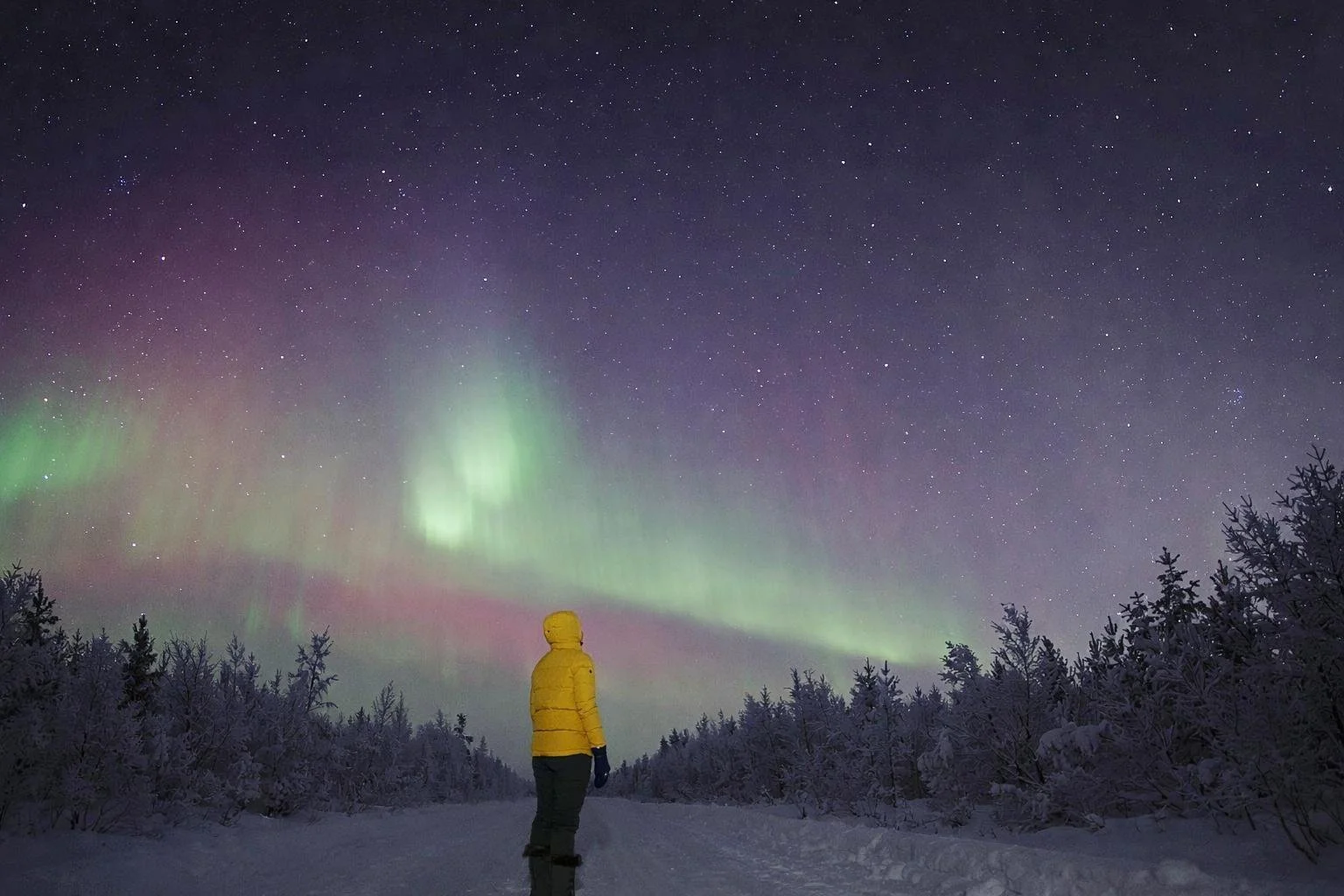
Lapland has a claim to the northern lights that few places can match: most of it sits inside the auroral oval, the band circling the North Pole where the aurora shows up most often and most reliably. We've chased it across the region, and the biggest decision was never really when to go. It was where.
This guide covers the two Lapland regions travelers usually book: Finnish Lapland (Rovaniemi, Levi, Saariselkä) and Swedish Lapland (Kiruna, Abisko, Luleå). Both sit well within aurora range. They just offer a different experience. If you’d rather chase the lights in Norway, we have a dedicated Arctic Norway page.
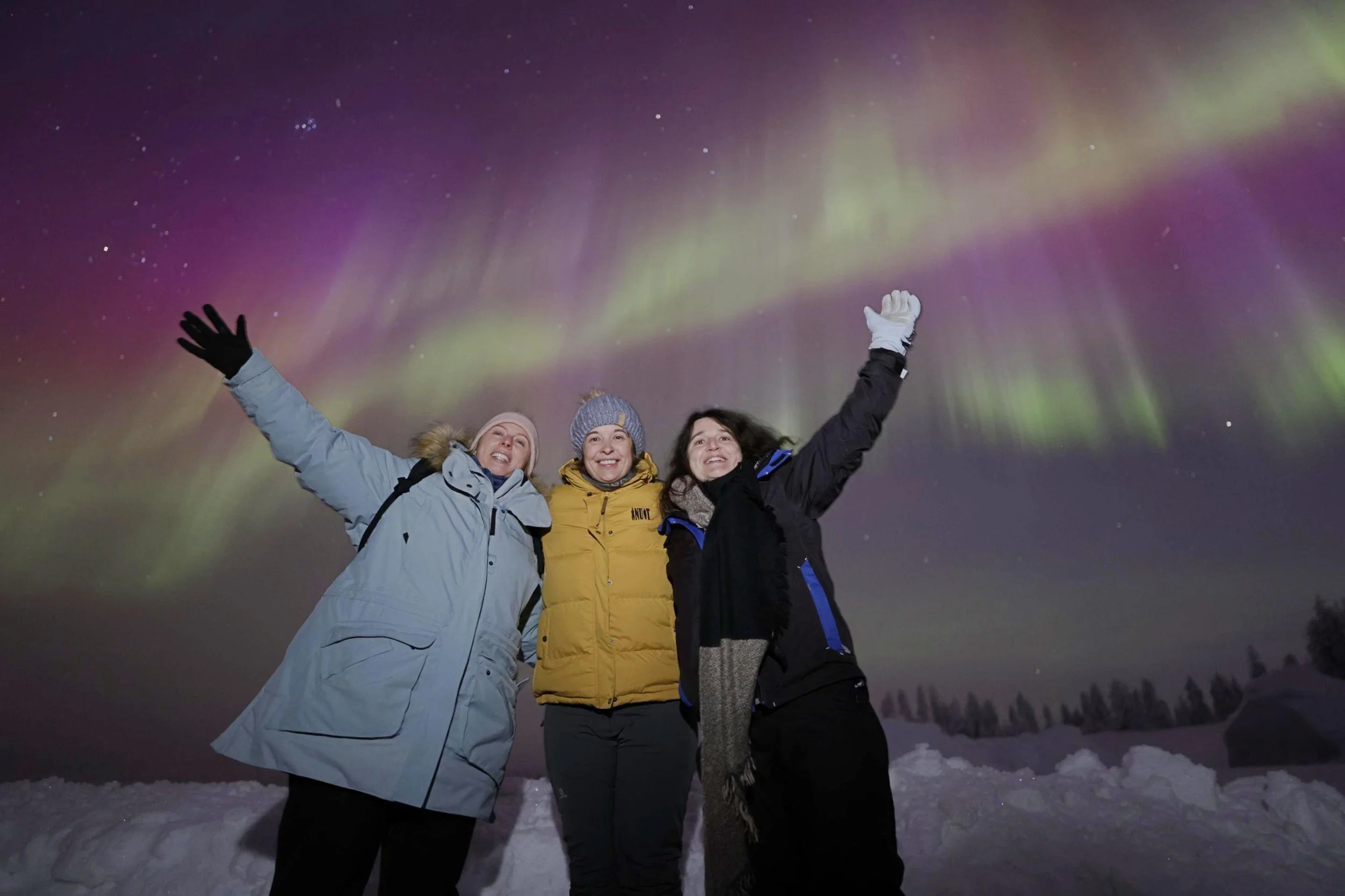
We’ll say this upfront: we usually don’t do northern lights tours.
We’re perfectly happy standing alone in the dark, refreshing forecasts, watching cloud maps like it’s a second job, and waiting patiently for the sky to make up its mind. That’s our normal rhythm.
But this Rovaniemi trip with my friends came with a few complicating factors.
We didn’t have a car. Clouds were threatening every single evening. One of my friends had never seen the northern lights. And we were staying close enough to the city that light pollution was always lurking in the background. Add a short stay to the mix, and suddenly “we’ll figure it out ourselves” starts feeling less noble and more risky.
So we booked a tour. And honestly? We’re really glad we did.
The 2025-2026 northern lights season has been exceptional so far, and one thing is clear: people aren’t just asking where to see the aurora anymore. They’re asking which kind of trip actually fits them.
Short stay or long trip?
Car or no car?
Tour or no tour?
Quiet or social?
First time or return visit?
This guide helps you choose the right northern lights destination based on your travel style, so your trip works in real life — not just on paper.
You’ve seen the photos: glass igloos glowing under green skies, cozy cabins deep in Lapland, snow hotels made entirely of ice. It all looks unreal — and it is, until you find yourself standing outside at midnight, in –25°C, watching the aurora swirl above your room.
We haven’t stayed in every one of these hotels (we’re working on it, promise), but we’ve researched them, seen many in person, and talked to travelers who’ve frozen in all the right places. Here’s our handpicked list of the best hotels in Europe to see the Northern Lights in 2025, from Norway to Finland to Sweden — plus a few bonus picks in Iceland worth every chill.
If you’re searching for the best places to see northern lights, here’s the short answer: northern Norway, Iceland, Finnish Lapland, Sweden’s Abisko region, Greenland, Alaska, and parts of northern Canada consistently offer the highest visibility rates. The best months run from September to March in the northern hemisphere.
The northern lights don’t understand borders (and sometimes, neither do we).
If you’ve already dreamed your way through Iceland or Norway (see our Europe guide), here’s the global bucket list: the best places in the world to chase the aurora borealis — and even its southern twin, the aurora australis.
You’ve seen the photos. The swirls of green and purple. The ice hotels and starry skies. But how do you actually plan a Northern Lights trip in Europe without blowing your budget, freezing your face off, or ending up in the wrong place at the wrong time?
We’ve chased the aurora across Scandinavia and beyond — from cozy Finnish cabins to Swedish frozen lakes. We’ve waited hours in the cold, sometimes with a reward and sometimes with nothing except frostbite. We’ve tested apps, gear, and all the local tips we could get.
So, here’s our not-boring, fully practical guide to the best places to see the Northern Lights in Europe — and how to pick the one that matches your vibe.
Northern lights in Swedish Lapland
Rovaniemi sits right on the Arctic Circle and is easy to reach from all over Europe, but it's still a city with streetlights, so where you stand does more work here than in a lot of Lapland towns. And whether you've got a car changes everything. Here is how, when, and where to see the northern lights in Rovaniemi with or without a car.
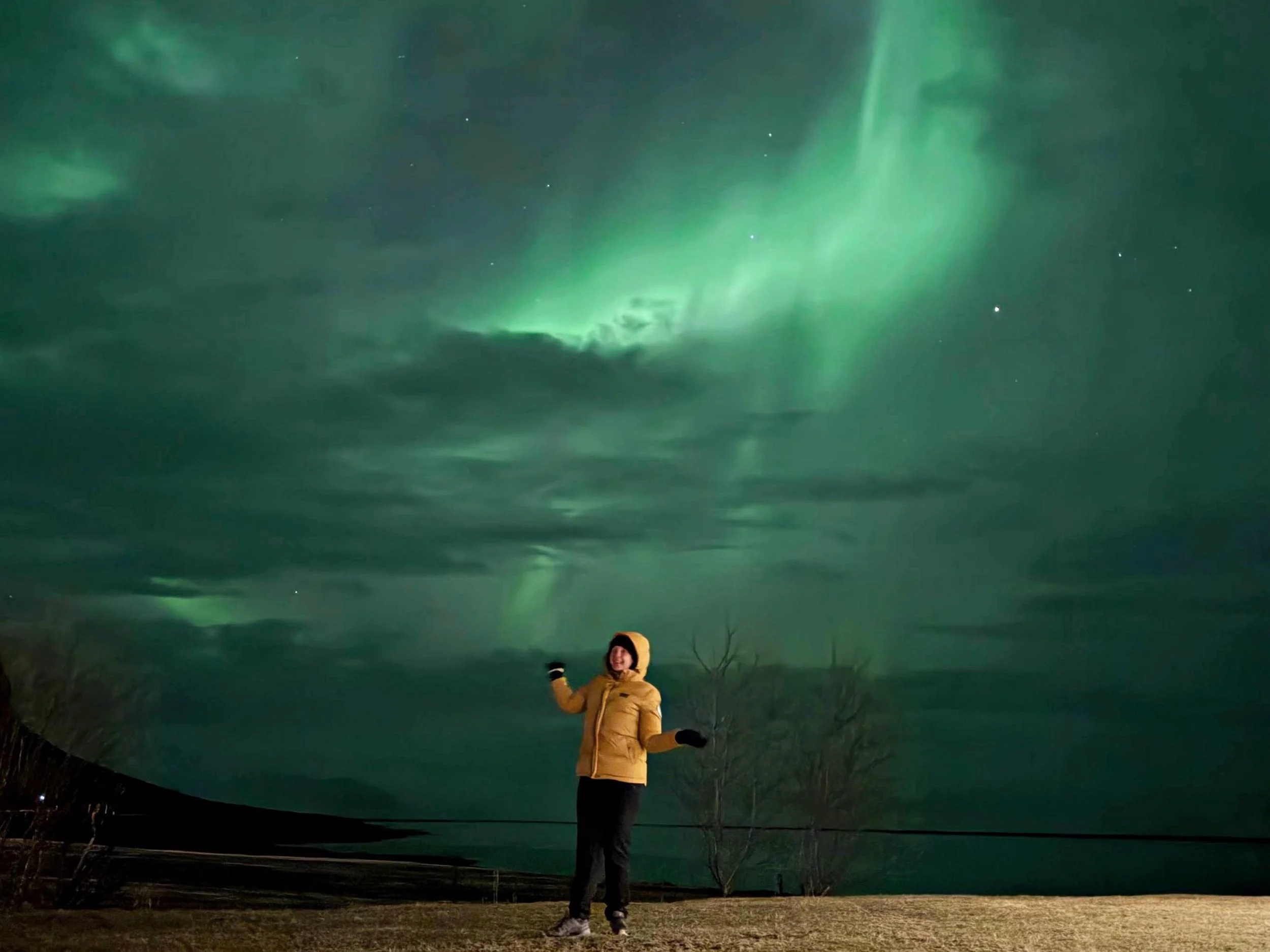
Sweden doesn't have one northern lights destination, it has three, and they don't behave the same way. Kiruna, Abisko, and Luleå, all in Lapland, each give you a real shot at the aurora, but for different reasons, and the right base depends on the kind of trip you're planning. This page is the fast version: where to go, when to go, what your odds really are, and whether you need a tour at all, based on two decades of experience chasing the aurora in the far north.
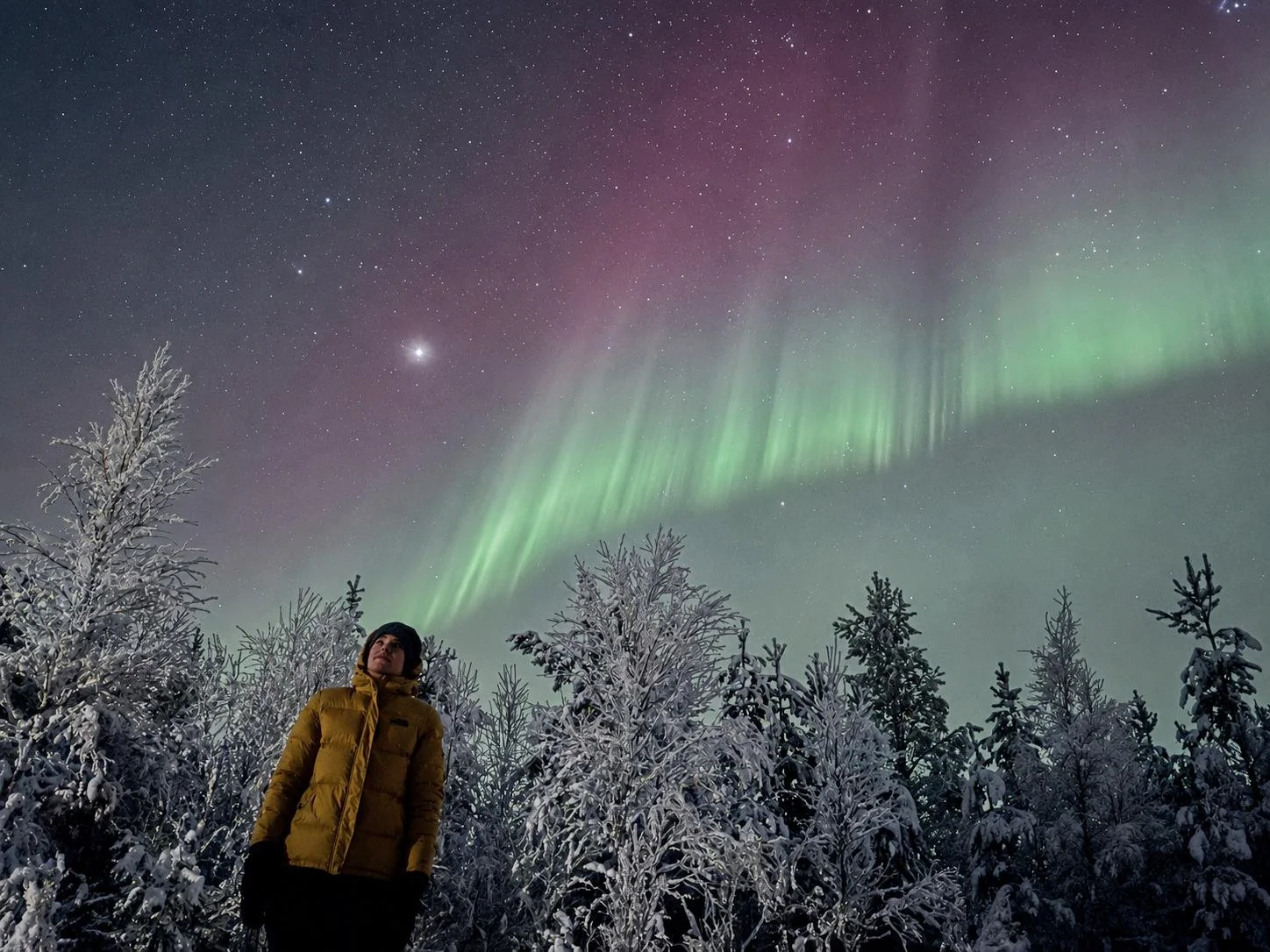
Sweden has three real bases for a northern lights tour: Kiruna, Abisko, and Luleå, all in Lapland. Each has its own tour scene, and we've covered each in depth elsewhere. This page is the fast version: how to pick a destination, what a good tour includes, and whether you need one at all.
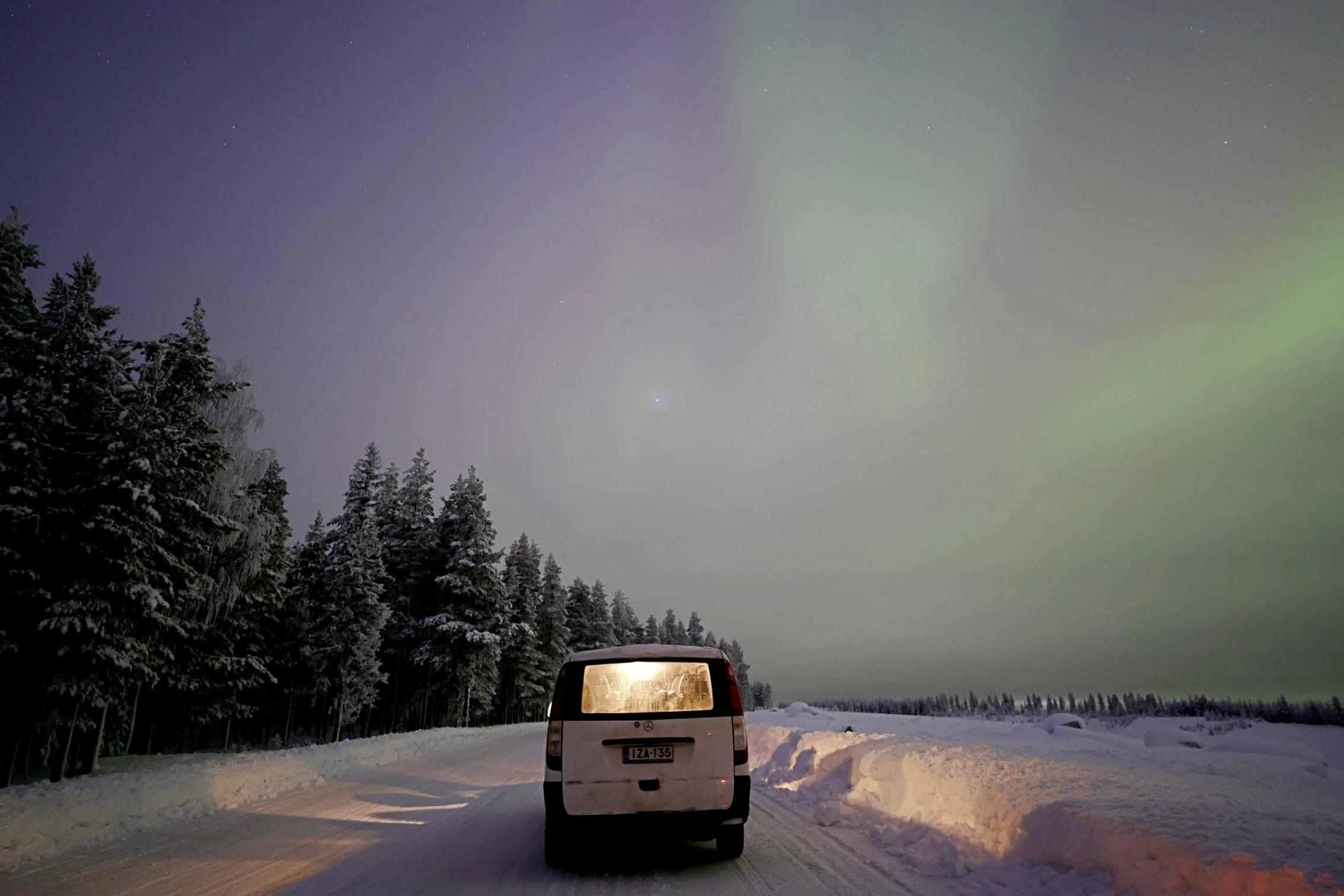
We've booked some aurora tours across Lapland over dozens of trips (including seven trips to Kiruna), sometimes to save ourselves the driving, sometimes because a friend visiting for the first time didn't want to gamble their one night on figuring it out alone. This is the breakdown we wish we'd had the first time: what each tour type gets you, what "guaranteed" tends to mean in Kiruna specifically, and how to choose between a minibus, a snowmobile, and a dog sled when you've only got one or two nights.
For the full picture on when to go, where to watch without a tour, and how Kiruna compares to Abisko, see our Northern Lights in Kiruna guide. This one is about the tours.
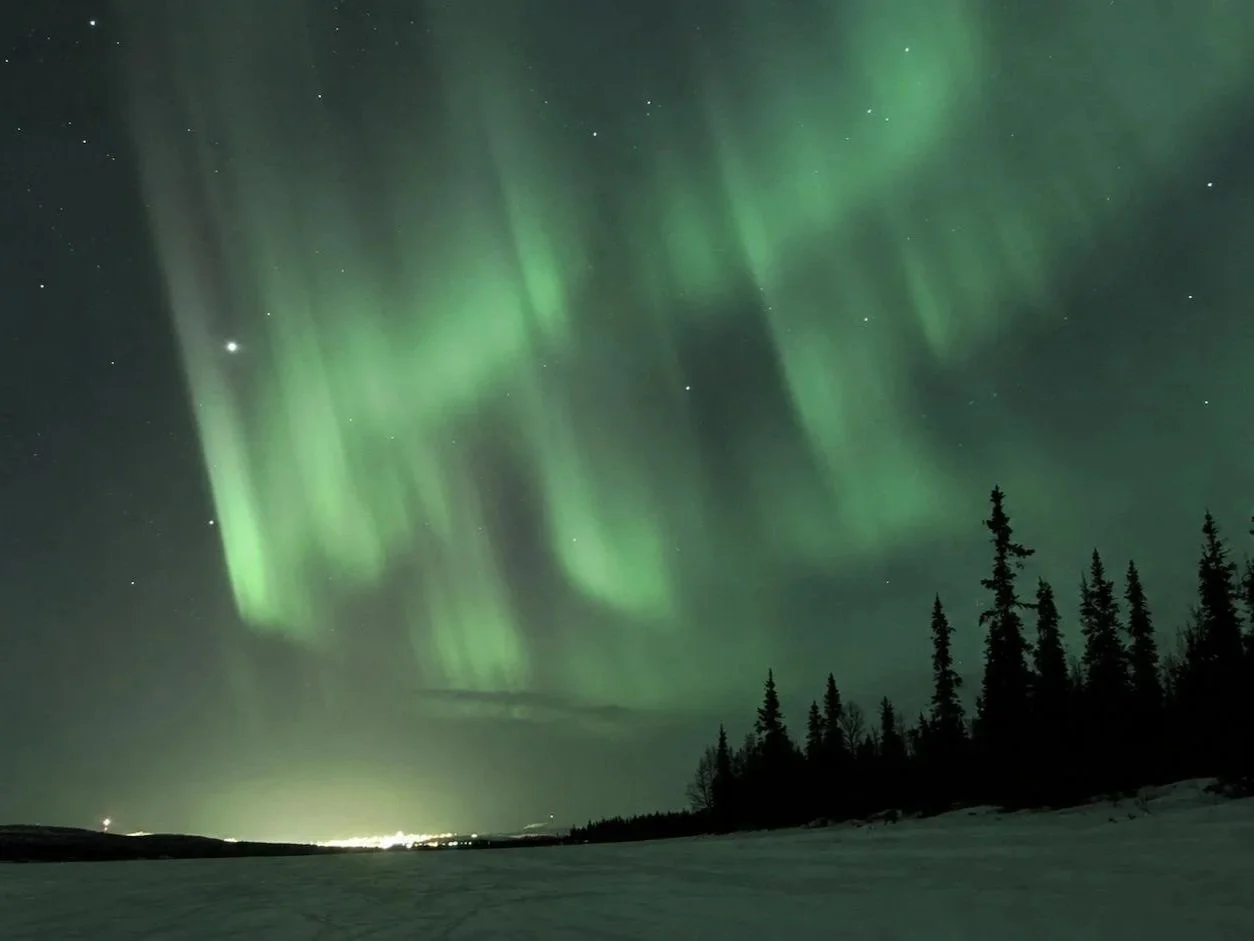
Kiruna, Swedish Lapland, is where my Arctic obsession actually began. I first came here as a student at Dalarna University back in 2007, fell for the place immediately, and ended up writing my master's thesis on polar destinations. I’ve been back seven times since, and Kiruna was also the first Arctic destination I ever brought Jake to. So when we talk about this sky, it's not theoretical!
Kiruna sits at 67.85°N, about 145 kilometers north of the Arctic Circle, which puts it well inside the auroral oval, the band of sky around the North Pole where the aurora shows up most often.
This guide covers when to go, where to watch (with or without a tour), how to check the forecast, and how Kiruna compares to nearby Abisko, since that's the question we get asked the most, and one we can answer from having tried both ourselves, more than once.
Rovaniemi alone has well over a hundred northern lights tours listed across Viator and GetYourGuide, and a lot of them read like the same three sentences reshuffled: local guide, real-time forecasts, "guaranteed" somewhere in the title. Levi and Saariselkä add their own smaller rosters on top of that. The listings aren't lying exactly, they're just marketing, and it's worth knowing what actually separates them before you hand over your evening.
This is the type-by-type breakdown: which tour gets you what, what "guaranteed" really means in Finnish Lapland specifically, and how to pick between a minibus, a snowmobile, and a husky sled when you've only got one or two free nights.
Every Finland aurora hotel roundup eventually points you to the same three glass igloos. Fair enough, they're famous for a reason. But Finnish Lapland runs from Levi in the west to Nellim on the Russian border, and the right bed for watching the sky depends more on which stretch of that region you're in than on whichever photo sold you on the trip in the first place.
We haven't slept in every single property on this list. What we did do is stay in one of these ourselves, visit most of the rest, and quietly drop a few famous names that don't hold up once you look past the marketing photos. Here's what's actually worth booking, split by what you want out of the stay: a glass roof over the bed, an ice hotel experience, a proper wilderness lodge, or a resort with enough going on to fill the hours between aurora checks.
Lapland has a claim to the northern lights that few places can match: most of it sits inside the auroral oval, the band circling the North Pole where the aurora shows up most often and most reliably. We've chased it across the region, and the biggest decision was never really when to go. It was where.
This guide covers the two Lapland regions travelers usually book: Finnish Lapland (Rovaniemi, Levi, Saariselkä) and Swedish Lapland (Kiruna, Abisko, Luleå). Both sit well within aurora range. They just offer a different experience. If you’d rather chase the lights in Norway, we have a dedicated Arctic Norway page.
The 2025-2026 northern lights season has been exceptional so far, and one thing is clear: people aren’t just asking where to see the aurora anymore. They’re asking which kind of trip actually fits them.
Short stay or long trip?
Car or no car?
Tour or no tour?
Quiet or social?
First time or return visit?
This guide helps you choose the right northern lights destination based on your travel style, so your trip works in real life — not just on paper.
Seeing the northern lights is one of those travel dreams that feels almost mythic — until you start planning it and suddenly everything involves icy roads, late-night driving, weather stress, and rental car disclaimers written in very small print.
Here’s the reassuring truth: you absolutely can see the northern lights without a car. In many cases, it’s not just easier — it’s smarter. We’ve done it plenty of times — Luleå, Alta, Kiruna, Rovaniemi, etc. — as we usually don’t rent a car in winter.
This guide is for travelers who want the aurora without white-knuckle winter driving, missed turnoffs in the dark, or constant road-condition checks. We’ll show you how it works, where it works best, and how to choose accommodation and tours that do the heavy lifting for you.
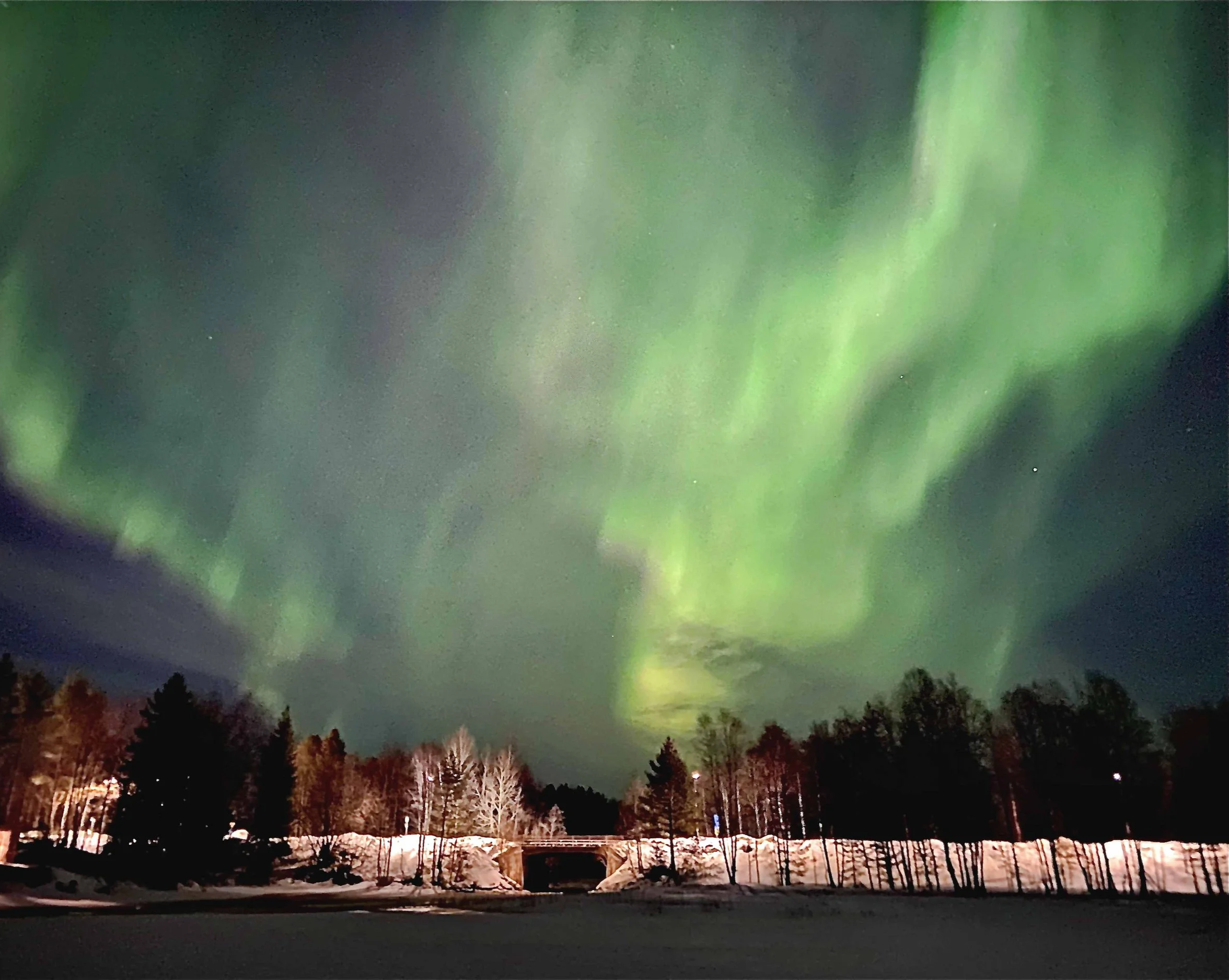
We’ve chased the aurora across every corner of the Arctic — Norway, Sweden, Finland, Greenland, Alaska — and Abisko is the one place where we show up relaxed. Clear skies are simply more common here. Locals from Kiruna drive to Abisko when it's cloudy. Photographers love it. And if you’re tired of stressing about forecasts, this is where you go to calm down and actually enjoy the night.

In Luleå, winter doesn’t whisper — it glows. Between November and March, nights stretch long enough for the Northern Lights to take over the sky, turning this quiet city on Sweden’s frozen coast into one of the Arctic’s most underrated aurora destinations.
We stayed there a week in February, and saw the aurora 3 nights in a row!
Most travelers rush north to Kiruna or Abisko — and miss Luleå’s secret: you can see the Northern Lights here without leaving civilization.
You’ve seen the photos: glass igloos glowing under green skies, cozy cabins deep in Lapland, snow hotels made entirely of ice. It all looks unreal — and it is, until you find yourself standing outside at midnight, in –25°C, watching the aurora swirl above your room.
We haven’t stayed in every one of these hotels (we’re working on it, promise), but we’ve researched them, seen many in person, and talked to travelers who’ve frozen in all the right places. Here’s our handpicked list of the best hotels in Europe to see the Northern Lights in 2025, from Norway to Finland to Sweden — plus a few bonus picks in Iceland worth every chill.
If you’re searching for the best places to see northern lights, here’s the short answer: northern Norway, Iceland, Finnish Lapland, Sweden’s Abisko region, Greenland, Alaska, and parts of northern Canada consistently offer the highest visibility rates. The best months run from September to March in the northern hemisphere.
The northern lights don’t understand borders (and sometimes, neither do we).
If you’ve already dreamed your way through Iceland or Norway (see our Europe guide), here’s the global bucket list: the best places in the world to chase the aurora borealis — and even its southern twin, the aurora australis.
You’ve seen the photos. The swirls of green and purple. The ice hotels and starry skies. But how do you actually plan a Northern Lights trip in Europe without blowing your budget, freezing your face off, or ending up in the wrong place at the wrong time?
We’ve chased the aurora across Scandinavia and beyond — from cozy Finnish cabins to Swedish frozen lakes. We’ve waited hours in the cold, sometimes with a reward and sometimes with nothing except frostbite. We’ve tested apps, gear, and all the local tips we could get.
So, here’s our not-boring, fully practical guide to the best places to see the Northern Lights in Europe — and how to pick the one that matches your vibe.
Northern lights in Greenland
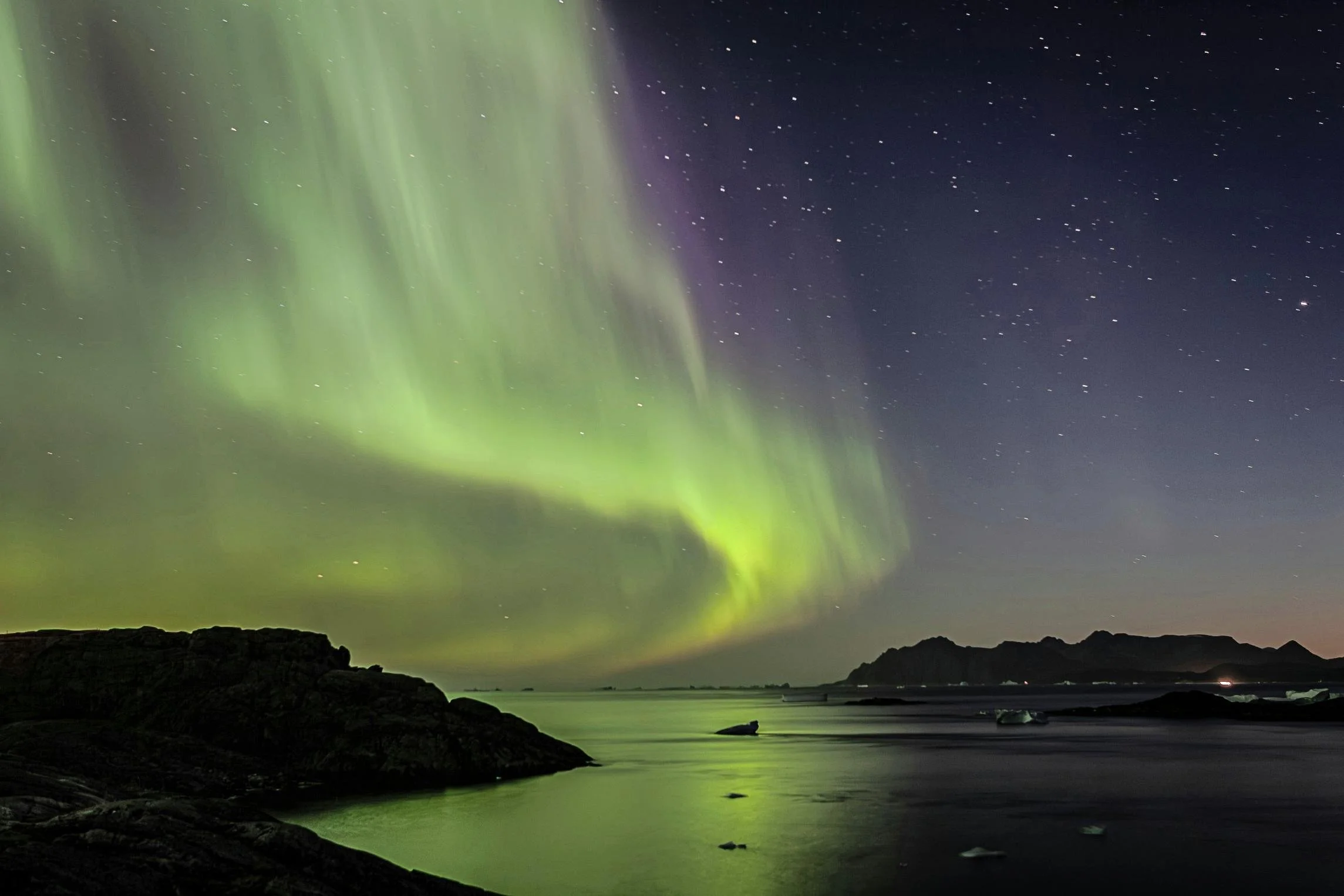
Most people chasing the aurora fly to Iceland or Norway. A smaller group goes to Lofoten. Almost nobody thinks of Greenland for the northern lights — which is, depending on how you weigh the variables, one of the best decisions any aurora hunter could make. The country spans from 60°N to 83°N, sits squarely inside the auroral oval across most of its territory, has almost no light pollution, and offers a sky backdrop that no other northern lights destination in Europe can match: icebergs the size of apartment buildings, lit green from above.
The reason Greenland doesn't dominate aurora travel lists is the same reason it doesn't dominate any travel list — getting here requires a deliberate decision, not a budget flight from London. But for those who make that decision, Greenland northern lights are a different category of experience.
So what does it actually take to see the northern lights in Greenland — and is it worth the effort compared to Iceland or Norway? Here’s how to think about it, and how to plan it properly.
If you’re searching for the best places to see northern lights, here’s the short answer: northern Norway, Iceland, Finnish Lapland, Sweden’s Abisko region, Greenland, Alaska, and parts of northern Canada consistently offer the highest visibility rates. The best months run from September to March in the northern hemisphere.
The northern lights don’t understand borders (and sometimes, neither do we).
If you’ve already dreamed your way through Iceland or Norway (see our Europe guide), here’s the global bucket list: the best places in the world to chase the aurora borealis — and even its southern twin, the aurora australis.
You’ve seen the photos. The swirls of green and purple. The ice hotels and starry skies. But how do you actually plan a Northern Lights trip in Europe without blowing your budget, freezing your face off, or ending up in the wrong place at the wrong time?
We’ve chased the aurora across Scandinavia and beyond — from cozy Finnish cabins to Swedish frozen lakes. We’ve waited hours in the cold, sometimes with a reward and sometimes with nothing except frostbite. We’ve tested apps, gear, and all the local tips we could get.
So, here’s our not-boring, fully practical guide to the best places to see the Northern Lights in Europe — and how to pick the one that matches your vibe.
Northern lights in the Faroe Islands
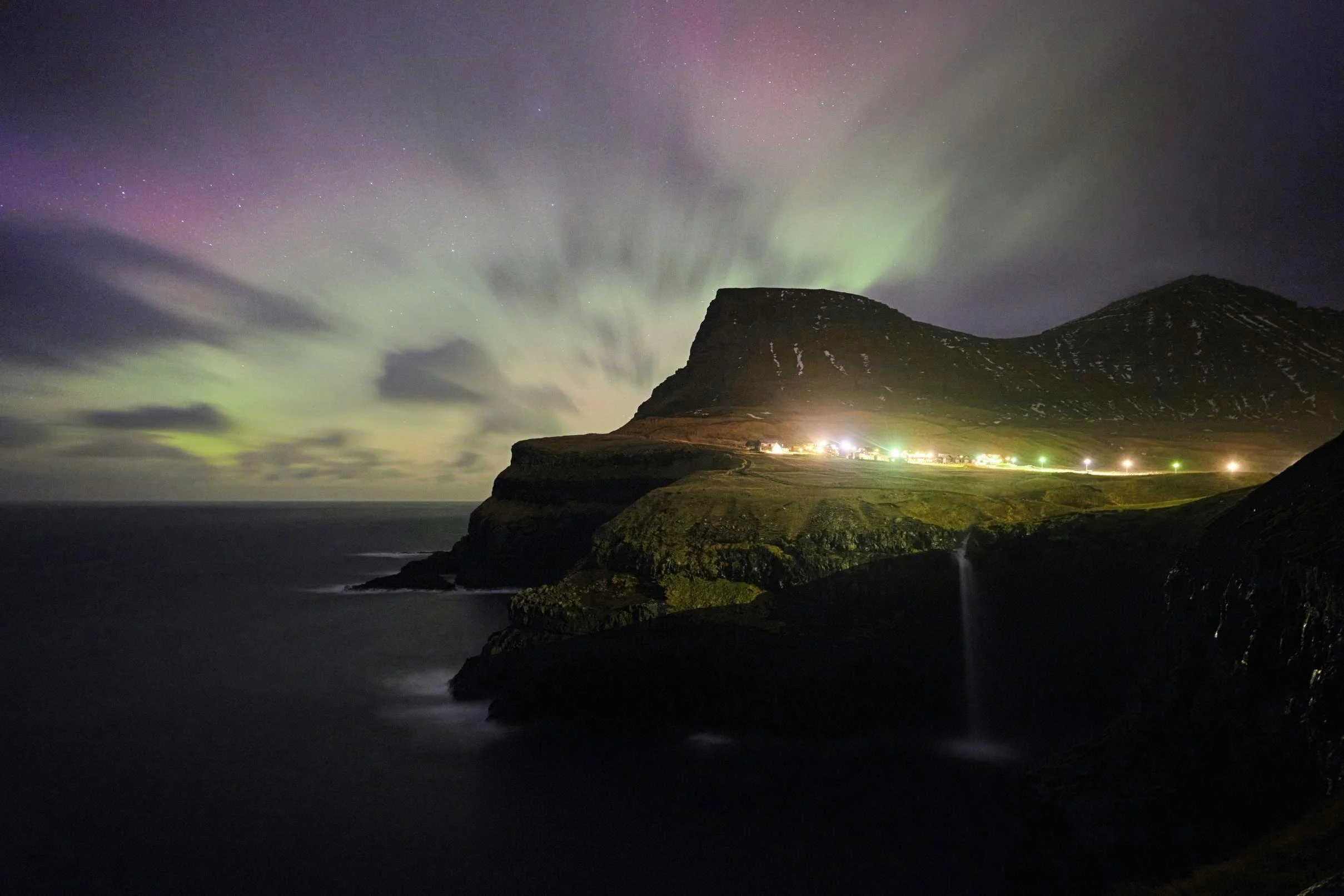
Yes, you can see the northern lights in the Faroe Islands. The question people should be asking isn't whether the aurora appears here — it does — but what it takes for it to appear, and how honest you're willing to be with yourself about the weather. The Faroes are not Iceland. They are not Lofoten. They sit at a latitude where the northern lights demand stronger geomagnetic conditions to show up, and they sit in the North Atlantic, which means cloud cover is a near-permanent feature of life. None of this means you shouldn't come. It means you should come prepared and have realistic expectations.
When the aurora does appear over the Faroe Islands, the backdrop is incredible. Sea cliffs dropping hundreds of meters into the ocean. Grass-roofed villages clinging to hillsides above invisible fjords. A darkness so complete that the Milky Way fills the gaps between passing storm clouds. The Faroes offer an aurora experience that is different — wilder, more remote, less curated — from anywhere else you can chase the lights in Europe.
You’ve seen the photos. The swirls of green and purple. The ice hotels and starry skies. But how do you actually plan a Northern Lights trip in Europe without blowing your budget, freezing your face off, or ending up in the wrong place at the wrong time?
We’ve chased the aurora across Scandinavia and beyond — from cozy Finnish cabins to Swedish frozen lakes. We’ve waited hours in the cold, sometimes with a reward and sometimes with nothing except frostbite. We’ve tested apps, gear, and all the local tips we could get.
So, here’s our not-boring, fully practical guide to the best places to see the Northern Lights in Europe — and how to pick the one that matches your vibe.
Northern lights in Canada and Alaska
The 2025-2026 northern lights season has been exceptional so far, and one thing is clear: people aren’t just asking where to see the aurora anymore. They’re asking which kind of trip actually fits them.
Short stay or long trip?
Car or no car?
Tour or no tour?
Quiet or social?
First time or return visit?
This guide helps you choose the right northern lights destination based on your travel style, so your trip works in real life — not just on paper.
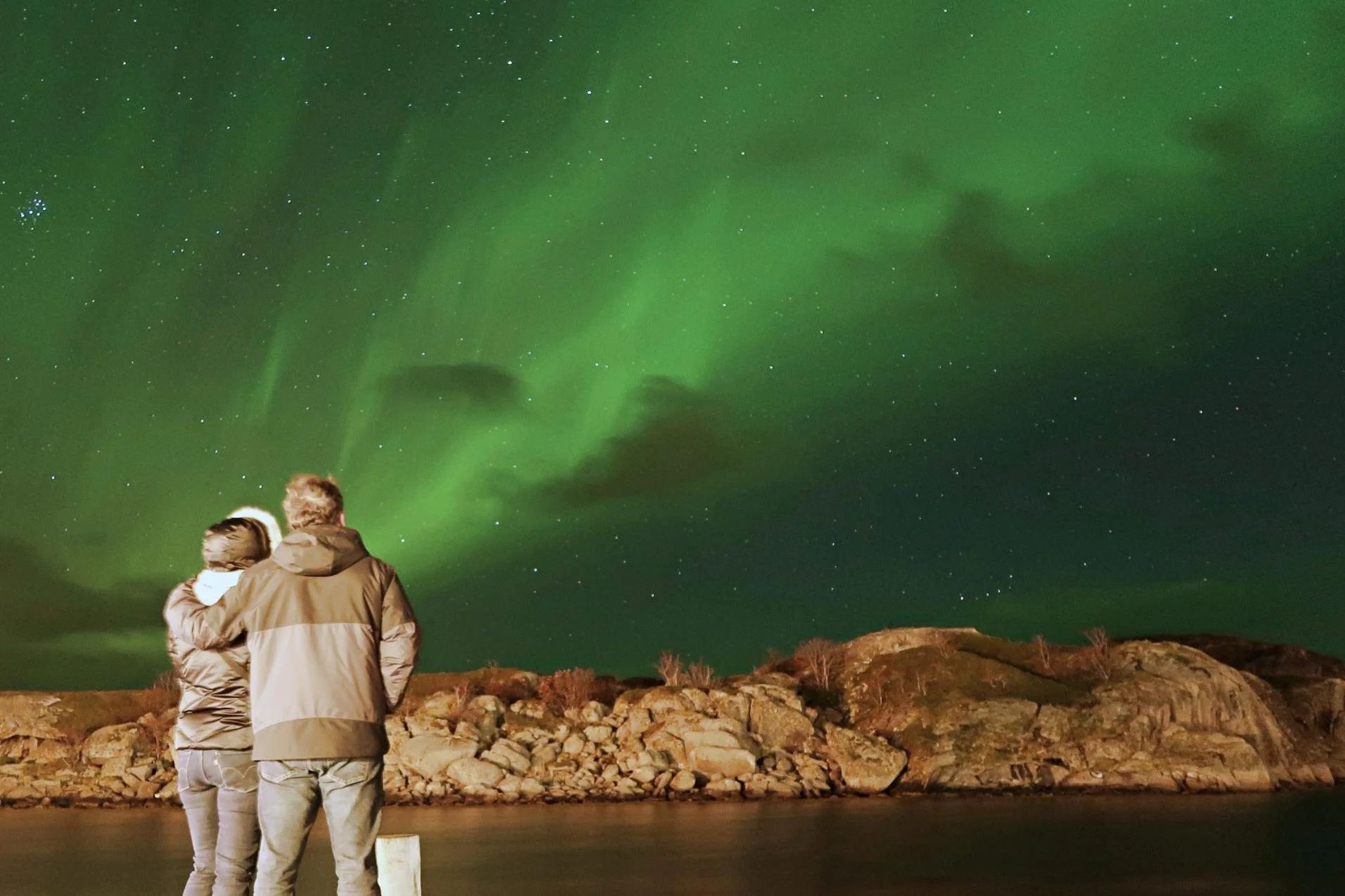
So you want to catch the Northern Lights? Smart move. But here’s the thing — the aurora doesn’t just show up on demand like a Netflix show (or, as a local joked in Alaska, by activating a switch). Timing is (almost) everything. Get it right, add a pinch of luck, and you’ll be under a sky on fire. Get it wrong and… well, you’ll just be staring at some very expensive clouds or, at least, a stunning starry sky.
This guide covers the best months and seasons to see the Northern Lights (in Europe, North America, and even the Southern Hemisphere), plus a few insider tips — and some gear recs — to up your odds...
If you’re searching for the best places to see northern lights, here’s the short answer: northern Norway, Iceland, Finnish Lapland, Sweden’s Abisko region, Greenland, Alaska, and parts of northern Canada consistently offer the highest visibility rates. The best months run from September to March in the northern hemisphere.
The northern lights don’t understand borders (and sometimes, neither do we).
If you’ve already dreamed your way through Iceland or Norway (see our Europe guide), here’s the global bucket list: the best places in the world to chase the aurora borealis — and even its southern twin, the aurora australis.
Aurora Essentials
So you want to catch the Northern Lights? Smart move. But here’s the thing — the aurora doesn’t just show up on demand like a Netflix show (or, as a local joked in Alaska, by activating a switch). Timing is (almost) everything. Get it right, add a pinch of luck, and you’ll be under a sky on fire. Get it wrong and… well, you’ll just be staring at some very expensive clouds or, at least, a stunning starry sky.
This guide covers the best months and seasons to see the Northern Lights (in Europe, North America, and even the Southern Hemisphere), plus a few insider tips — and some gear recs — to up your odds...
You’ve seen the photos: glass igloos glowing under green skies, cozy cabins deep in Lapland, snow hotels made entirely of ice. It all looks unreal — and it is, until you find yourself standing outside at midnight, in –25°C, watching the aurora swirl above your room.
We haven’t stayed in every one of these hotels (we’re working on it, promise), but we’ve researched them, seen many in person, and talked to travelers who’ve frozen in all the right places. Here’s our handpicked list of the best hotels in Europe to see the Northern Lights in 2025, from Norway to Finland to Sweden — plus a few bonus picks in Iceland worth every chill.
The northern lights seem to be everywhere on social media. A couple of decades ago, this breathtaking natural phenomenon was only accessible to just a few lucky people. Now, it’s easier than ever to try and see them.
But between the best locations, when to go, the weather forecast, and the more scientific details such as the Kp-index (Kp-what?), it's not always easy to know where to start.
So if the northern lights have been on your bucket list for a while, keep reading for a few northern lights tips!
If you’re searching for the best places to see northern lights, here’s the short answer: northern Norway, Iceland, Finnish Lapland, Sweden’s Abisko region, Greenland, Alaska, and parts of northern Canada consistently offer the highest visibility rates. The best months run from September to March in the northern hemisphere.
The northern lights don’t understand borders (and sometimes, neither do we).
If you’ve already dreamed your way through Iceland or Norway (see our Europe guide), here’s the global bucket list: the best places in the world to chase the aurora borealis — and even its southern twin, the aurora australis.
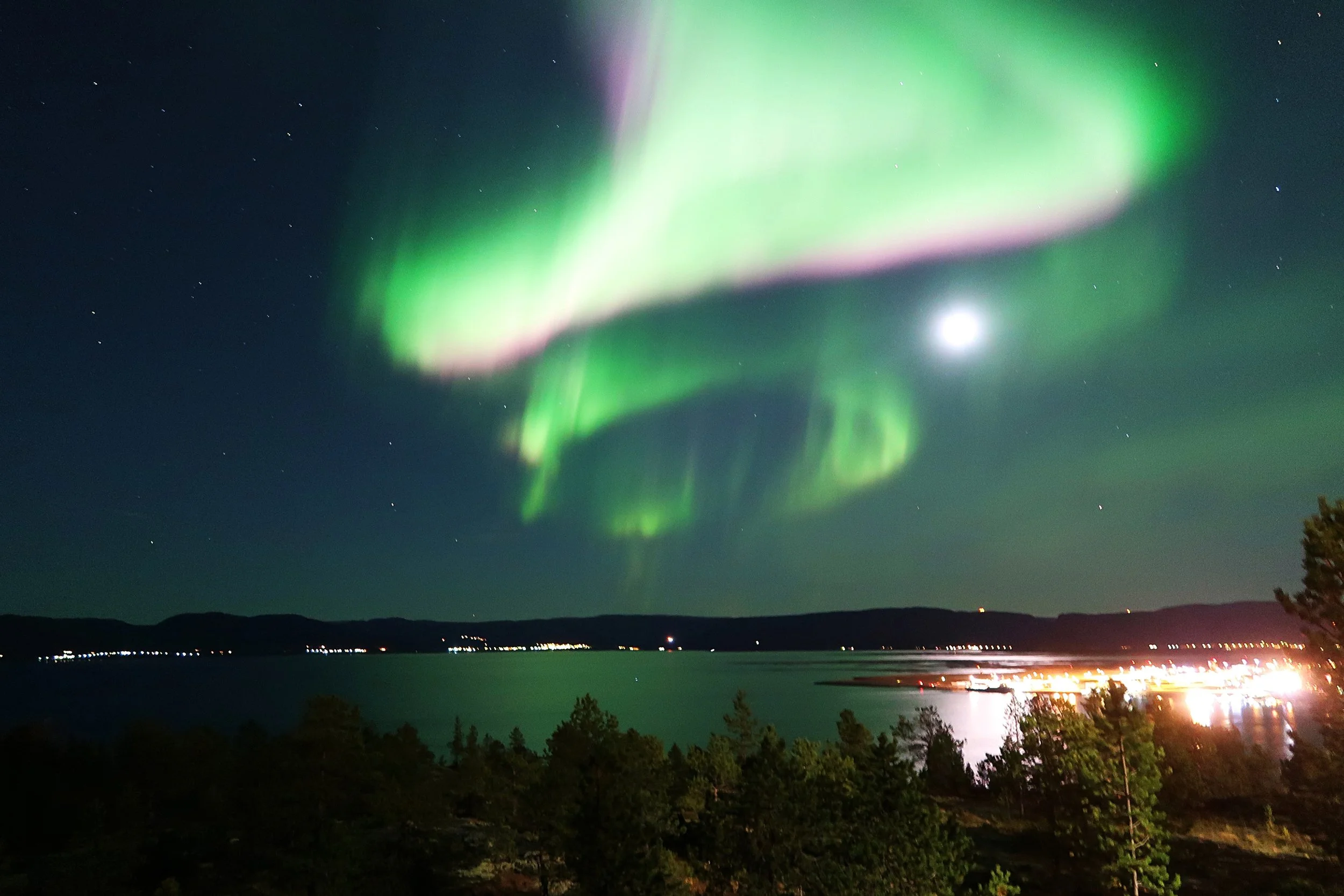
The Northern Lights are one of those rare things that live up to the hype. They look like magic — glowing curtains of green, pink, and purple rippling across the night sky. But behind the wow-factor is a cocktail of solar physics, Earth’s magnetic field, and a bit of folklore humans have been spinning for centuries.
This guide breaks down what the Northern Lights actually are, how they form, why they come in different colors, and the surprising ways they affect both people and animals — without turning into a boring science lecture. We’ll even talk about the different shapes they take, so you can show off at the next party (providing your friends are nerds like us!)
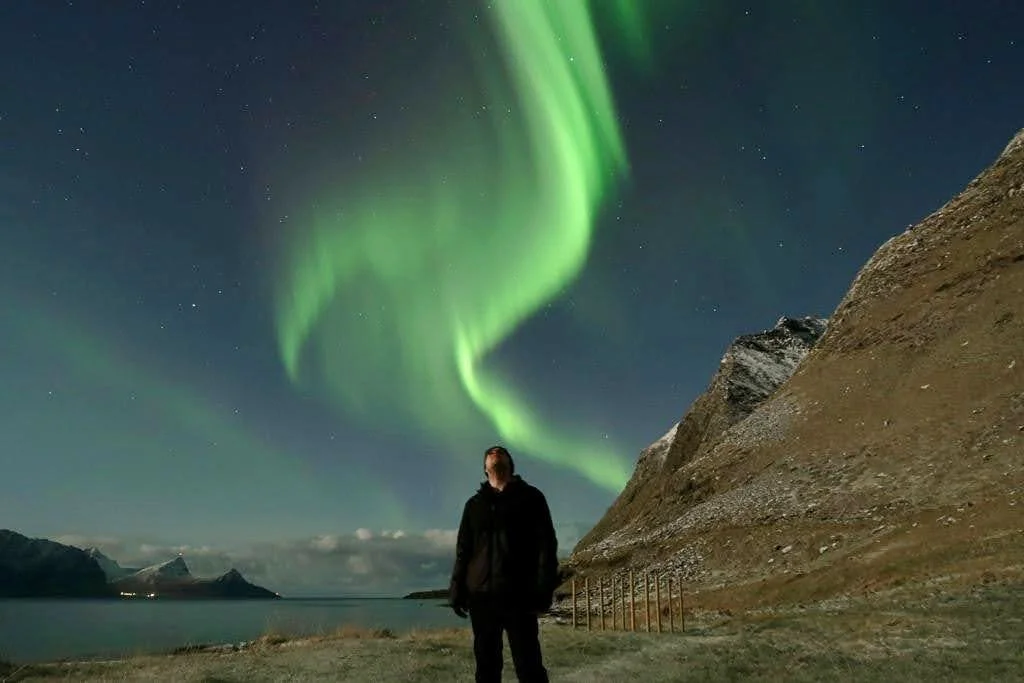
The aurora is wild enough on its own. But try to photograph it and suddenly you’re fighting the dark, the cold, and a camera that refuses to focus. And by the time you figure it out, Lady Aurora is already gone. Don’t panic: you don’t need to be a pro to bring home shots that look like they belong on a postcard — or at least on Insta. You just need a little prep, the right gear, and a few tricks to outsmart the Arctic night.
This is your beginner-friendly guide to photographing the Northern Lights — no tech snobbery, no 200-page manual, just clear steps to help you capture the sky on fire.
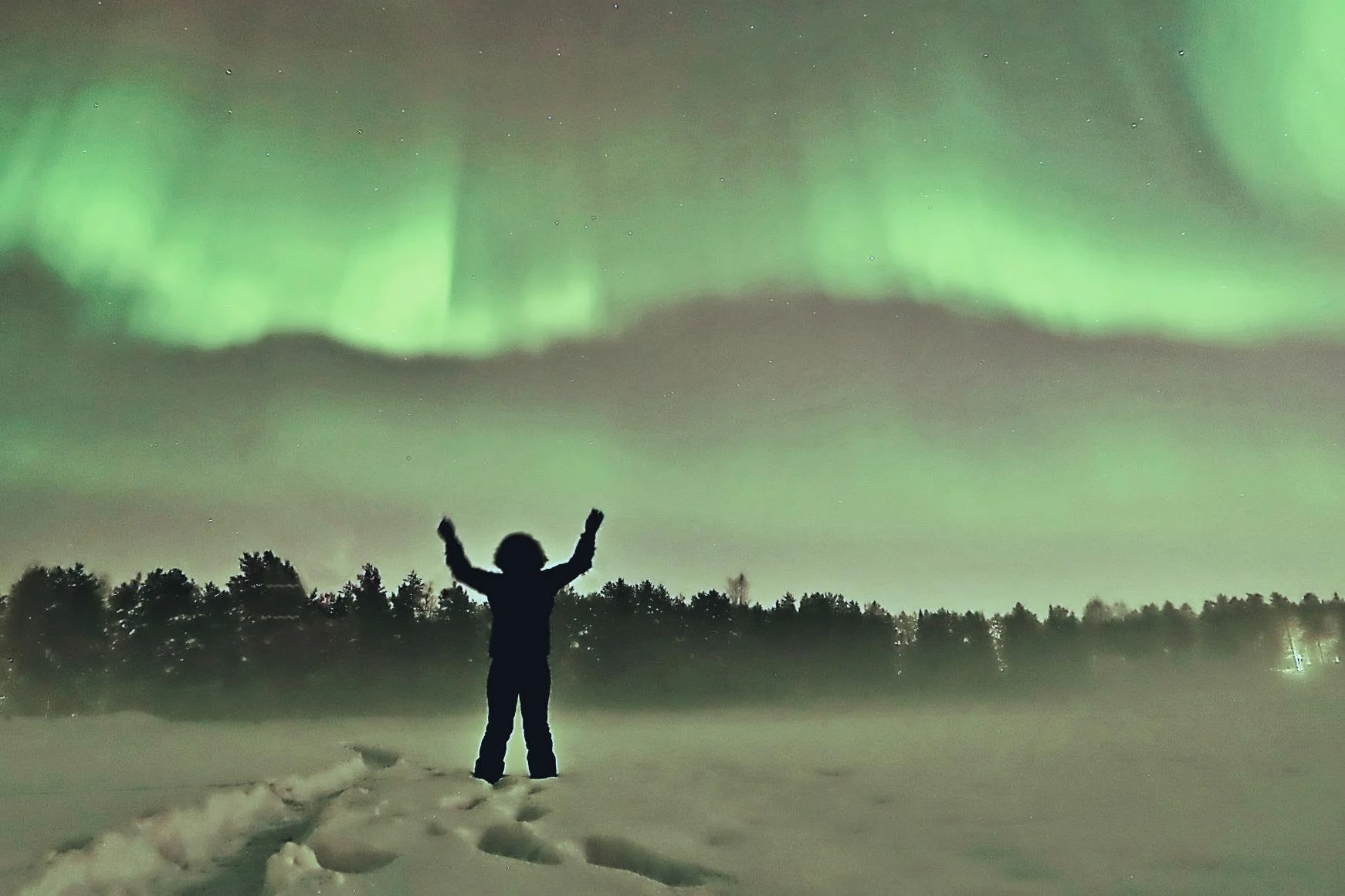
So you’ve booked your aurora adventure. Flights? Check. Camera? Charged. Excitement level? Off the charts. But here’s the deal — the Northern Lights love the kind of weather that can turn your eyelashes into icicles. We’ve been there —repeatedly. Yes, voluntarily. And we know how to dress for our beloved Arctic! But show up unprepared and you’ll spend more time shivering than stargazing.
This guide is your survival kit: what to wear, how to layer, and the gear that actually keeps you warm at –30°C while waiting for the sky to put on a show.
You’ve seen the photos. The swirls of green and purple. The ice hotels and starry skies. But how do you actually plan a Northern Lights trip in Europe without blowing your budget, freezing your face off, or ending up in the wrong place at the wrong time?
We’ve chased the aurora across Scandinavia and beyond — from cozy Finnish cabins to Swedish frozen lakes. We’ve waited hours in the cold, sometimes with a reward and sometimes with nothing except frostbite. We’ve tested apps, gear, and all the local tips we could get.
So, here’s our not-boring, fully practical guide to the best places to see the Northern Lights in Europe — and how to pick the one that matches your vibe.
Frequently Asked Questions
-
The best time is generally between late September and early April, when nights are long and dark enough for visibility. Clear skies and solar activity matter more than exact dates, but our guide to the best time to see the northern lights covers it in details.
-
The most reliable locations are within or near the Arctic Circle, including northern Norway, Finland, Sweden, Iceland, and parts of Alaska. Local weather conditions are often more important than the exact destination. Read our guide to the best places to see the northern lights in Europe, and in the world.
-
Yes, especially in remote areas with low light pollution. However, tours can significantly increase your chances by taking you to areas with better conditions and local expertise. Read our guide: Northern lights without a car.
-
On short trips (2–5 days), sightings are never guaranteed. Longer stays and flexibility improve your chances, as Aurora visibility depends heavily on weather and solar activity.
-
You need three main factors: dark skies, clear weather, and solar activity. Even strong forecasts can fail if cloud cover is present, so patience is essential. Read our guide: Northern Lights for Dummies for all the information you need.
-
Expect unpredictability. Seeing the Aurora is never guaranteed, and conditions often require waiting in cold, dark environments. The experience is as much about the Arctic atmosphere as the lights themselves.
Alta gets called the northern lights capital of Norway for a reason. Dark skies, low light pollution once you're a bit outside of town, and an aurora season that runs from late September through early April. And, as usual with northern lights, where you sleep matters. This is a rundown of the best northern lights hotels in Alta to optimize your chances.