
Travel Advice
Travel better and smarter
In this section, passports are the pages and wanderlust is the ink that colors our articles!
Whether you're a seasoned nomad seeking new trails or a first-time explorer — or penguin — itching to spread your wings, consider this your virtual ticket to a world brimming with culture, flavors, and endless adventures.
Make the best of your journey with savvy tips, budget hacks, and insider knowledge.
We’ll help you to overcome jet lag, save big, uncover top-notch accommodations — with a view! —, discover prime spots for capturing the northern lights, hike hidden trails, dress up for the Arctic, pack light, get a discount on the best travel insurance, and everything in between.
Travel better, travel smarter and get ready to take off with Penguin Trampoline!
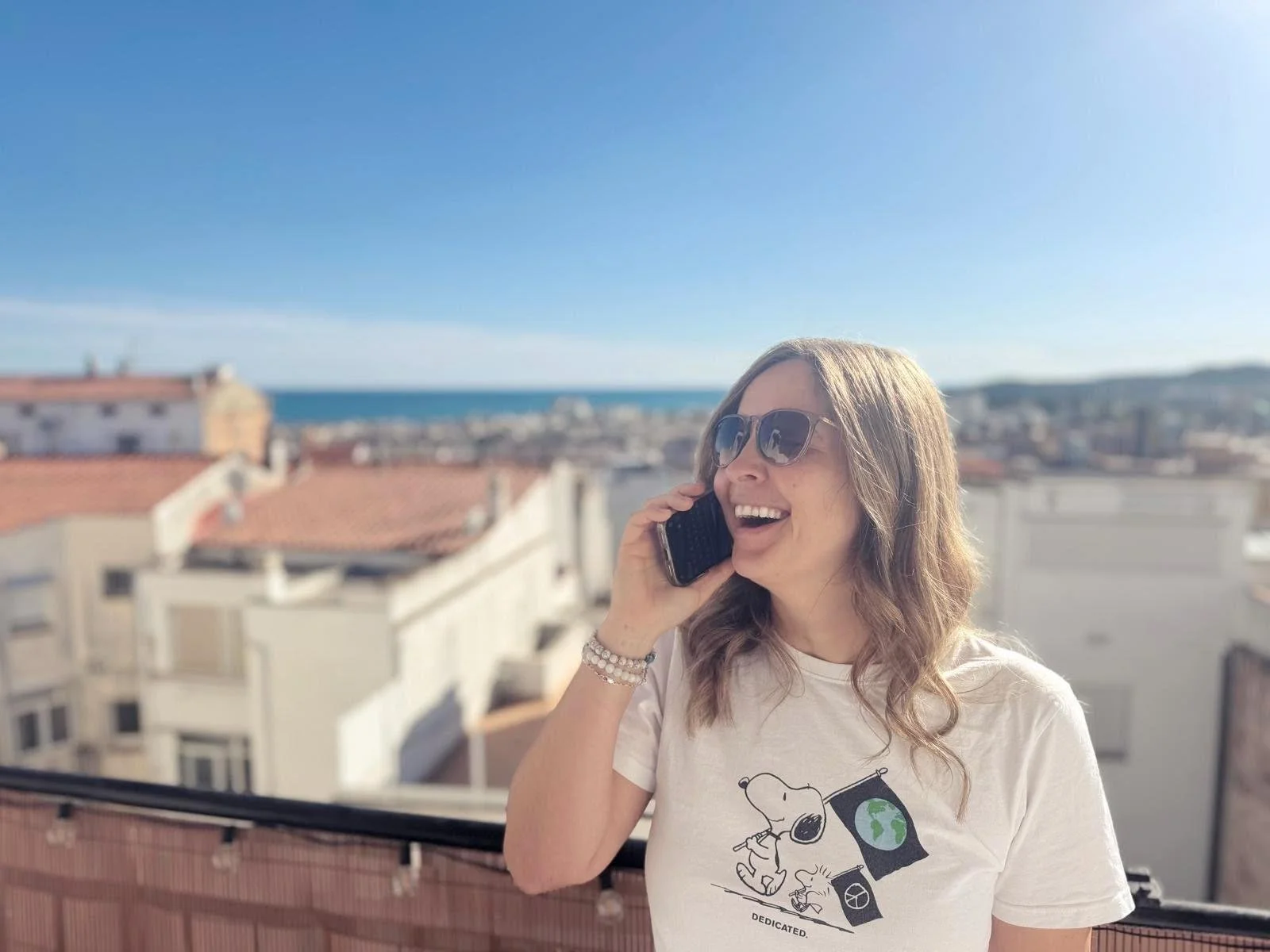
We switched to a travel eSIM a few trips ago, especially for the US. The logic is simple: roaming charges from your home carrier are expensive and unpredictable, hunting for a local SIM on arrival wastes the first hour of any trip, and a traveling eSIM solves both problems before you've left home. This best eSIM for travel guide covers what a travel eSIM actually is, why Airalo is what we recommend, and what you need to check before buying one.
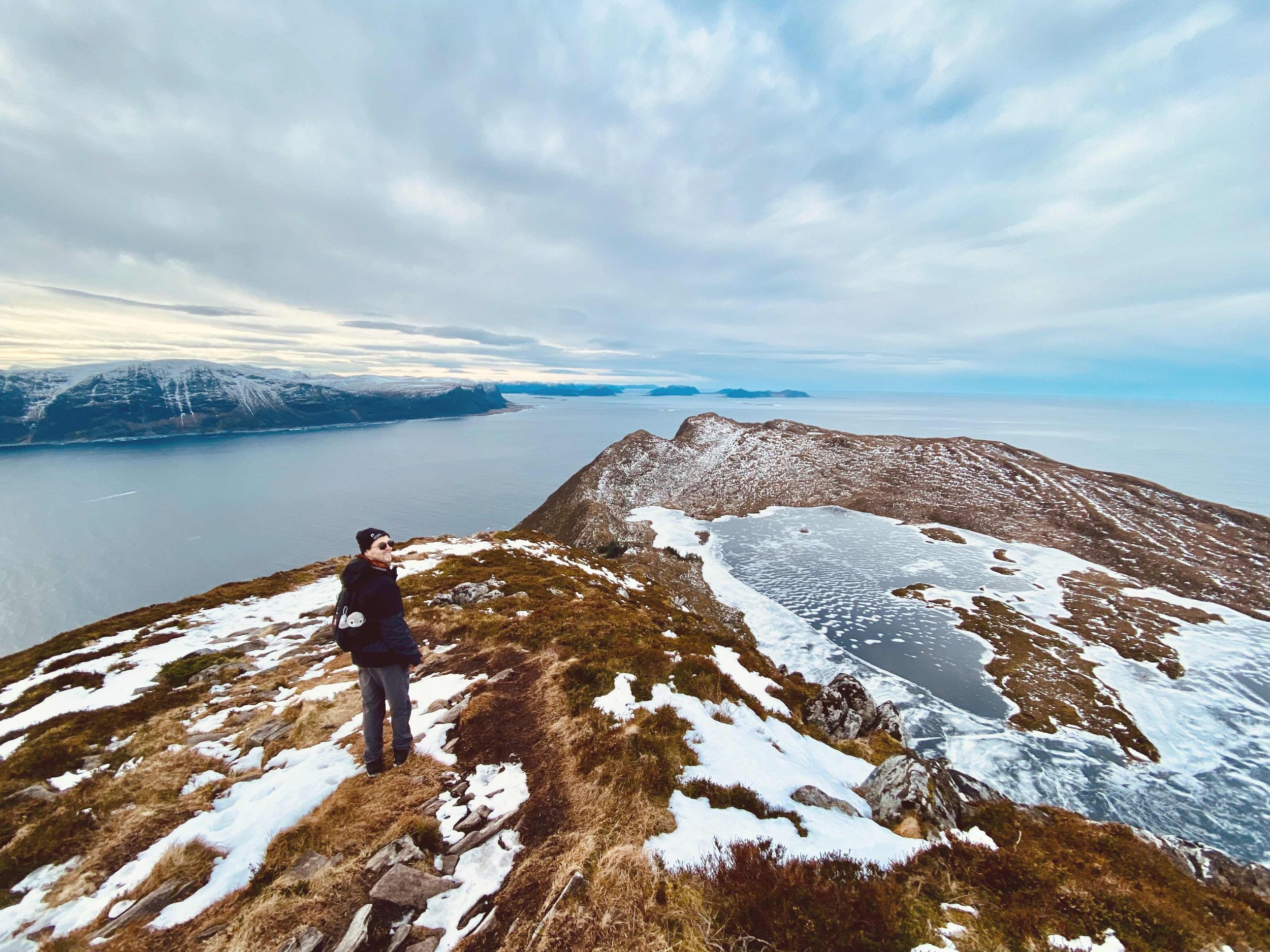
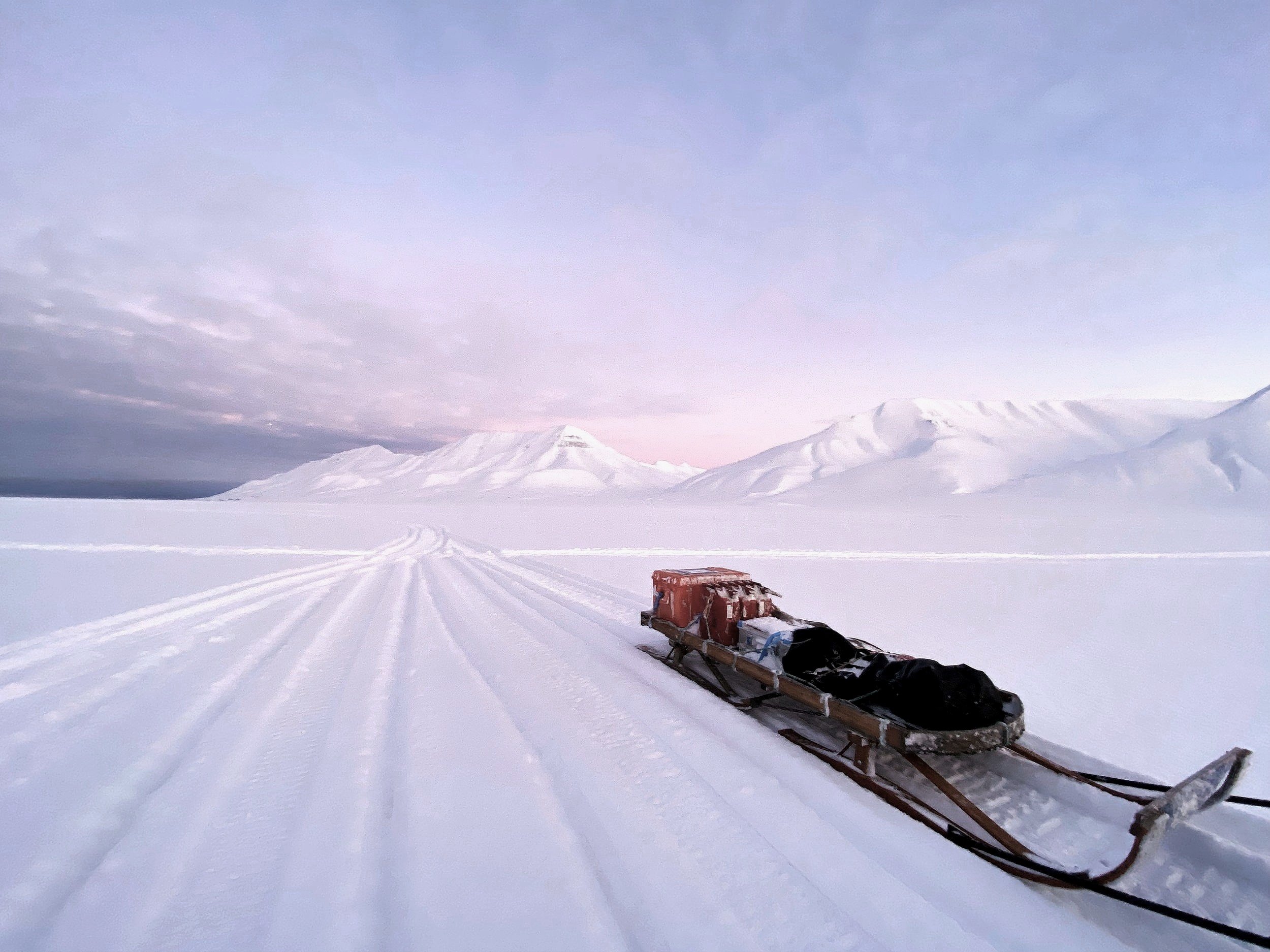
We've spent a lot of time in Norway across different seasons — Lofoten and Alta in fall chasing the aurora, hiking near Ålesund, dogsledding in Tromsø and snowmobiling in Svalbard in winter, exploring the fjords in summer — and the one thing that's been consistent is how quickly conditions can change and how far from the nearest hospital some of the best parts of the country actually are.
Norwegian mountain rescue is world-class. Norwegian hospital bills, for those who aren't covered, are not cheap.
This guide covers what travel insurance for Norway actually needs to do, what activities require specific coverage, what to watch out for if you assume your existing policy already handles it, and an exclusive discount for our readers with Heymondo.
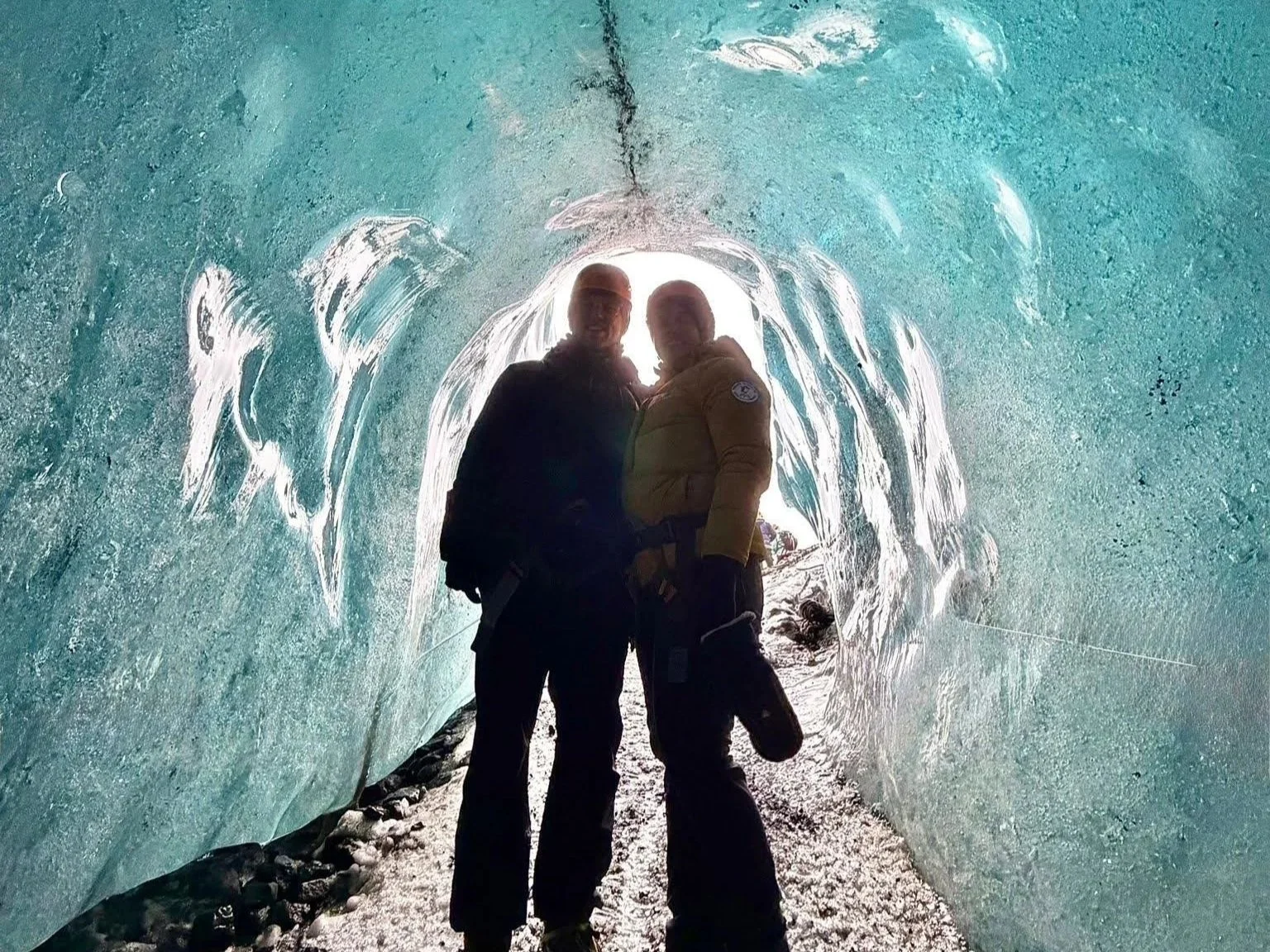
We've been to Iceland three times — in September, October and February — doing the kind of things that make travel insurance less of an afterthought and more of a genuine necessity. Driving remote roads in the dark chasing the northern lights, hiking across lava fields and glaciers, navigating weather that changes faster than any forecast predicted.
Iceland is small but mighty. It's one of the most geographically dramatic countries on earth, and a lot of what makes it worth visiting — the interior highlands, the glacier lagoons, the black sand beaches — is also genuinely remote. The nearest hospital to some of the places we've been is a long drive or a helicopter ride away.
That changes the insurance conversation.

Most travel insurance policies are written for people who stay on paved surfaces. The fine print tends to assume a hotel, a beach, maybe a city tour. If you're the kind of traveller who plans trips around trails, summits, and carrying everything you need on your back, that fine print deserves more than a skim.
We've hiked in Abisko National Park in freezing temperatures, climbed in the Lofoten Islands, walked alongside icebergs in Greenland, snowshoed through Swedish Lapland, and spent time in some of the more remote corners of Iceland. We've been close enough to needing a claim — a snowmobile incident in Svalbard being the most memorable — to know that having the right coverage matters a lot more than saving €20 on a policy.
Here's what to actually look for when buying travel insurance for hiking and backpacking.
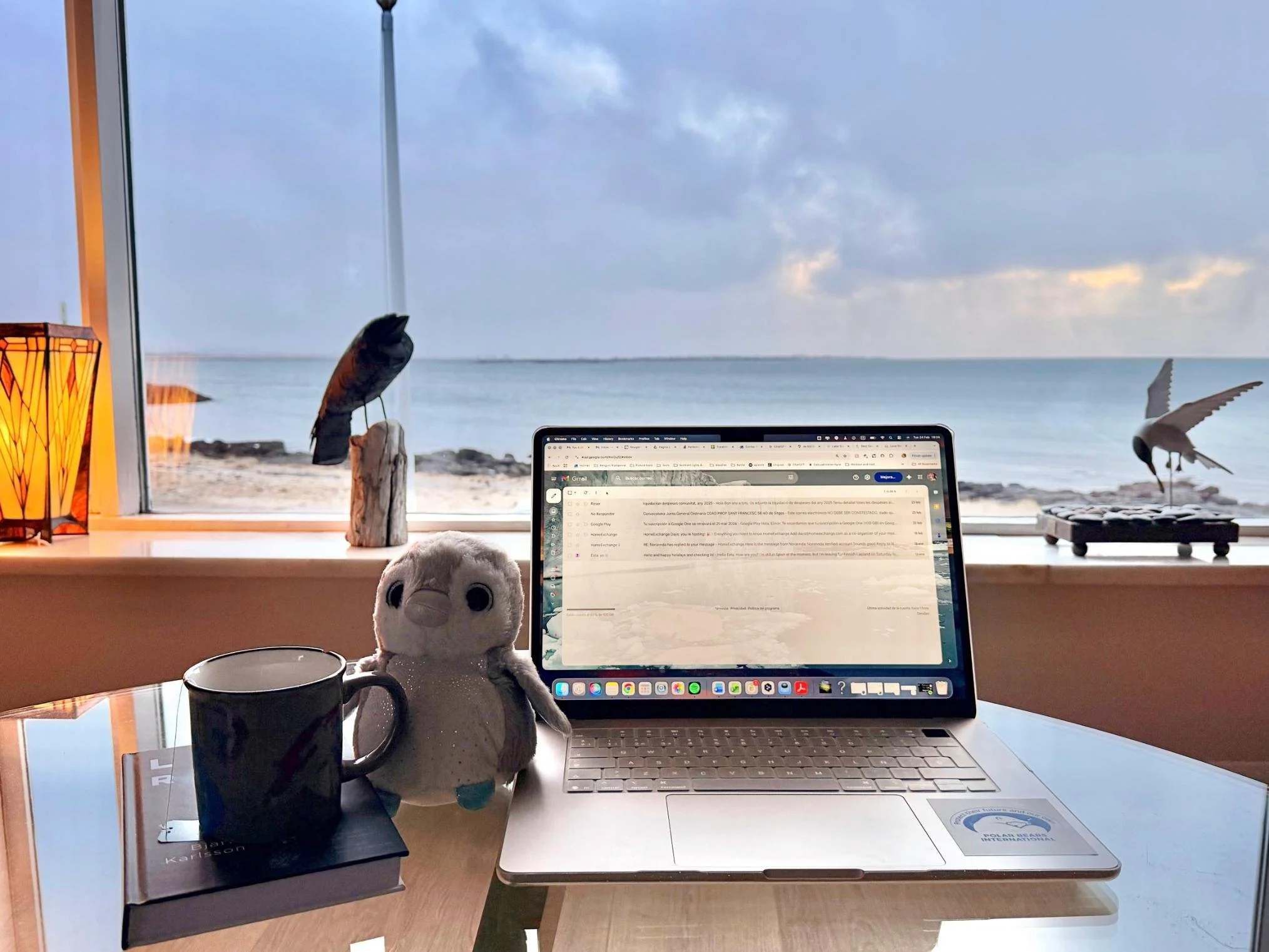
We run a travel blog, and before that, we worked as freelancers. Which means at some point we crossed the line from "people who travel a lot" to "people who work while traveling" — and that changes the insurance conversation in ways that most standard guides don't address.
When you're working abroad, the stakes are different. You're not just covering a two-week holiday. You need health coverage that works for months at a stretch, potentially in multiple countries. You're carrying equipment — laptops, cameras, hard drives — that represents your income, not just your entertainment. And if something goes wrong, you can't just cut the trip short and go home, because the trip is the job.
The good news: there are plans built for exactly this. The less good news: not all of them are worth the money, and the distinctions between them matter more than most people realize before they actually need to make a claim.
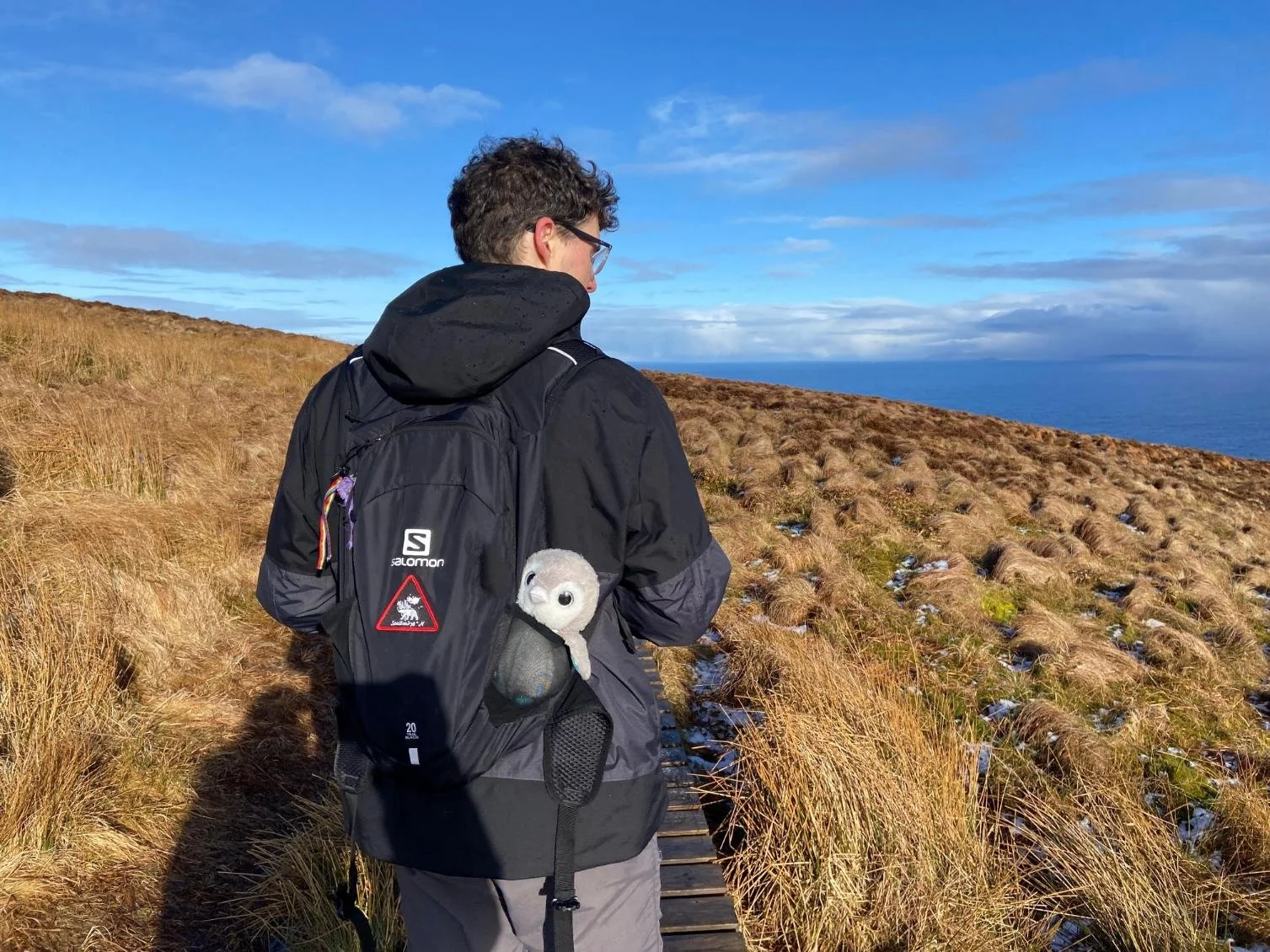
For years we bought travel insurance the way most people do: per trip, every time, slightly begrudgingly and always wondering if it was worth it. A policy for Iceland. A policy for Norway. Another one for Portugal. By the time we were taking five or six trips a year — which added up faster than we expected once travel became our job — without even considering the time factor.
The switch to an annual plan travel insurance felt obvious. One policy, one payment, covered for every trip we take that year — including the spontaneous ones, the long weekends, and the press trips we sometimes get a short notice for.
But an annual multi-trip travel insurance isn't the right answer for everyone. If you're planning one long continuous trip — a three-month slow travel stint through Southeast Asia, a working season abroad, a sabbatical — a long-stay policy is a completely different product and usually a better fit. Here's how both work, and how to figure out which one applies to you.
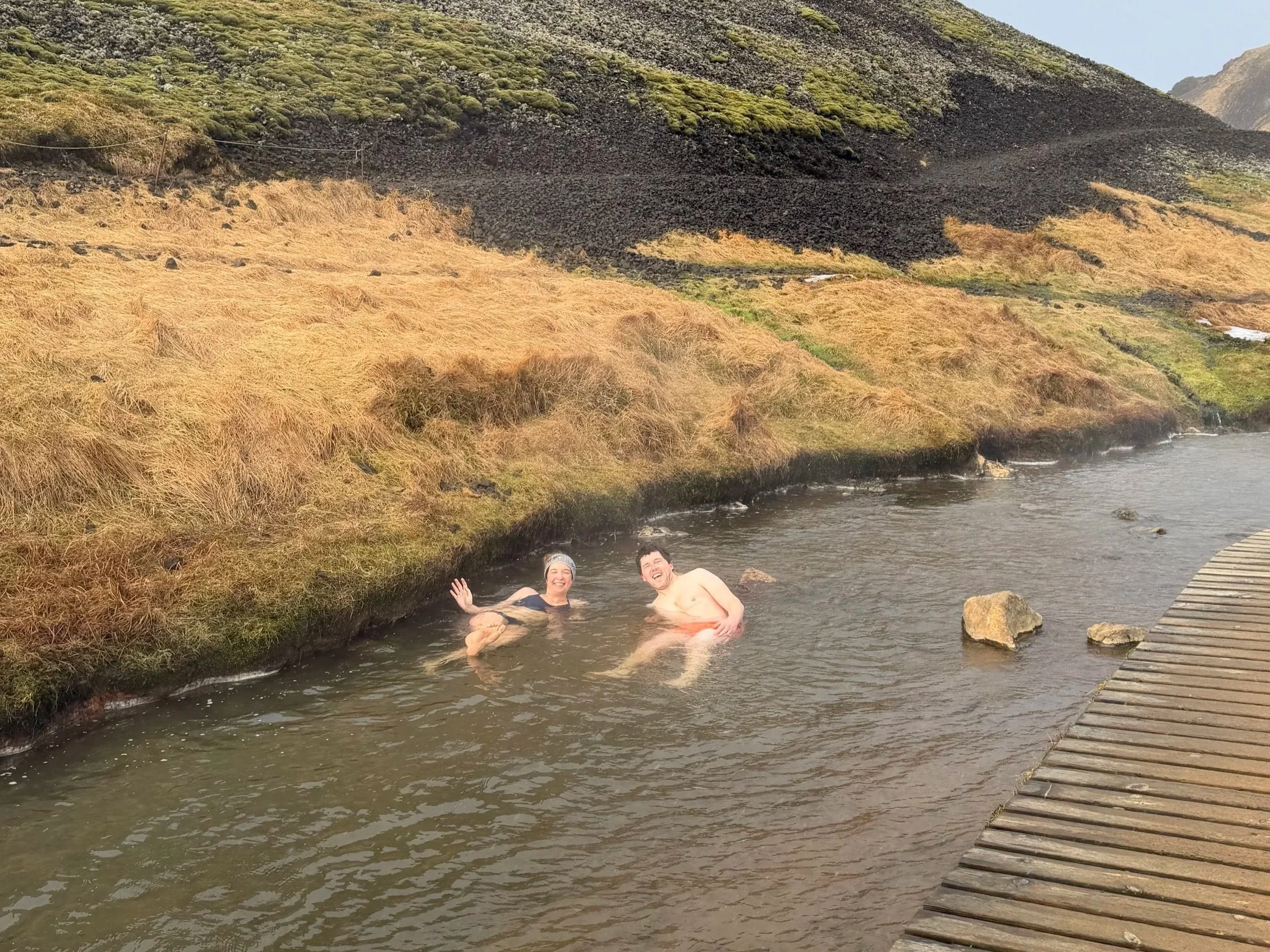
We've been to Iceland three times. The first was right after the 2008 financial crisis, when the Icelandic króna had collapsed and the country briefly became a very affordable destination. A private room in a hostel for €60. Those days are firmly gone.
If you’re wondering if Iceland is that expensive, let's be direct: Iceland is one of the most expensive countries in the world to visit. That's not a rumor or a rounding error — it's consistently near the top of the global rankings for cost of living and travel costs. A coffee will make you wince. A restaurant meal will drain your budget. The silver lining? It’s so expensive that even Norway will look cheap after it!
But here's the thing. The gap between a poorly planned Iceland trip and a well-planned one is enormous — larger than almost anywhere else. A few smart decisions on flights, car rental, food, and accommodation can cut your total spend dramatically without touching the parts of Iceland that actually matter. The volcanoes, the waterfalls, the glaciers, the northern lights — those are mostly free. What costs money is everything around them, and that's where the savings are.

We often get asked if a travel insurance is necessary.
Good question!
Keep reading to find out, to learn all the benefits of a travel insurance, and to enjoy 5% discount — up to 15% off with seasonal offers — exclusive to Penguin Trampoline readers if you do need one.
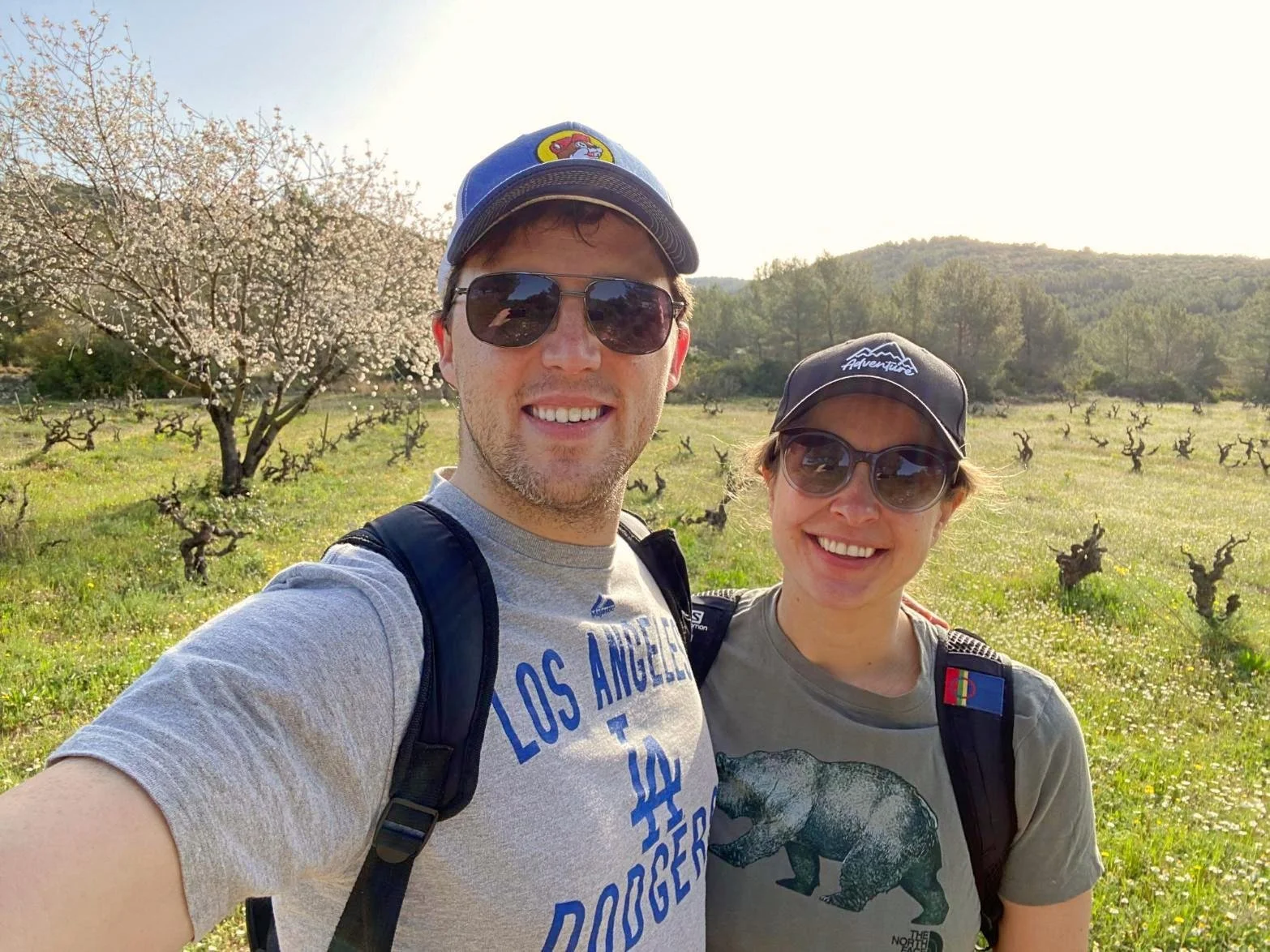
Spring is Europe’s most underrated travel season. Landscapes come back to life, prices stay reasonable, and places still belong to the people who live there. If you time it right, spring lets you experience destinations as they actually are — not as they perform in summer.
These off-the-beaten-path destinations aren’t obscure for the sake of it. They simply make more sense in spring. Keep reading to find out why!
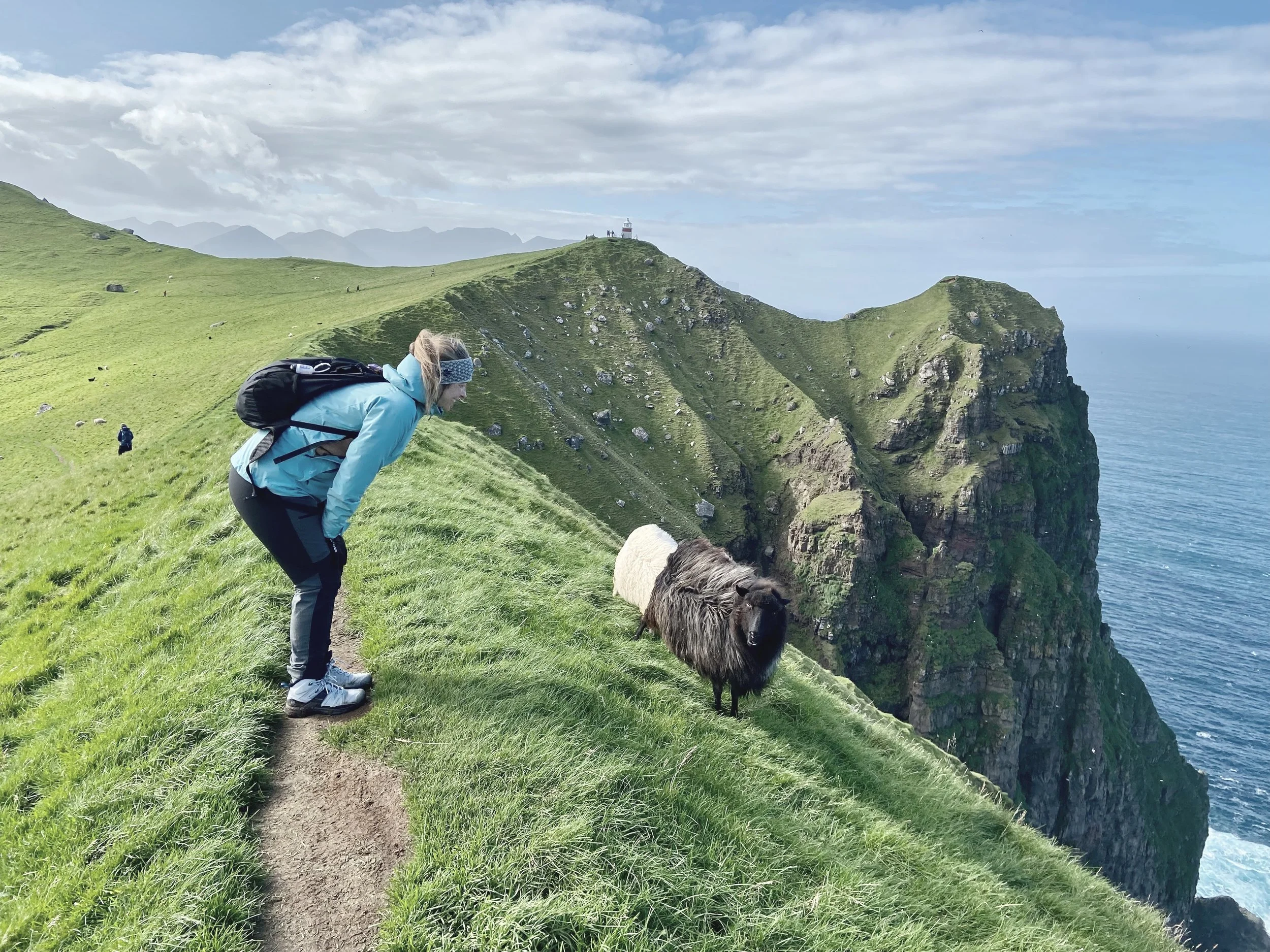
Travel in 2026 isn’t about ticking off famous places anymore. It’s about how you travel, when you go, and what kind of experience you want once you’re there.
After years of over-tourism, rising prices, and destinations that feel more like theme parks than places, travelers are making calmer, more intentional choices. And the data backs it up, as per Booking.com stats: quieter destinations, off-season travel, and colder regions are driving real bookings — not just inspiration clicks.
That makes us very happy at Penguin Trampoline, as we always encourage responsible travelling, and we are constantly looking for the perfect balance between travellers' and locals’ interests.
Here’s what’s actually shaping travel in 2026, and how to use these shifts to choose better destinations.

We’ve scouted Europe’s most overlooked corners again — these are the places we’ll be talking about in 2026.
Let’s be honest — over-tourism is real, and sometimes, you just want to escape the crowds and find a place that still feels undiscovered. At least, we do, and this is why we always prefer going off the beaten path. The kind of spot where you don’t have to queue for an overpriced coffee or jostle with selfie sticks just to catch a glimpse of a landmark. It’s also a more sustainable approach to traveling!
And while we do visit famous destinations, we’re all about the hidden gems, the places that still have that raw, unfiltered magic. Here’s our hand-picked list of underrated destinations for 2026 — places we’ve actually been, places we love, and places you should definitely add to your travel plans.
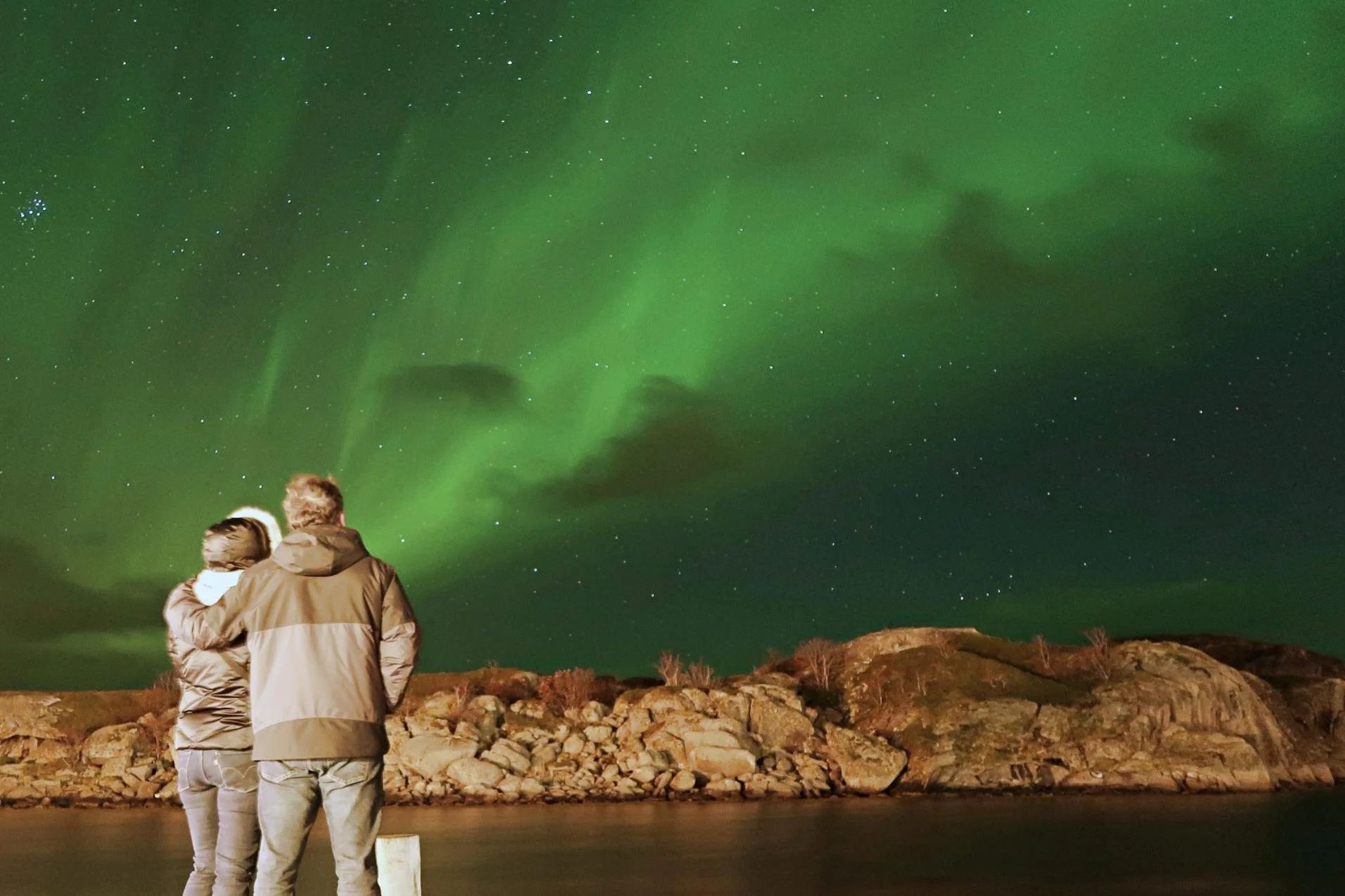
So you want to catch the Northern Lights? Smart move. But here’s the thing — the aurora doesn’t just show up on demand like a Netflix show (or, as a local joked in Alaska, by activating a switch). Timing is (almost) everything. Get it right, add a pinch of luck, and you’ll be under a sky on fire. Get it wrong and… well, you’ll just be staring at some very expensive clouds or, at least, a stunning starry sky.
This guide covers the best months and seasons to see the Northern Lights (in Europe, North America, and even the Southern Hemisphere), plus a few insider tips — and some gear recs — to up your odds...

We spend a big chunk of our life staring at wild places — waiting for the Northern Lights on frozen lakes, leaning over boat rails in Greenland while whales surface in the fjord, swimming with dolphins in New Zealand, observing a sea turtle returning to the sea in Costa Rica, spotting reindeer wandering through Kiruna, or following polar bear tracks in Churchill.
So it makes sense that animal tracking bracelets ended up sticking with us. Not as a trend — just as a tiny habit that kept the wild close when we were back home editing photos and drinking too much coffee.
The idea is simple: you wear a bracelet, scan the card, and suddenly you’re following a real tracked animal — a turtle crossing warm currents, a giraffe wandering across savannah, a shark migrating along the coast. Fahlo’s bracelets make it surprisingly personal and fun… and it’s not just for kids!

If you're planning a winter trip to Lapland, you're probably torn between magical Rovaniemi, the "official" hometown of Santa Claus in Finland, and Kiruna, Sweden's Arctic gem. But wait — there’s more! Other Lapland destinations like Tromsø, Norway, and other less known towns, might also be calling your name. So, which icy wonderland should you choose? Let’s break it down.
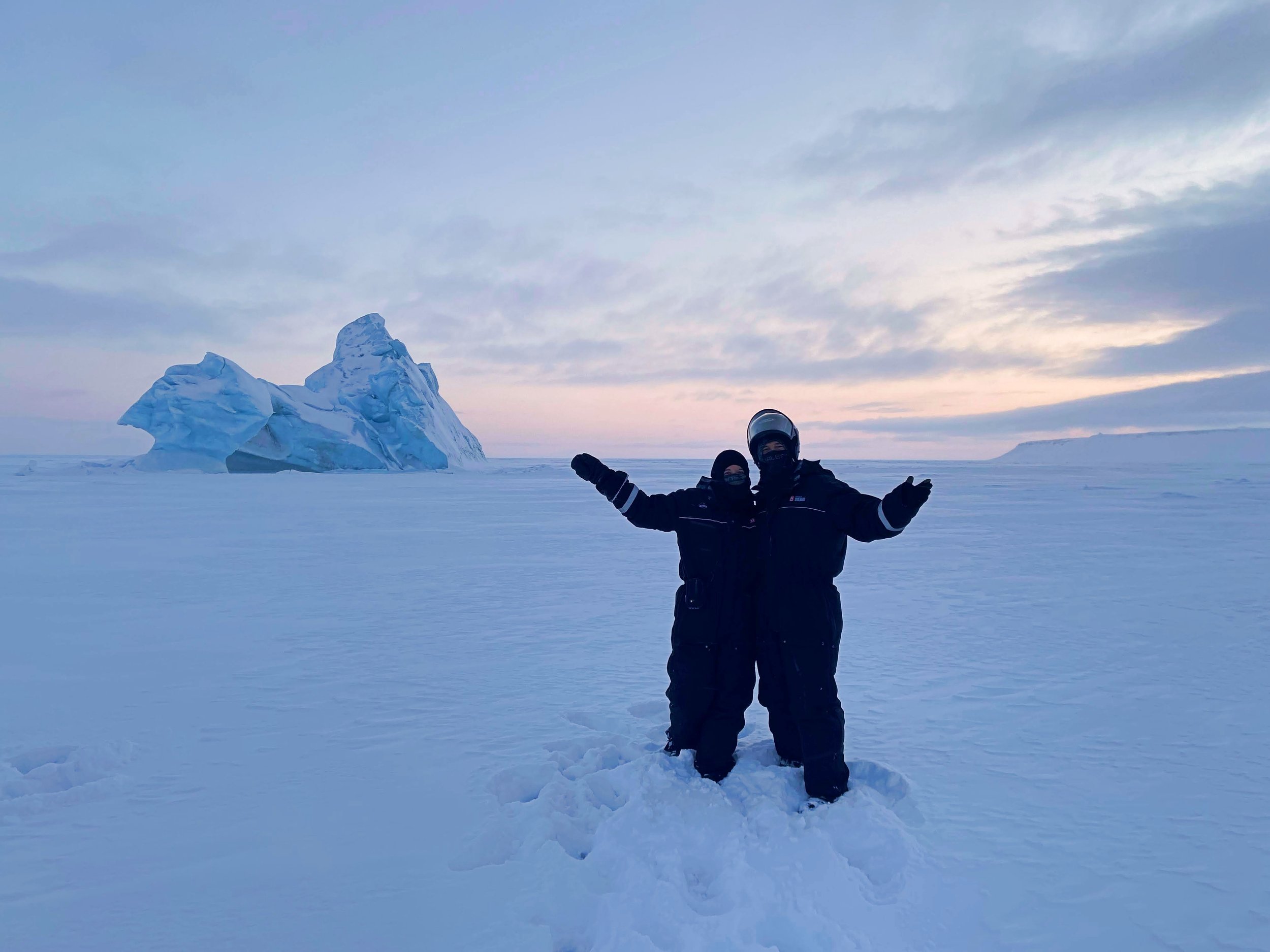
When we travel, be it the arctic fjords of Norway or the hidden beaches of Portugal, one thing stays constant: our insurance. We’ve used Heymondo for every trip and in this Heymondo review you’ll see why we keep going back to it — especially because of its value for cancellation coverage and outdoor-activity protection.

So, yesterday, our friend who is planning a trip to Japan asked us what pants we usually wear for a long-haul flight. And we realized she’s probably not the only one wondering about that — so we decided to write an article about it!
So, you’ve booked your ticket, packed your bags, and now the eternal question hits: what do I wear on the plane?
It sounds silly until you’re 36,000 feet up, crammed between a snorer and the armrest, regretting every clothing choice you made. We’ve flown everywhere from New Zealand to the Arctic — and trust us, the wrong outfit can ruin a flight.
Here’s our 2025 guide to airplane outfits: personal lessons, science facts, and gear that actually makes long-hauls less miserable.

Norway is one of the best places on Earth to chase the Northern Lights and enjoy breathtaking landscapes — but when you zoom into the map, the Arctic north gives you two tempting main bases: Tromsø and Alta.
Both towns promise aurora magic, Arctic adventures, and that raw, snow-dusted beauty. But which is the right one for your trip in 2026? We’ve been to both — frozen toes included — and here’s the breakdown.
👉 This article is part of our Arctic Travel Hub, where we gather all our insider tips, destinations, and stories. If you’re chasing the northern lights, also check out our Northern Lights Hub.
Spoiler alert: We have a personal favorite, but both are absolutely worth a visit.

The northern lights seem to be everywhere on social media. A couple of decades ago, this breathtaking natural phenomenon was only accessible to just a few lucky people. Now, it’s easier than ever to try and see them.
But between the best locations, when to go, the weather forecast, and the more scientific details such as the Kp-index (Kp-what?), it's not always easy to know where to start.
So if the northern lights have been on your bucket list for a while, keep reading for a few northern lights tips!
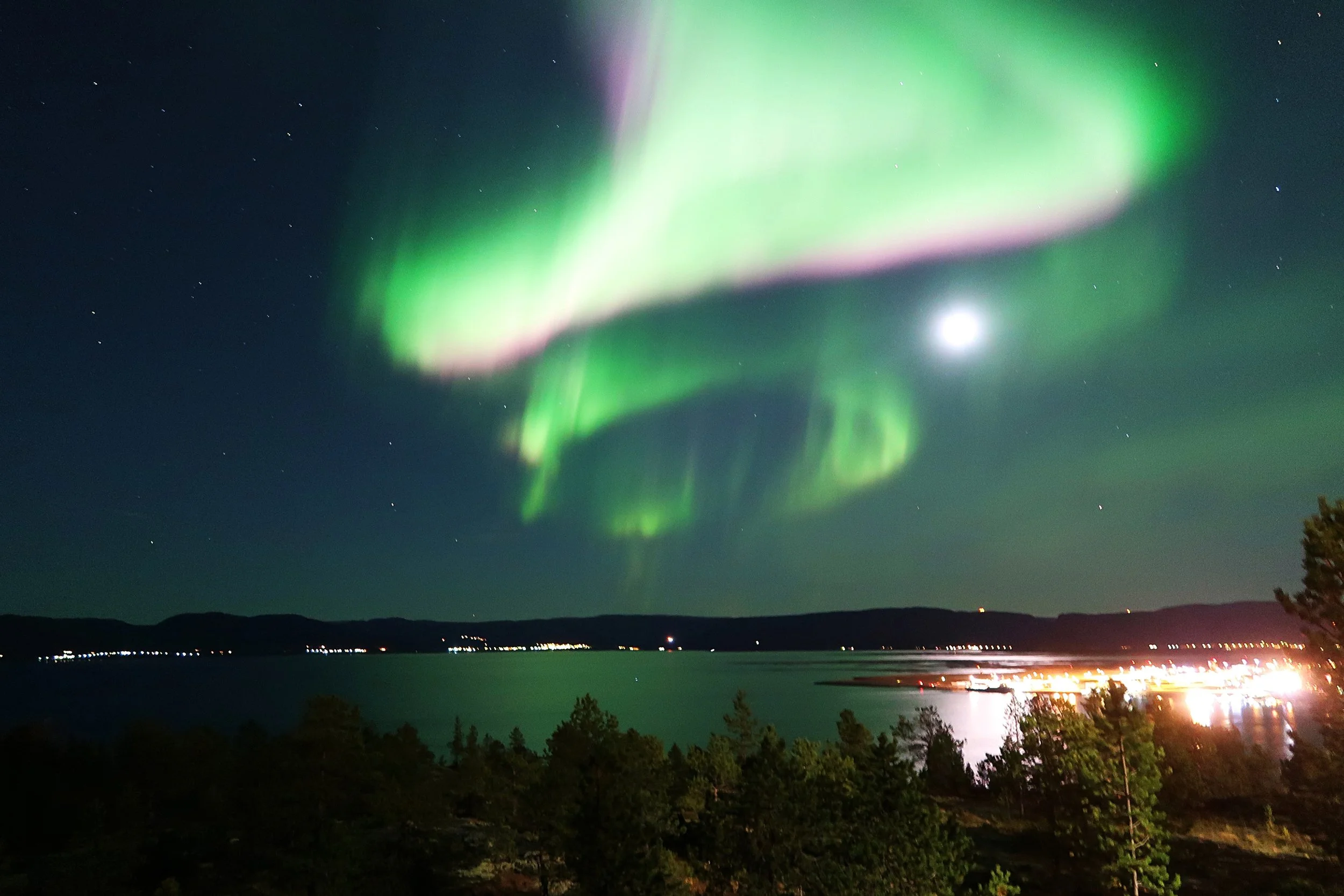
The Northern Lights are one of those rare things that live up to the hype. They look like magic — glowing curtains of green, pink, and purple rippling across the night sky. But behind the wow-factor is a cocktail of solar physics, Earth’s magnetic field, and a bit of folklore humans have been spinning for centuries.
This guide breaks down what the Northern Lights actually are, how they form, why they come in different colors, and the surprising ways they affect both people and animals — without turning into a boring science lecture. We’ll even talk about the different shapes they take, so you can show off at the next party (providing your friends are nerds like us!)
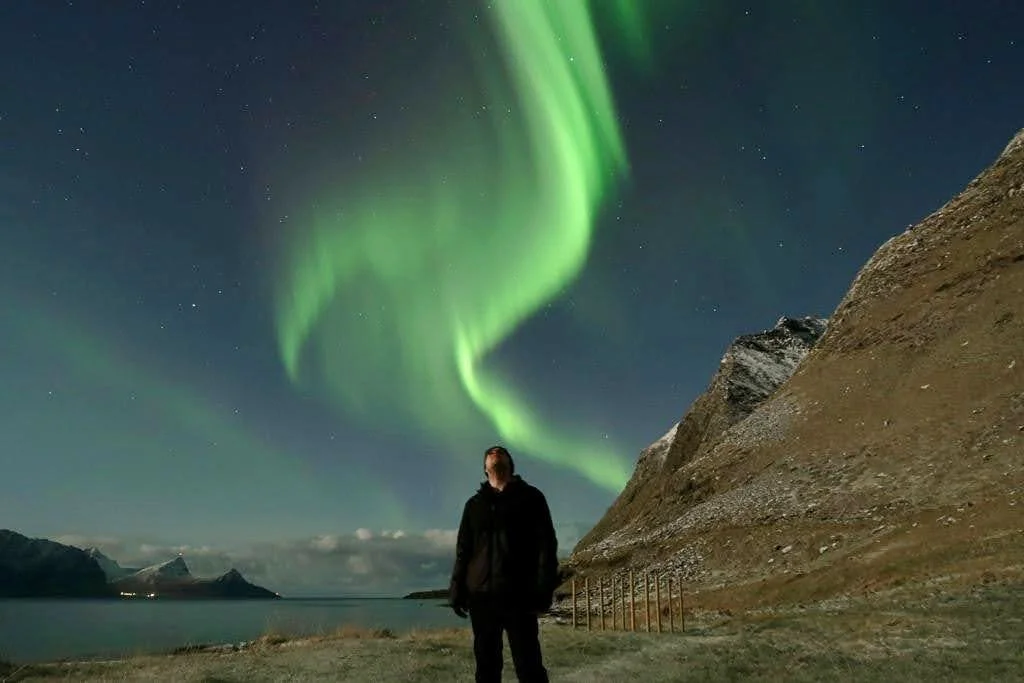
The aurora is wild enough on its own. But try to photograph it and suddenly you’re fighting the dark, the cold, and a camera that refuses to focus. And by the time you figure it out, Lady Aurora is already gone. Don’t panic: you don’t need to be a pro to bring home shots that look like they belong on a postcard — or at least on Insta. You just need a little prep, the right gear, and a few tricks to outsmart the Arctic night.
This is your beginner-friendly guide to photographing the Northern Lights — no tech snobbery, no 200-page manual, just clear steps to help you capture the sky on fire.
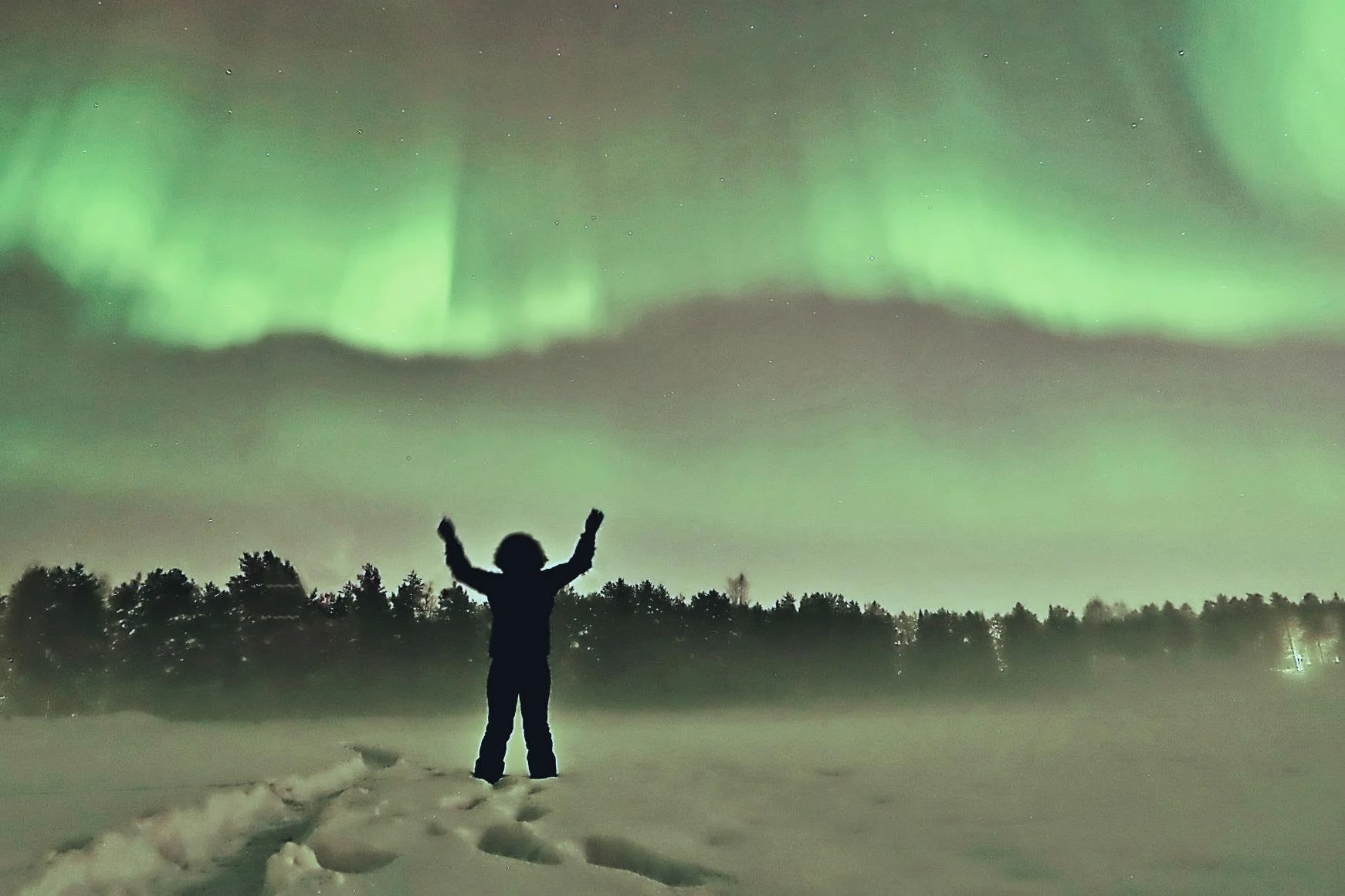
So you’ve booked your aurora adventure. Flights? Check. Camera? Charged. Excitement level? Off the charts. But here’s the deal — the Northern Lights love the kind of weather that can turn your eyelashes into icicles. We’ve been there —repeatedly. Yes, voluntarily. And we know how to dress for our beloved Arctic! But show up unprepared and you’ll spend more time shivering than stargazing.
This guide is your survival kit: what to wear, how to layer, and the gear that actually keeps you warm at –30°C while waiting for the sky to put on a show.

If you’ve been reading us for a while, you know we’re in love with Arctic regions. And a lot of people turn to us for advice, and even want us to go with them on an Arctic trip!.
We’ve been there. We’ve hiked across frozen tundras, stood under the shimmering Northern Lights in absolute silence, and yes, once questioned our life choices while knee-deep in snow, miles from civilization.
The Arctic isn’t just a place — it’s a feeling, a test of resilience, and a reward for those who seek the extraordinary. So, this guide is for you, adventurous penguins, and all of our friends and relatives who keep asking us stuff (we love you)!
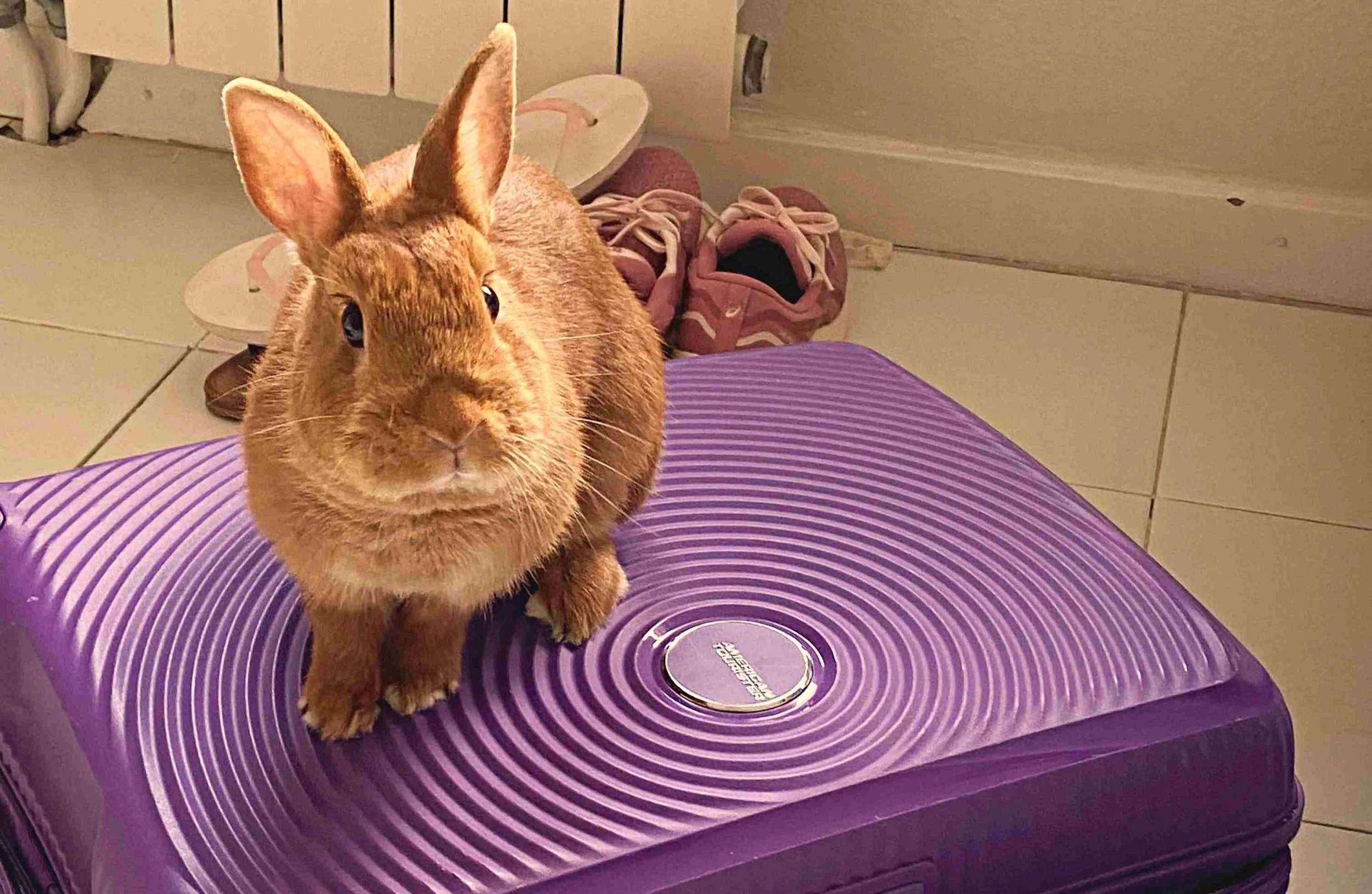
We’ve packed for Arctic ferries, jungle hikes, desert road trips, and one slightly questionable swamp tour in Louisiana — and if there’s one thing we’ve learned? Most packing lists are basically long-winded ways of telling you to buy more stuff.
This isn’t that.
This is the gear we actually use for every trip, regardless of the destination. The stuff that’s earned a permanent spot in our suitcase after being thrown around, rained on, and occasionally stolen (RIP Lonely Planet Indonesia, and shame on you, anonymous traveler who took it in our hostel). It’s not minimalism. It’s lagom. It’s just common sense, hard-earned from years of overpacking, underpacking… and repacking on the hotel floor.

Packing for Greenland is like dressing for mood swings — sunshine, snow, wind, and rain all before lunch. We’ve lived it, felt it, and nearly froze our eyelashes off. Take this as your Arctic survival script (with a side of style… or not).
And yes, read our Ultimate Arctic Travel Guide for even more cherry-picked wisdom!

Spoiler alert: You won’t find Mykonos or Ibiza here. This is a deeply biased, highly personal list of European beaches we’ve actually been to — and loved enough to forget our towels (and sometimes swimsuit) for. And don’t expect just sea, sun and sand! From lava-black shores in Iceland to dreamy coves in Sardinia, here’s where to go if you’re looking for irresistible landscapes and sweet solitude (well, at least off season).

If there’s one thing we’ve learned from our Arctic adventures, it’s that human stubbornness knows no latitude. Where most creatures call it quits, slap on some fur, and hibernate, humans build bars, churches, and—of course — saunas. Because what’s a little darkness, ice, and bone-snapping wind when there’s beer to drink, sins to confess, and steam to sweat out?
We’ve been there, frozen that — from sipping local brews in Svalbard to sweating it out in a sauna shaped like a golden egg in Sweden. So here’s our firsthand guide to the northernmost everythings—places so absurdly remote that you’ll question why (and how) they even exist.

We all know that feeling — you’re itching to go on your next adventure, but accommodation prices make your wallet cry. The good news? There are plenty of ways to travel without breaking the bank. From secret hotel hacks to unconventional stays, this guide will help you stretch your budget while still enjoying a comfortable and memorable trip.
Travel dreams and budget realities don’t always get along — but they can. If you’ve ever put off a trip because of sky-high accommodation costs, it’s time for a mindset shift. The secret? Flexibility, creativity, and a few clever hacks to cut your lodging expenses without sacrificing comfort (well, maybe a bit of comfort sometimes, but it’s part of the fun)!
From hidden-gem destinations to last-minute booking tricks, this guide will show you how to travel smarter and stretch your budget further — so you can save your money for the real adventure.
So, here are our best tips to save on travel accommodation, as part of our more comprehensive article “How to travel cheaper”.
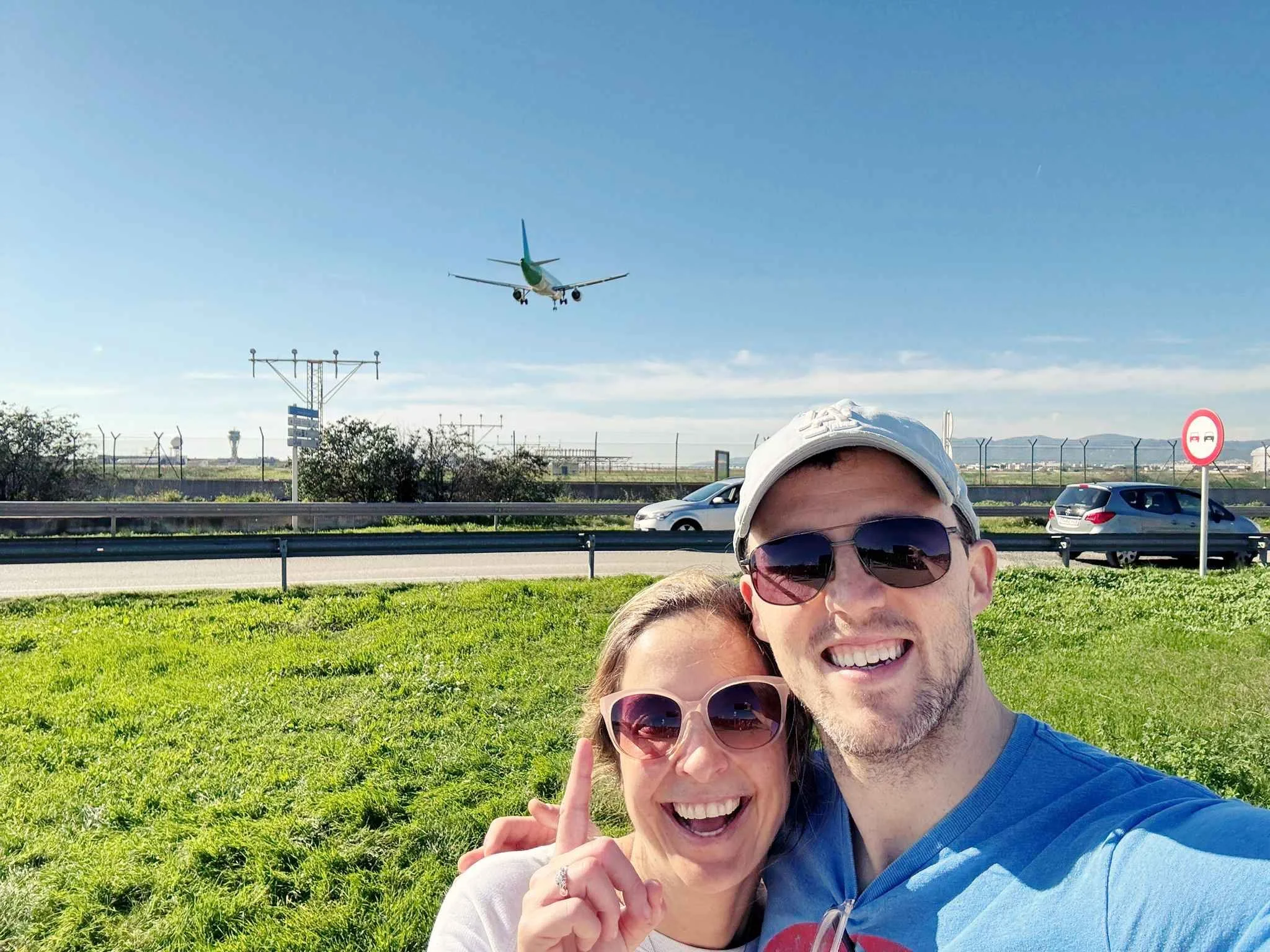
We hear it all the time: “You must be rich to travel so much!” The truth? We’re lucky to have the flexibility to work from anywhere, but it all comes down to choices. Most of our extra cash goes straight into travel.
The secret? We know how to travel smarter—and that changes everything.
Not all penguins waddle on gilded ice! We want to prove that travel doesn’t have to be expensive. In fact, we know plenty of people who burn through more money at home than we do on the road.
And one of the questions we hear the most is: “How to find cheap flights?”. So, here are our best tips, as part of our more comprehensive article “How to travel cheaper”.

"Travel is the only thing you buy that makes you richer.”
Ah, wise words. But they still won’t pay for your trips!
While we’re privileged enough to be able to travel and work from anywhere, we make choices. But we also know how to travel cheaper!
Not all penguins live on golden sea ice! This article aims to show that traveling doesn’t have to be expensive. So, follow our little penguin guide!

Free download
Travel Cheaper Cheat Sheet
27 tips on flights, hotels, hidden costs and more — spend less without missing what actually matters.
No spam. Unsubscribe anytime.
Laura and I met during our Master of Arts in European Tourism Management, a program that moved between Sweden and Spain. Just a few years after we graduated, she was already building what would become Tour de Sens: an inclusive tourism company that organizes trips for blind, visually impaired, and sighted travelers together, built around experiencing the world through all the senses.
It felt natural to invite her to write something for Penguin Trampoline. We're a blog about wonder and respect, about seeing places as they actually are rather than as they're packaged for quick consumption. What Laura does every day sits right at the heart of that. This is her piece — and I think it will change how you experience your next trip.