
How to Avoid — or Reduce — Jet Lag: Tips from Frequent Travelers
Because we’ve been there… a lot
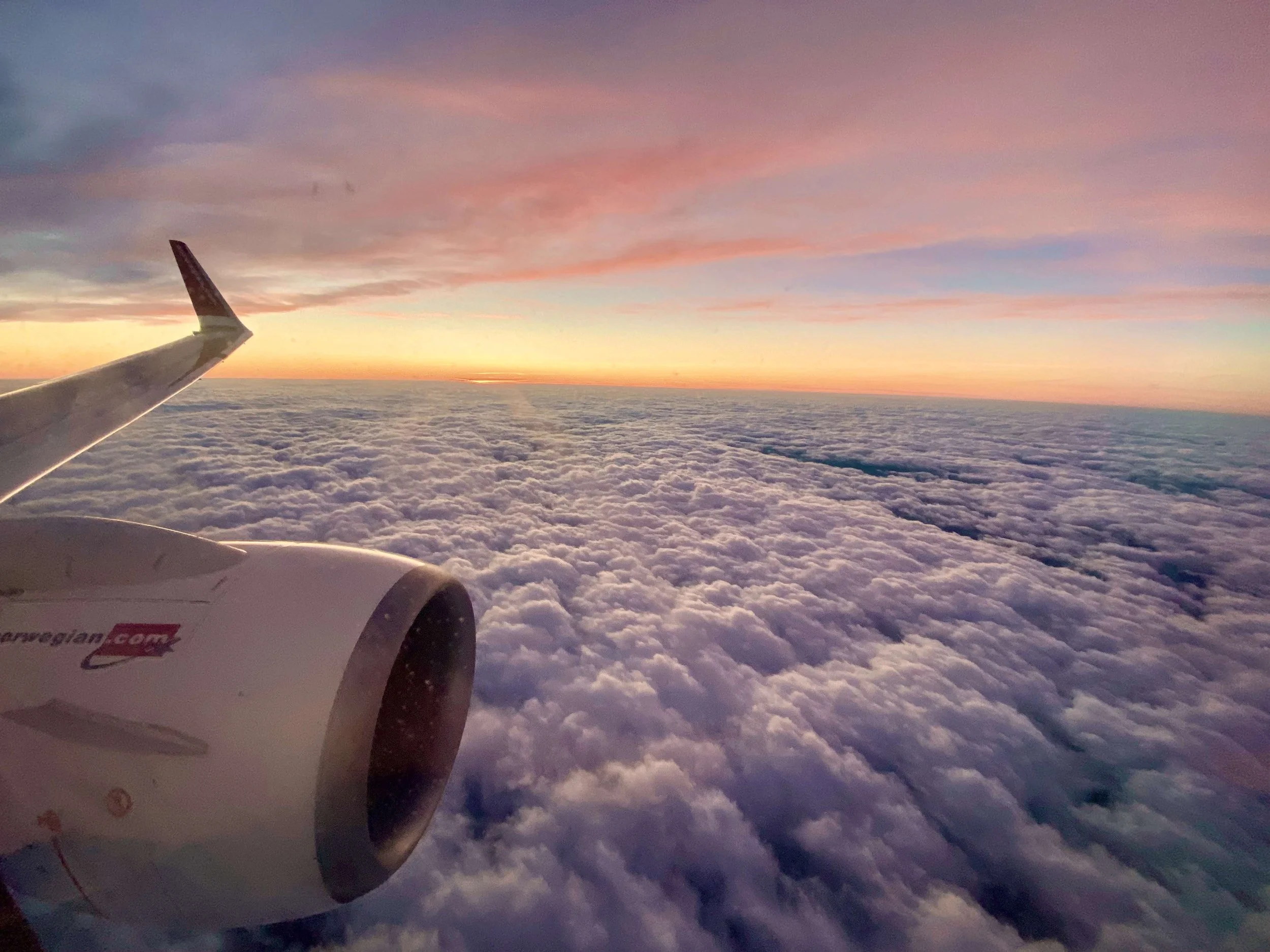
Flying over the Arctic Circle
Last update: August 2026
Your eyes open in an unfamiliar place... all of a sudden, you remember, you’re in New Zealand! But it's 4am and you can't go back to sleep. Sounds familiar?
Yes, the terrible and insidious jet lag! Even frequent travelers suffer from it at some point, and it can really ruin your first days at the destination.
Since we know this too well, we’ve gathered some tips on how to avoid jet lag, or at least reduce it:
What to do before travelling?
What to do on the plane?
·What to do during your trip?
·What to do when you come back?
How to avoid jet lag? Short answer
Jet lag is mostly a light and timing problem. Your body clock runs on cues, and crossing time zones fast scrambles them. The fix isn't complicated, but it has to start before you board: sleep well the night before, set your watch to your destination's time zone as soon as you sit down, avoid alcohol and coffee on the plane, and get outside and stay active when you land, no matter how much the hotel bed is calling. This guide breaks it down by phase, from pre-flight prep to the return leg, with the small habits that actually make a difference on a long-haul trip. We also cover jet lag apps and if they really work.
Step 1: Reducing jet lag before you travel
Some simple steps will help you to reduce jet lag, even before departure.
If, like Eli, you tend to be over-excited with every new trip, try to relax (easy to say, right?). Make sure to get enough sleep at night, using natural helpers such as valerian or melatonin. Physical activity will also help you sleep better.
Don't leave packing for the last minute, because your head will keep wondering what you’ve forgotten and won't let you in peace. Make a list of things to pack. Putting things on paper will free up your head.
And remember: besides your essentials, such as your passport, medicines or contact lenses/glasses, everything else can be purchased pretty much anywhere.
Dress up comfortably, for example with lounge or yoga pants, and take a sweater or hoodie with you, as it's always cold up there. Flip-flops are alright if they’re comfortable, as you always need to walk a lot in an airport, but take some socks in your hand luggage.
Many people tend not to sleep on purpose the night before, in order to be able to sleep on the plane.
However, being sleep-deprived, especially if you have a long trip ahead, will not help to prevent jet lag.
Even if you can sleep on the plane, the sleep quality is never the same (unless you can afford to travel in first class :-)).
Jet lag apps: Do they actually work?
There are a handful of apps designed to help you manage jet lag, and the most well-known is Timeshifter, which was developed with sleep scientists and is used by a lot of long-haul flight crews. You input your flight details and it generates a personalized plan telling you when to seek light, avoid light, take melatonin, nap, and stay awake. The logic is solid — it's based on the same circadian rhythm science used in clinical settings.
Do jet lag apps work? Partially. The apps are good at one specific thing: structuring your light exposure, which is the most important lever you have. Where they fall short is enforcement. The app can tell you to get bright light at 7am and avoid screens after 9pm, but if you're jet-lagged and exhausted, you're probably going to ignore it. The plans also require starting a day or two before your flight, which most people skip, and don't consider any possible flight delay.
Worth trying if you're crossing more than five or six time zones and have a trip where the first day actually matters, like arriving somewhere for work or a wedding. Less critical for leisure travel where you have a few days to adjust naturally. Personally, we don’t use it.
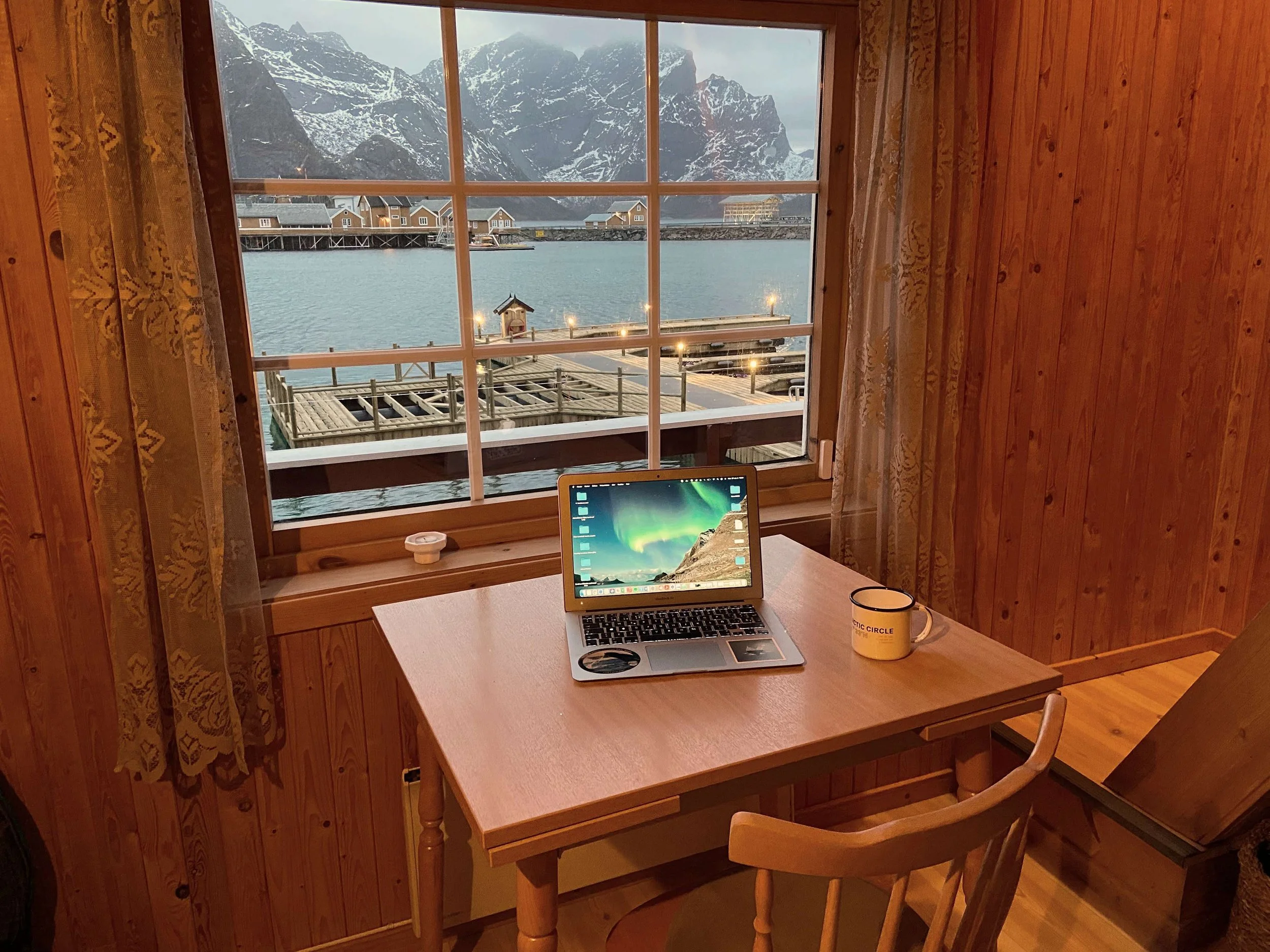
From experience
Step 2: Preventing jet lag on the plane
Adjust your clock immediately at the local time of your destination, unless you have a stopover. This will unconsciously set your mind on the new time zone. If you’re tired, sleep, even if it's not nighttime. If you’re too excited (again, like Eli), you can take valerian or melatonin.
If you really can't sleep, watching movies or starting a discussion with your neighbor will make time go faster. And it could be a good way to practice a foreign language! Soothing music can help: many airlines include relaxing songs in their playlists.
You can try to observe the same rituals you would at home. For example, when you wake up, go to the bathroom to freshen up, wash your teeth and moisturize your skin, as the air can get pretty dry. Oh, and a little deo can go a long way!
Some long-haul airlines will provide a sleeping mask, ear plugs and toothbrush/paste for free.
New planes also have a lighting system that mimics sunset and sunrise for the circadian rhythm.
If you’re directly going to a business meeting upon arrival, you can change clothes on the plane or even at the airport. It's better to travel in comfortable clothes!

Penguin Trampoline tip:
The fancy little wine bottles might look appealing, but alcohol does not help, and neither does coffee.
Prefer some fruit juice or water instead in order to stay hydrated.
Step 3: Managing jet lag once at the destination
Once arrived, and depending on the local time at the destination, try to keep busy until bedtime. It can be tough, but it's really worth it, as you’ll settle in a new routine immediately.
Staying in your hotel watching TV and relaxing is not a good idea, trust us ;-) Even if this is the only thing you feel like doing, you’ll end up falling asleep too early!
If the destination is new to you, you’ll probably be motivated enough to go out and explore the surroundings! If the hotel has a pool or sports facilities, this is ideal to get tired in a healthy way.
If you arrive late at night and can't wait to discover this new place you just landed in, our advice is to do it. Just go for a short stroll close to the hotel to satiate your curiosity until at least, well, the next morning :-)
You can use melatonin to regulate your sleep for the first days, if you wake up at weird times without being able to go back to Morpheus' arms.
If you really can't get back to sleep, try to read or watch TV for a while.
Staying in bed thinking that you need to be in good shape the next day only makes things worse.
In a nutshell, try to adapt to the new time zone as fast as possible, even if it’s a bit challenging. Follow local time for meals, activities, and bedtime. If you’re busy doing activities or business during the day, you should naturally fall asleep at night without any problem after a few days.

Cold plunge
If there’s a beach or lake nearby, go for a swim, especially if the water is cold.
There’s nothing like cold & hot to feel a profound sense of calm and put you to sleep!
A hotel spa can also do.
On the picture: Jake enjoying an Arctic plunge in the Lofoten (the sauna is right there!)
Step 4: Dealing with jet lag back home
Your trip is over, and you're coming back home. Even though many travelers agree that it's easier to avoid jet lag when returning, it's not always the case, so try to observe all the steps mentioned above.
When I used to travel for my job, I would always try to go directly to work right from the airport. That way, I would immediately integrate my daily routine and could go to bed at night almost as on a normal day.
Here’s our relaxing “jet lag” playlist to chill on the plane:
Jet lag is one of those things that doesn't fully go away, but it's a lot more manageable than most people give it credit for. The difference between landing wrecked and landing functional usually comes down to a few decisions made before you even board: sleep going into the flight, staying hydrated in the air, switching your mindset to the new time zone immediately, and not spending your first afternoon horizontal in a dark hotel room. Apps like Timeshifter can help structure the process if you're crossing a lot of time zones and don't want to think about it yourself. But the fundamentals work just as well without them. The body adapts fast when you give it the right signals. Light, timing, and movement are your best tools — and none of them cost anything.
Finally, check out what to wear on the plane to be as comfortable as possible and our packing essentials. And if your next trip is not planned yet, explore all our destinations here.

Free download
Travel Cheaper Cheat Sheet
27 tips on flights, hotels, hidden costs and more — spend less without missing what actually matters.
No spam. Unsubscribe anytime.
