

Portugal
Portugal Travel Guide — Wild Coast, Alentejo, Nazaré & the places most guides skip
It started with an HBO documentary. We watched 100 Foot Wave during lockdown, watched Garrett McNamara surf waves the size of buildings off a small Portuguese fishing town, and made a promise to ourselves. The moment travel reopened, we went to Nazaré. We've been going back to Portugal ever since.
Lisbon is beautiful — we're not going to tell you to skip it. Sintra is worth it, especially if you stay overnight instead of taking the day trip bus back. The Algarve's cliffs are everything the photos suggest. But the Portugal we keep coming back to is the other one: the Alentejo's endless cork forests and bone-white hilltop villages, the wild Atlantic beaches that nobody's heard of, the Costa Vicentina coastline where the waves are too strong for swimming and perfect for everything else. The one where breakfast is local cheese, warm bread, and a view that makes you rearrange your whole itinerary on the spot.
Portugal does boutique hotels exceptionally well too — centuries of convents, quintas, olive oil mills, and fishing houses converted into places with character. Once you've stayed in one, you won't want to go back to a chain.
Oh, and the pastéis de nata. There's a reason they sell them in tubes.
This is our full Portugal guide — region by region, with our take on where to go, where to stay, and what to skip.
Jump to: Lisbon Area · Sintra · Sesimbra · Nazaré & Ericeira · Alentejo & Costa Vicentina · Algarve · All Portugal Articles
Lisbon Travel Guides
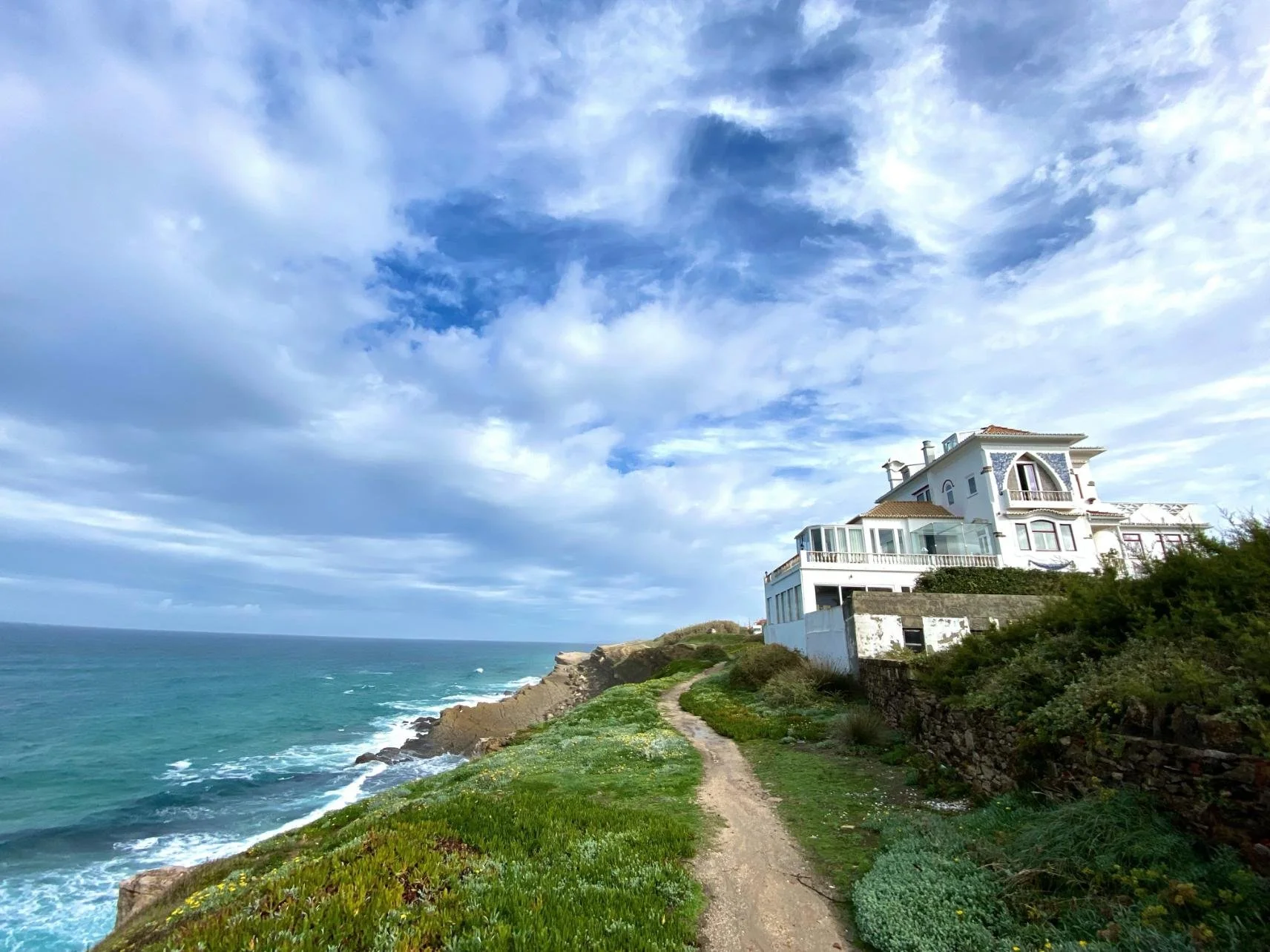
Not everyone flying into Lisbon wants Lisbon.
Some people land, pick up a rental car, and drive straight toward the ocean —looking for cliffs, space, silence, and a hotel room where the sea isn’t a suggestion but the whole point. If that’s you (welcome to the club!), good news: you don’t need to go far, and you definitely don’t need a resort bracelet.
So, if you big windows over nightlife and landscapes over lobby bars, keep reading and discover some of our favorites hotels with sea views near Lisbon.
Oh, and a Portugal travel guidebook is worth packing, even if our tips are fab!

Everyone’s heard of Algarve’s golden sands and dramatic cliffs. But here’s the secret: Portugal’s wildest, quietest, most soul-restoring beaches aren’t in the brochures.
From the windy wilds of the Alentejo to the moody cliffs north of Lisbon, here are 10 spots where the Atlantic still roars and the Wi-Fi still sucks (in a good way). Swam in their icy Atlantic waters (check local advice for currents). Got lost on dusty trails. Ate delicious fish along the way.
These aren’t polished. They’re not trendy. They’re not all swimmable — head to Algarve for calmer waters. They’re wild, raw, and totally worth the detour. And yuou’ll definitely need a rental car.
Here are 10 of our favorite underrated beaches in Portugal — the ones we almost didn’t want to share. These are the “praias” we tell our closest friends about — and now, you!
Sintra Travel Guides
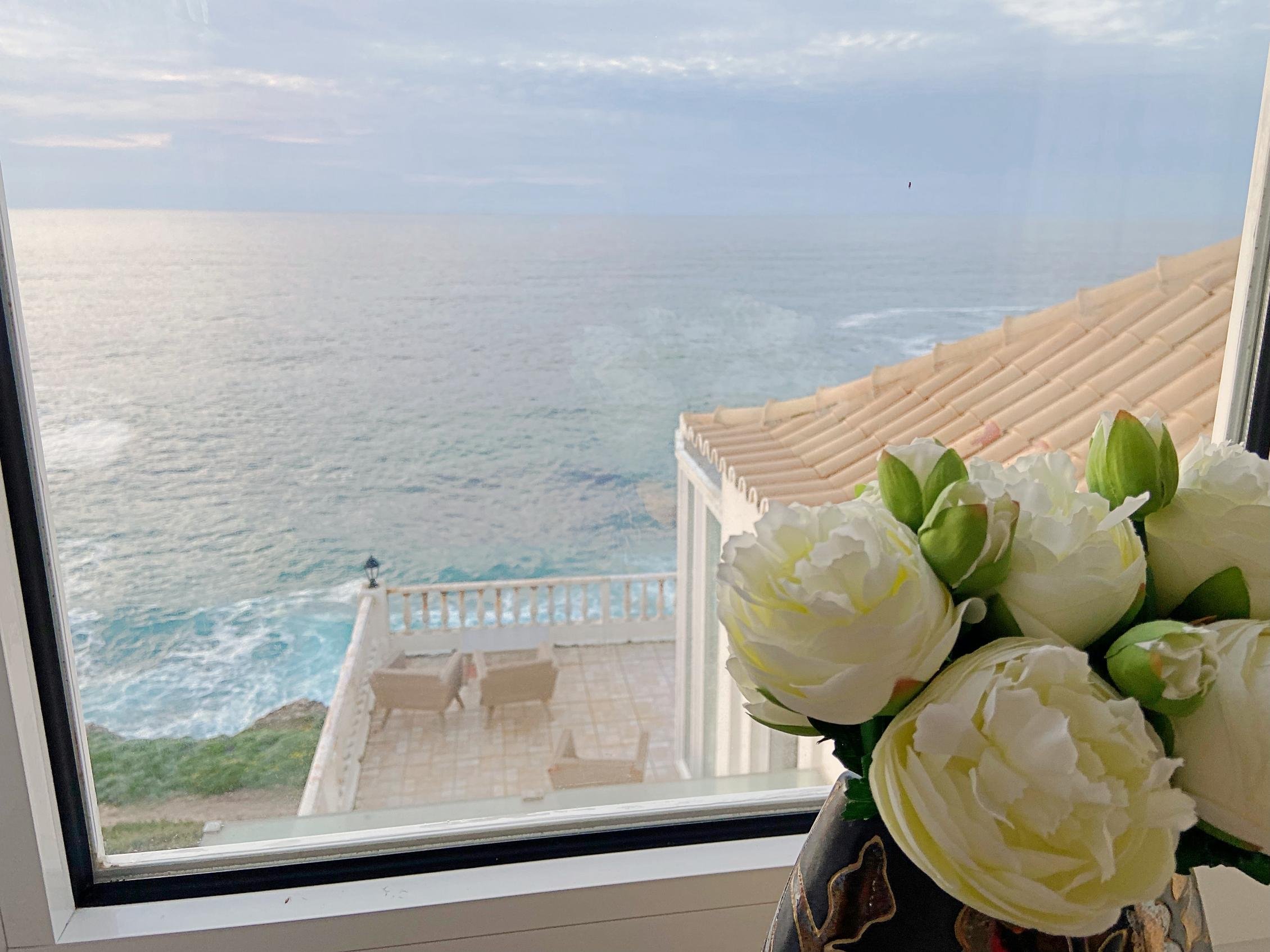
Portugal does boutique hotels exceptionally well, and the reason is mostly architectural. There are centuries of convents, palaces, olive oil mills, quintas, and fishermen's houses to work with — buildings that already have bones and history and character built in. Personally, we prefer hotels with character to big, impersonal chains. If you’re like us, Portugal will be heaven for you! Indeed, the best boutique hotels in Portugal tend to be conversions: a former palace on a Lisbon hilltop, a 16th-century olive mill inside Évora's city walls, a clifftop estate in the Alentejo redesigned by an architect who understood and respected what was already there.
What follows is our region-by-region guide to the best boutique stays across Portugal — from the capital to the wild Atlantic coast. Where we have a full regional guide, we link to it rather than repeating ourselves. Where we don't, we go deeper.

Most people visit Sintra as a day trip from Lisbon. We get it — it's only 40 minutes by train, the palaces are right there, and the Instagram shots basically take themselves. But if you leave when the last bus goes, you miss what Sintra actually is.
Stay overnight and you get the village after the tour groups have gone. Cobblestone streets with no one on them. The fog rolling in off the Serra de Sintra as the light fades. The Pena Palace turning a deep orange in the last hour of sun. And, if you venture towards the sea, you’ll find sweeping ocean views all to yourself. A completely different place from the one 20,000 day-trippers saw.
The other thing nobody tells you: Sintra has some of the most characterful boutique accommodation in all of Portugal. Converted manor houses on century-old estates. Cliff-top guesthouses with rooms named after the Atlantic light. Former town halls turned into seven-suite hotels. The options are unique, and unlike Lisbon, they haven't been swallowed up by big chains yet.
Here's where to stay in Sintra, broken down by area.
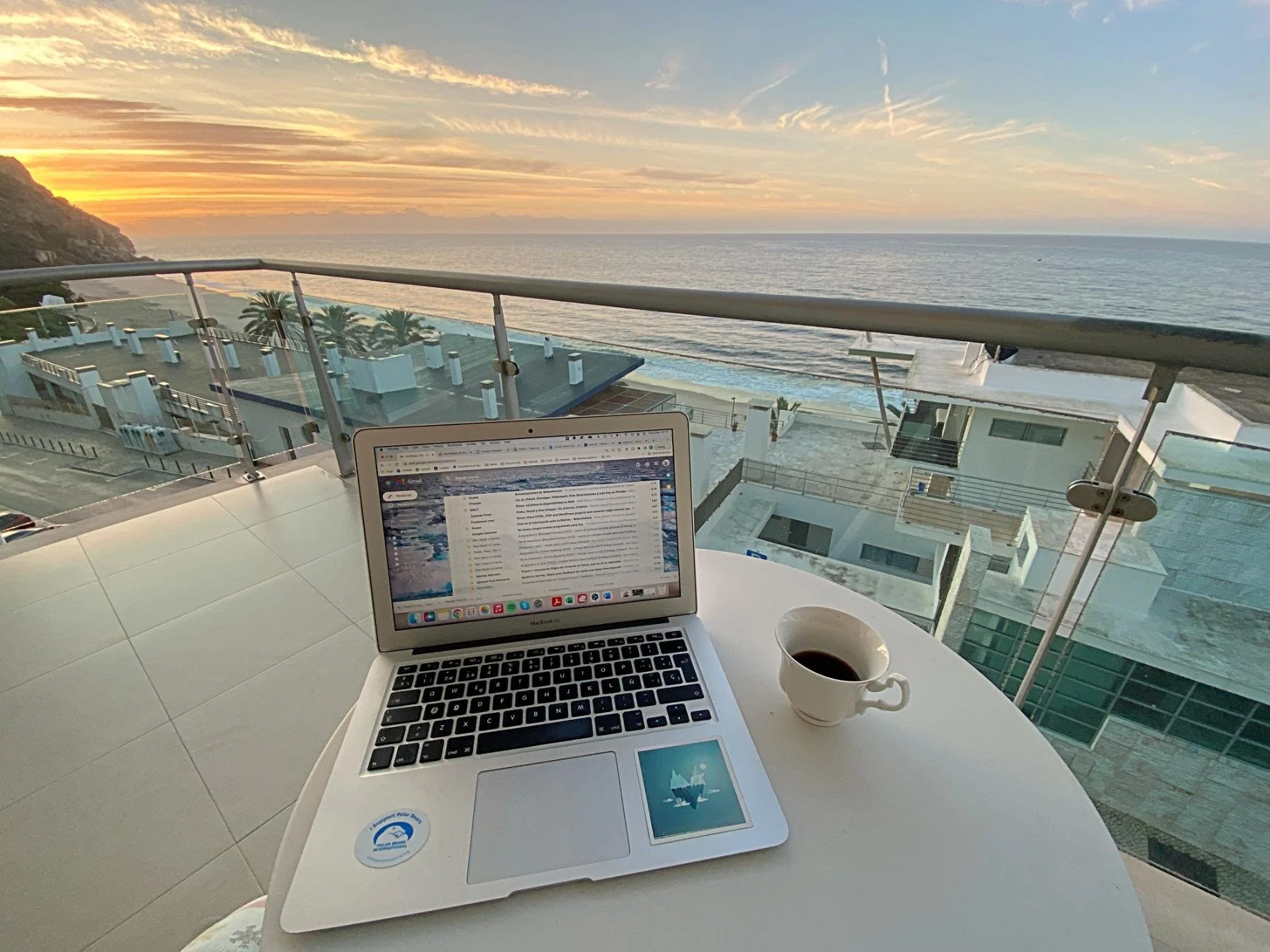
Portugal is one of those countries where the accommodation itself becomes part of the trip. You can find a hotel in Portugal that overlooks an Atlantic cliff, wake up to the sound of cork oaks in the Alentejo, or stumble into a surf lodge where the salt air never leaves. And you can do most of it without paying five-star prices — if you know where to look.
There are a lot of Portugal guides out there, but they all mention the same tourist spots. What follows is our by-region breakdown of where to stay in Portugal — the places we've stayed, the ones we'd book today, and the regions we think are seriously underrated.
Not everyone flying into Lisbon wants Lisbon.
Some people land, pick up a rental car, and drive straight toward the ocean —looking for cliffs, space, silence, and a hotel room where the sea isn’t a suggestion but the whole point. If that’s you (welcome to the club!), good news: you don’t need to go far, and you definitely don’t need a resort bracelet.
So, if you big windows over nightlife and landscapes over lobby bars, keep reading and discover some of our favorites hotels with sea views near Lisbon.
Oh, and a Portugal travel guidebook is worth packing, even if our tips are fab!
Everyone’s heard of Algarve’s golden sands and dramatic cliffs. But here’s the secret: Portugal’s wildest, quietest, most soul-restoring beaches aren’t in the brochures.
From the windy wilds of the Alentejo to the moody cliffs north of Lisbon, here are 10 spots where the Atlantic still roars and the Wi-Fi still sucks (in a good way). Swam in their icy Atlantic waters (check local advice for currents). Got lost on dusty trails. Ate delicious fish along the way.
These aren’t polished. They’re not trendy. They’re not all swimmable — head to Algarve for calmer waters. They’re wild, raw, and totally worth the detour. And yuou’ll definitely need a rental car.
Here are 10 of our favorite underrated beaches in Portugal — the ones we almost didn’t want to share. These are the “praias” we tell our closest friends about — and now, you!

When we first started exploring Portugal highlights, we thought we knew what to expect: the picturesque tram of Lisbon, the amazing Sintra, the beaches of the Algarve, and, of course, a pasteis de nata or two.
But trust us — Portugal has so much more to offer when you veer away from the typical tourist hotspots. It’s these hidden gems, these tucked-away villages and wild stretches of coast, that really made us fall in love with this place.
If you want to discover Portugal like we did, here are 5 places in Portugal off the beaten path.
Spoiler alert: It’s impossible to eat just a pasteis de nata or two. There’s a reason why they sell them in tubes!
Sesimbra Travel Guides
Portugal is one of those countries where the accommodation itself becomes part of the trip. You can find a hotel in Portugal that overlooks an Atlantic cliff, wake up to the sound of cork oaks in the Alentejo, or stumble into a surf lodge where the salt air never leaves. And you can do most of it without paying five-star prices — if you know where to look.
There are a lot of Portugal guides out there, but they all mention the same tourist spots. What follows is our by-region breakdown of where to stay in Portugal — the places we've stayed, the ones we'd book today, and the regions we think are seriously underrated.

Sesimbra is one of the easiest coastal escapes from Lisbon if you rent a car (and where we had the best pastéis de nata) — and also one of the easiest to get wrong.
On paper, it’s simple: beach, cliffs, Atlantic views, a locals’ favorite. In reality, some “sea view” stays barely glimpse the water, some central locations get noisy in summer, and the best-value places are often just slightly removed from the promenade.
This guide is strict on purpose. Every place listed below is:
a hotel, pousada, apartment, or alojamento local
chosen because the sea is genuinely part of the experience
Not everyone flying into Lisbon wants Lisbon.
Some people land, pick up a rental car, and drive straight toward the ocean —looking for cliffs, space, silence, and a hotel room where the sea isn’t a suggestion but the whole point. If that’s you (welcome to the club!), good news: you don’t need to go far, and you definitely don’t need a resort bracelet.
So, if you big windows over nightlife and landscapes over lobby bars, keep reading and discover some of our favorites hotels with sea views near Lisbon.
Oh, and a Portugal travel guidebook is worth packing, even if our tips are fab!
When we first started exploring Portugal highlights, we thought we knew what to expect: the picturesque tram of Lisbon, the amazing Sintra, the beaches of the Algarve, and, of course, a pasteis de nata or two.
But trust us — Portugal has so much more to offer when you veer away from the typical tourist hotspots. It’s these hidden gems, these tucked-away villages and wild stretches of coast, that really made us fall in love with this place.
If you want to discover Portugal like we did, here are 5 places in Portugal off the beaten path.
Spoiler alert: It’s impossible to eat just a pasteis de nata or two. There’s a reason why they sell them in tubes!
Nazaré & Ericeira Travel Guides
Portugal does boutique hotels exceptionally well, and the reason is mostly architectural. There are centuries of convents, palaces, olive oil mills, quintas, and fishermen's houses to work with — buildings that already have bones and history and character built in. Personally, we prefer hotels with character to big, impersonal chains. If you’re like us, Portugal will be heaven for you! Indeed, the best boutique hotels in Portugal tend to be conversions: a former palace on a Lisbon hilltop, a 16th-century olive mill inside Évora's city walls, a clifftop estate in the Alentejo redesigned by an architect who understood and respected what was already there.
What follows is our region-by-region guide to the best boutique stays across Portugal — from the capital to the wild Atlantic coast. Where we have a full regional guide, we link to it rather than repeating ourselves. Where we don't, we go deeper.
Portugal is one of those countries where the accommodation itself becomes part of the trip. You can find a hotel in Portugal that overlooks an Atlantic cliff, wake up to the sound of cork oaks in the Alentejo, or stumble into a surf lodge where the salt air never leaves. And you can do most of it without paying five-star prices — if you know where to look.
There are a lot of Portugal guides out there, but they all mention the same tourist spots. What follows is our by-region breakdown of where to stay in Portugal — the places we've stayed, the ones we'd book today, and the regions we think are seriously underrated.
Not everyone flying into Lisbon wants Lisbon.
Some people land, pick up a rental car, and drive straight toward the ocean —looking for cliffs, space, silence, and a hotel room where the sea isn’t a suggestion but the whole point. If that’s you (welcome to the club!), good news: you don’t need to go far, and you definitely don’t need a resort bracelet.
So, if you big windows over nightlife and landscapes over lobby bars, keep reading and discover some of our favorites hotels with sea views near Lisbon.
Oh, and a Portugal travel guidebook is worth packing, even if our tips are fab!

There’s a stretch of Portugal’s coast where everything slows down — except the waves. Between Nazaré’s cliff-top drama and Ericeira’s surfer charm, the Central Coast is one of those places that still feels wild, real, and deeply local.
We based ourselves in Nazaré, followed the salty wind south, and came back with a list of stays we’d happily move into. Dive (or surf) into our selection of accommodation in this little — but mighty — corner of Portugal!
When we first started exploring Portugal highlights, we thought we knew what to expect: the picturesque tram of Lisbon, the amazing Sintra, the beaches of the Algarve, and, of course, a pasteis de nata or two.
But trust us — Portugal has so much more to offer when you veer away from the typical tourist hotspots. It’s these hidden gems, these tucked-away villages and wild stretches of coast, that really made us fall in love with this place.
If you want to discover Portugal like we did, here are 5 places in Portugal off the beaten path.
Spoiler alert: It’s impossible to eat just a pasteis de nata or two. There’s a reason why they sell them in tubes!

It all started with a HBO documentary: 100 Foot Wave. We watched it during lockdown and promised ourselves that we would visit Nazaré as soon as travel resumes!
So, combining a visit to our friends in Ericeira, we headed to Portugal in October, hoping to catch the Big Waves.
We loved every single town and sight we visited in Portugal, but we particularly fell in love with low key Nazaré — apaixonámo-nos pela Nazaré! — this small, off the beaten path town that became famous with Garrett McNamara.
Explore the Big Waves Capital of the World with us and discover the best things to do in Nazaré, Portugal!
Alentejo & Costa Vicentina Travel Guides
Portugal does boutique hotels exceptionally well, and the reason is mostly architectural. There are centuries of convents, palaces, olive oil mills, quintas, and fishermen's houses to work with — buildings that already have bones and history and character built in. Personally, we prefer hotels with character to big, impersonal chains. If you’re like us, Portugal will be heaven for you! Indeed, the best boutique hotels in Portugal tend to be conversions: a former palace on a Lisbon hilltop, a 16th-century olive mill inside Évora's city walls, a clifftop estate in the Alentejo redesigned by an architect who understood and respected what was already there.
What follows is our region-by-region guide to the best boutique stays across Portugal — from the capital to the wild Atlantic coast. Where we have a full regional guide, we link to it rather than repeating ourselves. Where we don't, we go deeper.

The Alentejo is the kind of region that people stumble into without much of a plan and end up rearranging their whole trip around. Cork trees, bone-white hilltop villages, vineyards that stretch to the horizon. Pair it with the Costa Vicentina — the wild, protected coastline that runs south toward the Algarve — and you've got one of the most underrated stretches of Portugal. We absolutely fell in love with it!
The hotels tend to match the landscape. Converted farmhouses on 300-year-old estates. Low-slung whitewashed houses built into the Alentejo plain. Rural guesthouses where breakfast is local cheese, tomatoes, and bread still warm from the oven. Finding the right hotel in the Alentejo or along Costa Vicentina often means the whole trip falls into place around it.
We've split this guide by region, because the Alentejo interior and the coast are different trips (but are ideal when combined).
Portugal is one of those countries where the accommodation itself becomes part of the trip. You can find a hotel in Portugal that overlooks an Atlantic cliff, wake up to the sound of cork oaks in the Alentejo, or stumble into a surf lodge where the salt air never leaves. And you can do most of it without paying five-star prices — if you know where to look.
There are a lot of Portugal guides out there, but they all mention the same tourist spots. What follows is our by-region breakdown of where to stay in Portugal — the places we've stayed, the ones we'd book today, and the regions we think are seriously underrated.
Everyone’s heard of Algarve’s golden sands and dramatic cliffs. But here’s the secret: Portugal’s wildest, quietest, most soul-restoring beaches aren’t in the brochures.
From the windy wilds of the Alentejo to the moody cliffs north of Lisbon, here are 10 spots where the Atlantic still roars and the Wi-Fi still sucks (in a good way). Swam in their icy Atlantic waters (check local advice for currents). Got lost on dusty trails. Ate delicious fish along the way.
These aren’t polished. They’re not trendy. They’re not all swimmable — head to Algarve for calmer waters. They’re wild, raw, and totally worth the detour. And yuou’ll definitely need a rental car.
Here are 10 of our favorite underrated beaches in Portugal — the ones we almost didn’t want to share. These are the “praias” we tell our closest friends about — and now, you!
When we first started exploring Portugal highlights, we thought we knew what to expect: the picturesque tram of Lisbon, the amazing Sintra, the beaches of the Algarve, and, of course, a pasteis de nata or two.
But trust us — Portugal has so much more to offer when you veer away from the typical tourist hotspots. It’s these hidden gems, these tucked-away villages and wild stretches of coast, that really made us fall in love with this place.
If you want to discover Portugal like we did, here are 5 places in Portugal off the beaten path.
Spoiler alert: It’s impossible to eat just a pasteis de nata or two. There’s a reason why they sell them in tubes!
Algarve Travel Guides
Portugal does boutique hotels exceptionally well, and the reason is mostly architectural. There are centuries of convents, palaces, olive oil mills, quintas, and fishermen's houses to work with — buildings that already have bones and history and character built in. Personally, we prefer hotels with character to big, impersonal chains. If you’re like us, Portugal will be heaven for you! Indeed, the best boutique hotels in Portugal tend to be conversions: a former palace on a Lisbon hilltop, a 16th-century olive mill inside Évora's city walls, a clifftop estate in the Alentejo redesigned by an architect who understood and respected what was already there.
What follows is our region-by-region guide to the best boutique stays across Portugal — from the capital to the wild Atlantic coast. Where we have a full regional guide, we link to it rather than repeating ourselves. Where we don't, we go deeper.
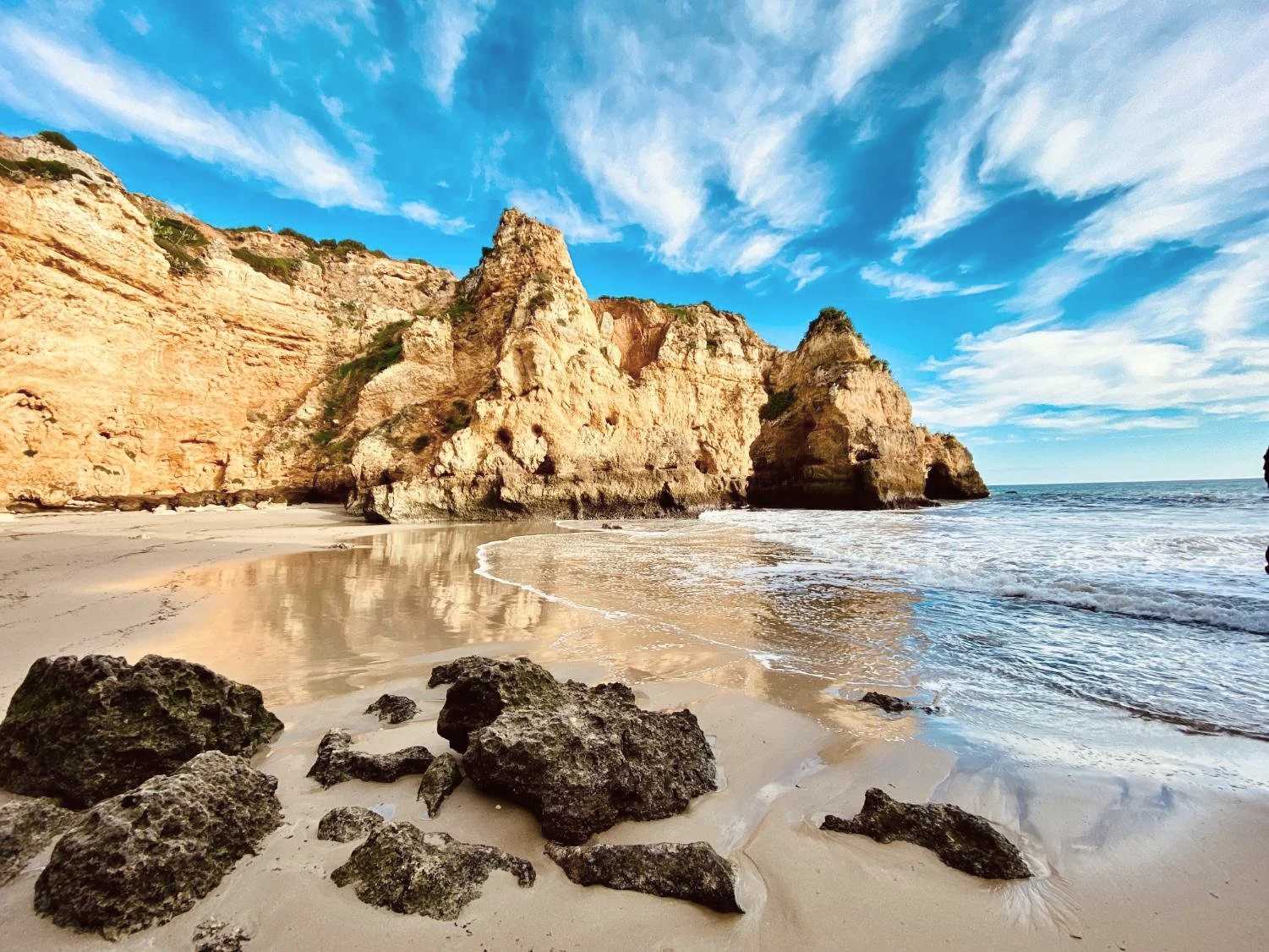
The Algarve everyone knows — the golden sea stacks, the crowded summer beaches, the all-inclusive resorts — is real. But it's a small part of a region that has cork oak forests, protected Atlantic coastline, Moorish architecture, wetland nature reserves, and some of the most characterful small hotels in Portugal.
The accommodation on this list exists across all of it. The best version of an Algarve trip (in our humble opinion) usually combines at least two of these areas: a few days in the backcountry west, a few days in the east near Tavira, and as much time as possible on the beaches in between.
Portugal is one of those countries where the accommodation itself becomes part of the trip. You can find a hotel in Portugal that overlooks an Atlantic cliff, wake up to the sound of cork oaks in the Alentejo, or stumble into a surf lodge where the salt air never leaves. And you can do most of it without paying five-star prices — if you know where to look.
There are a lot of Portugal guides out there, but they all mention the same tourist spots. What follows is our by-region breakdown of where to stay in Portugal — the places we've stayed, the ones we'd book today, and the regions we think are seriously underrated.
When we first started exploring Portugal highlights, we thought we knew what to expect: the picturesque tram of Lisbon, the amazing Sintra, the beaches of the Algarve, and, of course, a pasteis de nata or two.
But trust us — Portugal has so much more to offer when you veer away from the typical tourist hotspots. It’s these hidden gems, these tucked-away villages and wild stretches of coast, that really made us fall in love with this place.
If you want to discover Portugal like we did, here are 5 places in Portugal off the beaten path.
Spoiler alert: It’s impossible to eat just a pasteis de nata or two. There’s a reason why they sell them in tubes!
All Portugal Articles
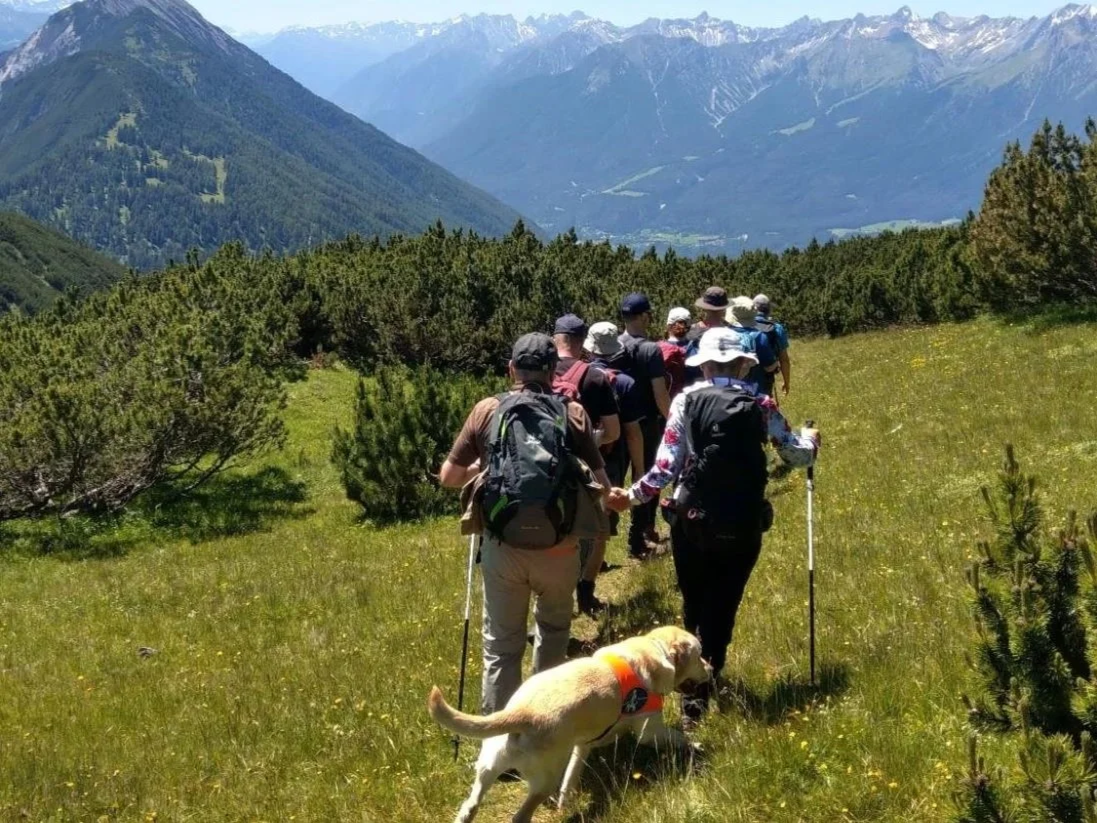
Laura and I met during our Master of Arts in European Tourism Management, a program that moved between Sweden and Spain. Just a few years after we graduated, she was already building what would become Tour de Sens: an inclusive tourism company that organizes trips for blind, visually impaired, and sighted travelers together, built around experiencing the world through all the senses.
It felt natural to invite her to write something for Penguin Trampoline. We're a blog about wonder and respect, about seeing places as they actually are rather than as they're packaged for quick consumption. What Laura does every day sits right at the heart of that. This is her piece — and I think it will change how you experience your next trip.
Portugal does boutique hotels exceptionally well, and the reason is mostly architectural. There are centuries of convents, palaces, olive oil mills, quintas, and fishermen's houses to work with — buildings that already have bones and history and character built in. Personally, we prefer hotels with character to big, impersonal chains. If you’re like us, Portugal will be heaven for you! Indeed, the best boutique hotels in Portugal tend to be conversions: a former palace on a Lisbon hilltop, a 16th-century olive mill inside Évora's city walls, a clifftop estate in the Alentejo redesigned by an architect who understood and respected what was already there.
What follows is our region-by-region guide to the best boutique stays across Portugal — from the capital to the wild Atlantic coast. Where we have a full regional guide, we link to it rather than repeating ourselves. Where we don't, we go deeper.
The Algarve everyone knows — the golden sea stacks, the crowded summer beaches, the all-inclusive resorts — is real. But it's a small part of a region that has cork oak forests, protected Atlantic coastline, Moorish architecture, wetland nature reserves, and some of the most characterful small hotels in Portugal.
The accommodation on this list exists across all of it. The best version of an Algarve trip (in our humble opinion) usually combines at least two of these areas: a few days in the backcountry west, a few days in the east near Tavira, and as much time as possible on the beaches in between.
Most people visit Sintra as a day trip from Lisbon. We get it — it's only 40 minutes by train, the palaces are right there, and the Instagram shots basically take themselves. But if you leave when the last bus goes, you miss what Sintra actually is.
Stay overnight and you get the village after the tour groups have gone. Cobblestone streets with no one on them. The fog rolling in off the Serra de Sintra as the light fades. The Pena Palace turning a deep orange in the last hour of sun. And, if you venture towards the sea, you’ll find sweeping ocean views all to yourself. A completely different place from the one 20,000 day-trippers saw.
The other thing nobody tells you: Sintra has some of the most characterful boutique accommodation in all of Portugal. Converted manor houses on century-old estates. Cliff-top guesthouses with rooms named after the Atlantic light. Former town halls turned into seven-suite hotels. The options are unique, and unlike Lisbon, they haven't been swallowed up by big chains yet.
Here's where to stay in Sintra, broken down by area.
The Alentejo is the kind of region that people stumble into without much of a plan and end up rearranging their whole trip around. Cork trees, bone-white hilltop villages, vineyards that stretch to the horizon. Pair it with the Costa Vicentina — the wild, protected coastline that runs south toward the Algarve — and you've got one of the most underrated stretches of Portugal. We absolutely fell in love with it!
The hotels tend to match the landscape. Converted farmhouses on 300-year-old estates. Low-slung whitewashed houses built into the Alentejo plain. Rural guesthouses where breakfast is local cheese, tomatoes, and bread still warm from the oven. Finding the right hotel in the Alentejo or along Costa Vicentina often means the whole trip falls into place around it.
We've split this guide by region, because the Alentejo interior and the coast are different trips (but are ideal when combined).
Portugal is one of those countries where the accommodation itself becomes part of the trip. You can find a hotel in Portugal that overlooks an Atlantic cliff, wake up to the sound of cork oaks in the Alentejo, or stumble into a surf lodge where the salt air never leaves. And you can do most of it without paying five-star prices — if you know where to look.
There are a lot of Portugal guides out there, but they all mention the same tourist spots. What follows is our by-region breakdown of where to stay in Portugal — the places we've stayed, the ones we'd book today, and the regions we think are seriously underrated.
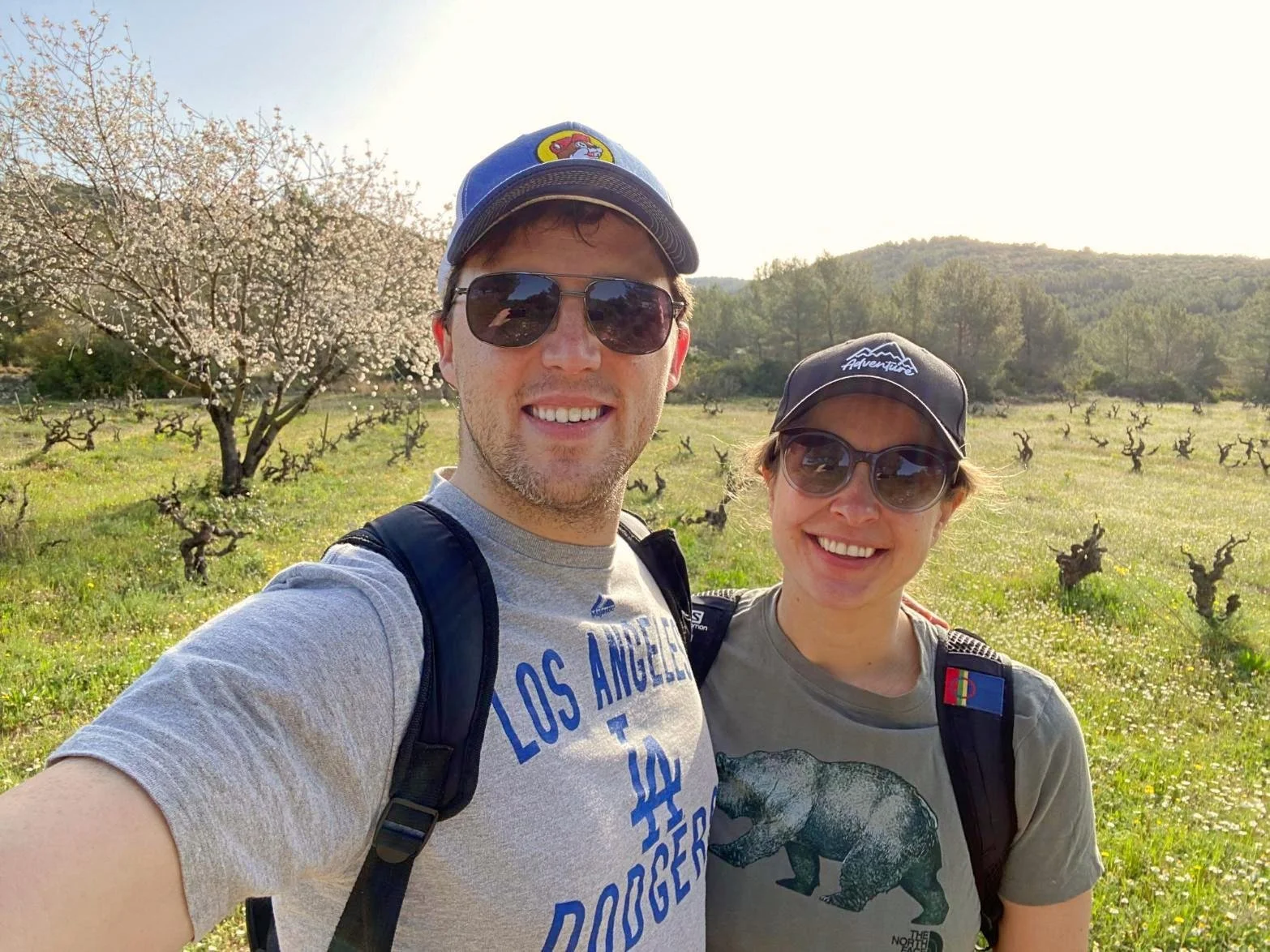
Spring is Europe’s most underrated travel season. Landscapes come back to life, prices stay reasonable, and places still belong to the people who live there. If you time it right, spring lets you experience destinations as they actually are — not as they perform in summer.
These off-the-beaten-path destinations aren’t obscure for the sake of it. They simply make more sense in spring. Keep reading to find out why!
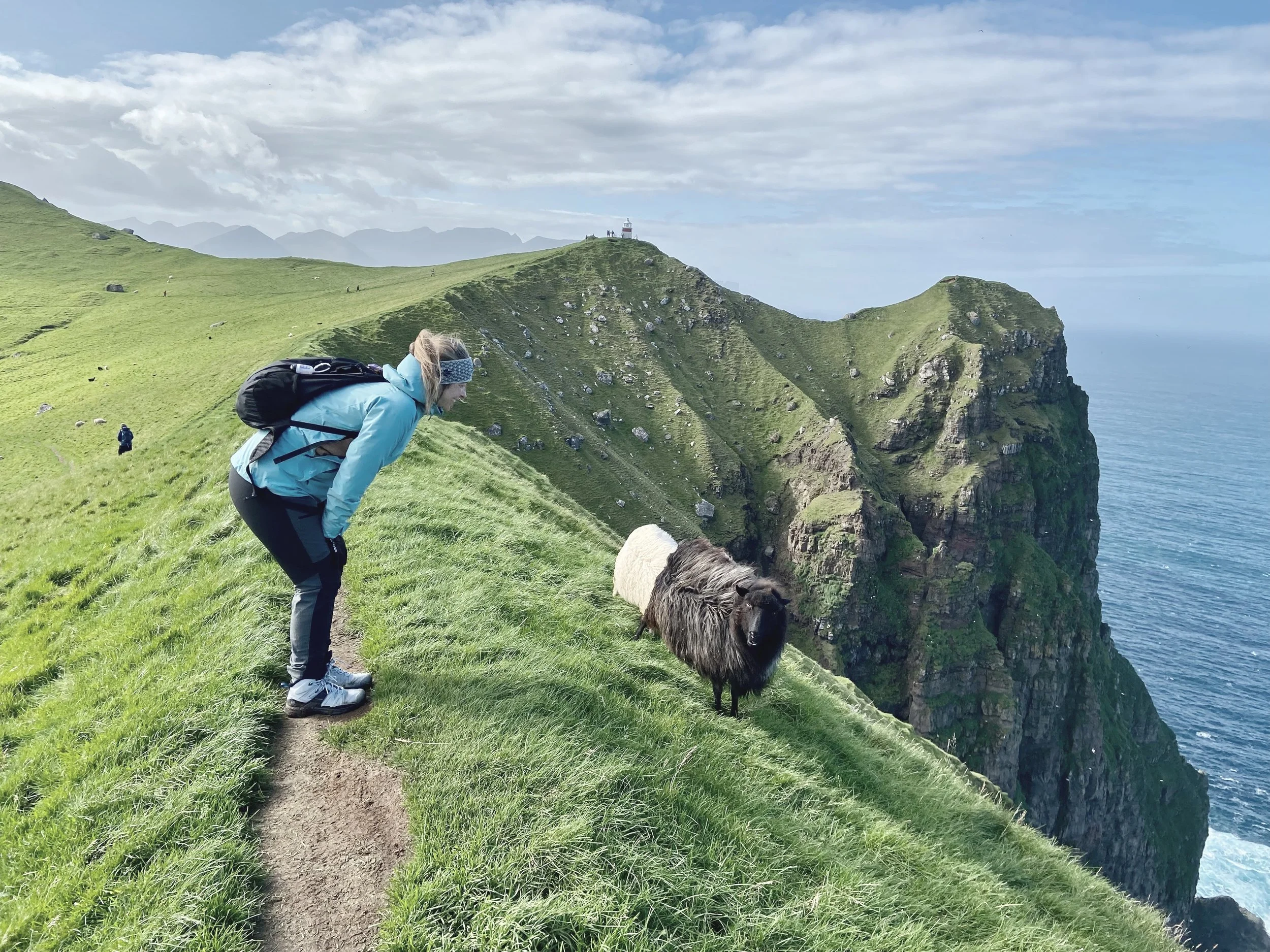
Travel in 2026 isn’t about ticking off famous places anymore. It’s about how you travel, when you go, and what kind of experience you want once you’re there.
After years of over-tourism, rising prices, and destinations that feel more like theme parks than places, travelers are making calmer, more intentional choices. And the data backs it up, as per Booking.com stats: quieter destinations, off-season travel, and colder regions are driving real bookings — not just inspiration clicks.
That makes us very happy at Penguin Trampoline, as we always encourage responsible travelling, and we are constantly looking for the perfect balance between travellers' and locals’ interests.
Here’s what’s actually shaping travel in 2026, and how to use these shifts to choose better destinations.
Sesimbra is one of the easiest coastal escapes from Lisbon if you rent a car (and where we had the best pastéis de nata) — and also one of the easiest to get wrong.
On paper, it’s simple: beach, cliffs, Atlantic views, a locals’ favorite. In reality, some “sea view” stays barely glimpse the water, some central locations get noisy in summer, and the best-value places are often just slightly removed from the promenade.
This guide is strict on purpose. Every place listed below is:
a hotel, pousada, apartment, or alojamento local
chosen because the sea is genuinely part of the experience
Not everyone flying into Lisbon wants Lisbon.
Some people land, pick up a rental car, and drive straight toward the ocean —looking for cliffs, space, silence, and a hotel room where the sea isn’t a suggestion but the whole point. If that’s you (welcome to the club!), good news: you don’t need to go far, and you definitely don’t need a resort bracelet.
So, if you big windows over nightlife and landscapes over lobby bars, keep reading and discover some of our favorites hotels with sea views near Lisbon.
Oh, and a Portugal travel guidebook is worth packing, even if our tips are fab!

We’ve scouted Europe’s most overlooked corners again — these are the places we’ll be talking about in 2026.
Let’s be honest — over-tourism is real, and sometimes, you just want to escape the crowds and find a place that still feels undiscovered. At least, we do, and this is why we always prefer going off the beaten path. The kind of spot where you don’t have to queue for an overpriced coffee or jostle with selfie sticks just to catch a glimpse of a landmark. It’s also a more sustainable approach to traveling!
And while we do visit famous destinations, we’re all about the hidden gems, the places that still have that raw, unfiltered magic. Here’s our hand-picked list of underrated destinations for 2026 — places we’ve actually been, places we love, and places you should definitely add to your travel plans.
There’s a stretch of Portugal’s coast where everything slows down — except the waves. Between Nazaré’s cliff-top drama and Ericeira’s surfer charm, the Central Coast is one of those places that still feels wild, real, and deeply local.
We based ourselves in Nazaré, followed the salty wind south, and came back with a list of stays we’d happily move into. Dive (or surf) into our selection of accommodation in this little — but mighty — corner of Portugal!
Everyone’s heard of Algarve’s golden sands and dramatic cliffs. But here’s the secret: Portugal’s wildest, quietest, most soul-restoring beaches aren’t in the brochures.
From the windy wilds of the Alentejo to the moody cliffs north of Lisbon, here are 10 spots where the Atlantic still roars and the Wi-Fi still sucks (in a good way). Swam in their icy Atlantic waters (check local advice for currents). Got lost on dusty trails. Ate delicious fish along the way.
These aren’t polished. They’re not trendy. They’re not all swimmable — head to Algarve for calmer waters. They’re wild, raw, and totally worth the detour. And yuou’ll definitely need a rental car.
Here are 10 of our favorite underrated beaches in Portugal — the ones we almost didn’t want to share. These are the “praias” we tell our closest friends about — and now, you!

Spoiler alert: You won’t find Mykonos or Ibiza here. This is a deeply biased, highly personal list of European beaches we’ve actually been to — and loved enough to forget our towels (and sometimes swimsuit) for. And don’t expect just sea, sun and sand! From lava-black shores in Iceland to dreamy coves in Sardinia, here’s where to go if you’re looking for irresistible landscapes and sweet solitude (well, at least off season).
When we first started exploring Portugal highlights, we thought we knew what to expect: the picturesque tram of Lisbon, the amazing Sintra, the beaches of the Algarve, and, of course, a pasteis de nata or two.
But trust us — Portugal has so much more to offer when you veer away from the typical tourist hotspots. It’s these hidden gems, these tucked-away villages and wild stretches of coast, that really made us fall in love with this place.
If you want to discover Portugal like we did, here are 5 places in Portugal off the beaten path.
Spoiler alert: It’s impossible to eat just a pasteis de nata or two. There’s a reason why they sell them in tubes!
It all started with a HBO documentary: 100 Foot Wave. We watched it during lockdown and promised ourselves that we would visit Nazaré as soon as travel resumes!
So, combining a visit to our friends in Ericeira, we headed to Portugal in October, hoping to catch the Big Waves.
We loved every single town and sight we visited in Portugal, but we particularly fell in love with low key Nazaré — apaixonámo-nos pela Nazaré! — this small, off the beaten path town that became famous with Garrett McNamara.
Explore the Big Waves Capital of the World with us and discover the best things to do in Nazaré, Portugal!

Free download
Travel Cheaper Cheat Sheet
27 tips on flights, hotels, hidden costs and more — spend less without missing what actually matters.
No spam. Unsubscribe anytime.
Frequently Asked Questions
-
Portugal is compact enough that a 10-day trip can cover real ground, but spread enough that trying to see everything at once is a mistake. Most Portugal travel itineraries use Lisbon as the entry point, then head either north toward Sintra, Nazaré, and Ericeira, or south through the Alentejo and down to the Algarve. The coast and the interior feel like different countries, which is part of what makes a Portugal trip so rewarding. If you want help building a route around your specific interests and dates, we offer personal 1-hour consultations.
-
A Portugal road trip along the west coast is one of the most satisfying drives in Europe. The classic southern route runs from Lisbon down through the Alentejo, along the wild Costa Vicentina, and into the Algarve. The northern version takes you up through Sintra, Nazaré, and Ericeira, where the surf culture and boutique hotels make it easy to stay longer than planned. Either direction, having a car is the difference between a good trip and a great one — the best places in Portugal are not on bus routes. Read our guide to the best places in Portugal off the beaten path.
-
Very. Portugal solo travel is straightforward and welcoming. English is widely spoken, the country is consistently ranked among the safest in Europe, public transport connects the main cities reliably, and the culture is genuinely warm without being overwhelming. Solo travelers tend to do particularly well here because the smaller guesthouses and boutique hotels create easy conversation, and the food and coffee scene rewards people who are happy to sit at a counter and see what happens.
-
Portugal beaches range from the dramatic limestone cliffs of the Algarve to the wild, wave-hammered stretches of the Costa Vicentina where swimming is beside the point. The Algarve gets the most attention and deserves some of it, but the less visited beaches further north and along the Atlantic coast are where Portugal really surprises you. We've put together a full guide to Portugal's wild and underrated beaches, including access tips and a map, for anyone who wants to get beyond the crowded ones.
-
Yes, and it works well if you keep it geographically logical. The most popular Spain and Portugal travel itinerary pairs Lisbon with Seville and the Andalusia region, connected by a direct train. You can also combine Porto with Santiago de Compostela in northern Spain, which is a shorter and underrated pairing. Trying to add Madrid or Barcelona to the same trip tends to stretch things thin. Two weeks gives you enough time to do one combination properly.
-
The Alentejo is the answer most people aren't expecting. Cork forests, bone-white hilltop villages, some of the best boutique hotels in the country, and almost no crowds even in summer. The Costa Vicentina, which runs along the southwestern tip, has wild Atlantic beaches that get too rough for swimming and too beautiful to leave. Sesimbra, just south of Lisbon, is the kind of fishing town that feels like it should be more famous than it is. And Nazaré, famous now for its big wave surfing, has a character well beyond the surf season.
Portugal does boutique hotels exceptionally well, and the reason is mostly architectural. There are centuries of convents, palaces, olive oil mills, quintas, and fishermen's houses to work with — buildings that already have bones and history and character built in. Personally, we prefer hotels with character to big, impersonal chains. If you’re like us, Portugal will be heaven for you! Indeed, the best boutique hotels in Portugal tend to be conversions: a former palace on a Lisbon hilltop, a 16th-century olive mill inside Évora's city walls, a clifftop estate in the Alentejo redesigned by an architect who understood and respected what was already there.
What follows is our region-by-region guide to the best boutique stays across Portugal — from the capital to the wild Atlantic coast. Where we have a full regional guide, we link to it rather than repeating ourselves. Where we don't, we go deeper.