
How People are Actually Traveling in 2026 (and Why Quieter Destinations are Winning)
Less noise, fewer crowds, smarter timing — travel in 2026 looks very different from a few years ago.

I asked this Faroese sheep what they thought about 2026 trends, and I got really wool insight!
Last update: August 2026
Travel in 2026 isn’t about ticking off famous places anymore. It’s about how you travel, when you go, and what kind of experience you want once you’re there.
After years of over-tourism, rising prices, and destinations that feel more like theme parks than places, travelers are making calmer, more intentional choices. And the data backs it up, as per Booking.com stats: quieter destinations, off-season travel, and colder regions are driving real bookings — not just inspiration clicks.
That makes us very happy at Penguin Trampoline, as we always encourage responsible travelling, and we are constantly looking for the perfect balance between travellers' and locals’ interests.
Here’s what’s actually shaping travel in 2026, and how to use these shifts to choose better destinations.
What are the main travel trends for 2026?
The big shift in 2026 isn't where people are going, it's how they're choosing. Travelers are picking quieter destinations over famous ones, traveling shoulder season to avoid both the crowds and the prices, and booking around a specific experience rather than a city itinerary. Coolcations to northern regions are up, city-hopping is down, and smaller bases are consistently outperforming big hubs for actual satisfaction. I (Eli) have a master's in tourism management, so I always observe the evolution of the travel industry. This article breaks down the six patterns shaping travel right now, with specific destination examples and a few questions worth asking before you book.
1. Off-the-beaten-path travel isn’t niche anymore
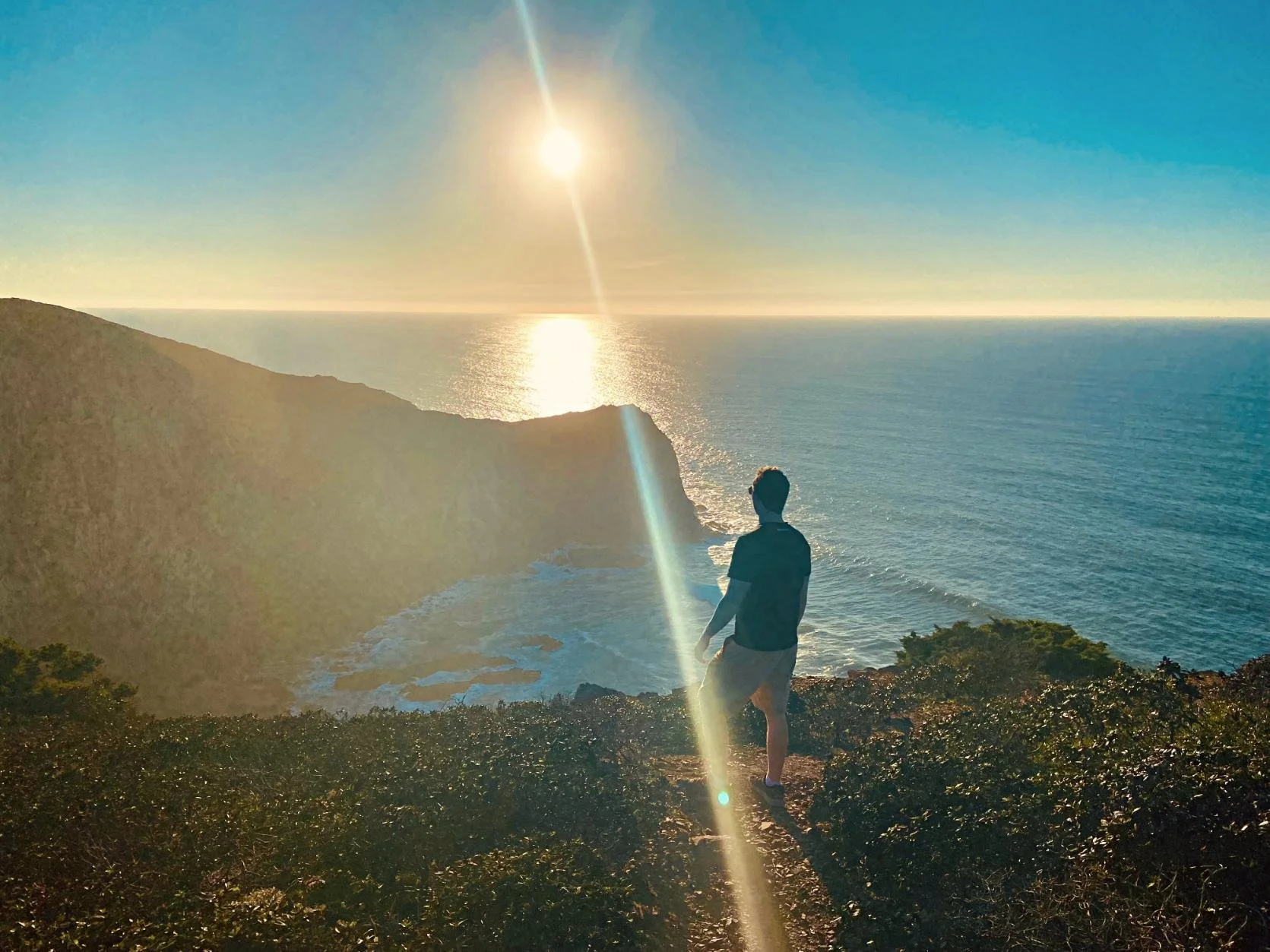
Venturing off the beaten path will reward you with private sunsets — here in Alentejo, Portugal
“Off the beaten path” no longer means remote or complicated. In 2026, it usually means choosing the quieter option next door — the place that offers the same landscapes with fewer people and less friction.
Instead of Barcelona, travelers are looking toward mountain villages and smaller bases along the Catalan coast. Instead of headline destinations like Lisbon, they’re choosing regions where nature is the main attraction and logistics stay simple, for example, off-the-beaten-path towns and villages in Portugal
That’s exactly why places like Espot, in the Spanish Pyrenees, are quietly winning. Sitting near Aigüestortes National Park, Espot offers dramatic scenery, a walkable village center, and direct access to hiking without the crowds you’d expect in more famous Alpine areas.
Choosing accommodation centrally here makes a real difference. Staying within the village keeps things simple — fewer drives, easier mornings, and more time actually outdoors. This kind of base-first thinking is one of the clearest patterns we’re seeing in bookings.
Find a place to stay in Espot:
2. Off-season travel is the new smart travel
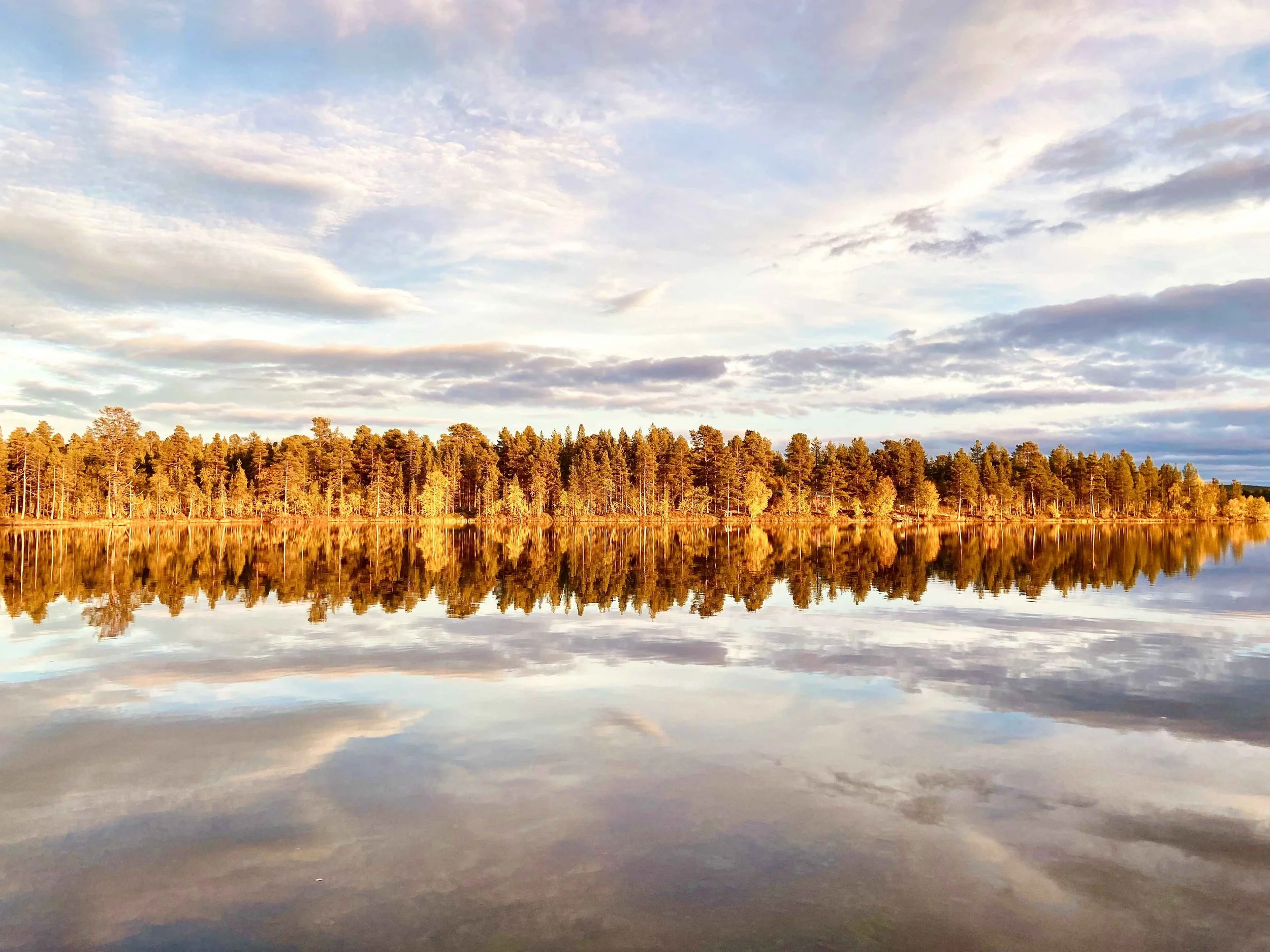
Fall (ruska) in Finnish Lapland is seriously underrated!
Travelers aren’t avoiding peak season because they’re adventurous — they’re avoiding it because it makes sense.
In 2026:
flights are cheaper outside peak weeks
accommodation availability is better
destinations feel more authentic
and experiences are simply more pleasant
We’re seeing spring and shoulder-season bookings already rolling in from January traffic, especially for nature-heavy regions where summer crowds can overwhelm the experience.
This is especially visible in Arctic and northern destinations, where early spring are no longer “low season”.
For example, in places like Rovaniemi (Finnish Lapland) and Tromsø (Norway), winter used to get all the attention.Traveling outside of peak season is more sustainable (and nice) for locals and for the environment. And, as a traveler, you’ll get a much better welcome — and of course, lower prices and better availability!
3. Coolcations are no longer a buzzword — they’re a solution

We explored Greenland in spring 2025 and absolutely fell in love
We’ve been going to the Arctic for over 20 years. but coolcations — traveling to cooler climates — aren’t about novelty anymore. They’re a direct response to:
heatwaves
overcrowded summer hotspots
and the desire for outdoor activities without exhaustion
Northern destinations are benefiting the most from this shift.
Places like Kiruna and Abisko offer exactly what travelers are looking for:
cooler temperatures
dramatic landscapes
walkable or train-accessible bases
and seasonal experiences you can’t replicate elsewhere
A similar pull is drawing travelers toward the Faroe Islands, where cooler temperatures, small communities, and ever-changing weather naturally slow the pace of travel.
For travelers willing to go a step further, Greenland is becoming the ultimate coolcation — not because it’s trendy, but because it offers space, silence, and landscapes so vast they naturally slow everything down. And in 2026, it’s more accessible than ever.
These destinations also align with another key 2026 behavior: traveling without a car, relying instead on trains, ferries, guided activities, and well-located accommodation.
Find a place to stay for your coolcation:

Penguin Trampoline tip:
🐋 Greenland and the Faroe Islands are home to a variety of cetaceans like dolphins and whales. You can follow the journey of one, through our partner Fahlo — their Whale Bracelet supports marine research and lets you track a real whale’s migrations in the North Atlantic. Our readers get 20% off through this link: Track a real whale or dolphin with Fahlo
4. Quietcations: when doing less is the point

After a good hike: sauna, icy dip, repeat: our favorite quietcation! Here in the Lofoten
In a very loud and fast world, the demand to slow down is not surprising.
Quietcations — trips built around rest, silence, and simplicity — are one of the strongest behavioral shifts we’re seeing.
This isn’t wellness tourism with buzzwords. It’s much simpler:
fewer people
less movement
better sleep
and space to actually enjoy where you are
Destinations like the Lofoten Islands fit this perfectly. Not because they’re unknown, but because choosing the right base makes all the difference.
Staying in smaller villages or traditional rorbuer outside the busiest hubs transforms the experience:
less traffic
darker skies (Check our Northern Lights Hub for our best tips!)
quieter evenings
and stronger connection to the landscape
This is exactly why Lofoten continues to work well for thoughtful travelers planning ahead.
5. Experience-first travel beats checklist tourism
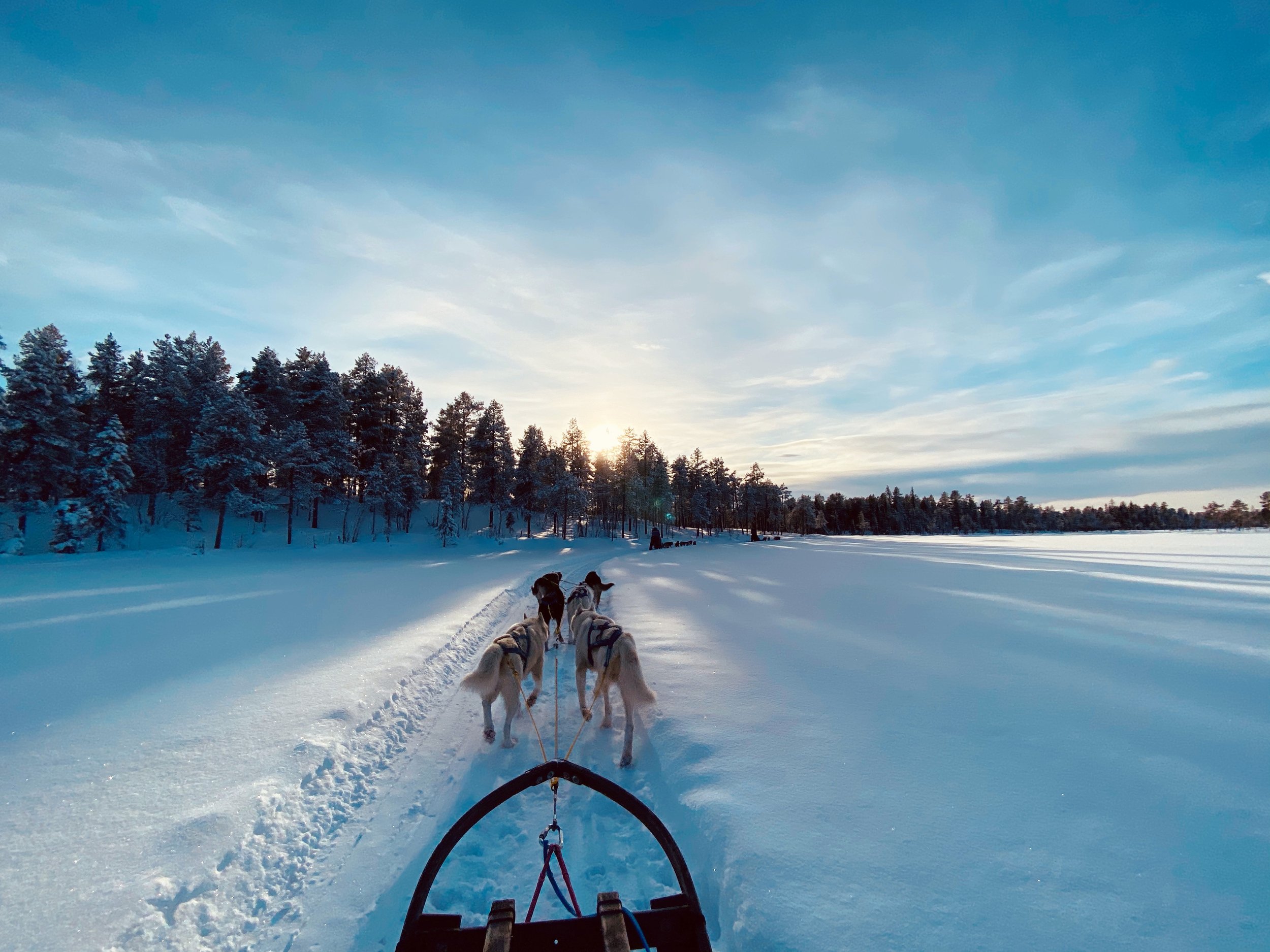
Mushing, while traditionally an Inuk and not a Sámi activity, remains one of our favorite activitie (when ethically run, of course) — Here in Swedish Lapland
Another clear 2026 shift: people aren’t booking destinations first — they’re booking experiences like:
Dog sledding.
Snowmobiling.
Northern lights tours.
Mountain hikes.
Cultural evening (for example the Sámi culture in Lapland, Transylvanian traditional cuisine in Romania, etc.)
The destination becomes the backdrop, not the headline.
We’ve seen this clearly through Arctic bookings and questions tied to:
northern lights experiences
dog sledding tours
winter activities with pickup and local guides
Instead of asking for help to choose a destination, our readers frequently send questions like:
Where do I stay?
How do I get there?
Do I need a car?
Will this actually work?
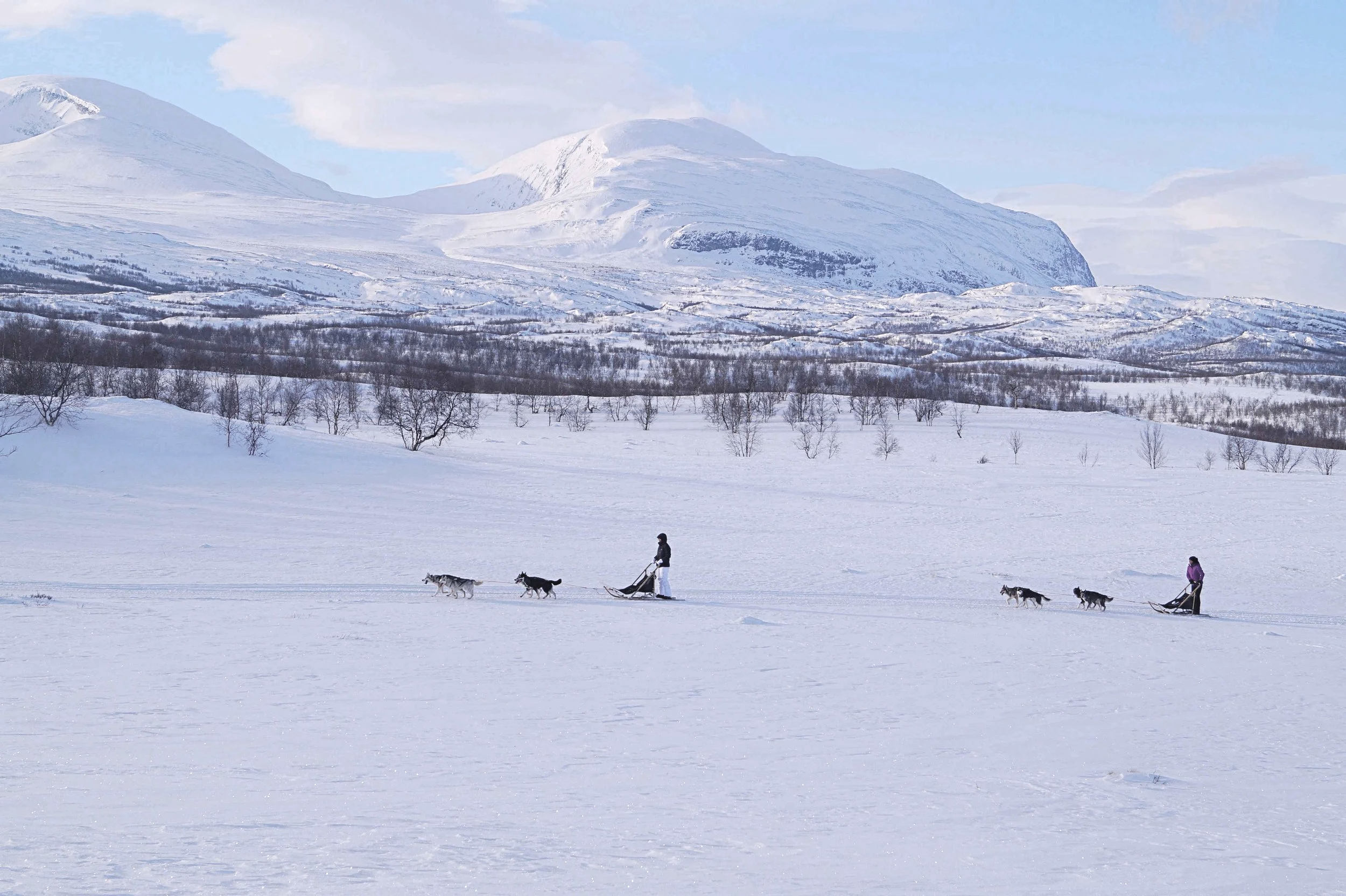
Whatever the experience, we always recommend a travel insurance. Get 5 to 15 % with our partner HeyMondo!
Pic: Eli mushing in Abisko, Sweden
Find an unforgettable experience anywhere in the world on Viator:
6. Smaller bases are beating big cities
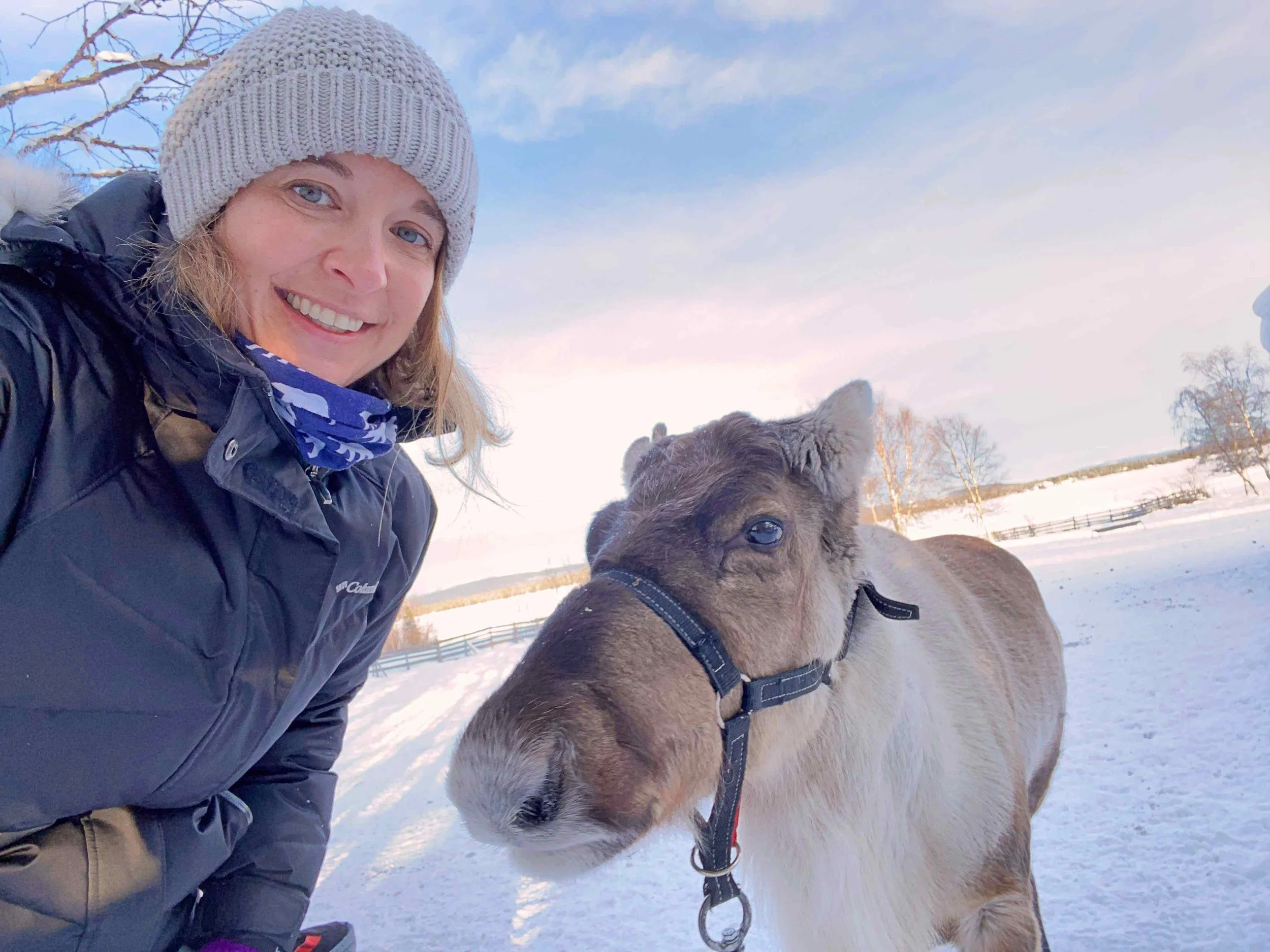
Instead of staying in Kiruna, we love Jukkasjärvi, home of the ICEHOTEL and these friendly reindeer from Nutti Sámi Siida
Instead of hopping between cities, travelers are choosing one good base and exploring slowly.
Examples we’re seeing:
Mountain villages in the Pyrenees
Small Arctic towns instead of large hubs
Coastal towns over capital cities, for example near less known beaches in Portugal
This approach reduces stress and decision fatigue — and it’s far easier to enjoy a destination when you’re not constantly packing, moving, and navigating crowds.
It also naturally aligns with:
better accommodation choices
guided experiences
and deeper engagement with a place
We’re seeing this clearly in places like Alta, Norway, where travelers choose a smaller Arctic base specifically for northern lights experiences, dog sledding, and winter activities — without the crowds or complexity of bigger hubs.
What all these 2026 travel trends have in common
They’re not trends in the flashy sense. They respond to a growing need for authenticity and connection, in a world that moves fast, makes noise, and rarely leaves space to slow down.
Travelers are choosing:
fewer places, better chosen
quieter destinations over famous ones
off-season timing over peak chaos
experiences that justify the journey
And that’s exactly why destinations like Espot, Kiruna, Abisko, Alta, and the Lofoten Islands are attracting more visitors — not because they’re trendy, but because they deliver.
How to use this when planning your own 2026 trip
If you’re planning travel this year, ask yourself:
Can I go slightly earlier or later?
Is there a quieter base nearby?
Do I want movement — or depth?
Would fewer logistics improve the experience?
Often, the better trip isn’t farther away. It’s just less obvious.
Here is our personal traveling playlist:
Travel in 2026 isn’t about escaping reality.
It’s about choosing places that feel calm, intentional, and worth the effort.
The destinations quietly winning right now aren’t shouting for attention — and that’s exactly the point.

Free download
Travel Cheaper Cheat Sheet
27 tips on flights, hotels, hidden costs and more — spend less without missing what actually matters.
No spam. Unsubscribe anytime.
Hidden Gems in Europe
Espot & the Spanish Pyrenees
Kiruna & Abisko in Swedish Lapland
Lofoten Islands
Transylvania, Romania's Wild Heart
Portugal Off the Beaten Path
Greenland Travel Guide
Northern Lights Hub
All Destinations
