
Blog
Penguin Trampoline: The blog
With Penguin Trampoline, adventures soar to new heights!
Are you ready to bounce into a world of awe-inspiring destinations, where the thrill of exploration meets the grace of a penguin's waddle?
From the icy wonderlands of Arctic regions to the sunny Spain & Portugal beaches, our travel blog is your ultimate ticket to discovering hidden gems, unlocking travel tips, and embracing the sheer joy of discovering new horizons.
We're not just about sightseeing; we're about experiencing the heartbeat, culture and gastronomy of each destination, bouncing into unforgettable moments.
Join our community of dreamers and explorers as we leap from continent to continent, propelled by curiosity and an insatiable wA/Onderlust.
So, buckle up, grab your passport, and prepare to spring into the exhilarating world of Penguin Trampoline!

Free download
Travel Cheaper Cheat Sheet
27 tips on flights, hotels, hidden costs and more — spend less without missing what actually matters.
No spam. Unsubscribe anytime.
Car Rental in Kiruna, Sweden: Everything You Need to Know
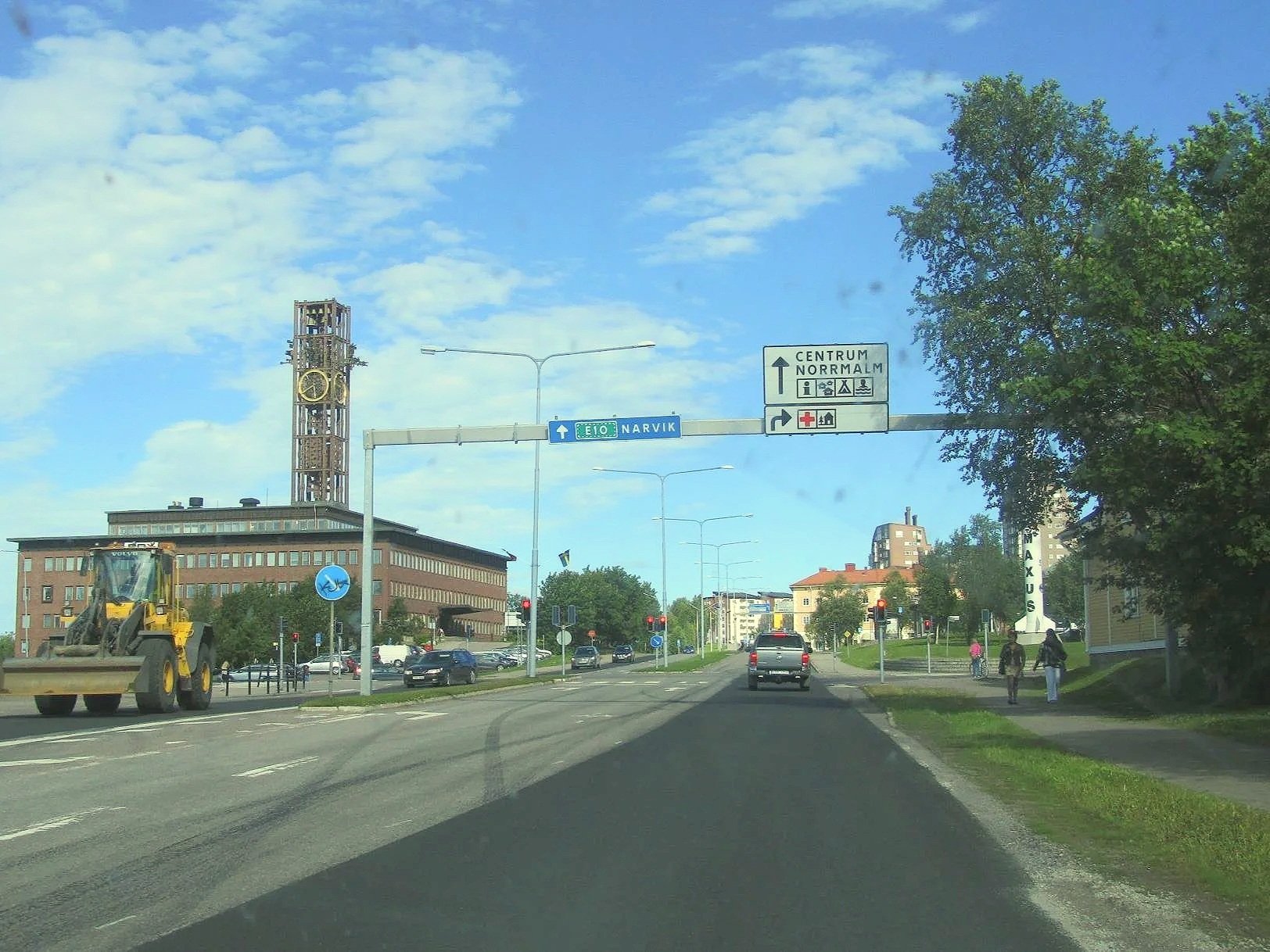
Kiruna, Swedish Lapland, is definitely small enough to walk across, but the moment you want the ICEHOTEL, Abisko, or a run at the aurora somewhere darker than town, you'll want your own wheels. Here's your guide to rent a car in Kiruna. We’ve been there 7 times!
Kiruna to Abisko: How to Get There by Train, Bus, or Car
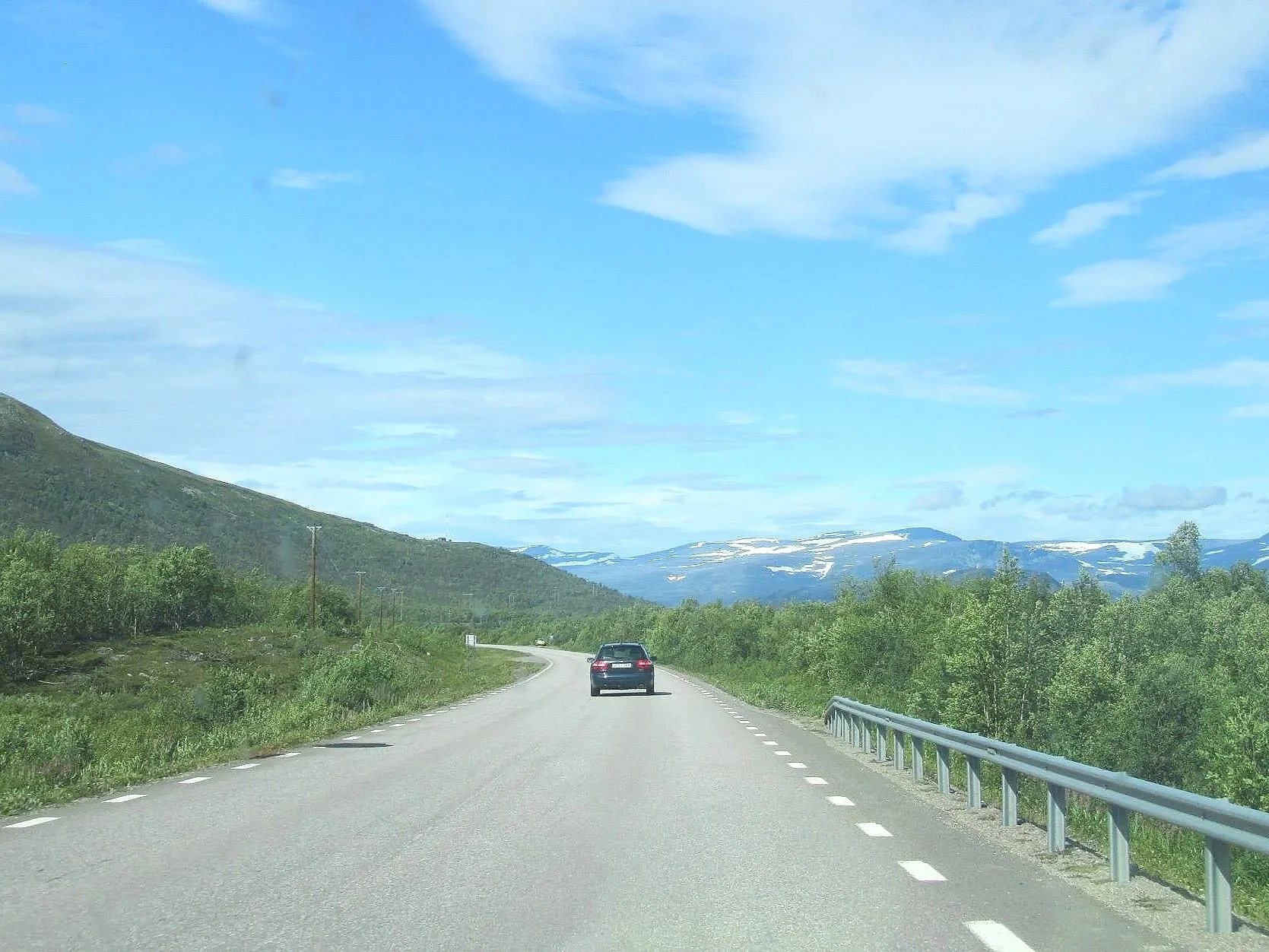
Abisko sits about 94 kilometers northwest of Kiruna, Swedish Lapland, on the same rail and road corridor that continues on to Riksgränsen and across the border into Narvik, Norway. Most people making this trip are headed for Abisko National Park, the Aurora Sky Station, or a stretch of the Kungsleden, and there are three ways to get from Kiruna to Abisko: train, bus, or car. We did the three, and here's how each one works.
Northern Lights in Sweden: Where to Go and When to See Them
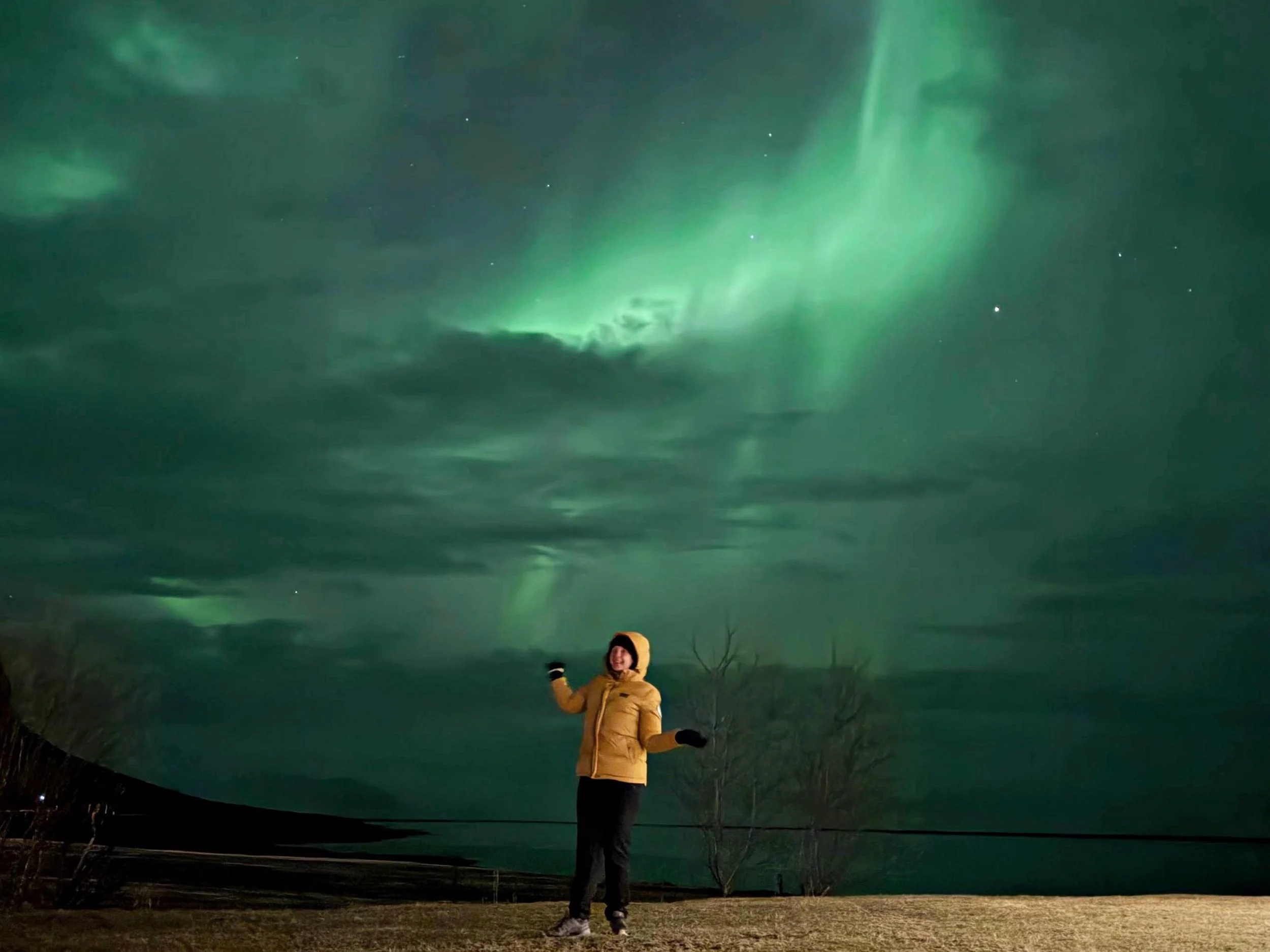
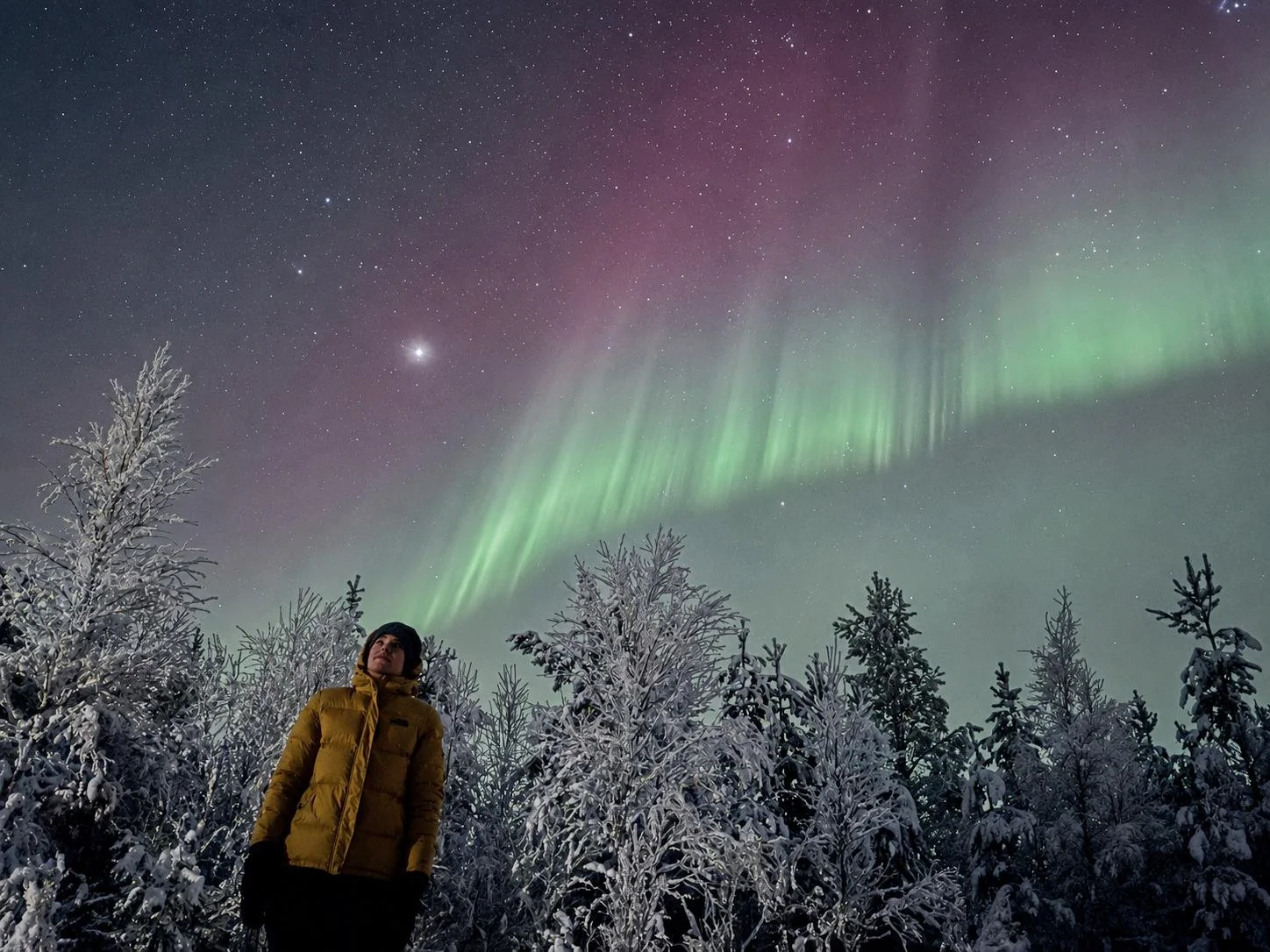
Sweden doesn't have one northern lights destination, it has three, and they don't behave the same way. Kiruna, Abisko, and Luleå, all in Lapland, each give you a real shot at the aurora, but for different reasons, and the right base depends on the kind of trip you're planning. This page is the fast version: where to go, when to go, what your odds really are, and whether you need a tour at all, based on two decades of experience chasing the aurora in the far north.
Northern Lights Tours in Sweden: How to Choose
Sweden has three real bases for a northern lights tour: Kiruna, Abisko, and Luleå, all in Lapland. Each has its own tour scene, and we've covered each in depth elsewhere. This page is the fast version: how to pick a destination, what a good tour includes, and whether you need one at all.
Northern Lights Tours in Kiruna: How to Choose
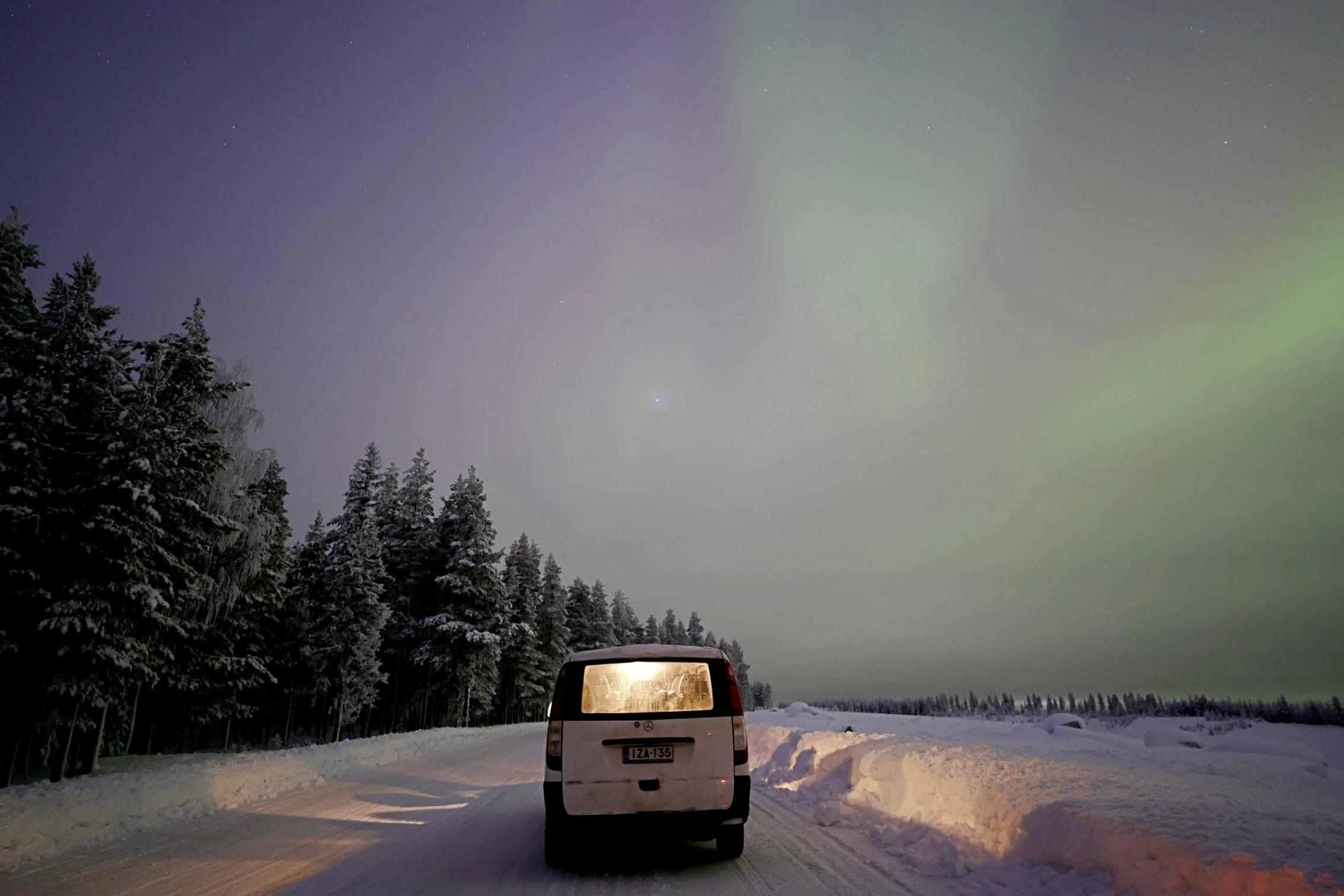
We've booked some aurora tours across Lapland over dozens of trips (including seven trips to Kiruna), sometimes to save ourselves the driving, sometimes because a friend visiting for the first time didn't want to gamble their one night on figuring it out alone. This is the breakdown we wish we'd had the first time: what each tour type gets you, what "guaranteed" tends to mean in Kiruna specifically, and how to choose between a minibus, a snowmobile, and a dog sled when you've only got one or two nights.
For the full picture on when to go, where to watch without a tour, and how Kiruna compares to Abisko, see our Northern Lights in Kiruna guide. This one is about the tours.
Northern Lights in Kiruna: Best Time, Where to Watch & How to Check the Forecast
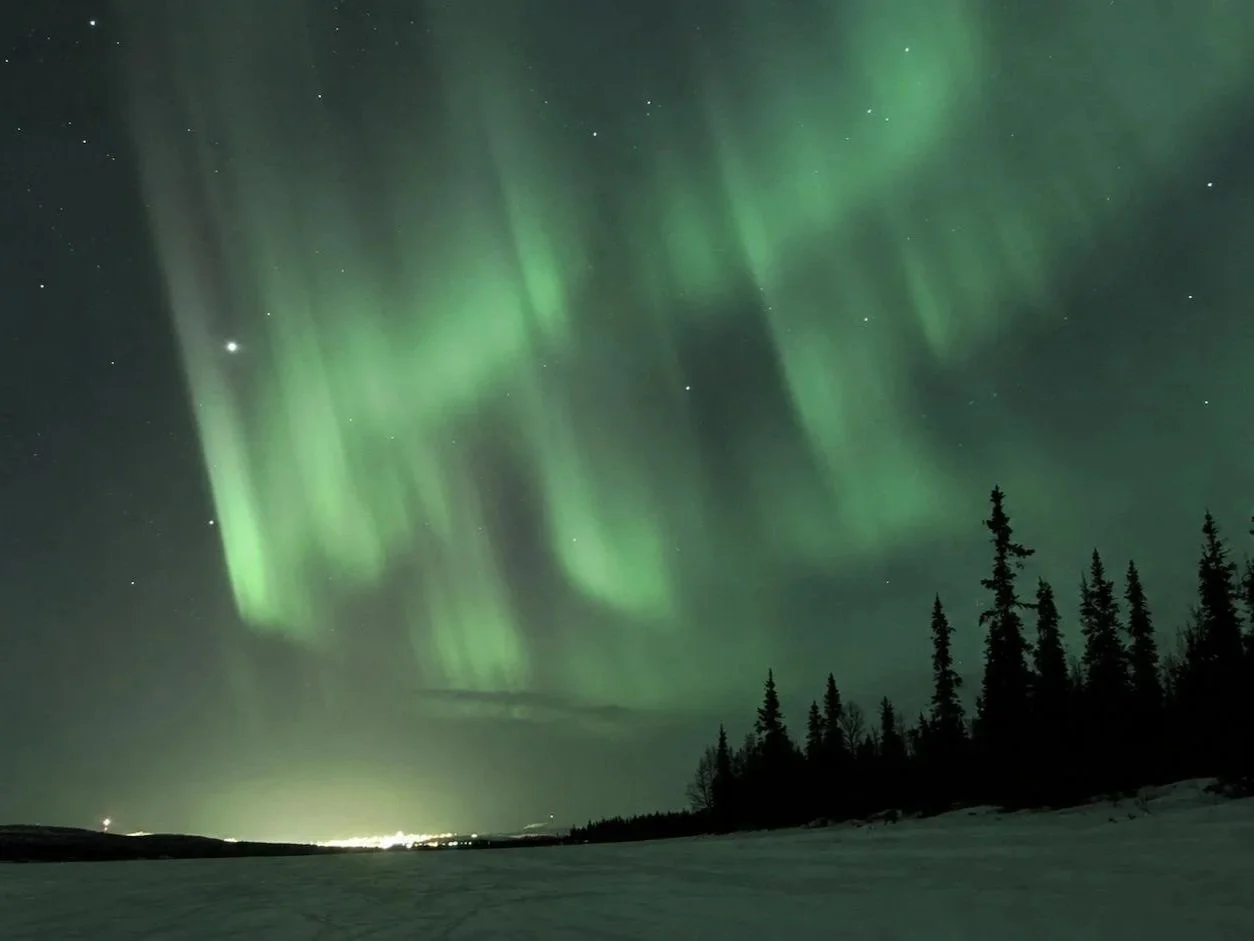
Kiruna, Swedish Lapland, is where my Arctic obsession actually began. I first came here as a student at Dalarna University back in 2007, fell for the place immediately, and ended up writing my master's thesis on polar destinations. I’ve been back seven times since, and Kiruna was also the first Arctic destination I ever brought Jake to. So when we talk about this sky, it's not theoretical!
Kiruna sits at 67.85°N, about 145 kilometers north of the Arctic Circle, which puts it well inside the auroral oval, the band of sky around the North Pole where the aurora shows up most often.
This guide covers when to go, where to watch (with or without a tour), how to check the forecast, and how Kiruna compares to nearby Abisko, since that's the question we get asked the most, and one we can answer from having tried both ourselves, more than once.
Northern Lights in Lapland: A Complete Guide to Finland, Sweden & the Arctic Sky
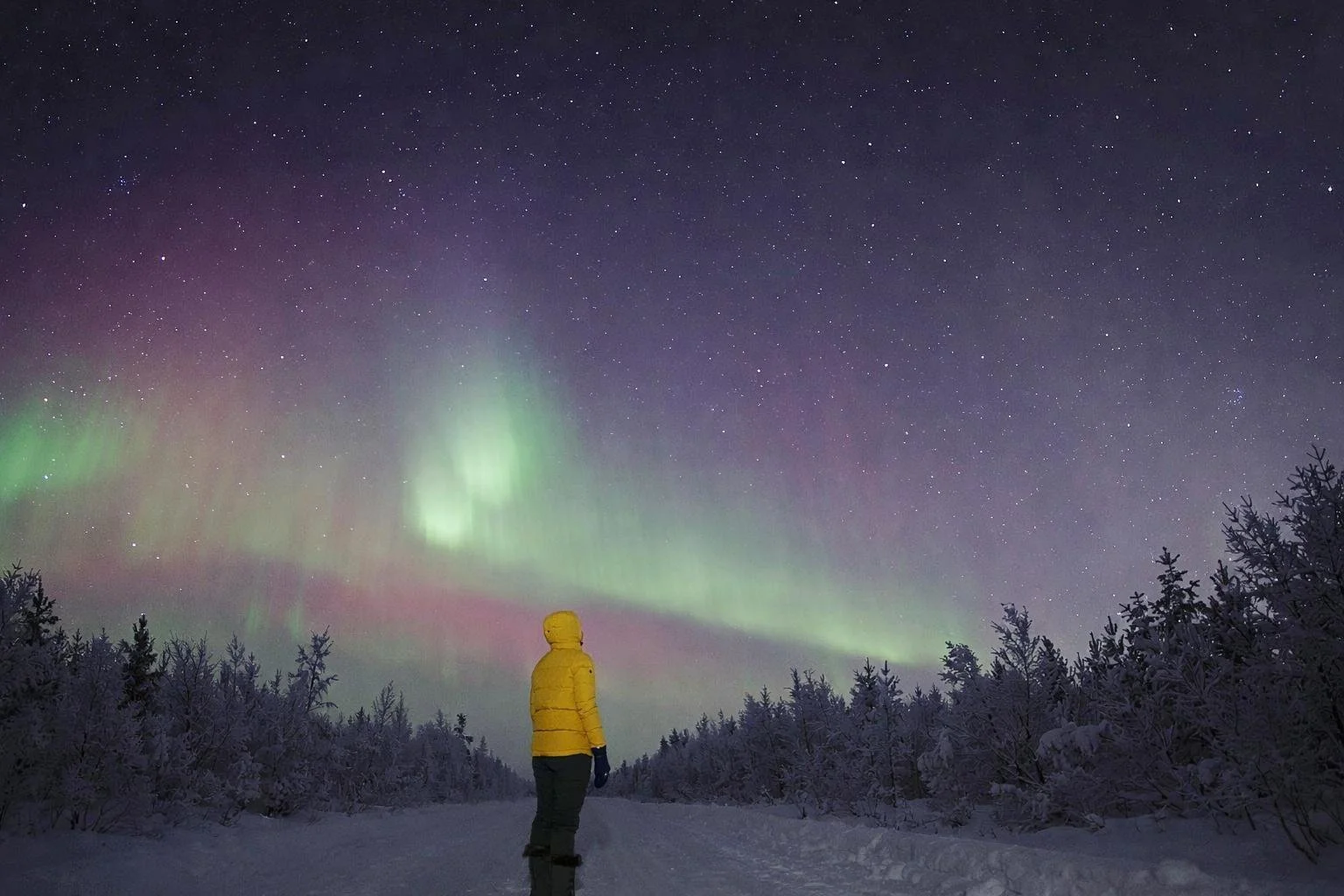
Lapland has a claim to the northern lights that few places can match: most of it sits inside the auroral oval, the band circling the North Pole where the aurora shows up most often and most reliably. We've chased it across the region, and the biggest decision was never really when to go. It was where.
This guide covers the two Lapland regions travelers usually book: Finnish Lapland (Rovaniemi, Levi, Saariselkä) and Swedish Lapland (Kiruna, Abisko, Luleå). Both sit well within aurora range. They just offer a different experience. If you’d rather chase the lights in Norway, we have a dedicated Arctic Norway page.
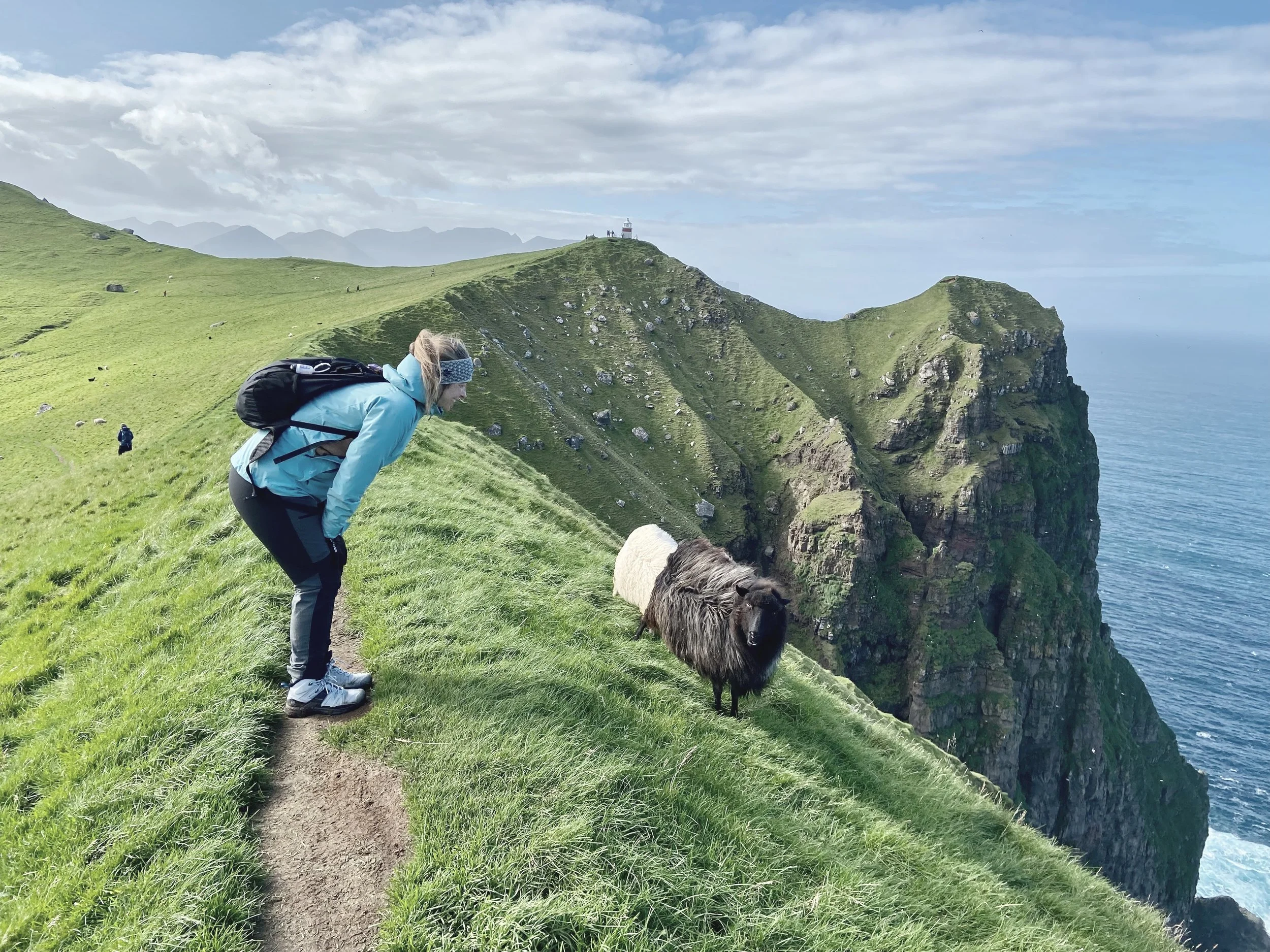
How People are Actually Traveling in 2026 (and Why Quieter Destinations are Winning)
Travel in 2026 isn’t about ticking off famous places anymore. It’s about how you travel, when you go, and what kind of experience you want once you’re there.
After years of over-tourism, rising prices, and destinations that feel more like theme parks than places, travelers are making calmer, more intentional choices. And the data backs it up, as per Booking.com stats: quieter destinations, off-season travel, and colder regions are driving real bookings — not just inspiration clicks.
That makes us very happy at Penguin Trampoline, as we always encourage responsible travelling, and we are constantly looking for the perfect balance between travellers' and locals’ interests.
Here’s what’s actually shaping travel in 2026, and how to use these shifts to choose better destinations.
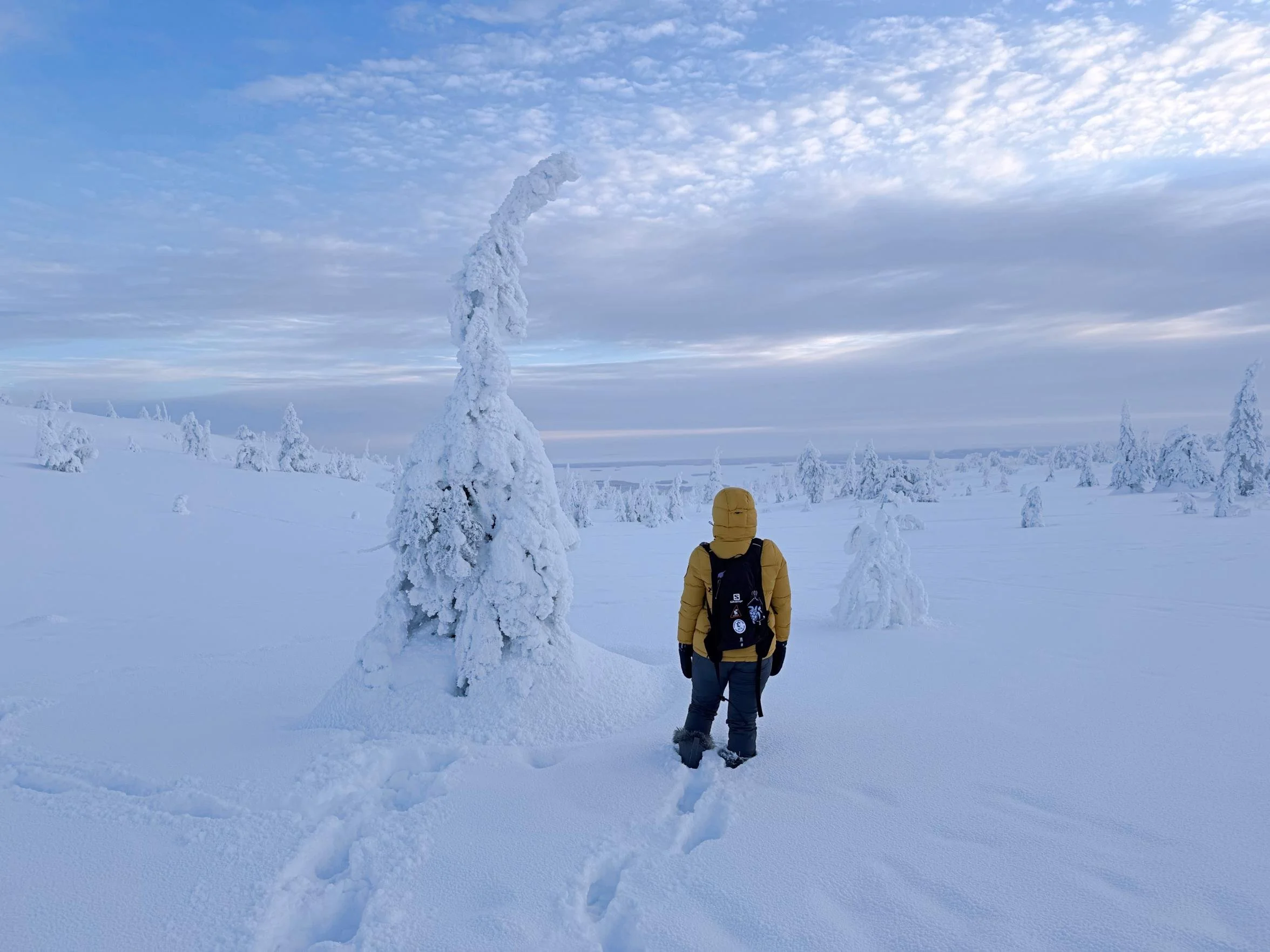
Best Time to Visit Lapland (Finland, Sweden & Norway)
Lapland is not one place.
It stretches across Finland, Sweden, Norway and Russia, and each side behaves differently. Different snow patterns. Different temperatures. Different landscapes.
If you’re asking:
Will there be snow in Lapland in December?
Is Lapland warmer in Norway than Finland?
When is snow guaranteed?
Is November too early?
Is April too late?
You’re asking the right questions and will find an answer in this guide!
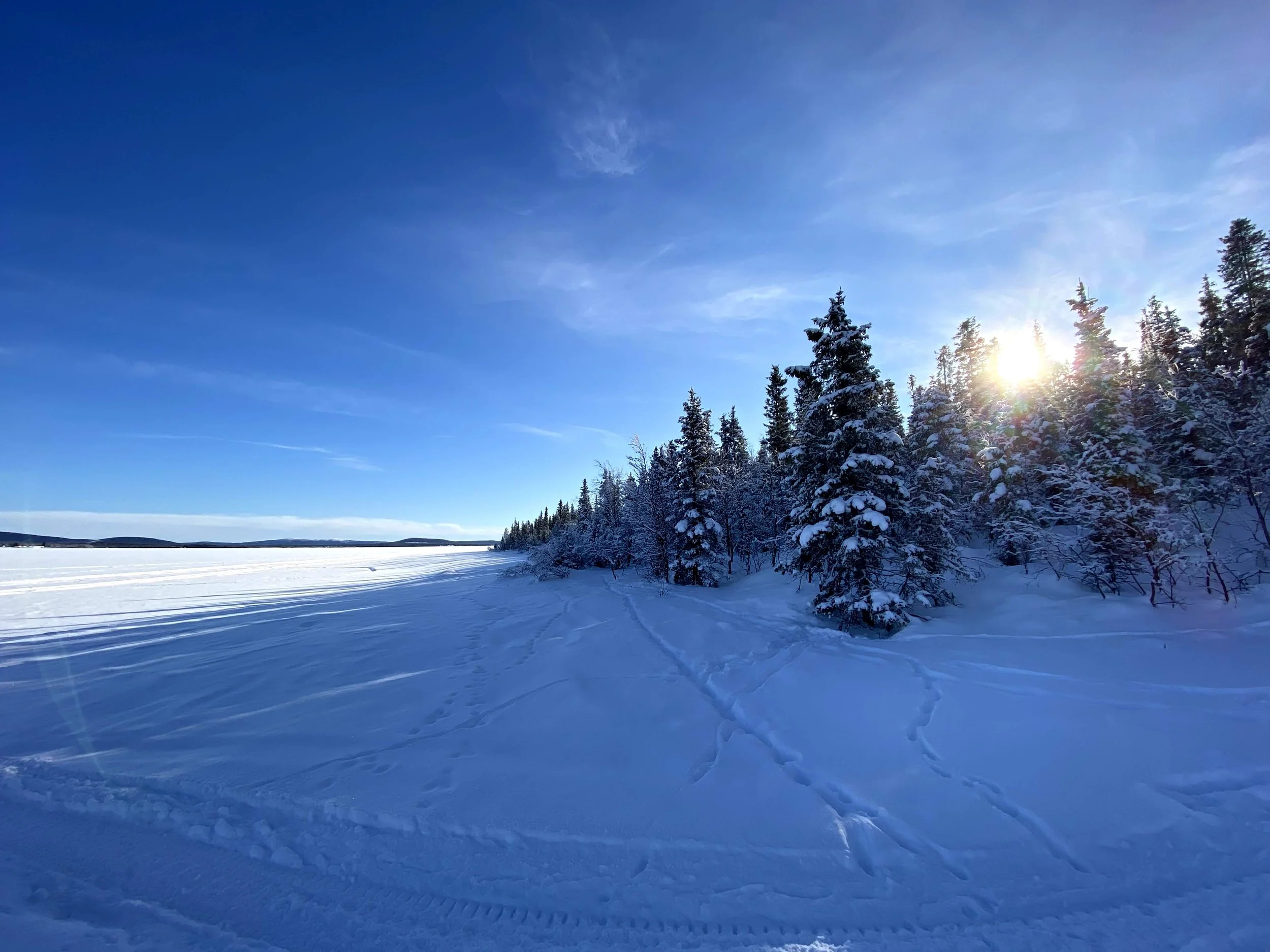
One Lapland Trip, Three Countries: How to Combine Sweden, Finland & Norway
We’re unapologetically in favor of slow travel. Fewer places, more time. Staying somewhere long enough to notice how the light shifts, how silence settles in, how weather quietly dictates the pace. In the Arctic, less is often more: winding down in a sauna after a day outside, waiting for the northern lights, watching the snow fall, enjoying a “fika” by the fire.
But we also know reality.
Time off is limited. Flights and hotels aren’t cheap. And winter travel in Lapland adds friction whether you like it or not. So this guide is about experiencing Lapland well in one week — without rushing, without backtracking, and without pretending the Arctic is smaller or easier than it is.
If you’ve got more time, perfect. Stay longer.
If you’ve got seven days, this is how to make them count.
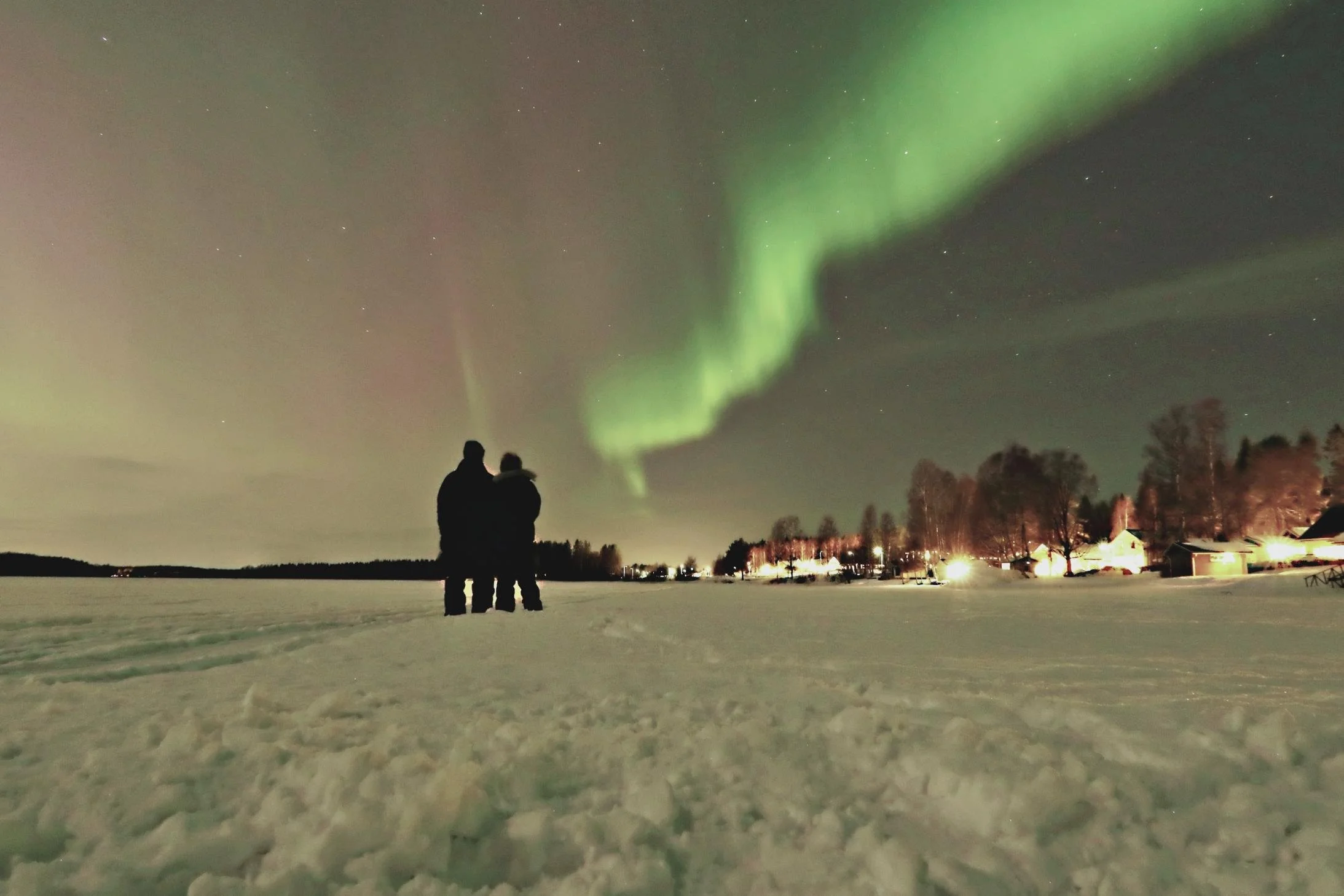
Northern Lights Trips by Travel Style: Where to Go Based on How You Travel
The 2025-2026 northern lights season has been exceptional so far, and one thing is clear: people aren’t just asking where to see the aurora anymore. They’re asking which kind of trip actually fits them.
Short stay or long trip?
Car or no car?
Tour or no tour?
Quiet or social?
First time or return visit?
This guide helps you choose the right northern lights destination based on your travel style, so your trip works in real life — not just on paper.
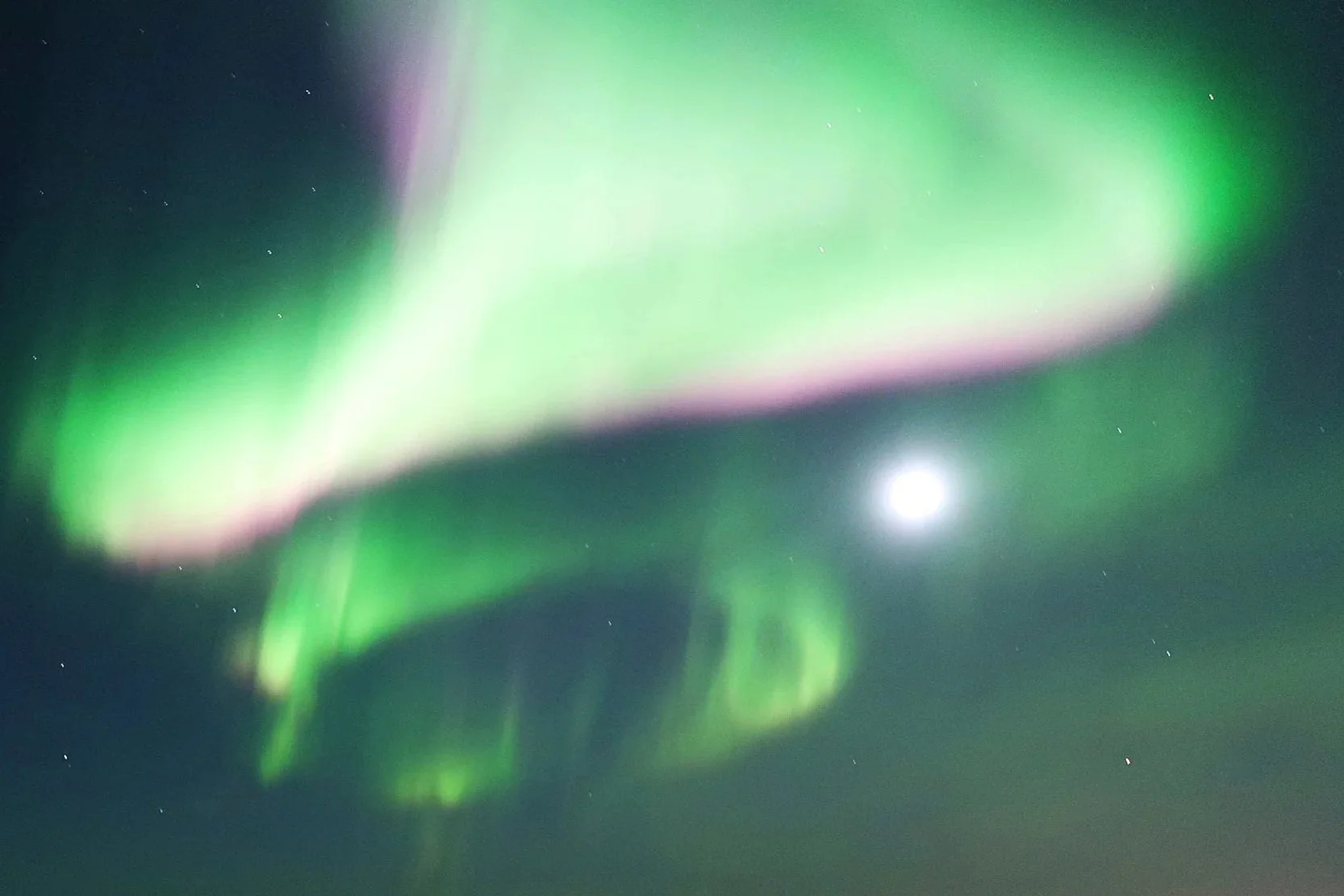
Northern lights Without a Car: How to See the Aurora the Easy Way
Seeing the northern lights is one of those travel dreams that feels almost mythic — until you start planning it and suddenly everything involves icy roads, late-night driving, weather stress, and rental car disclaimers written in very small print.
Here’s the reassuring truth: you absolutely can see the northern lights without a car. In many cases, it’s not just easier — it’s smarter. We’ve done it plenty of times — Luleå, Alta, Kiruna, Rovaniemi, etc. — as we usually don’t rent a car in winter.
This guide is for travelers who want the aurora without white-knuckle winter driving, missed turnoffs in the dark, or constant road-condition checks. We’ll show you how it works, where it works best, and how to choose accommodation and tours that do the heavy lifting for you.
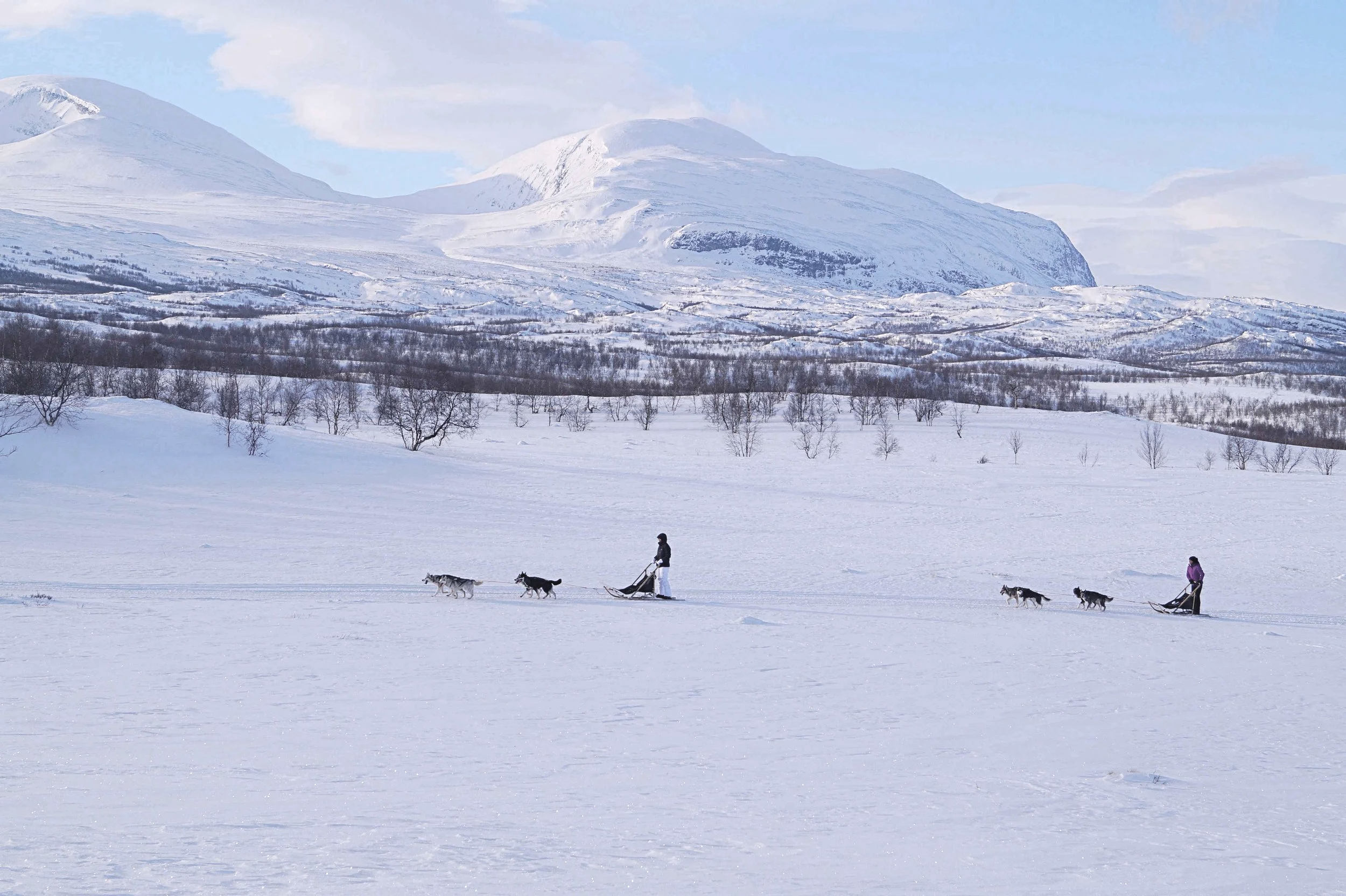
Best Hotels in Abisko (+ Cabins and Björkliden) - We Stayed There
There aren’t many hotels in Abisko — and that’s exactly why we love it!
You’re staying in the middle of a national park under one of the clearest aurora skies on Earth. No city glow, no chaos, just snow, mountains and open sky.
Keep reading to find your perfect Abisko hotel — we promise you an unforgettable Swedish Lapland experience!
And if you’re here for the aurora, you’ll find our best proven tips, the science, season-by-season breakdowns, and photography settings in our full Northern Lights Hub.
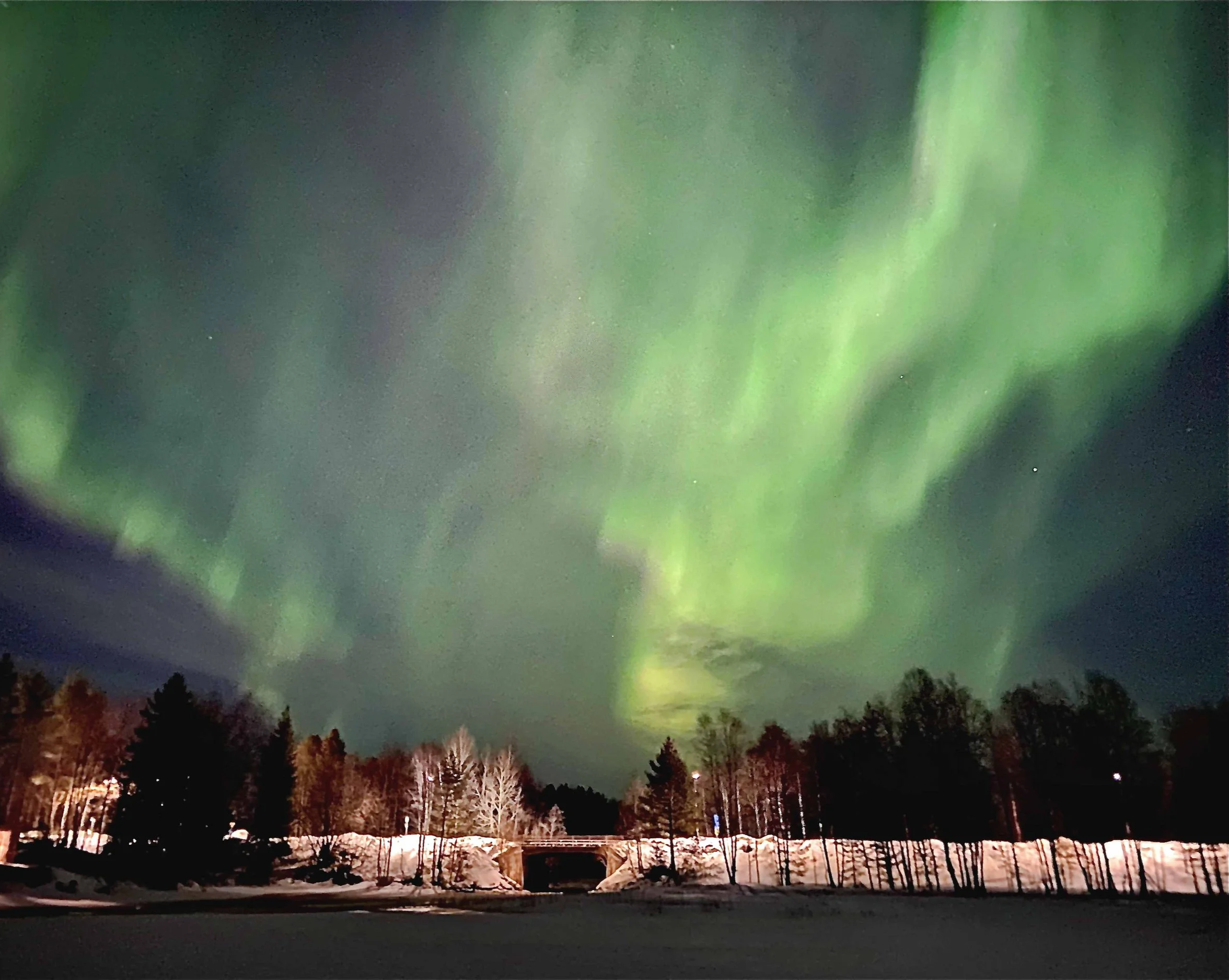
Abisko Northern Lights Tours — The Blue Hole & Sweden’s Clearest Aurora Skies
We’ve chased the aurora across every corner of the Arctic — Norway, Sweden, Finland, Greenland, Alaska — and Abisko is the one place where we show up relaxed. Clear skies are simply more common here. Locals from Kiruna drive to Abisko when it's cloudy. Photographers love it. And if you’re tired of stressing about forecasts, this is where you go to calm down and actually enjoy the night.
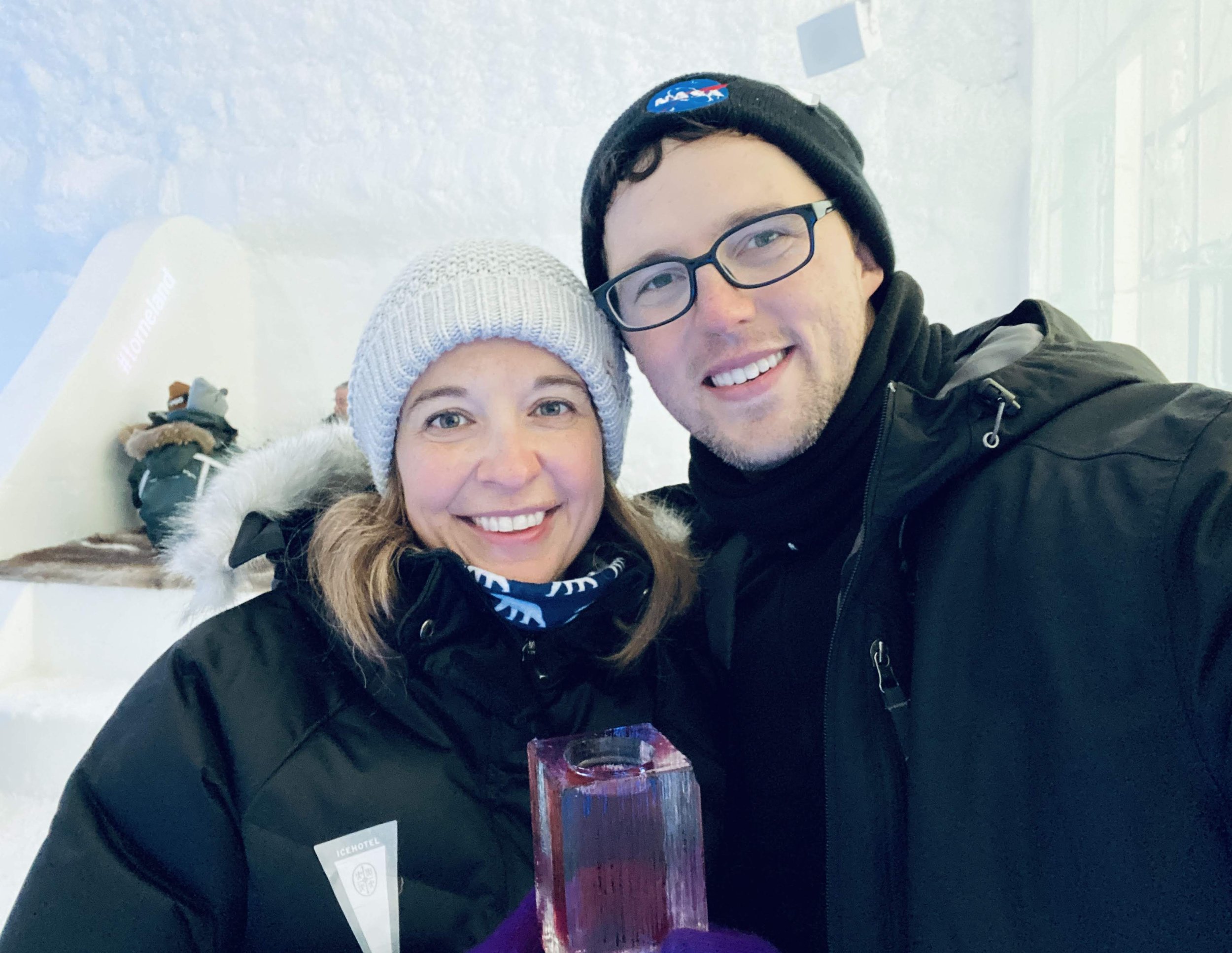
Things to Do in Kiruna in Winter
Kiruna in winter feels like stepping into its own Arctic dimension — blue-hour days that stretch forever, forests that glow with frost, and nights where the sky tears open in green. We’ve returned here many times, and every time it reminds us why Swedish Lapland hits differently: it’s calm, quiet, and somehow deeply personal.
If you’re heading north, here are the winter experiences that make Kiruna unforgettable.
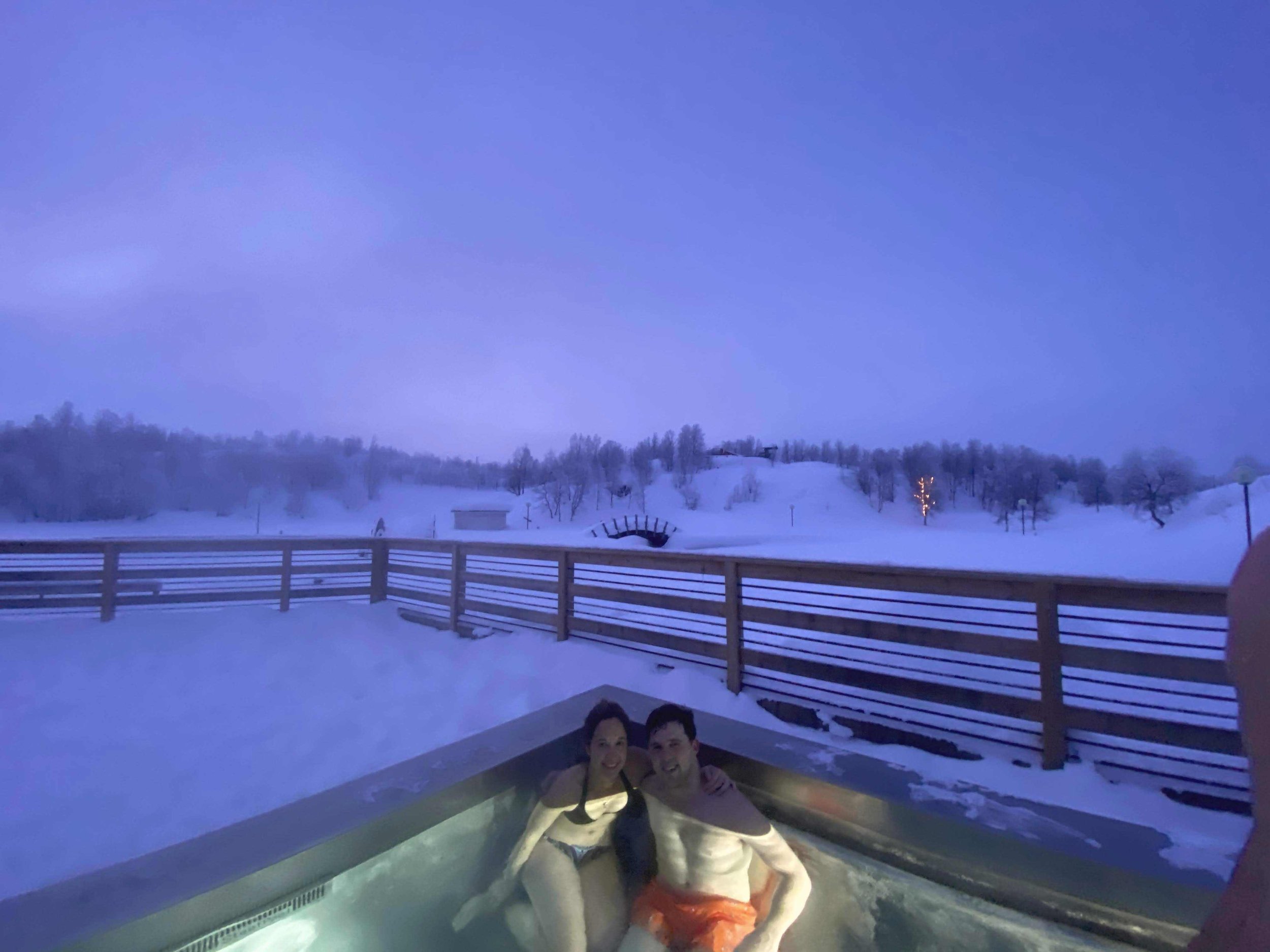
Best Hotels in Kiruna, Sweden — Where to Stay in Swedish Lapland’s Arctic Heart (We Stayed at a Few)
Kiruna holds a special place for me (Eli). That’s where my passion for the Arctic was born, back in 2007! As soon as I got off the plane, I knew it was true love at first sight. Maybe it’s the strange mix of mining town grit and Arctic wonder, or the way the Northern Lights appear right above the grocery store. Or the unpretentious authenticity, and the friendly locals.
We’ve been here seven times — long enough to watch part of the town literally move east to escape the expanding iron mine — including the church this past summer (2025). What hasn’t moved is the atmosphere: cozy cafés to warm up while watching the snow fall, locals on snowmobiles or sleds doing their grocery run, and hotels that feel built to survive winter (yes, even made of ice).