
Blog
Penguin Trampoline: The blog
With Penguin Trampoline, adventures soar to new heights!
Are you ready to bounce into a world of awe-inspiring destinations, where the thrill of exploration meets the grace of a penguin's waddle?
From the icy wonderlands of Arctic regions to the sunny Spain & Portugal beaches, our travel blog is your ultimate ticket to discovering hidden gems, unlocking travel tips, and embracing the sheer joy of discovering new horizons.
We're not just about sightseeing; we're about experiencing the heartbeat, culture and gastronomy of each destination, bouncing into unforgettable moments.
Join our community of dreamers and explorers as we leap from continent to continent, propelled by curiosity and an insatiable wA/Onderlust.
So, buckle up, grab your passport, and prepare to spring into the exhilarating world of Penguin Trampoline!

Free download
Travel Cheaper Cheat Sheet
27 tips on flights, hotels, hidden costs and more — spend less without missing what actually matters.
No spam. Unsubscribe anytime.
How to See the Northern Lights in Rovaniemi: With or Without a Car
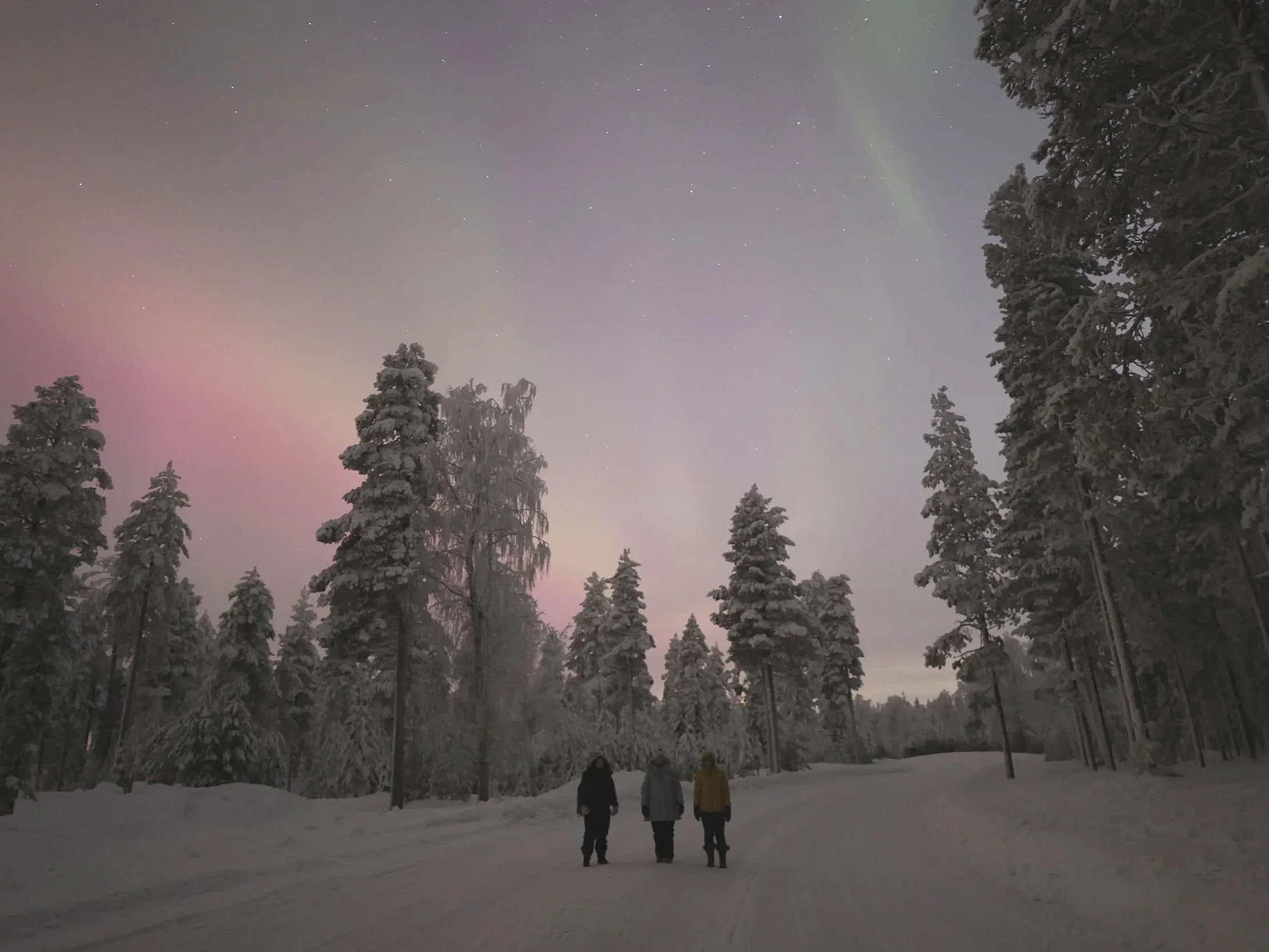
Rovaniemi sits right on the Arctic Circle and is easy to reach from all over Europe, but it's still a city with streetlights, so where you stand does more work here than in a lot of Lapland towns. And whether you've got a car changes everything. Here is how, when, and where to see the northern lights in Rovaniemi with or without a car.
Northern Lights in Bodø, Norway: When and Where to See Them
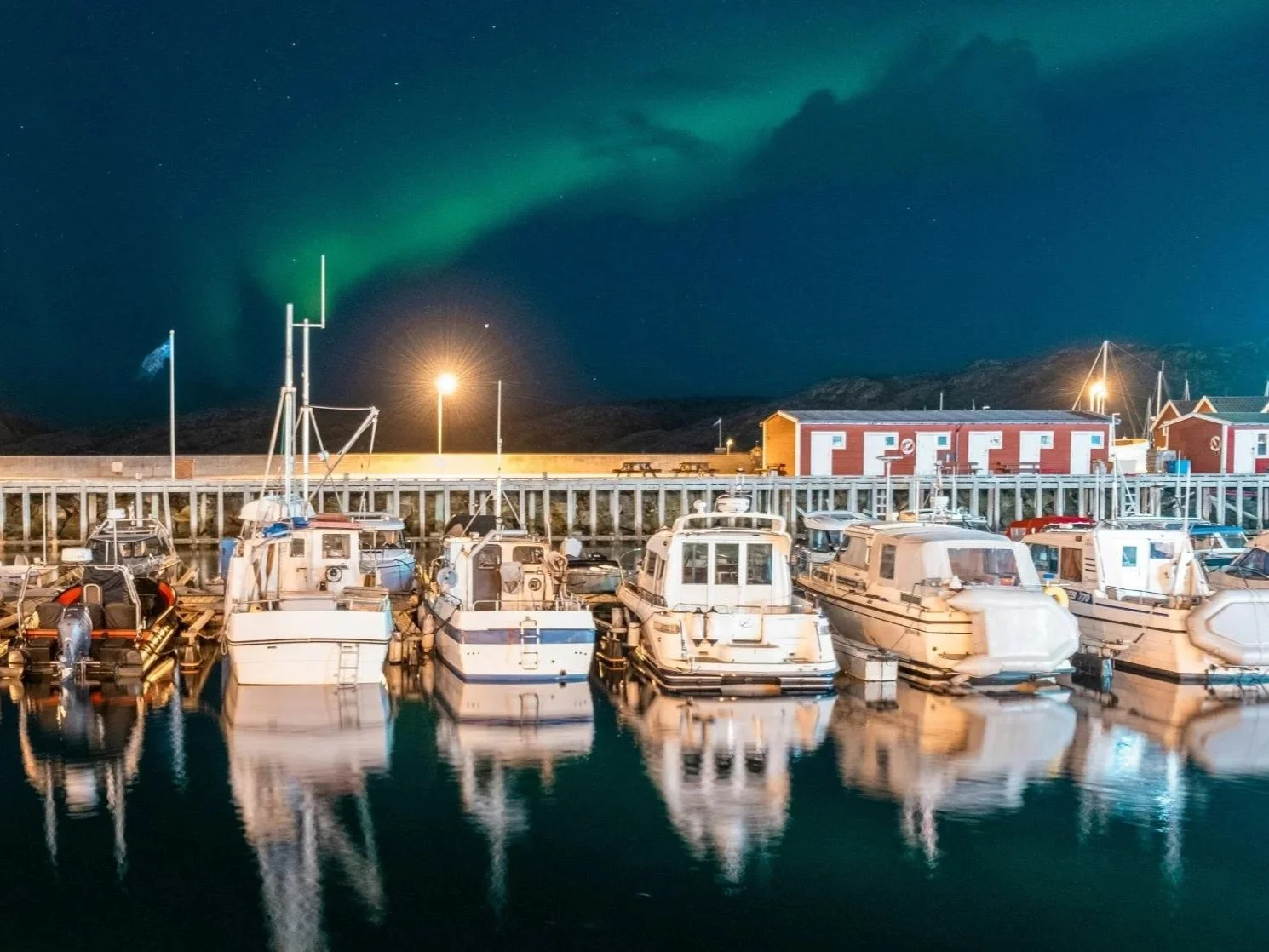
Bodø sits right on Norway's coast above the Arctic Circle, which makes it one of the easier places in the country to catch the aurora. It's also the mainland's usual jumping off point for Lofoten, so plenty of travelers end up chasing the lights in both places on the same trip. Follow our guide to see the northern lights in Bodø!
22 Glass Igloos in Finland: The Best Ones and How to Choose
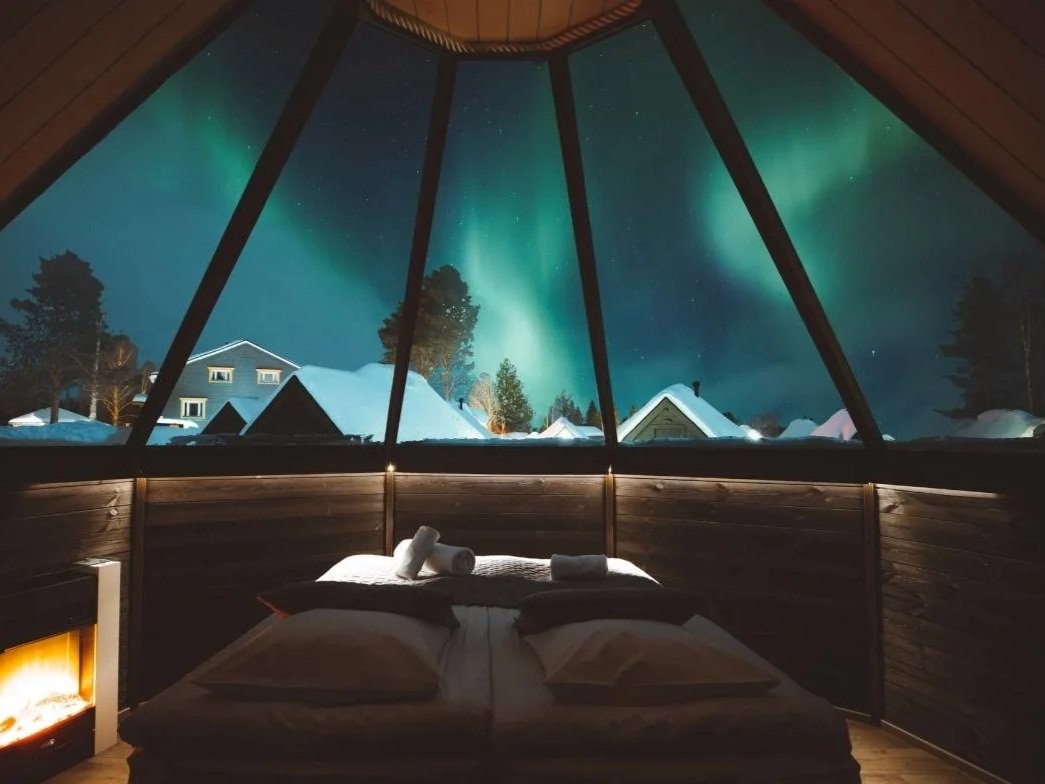
Every "best glass igloo" list in Finland points you toward the same photos. At Penguin Trampoline, we're not going to pretend we've slept in every one of them, because we haven't. We experienced the aurora igloo concept in Iceland, we visited the Arctic SnowHotel property (more on that below), and we dug into the rest property by property.
Here's what's different between them and what tends to move the price, and we also broke them down by region because we understand it’s a once-in-a-lifetime experience and you want to get it right!
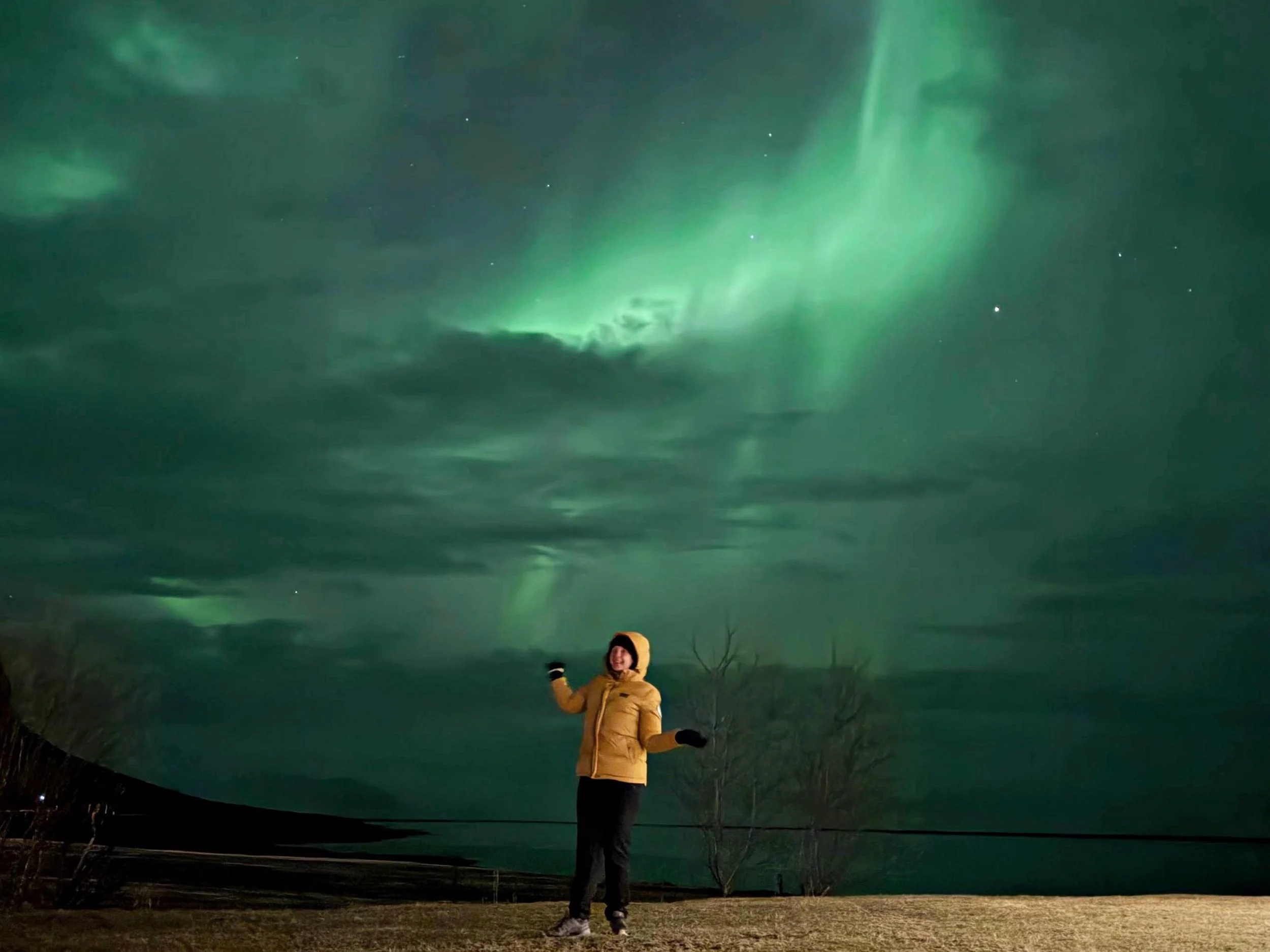
Northern Lights in Sweden: Where to Go and When to See Them
Sweden doesn't have one northern lights destination, it has three, and they don't behave the same way. Kiruna, Abisko, and Luleå, all in Lapland, each give you a real shot at the aurora, but for different reasons, and the right base depends on the kind of trip you're planning. This page is the fast version: where to go, when to go, what your odds really are, and whether you need a tour at all, based on two decades of experience chasing the aurora in the far north.
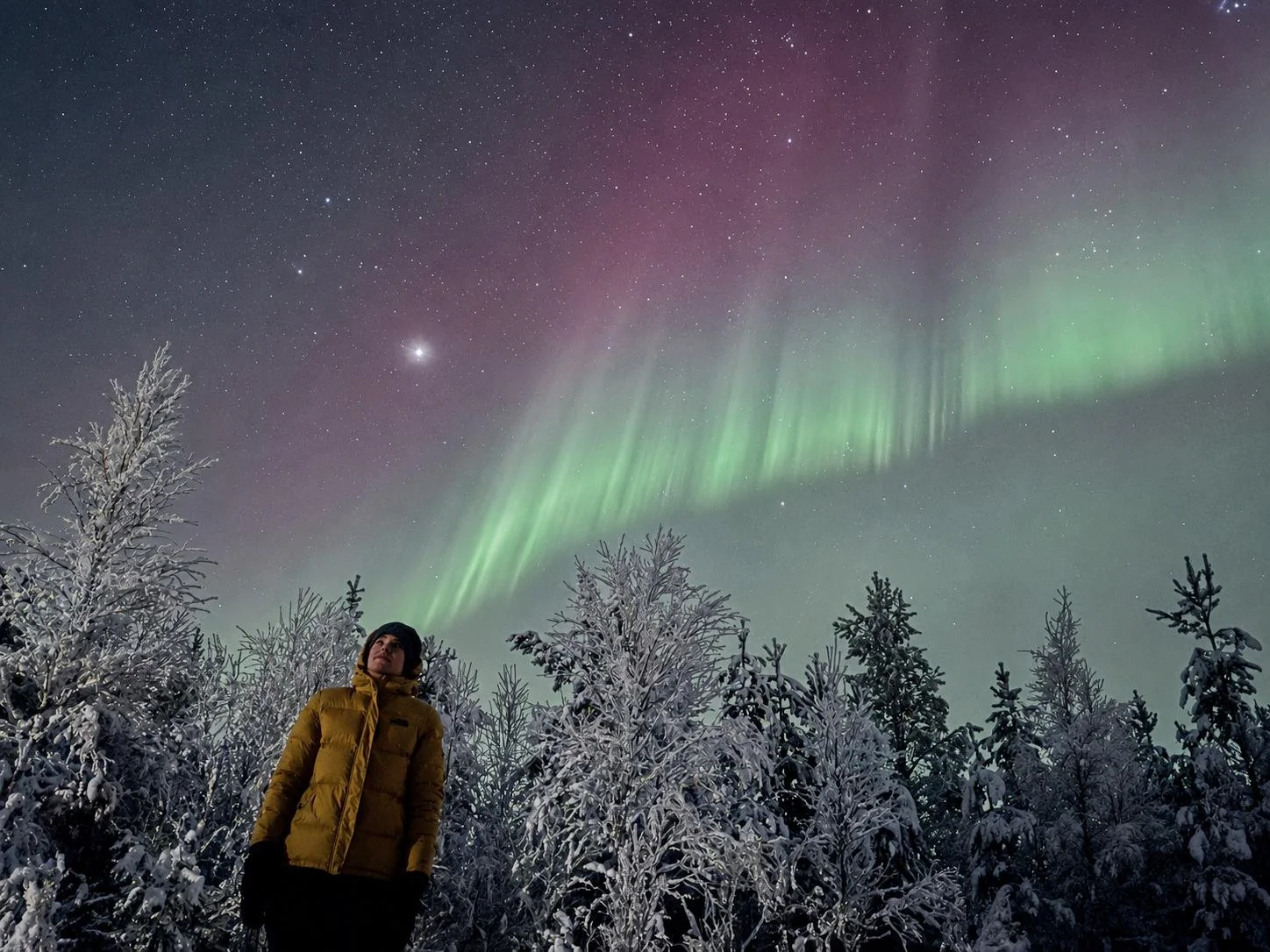
Northern Lights Tours in Sweden: How to Choose
Sweden has three real bases for a northern lights tour: Kiruna, Abisko, and Luleå, all in Lapland. Each has its own tour scene, and we've covered each in depth elsewhere. This page is the fast version: how to pick a destination, what a good tour includes, and whether you need one at all.
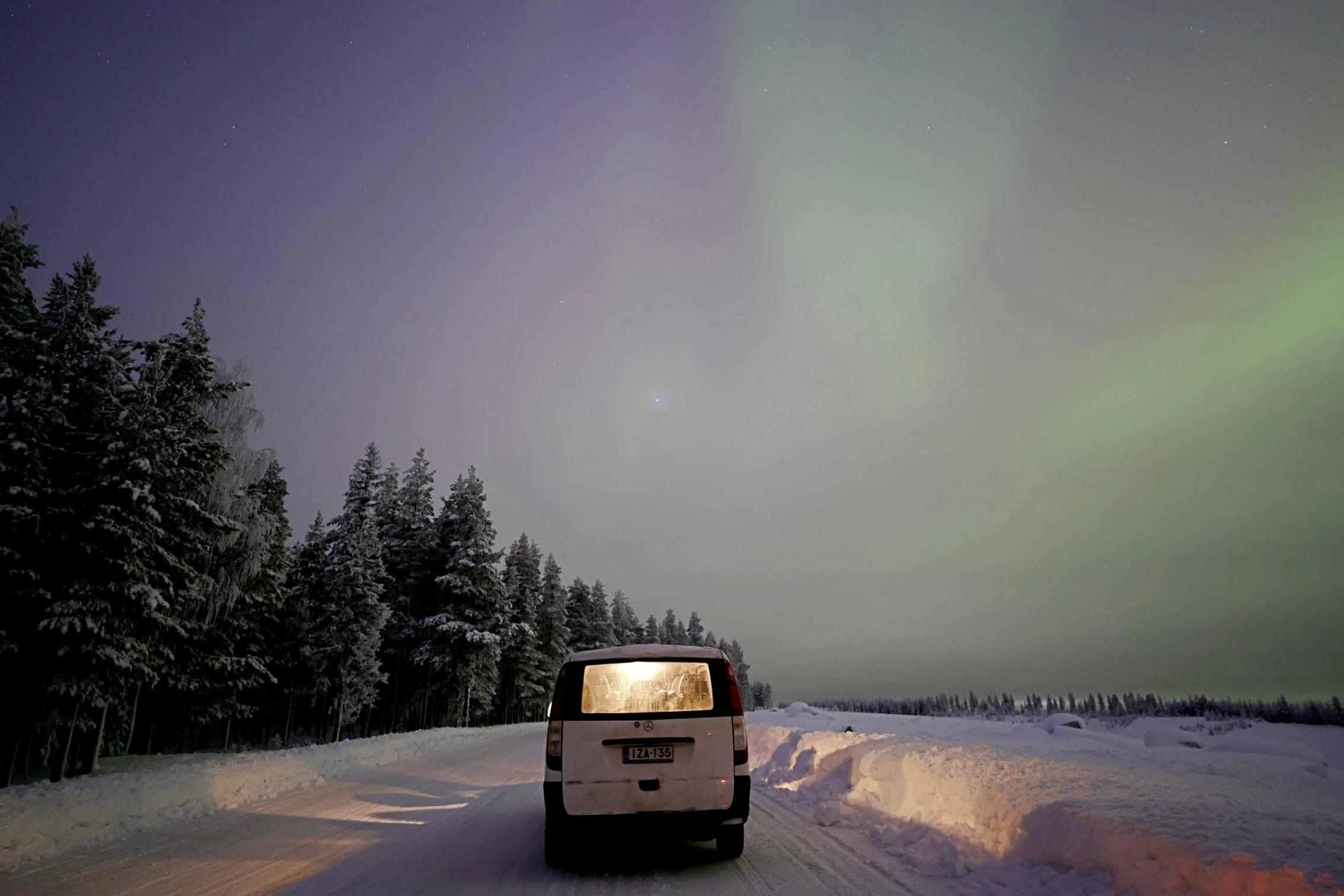
Northern Lights Tours in Kiruna: How to Choose
We've booked some aurora tours across Lapland over dozens of trips (including seven trips to Kiruna), sometimes to save ourselves the driving, sometimes because a friend visiting for the first time didn't want to gamble their one night on figuring it out alone. This is the breakdown we wish we'd had the first time: what each tour type gets you, what "guaranteed" tends to mean in Kiruna specifically, and how to choose between a minibus, a snowmobile, and a dog sled when you've only got one or two nights.
For the full picture on when to go, where to watch without a tour, and how Kiruna compares to Abisko, see our Northern Lights in Kiruna guide. This one is about the tours.
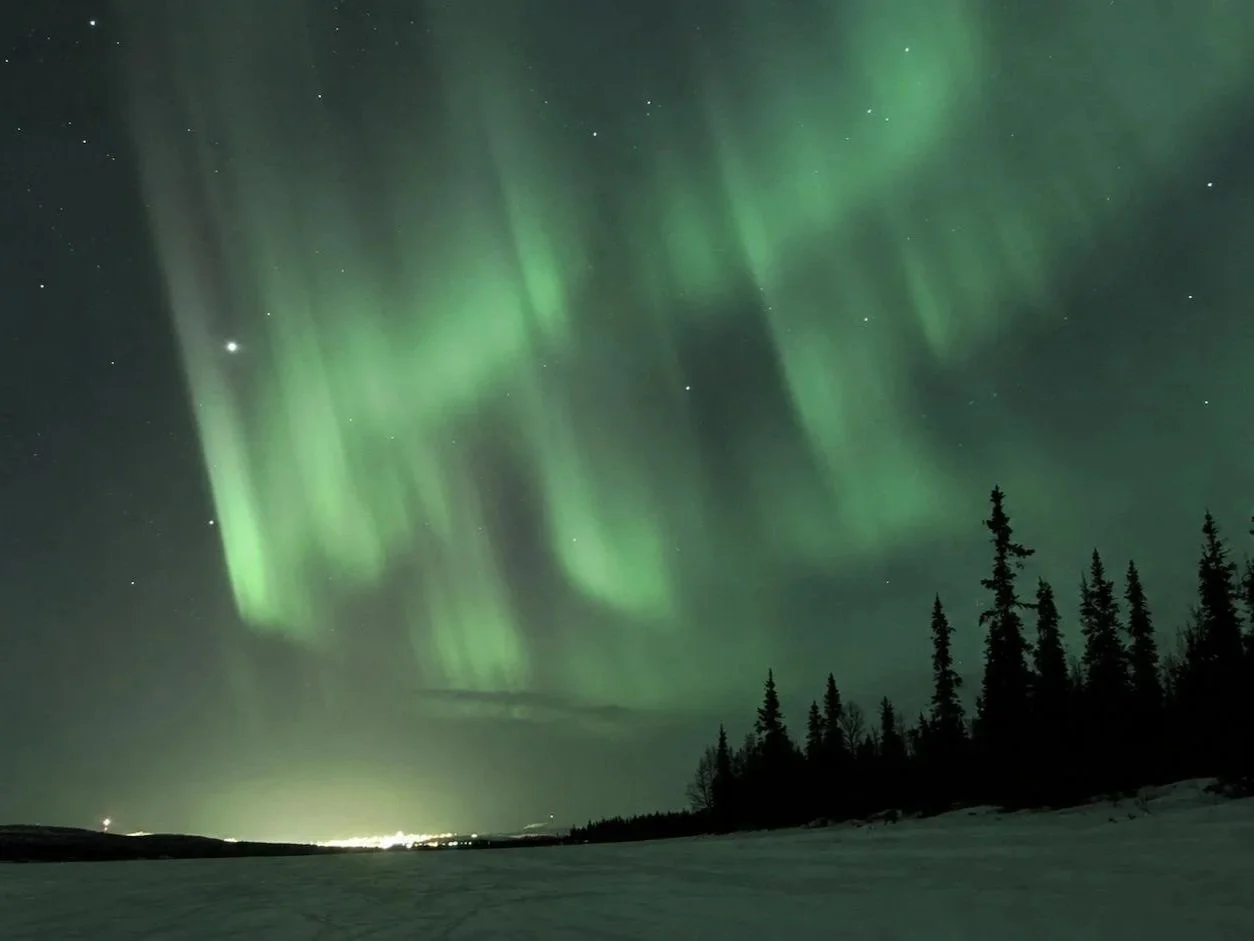
Northern Lights in Kiruna: Best Time, Where to Watch & How to Check the Forecast
Kiruna, Swedish Lapland, is where my Arctic obsession actually began. I first came here as a student at Dalarna University back in 2007, fell for the place immediately, and ended up writing my master's thesis on polar destinations. I’ve been back seven times since, and Kiruna was also the first Arctic destination I ever brought Jake to. So when we talk about this sky, it's not theoretical!
Kiruna sits at 67.85°N, about 145 kilometers north of the Arctic Circle, which puts it well inside the auroral oval, the band of sky around the North Pole where the aurora shows up most often.
This guide covers when to go, where to watch (with or without a tour), how to check the forecast, and how Kiruna compares to nearby Abisko, since that's the question we get asked the most, and one we can answer from having tried both ourselves, more than once.
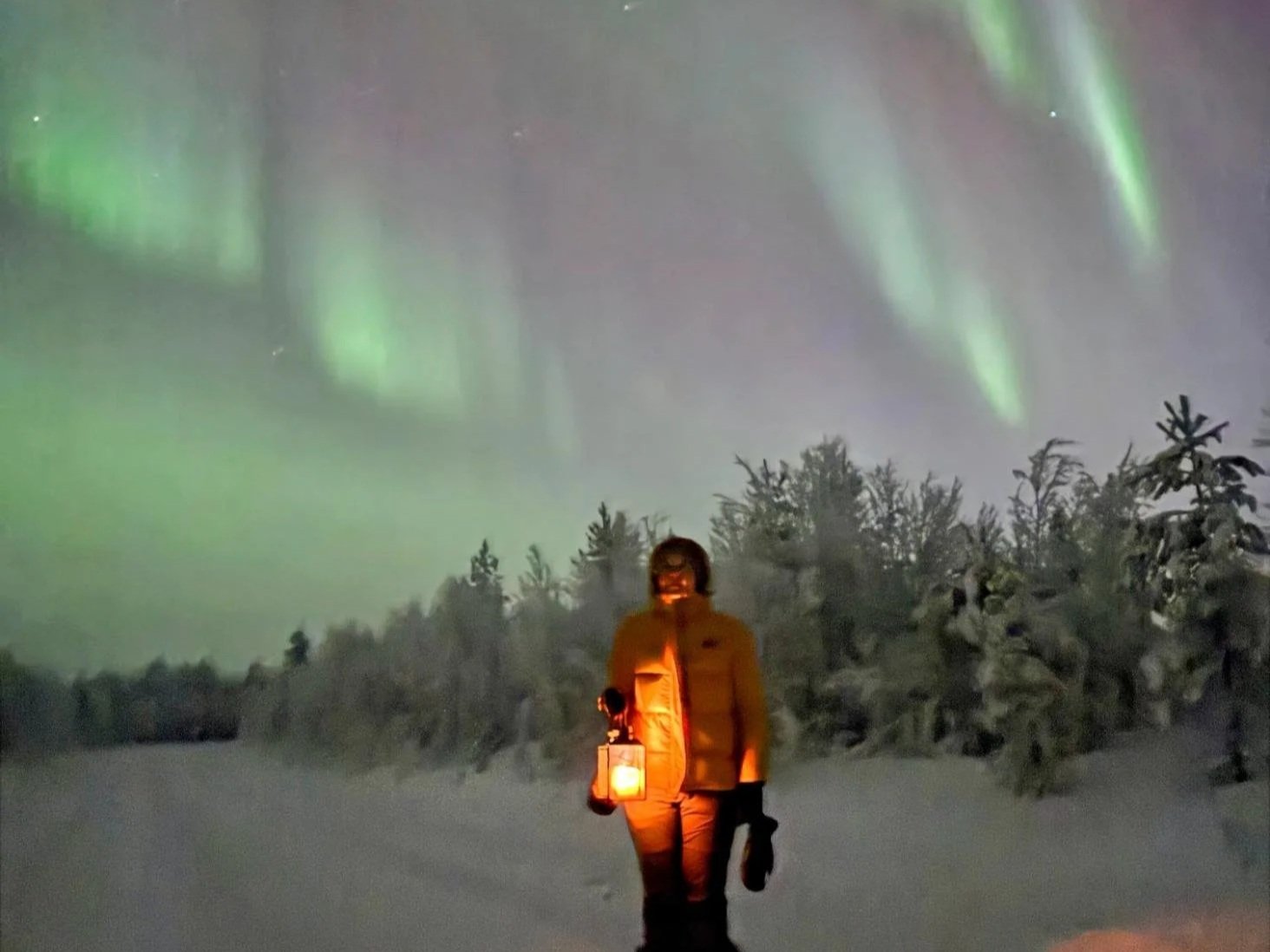
Northern Lights Tours in Lapland, Finland: How to Choose
Rovaniemi alone has well over a hundred northern lights tours listed across Viator and GetYourGuide, and a lot of them read like the same three sentences reshuffled: local guide, real-time forecasts, "guaranteed" somewhere in the title. Levi and Saariselkä add their own smaller rosters on top of that. The listings aren't lying exactly, they're just marketing, and it's worth knowing what actually separates them before you hand over your evening.
This is the type-by-type breakdown: which tour gets you what, what "guaranteed" really means in Finnish Lapland specifically, and how to pick between a minibus, a snowmobile, and a husky sled when you've only got one or two free nights.
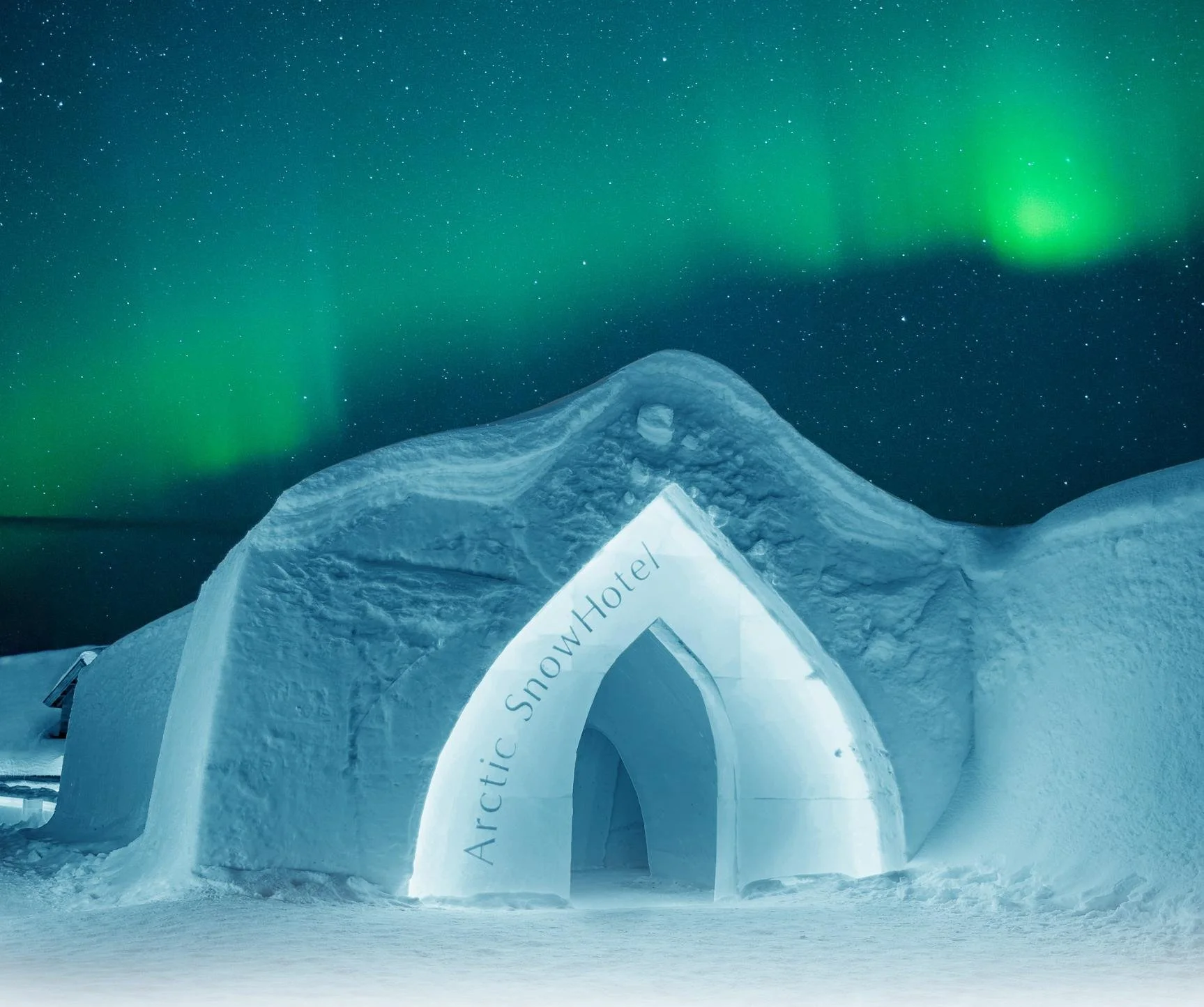
Best Northern Lights Hotels in Finland, Lapland: Igloos, Lodges, Cabins & Resorts
Every Finland aurora hotel roundup eventually points you to the same three glass igloos. Fair enough, they're famous for a reason. But Finnish Lapland runs from Levi in the west to Nellim on the Russian border, and the right bed for watching the sky depends more on which stretch of that region you're in than on whichever photo sold you on the trip in the first place.
We haven't slept in every single property on this list. What we did do is stay in one of these ourselves, visit most of the rest, and quietly drop a few famous names that don't hold up once you look past the marketing photos. Here's what's actually worth booking, split by what you want out of the stay: a glass roof over the bed, an ice hotel experience, a proper wilderness lodge, or a resort with enough going on to fill the hours between aurora checks.
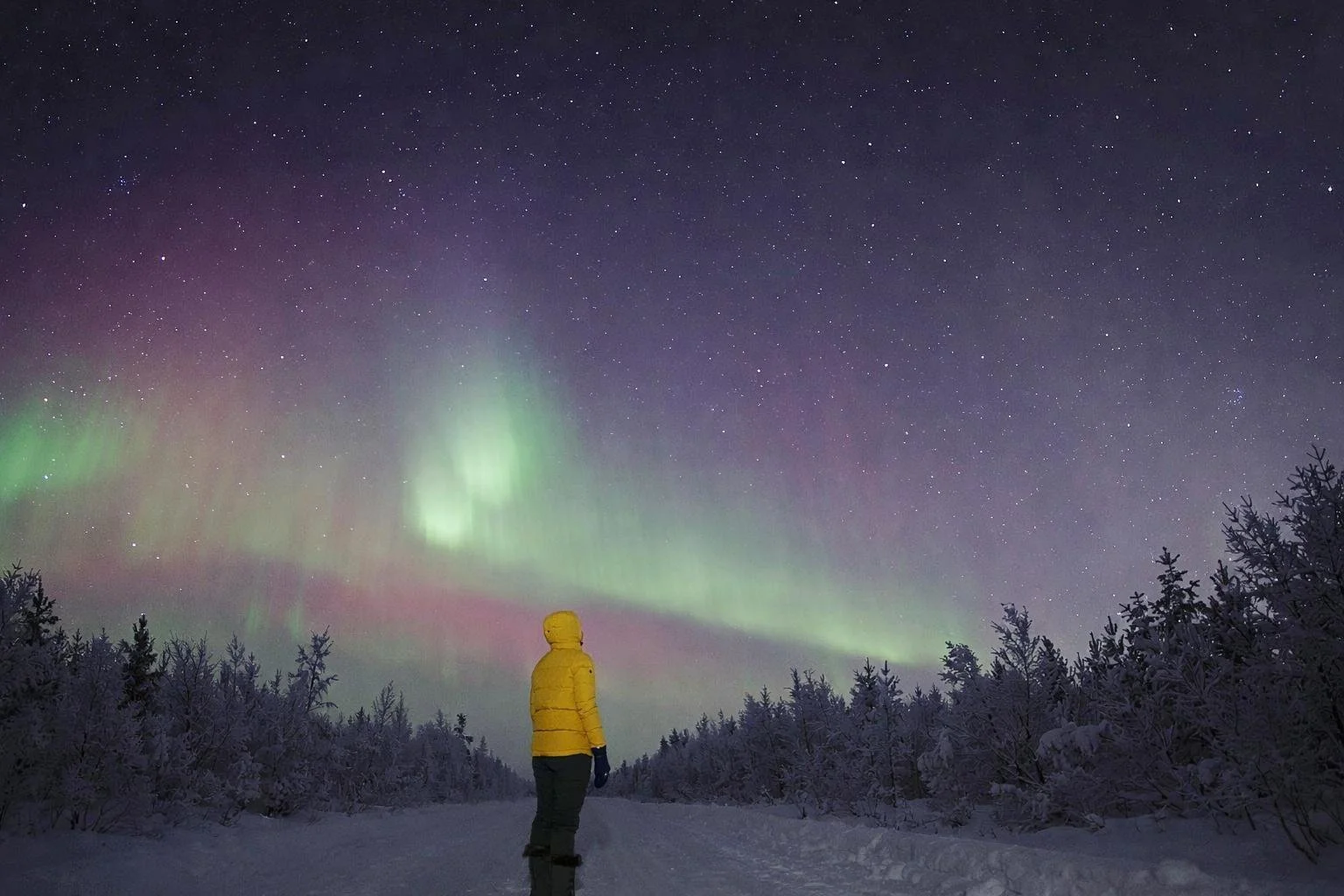
Northern Lights in Lapland: A Complete Guide to Finland, Sweden & the Arctic Sky
Lapland has a claim to the northern lights that few places can match: most of it sits inside the auroral oval, the band circling the North Pole where the aurora shows up most often and most reliably. We've chased it across the region, and the biggest decision was never really when to go. It was where.
This guide covers the two Lapland regions travelers usually book: Finnish Lapland (Rovaniemi, Levi, Saariselkä) and Swedish Lapland (Kiruna, Abisko, Luleå). Both sit well within aurora range. They just offer a different experience. If you’d rather chase the lights in Norway, we have a dedicated Arctic Norway page.
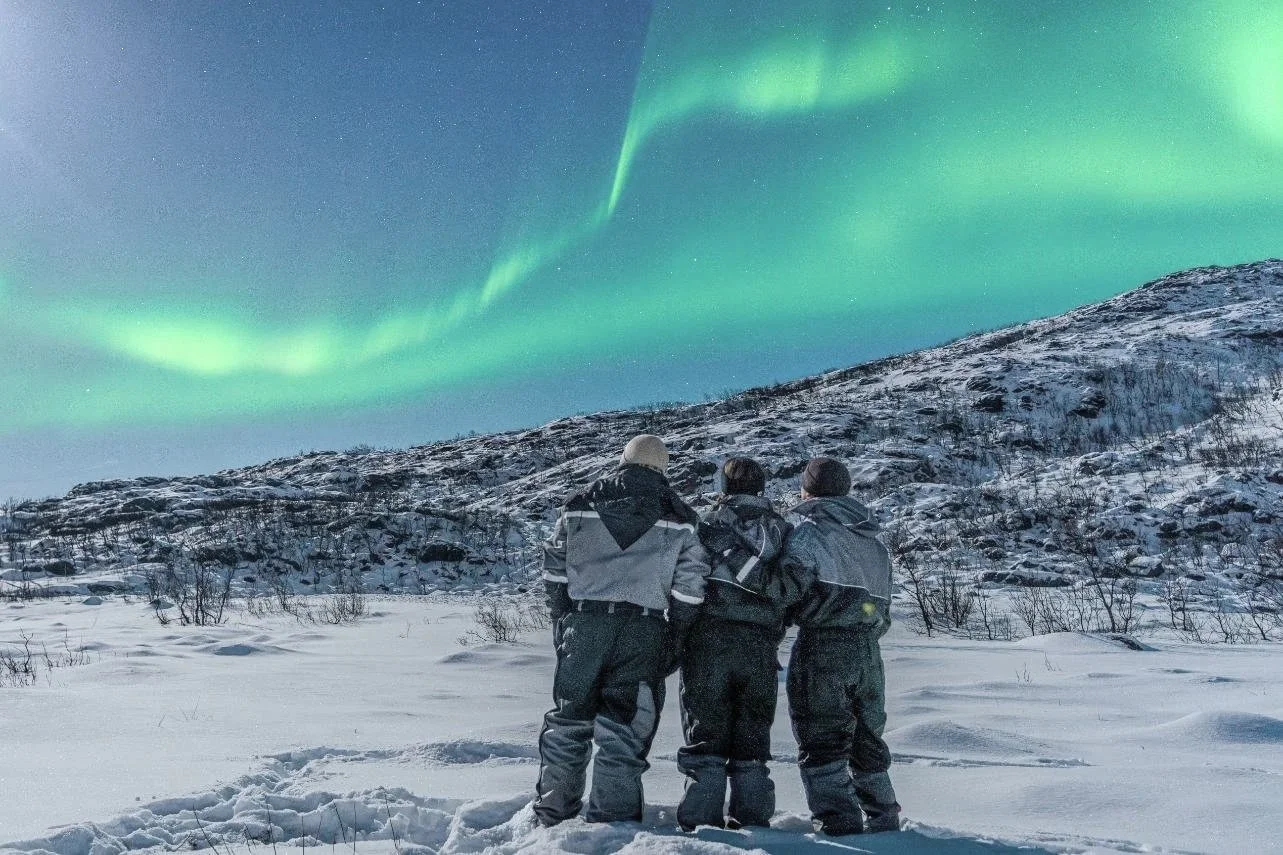
Best Northern Lights Tours in Tromsø
Tromsø, Norway, has more northern lights tour operators than anywhere else in the Arctic. Between Viator, GetYourGuide, and local operators, you're looking at a very long list, and a lot of the listings sound nearly identical: the same campfire photo, the same "expert guides," often the same word "guaranteed" somewhere in the title.
If you haven't already, read our full Northern Lights in Tromsø guide for best time of year, best spots, and forecast tools. This article is just about picking the right tour: what the different types actually mean, what's worth paying more for, and what "guaranteed viewing" really means.
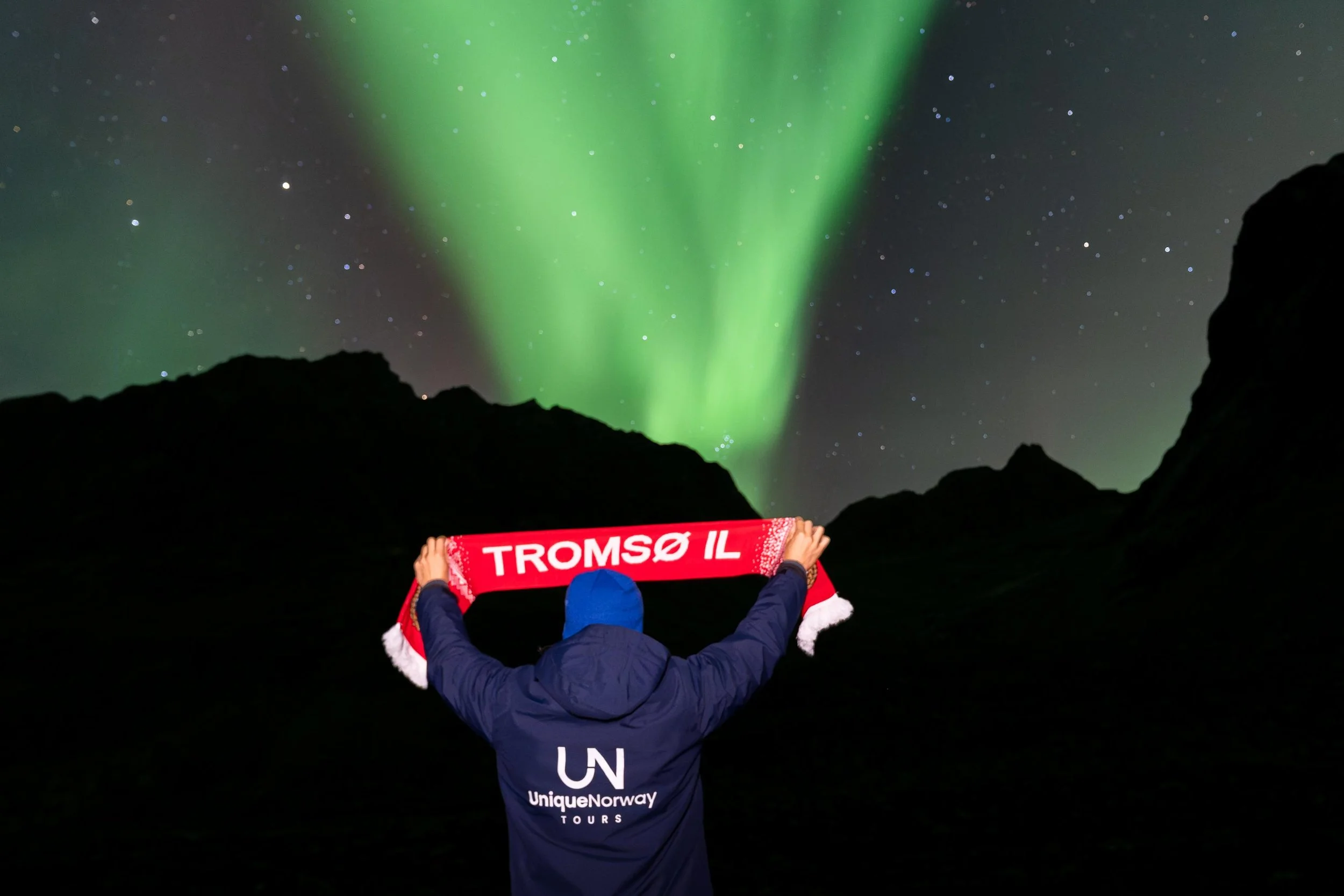
Northern Lights in Tromsø: Best Time, Best Spots & Is It Really a Good Aurora Destination
Tromsø has become almost synonymous with the northern lights. It sits at 69.6°N, deep inside the auroral oval, with fjords and mountains in every direction and more tour operators than anywhere else in Northern Norway. Every winter, tens of thousands of people fly in with one mission (or shall I say, obsession). Some get lucky on their first night. Others spend a week chasing gaps in the cloud cover. Most land somewhere in between.
We've been to Tromsø more than once — summer and winter — and the honest answer to "is Tromsø good for northern lights?" is: yes, with some caveats you should know before booking anything. This guide to the northern lights in Tromsø tells you when to come, where to go when the sky clears, and how to maximize the nights you have.
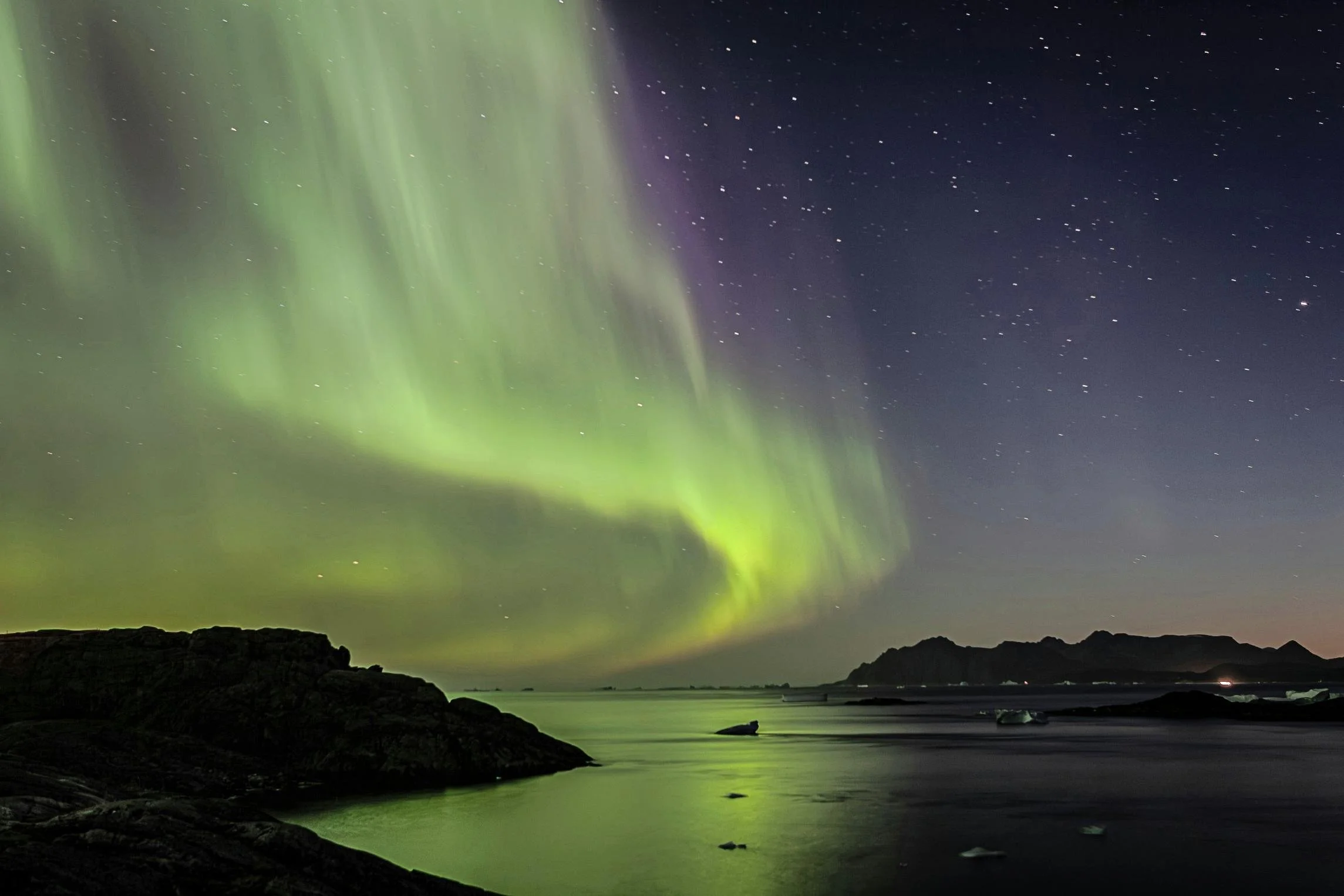
Northern Lights in Greenland: When to Go, Best Spots & What Makes it Different
Most people chasing the aurora fly to Iceland or Norway. A smaller group goes to Lofoten. Almost nobody thinks of Greenland for the northern lights — which is, depending on how you weigh the variables, one of the best decisions any aurora hunter could make. The country spans from 60°N to 83°N, sits squarely inside the auroral oval across most of its territory, has almost no light pollution, and offers a sky backdrop that no other northern lights destination in Europe can match: icebergs the size of apartment buildings, lit green from above.
The reason Greenland doesn't dominate aurora travel lists is the same reason it doesn't dominate any travel list — getting here requires a deliberate decision, not a budget flight from London. But for those who make that decision, Greenland northern lights are a different category of experience.
So what does it actually take to see the northern lights in Greenland — and is it worth the effort compared to Iceland or Norway? Here’s how to think about it, and how to plan it properly.
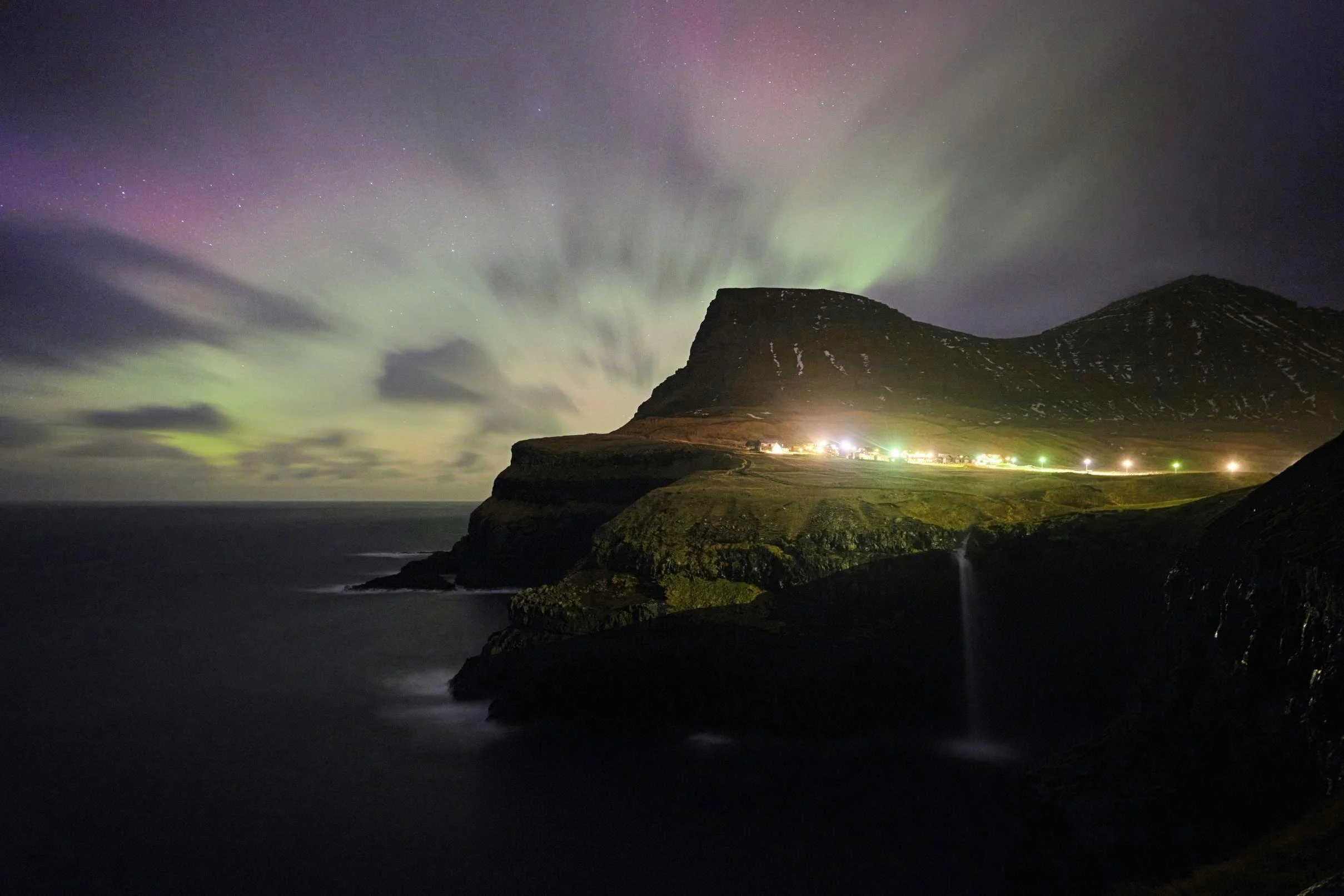
Northern Lights in the Faroe Islands: Can you See Them, When to Go & What to Expect
Yes, you can see the northern lights in the Faroe Islands. The question people should be asking isn't whether the aurora appears here — it does — but what it takes for it to appear, and how honest you're willing to be with yourself about the weather. The Faroes are not Iceland. They are not Lofoten. They sit at a latitude where the northern lights demand stronger geomagnetic conditions to show up, and they sit in the North Atlantic, which means cloud cover is a near-permanent feature of life. None of this means you shouldn't come. It means you should come prepared and have realistic expectations.
When the aurora does appear over the Faroe Islands, the backdrop is incredible. Sea cliffs dropping hundreds of meters into the ocean. Grass-roofed villages clinging to hillsides above invisible fjords. A darkness so complete that the Milky Way fills the gaps between passing storm clouds. The Faroes offer an aurora experience that is different — wilder, more remote, less curated — from anywhere else you can chase the lights in Europe.
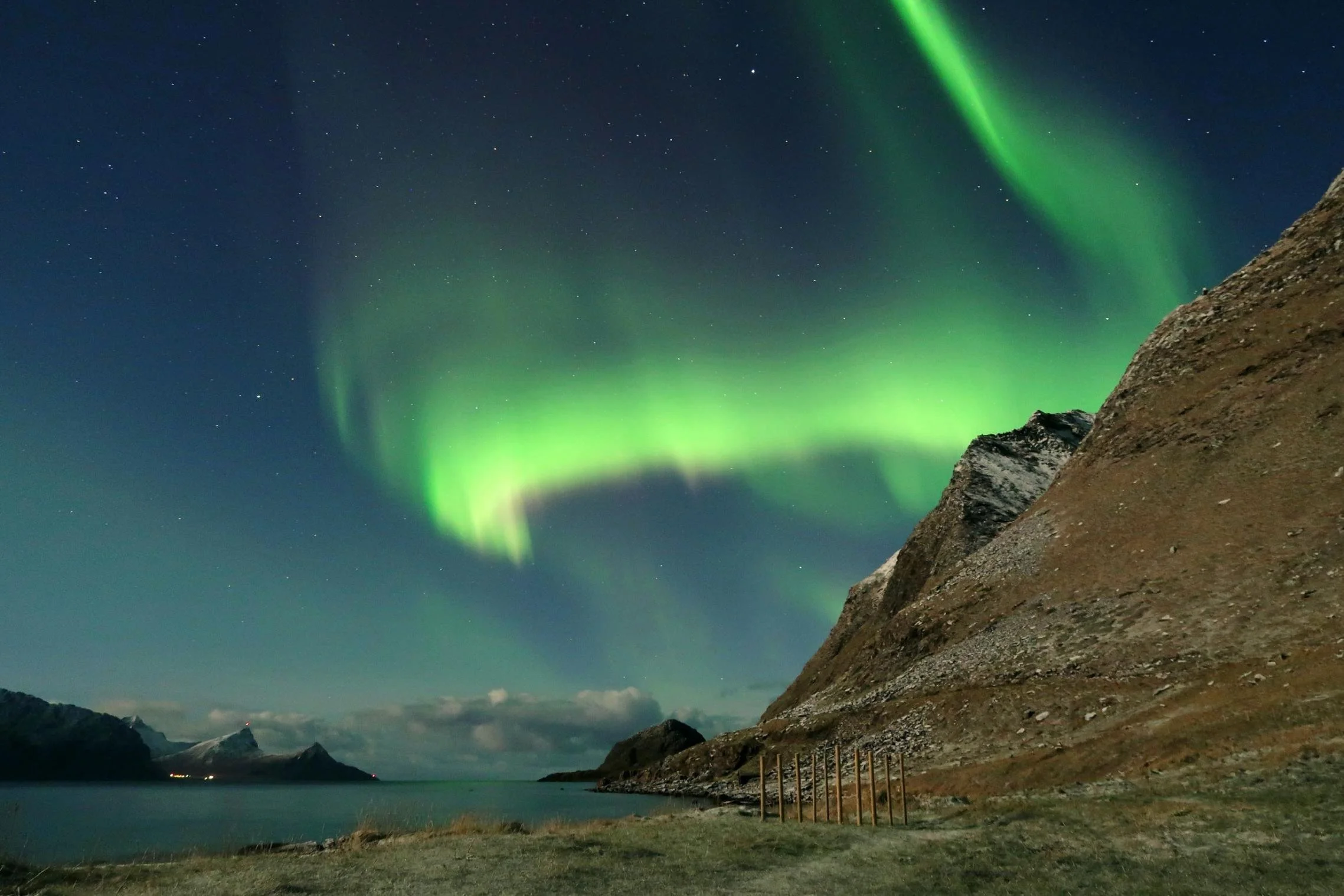
Northern Lights in Lofoten: When to go, Where to see Them & What to Actually Expect
There is a version of the Lofoten northern lights experience that looks like the photos — green curtains filling the sky above a red rorbuer, the aurora reflected in a still fjord, the mountains black against a luminous horizon. That version is real. We've seen it several times. What the photos don't show is the three nights of solid cloud cover that preceded it, the midnight drive to a different beach because the sky looked slightly less terrible to the west, and the moment it cleared just enough, just long enough.
Lofoten is one of the best places in Europe to see the northern lights. It’s also one of the cloudiest. Knowing both things before you go is key if you have high aurora hopes.
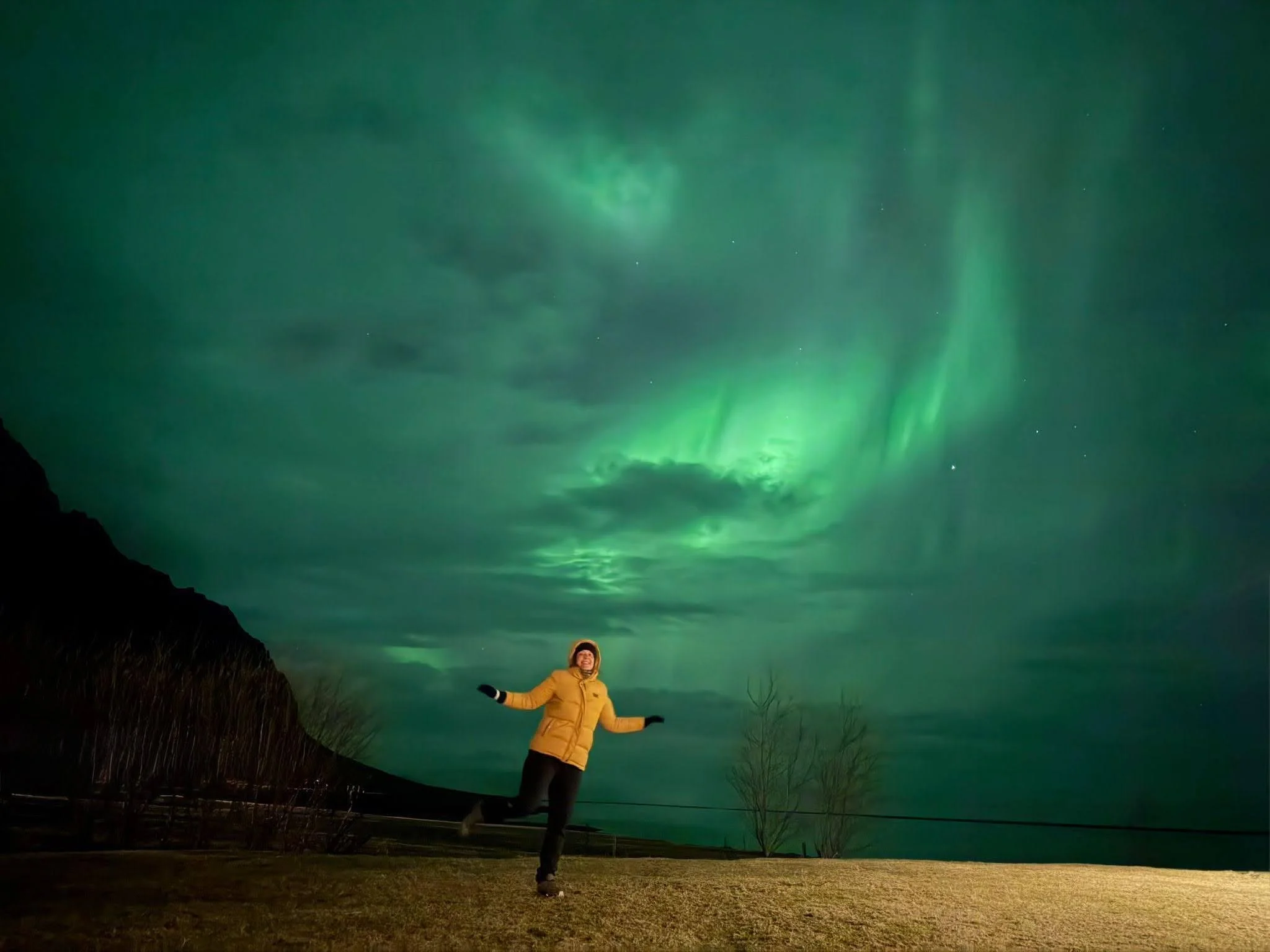
Best Time to See the Northern Lights in Iceland: Month-by-Month Guide & Forecast
We've chased the northern lights in Iceland several times — and the single most important thing we learned is that timing is only half the equation. The other half is knowing how to read the conditions on the night itself and being willing to move when the forecast tells you to (well, and a bit of elf magic and luck too).
Most northern lights guides will tell you to go in January and cross your fingers. That's not wrong, but it's not the whole picture either. The best time to see the northern lights in Iceland depends on what you're optimising for — maximum darkness, best weather odds, equinox activity, or the current solar cycle — and the answer is different depending on which of those matters most to you.
This article is specifically about timing and forecasting. If you're still deciding whether Iceland is the right aurora destination for you at all, we've covered that in detail in our northern lights Iceland guide. If you're new to aurora hunting altogether, start with our northern lights for dummies guide first. And if you're ready to book and need hotel recommendations, go straight to our best northern lights hotels in Iceland. This piece sits between those two: it's for people who are going, and want to make the most of it.
Everything here is part of our northern lights hub — our full library of aurora guides covering destinations, gear, photography, and planning.
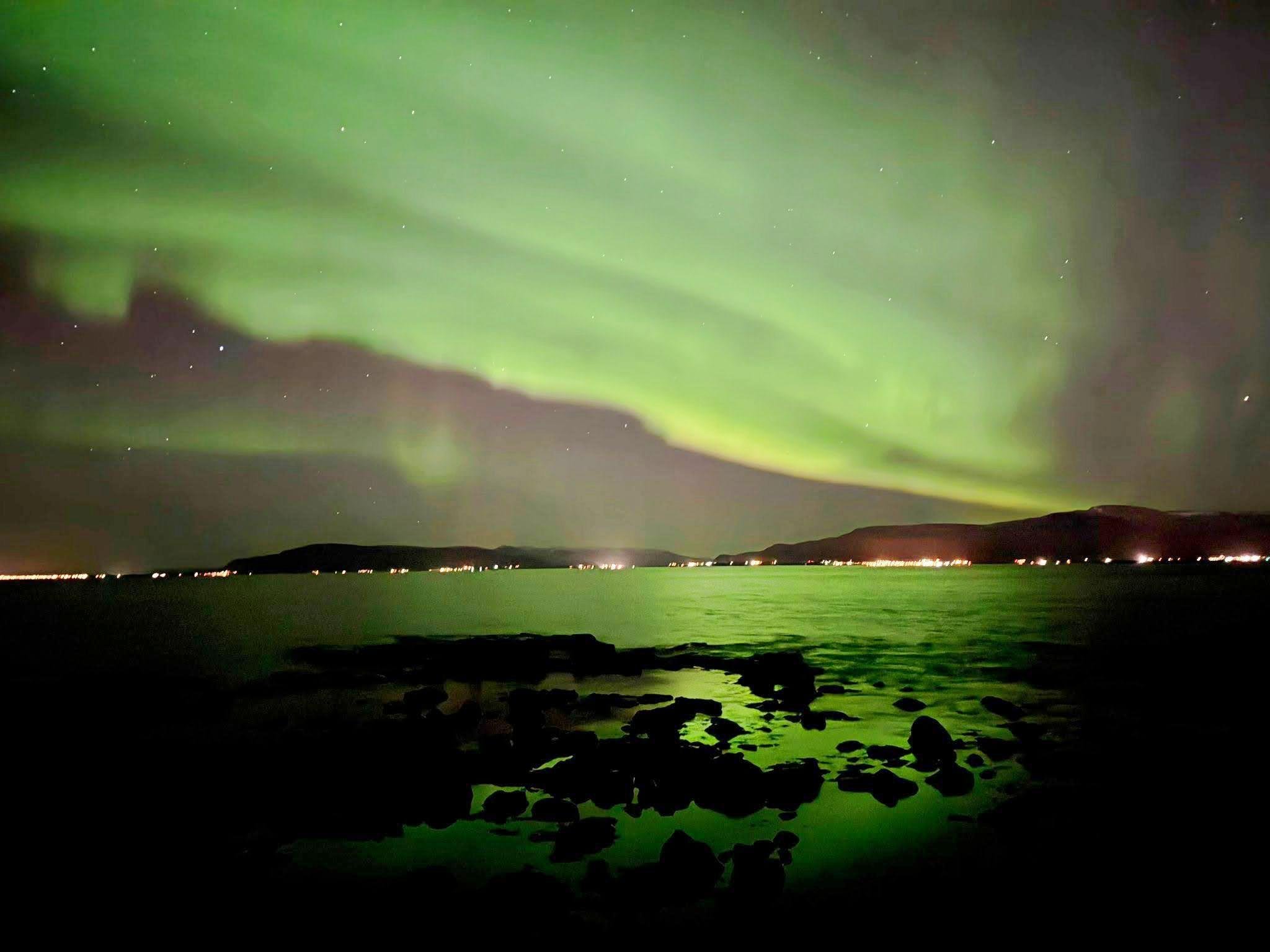
Northern Lights in Iceland: Is It Actually Worth It?
Iceland is probably the most Googled northern lights destination on the planet. And honestly? There are good reasons for that — but also a few things the average aurora guide won't tell you. If you're deciding whether Iceland is the right choice for your northern lights trip, this is the honest version of that answer.
The short version: yes, Iceland is a legitimate aurora destination, and for most people it's a brilliant choice. But it comes with a specific set of trade-offs that are worth understanding before you book. Because if you're going solely to see the lights with the highest possible odds, Iceland isn't actually your best bet. If you're going to Iceland for the full experience — and you want the lights as a bonus that will make the whole thing extraordinary — it might be the best trip of your life.
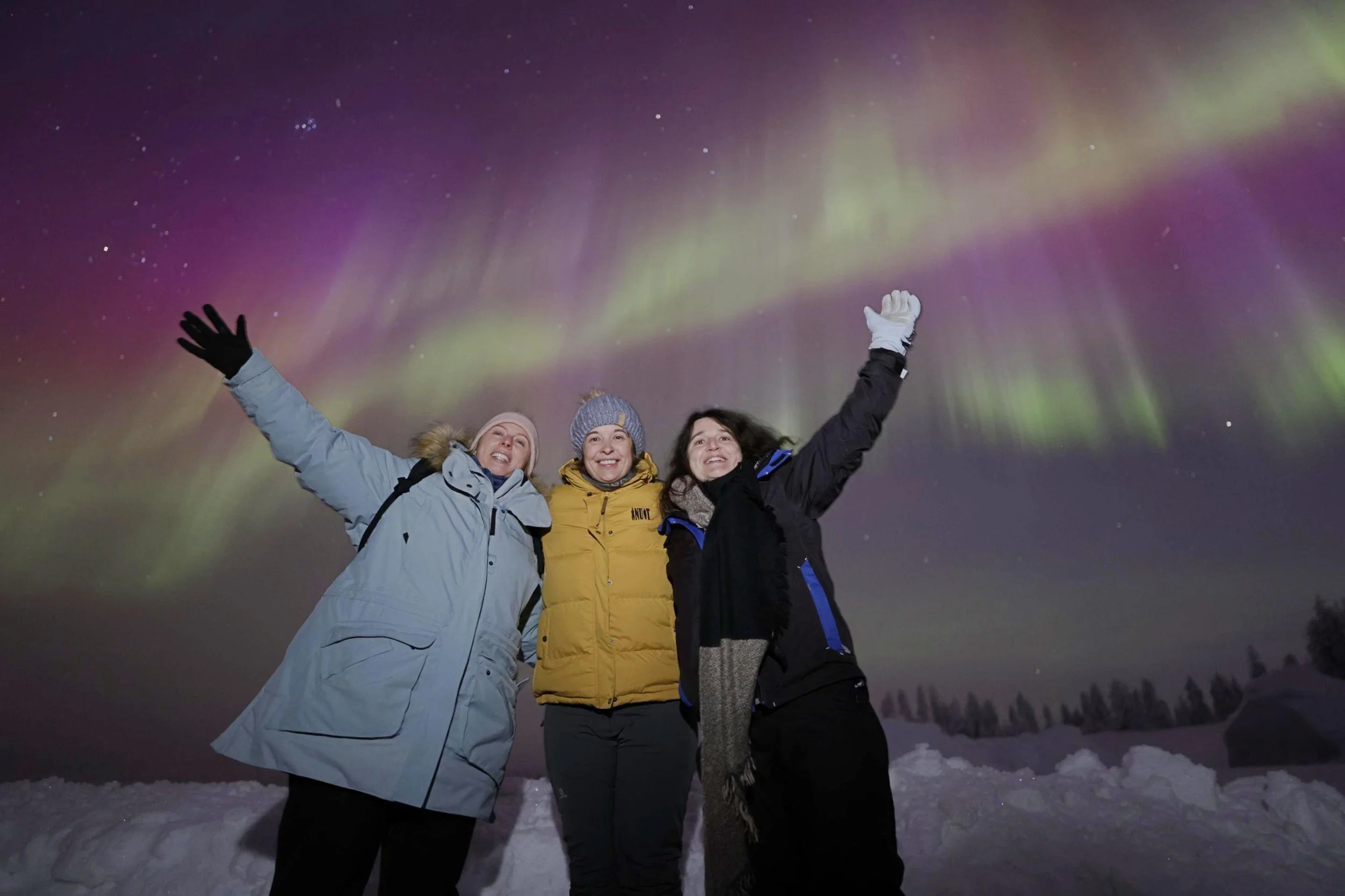
Northern Lights Tour in Rovaniemi: Our Experience (and Is It Worth It)
We’ll say this upfront: we usually don’t do northern lights tours.
We’re perfectly happy standing alone in the dark, refreshing forecasts, watching cloud maps like it’s a second job, and waiting patiently for the sky to make up its mind. That’s our normal rhythm.
But this Rovaniemi trip with my friends came with a few complicating factors.
We didn’t have a car. Clouds were threatening every single evening. One of my friends had never seen the northern lights. And we were staying close enough to the city that light pollution was always lurking in the background. Add a short stay to the mix, and suddenly “we’ll figure it out ourselves” starts feeling less noble and more risky.
So we booked a tour. And honestly? We’re really glad we did.
Northern Lights Trips by Travel Style: Where to Go Based on How You Travel
The 2025-2026 northern lights season has been exceptional so far, and one thing is clear: people aren’t just asking where to see the aurora anymore. They’re asking which kind of trip actually fits them.
Short stay or long trip?
Car or no car?
Tour or no tour?
Quiet or social?
First time or return visit?
This guide helps you choose the right northern lights destination based on your travel style, so your trip works in real life — not just on paper.
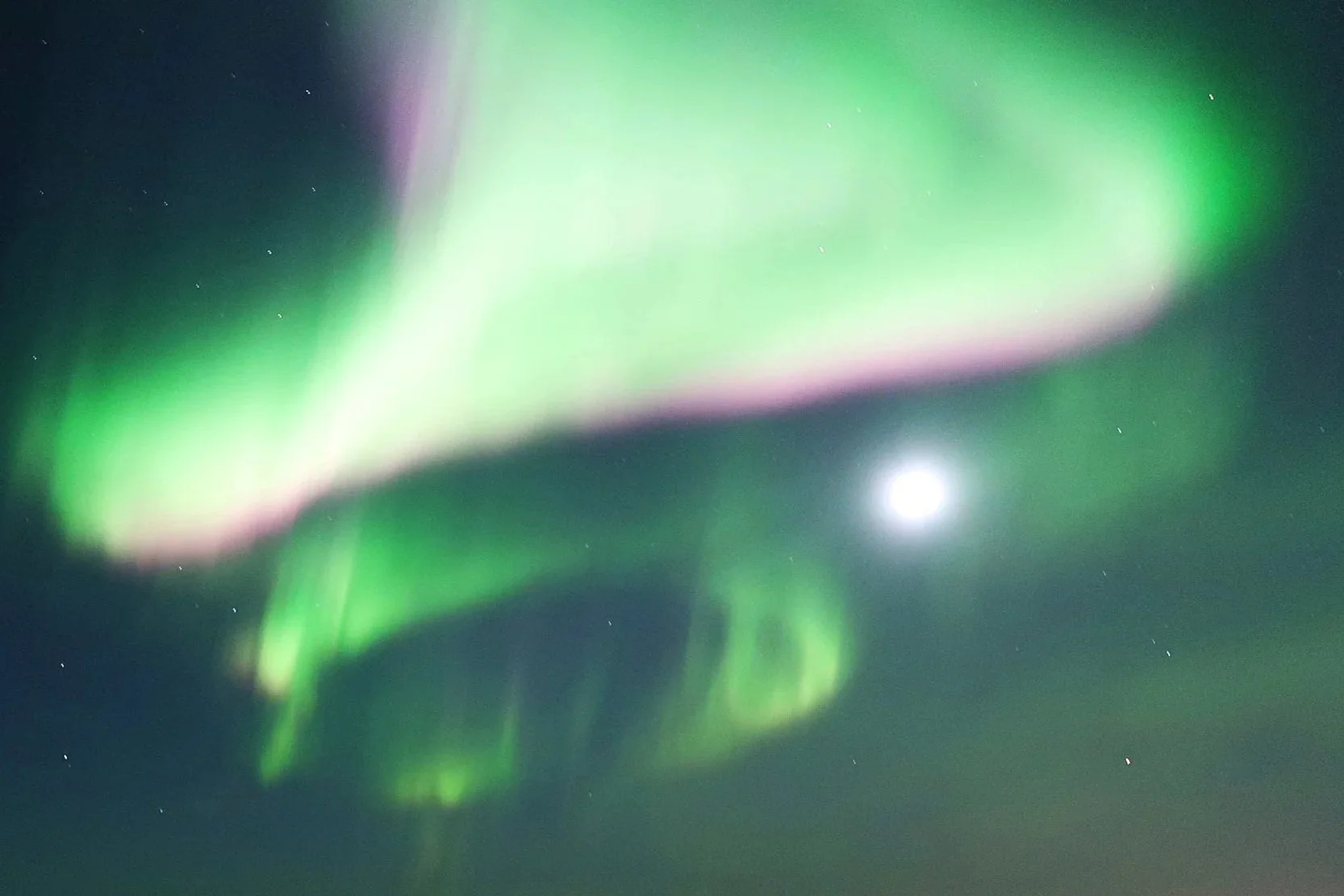
Northern lights Without a Car: How to See the Aurora the Easy Way
Seeing the northern lights is one of those travel dreams that feels almost mythic — until you start planning it and suddenly everything involves icy roads, late-night driving, weather stress, and rental car disclaimers written in very small print.
Here’s the reassuring truth: you absolutely can see the northern lights without a car. In many cases, it’s not just easier — it’s smarter. We’ve done it plenty of times — Luleå, Alta, Kiruna, Rovaniemi, etc. — as we usually don’t rent a car in winter.
This guide is for travelers who want the aurora without white-knuckle winter driving, missed turnoffs in the dark, or constant road-condition checks. We’ll show you how it works, where it works best, and how to choose accommodation and tours that do the heavy lifting for you.