
Lapland
Lapland Travel Guide — Swedish & Finnish Lapland: Kiruna, Abisko, Rovaniemi & beyond
Let's start with the thing most guides skip: Lapland isn't a country. It's not even a single region with clean borders. Lapland — or Sápmi, as the Sámi people have always called it — is a vast Arctic territory that stretches across four countries: Norway, Sweden, Finland, and Russia. The political lines are recent. The reindeer herding, the languages, the joik music, and the deep relationship between the Sámi and this landscape go back thousands of years.
This page covers Swedish and Finnish Lapland. For Norwegian Lapland — Alta, Tromsø, Finnmark — we have a dedicated Norway page.
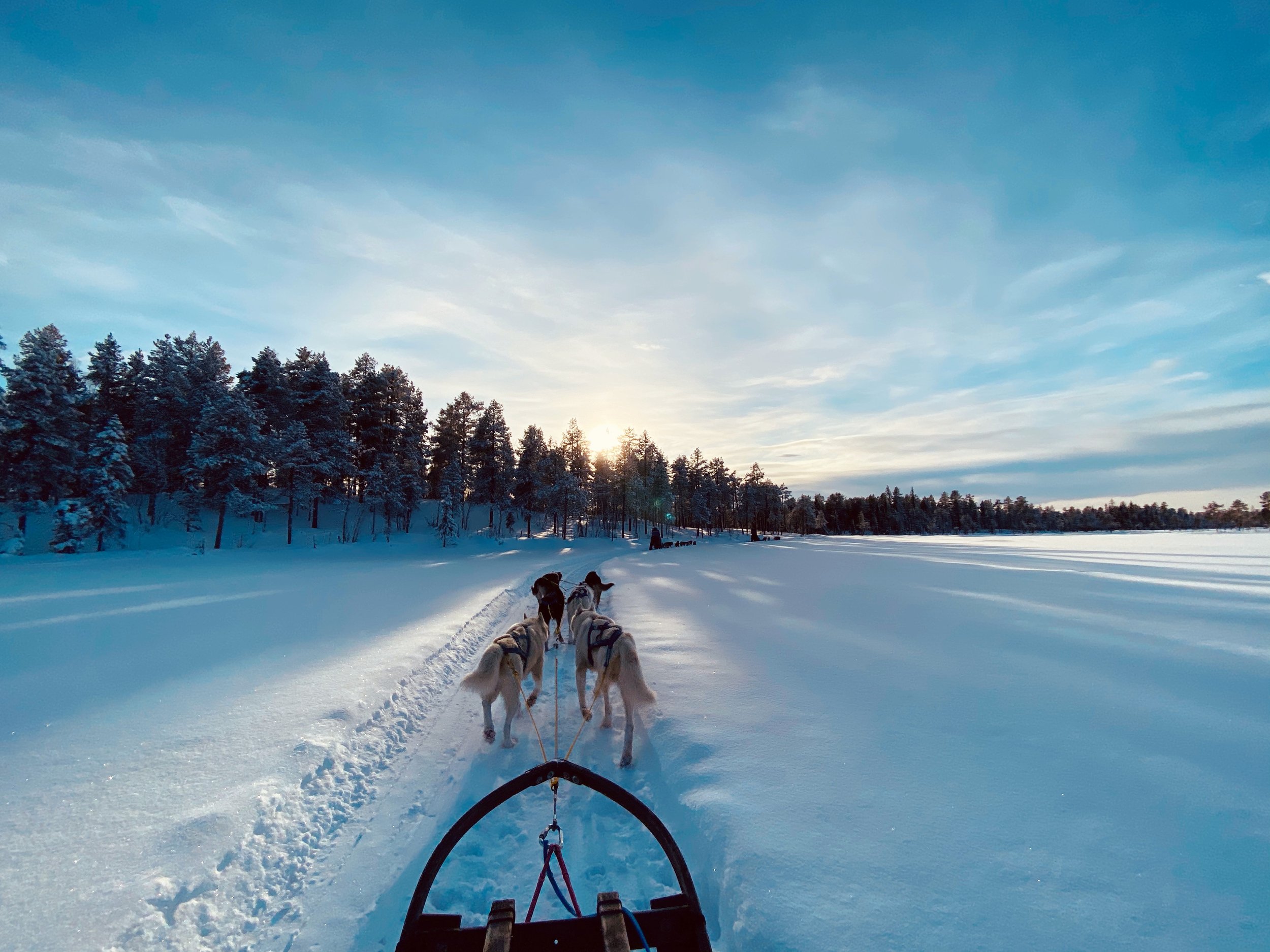
We've been to both sides of the border multiple times, in every winter month, in summer, and once in autumn. Kiruna, Abisko, Jukkasjärvi, and Luleå on the Swedish side. Rovaniemi and well beyond on the Finnish side. We've visited the Icehotel 7 times, watched the aurora from Abisko's legendary Blue Hole, admired the tykky trees, done dog sledding every time, and shared what a real Finnish sauna and ice dip actually feels like when the temperature outside is doing something unreasonable.
And since we're here: Swedish Lapland is very different. Kiruna and Abisko are wilder, quieter, and less packaged. Finnish Lapland has its own particular magic — but definitely go beyond Rovaniemi to find it.
Both are worth it. Here's everything we've written about them.
Jump to: Finnish Lapland · Swedish Lapland · Northern Lights Hub · Arctic Travel Hub
Finnish Lapland Travel Guides
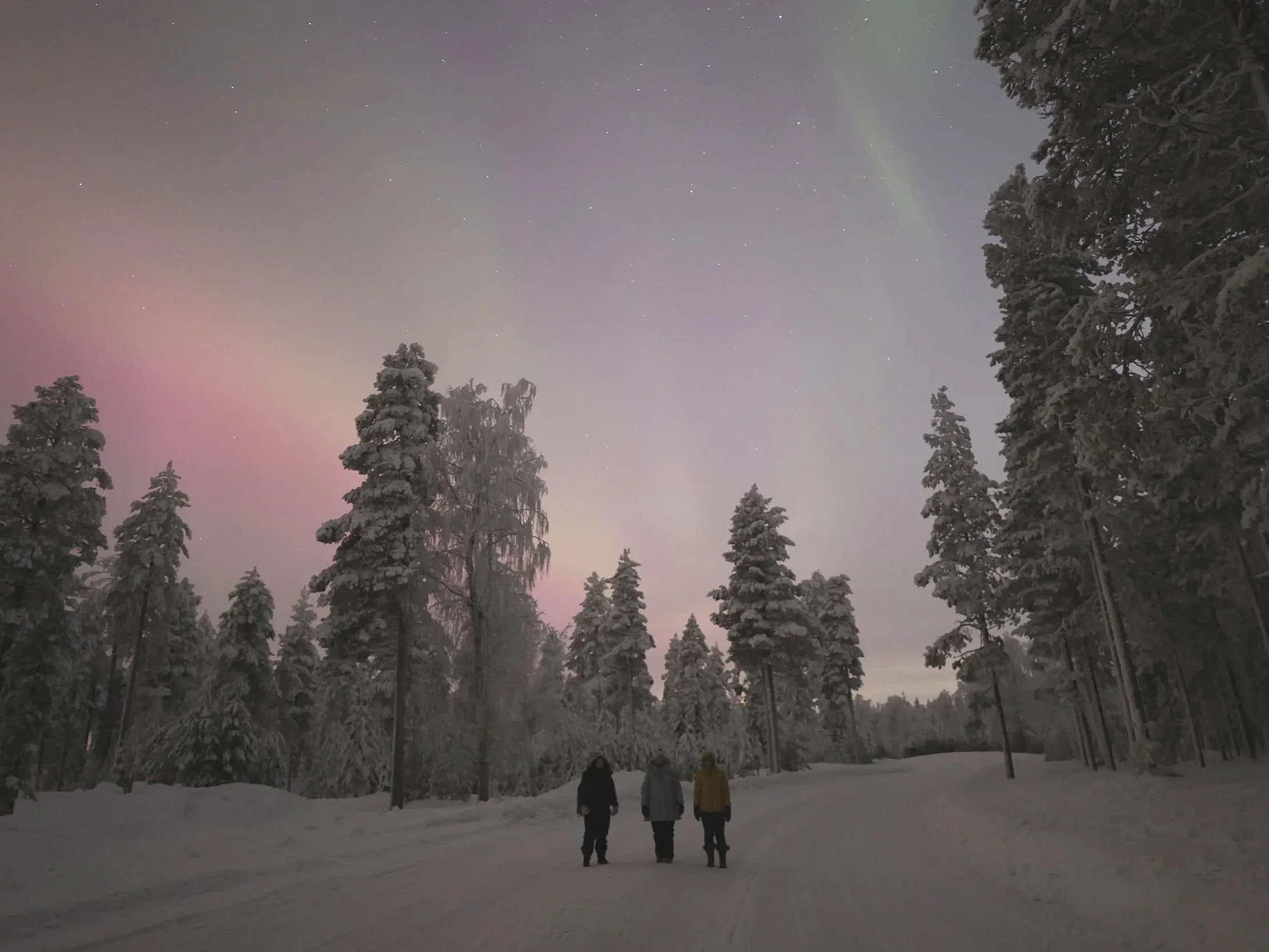
Rovaniemi sits right on the Arctic Circle and is easy to reach from all over Europe, but it's still a city with streetlights, so where you stand does more work here than in a lot of Lapland towns. And whether you've got a car changes everything. Here is how, when, and where to see the northern lights in Rovaniemi with or without a car.
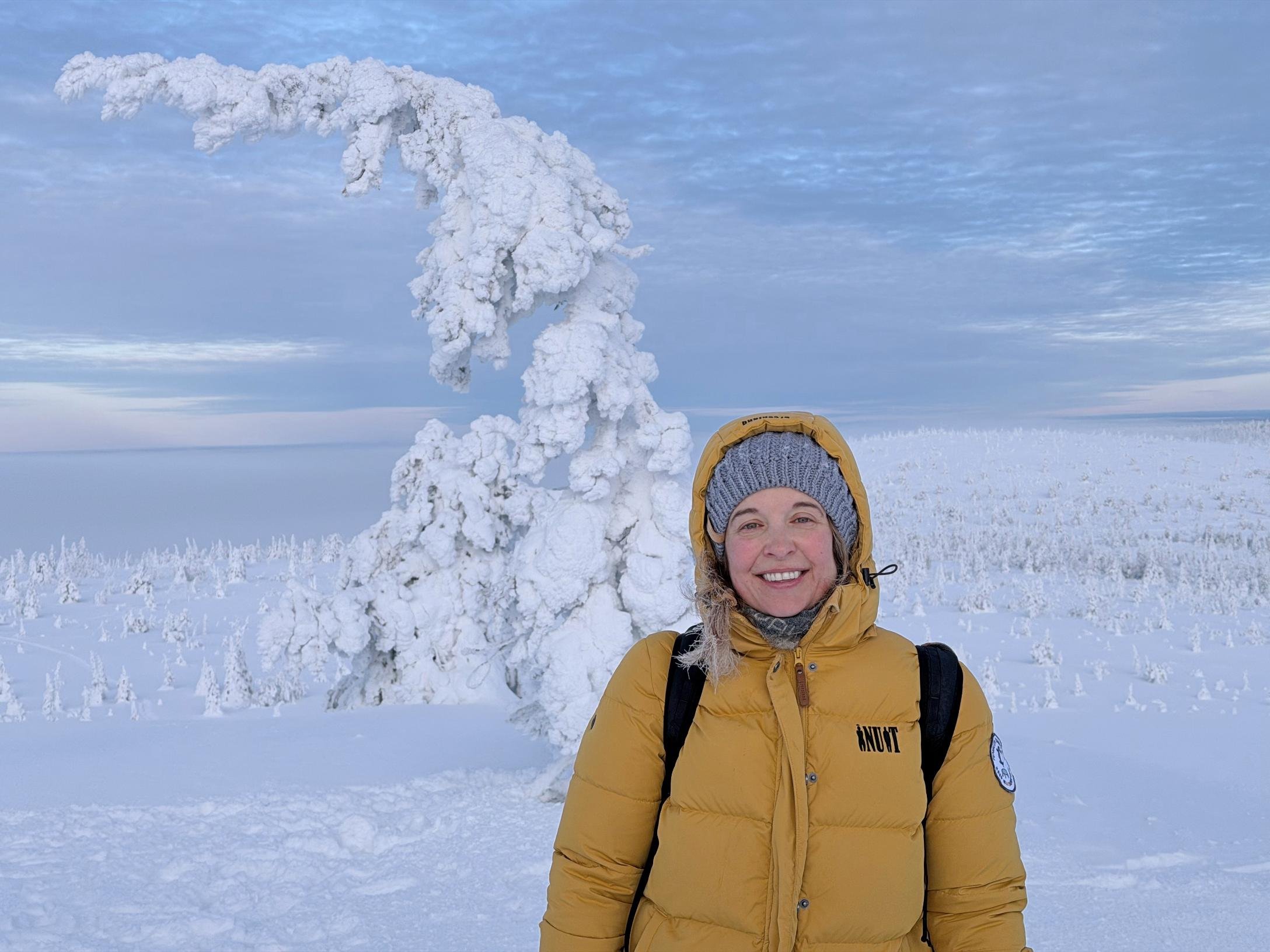
Every year, some people pay somewhere around 400£ to 600£ a person (or more) for an 18-hour coach-and-flight day trip to Finnish Lapland. A flight to Rovaniemi on its own can cost less than a taxi ride across London, if you book it right. Obviously, the Nordics are never cheap, but this guide will help you plan your trip to Lapland “on a budget". It's Finland-focused throughout, since that's what almost everyone searching for "Lapland" actually means.
If you're curious about the Swedish side, particularly Kiruna, we've covered that separately, and you’ll find lots of resources in our Lapland Travel Hub.
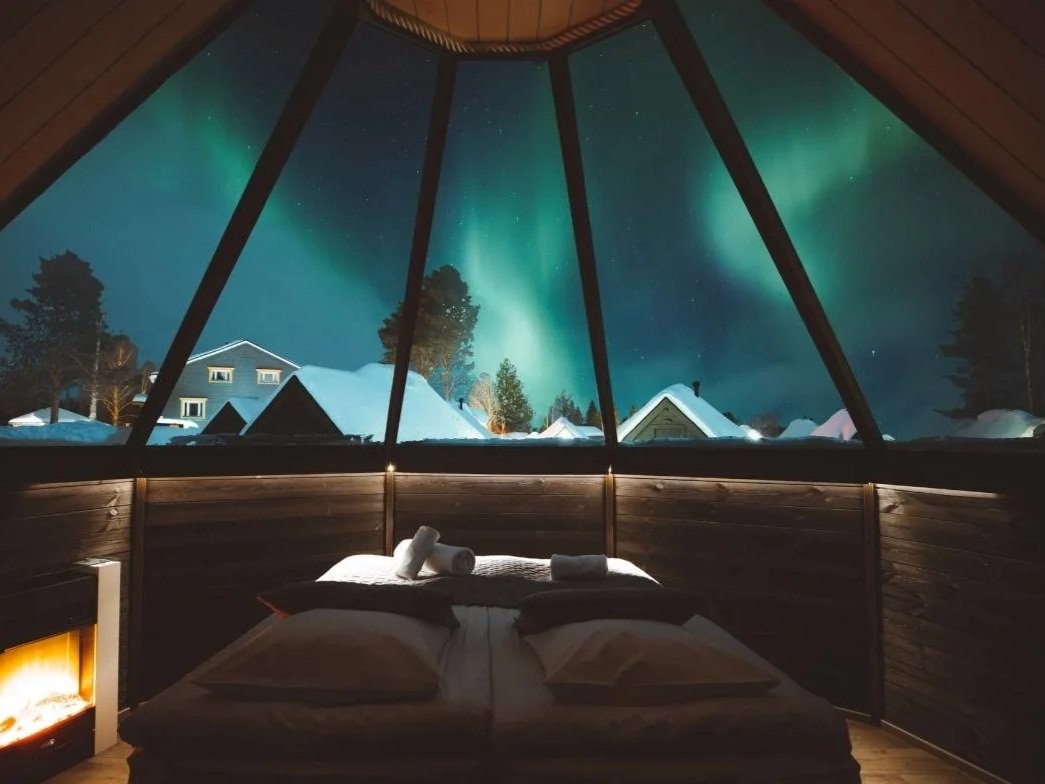
Every "best glass igloo" list in Finland points you toward the same photos. At Penguin Trampoline, we're not going to pretend we've slept in every one of them, because we haven't. We experienced the aurora igloo concept in Iceland, we visited the Arctic SnowHotel property (more on that below), and we dug into the rest property by property.
Here's what's different between them and what tends to move the price, and we also broke them down by region because we understand it’s a once-in-a-lifetime experience and you want to get it right!
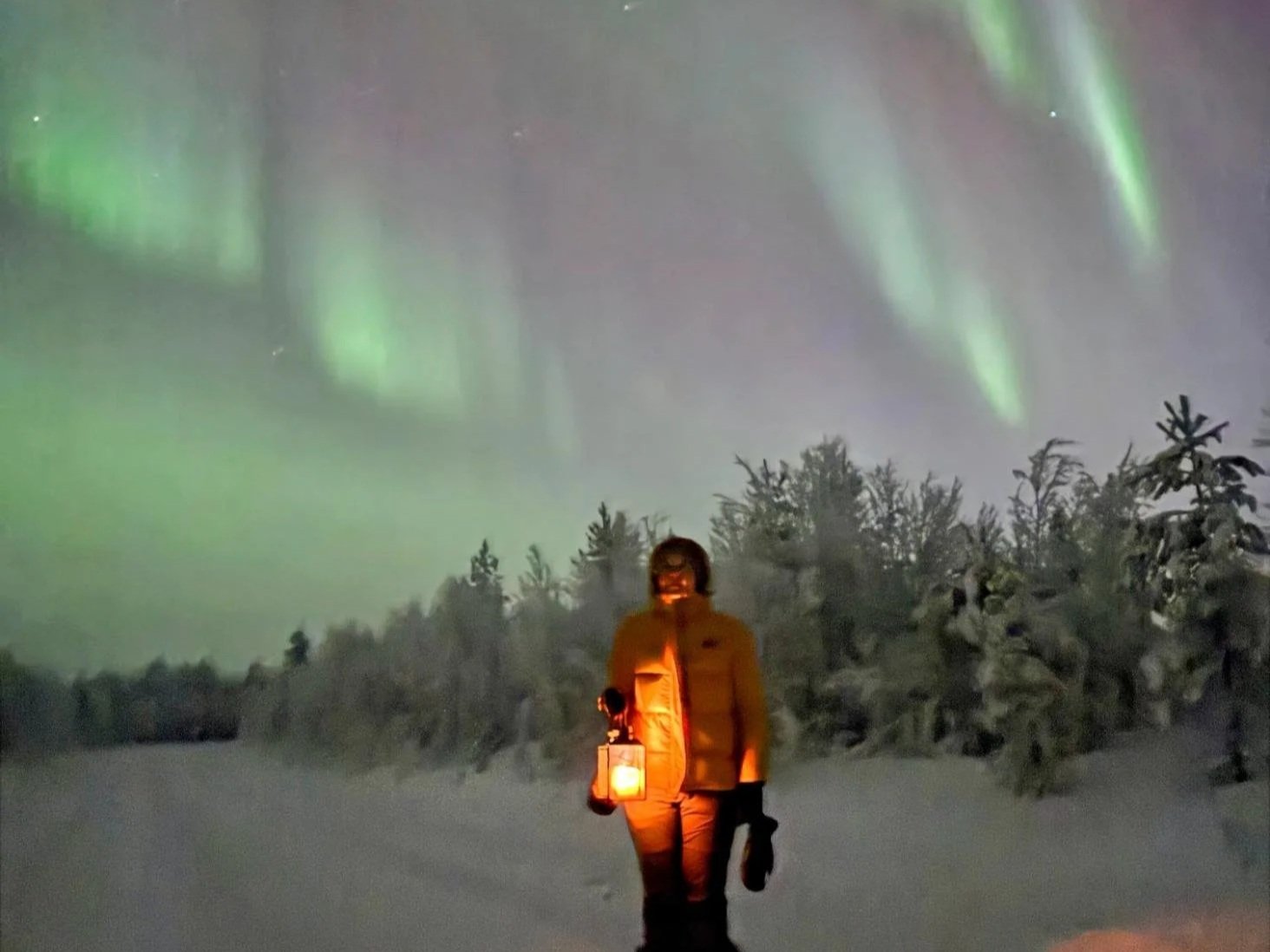
Rovaniemi alone has well over a hundred northern lights tours listed across Viator and GetYourGuide, and a lot of them read like the same three sentences reshuffled: local guide, real-time forecasts, "guaranteed" somewhere in the title. Levi and Saariselkä add their own smaller rosters on top of that. The listings aren't lying exactly, they're just marketing, and it's worth knowing what actually separates them before you hand over your evening.
This is the type-by-type breakdown: which tour gets you what, what "guaranteed" really means in Finnish Lapland specifically, and how to pick between a minibus, a snowmobile, and a husky sled when you've only got one or two free nights.
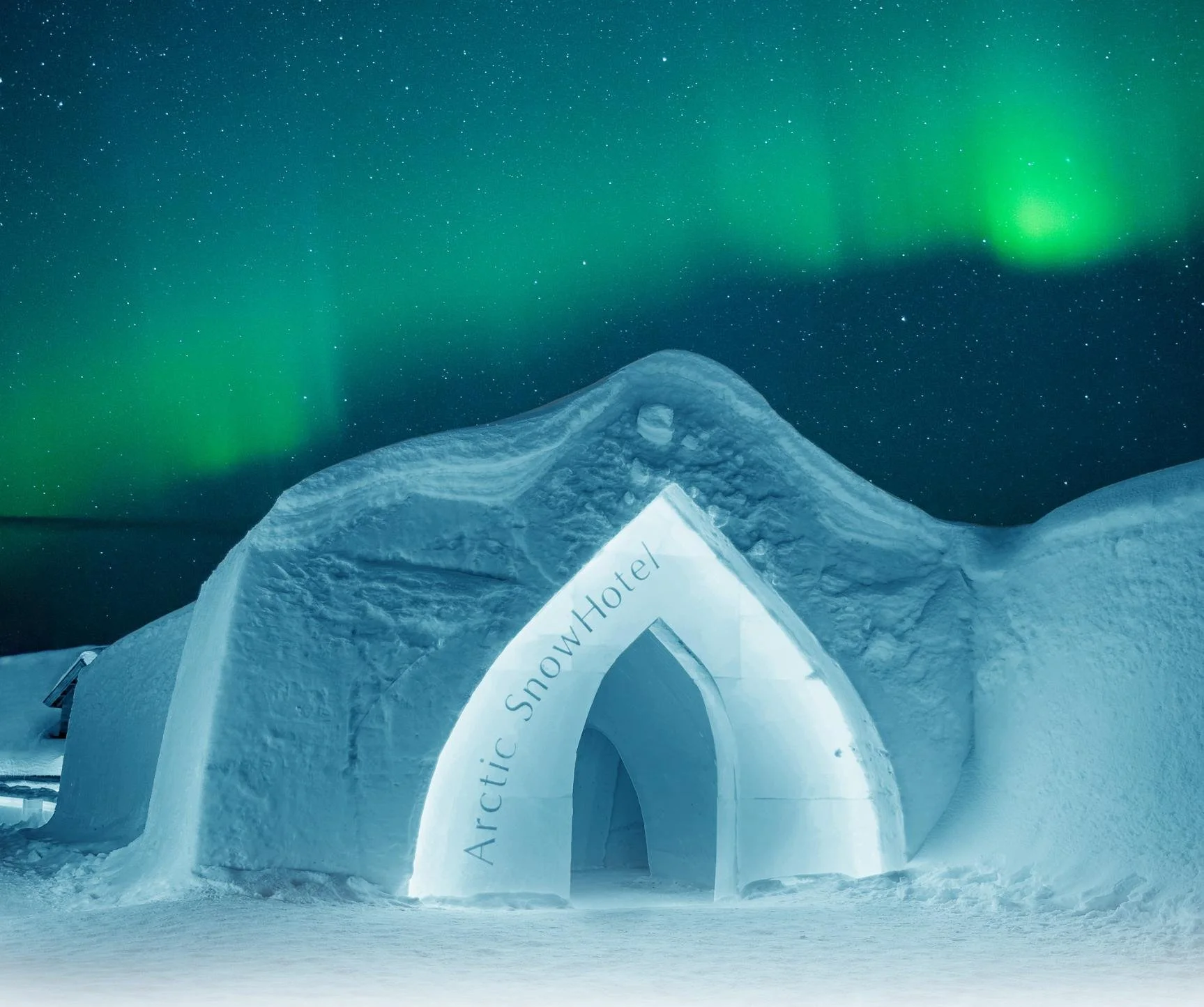
Every Finland aurora hotel roundup eventually points you to the same three glass igloos. Fair enough, they're famous for a reason. But Finnish Lapland runs from Levi in the west to Nellim on the Russian border, and the right bed for watching the sky depends more on which stretch of that region you're in than on whichever photo sold you on the trip in the first place.
We haven't slept in every single property on this list. What we did do is stay in one of these ourselves, visit most of the rest, and quietly drop a few famous names that don't hold up once you look past the marketing photos. Here's what's actually worth booking, split by what you want out of the stay: a glass roof over the bed, an ice hotel experience, a proper wilderness lodge, or a resort with enough going on to fill the hours between aurora checks.
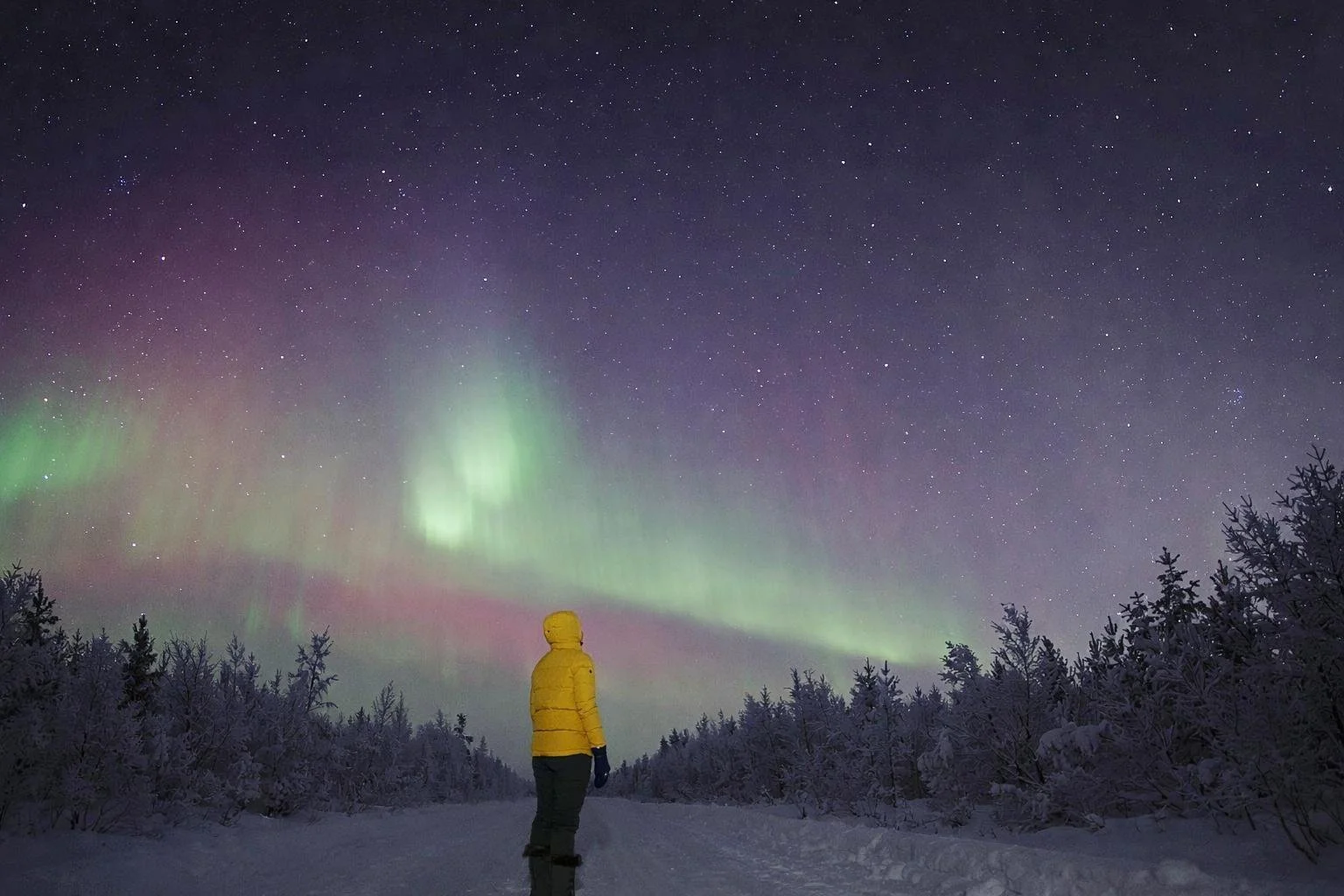
Lapland has a claim to the northern lights that few places can match: most of it sits inside the auroral oval, the band circling the North Pole where the aurora shows up most often and most reliably. We've chased it across the region, and the biggest decision was never really when to go. It was where.
This guide covers the two Lapland regions travelers usually book: Finnish Lapland (Rovaniemi, Levi, Saariselkä) and Swedish Lapland (Kiruna, Abisko, Luleå). Both sit well within aurora range. They just offer a different experience. If you’d rather chase the lights in Norway, we have a dedicated Arctic Norway page.
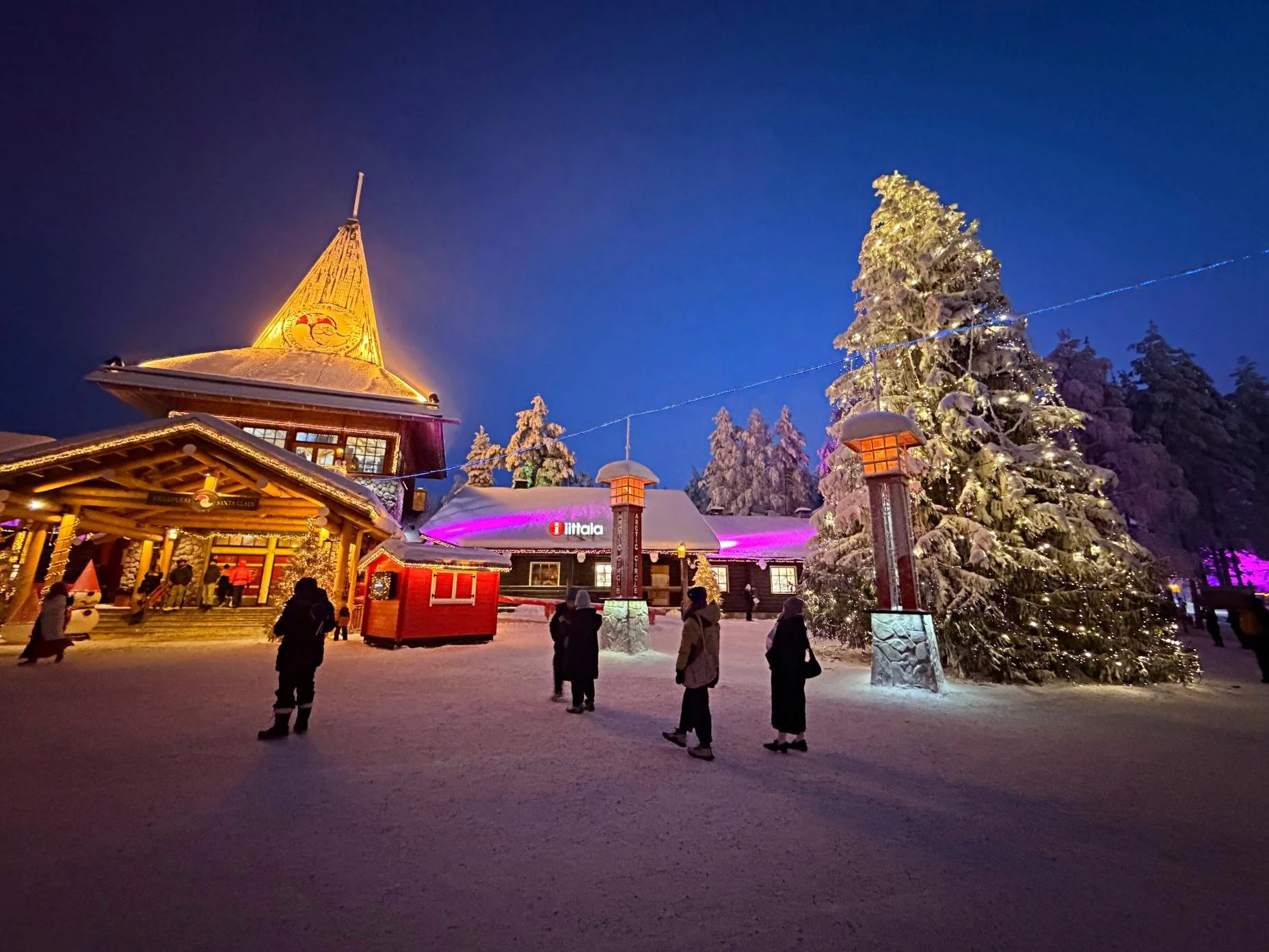
December in Rovaniemi is one of the most atmospheric things you can do in Europe. Snow so deep it swallows fence posts. Darkness that falls at 2pm and stays until 10am. Reindeer moving in slow single file through the forest. The northern lights ripping green across a sky you've never seen that dark. And a silence — an actual silence — that you feel in your chest.
The problem is that the internet has convinced most people that Christmas in Lapland means one specific thing: elves, a man in a red suit, and a theme park experience that costs a fortune and delivers considerably less magic than the landscape sitting five minutes outside it.
We're not here to tell you what to do. But we are here to be honest about what you're actually booking when you book "Christmas in Rovaniemi" — and what December in Finnish Lapland looks like when you strip the commercial layer back.
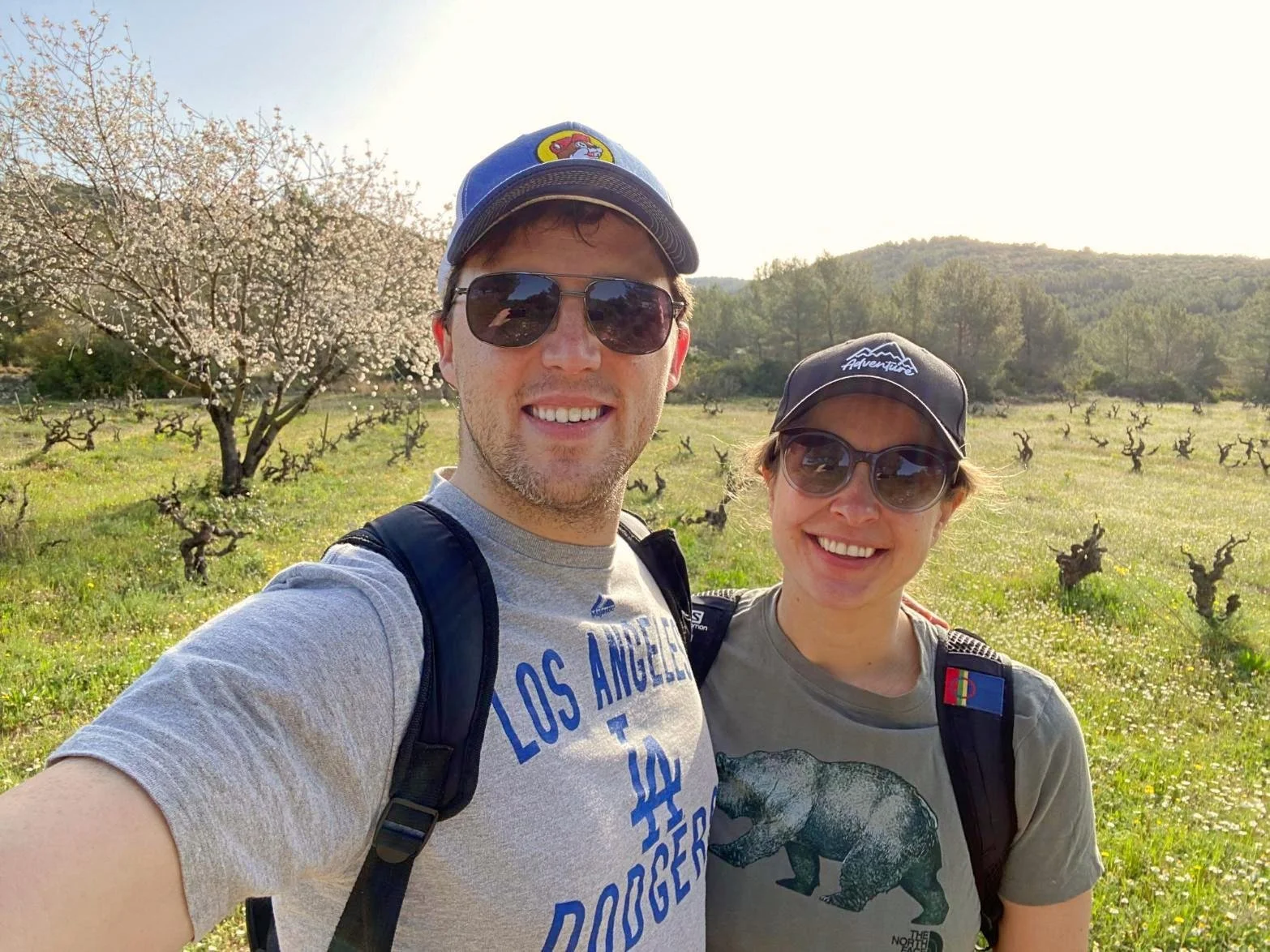
Spring is Europe’s most underrated travel season. Landscapes come back to life, prices stay reasonable, and places still belong to the people who live there. If you time it right, spring lets you experience destinations as they actually are — not as they perform in summer.
These off-the-beaten-path destinations aren’t obscure for the sake of it. They simply make more sense in spring. Keep reading to find out why!
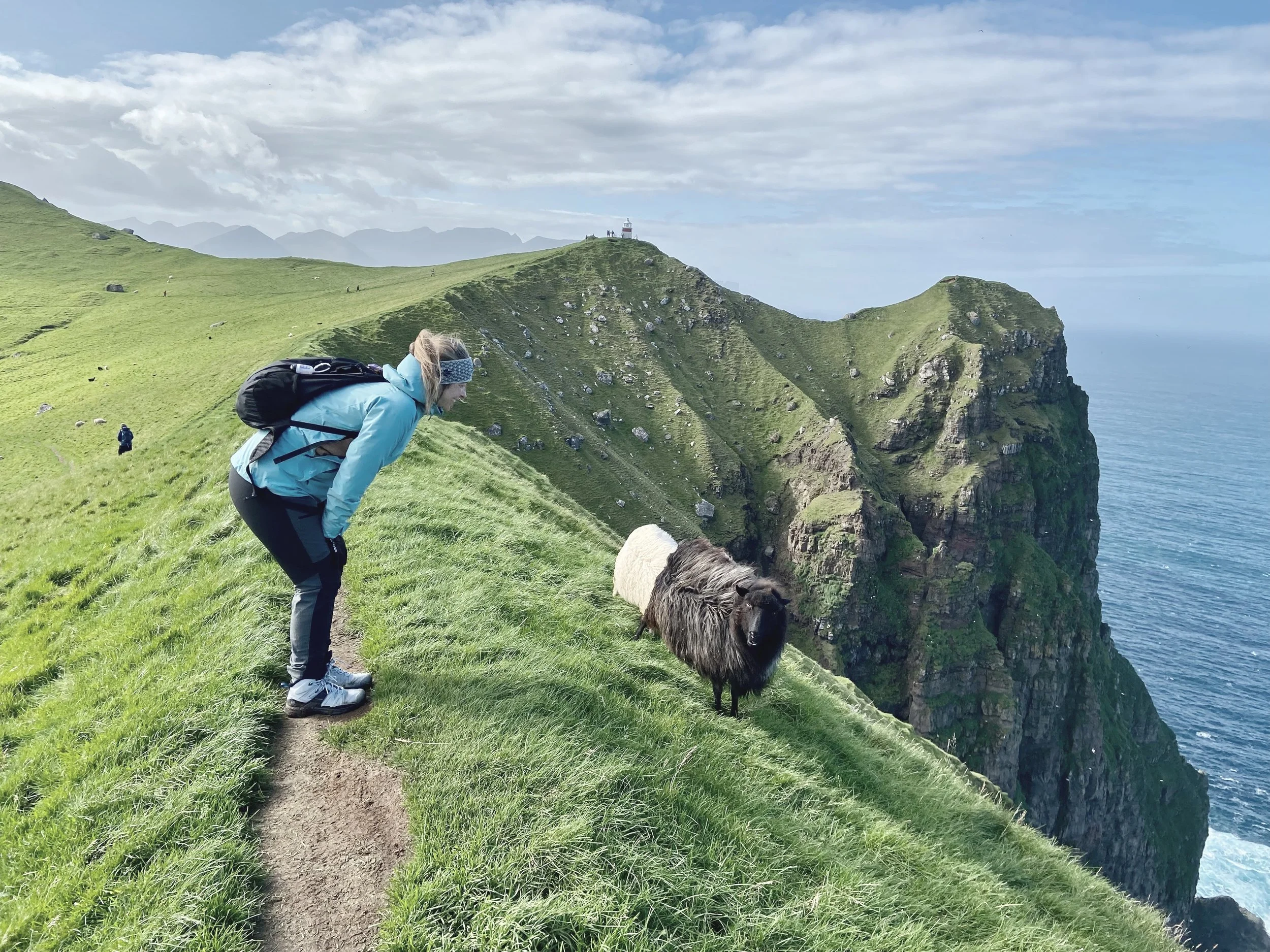
Travel in 2026 isn’t about ticking off famous places anymore. It’s about how you travel, when you go, and what kind of experience you want once you’re there.
After years of over-tourism, rising prices, and destinations that feel more like theme parks than places, travelers are making calmer, more intentional choices. And the data backs it up, as per Booking.com stats: quieter destinations, off-season travel, and colder regions are driving real bookings — not just inspiration clicks.
That makes us very happy at Penguin Trampoline, as we always encourage responsible travelling, and we are constantly looking for the perfect balance between travellers' and locals’ interests.
Here’s what’s actually shaping travel in 2026, and how to use these shifts to choose better destinations.
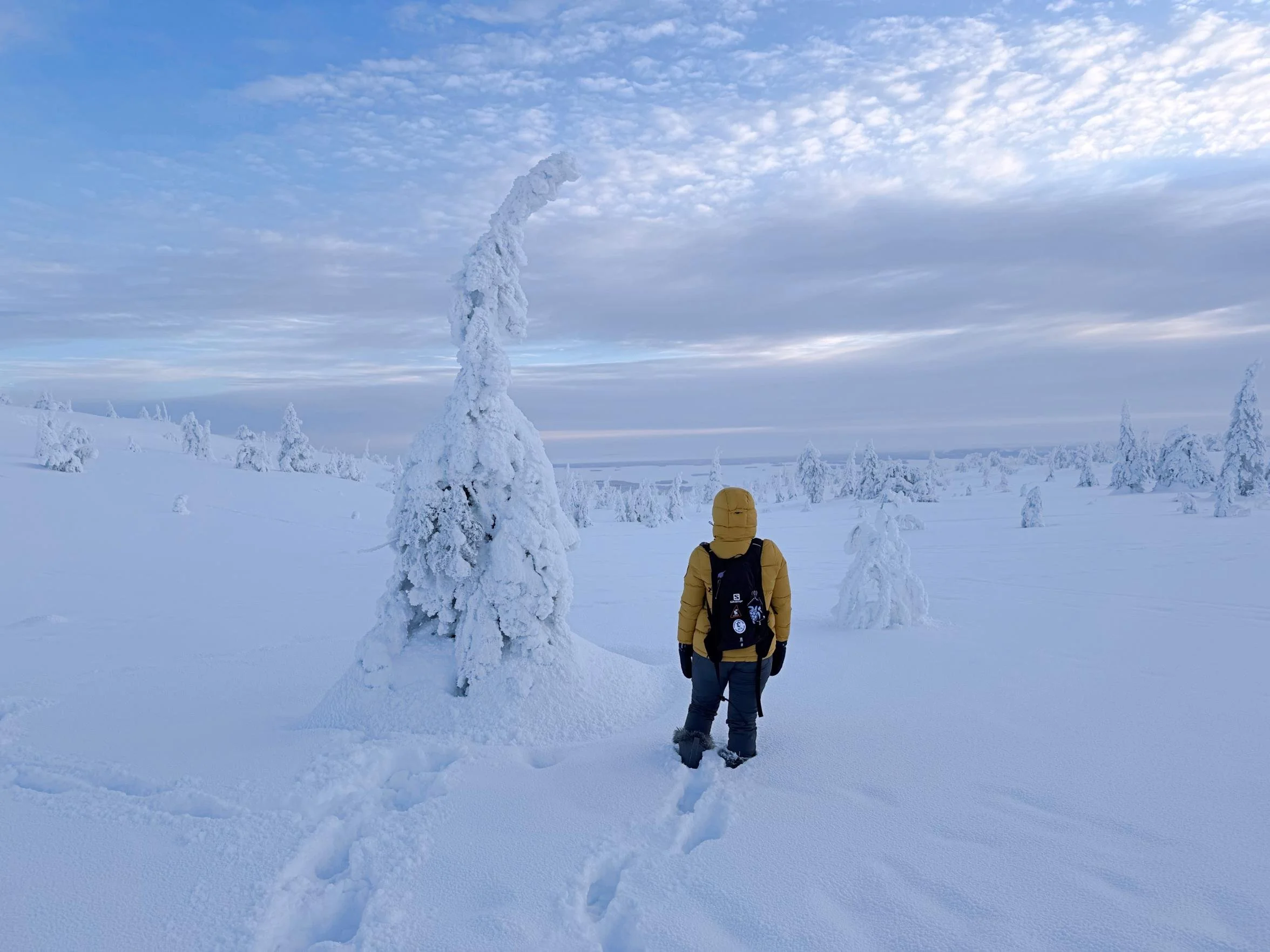
Lapland is not one place.
It stretches across Finland, Sweden, Norway and Russia, and each side behaves differently. Different snow patterns. Different temperatures. Different landscapes.
If you’re asking:
Will there be snow in Lapland in December?
Is Lapland warmer in Norway than Finland?
When is snow guaranteed?
Is November too early?
Is April too late?
You’re asking the right questions and will find an answer in this guide!
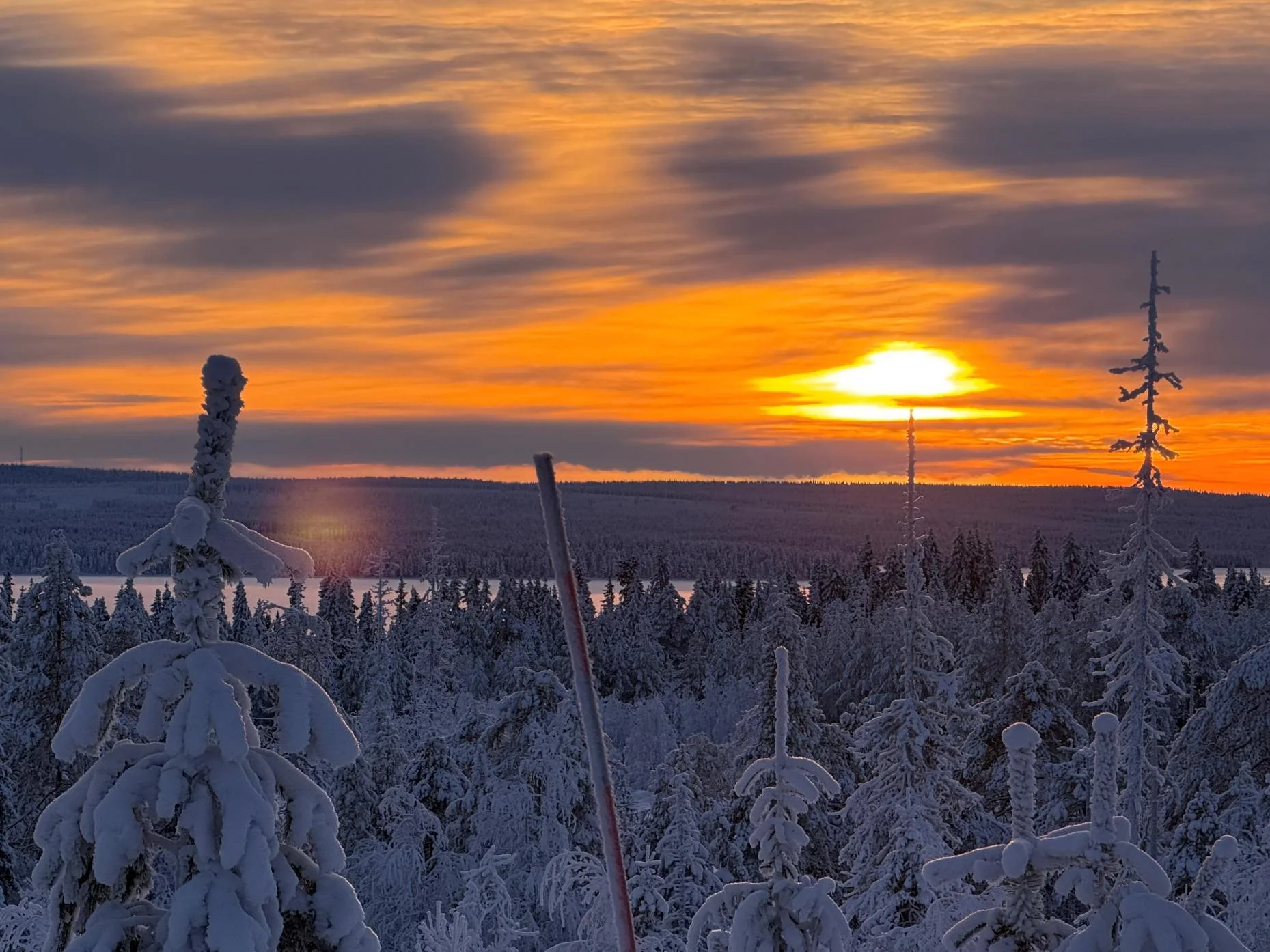
Rovaniemi sits just below the Arctic Circle and markets itself as the official hometown of Santa Claus. It’s easy to reach, well-developed, and famous worldwide.
But timing here isn’t just about temperature. In the Arctic, light changes everything. Dark winter for auroras, endless summer for midnight sun, golden autumn (ruska) for quiet forests.
And depending on when you go — and whether you stay in Rovaniemi or beyond — your experience can feel wildly different.
Let’s break it down honestly, with pros and cons of each month and season.
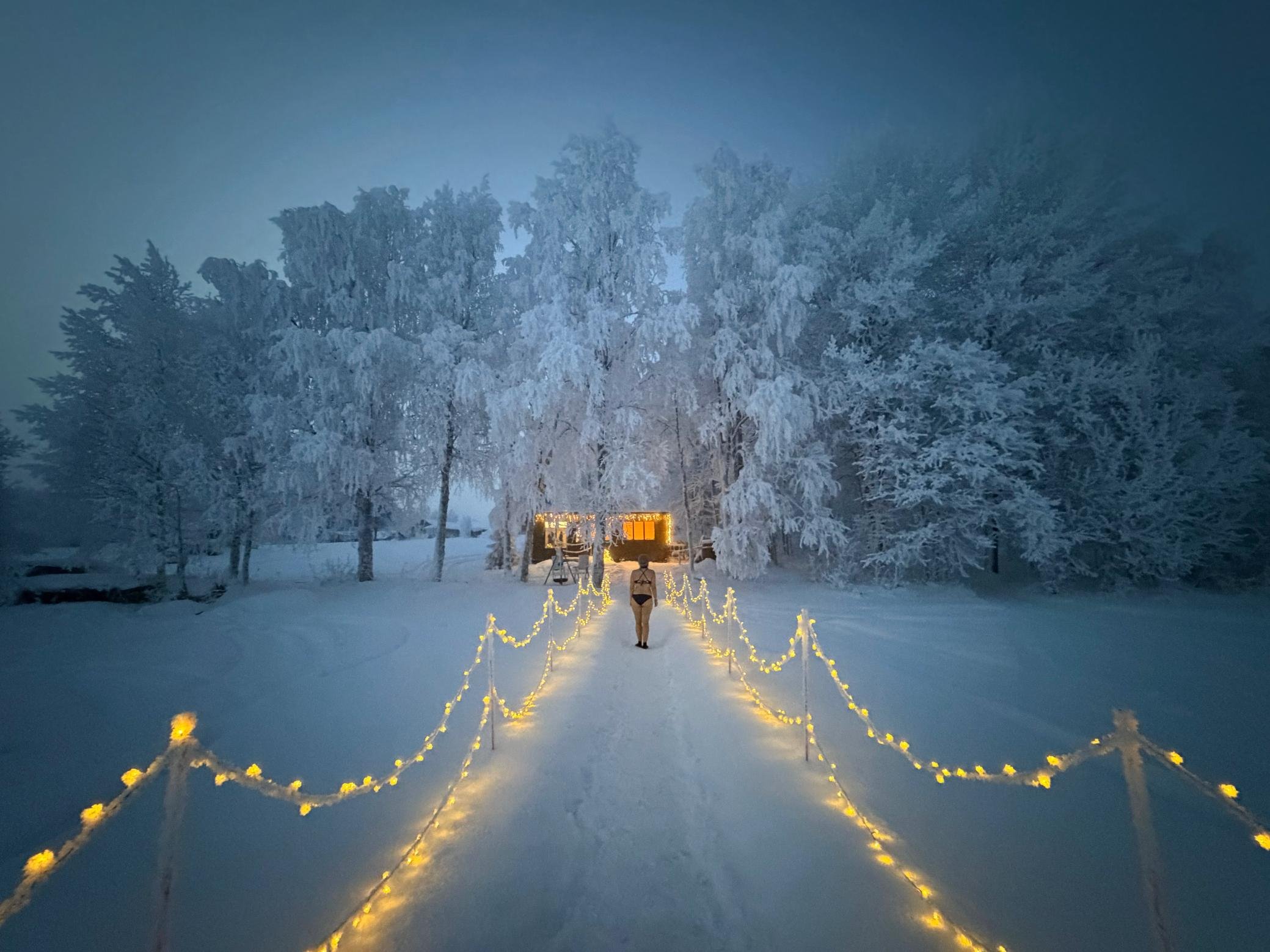
You can’t understand Finland without sauna. You can’t understand winter without cold water.
Put the two together and something very real happens — your body resets, your mind quiets, and winter suddenly feels less like something to endure and more like something to enjoy. Yes, enjoy! For us, it feels like a high.
That’s what we experienced with StayLapland. We’ve done saunas before. We’ve done winter trips before. But it was my friends’ first ice dip. And I’m pretty sure they got as hooked as us!
In the Nordics, sauna isn’t a “wellness activity”— it’s a way of life.
Ready to dive in?
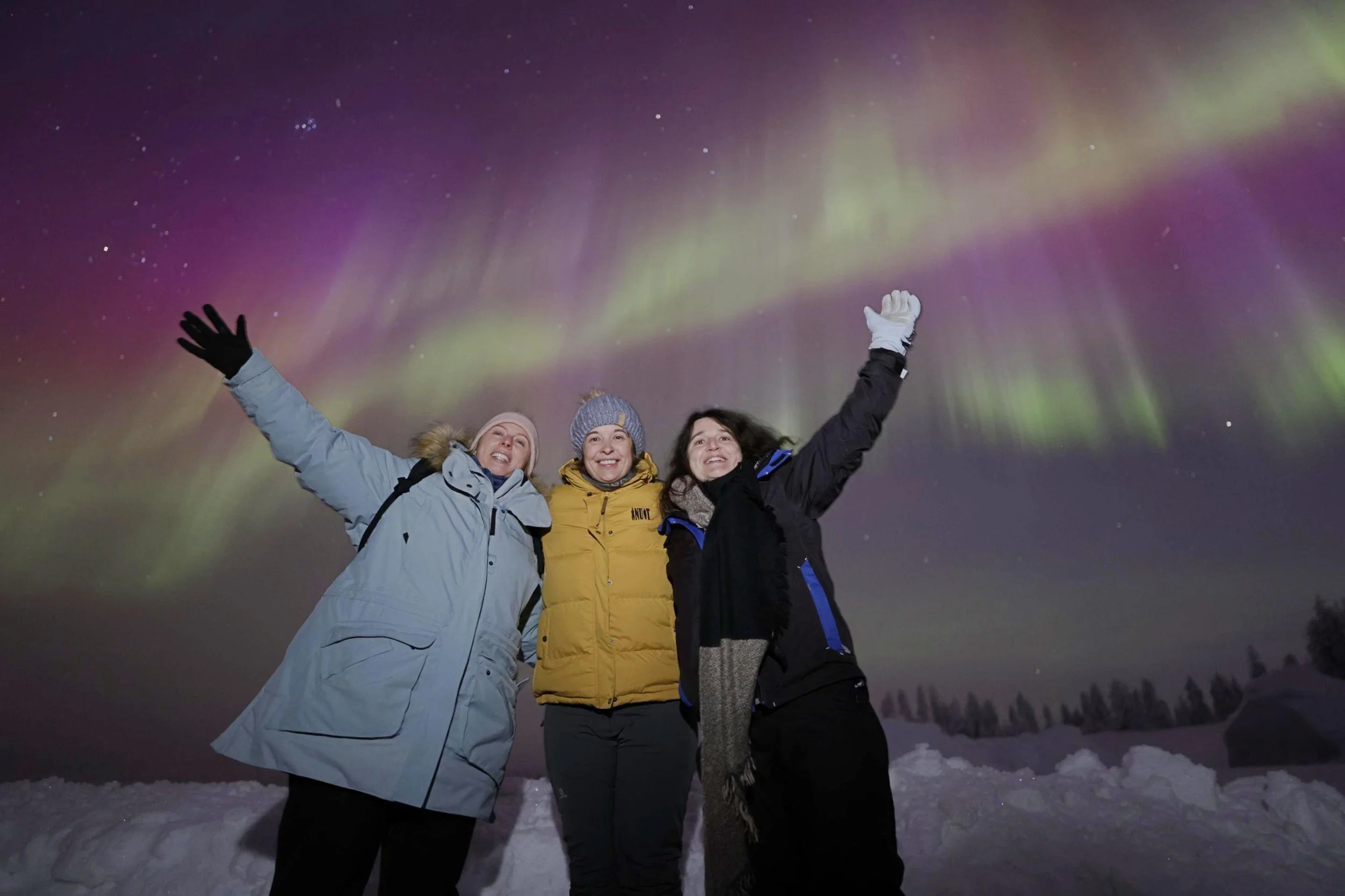
We’ll say this upfront: we usually don’t do northern lights tours.
We’re perfectly happy standing alone in the dark, refreshing forecasts, watching cloud maps like it’s a second job, and waiting patiently for the sky to make up its mind. That’s our normal rhythm.
But this Rovaniemi trip with my friends came with a few complicating factors.
We didn’t have a car. Clouds were threatening every single evening. One of my friends had never seen the northern lights. And we were staying close enough to the city that light pollution was always lurking in the background. Add a short stay to the mix, and suddenly “we’ll figure it out ourselves” starts feeling less noble and more risky.
So we booked a tour. And honestly? We’re really glad we did.
Rovaniemi in winter is… a lot.
Within about five minutes of arriving, you’ll see it: tour buses unloading at industrial speed, groups moving in formation, and yes — at least one fully grown adult dressed as an elf, enthusiastically herding people toward Santa Claus Village like it’s a festive airport security line.
But if you’re the kind of person who quietly backs away from crowds, prefers snow over shopping bags, and suspects that Lapland might have more to offer than a receipt printed with reindeer on it — good news. It absolutely does.
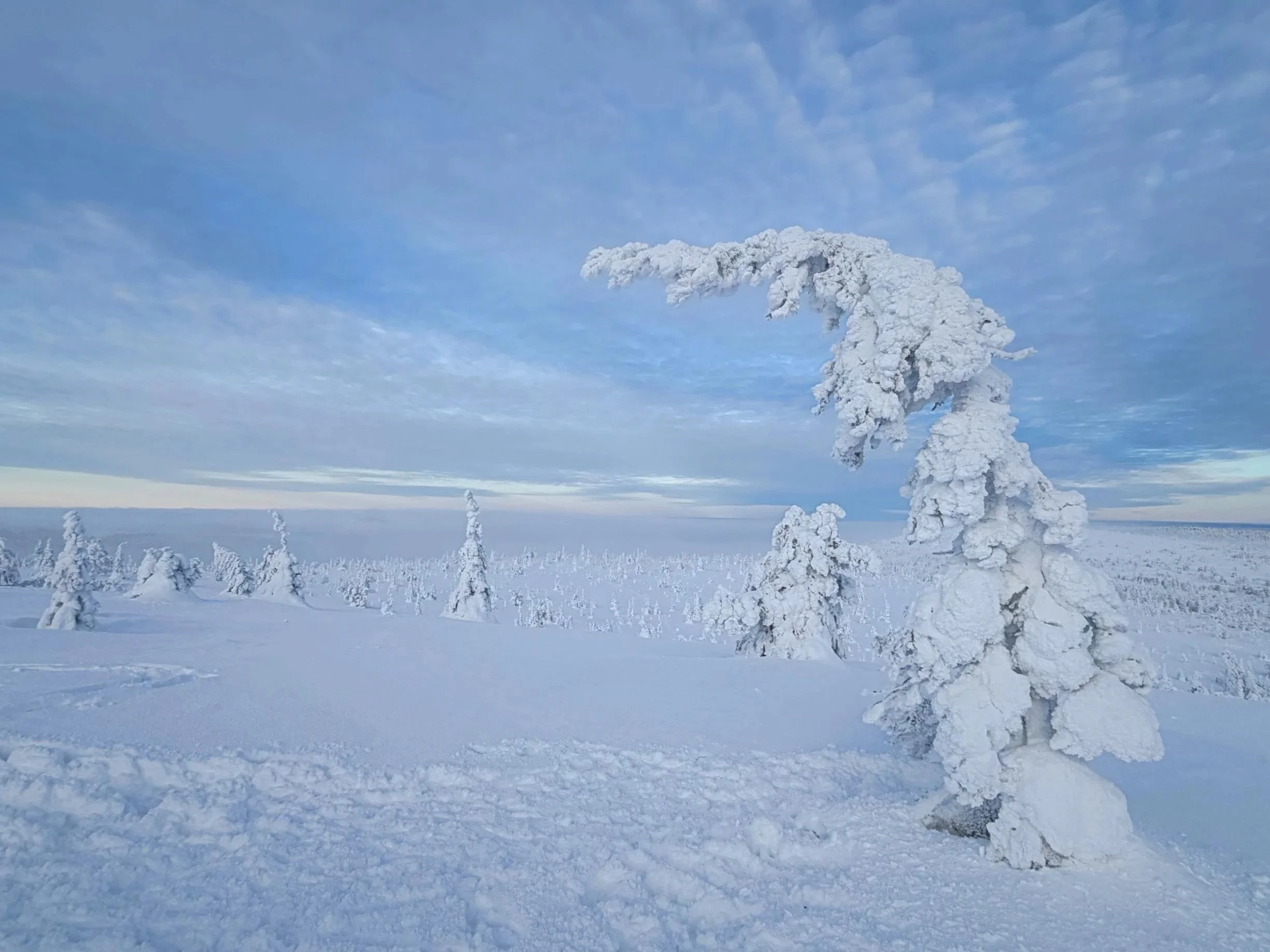
This article is about winter activities in Rovaniemi that don’t involve Santa. Think ice hotels that melt in spring, national parks where trees look like they’ve given up on physics, saunas followed by holes cut into frozen lakes, and nights spent waiting quietly for the sky to decide whether it feels like showing off.
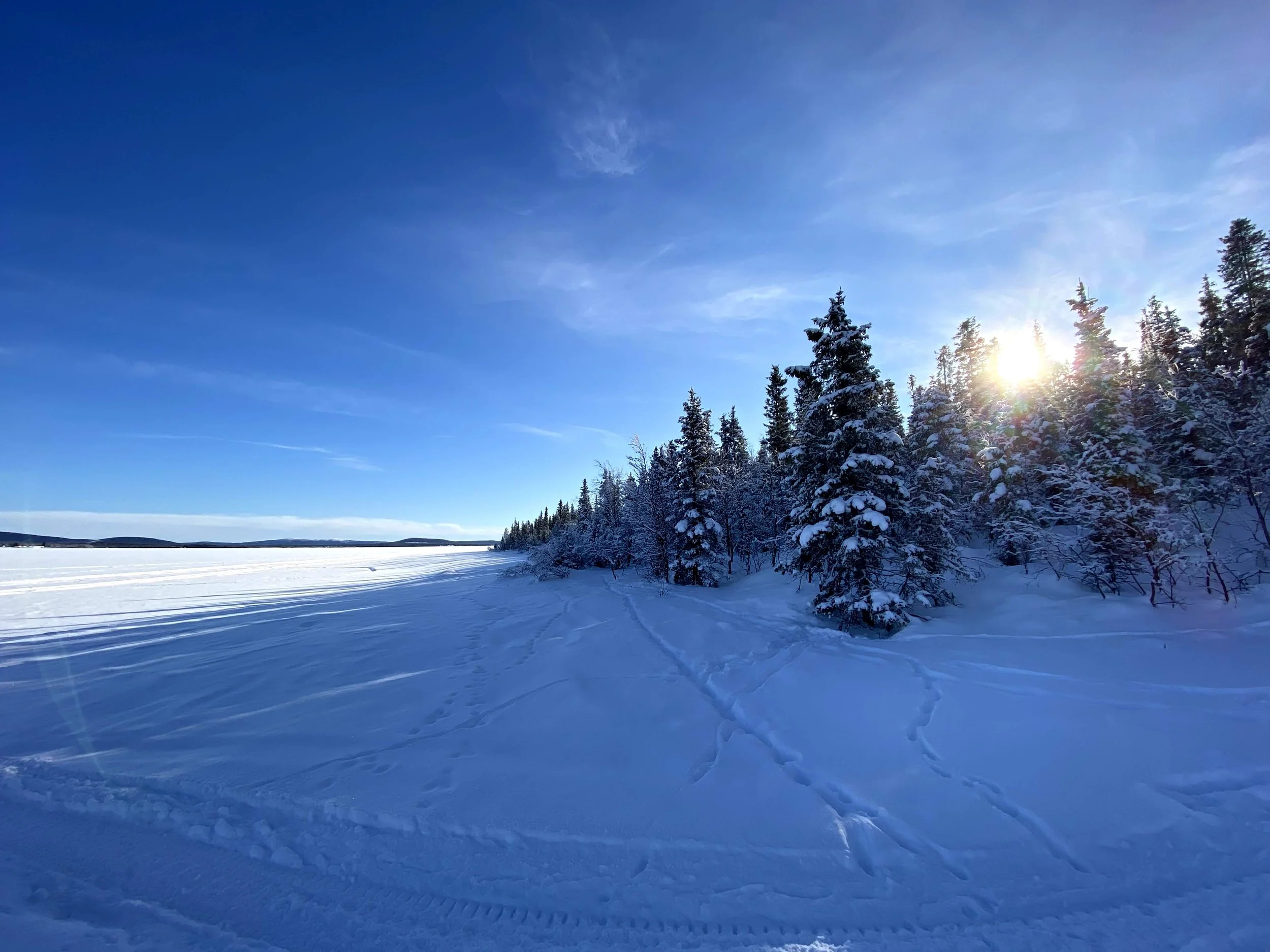
We’re unapologetically in favor of slow travel. Fewer places, more time. Staying somewhere long enough to notice how the light shifts, how silence settles in, how weather quietly dictates the pace. In the Arctic, less is often more: winding down in a sauna after a day outside, waiting for the northern lights, watching the snow fall, enjoying a “fika” by the fire.
But we also know reality.
Time off is limited. Flights and hotels aren’t cheap. And winter travel in Lapland adds friction whether you like it or not. So this guide is about experiencing Lapland well in one week — without rushing, without backtracking, and without pretending the Arctic is smaller or easier than it is.
If you’ve got more time, perfect. Stay longer.
If you’ve got seven days, this is how to make them count.
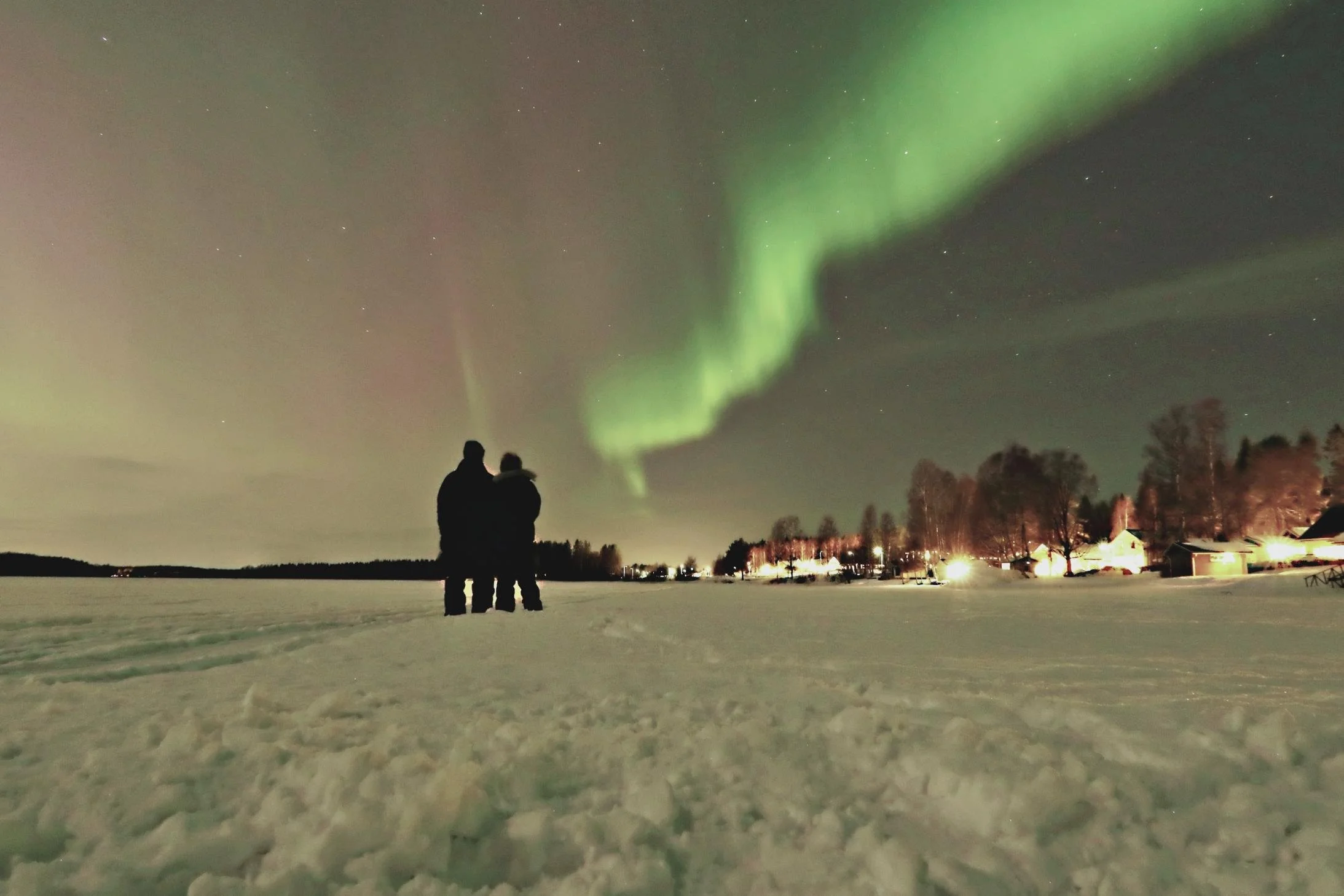
The 2025-2026 northern lights season has been exceptional so far, and one thing is clear: people aren’t just asking where to see the aurora anymore. They’re asking which kind of trip actually fits them.
Short stay or long trip?
Car or no car?
Tour or no tour?
Quiet or social?
First time or return visit?
This guide helps you choose the right northern lights destination based on your travel style, so your trip works in real life — not just on paper.

We’ve scouted Europe’s most overlooked corners again — these are the places we’ll be talking about in 2026.
Let’s be honest — over-tourism is real, and sometimes, you just want to escape the crowds and find a place that still feels undiscovered. At least, we do, and this is why we always prefer going off the beaten path. The kind of spot where you don’t have to queue for an overpriced coffee or jostle with selfie sticks just to catch a glimpse of a landmark. It’s also a more sustainable approach to traveling!
And while we do visit famous destinations, we’re all about the hidden gems, the places that still have that raw, unfiltered magic. Here’s our hand-picked list of underrated destinations for 2026 — places we’ve actually been, places we love, and places you should definitely add to your travel plans.

Rovaniemi is lovely.
It’s iconic.
It’s Santa’s “official” hometown.
It’s also… completely flooded from November to early January.
Families, buses, long lines, sold-out activities, €450 reindeer rides, and prices that make reindeer reconsider their life choices.
If you're dreaming of Christmas magic without the stampede, Scandinavia is full of places that feel just as magical — sometimes more.
We’ve spent winters all over the Arctic — Kiruna, Abisko, Luleå, Alta, Tromsø, Svalbard, and Finnish Lapland (outside Rovaniemi) — and there are SO many places where the Christmas vibes are strong, the Northern Lights are bright, and the prices are (slightly) less terrifying.
And if your kids are begging for Santa, we’ve included a bonus a bit further away… but definitely off the beaten path!
Here are the best Rovaniemi alternatives, and what makes each special.

If you're planning a winter trip to Lapland, you're probably torn between magical Rovaniemi, the "official" hometown of Santa Claus in Finland, and Kiruna, Sweden's Arctic gem. But wait — there’s more! Other Lapland destinations like Tromsø, Norway, and other less known towns, might also be calling your name. So, which icy wonderland should you choose? Let’s break it down.

Rovaniemi, Finland, isn’t just Santa’s hometown — it’s the gateway to the Arctic, a cozy, snow-dusted city where Northern Lights dance above the rooftops and reindeer wander along frozen rivers.
We’ve stayed here several times in different seasons, and the truth is: there’s no “wrong” place to stay — only how close you want to be to nature, and how much you want to watch the aurora from bed.
That being said, it’s always better to be a bit further from city lights. And, personally, we love to have our own cabin with sauna for a true Nordic experience (you also save on food).
So here’s our handpicked list of the best hotels in Rovaniemi — from luxury spas to dreamy cabins — all with that essential Arctic magic.

Summer crowds have gone home (and we, penguins, rejoice). Temperatures are down (again, we rejoice). Winter hasn’t yet wrapped everything in snow. And in between, fall (or autumn, depending on where you’re reading this from) quietly transforms Europe’s wildest corners into glowing forests, aurora skies, and solitude you didn’t know you needed.
If you’ve ever wanted to trade pumpkin spice lattes for misty valleys, or swap city noise for the crunch of leaves under your boots, this is your season. Here are five wilderness escapes we’ve loved (or are about to explore) where fall feels like nature’s secret handshake.
Take a deep breathe in… and fall for nature with us!

If you’re yearning for the perfect fall escape, Finnish Lapland is your dream come true. Vast toundra and taiga landscapes stretching as far as the eye can see, vivid fall colors, cozy log cabins with crackling fireplaces, warm saunas, cold lakes, and the northern lights dancing overhead.
Whether you’re an intrepid adventurer or someone who just wants to snuggle up with a good book and hot cocoa, Finnish Lapland offers the perfect blend of wild and warm.

You’ve seen the photos: glass igloos glowing under green skies, cozy cabins deep in Lapland, snow hotels made entirely of ice. It all looks unreal — and it is, until you find yourself standing outside at midnight, in –25°C, watching the aurora swirl above your room.
We haven’t stayed in every one of these hotels (we’re working on it, promise), but we’ve researched them, seen many in person, and talked to travelers who’ve frozen in all the right places. Here’s our handpicked list of the best hotels in Europe to see the Northern Lights in 2025, from Norway to Finland to Sweden — plus a few bonus picks in Iceland worth every chill.

If you’re searching for the best places to see northern lights, here’s the short answer: northern Norway, Iceland, Finnish Lapland, Sweden’s Abisko region, Greenland, Alaska, and parts of northern Canada consistently offer the highest visibility rates. The best months run from September to March in the northern hemisphere.
The northern lights don’t understand borders (and sometimes, neither do we).
If you’ve already dreamed your way through Iceland or Norway (see our Europe guide), here’s the global bucket list: the best places in the world to chase the aurora borealis — and even its southern twin, the aurora australis.
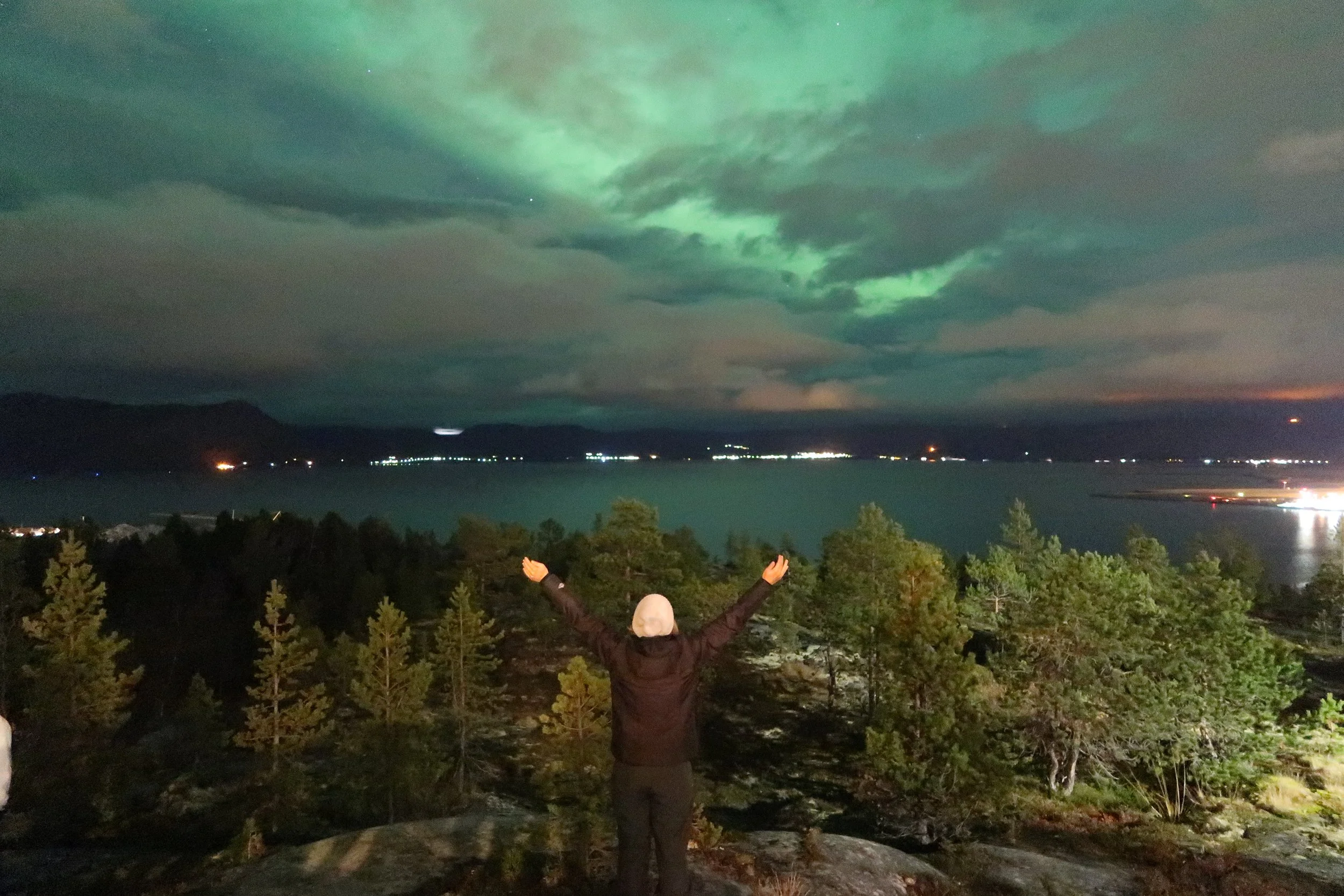
You’ve seen the photos. The swirls of green and purple. The ice hotels and starry skies. But how do you actually plan a Northern Lights trip in Europe without blowing your budget, freezing your face off, or ending up in the wrong place at the wrong time?
We’ve chased the aurora across Scandinavia and beyond — from cozy Finnish cabins to Swedish frozen lakes. We’ve waited hours in the cold, sometimes with a reward and sometimes with nothing except frostbite. We’ve tested apps, gear, and all the local tips we could get.
So, here’s our not-boring, fully practical guide to the best places to see the Northern Lights in Europe — and how to pick the one that matches your vibe.
Do you need your daily dose of nature in order to be happy? Do you dream of spending all your weekends and holidays in the wilderness? Would you enjoy seeing wild animals wandering in your backyard?
If your answers are yes, you might consider below locations to establish yourself!
Swedish Lapland Travel Guides
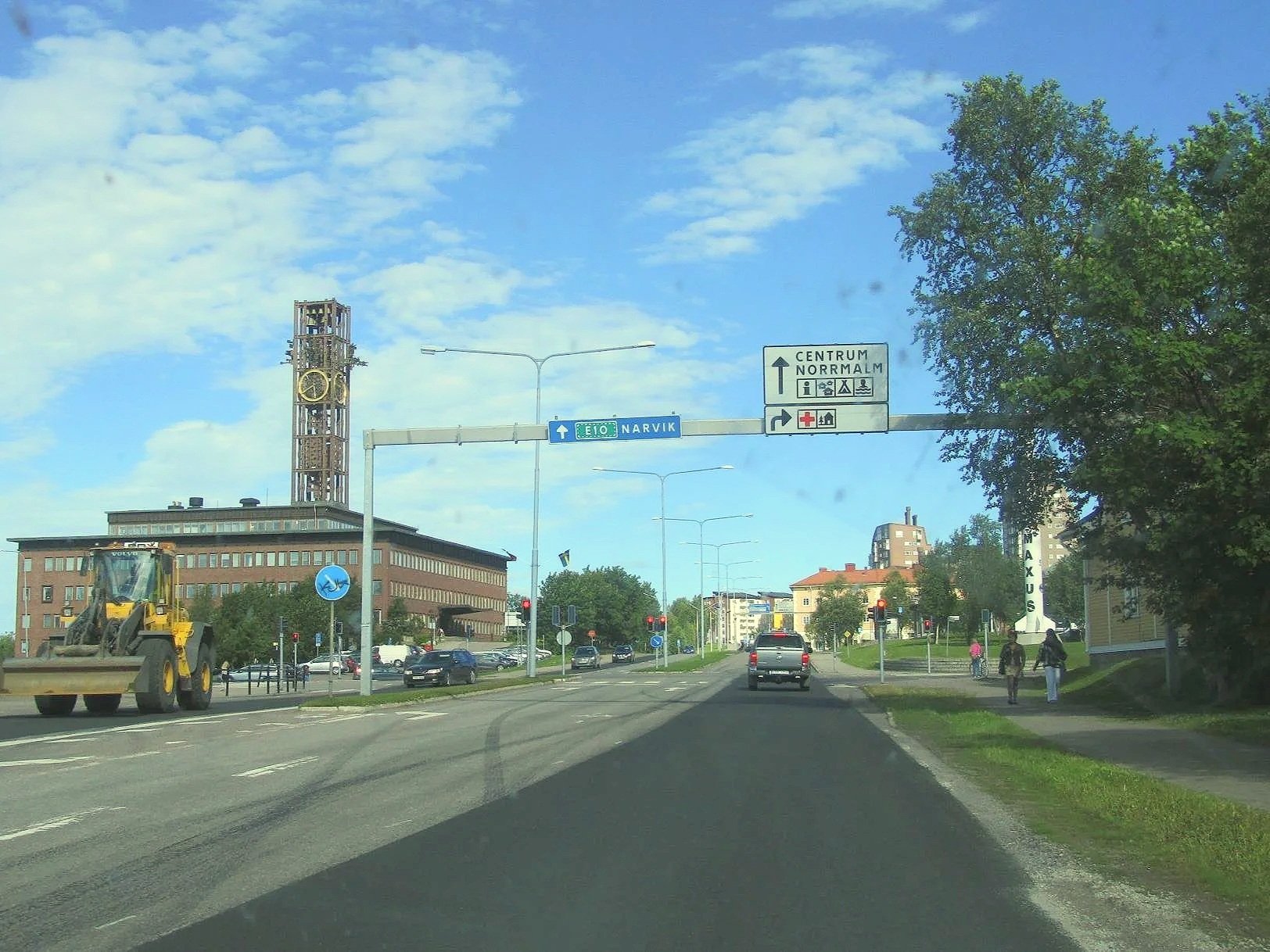
Kiruna, Swedish Lapland, is definitely small enough to walk across, but the moment you want the ICEHOTEL, Abisko, or a run at the aurora somewhere darker than town, you'll want your own wheels. Here's your guide to rent a car in Kiruna. We’ve been there 7 times!
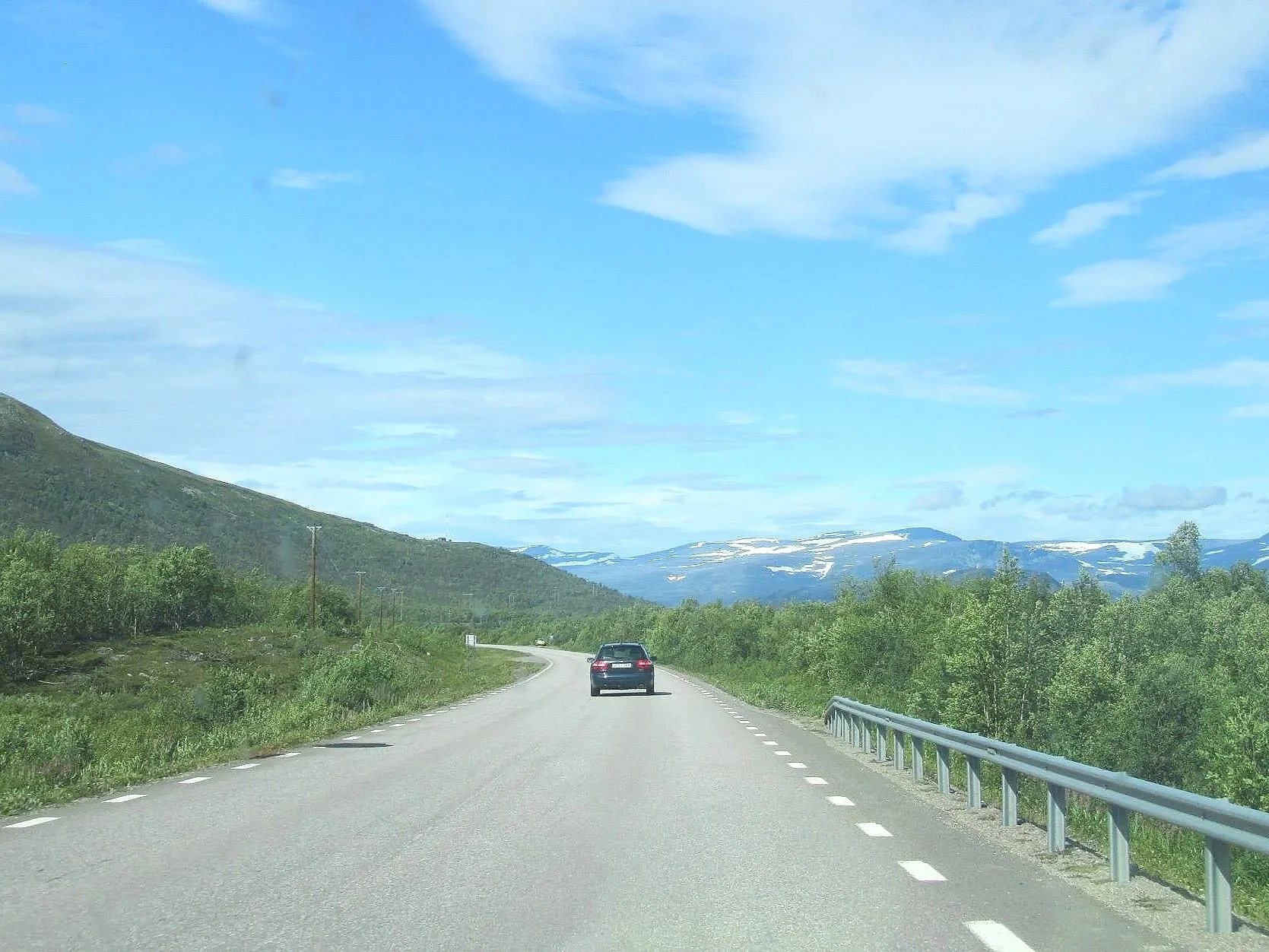
Abisko sits about 94 kilometers northwest of Kiruna, Swedish Lapland, on the same rail and road corridor that continues on to Riksgränsen and across the border into Narvik, Norway. Most people making this trip are headed for Abisko National Park, the Aurora Sky Station, or a stretch of the Kungsleden, and there are three ways to get from Kiruna to Abisko: train, bus, or car. We did the three, and here's how each one works.
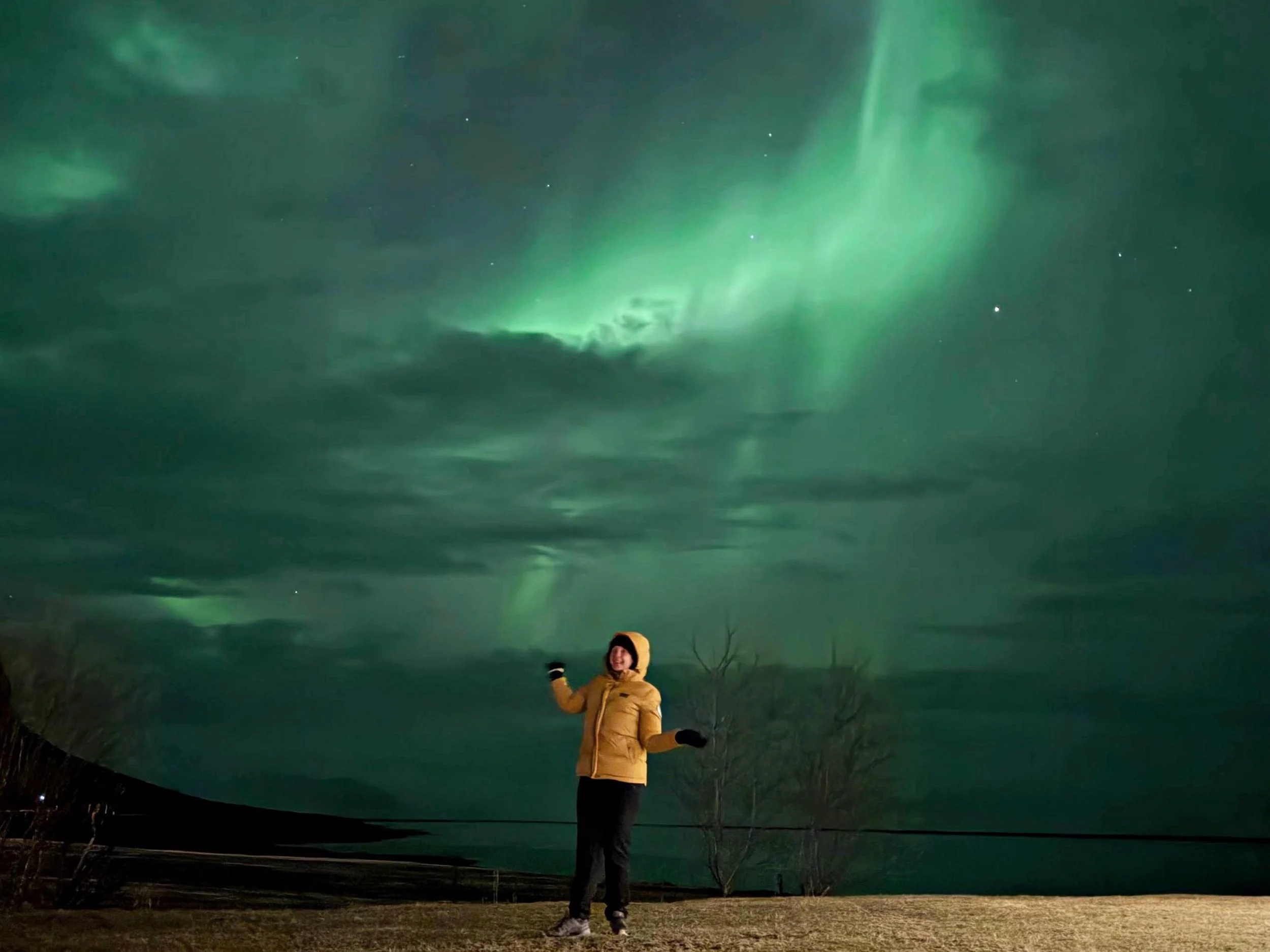
Sweden doesn't have one northern lights destination, it has three, and they don't behave the same way. Kiruna, Abisko, and Luleå, all in Lapland, each give you a real shot at the aurora, but for different reasons, and the right base depends on the kind of trip you're planning. This page is the fast version: where to go, when to go, what your odds really are, and whether you need a tour at all, based on two decades of experience chasing the aurora in the far north.
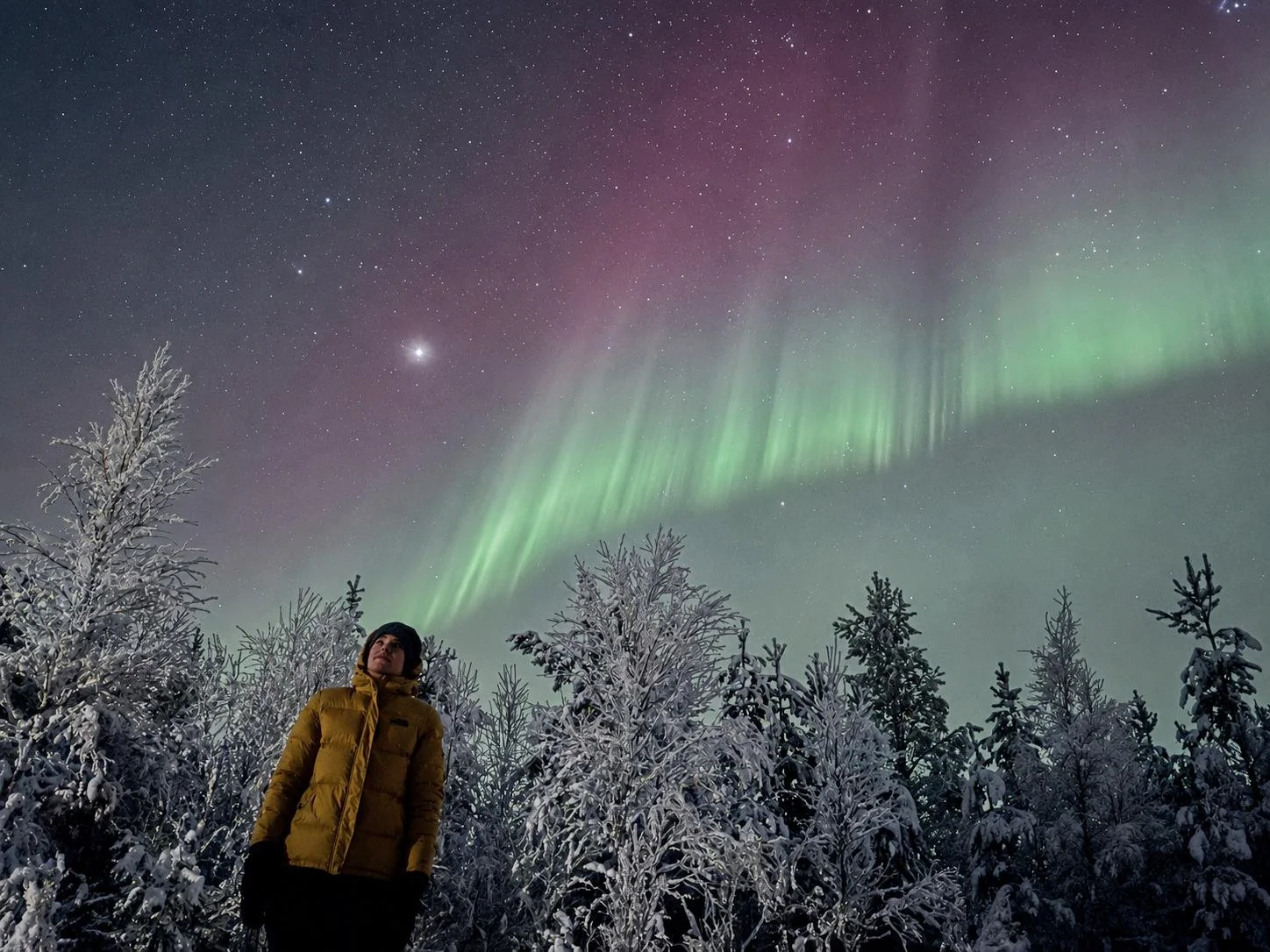
Sweden has three real bases for a northern lights tour: Kiruna, Abisko, and Luleå, all in Lapland. Each has its own tour scene, and we've covered each in depth elsewhere. This page is the fast version: how to pick a destination, what a good tour includes, and whether you need one at all.
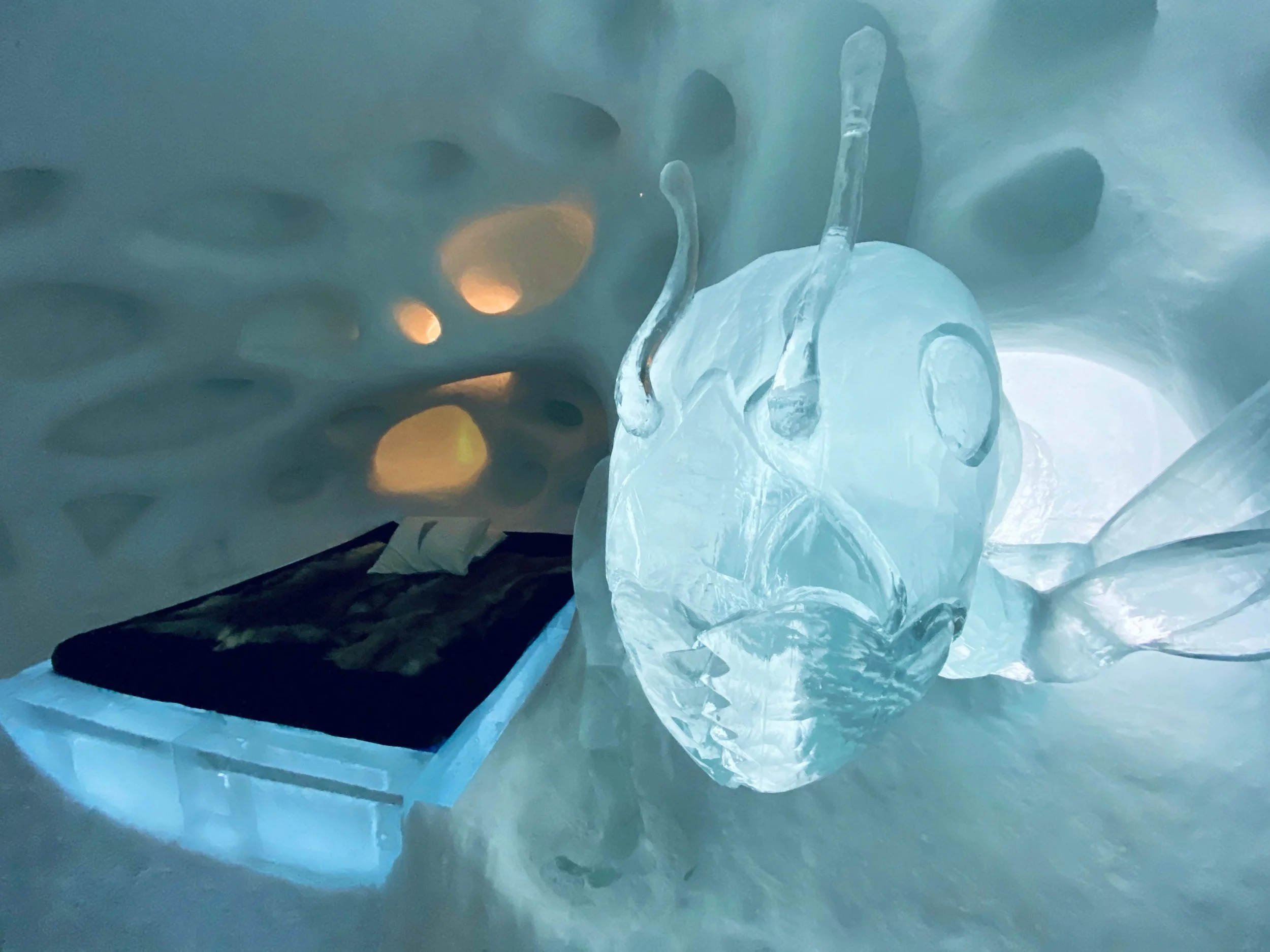
We've visited the ICEHOTEL, Swedish Lapland, seven times, and it's a different icy museum every time! The whole thing melts back into the Torne River each spring and gets rebuilt from scratch the next winter by artists from all over the world. We’ve visited other ice hotels in other countries, but this one is admittedly our favorite.
Sure, it’s pricey (and definitely worth it). But if you’re on a budget, you don't have to sleep on ice to visit. Here's the quick version, then the details. Ice ice baby!
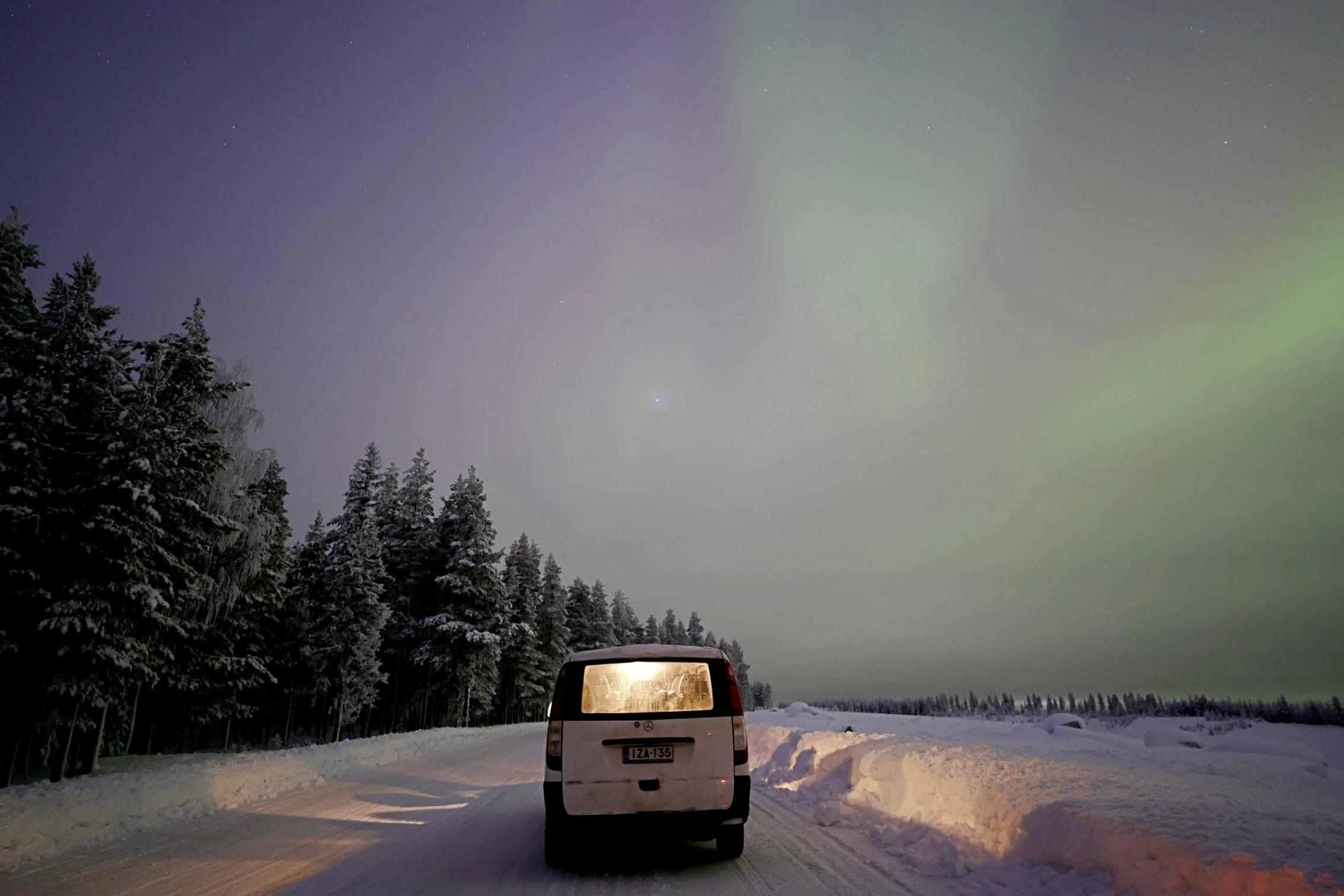
We've booked some aurora tours across Lapland over dozens of trips (including seven trips to Kiruna), sometimes to save ourselves the driving, sometimes because a friend visiting for the first time didn't want to gamble their one night on figuring it out alone. This is the breakdown we wish we'd had the first time: what each tour type gets you, what "guaranteed" tends to mean in Kiruna specifically, and how to choose between a minibus, a snowmobile, and a dog sled when you've only got one or two nights.
For the full picture on when to go, where to watch without a tour, and how Kiruna compares to Abisko, see our Northern Lights in Kiruna guide. This one is about the tours.
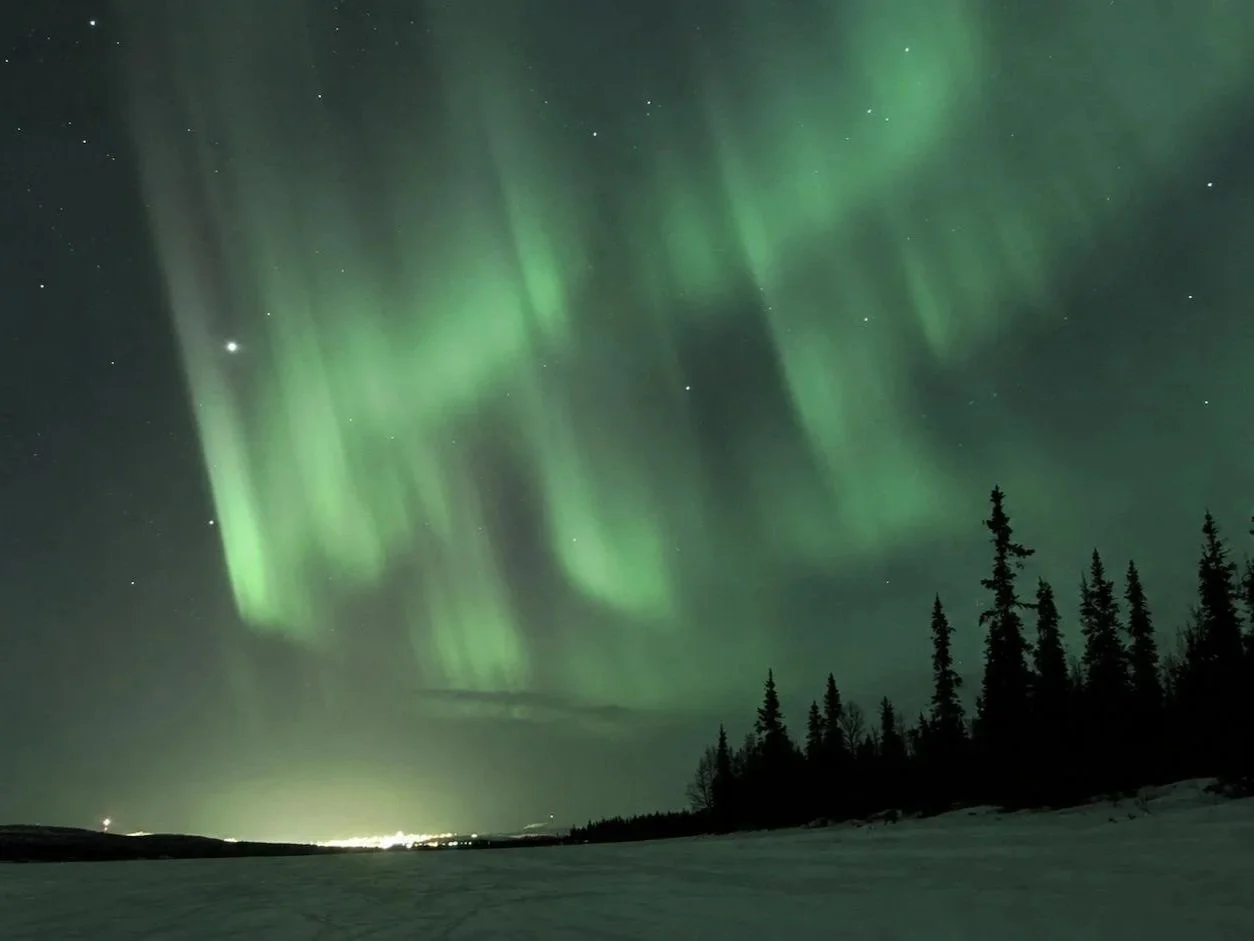
Kiruna, Swedish Lapland, is where my Arctic obsession actually began. I first came here as a student at Dalarna University back in 2007, fell for the place immediately, and ended up writing my master's thesis on polar destinations. I’ve been back seven times since, and Kiruna was also the first Arctic destination I ever brought Jake to. So when we talk about this sky, it's not theoretical!
Kiruna sits at 67.85°N, about 145 kilometers north of the Arctic Circle, which puts it well inside the auroral oval, the band of sky around the North Pole where the aurora shows up most often.
This guide covers when to go, where to watch (with or without a tour), how to check the forecast, and how Kiruna compares to nearby Abisko, since that's the question we get asked the most, and one we can answer from having tried both ourselves, more than once.
Lapland has a claim to the northern lights that few places can match: most of it sits inside the auroral oval, the band circling the North Pole where the aurora shows up most often and most reliably. We've chased it across the region, and the biggest decision was never really when to go. It was where.
This guide covers the two Lapland regions travelers usually book: Finnish Lapland (Rovaniemi, Levi, Saariselkä) and Swedish Lapland (Kiruna, Abisko, Luleå). Both sit well within aurora range. They just offer a different experience. If you’d rather chase the lights in Norway, we have a dedicated Arctic Norway page.
Spring is Europe’s most underrated travel season. Landscapes come back to life, prices stay reasonable, and places still belong to the people who live there. If you time it right, spring lets you experience destinations as they actually are — not as they perform in summer.
These off-the-beaten-path destinations aren’t obscure for the sake of it. They simply make more sense in spring. Keep reading to find out why!
Travel in 2026 isn’t about ticking off famous places anymore. It’s about how you travel, when you go, and what kind of experience you want once you’re there.
After years of over-tourism, rising prices, and destinations that feel more like theme parks than places, travelers are making calmer, more intentional choices. And the data backs it up, as per Booking.com stats: quieter destinations, off-season travel, and colder regions are driving real bookings — not just inspiration clicks.
That makes us very happy at Penguin Trampoline, as we always encourage responsible travelling, and we are constantly looking for the perfect balance between travellers' and locals’ interests.
Here’s what’s actually shaping travel in 2026, and how to use these shifts to choose better destinations.
Lapland is not one place.
It stretches across Finland, Sweden, Norway and Russia, and each side behaves differently. Different snow patterns. Different temperatures. Different landscapes.
If you’re asking:
Will there be snow in Lapland in December?
Is Lapland warmer in Norway than Finland?
When is snow guaranteed?
Is November too early?
Is April too late?
You’re asking the right questions and will find an answer in this guide!
We’re unapologetically in favor of slow travel. Fewer places, more time. Staying somewhere long enough to notice how the light shifts, how silence settles in, how weather quietly dictates the pace. In the Arctic, less is often more: winding down in a sauna after a day outside, waiting for the northern lights, watching the snow fall, enjoying a “fika” by the fire.
But we also know reality.
Time off is limited. Flights and hotels aren’t cheap. And winter travel in Lapland adds friction whether you like it or not. So this guide is about experiencing Lapland well in one week — without rushing, without backtracking, and without pretending the Arctic is smaller or easier than it is.
If you’ve got more time, perfect. Stay longer.
If you’ve got seven days, this is how to make them count.
The 2025-2026 northern lights season has been exceptional so far, and one thing is clear: people aren’t just asking where to see the aurora anymore. They’re asking which kind of trip actually fits them.
Short stay or long trip?
Car or no car?
Tour or no tour?
Quiet or social?
First time or return visit?
This guide helps you choose the right northern lights destination based on your travel style, so your trip works in real life — not just on paper.
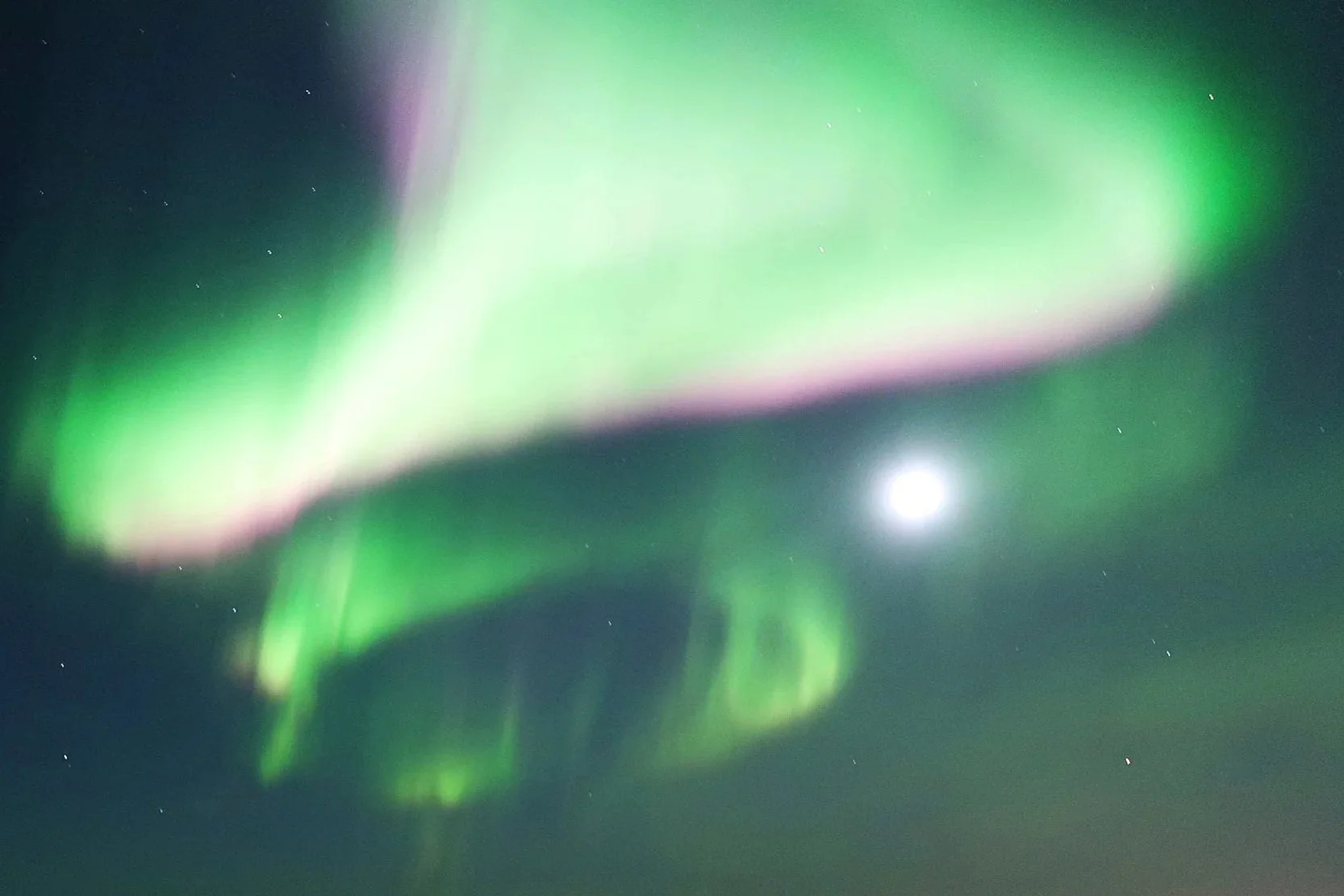
Seeing the northern lights is one of those travel dreams that feels almost mythic — until you start planning it and suddenly everything involves icy roads, late-night driving, weather stress, and rental car disclaimers written in very small print.
Here’s the reassuring truth: you absolutely can see the northern lights without a car. In many cases, it’s not just easier — it’s smarter. We’ve done it plenty of times — Luleå, Alta, Kiruna, Rovaniemi, etc. — as we usually don’t rent a car in winter.
This guide is for travelers who want the aurora without white-knuckle winter driving, missed turnoffs in the dark, or constant road-condition checks. We’ll show you how it works, where it works best, and how to choose accommodation and tours that do the heavy lifting for you.
We’ve scouted Europe’s most overlooked corners again — these are the places we’ll be talking about in 2026.
Let’s be honest — over-tourism is real, and sometimes, you just want to escape the crowds and find a place that still feels undiscovered. At least, we do, and this is why we always prefer going off the beaten path. The kind of spot where you don’t have to queue for an overpriced coffee or jostle with selfie sticks just to catch a glimpse of a landmark. It’s also a more sustainable approach to traveling!
And while we do visit famous destinations, we’re all about the hidden gems, the places that still have that raw, unfiltered magic. Here’s our hand-picked list of underrated destinations for 2026 — places we’ve actually been, places we love, and places you should definitely add to your travel plans.
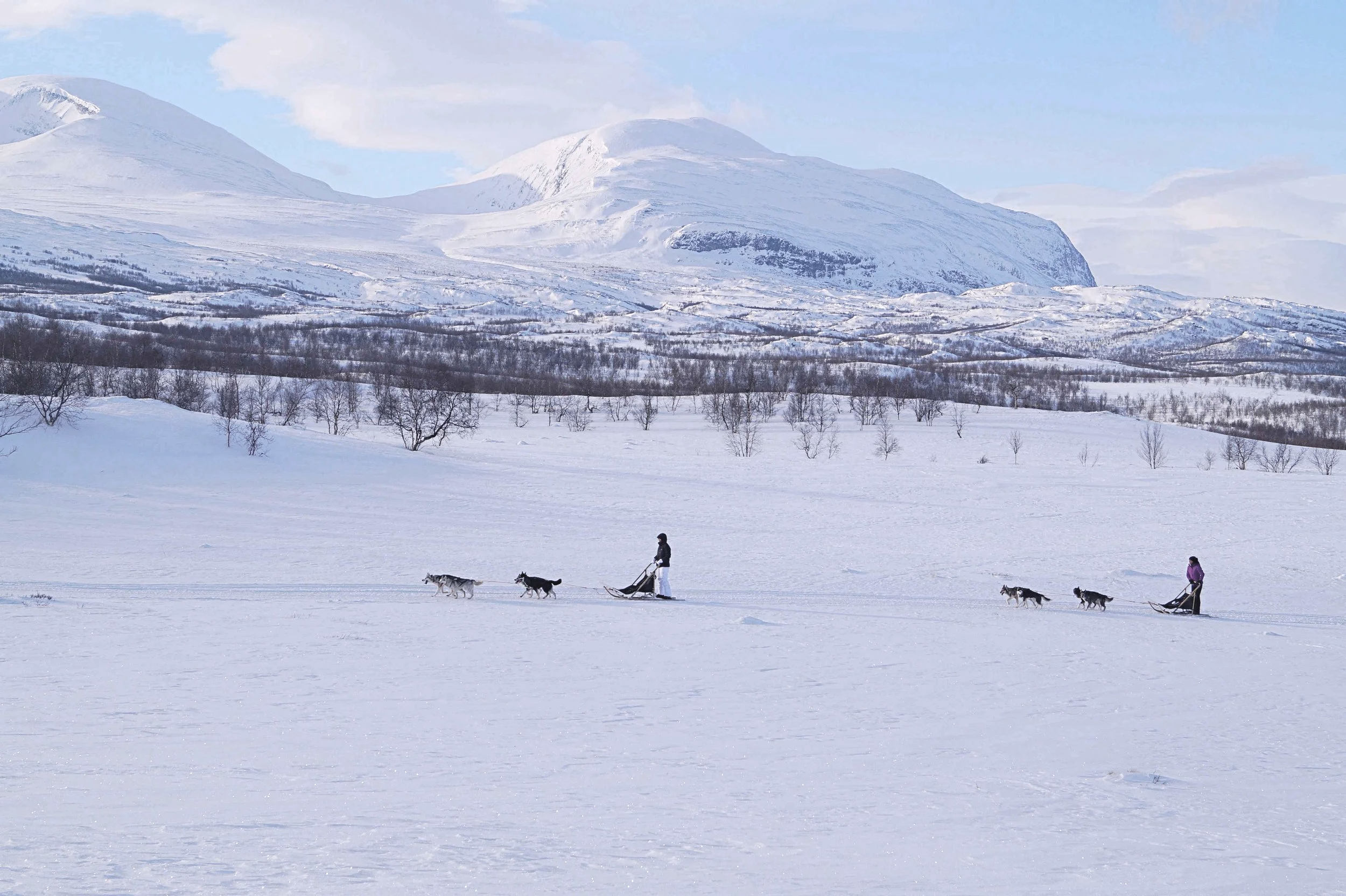
There aren’t many hotels in Abisko — and that’s exactly why we love it!
You’re staying in the middle of a national park under one of the clearest aurora skies on Earth. No city glow, no chaos, just snow, mountains and open sky.
Keep reading to find your perfect Abisko hotel — we promise you an unforgettable Swedish Lapland experience!
And if you’re here for the aurora, you’ll find our best proven tips, the science, season-by-season breakdowns, and photography settings in our full Northern Lights Hub.
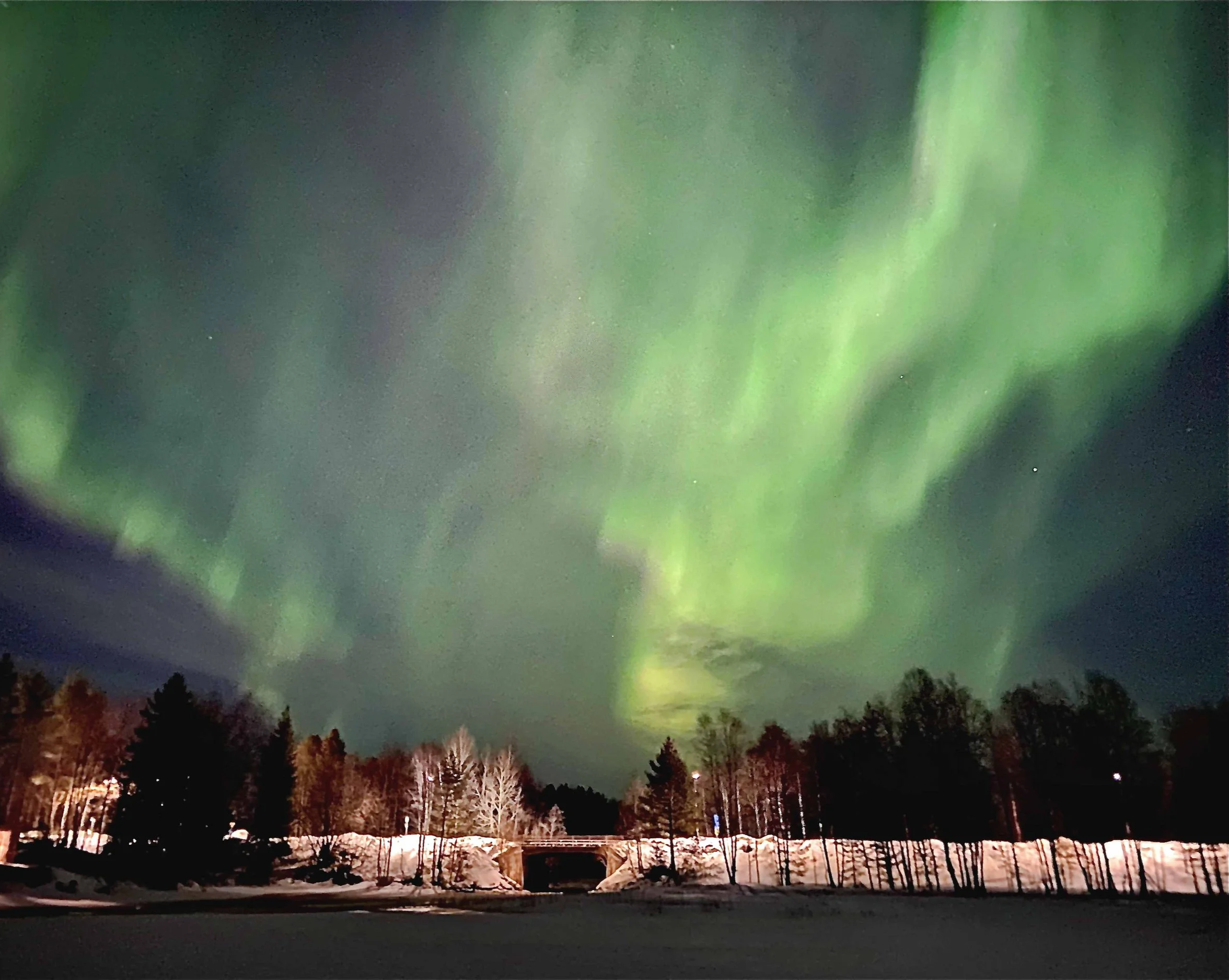
We’ve chased the aurora across every corner of the Arctic — Norway, Sweden, Finland, Greenland, Alaska — and Abisko is the one place where we show up relaxed. Clear skies are simply more common here. Locals from Kiruna drive to Abisko when it's cloudy. Photographers love it. And if you’re tired of stressing about forecasts, this is where you go to calm down and actually enjoy the night.
Rovaniemi is lovely.
It’s iconic.
It’s Santa’s “official” hometown.
It’s also… completely flooded from November to early January.
Families, buses, long lines, sold-out activities, €450 reindeer rides, and prices that make reindeer reconsider their life choices.
If you're dreaming of Christmas magic without the stampede, Scandinavia is full of places that feel just as magical — sometimes more.
We’ve spent winters all over the Arctic — Kiruna, Abisko, Luleå, Alta, Tromsø, Svalbard, and Finnish Lapland (outside Rovaniemi) — and there are SO many places where the Christmas vibes are strong, the Northern Lights are bright, and the prices are (slightly) less terrifying.
And if your kids are begging for Santa, we’ve included a bonus a bit further away… but definitely off the beaten path!
Here are the best Rovaniemi alternatives, and what makes each special.
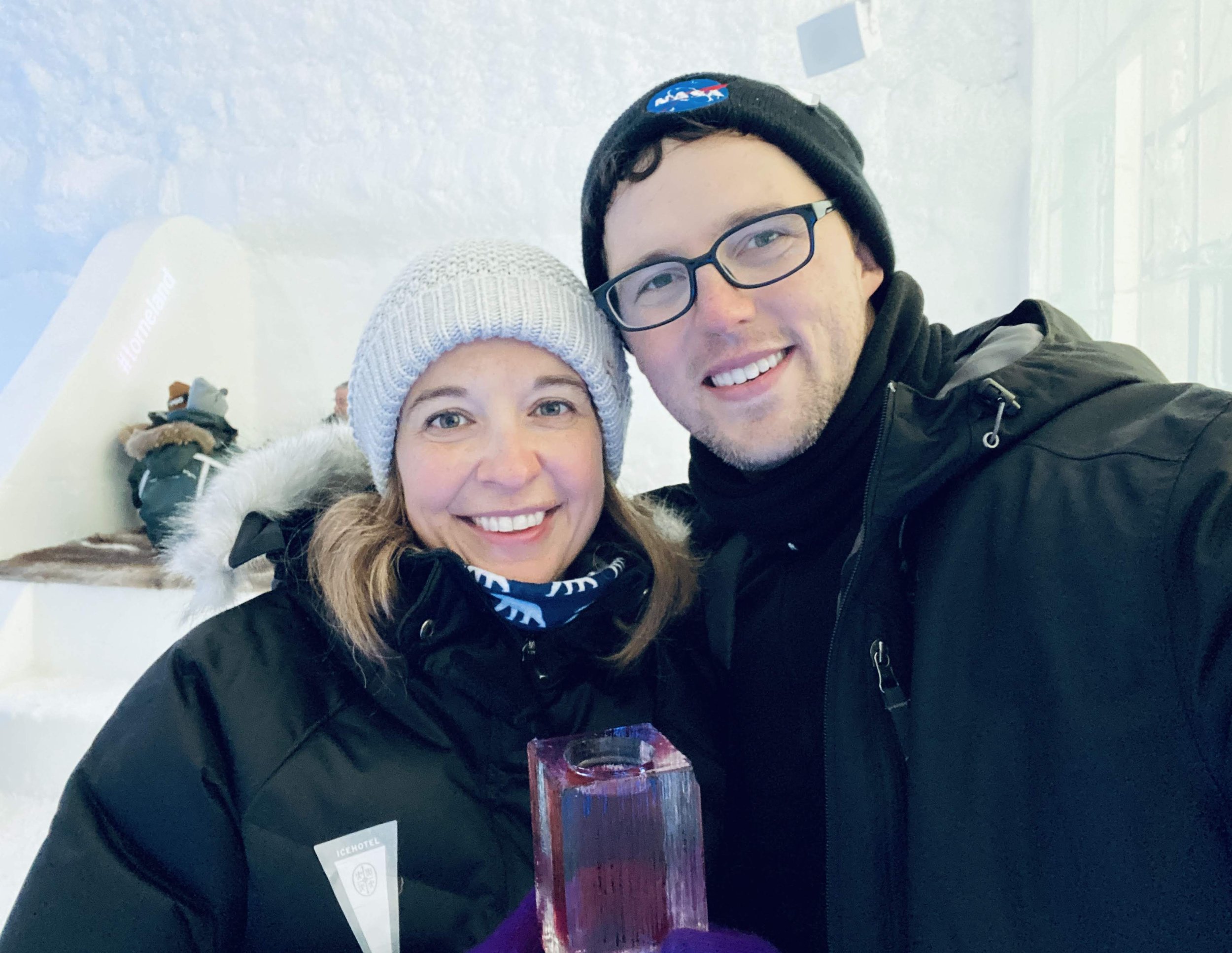
Kiruna in winter feels like stepping into its own Arctic dimension — blue-hour days that stretch forever, forests that glow with frost, and nights where the sky tears open in green. We’ve returned here many times, and every time it reminds us why Swedish Lapland hits differently: it’s calm, quiet, and somehow deeply personal.
If you’re heading north, here are the winter experiences that make Kiruna unforgettable.
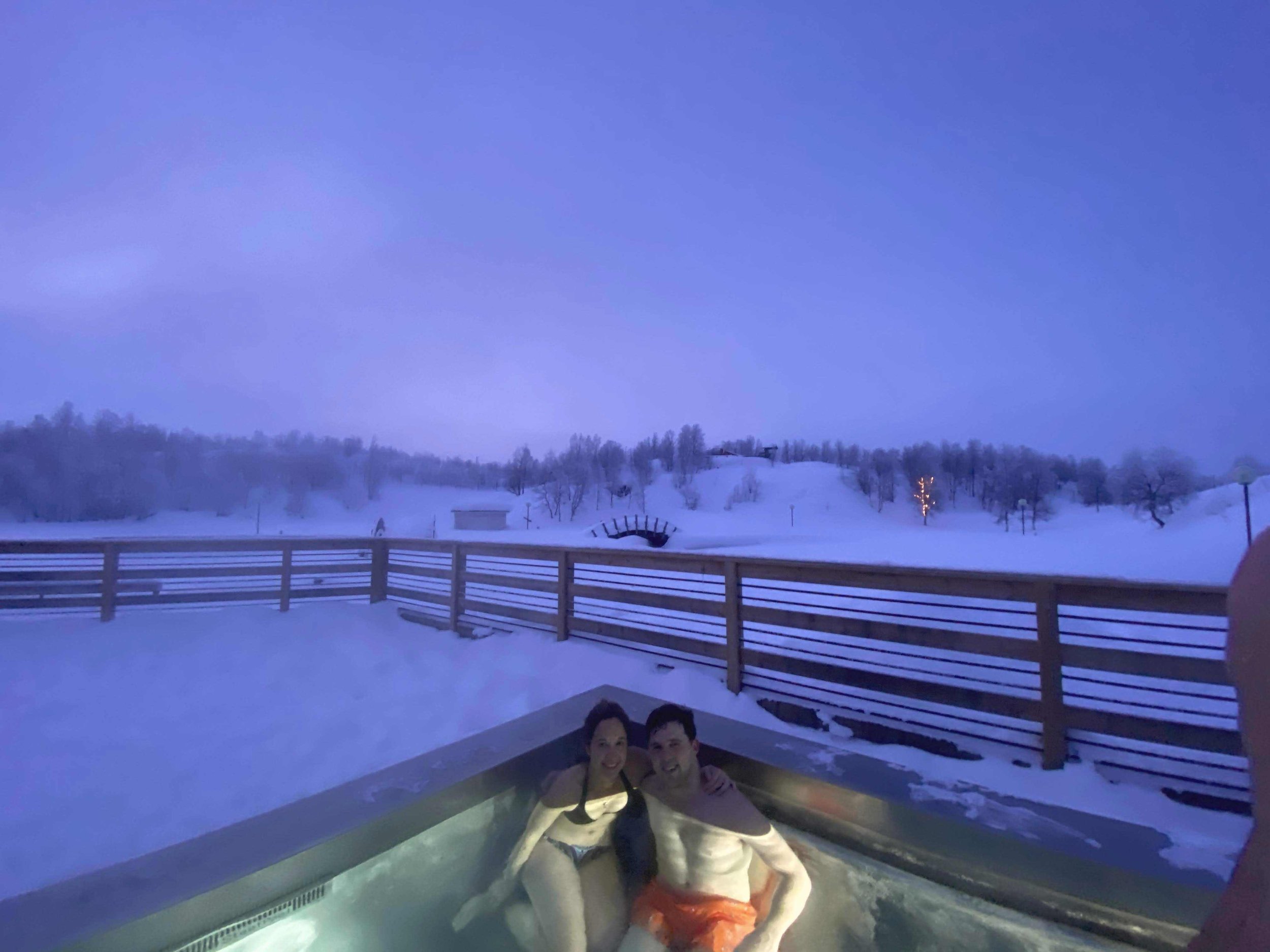
Kiruna holds a special place for me (Eli). That’s where my passion for the Arctic was born, back in 2007! As soon as I got off the plane, I knew it was true love at first sight. Maybe it’s the strange mix of mining town grit and Arctic wonder, or the way the Northern Lights appear right above the grocery store. Or the unpretentious authenticity, and the friendly locals.
We’ve been here seven times — long enough to watch part of the town literally move east to escape the expanding iron mine — including the church this past summer (2025). What hasn’t moved is the atmosphere: cozy cafés to warm up while watching the snow fall, locals on snowmobiles or sleds doing their grocery run, and hotels that feel built to survive winter (yes, even made of ice).
If you're planning a winter trip to Lapland, you're probably torn between magical Rovaniemi, the "official" hometown of Santa Claus in Finland, and Kiruna, Sweden's Arctic gem. But wait — there’s more! Other Lapland destinations like Tromsø, Norway, and other less known towns, might also be calling your name. So, which icy wonderland should you choose? Let’s break it down.

In Luleå, winter doesn’t whisper — it glows. Between November and March, nights stretch long enough for the Northern Lights to take over the sky, turning this quiet city on Sweden’s frozen coast into one of the Arctic’s most underrated aurora destinations.
We stayed there a week in February, and saw the aurora 3 nights in a row!
Most travelers rush north to Kiruna or Abisko — and miss Luleå’s secret: you can see the Northern Lights here without leaving civilization.

Somewhere between Stockholm’s bustle and the Arctic wilderness, Luleå glows quietly on Sweden’s northern coast. In winter, the sea freezes into an ice road, locals skate to work, and the Northern Lights shimmer above the bay. It’s peaceful, real, and a just the right amount of wild — but with great coffee and cozy beds.
Whether you’re here for the aurora, the architecture, or just a slower pace, here are the best Luleå hotels and nearby Arctic stays.
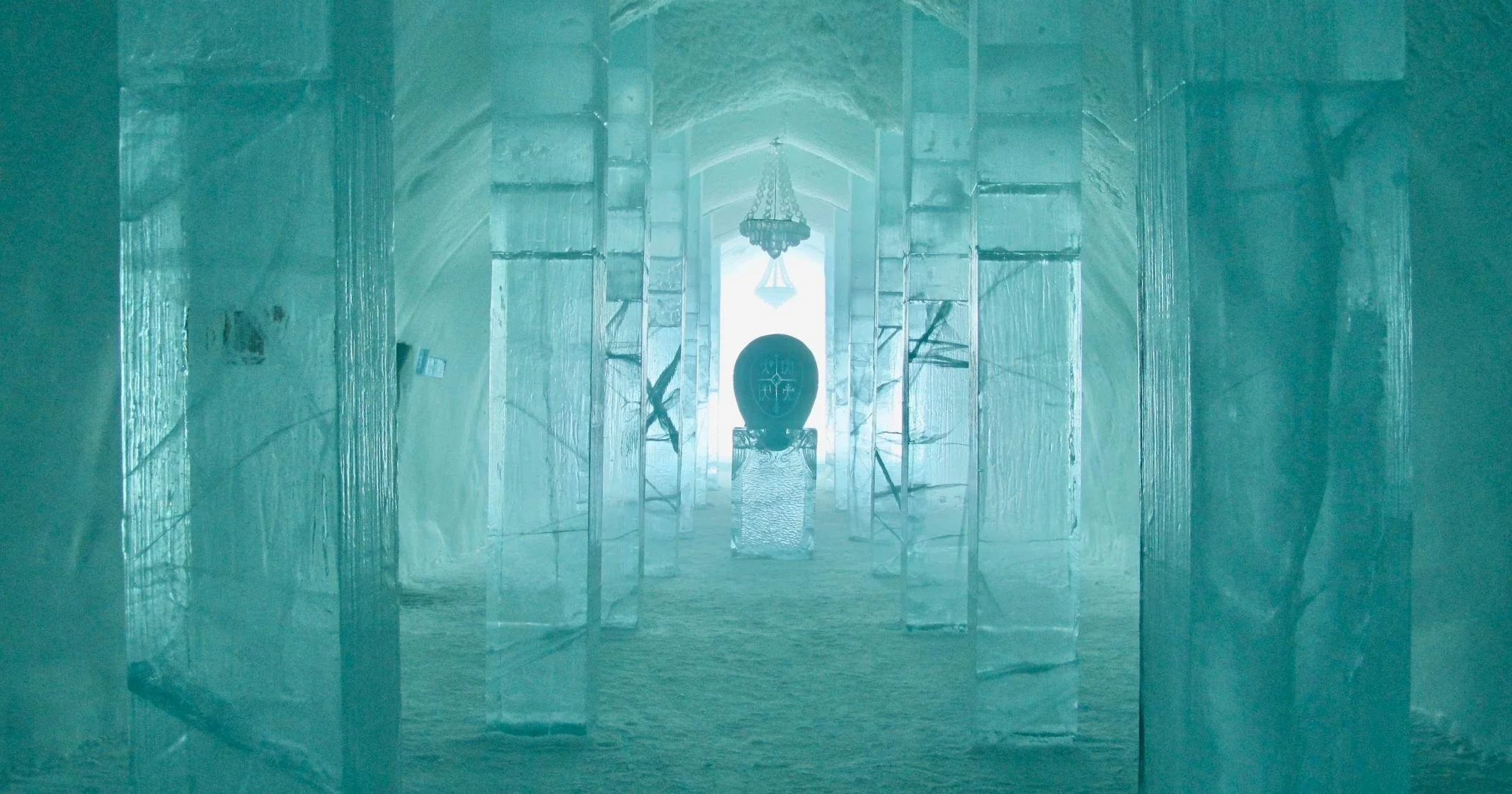
There’s cold, and then there’s Lapland cold—the kind that makes the air taste clean and turns silence into music. Well, actually, there’s Svalbard cold, which takes it to another level, but that’s another story. You probably came to Swedish Lapland for the Northern Lights, but you’ll stay for the cabins that smell like pine, the saunas with a view of forever, and the hosts who still cut firewood by hand to prepare a delicious suova (Arctic Food here).
We’ve crossed Swedish Lapland roughly a dozen times, from Luleå’s frozen archipelago to Abisko’s star-soaked skies to find the best stays—those that feel remote yet reachable, wild yet warm.
Summer crowds have gone home (and we, penguins, rejoice). Temperatures are down (again, we rejoice). Winter hasn’t yet wrapped everything in snow. And in between, fall (or autumn, depending on where you’re reading this from) quietly transforms Europe’s wildest corners into glowing forests, aurora skies, and solitude you didn’t know you needed.
If you’ve ever wanted to trade pumpkin spice lattes for misty valleys, or swap city noise for the crunch of leaves under your boots, this is your season. Here are five wilderness escapes we’ve loved (or are about to explore) where fall feels like nature’s secret handshake.
Take a deep breathe in… and fall for nature with us!
You’ve seen the photos: glass igloos glowing under green skies, cozy cabins deep in Lapland, snow hotels made entirely of ice. It all looks unreal — and it is, until you find yourself standing outside at midnight, in –25°C, watching the aurora swirl above your room.
We haven’t stayed in every one of these hotels (we’re working on it, promise), but we’ve researched them, seen many in person, and talked to travelers who’ve frozen in all the right places. Here’s our handpicked list of the best hotels in Europe to see the Northern Lights in 2025, from Norway to Finland to Sweden — plus a few bonus picks in Iceland worth every chill.
If you’re searching for the best places to see northern lights, here’s the short answer: northern Norway, Iceland, Finnish Lapland, Sweden’s Abisko region, Greenland, Alaska, and parts of northern Canada consistently offer the highest visibility rates. The best months run from September to March in the northern hemisphere.
The northern lights don’t understand borders (and sometimes, neither do we).
If you’ve already dreamed your way through Iceland or Norway (see our Europe guide), here’s the global bucket list: the best places in the world to chase the aurora borealis — and even its southern twin, the aurora australis.
You’ve seen the photos. The swirls of green and purple. The ice hotels and starry skies. But how do you actually plan a Northern Lights trip in Europe without blowing your budget, freezing your face off, or ending up in the wrong place at the wrong time?
We’ve chased the aurora across Scandinavia and beyond — from cozy Finnish cabins to Swedish frozen lakes. We’ve waited hours in the cold, sometimes with a reward and sometimes with nothing except frostbite. We’ve tested apps, gear, and all the local tips we could get.
So, here’s our not-boring, fully practical guide to the best places to see the Northern Lights in Europe — and how to pick the one that matches your vibe.

Spoiler alert: You won’t find Mykonos or Ibiza here. This is a deeply biased, highly personal list of European beaches we’ve actually been to — and loved enough to forget our towels (and sometimes swimsuit) for. And don’t expect just sea, sun and sand! From lava-black shores in Iceland to dreamy coves in Sardinia, here’s where to go if you’re looking for irresistible landscapes and sweet solitude (well, at least off season).

If there’s one thing we’ve learned from our Arctic adventures, it’s that human stubbornness knows no latitude. Where most creatures call it quits, slap on some fur, and hibernate, humans build bars, churches, and—of course — saunas. Because what’s a little darkness, ice, and bone-snapping wind when there’s beer to drink, sins to confess, and steam to sweat out?
We’ve been there, frozen that — from sipping local brews in Svalbard to sweating it out in a sauna shaped like a golden egg in Sweden. So here’s our firsthand guide to the northernmost everythings—places so absurdly remote that you’ll question why (and how) they even exist.

Free download
Travel Cheaper Cheat Sheet
27 tips on flights, hotels, hidden costs and more — spend less without missing what actually matters.
No spam. Unsubscribe anytime.
Frequently Asked Questions
-
Lapland is not a country and it doesn't have clean borders. It's a vast Arctic territory — also known as Sápmi, the traditional homeland of the Sámi people — that stretches across Norway, Sweden, Finland, and Russia. When most travelers talk about Lapland, they mean Swedish Lapland (Kiruna, Abisko, Luleå) or Finnish Lapland (Rovaniemi and beyond). This page covers both. For Norwegian Lapland, we have a dedicated Norway travel guide.
-
Both Swedish and Finnish Lapland have their own airports. Kiruna Airport serves Swedish Lapland, and Rovaniemi Airport is the main gateway for Finnish Lapland. From most of Europe, you'll connect through Stockholm or Helsinki. There's also a night train from Stockholm to Kiruna if you prefer the slower, scenic route. If you're combining both sides in one trip, we've written a guide on doing exactly that. And if you want help figuring out the logistics for your specific dates, our 1-hour consultations are a good place to start.
-
In Swedish Lapland, the Icehotel in Jukkasjärvi near Kiruna is the original and still one of the most spectacular stays in the world — we've been there seven times and it hasn't gotten old. Finnish Lapland has its own options, including the Arctic Snow Hotel, glass igloo resorts near Rovaniemi, and aurora cabins further north. We have detailed guides to most of them, written from actual stays.
-
Very different. Swedish Lapland, centered around Kiruna and Abisko, is wilder, quieter, and far less packaged than the Finnish side. Abisko in particular is one of the best places in the world to see the northern lights, thanks to a phenomenon called the Blue Hole — a microclimate that keeps the skies clearer than almost anywhere else in the region. Finnish Lapland has its own magic though, including tykky — the extraordinary sight of trees so heavily coated in snow and ice they look like something from another planet. It's unique to Finland and one of those things you can't photograph justice. If you want Lapland without the crowds and the Santa tourism, Swedish Lapland is where you go. If you want tykky forests and a wider range of accommodation, Finnish Lapland is the place.
-
Husky safaris are the most popular activity in Lapland and for good reason — driving your own sled through a frozen forest is as good as it sounds. Beyond that, you've got snowmobiling, reindeer sleigh rides, ice fishing, snowshoeing, and of course northern lights hunting. In Finnish Lapland, a traditional sauna followed by an ice dip is something you have to do at least once. Summer brings hiking, fishing, and the midnight sun.
-
Abisko in Swedish Lapland has a strong argument for being the single best spot in Europe — the Blue Hole microclimate gives it statistically clearer skies than almost anywhere else at the same latitude. Finnish Lapland, particularly north of Rovaniemi, is also excellent and has the advantage of more accommodation variety.
Rovaniemi is Finnish Lapland's main gateway, and it's built for it: an airport that runs seasonal direct flights from all over Europe, an overnight train from Helsinki with a spot for your car, and a bus network that reaches deep into the rest of Lapland once you've landed. We've done this trip both ways ourselves, flying in for a quick visit and taking the train up from Helsinki when we wanted to visit our friend Altti. Here's how each option works, and how to get around once you're here.