
One Lapland Trip, Three Countries: How to Combine Sweden, Finland & Norway
Because our beloved Lapland deserves more than a rushed checklist.
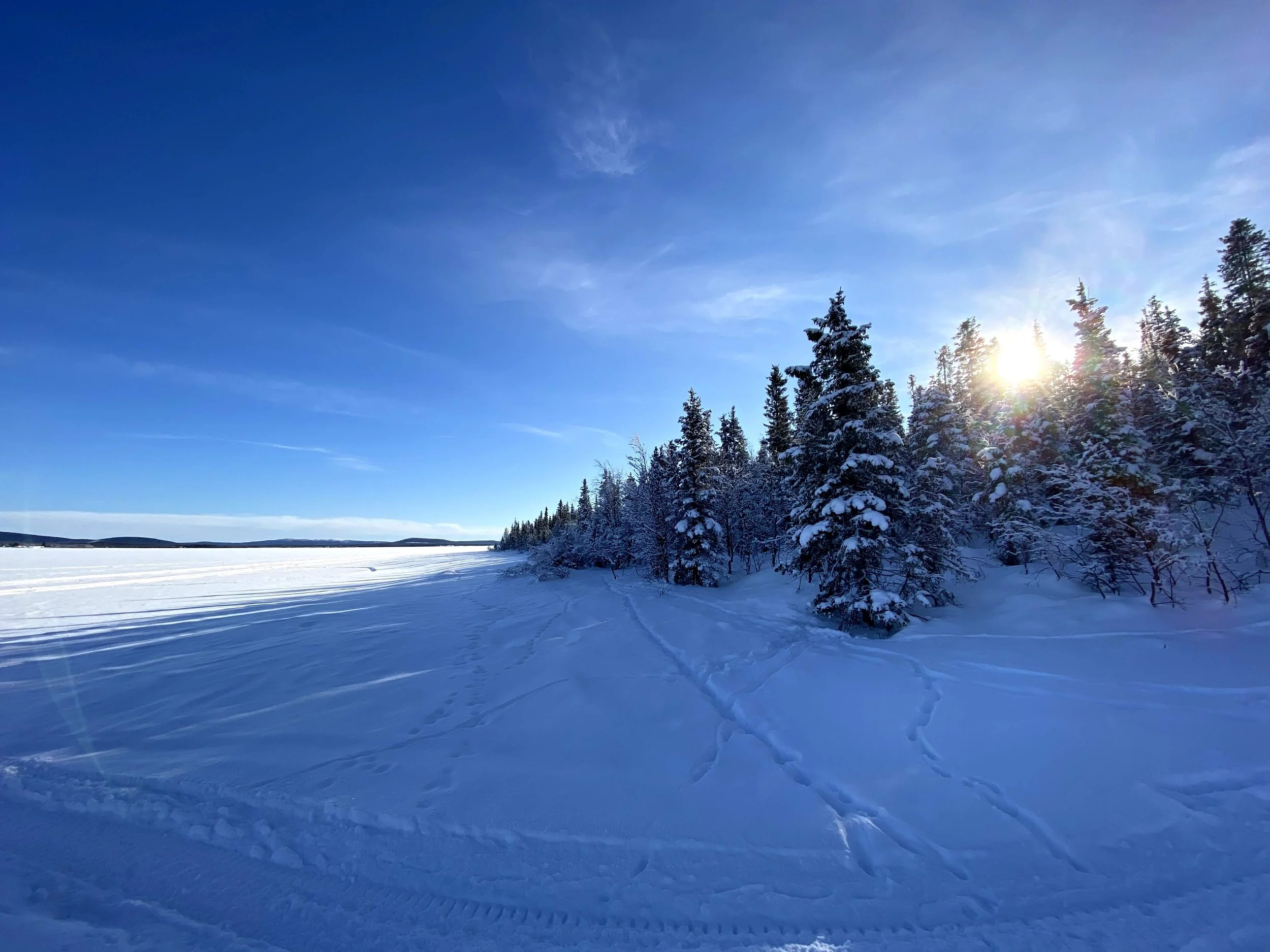
Lapland’s light is unique in every season — here near Kiruna, Swedish Lapland
Last update: August 2026
We’re unapologetically in favor of slow travel. Fewer places, more time. Staying somewhere long enough to notice how the light shifts, how silence settles in, how weather quietly dictates the pace. In the Arctic, less is often more: winding down in a sauna after a day outside, waiting for the northern lights, watching the snow fall, enjoying a “fika” by the fire.
But we also know reality.
Time off is limited. Flights and hotels aren’t cheap. And winter travel in Lapland adds friction whether you like it or not. So this guide is about experiencing Lapland well in one week — without rushing, without backtracking, and without pretending the Arctic is smaller or easier than it is.
If you’ve got more time, perfect. If you’ve got seven days, this is how to make them count.
🛌 Where to stay:
• Camp Alta, Kiruna — we stayed here. Lakeside cabins just outside town, wood stoves, and open sky over the frozen lake for the aurora.
• Arctic TreeHouse Hotel, Rovaniemi — glass-walled treehouse suites just outside the center, a design-forward base for the Finnish leg.
• Villa Havblikk, Tromsø — we stayed here. Independent 1917 villa rebuilt with real character, fjord views, and a proper bar.
🇸🇪🇫🇮🇳🇴 Top experiences:
• 🇸🇪 Dog sledding near Abisko — mushing through the national park's snowy trails, no experience needed.
• 🇫🇮 Lapland Reindeer and Husky Safari from Rovaniemi — reindeer farm visit, sleigh ride, and a husky-sled run through the forest.
• 🇳🇴 Northern Lights tour in Tromsø — a guided chase to the clearest skies outside the city.
🚗 Compare car rentals for the trip: Booking.com car rentals — only worth it if you're confident driving in Arctic winter conditions, fine the rest of the year (but watch the reindeer).
Where is Lapland?
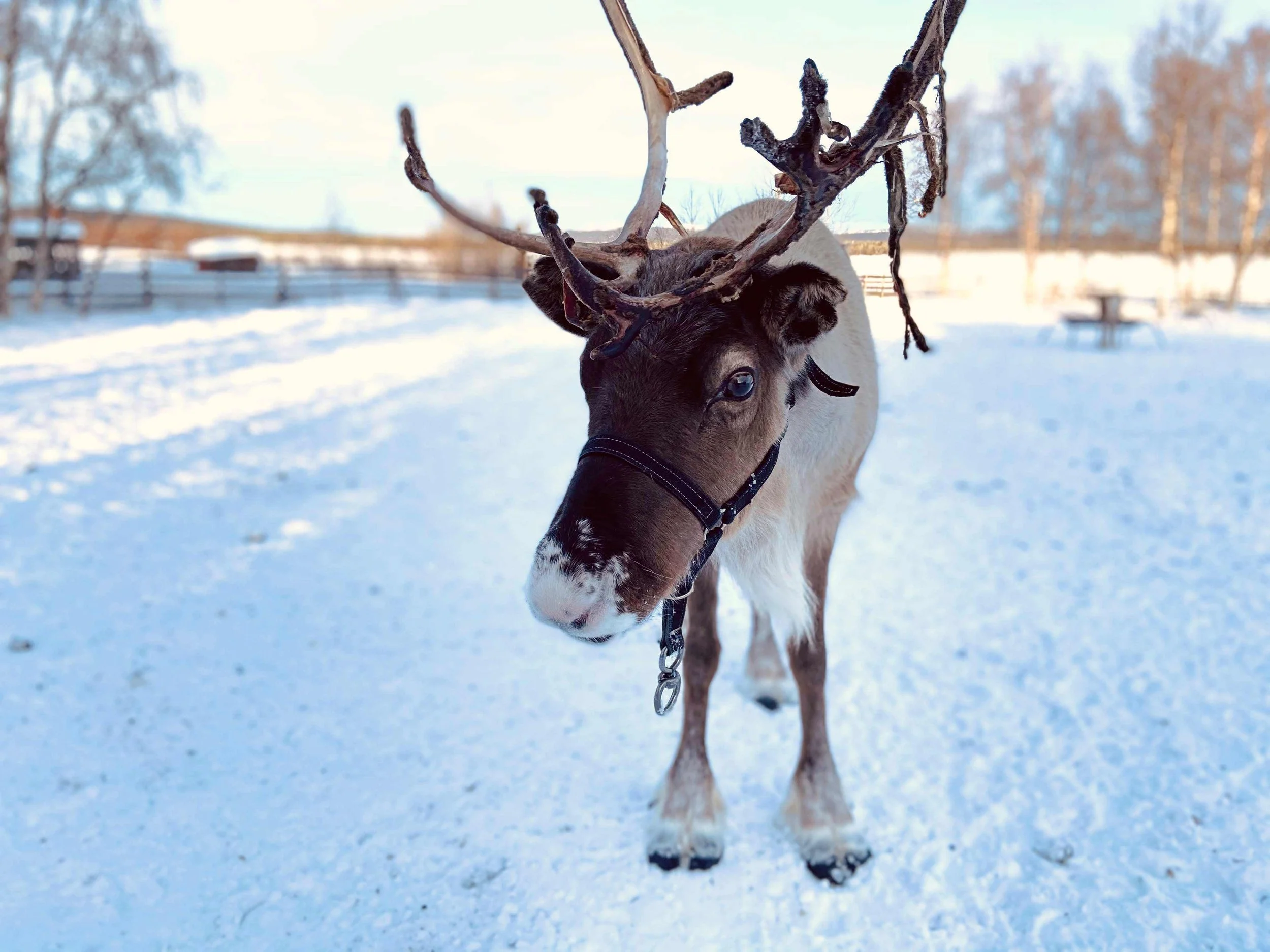
You’ll see reindeer all across Lapland - Here in Jukkasjärvi, in Swedish Lapland
Lapland isn’t a country, and it’s not just one neat region either. It stretches across four countries: Norway, Sweden, Finland, and a small part of Russia.
When people say they’re “going to Lapland,” they’re usually talking about Swedish Lapland or Finnish Lapland, or Arctic Norway. But culturally and geographically, the region is much broader — and far older — than modern borders.
That’s why crossing from Sweden into Finland or Norway can feel surprisingly seamless. The forests don’t change. The light doesn’t change. Sometimes even the rhythm of daily life doesn’t change much at all.
What is Sápmi, and why it matters when you travel here
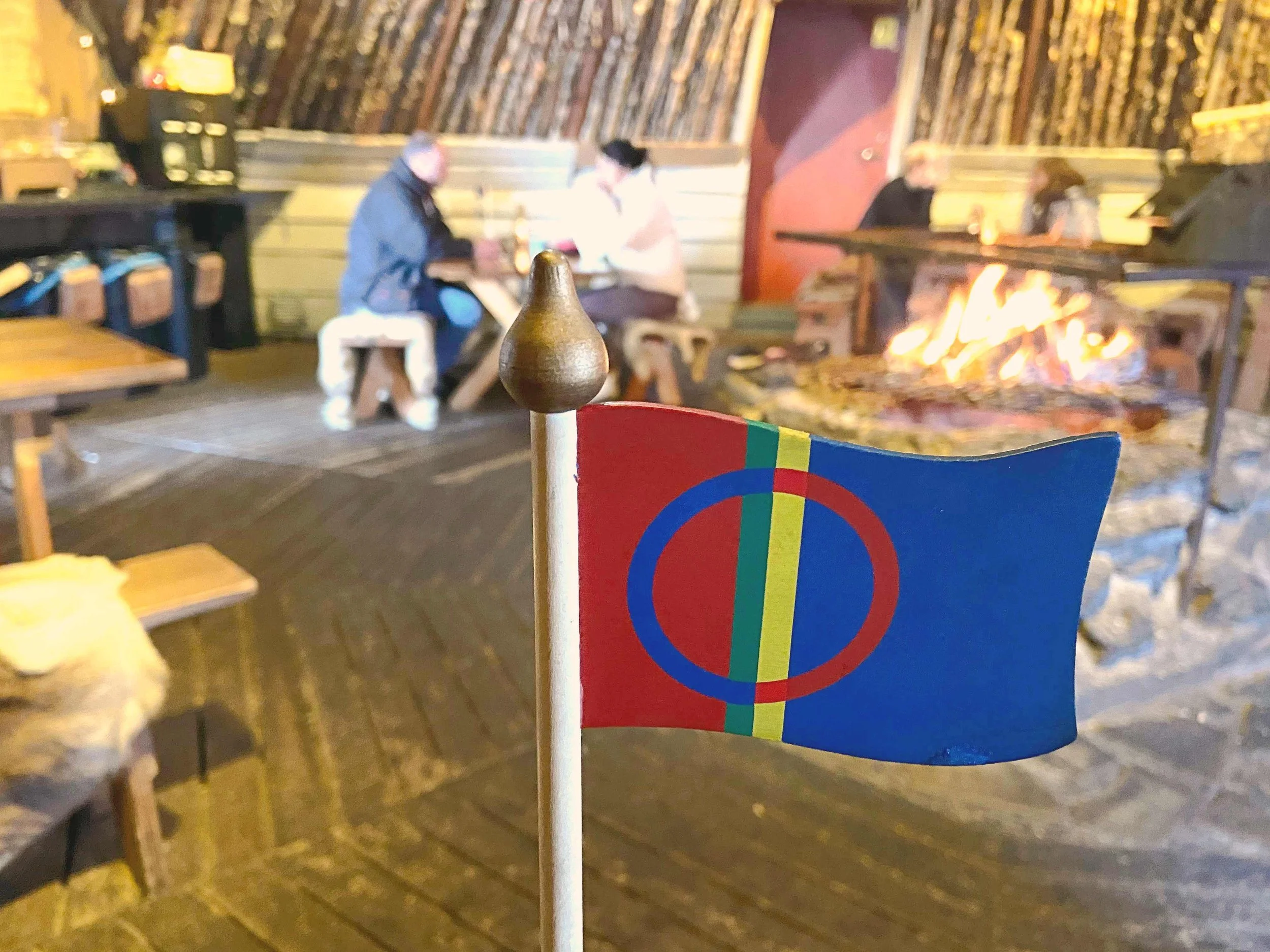
The Sámi flag’s colors — red, blue, green, and yellow — represent the elements of Sámi life: fire, water, nature, and the sun, symbolizing connection to land, seasons, and community.
Sápmi is the traditional homeland of the Sámi people, the Indigenous people of northern Scandinavia. It stretches across Norway, Sweden, Finland, and a small part of Russia, long predating modern borders.
Sápmi isn’t just a cultural idea — it’s a living region. The Sámi have their own representative bodies, including Sámi parliaments in Norway, Sweden, and Finland, which work to protect language, culture, and political rights.
There isn’t just one Sámi language either. There are several Sámi languages, some spoken widely, others critically endangered. You’ll sometimes see different spellings of the same place name on signs, hear different languages on the radio, or notice that maps don’t always agree. That’s not confusion — it’s history layered on top of geography.
As you travel through Kiruna, Luleå, Rovaniemi, Abisko, or northern Norway, you’re moving through Sámi land, even if the border crossings feel subtle.
You’ll notice this presence quietly rather than loudly:
Multilingual road signs
Reindeer herding landscapes shaped by centuries of seasonal movement
Music, design, and craft traditions woven into everyday life
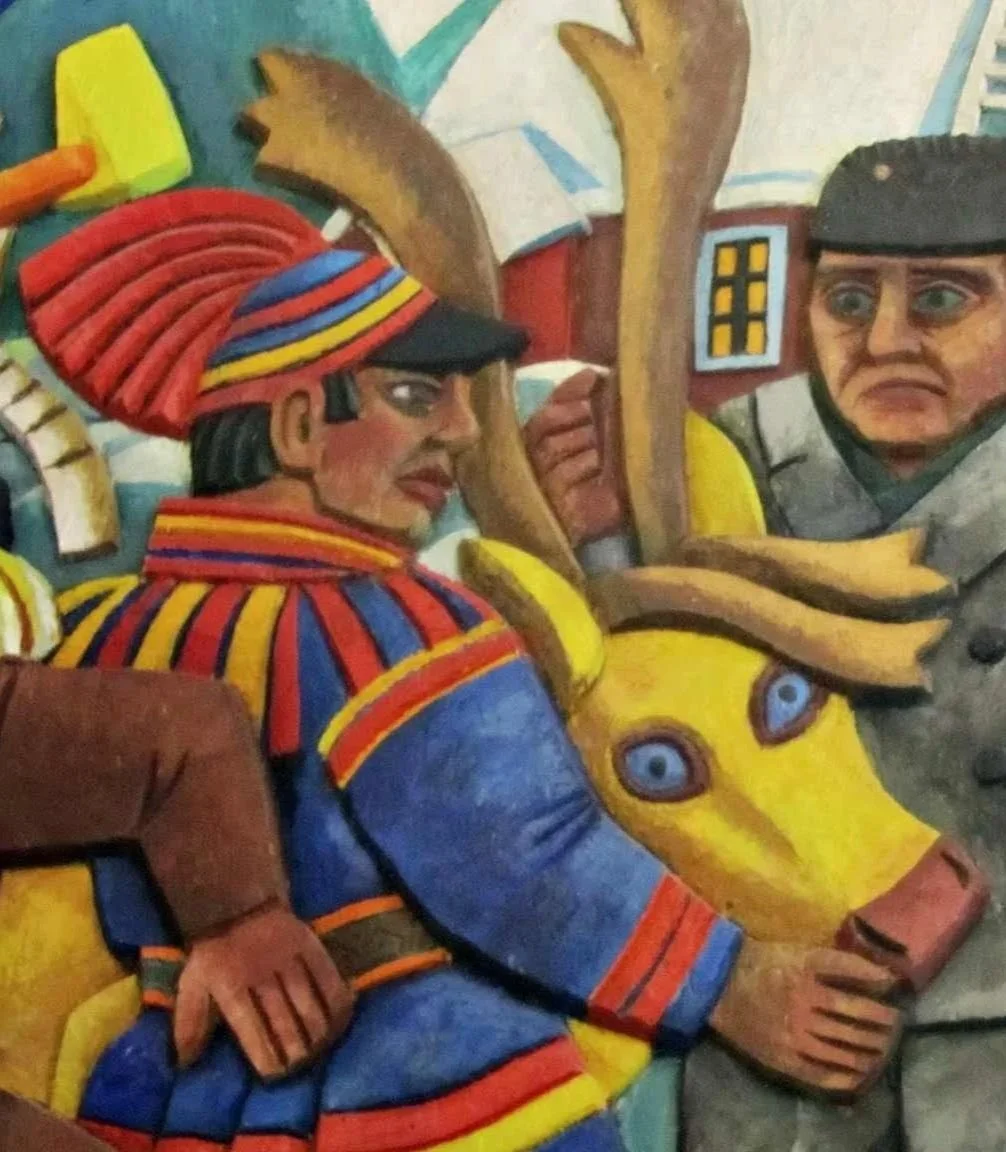
Did you know?
Lapland and Sápmi are often used interchangeably, but they’re not the same thing. Lapland is the modern geographical term most travelers use. Sápmi is the traditional homeland of the Sámi people, spanning much of the same territory across Norway, Sweden, Finland, and Russia.
Understanding this adds depth to a Lapland trip. It explains why the region feels cohesive even as you cross countries — and why moving more slowly, staying longer, and paying attention matters here.
This isn’t about being “perfect” travelers. It’s about recognizing that Lapland isn’t empty wilderness — it’s a place with history, voices, and continuity.
Note on cultural awareness in the Arctic
Finally, if you’re booking activities, it’s worth knowing that not everything marketed as “Lapland culture” is Sámi — reindeer herding is traditionally Sámi, while things like igloos and dog sledding come from other Arctic cultures like the Inuit people — so a bit of awareness goes a long way.
It’s also worth remembering that most Sámi people today live modern lives — traditional dress is worn for specific occasions, not daily life — so seeing Sámi culture isn’t about costumes, but about living communities.
Before we start: a few realistic ground rules
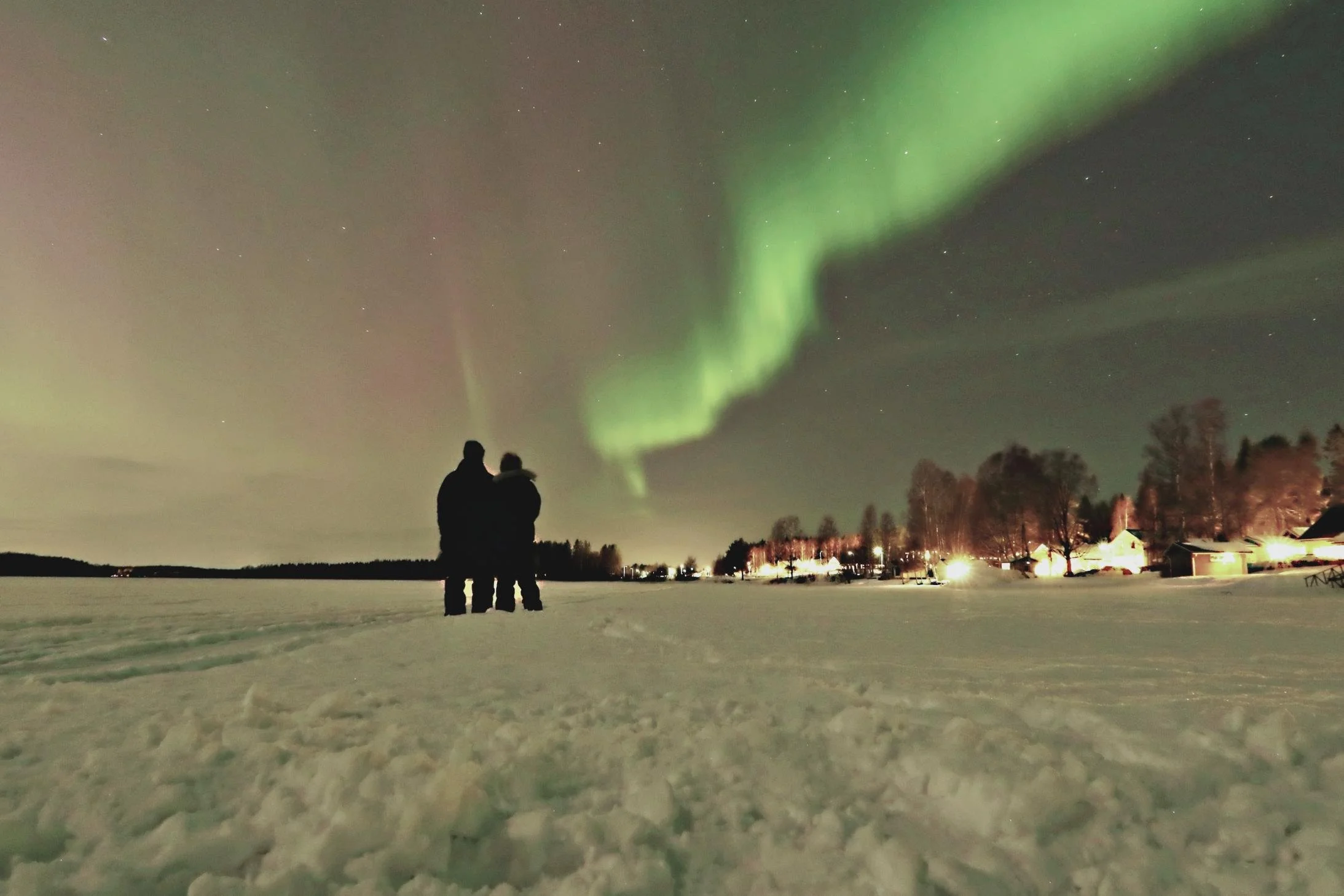
We stayed less than a week in Luleå (Sweden) in February and saw the aurora 3 nights in a row!
Lapland looks compact on a map. It isn’t.
Distances are long, winter slows everything down, and crossing borders only works when the route makes sense geographically. For a one-week trip:
One country is easy
Two countries is ideal
Three countries only works on very specific routes and is not recommended in winter
The goal isn’t to see everything.
It’s to move less and experience more.

Penguin tip:
If you’re dreaming of seeing the aurora, our Northern Lights Hub brings together the science, the best times and places to see it, our favorite apps, photography basics, and the best tips from our own Arctic trips.
Route A: Sweden → Norway (the dramatic, train-first route)

Mushing in Abisko was my best dog-sledding experience!
Kiruna → Abisko → Narvik
This is one of the most picturesque cross-border routes in Lapland, offering a sharp landscape contrast — and one of the few that works beautifully without a car.
You begin in Swedish Lapland, travel through the heart of Sápmi, and cross into Norway by train, ending among fjords and sea air. The journey itself is part of the experience.
Why this route works
One of Europe’s most scenic rail journeys
Simple border crossing
Excellent northern lights potential
Minimal logistics, even in winter
Who this route is for
First-time Lapland travelers
People who prefer trains over driving
Anyone who wants big scenery without complex planning
How to move
Fly into Kiruna, then take the train to Abisko and onward to Narvik. Trains here are warm, reliable, and well adapted to winter conditions.
Where to slow down
Choose two bases, not three. Kiruna or Abisko first, then Narvik. Staying put longer improves your chances of clear skies and keeps the trip calm.
Check our selection of the best hotels in Swedish Lapland
This route shows that even with limited time, travel can still feel spacious.
👉 More on Abisko northern lights and the famous blue hole in our dedicated article.
👉 More on Kiruna & Swedish Lapland in our travel guide.
Check places to stay in Abisko:
Explore places to stay in Kiruna:
Route B: Finland → Norway (activities first, landscapes second)
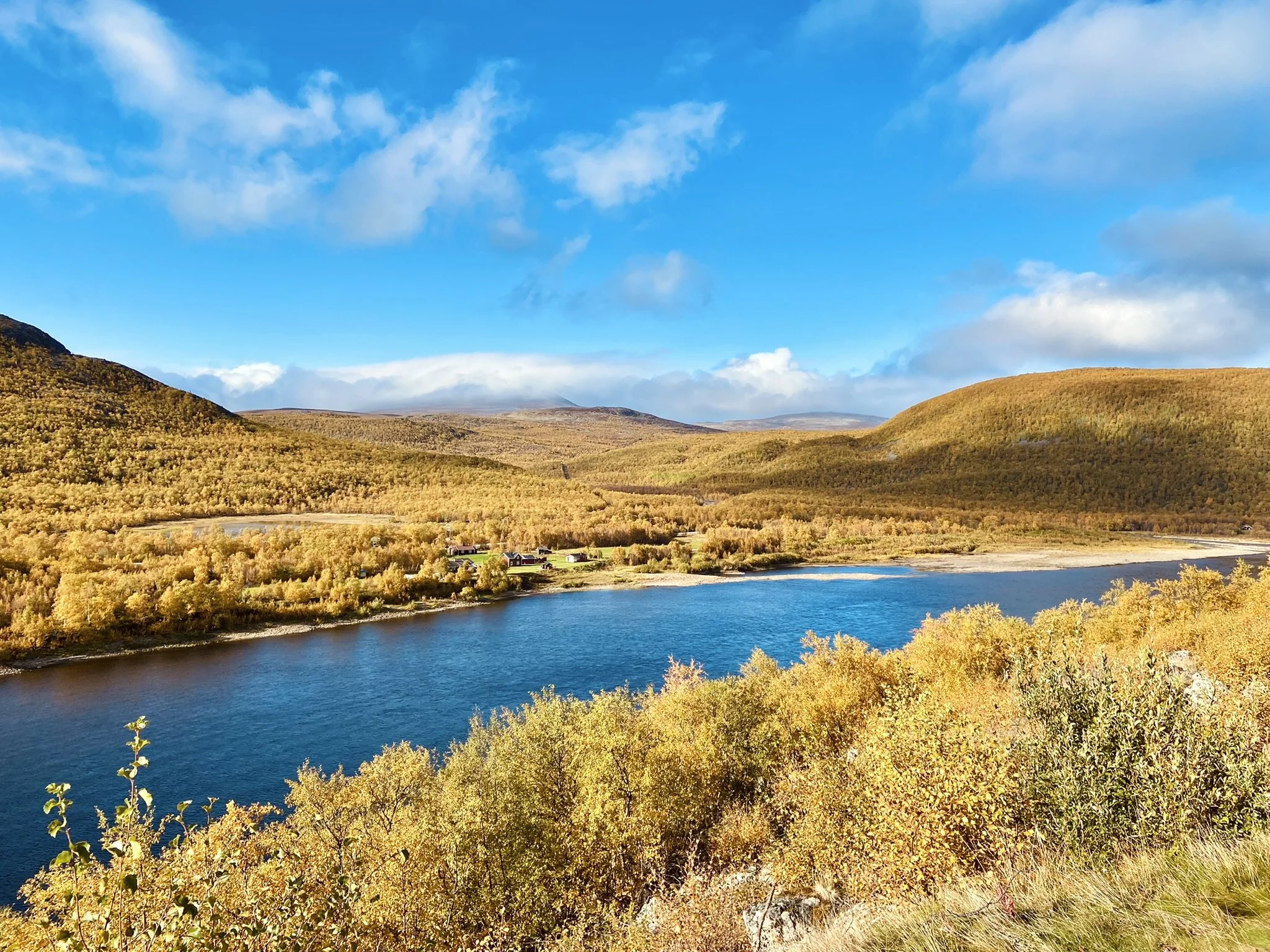
We’re standing in Finnish Lapland and looking at Norway on the other side! (near Utsjoki)
Rovaniemi → Tromsø or Alta
This is the classic Arctic combination — and one of the most flexible if your time is tight. Finnish Lapland makes planning easy, while northern Norway delivers scale, drama, and darker skies.
It’s also a route where how you move really matters.
And if you’re wondering when is the best time to visit Rovaniemi and Finnish Lapland, read our full guide.
Why this route works
Rovaniemi offers strong infrastructure, many flight options and winter activities
Norway adds contrast and wild landscapes
Multiple transport options depending on budget, confidence, and time
Well suited to a one-week trip if you limit bases
Who this route is for
Families and first-time Arctic travelers
Activity-focused trips
People choosing convenience over slow rail travel
How to move between Finland and Norway
There’s no single “best” way — just the right one for your priorities.
✈️ Flying (fastest and least tiring)
Flying is the easiest option in winter, especially if daylight is short or weather is unpredictable.
Rovaniemi → Tromsø or Alta (via Helsinki or Oslo)
Short flight time, but usually a connection
Best if you want to maximize time on the ground rather than in transit
This is the calmest choice if winter driving feels intimidating.
🚌 Bus (slow but straightforward)
Long-distance buses connect Rovaniemi with northern Norway, usually via Swedish Lapland.
Rovaniemi → Tromsø or Alta (check the Arctic Route)
Longer travel days
Weather-dependent, especially in deep winter
No driving required, but less flexible than flying
This option works best if you’re comfortable with long journeys and want to avoid flights or rental cars.
🚗 Rental car (flexible, but not essential)
Renting a car gives you freedom, but it also adds responsibility. Read our guide to renting a car in Tromsø for more.
Roads are well maintained, but winter conditions are real
Darkness, snow, and reindeer on the road are part of the equation
Best for confident winter drivers only
If you don’t need to stop frequently along the way, flying or buses are usually easier.
Where to slow down
For a one-week trip, resist the urge to split time evenly.
Rovaniemi plus one Norwegian base — Tromsø or Alta — is enough.
More stops mean more packing, more transport time, and fewer calm nights.
Where to stay
Finnish Lapland: Best Hotels in Rovaniemi and Best Northern Lights Hotels in Finland
Northern Norway: Best hotels in Alta, Best hotels in Tromsø
A slow-travel reality check
Even on a faster-paced route like this, slow travel still applies.
Choose the transport option that reduces friction for you. Spend more nights in one place. Let weather dictate plans rather than fighting it.
Lapland doesn’t reward squeezing. It rewards staying put.
👉 More on Finnish Lapland in our travel guide.
👉 Explore Alta: Travel guide, winter guide, northern lights, outdoor activities, do you need a car, trips from Alta, and more.
Find hotels in Alta:
Explore places to stay in Tromsø:
Route C: Sweden + Finland — the heart of Lapland
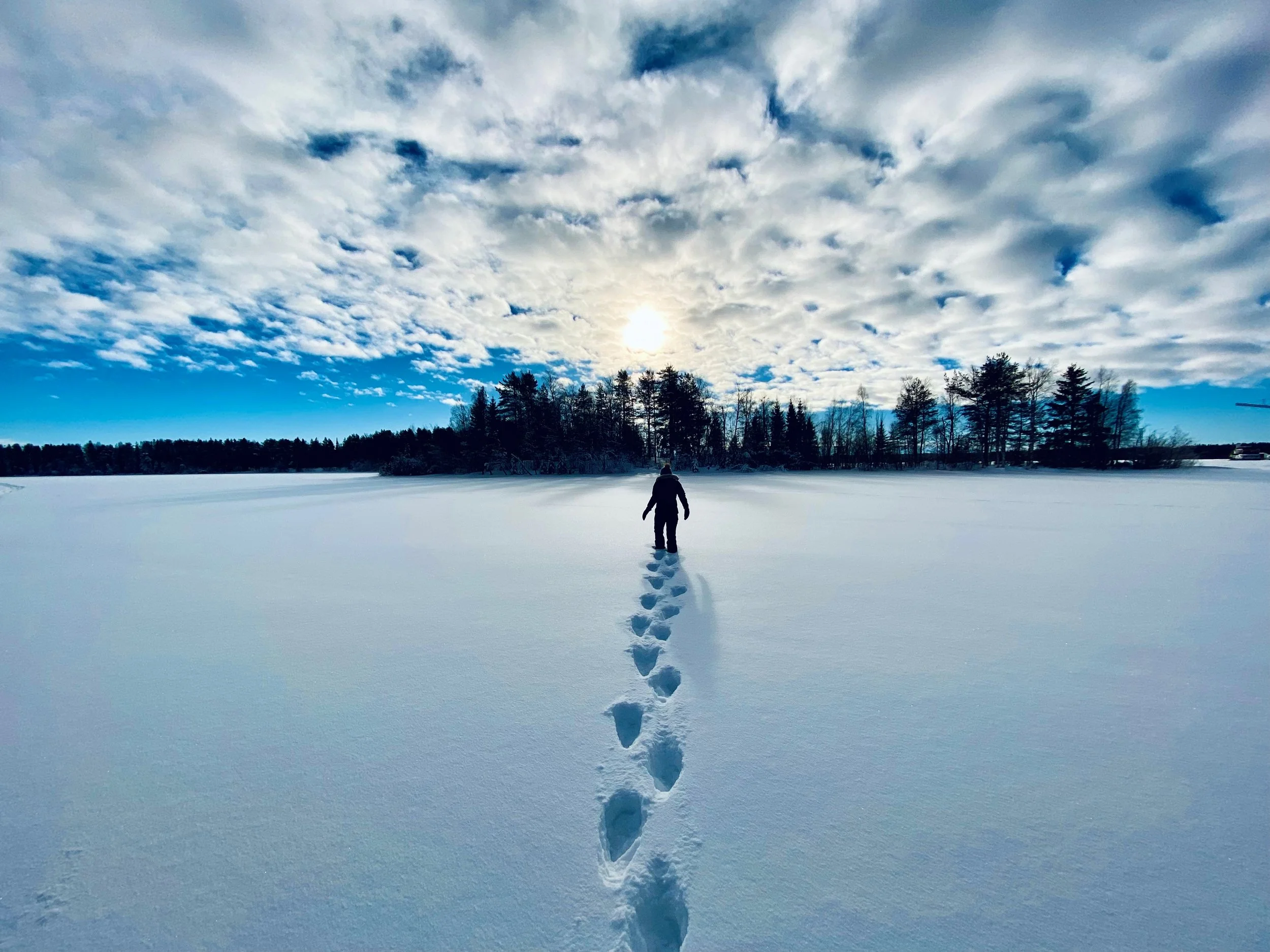
Island-hoping… on foot is only possible in Luleå!
Kiruna → Luleå → Rovaniemi (or the reverse)
This is our quiet favorite.
No cruise crowds. No constant movement. Just forests, frozen rivers, coastal light, and long train rides that let the landscape unfold slowly.
If you’re drawn to calm and continuity rather than spectacle, this route delivers.
Why this route works
Swedish Lapland offers space, design, and silence
Finnish Lapland adds warmth, saunas, and winter activities
Rail connectivity
Car recommended, but not compulsory

Wherever you decide to go in Lapland, we always recommend a travel insurance. You know, just in case you slip on a rock when running to take a northern lights selfie — guilty. Get 5 to 15 % with our partner HeyMondo!
Who this route is for
Repeat Arctic travelers
People who value calm over crowds
Anyone wanting Lapland without Tromsø pressure
How to move
Trains connect Kiruna to Luleå or Boden, then onward toward the Finnish border via Haparanda and Tornio, before continuing to Rovaniemi. You can also drive it, it’s actually short if the weather cooperates.
Train is slower and you should allow some buffer in winter — but that’s exactly why it works.
Where to slow down
Luleå rewards staying longer. It’s understated, coastal, and deeply seasonal. This is a route where fewer moves lead to a richer experience.
👉 More on Luleå in our winter travel guide.
👉 Explore our selection of accommodations in Luleå and around
Find hotels in Luleå:
Explore accommodations in Rovaniemi
Trains, buses, or rental cars: what actually makes sense in Lapland

We love road trips, but better outside of winter! Here in fall, near Inari in Finnish Lapland
Transport choices shape the trip more than most people expect.
Trains
In Sweden and Finland, trains are the most comfortable way to travel in winter. Warm, scenic, and dependable. This is our favorite way of traveling, especially in winter landscapes. You can also take overnight trains for large cities like Helsinki or Stockholm, and waking up in Lapland is pure magic.
Buses
Buses are useful for certain border crossings and regional links, but slower and more weather-dependent. Best used intentionally.
Rental cars are helpful in some areas, unnecessary in others. Choose driving only if you’re confident in winter conditions and actually need the flexibility.
Lapland isn’t a place where driving automatically makes things easier.
A realistic word on pace
We believe in slow travel because Lapland rewards it. Light changes gradually. Weather sets the schedule. Silence does a lot of the talking.
But even with limited time, you can travel thoughtfully.
Fewer bases. Routes that respect geography. Enough nights in one place to let the region reveal itself.
One good week in Lapland will always beat two rushed ones.
How to choose your Lapland route
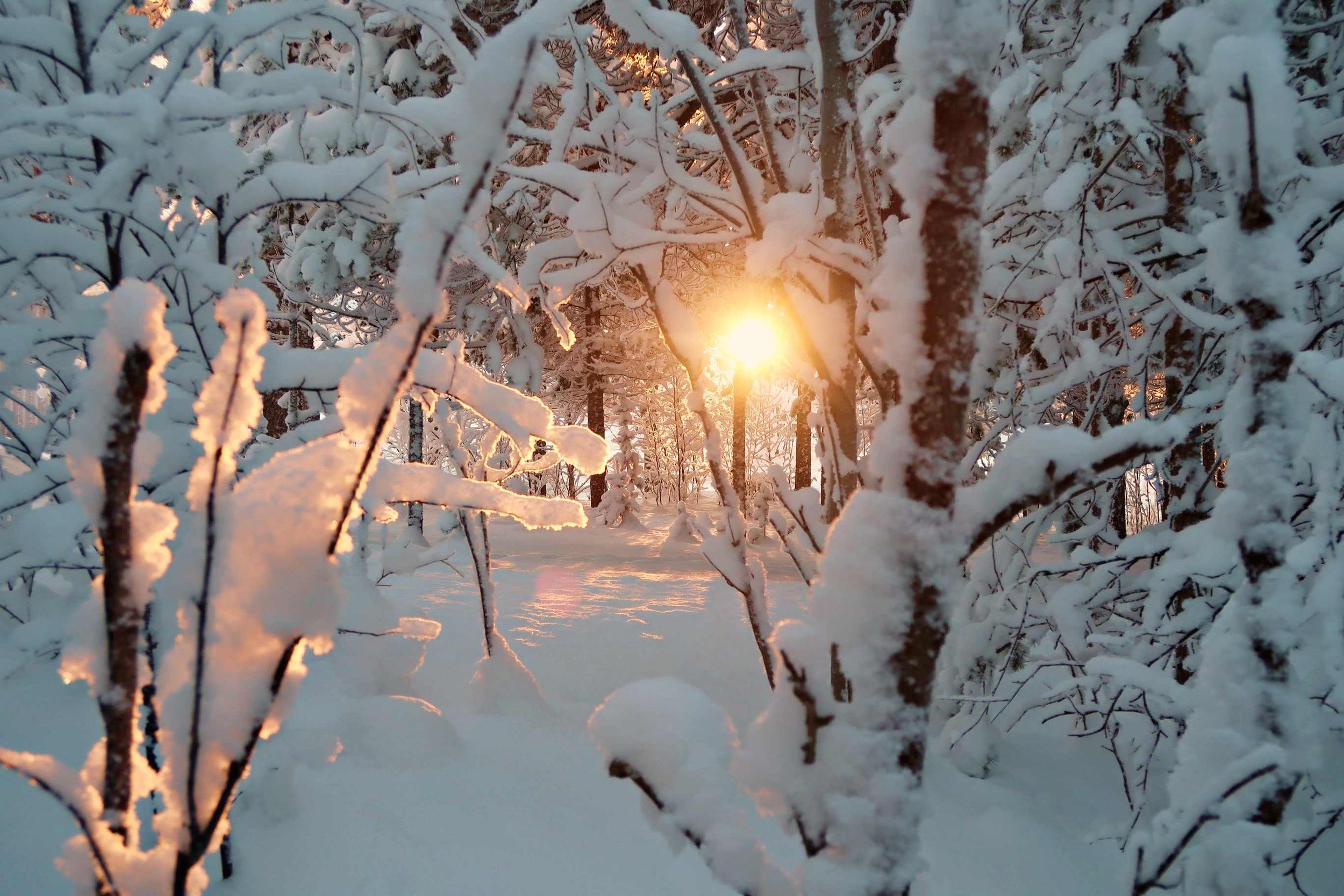
We love Lapland in every season, but winter light has our heart.
If you want scenery and simplicity, choose Route A.
If you want activities and variety, choose Route B.
If you want calm, culture, and space, choose Route C.
Whichever you pick, resist the urge to add “just one more stop.” Trust us: you’ll probably want to come back!
Lapland isn’t about ticking boxes — it’s about taking the time to feel and experience with all your senses.
And if you still can’t decide, read our comparison: Tromsø vs. Rovaniemi vs. Kiruna.
Not sure about the best season for your trip? Read our guide: Best time to visit Lapland.
✈️ Find flights
🏨 Explore hotels, apartments, guesthouses, cabins
🧭 Browse activities and tours
🚗 Compare car rentals
🧳 Get travel gear
🛡️ Travel safe with Heymondo Travel Insurance (5–15% off)
📱 Get a travel eSIM
🐾 Protect & track Arctic wildlife with Fahlo Bracelets (20% off)
FAQ: Planning a Lapland trip
Where should I go in Lapland for the first time?
For first-time visitors, Finnish Lapland (Rovaniemi) and Swedish Lapland (Kiruna or Abisko) are the easiest starting points. They’re well connected, offer reliable winter infrastructure, and have excellent northern lights potential. Norway adds dramatic scenery, but it works best as a second stop rather than a starting point.
Which country is Lapland in?
Lapland isn’t a country. It spans four countries: Norway, Sweden, Finland, and a small part of Russia. When people talk about traveling to Lapland, they usually mean the northern regions of Sweden and Finland, or Arctic Norway.
Is Lapland the same as Sápmi?
No, but they overlap. Lapland is a modern geographical and travel term. Sápmi is the traditional homeland of the Sámi people, an Indigenous region that spans much of the same area across Norway, Sweden, Finland, and Russia.
In simple terms: you travel to Lapland, but you travel through Sápmi.
How many days do you need in Lapland?
Ideally, 10–14 days allows for very slow travel. Realistically, 7 days is enough if you limit yourself to one or two regions and avoid unnecessary backtracking. Fewer bases lead to better northern lights chances and a calmer trip.
Can you visit Lapland without a car?
Yes — especially in Sweden and Finland, where trains and buses work well even in winter. Many routes in this guide are designed specifically to work without driving. Rental cars are useful in some areas, but they’re not essential for most trips.
What’s the best way to travel around Lapland in winter?
It depends on the country and route:
Trains work best in Sweden and Finland
Buses are useful for certain border crossings
Flights save time on longer distances
Rental cars offer flexibility but require winter driving confidence
Choosing the calmest option usually leads to the best experience.
Is Lapland only about northern lights?
No. While northern lights are a major draw, Lapland is also about winter landscapes, silence, Sámi culture, design, food, and seasonal rhythms. Many travelers are surprised to find that the quiet moments stay with them longer than the aurora itself.
When is the best time to visit Lapland?
For winter trips, December to March offers snow, winter activities, and northern lights potential. February and March often strike the best balance between daylight, weather stability, and aurora visibility.
Is Lapland expensive?
It can be, but costs vary widely by country and region. Finland and Sweden often offer more accommodation variety at different price points, while Norway tends to be more expensive overall. Planning fewer stops and staying longer in one place helps keep budgets under control.
Can you combine Sweden, Finland, and Norway in one trip?
Yes — but only on routes that make geographic sense. This guide focuses on combinations that work within one week, without exhausting travel days or unnecessary backtracking.
Here is my favorite travel playlist for an Arctic trip - and to call the northern lights:
Lapland isn’t a place you conquer by moving fast. It’s a place that opens up when you give it time — even if that time is limited.
We believe deeply in slow travel, and Lapland rewards it more than most destinations. But we also understand that not everyone can take two weeks off, or build an itinerary around perfect conditions. Flights, budgets, and real-life schedules matter.
That’s why these routes focus on clarity over quantity. Fewer bases. Smarter connections.
Whether you choose Sweden and Norway by train, Finland and Norway for activities, or the quieter heart of Lapland across Sweden and Finland, the principle stays the same: move less, stay longer, and fall in love with Lapland. Because you will.
Finally, explore all of our Lapland Travel Guides here, or read our guide to the northern lights in Lapland here.

Free download
Travel Cheaper Cheat Sheet
27 tips on flights, hotels, hidden costs and more — spend less without missing what actually matters.
No spam. Unsubscribe anytime.
