

Spain
Spain Travel Guide — Off-the-beaten-path & insider tips to the place we call home
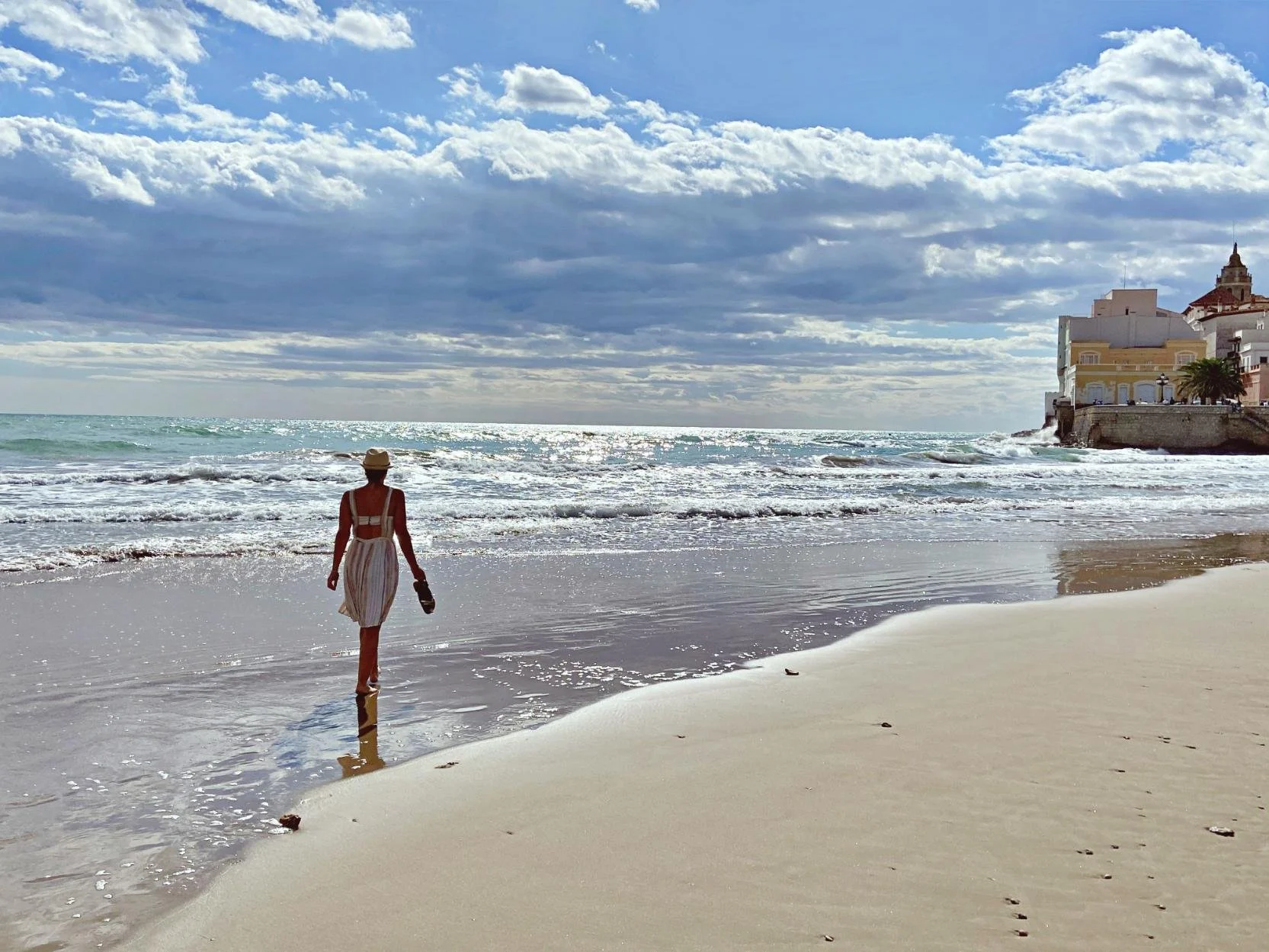
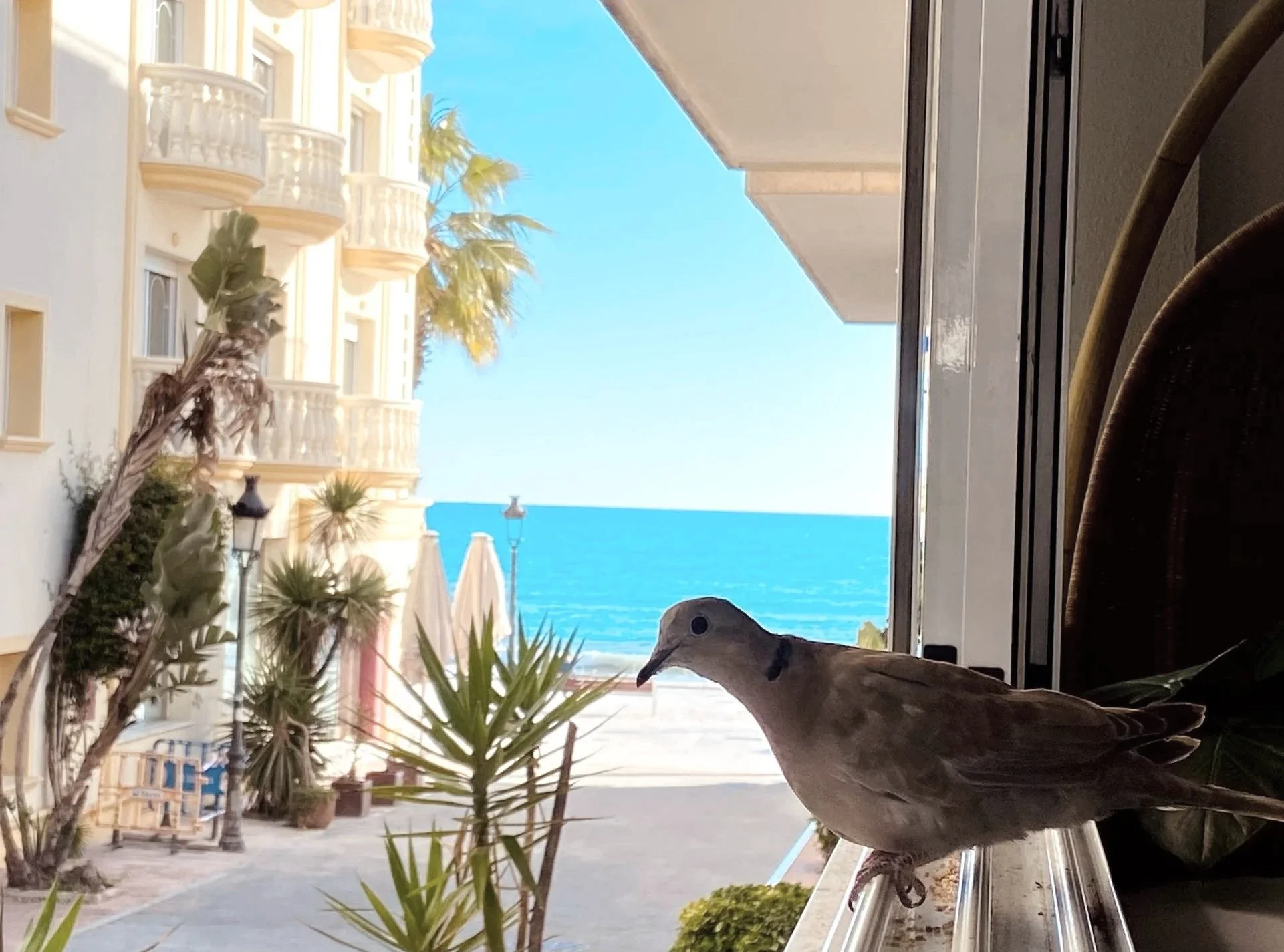
Spain is where we live when we’re not traveling. Sitges, thirty minutes south of Barcelona, sea in front and the Garraf Natural Park behind us.
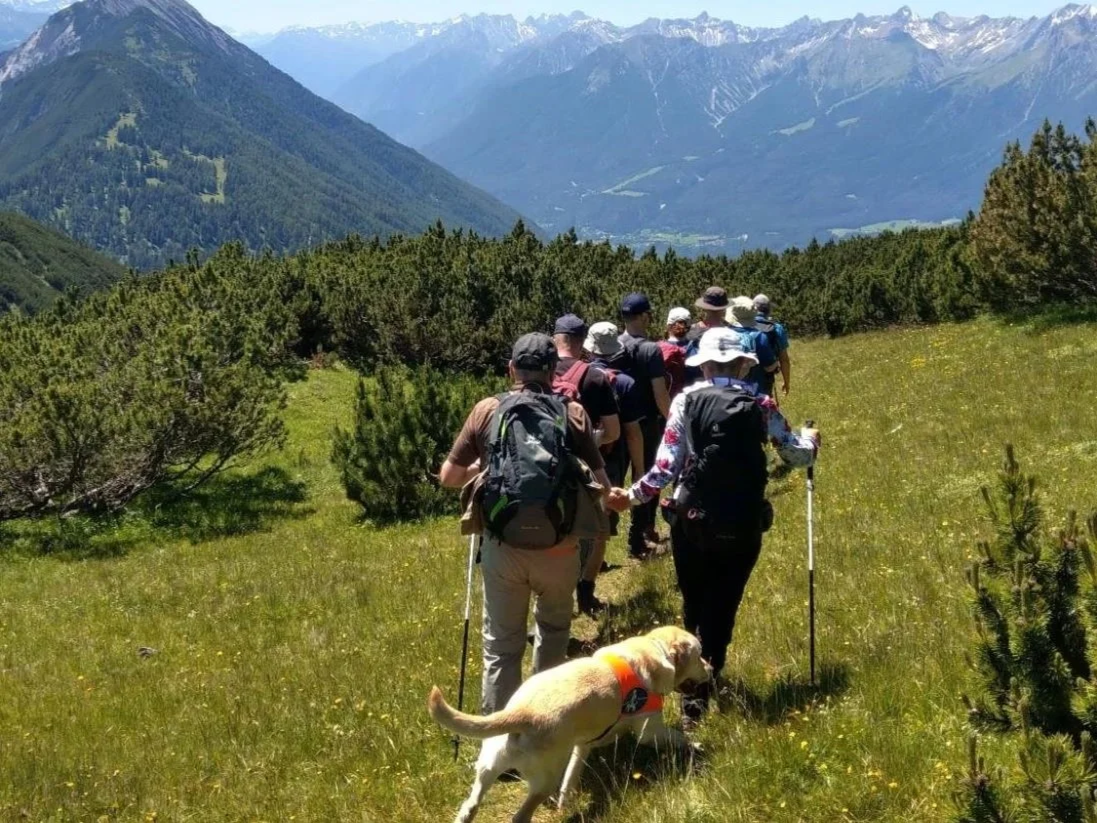
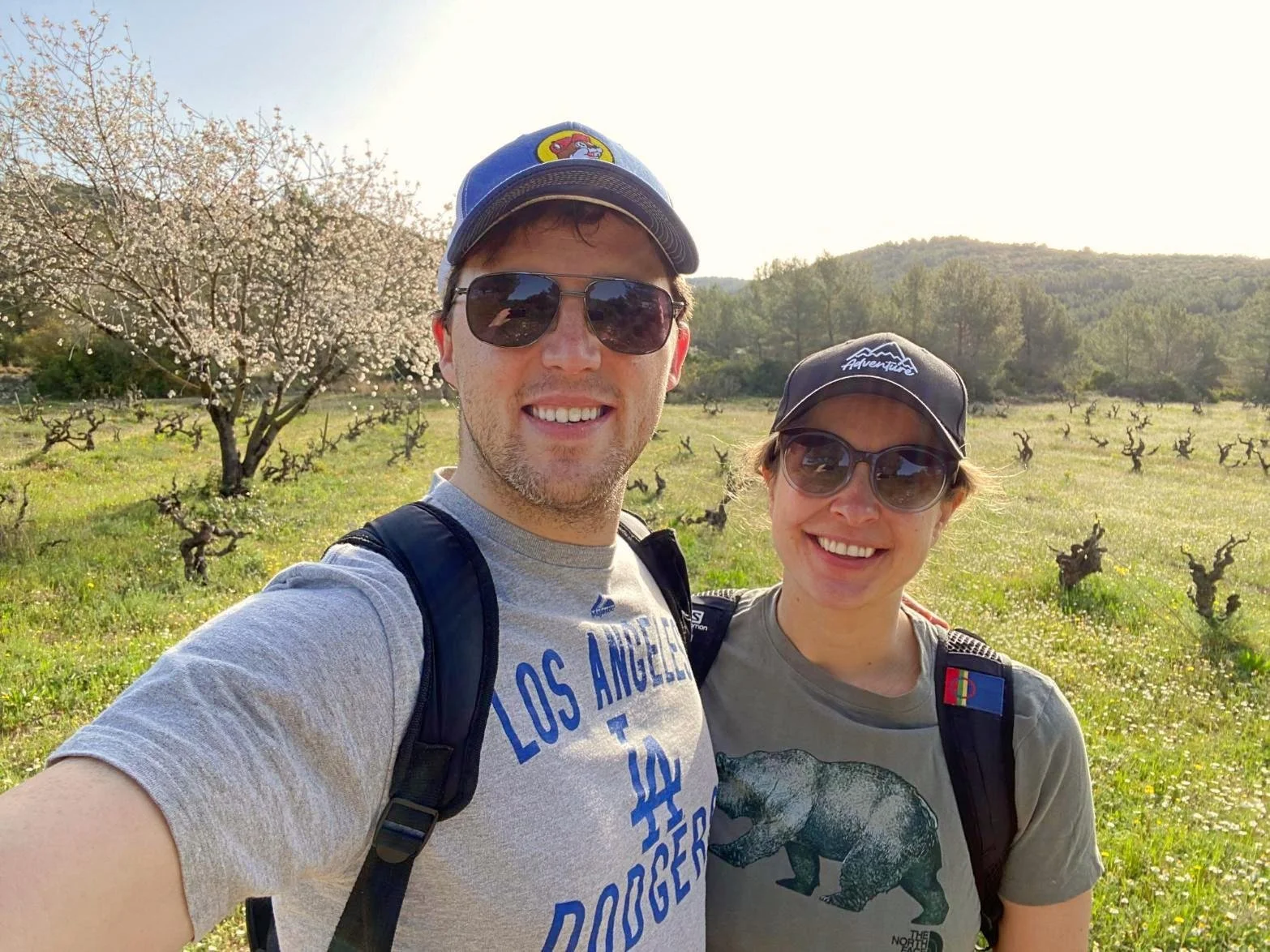
That changes what we can tell you. Our Catalonia guides aren't built from a week's research trip. We know which beach gets quiet before 9am. We know which Sitges hotel has exceptional staff because we walked past it four hundred times a week. Eli grew up spending summers on the Costa Brava. We volunteer at CRAM, the sea-life rescue centre at El Prat de Llobregat. We hiked in the Pyrenees, swam with tunas in Ametlla de Mar, spent our honeymoon at Hotel Calipolis on the Sitges seafront and have eaten seafood paella more times than is strictly necessary.
We should be upfront about scope. Spain has a lot to offer, and most of our content is Catalonia — the Barcelona region; the coast from Barcelona south to the Ebro Delta, north to the Costa Brava, and inland to La Garrotxa's volcanic craters and the Pyrenees above Espot. It's the part of Spain we know from the inside, not from an itinerary. If you want something beyond Sagrada Família selfies and Barceloneta, that's exactly what we cover.
The Catalonia most visitors miss looks like: wild calas reachable only on foot, a long nudist beach forty minutes by train from the city, an Andalusian-inspired town where the heladería displays its second-place trophy with genuine pride, and a coastline that gets quieter and wilder the further south you drive.
Spain Travel Guides




Free download
Travel Cheaper Cheat Sheet
27 tips on flights, hotels, hidden costs and more — spend less without missing what actually matters.
No spam. Unsubscribe anytime.
Frequently Asked Questions
-
Spain rewards slow travel over a highlights reel. Most Spain travel itineraries try to cover too much ground and end up spending half the trip on trains. A better approach is to pick a region and go deep. Our content is mostly rooted in Catalonia — the Barcelona coast, the Costa Brava, the volcanic landscapes of La Garrotxa, the Pyrenees above Espot — but also reaches the Balearics (Formentera) and the Canary Islands (La Graciosa near Lanzarote). We live here, which changes what we can tell you. If you want help planning a best Spain trip around your specific dates and interests, we offer personal 1-hour consultations.
-
Barcelona is the obvious starting point for Catalonia and deserves the attention it gets, though it rewards people who go beyond the Sagrada Família and Barceloneta. Sitges, thirty minutes south by train, is one of the most beautiful and unique small cities in the country — an exceptional LGBTQ+ scene, and beaches that are genuinely better than the city's. Further afield, Seville and Granada are superb, and San Sebastián in the Basque Country is hard to beat for food. Spain has a lot of good answers to this question depending on what you're looking for.
-
The Barcelona Spain beaches most visitors see — Barceloneta and the Olympic port area — are fine but crowded. The better ones are further south and north. We've put together a guide to hidden beaches near Barcelona, written by people who live here and swim in them regularly. The Costa Dorada south of the city has quieter options, the Costa Brava north has some of the most dramatic calas in Spain, and the Garraf Natural Park coastline between Barcelona and Sitges has beaches you can only reach on foot.
-
Yes, and one of the best is forty minutes by train from the city. The nudist beach near Sitges is well established, easy to reach, and genuinely clothing-optional rather than just technically permitted. Sitges itself has a long history as one of Spain's most open and LGBTQ+ friendly towns, and the nudist beach fits that context naturally. It's not hidden or hard to find — locals and visitors use it comfortably. We cover it in our Sitges guides.
-
Very. Solo travel Spain is easy, safe, and social in a way that a lot of European countries aren't. The culture is built around public life — bars, markets, beaches, plazas — which means there are natural spaces to be around people without having to orchestrate it. Transport is excellent between cities. English is widely spoken in tourist areas. The food scene is affordable and accessible solo. Catalonia in particular is well set up for independent travel, and Barcelona is one of the best solo travel cities in Europe.
-
Yes, and it works well if you keep it geographically logical. The most natural Spain Portugal travel itinerary pairs Lisbon with Seville and Andalusia, connected by a direct train. From the Catalonia side, combining Barcelona with Porto or the Portuguese north is less common but very rewarding if you have time. Two weeks is the minimum to do either combination properly without feeling rushed. We cover Portugal separately and have a dedicated page with guides to Lisbon, the Alentejo, and the Algarve.
We live in Sitges, Spain, so this list isn't pulled from a search engine. We only included hotels that are consistently well reviewed by our friends or that we personally visited or stayed at.
One thing worth saying upfront: Sitges is one of the most LGBTQ+-friendly towns in Europe, and every hotel below openly welcomes gay travelers. It's not a separate category here, it's just the baseline. If you specifically want to be walking distance from Sin Street and the gay beach at Bassa Rodona, we've flagged which picks put you closest.