

Faroe Islands
Faroe Islands Travel Guide — Hiking, hotels & how to handle the weather
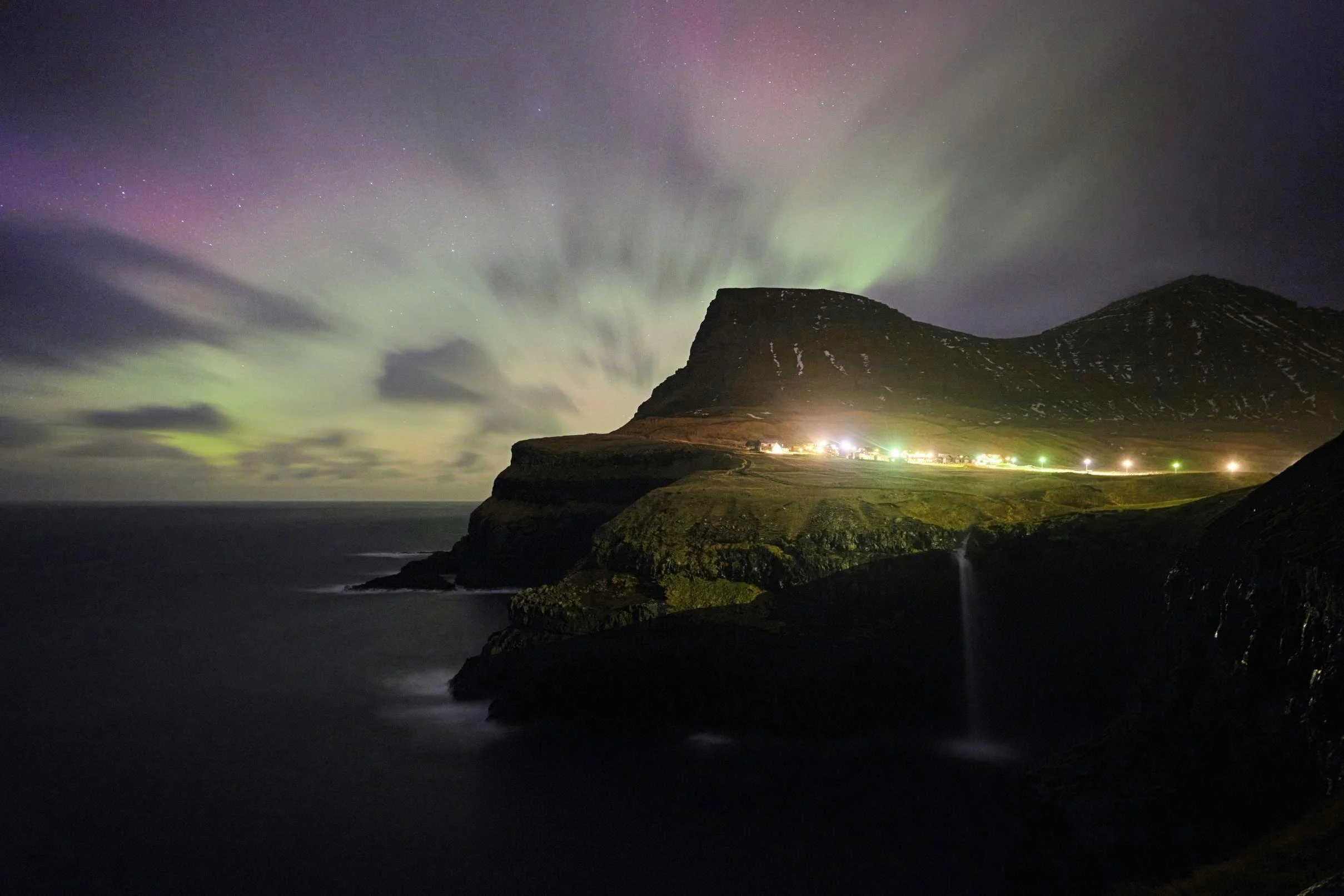
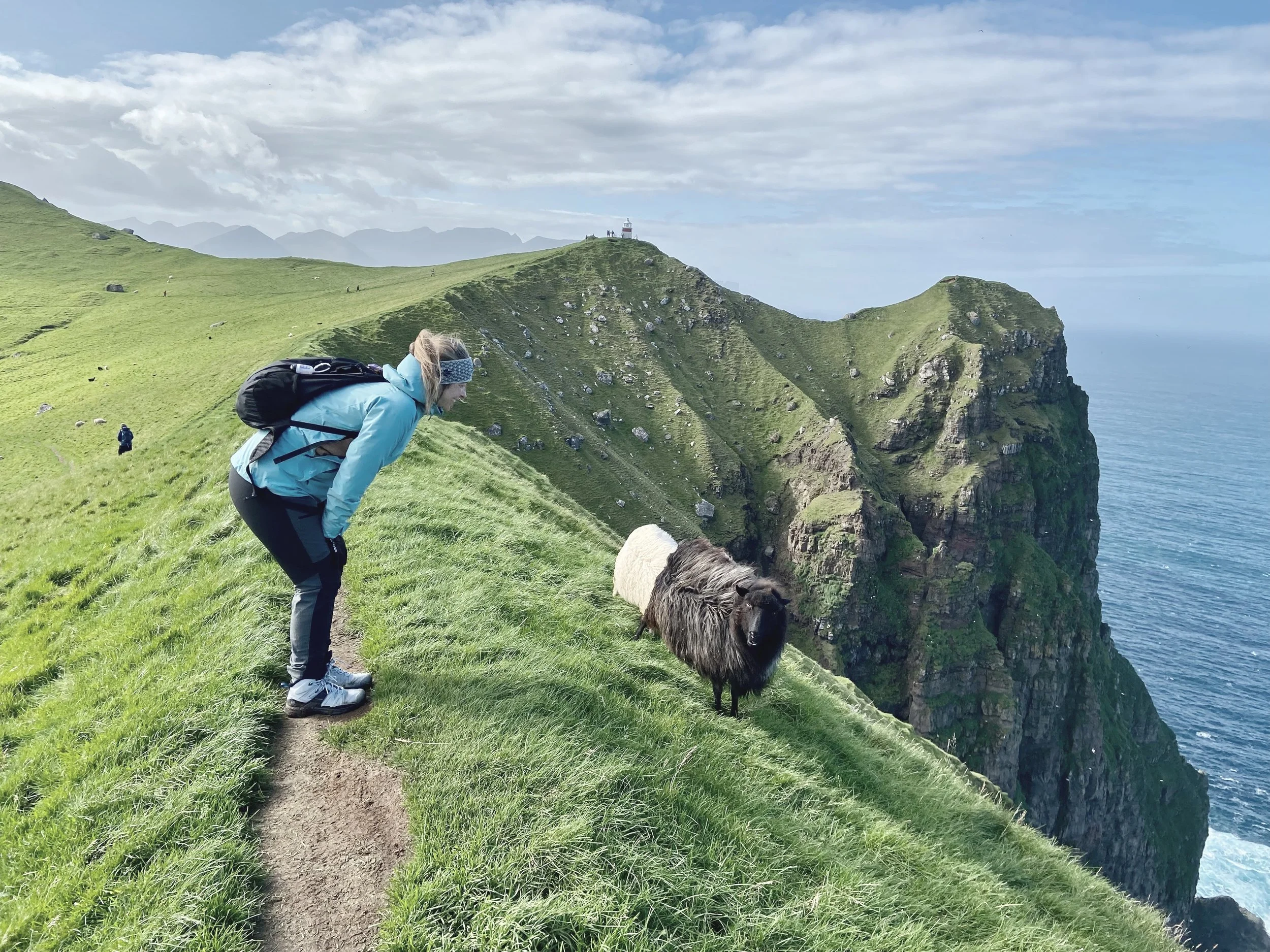
We chose the Faroe Islands instead of Iceland. By 2024, Iceland had gotten crowded in a way that felt incompatible with what we were planning — a small, quiet, unofficial wedding in the kind of landscape that makes you feel completely alone in the world. The Faroes fit that description perfectly. Eighteen islands in the middle of the North Atlantic, a population of around 55,000, grass-roofed houses clinging to clifftops above fjords, and almost nobody else on the trails.
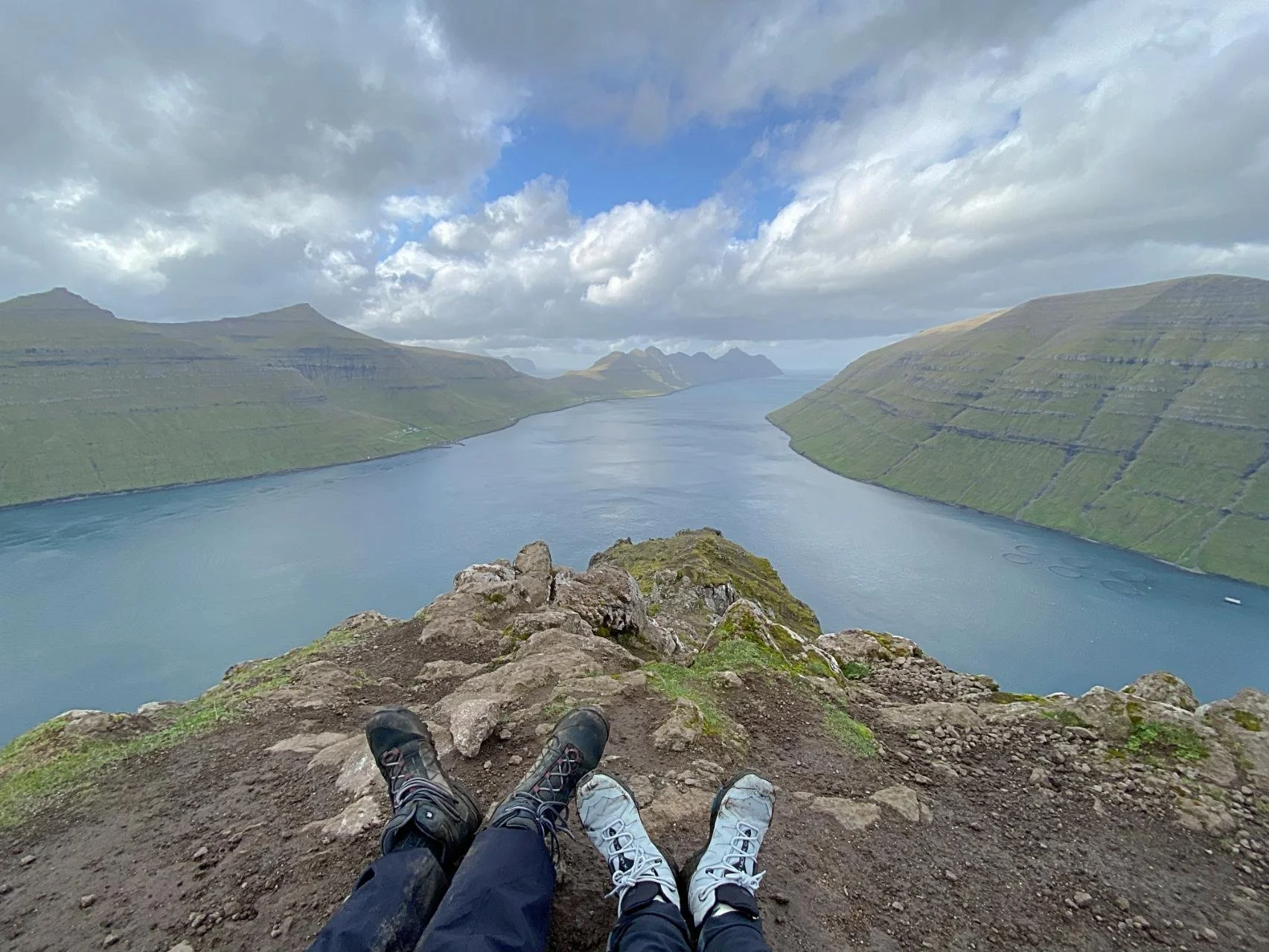
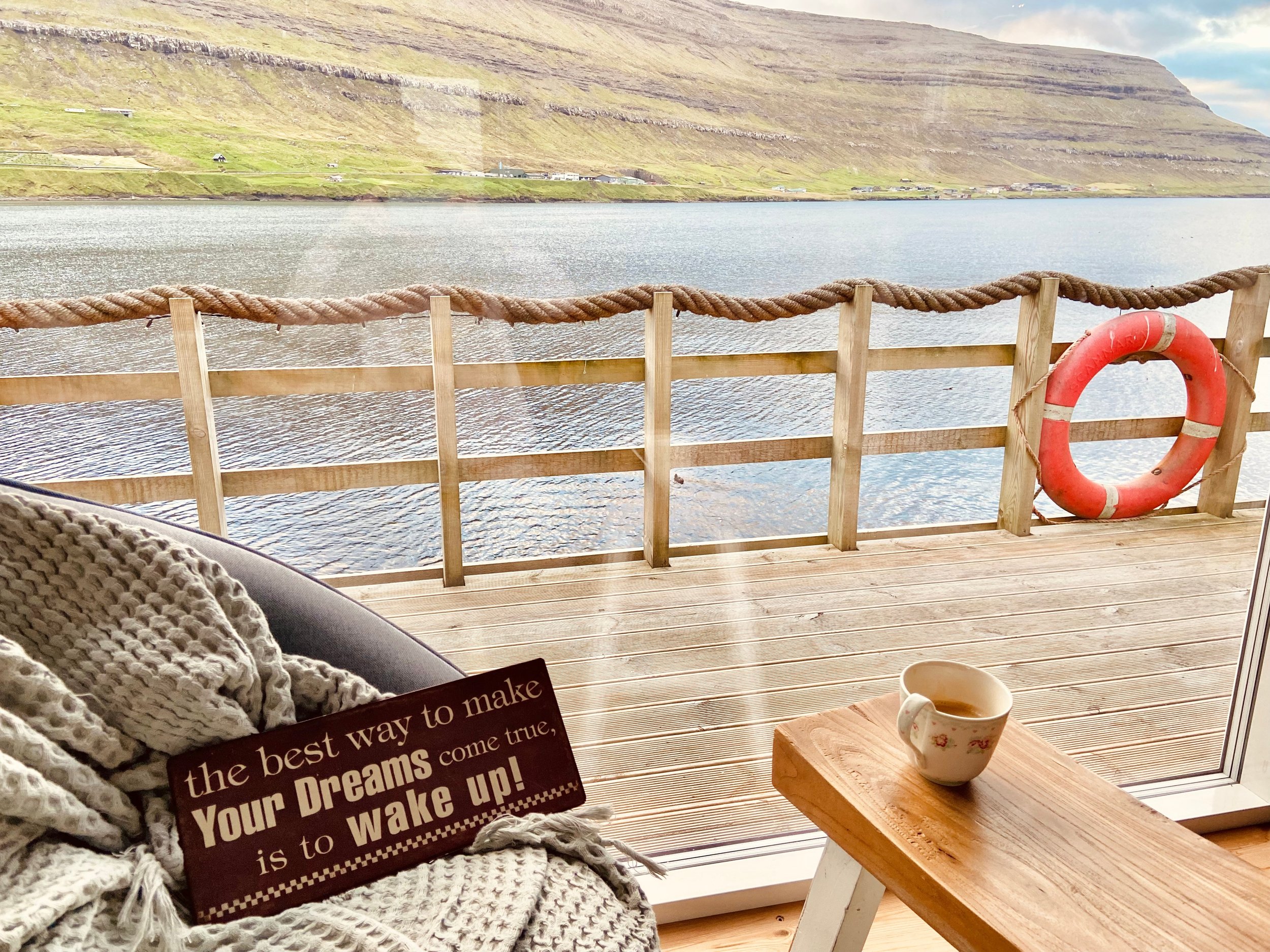
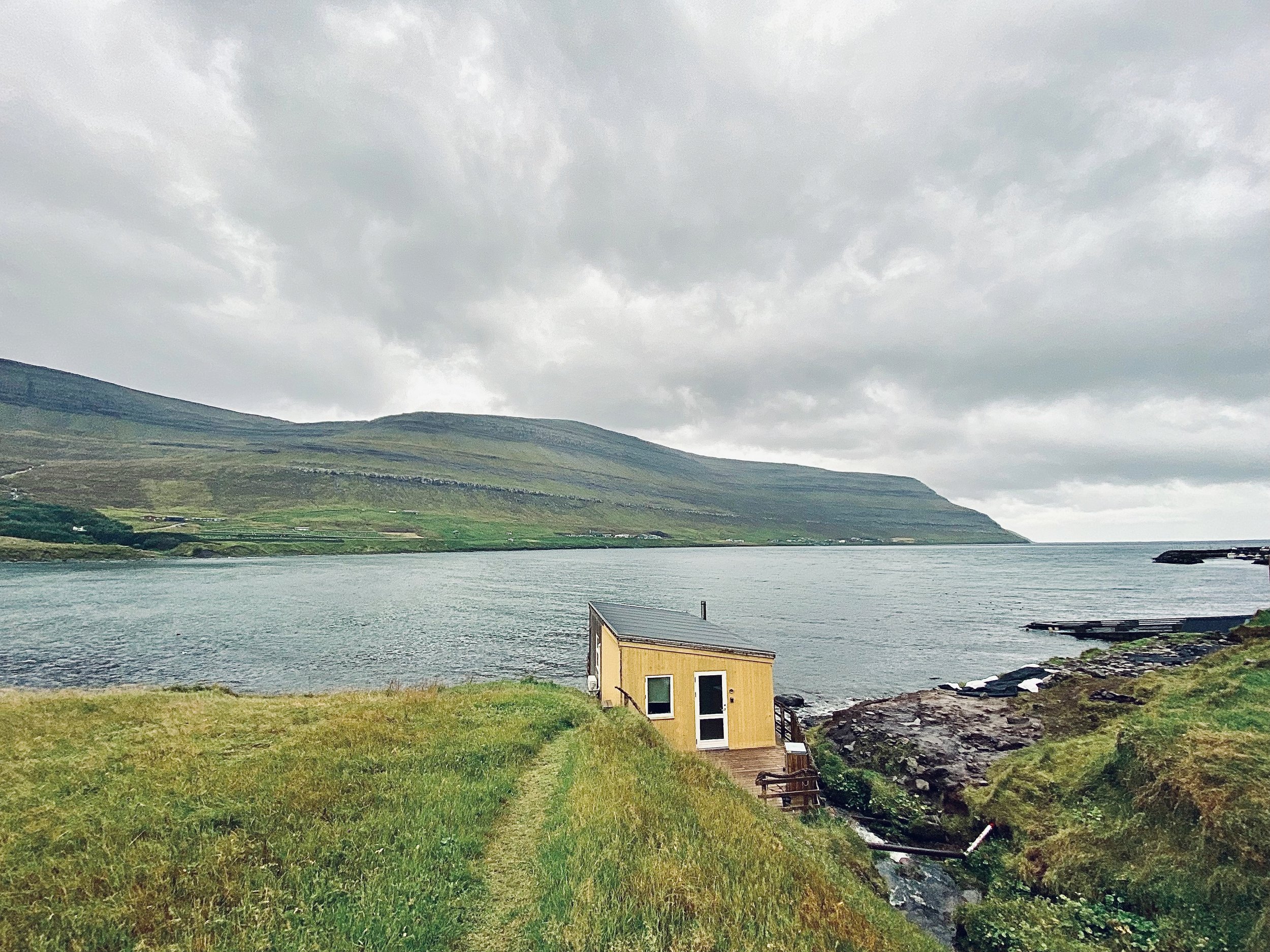
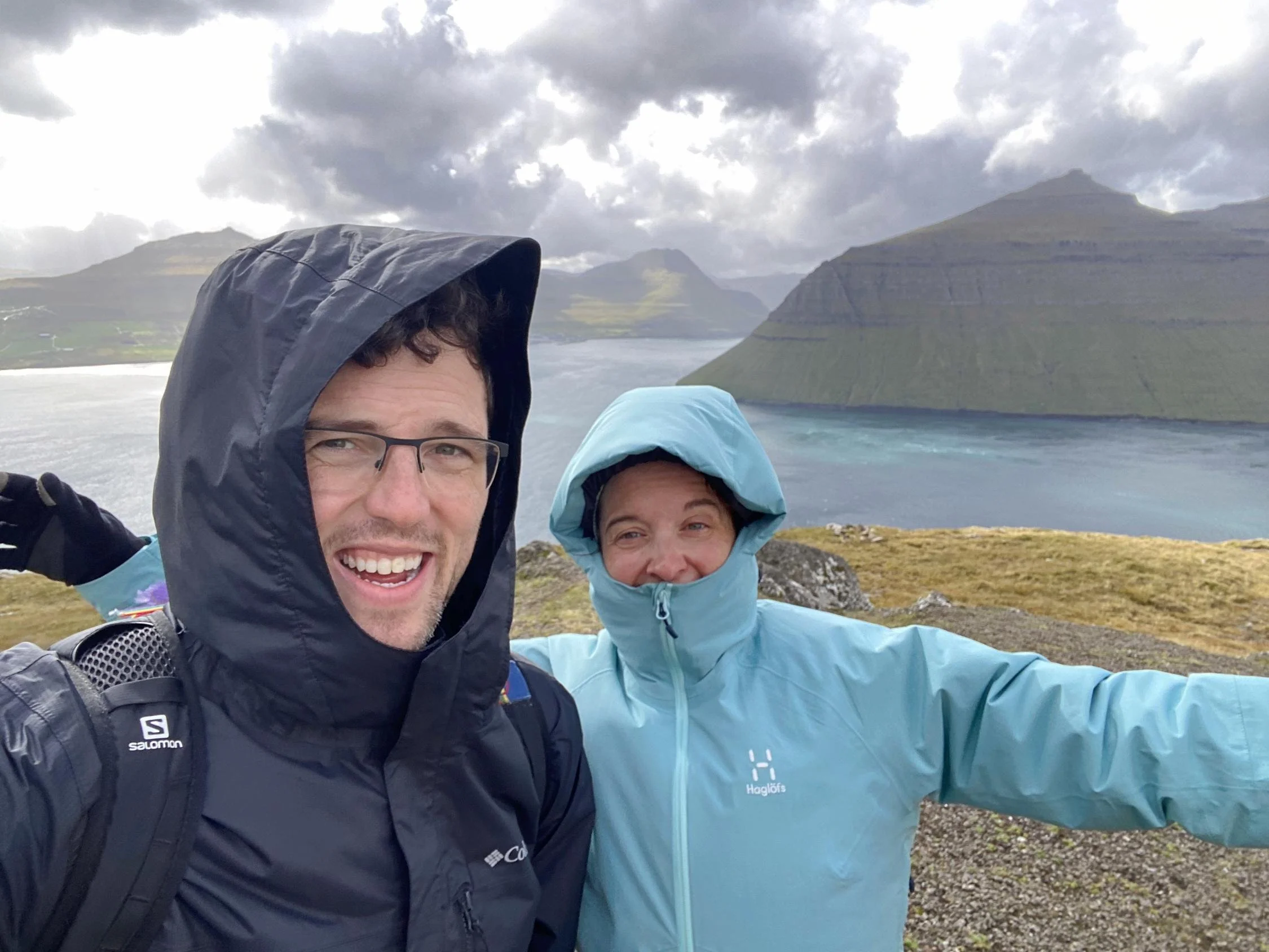
We went in late August, found a Faroese photographer, and based ourselves in Klaksvík — the northern islands' main town — in a fishermen's cabin with views we still think about. We also had our hiking plans derailed by wind. Twice. Not rain, not cold — just wind at the cliff edge doing something we chose not to argue with.
That's the honest version of the Faroe Islands: extraordinarily beautiful, really remote, and entirely on their own terms. The North Atlantic weather is real, the trails require flexibility, and the best parts of the islands — the abandoned villages, the unmarked coastal paths, the moment when the fog lifts and you see a waterfall dropping straight into the ocean — arrive on their own schedule. You work around it. It's absolutely worth it.
The Faroes are an autonomous territory within the Kingdom of Denmark, sitting roughly halfway between Norway and Iceland. They are not trying to be either.
Faroe Islands Travel Guides




Free download
Travel Cheaper Cheat Sheet
27 tips on flights, hotels, hidden costs and more — spend less without missing what actually matters.
No spam. Unsubscribe anytime.
Frequently Asked Questions
-
All flights in and out go through Vágar Airport, on the island of Vágar. Atlantic Airways operates the main routes, with connections from Copenhagen, Reykjavik, and several other European cities. You can also reach the Faroes by ferry from Denmark via the Smyril Line, which takes longer but gives you a very different kind of arrival. If you're planning your first Faroe trip and not sure where to start, we offer personal 1-hour consultations to help you figure out the logistics.
-
Yes, and it makes a significant difference. The 18 islands are connected by a network of roads, tunnels, and bridges that's genuinely impressive for a place this size. Without a car, you're limited to what you can reach from wherever you're based. With one, you can cross from Streymoy to Vágar or up to Klaksvík and the northern islands in under an hour. Renting a car in the Faroe Islands is straightforward and worth every bit of the cost.
-
Honest answer: unpredictable. The North Atlantic does what it wants. You can have four seasons in a single day, sunshine and horizontal rain within the same hour, and wind at cliff edges that makes certain hikes a no-go regardless of the forecast. We had our hiking plans derailed by wind twice on our trip, and we went in late August. That said, the weather is part of what makes the Faroes feel so alive. Pack layers, bring waterproofs, and build flexibility into your itinerary.
-
Hiking is the headline. The islands have some of the most dramatic coastal trails in Europe, with trails running along cliff edges above the ocean, past abandoned villages, and up into fog-covered ridges. Beyond hiking, there's sea fishing, kayaking, photography, and simply driving the islands and stopping wherever looks interesting. Tórshavn on Streymoy is the capital and worth a day or two for food and the old town. We have a full things-to-do guide and a dedicated hiking in the Faroe Islands guide if you want trail recommendations.
-
Tórshavn is the most practical base, with the widest range of Faroe Islands hotels and the best transport links. But staying outside the capital is where the real magic is. We based ourselves in Klaksvík, the main town on the northern islands, in a fishermen's cabin with views we still think about. There are also guesthouses, farm stays, and self-catering options scattered across the islands. We have a full places-to-stay guide covering hotels in Tórshavn and beyond.
-
The Faroe Islands use the Faroese króna, which is pegged to the Danish krone and the two are used interchangeably. Cards are accepted almost everywhere, so you rarely need cash. Worth noting: the Faroes are not part of the EU, so if you're coming from a Eurozone country, you're exchanging currency either way.
Don’t get us wrong: we love Iceland. We first went 17 years ago, in fall, and had the waterfalls, black sand beaches and hostels all to ourselves. We came back twice, and our latest trip in 2026 was way too busy for our taste, even in winter. The country has also become very, very expensive! Since then, the question we get most from friends and readers is some version of this: Where to go instead of Iceland, if I don’t wan crowds or crazy prices?
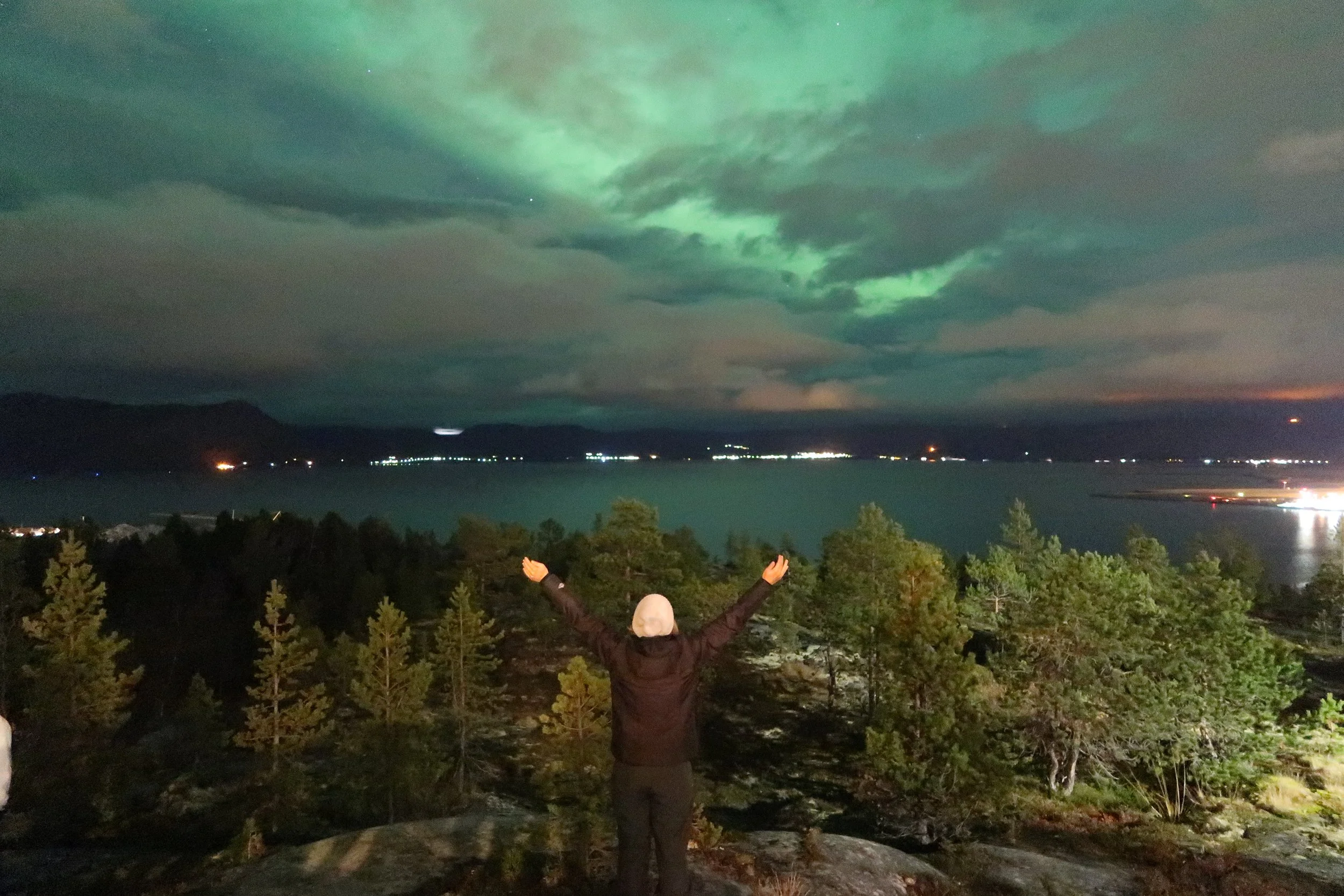
This is our answer, and every place on it is somewhere we have been. Some are for the northern lights, some are remote islands, and two are for anyone whose favorite part of Iceland was sitting in hot water while the ground steams around them.