
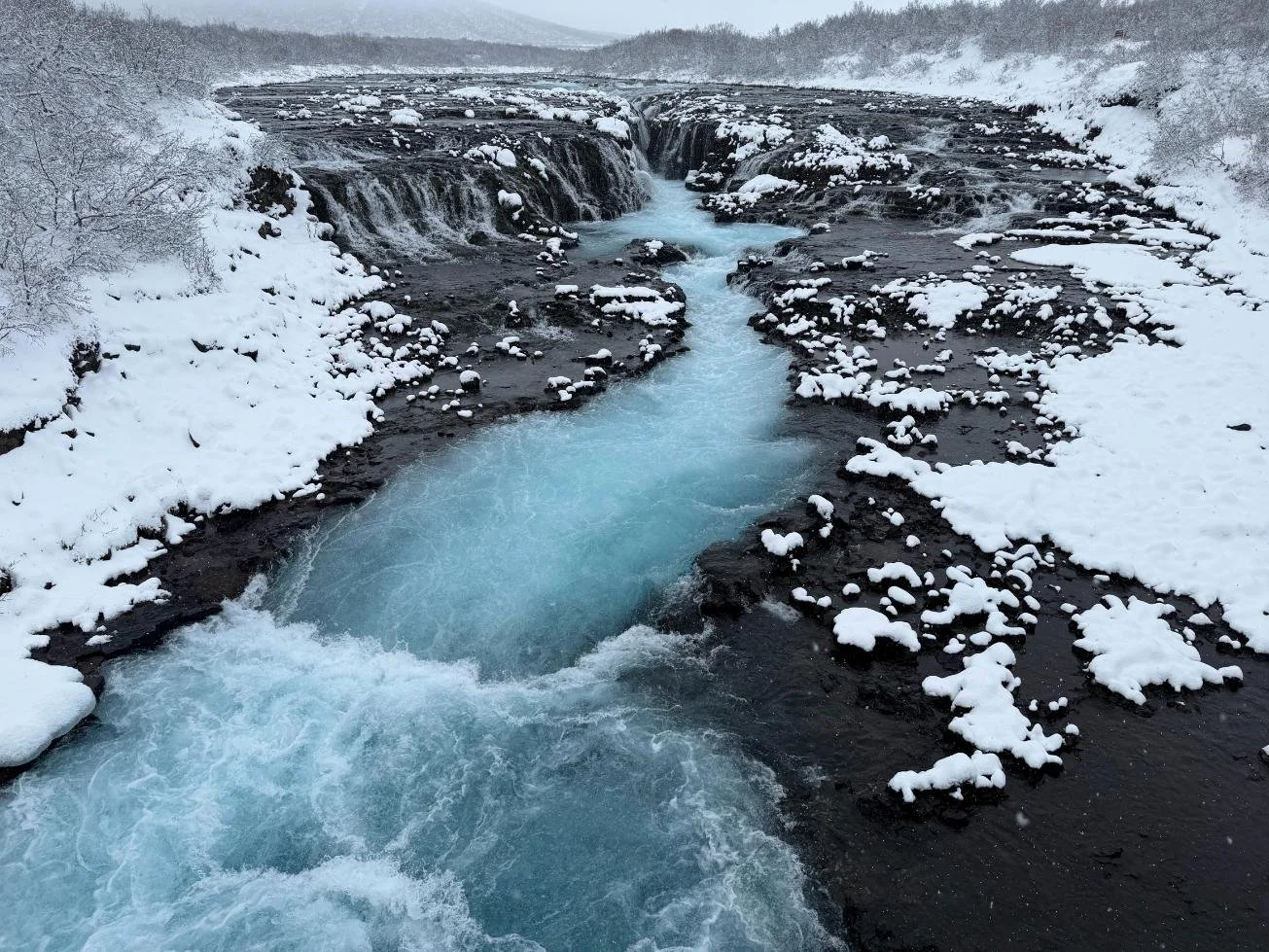
Iceland
Iceland Travel Guide — Ring Road, northern lights, insider tips & more
We first went to Iceland 17 years ago, right after the financial crisis, when the króna had collapsed and a private room in a hostel cost €60. Oh, and you were all alone in that hostel in October. Those days are definitely gone. But Iceland itself? Still one of the most extraordinary places on Earth.
We've been back in every season since — September, October, February, summer — including a 17-day winter trip that involved frozen waterfalls, several snowstorms on the South Coast, and a negotiated peace with Icelandic weather. We've walked on Vatnajökull, snorkelled between two tectonic plates, chased the aurora from igloos and fjord-side cabins, and found the hot springs that actually still feel wild.
Iceland gets a lot of hype. Most of it is deserved. But there's a version of Iceland that most guides push — Golden Circle, Ring Road, Jökulsárlón, done — and then there's the one we enjoy the most: the fjord an hour from Reykjavík that no one's heard of, the glacier lagoon at 6am before the tour buses arrive, the tiny town you only stopped in because of a weather redirect that turned out to be the highlight of the trip.
We write about both. All seasons, all budgets — and with real numbers, because Iceland's price tag deserves a straight answer.
Jump to: Iceland · Northern Lights Hub · Arctic Travel Hub
Iceland Travel Guides
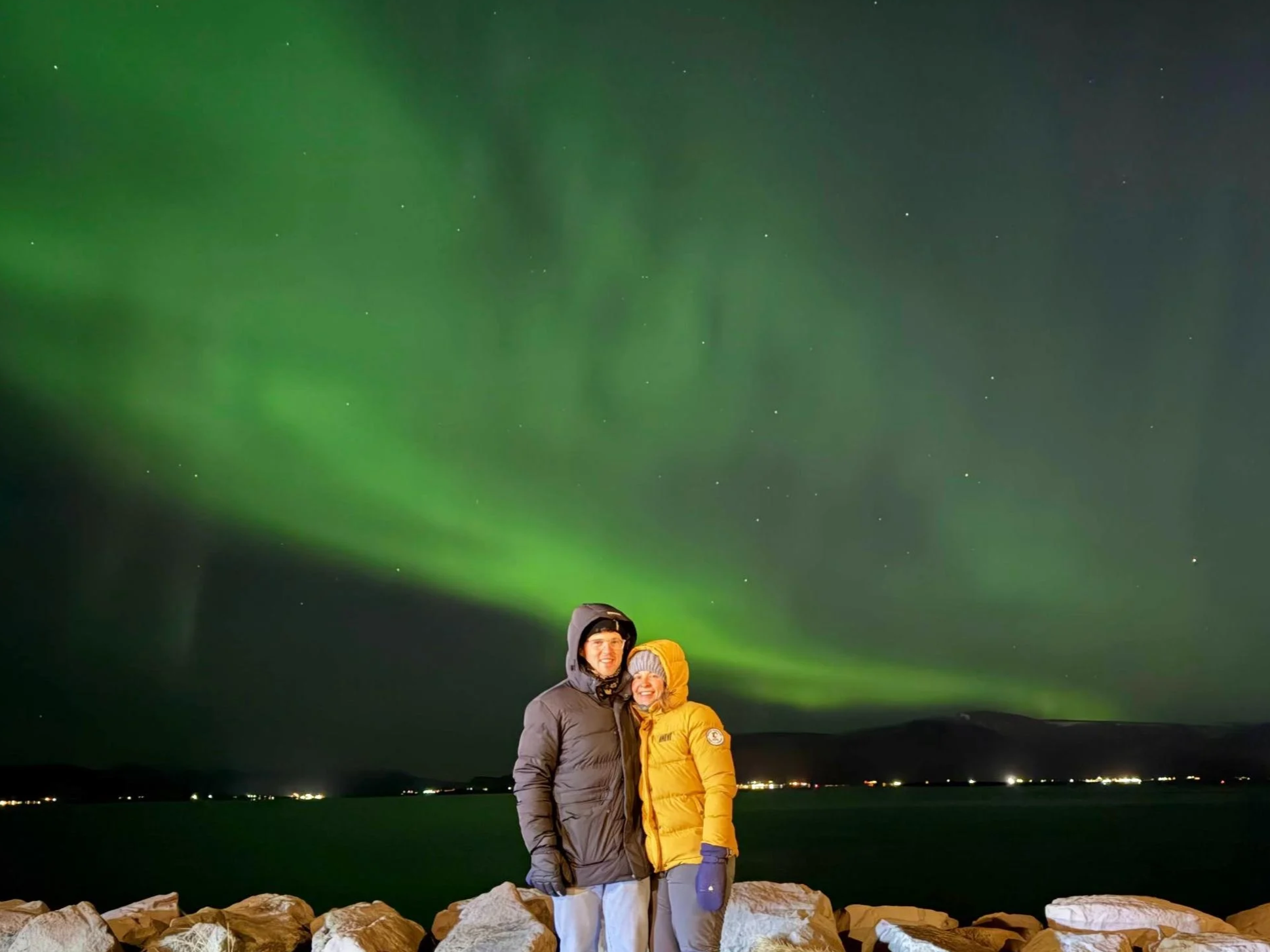
We've spent winters all over the Arctic: Alta, Senja, Tromsø & Lofoten in Norway, Swedish & Finnish Lapland, Iceland and Greenland. So when people write to ask where else to go because Tromsø is booked out, we've usually just come back from one of those alternatives ourselves.
We've even recommended Tromsø before, as a calmer, less commercial answer to Rovaniemi in our Magical Alternatives to Rovaniemi guide. The trouble is, the same thing that made Rovaniemi worth escaping has started catching up with Tromsø: sold-out hotel, tour buses queued at the same handful of viewpoints, and prices that climb every winter the city gets more popular. Here are the alternatives to Tromsø we’d recommend for the northern lights, and what you'd be trading to go there.
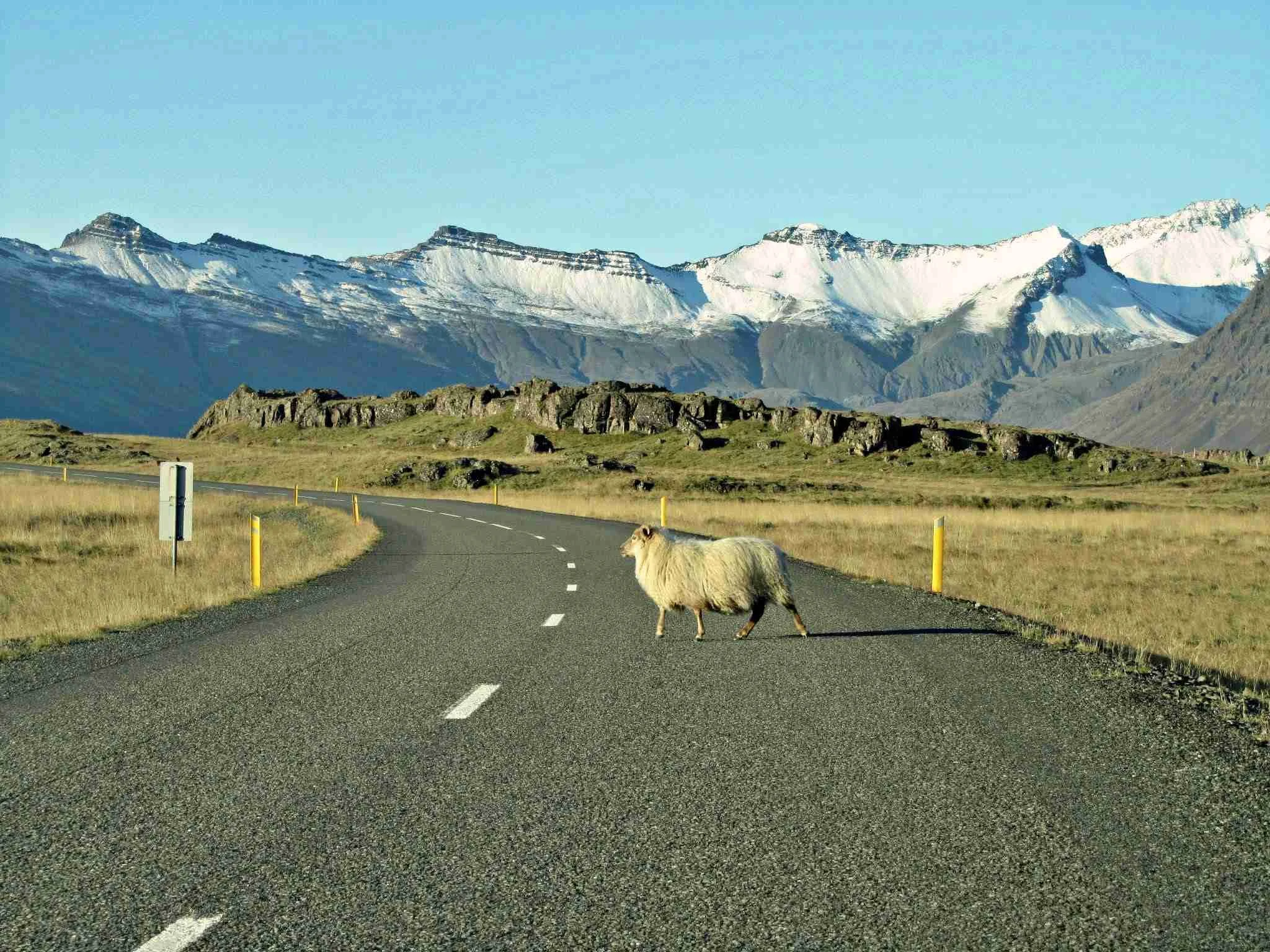
A lot of people associate Iceland with winter — northern lights, frozen landscapes, the darkness. We've been to Iceland in every season, and loved each one of them. Iceland in summer is a completely different country than in winter, and in a lot of ways a more surprising one.
The interior opens up. Roads that are impassable for eight months of the year become accessible. Puffins arrive. Whales move closer to shore. The sun barely sets, which messes with your sleep and your sense of time in the best possible way. And, if you know where to go, you can escape the crowds. We won’t sugarcoat it, though: popular highlights will be busy (explore our alternatives to Iceland’s main tourist spots here).
This is the summer Iceland most guides skip: the highland interior, the things that only exist between June and August, and what the weather is actually going to do to your plans.
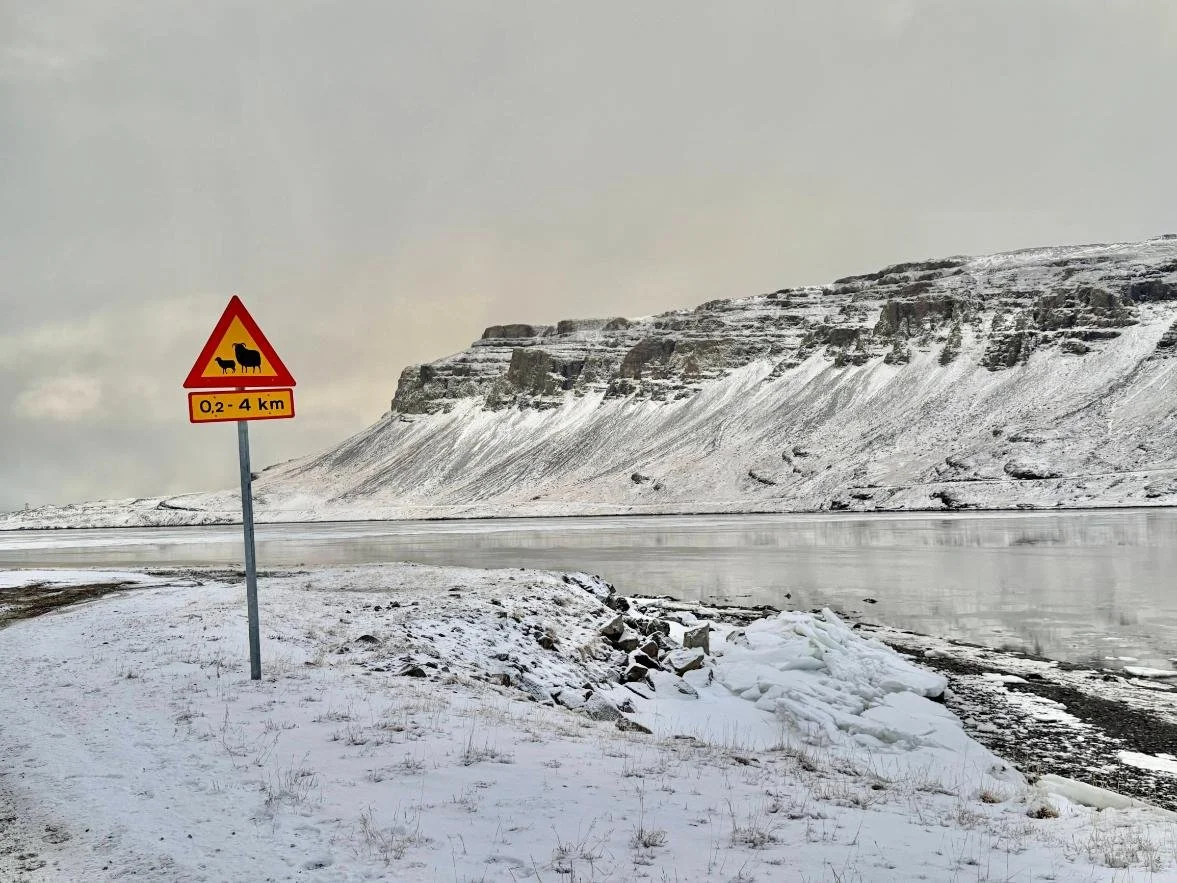
We've driven Iceland three times — twice in fall, once in winter — and every time we've covered a version of the same stretch: Reykjavík east along the south coast to Höfn, with various detours depending on the season and what we had time for. We haven't done the full Ring Road. The north and east of the island are on our list, and we'll be honest about that rather than paste in itinerary days we haven't actually driven.
What we have done, thoroughly and repeatedly, is the section that most people mean when they say "Iceland road trip": the south coast to the glacier lagoon, with additions to the Reykjanes Peninsula, the Golden Circle, Hvalfjörður, and Snæfellsnes when time allows. That's the trip this guide is built around.
One more thing upfront: this self-drive tour is entirely doable in a regular car. You don't need a 4x4 for the route described here. More on that below — and it changes the budget and logistics considerably.
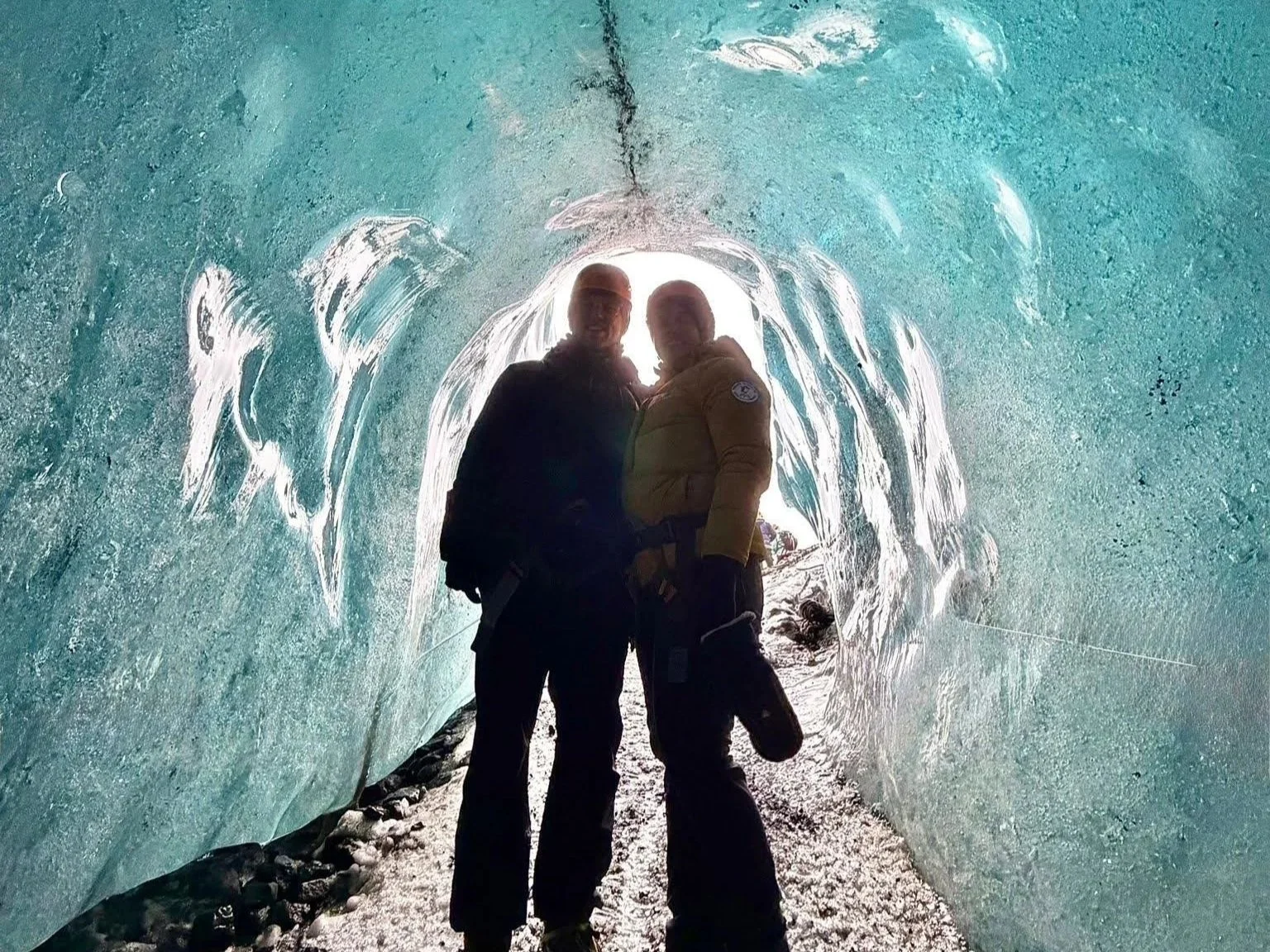
We've been to Iceland three times — in September, October and February — doing the kind of things that make travel insurance less of an afterthought and more of a genuine necessity. Driving remote roads in the dark chasing the northern lights, hiking across lava fields and glaciers, navigating weather that changes faster than any forecast predicted.
Iceland is small but mighty. It's one of the most geographically dramatic countries on earth, and a lot of what makes it worth visiting — the interior highlands, the glacier lagoons, the black sand beaches — is also genuinely remote. The nearest hospital to some of the places we've been is a long drive or a helicopter ride away.
That changes the insurance conversation.
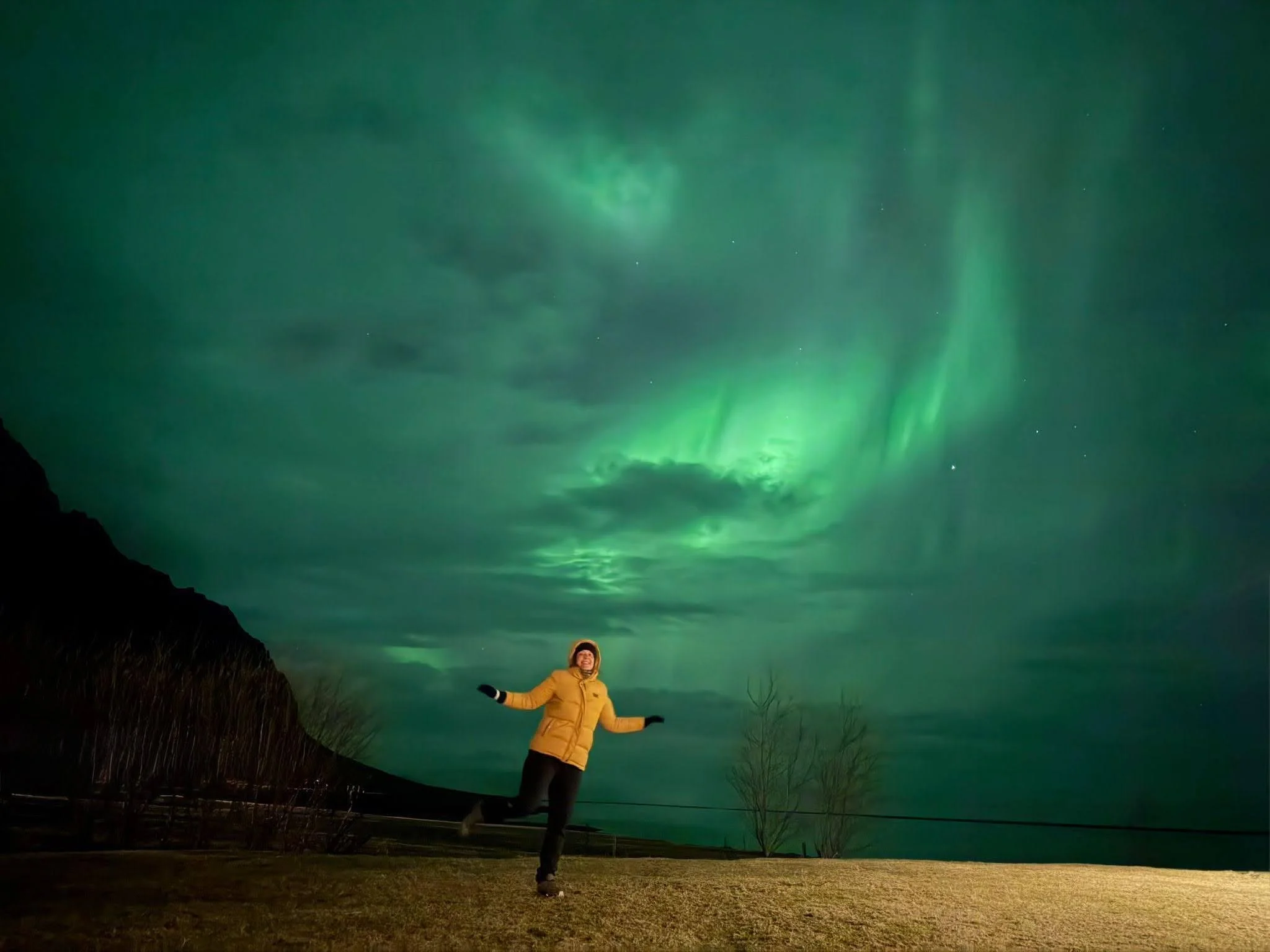
We've chased the northern lights in Iceland several times — and the single most important thing we learned is that timing is only half the equation. The other half is knowing how to read the conditions on the night itself and being willing to move when the forecast tells you to (well, and a bit of elf magic and luck too).
Most northern lights guides will tell you to go in January and cross your fingers. That's not wrong, but it's not the whole picture either. The best time to see the northern lights in Iceland depends on what you're optimising for — maximum darkness, best weather odds, equinox activity, or the current solar cycle — and the answer is different depending on which of those matters most to you.
This article is specifically about timing and forecasting. If you're still deciding whether Iceland is the right aurora destination for you at all, we've covered that in detail in our northern lights Iceland guide. If you're new to aurora hunting altogether, start with our northern lights for dummies guide first. And if you're ready to book and need hotel recommendations, go straight to our best northern lights hotels in Iceland. This piece sits between those two: it's for people who are going, and want to make the most of it.
Everything here is part of our northern lights hub — our full library of aurora guides covering destinations, gear, photography, and planning.
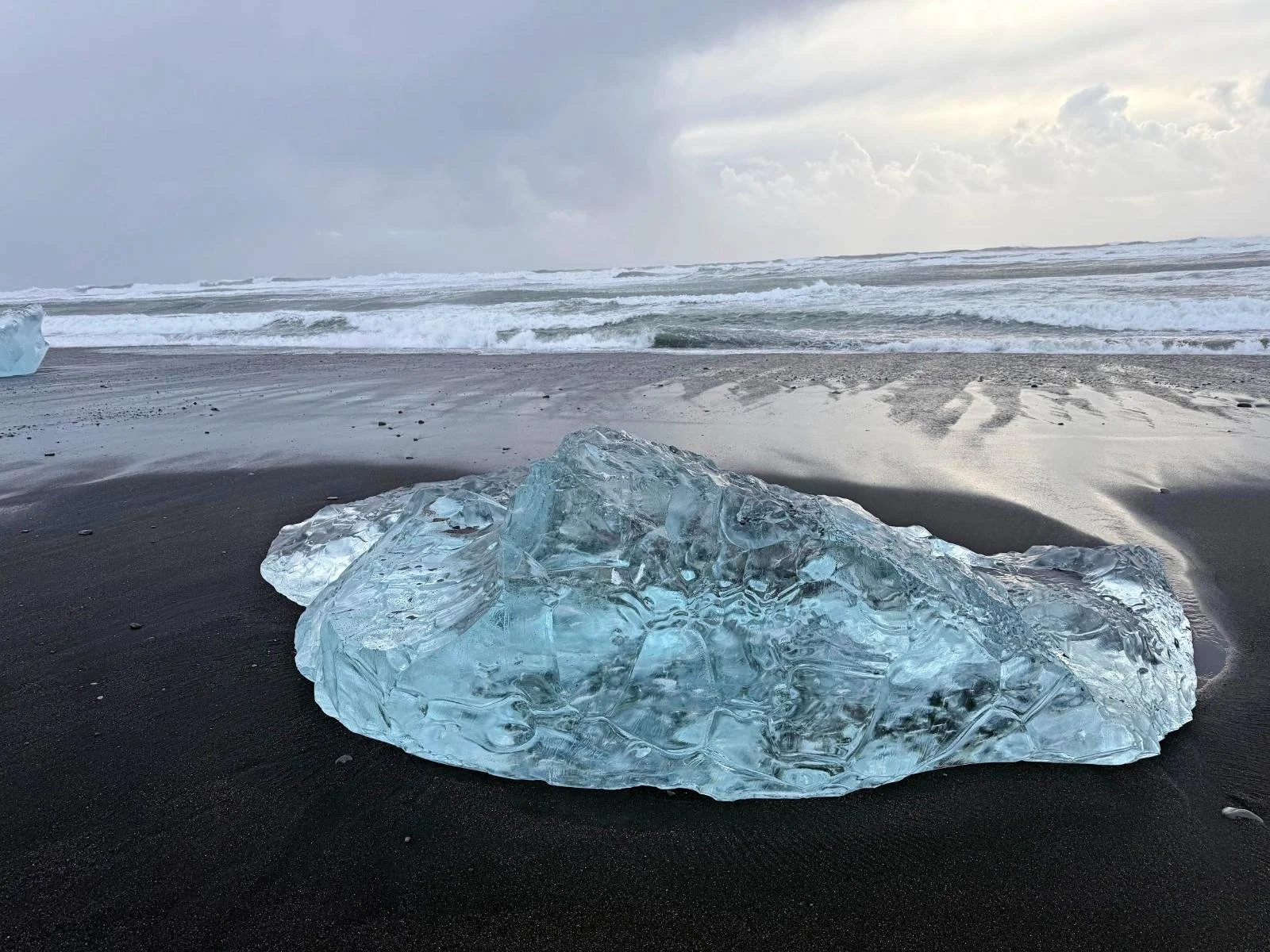
Planning a Ring Road self-drive is one of those trips that feels straightforward on paper — one road, loop it, done — until you actually try to figure out where to sleep. Iceland's Route 1 runs 1,332 km around the entire island, and even the South Coast stretch alone — from Reykjavík east to Höfn, covering the waterfalls, the glaciers, and Jökulsárlón — takes the better part of a week if you're doing it properly (and as it deserves).
This guide covers exactly that section. We've organized it by driving segment, because when you're planning a road trip, what you actually need to know is where to sleep after each day's drive. One rule before we start: book the glacier lagoon area first. Before Vík, before Reykjavík, before anything. Fewest options, highest demand, fastest sellout. If you read nothing else, remember that.
All properties here are bookable via Booking.com. Several also appear in our dedicated northern lights hotels in Iceland guide — we've flagged those below, since this stretch of the South Coast is excellent aurora territory in winter.
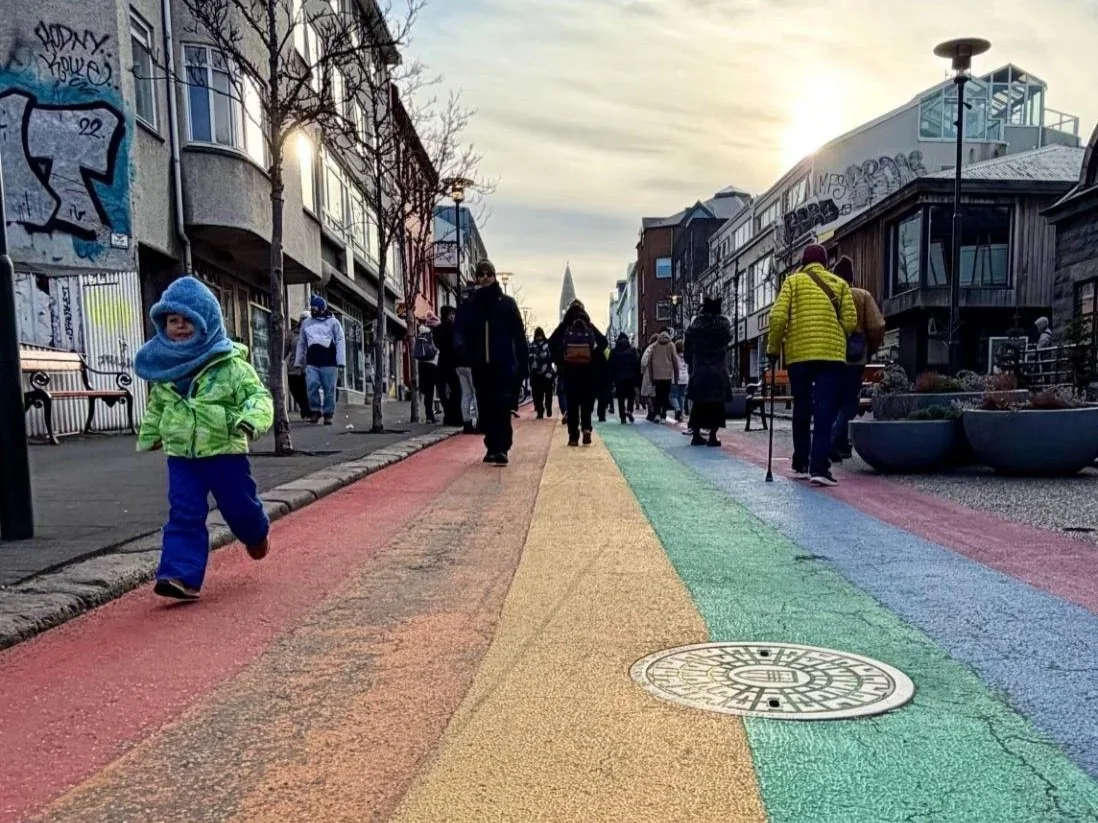
Reykjavik, as cool as it is, has earned its reputation as one of Europe's pricier capitals. A sit-down dinner for two, a round of drinks, a whale watching tour — the numbers add up fast, and they tend to go in one direction. But here's something the typical "budget Iceland" articles gloss over: Reykjavik has a surprisingly solid free list. Not "free in the sense that you're still spending on transport and food" free — genuinely, spend-nothing free.
The locals aren't eating at tourist restaurants or paying for entry to every museum. They're swimming in geothermal pools, walking the harbor, browsing flea markets, and sitting outside bakeries with a coffee and a pastry watching the light do something extraordinary to the sky. Most of that costs very little, and some of it costs nothing at all.
Here's what's actually worth your time — and your money, in the cases where a small amount is well spent.
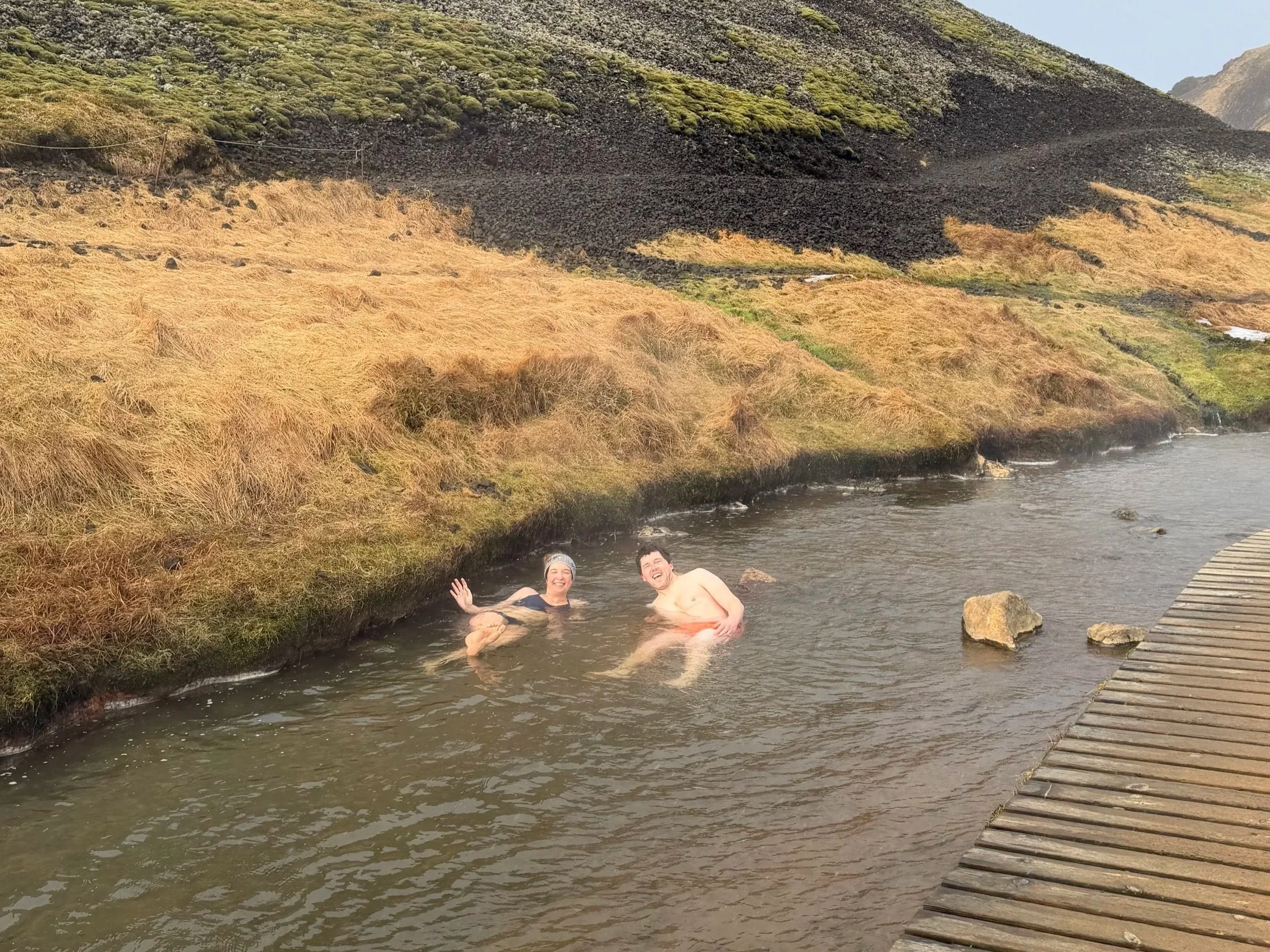
We've been to Iceland three times. The first was right after the 2008 financial crisis, when the Icelandic króna had collapsed and the country briefly became a very affordable destination. A private room in a hostel for €60. Those days are firmly gone.
If you’re wondering if Iceland is that expensive, let's be direct: Iceland is one of the most expensive countries in the world to visit. That's not a rumor or a rounding error — it's consistently near the top of the global rankings for cost of living and travel costs. A coffee will make you wince. A restaurant meal will drain your budget. The silver lining? It’s so expensive that even Norway will look cheap after it!
But here's the thing. The gap between a poorly planned Iceland trip and a well-planned one is enormous — larger than almost anywhere else. A few smart decisions on flights, car rental, food, and accommodation can cut your total spend dramatically without touching the parts of Iceland that actually matter. The volcanoes, the waterfalls, the glaciers, the northern lights — those are mostly free. What costs money is everything around them, and that's where the savings are.
Iceland has a well-worn tourist circuit. Jökulsárlón, Reynisfjara, the Blue Lagoon, Gullfoss, Geysir — these are famous for good reason, and most people see all of them in a week-long ring road loop. They're genuinely spectacular. No one's going to talk you out of visiting them.
But here's the thing: these places have become way too popular. When we first visited 17 years ago, we had them mostly to ourselves in autumn. In 2026, it’s a different story. However, for most of these spots, the best-kept secret is that you barely have to go anywhere to find something just as good with a fraction of the people. The alternatives aren't buried on some niche hiking forum. They're right there — a 10-minute walk in most cases, or a short drive at most. You just have to know to look.
This guide is for people who already have the classics on the itinerary, got tired of the crowds and want to know what else is hiding nearby. All of it is doable with a rental car and no specialist equipment. Most of it is free.
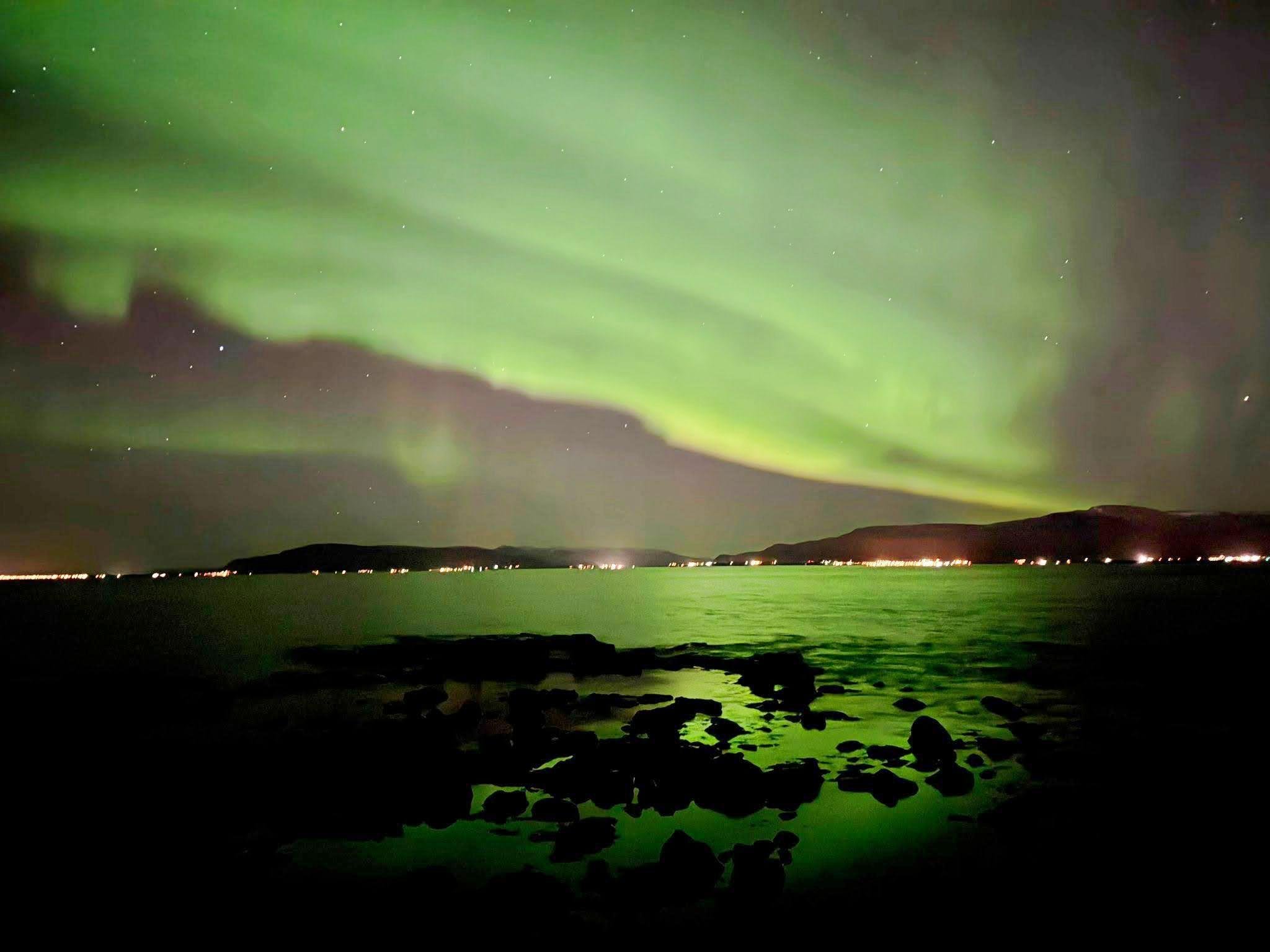
Iceland is probably the most Googled northern lights destination on the planet. And honestly? There are good reasons for that — but also a few things the average aurora guide won't tell you. If you're deciding whether Iceland is the right choice for your northern lights trip, this is the honest version of that answer.
The short version: yes, Iceland is a legitimate aurora destination, and for most people it's a brilliant choice. But it comes with a specific set of trade-offs that are worth understanding before you book. Because if you're going solely to see the lights with the highest possible odds, Iceland isn't actually your best bet. If you're going to Iceland for the full experience — and you want the lights as a bonus that will make the whole thing extraordinary — it might be the best trip of your life.
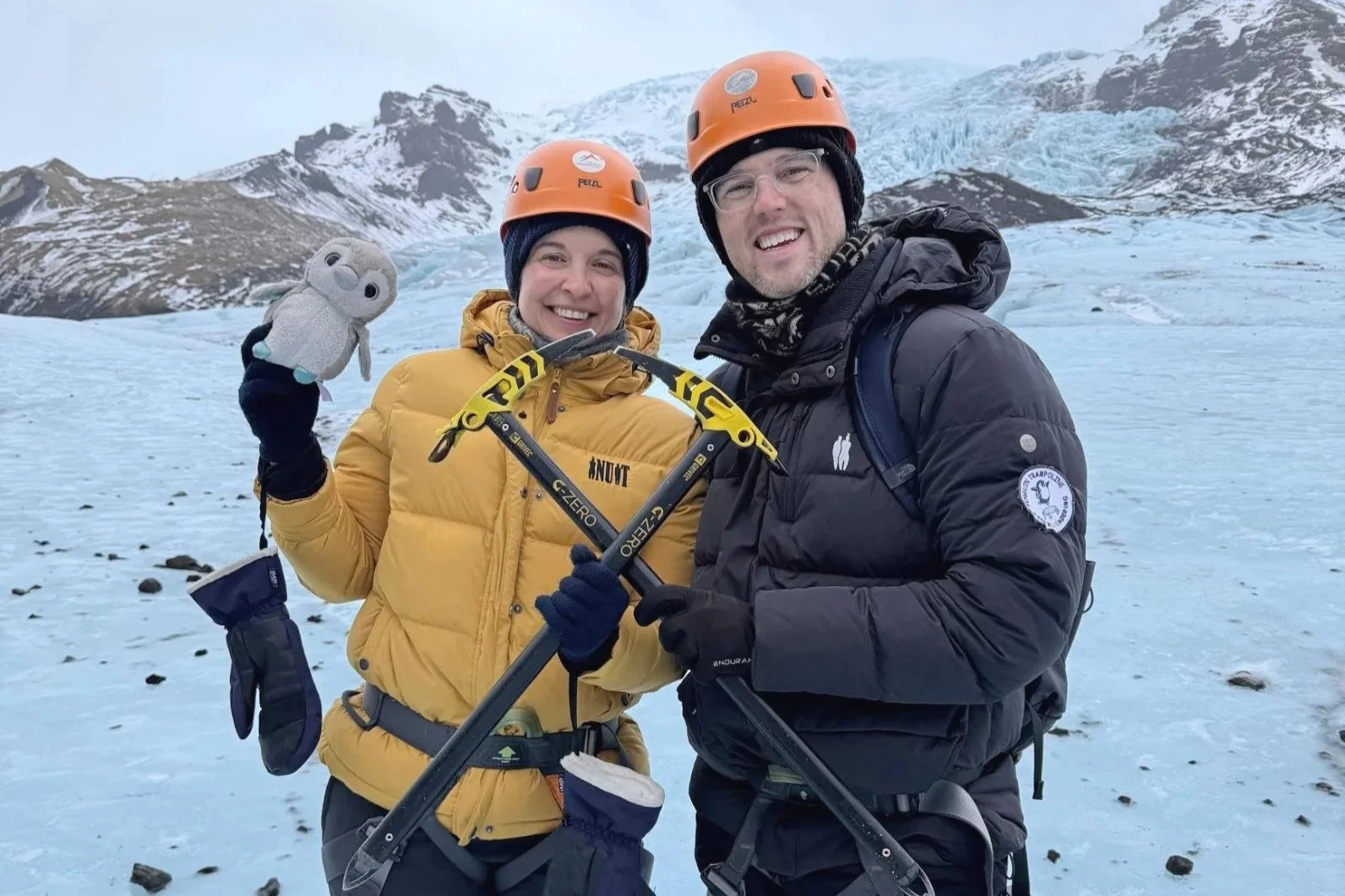
I (Eli) have walked on a glacier before. Specifically, on the Root Glacier in Wrangell-St. Elias National Park in Alaska — one of the coolest things I have ever done, literally. I came away from that trip with something I hadn't expected: a genuine obsession. Not with glaciers as a category, but with the specific, irrepeatable character of each one. They move differently, they look different, they feel different underfoot. Each glacier is like a natural museum. I will never get tired of them.
This was Jake's first glacier hike, and we both had been in an ice cave in Svalbard. And here's the thing about that: it didn't matter that I'd done it before. Walking onto Vatnajökull felt new for both of us.
We did the Ice Cave & Glacier Hike in Skaftafell with Icelandia — the tour brand of Icelandic Mountain Guides, one of the most established glacier guiding operations in Iceland, and our guide was Brook. Here’s our experience.
There's a particular type of tourist attraction in Iceland that does the same thing: ambient music, a café serving overpriced skyr, and a few hundred people in matching robes shuffling between milky pools. They're great. The views are real. But after the third one, you start to wonder if you're visiting Iceland or an influencer's photo shoot studio.
Hvammsvík is different.
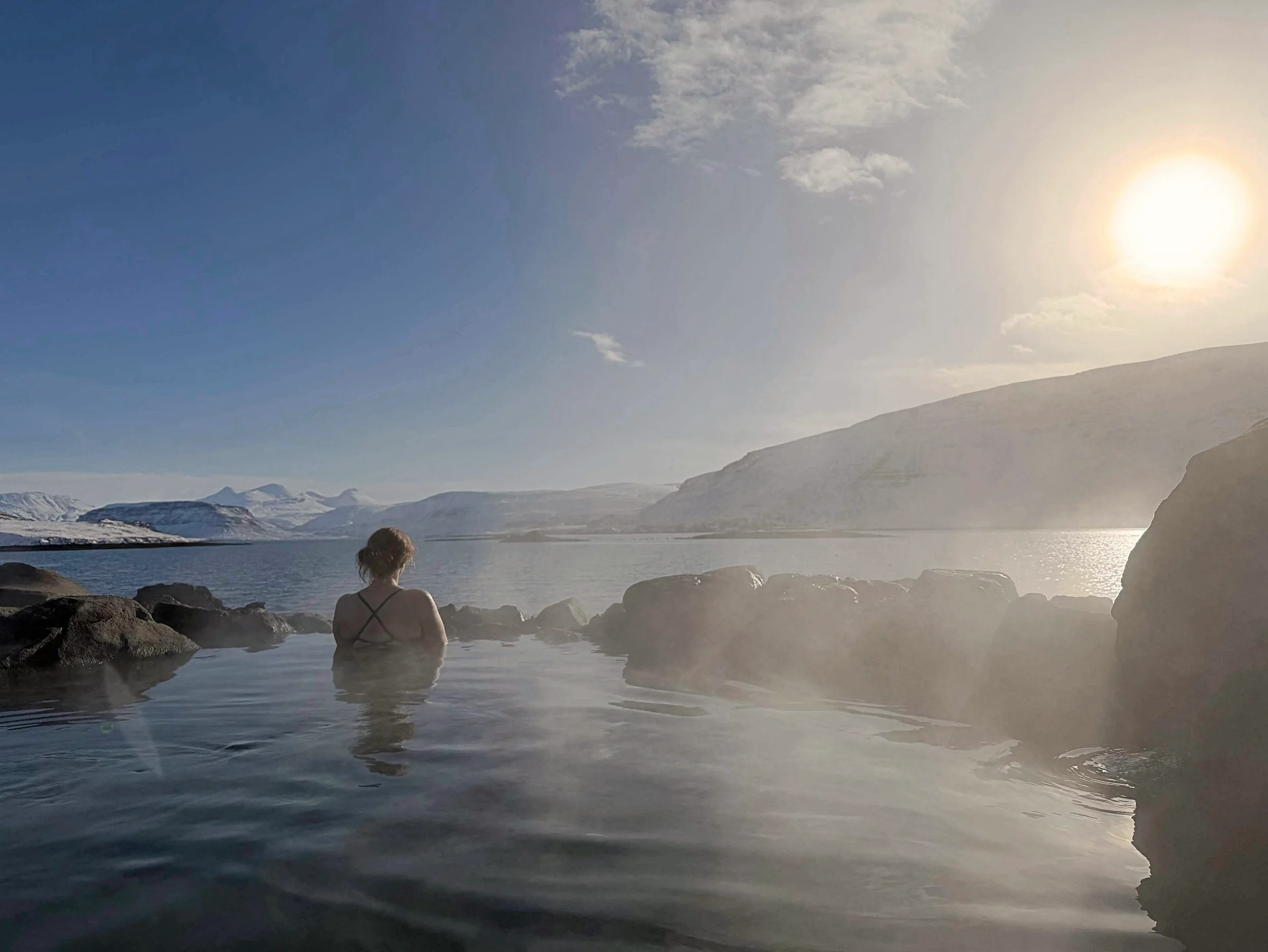
Eight natural geothermal pools cut directly into the North Atlantic shoreline of Hvalfjörður — Whale Fjord — about 56 kilometers from Reykjavík. At high tide, the lowest pools merge with the sea. There's no ambient playlist. No silica mud ceremony. No instructions to apply a complimentary face mask. Just warm water, cold air carrying salt and kelp from the fjord, mountains across the water, and — if you go on a quiet winter morning and time it right — almost nobody else there.
We went on exactly that morning. One of the better decisions we've made when choosing hot springs in Iceland.
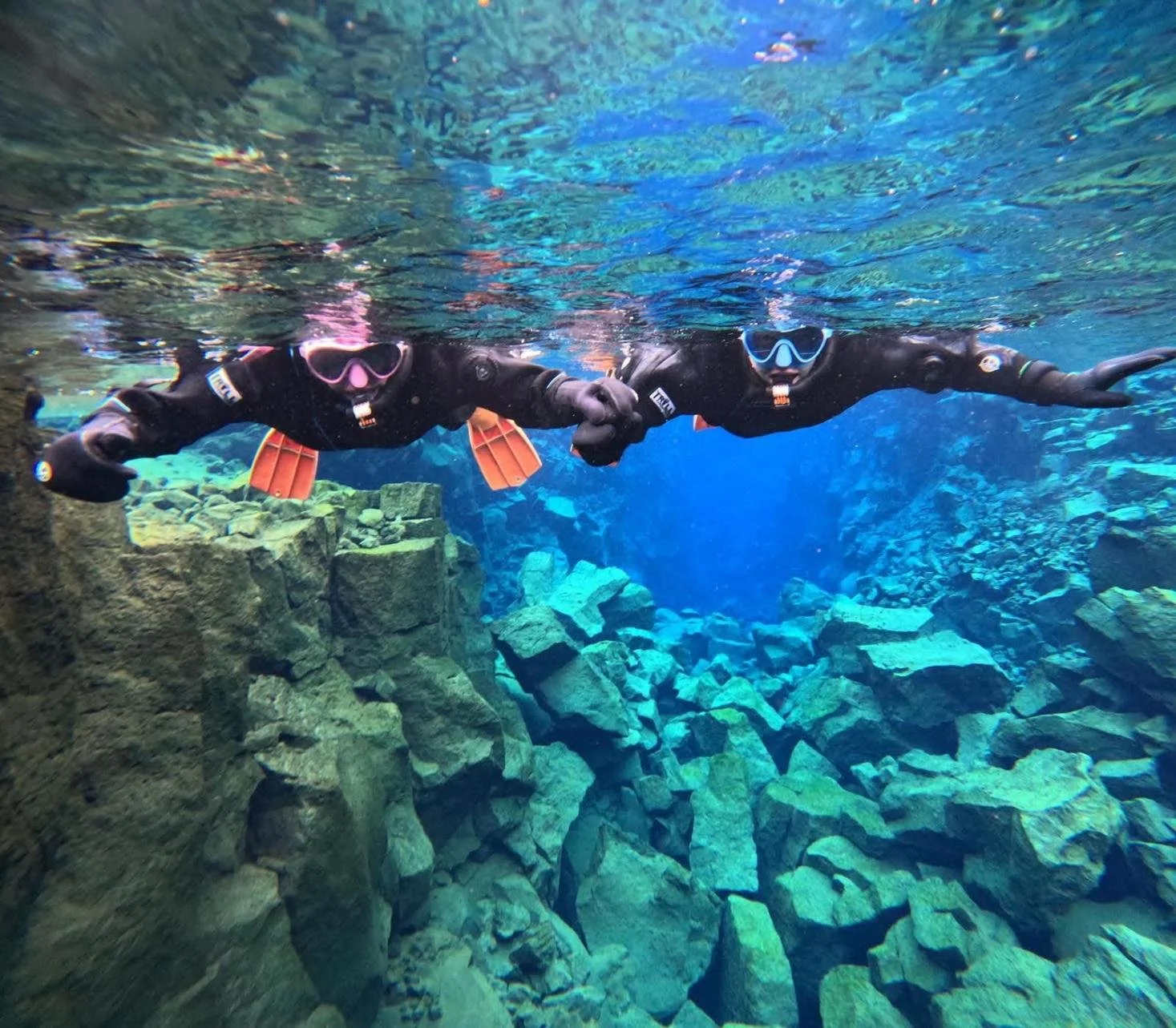
Don't go in expecting a reef. Þingvallavatn is home to three of Iceland's five freshwater fish species: brown trout (Salmo trutta), Arctic char (Salvelinus alpinus) — which has evolved into four distinct morphs in this lake alone — and the three-spined stickleback (Gasterosteus aculeatus, or hornsili in Icelandic). Thingvellir Whether you'll actually see any of them in Silfra is another matter — the water is cold, clear, and not especially hospitable, and fish tend to stay in the broader lake. But they're out there, and the sheer fact that an isolated population has had roughly 10,000 years to adapt to the specific conditions of this lava-filtered glacial environment Thingvellir makes the ecosystem feel like one more layer of quiet wonder in a place that has plenty of them.
There's a tunnel under Hvalfjörður that most people take without thinking twice. It shaves 42 kilometres off the drive north. Efficient and practical? Sure. And almost certainly the biggest navigational mistake you can make in West Iceland.
Drive around the fjord instead. And if you really want to do it properly, stay there.
Out of curiosity, I (Eli) drove around Hvalfjördur 15 years ago on my way to the Snæfellsnes peninsula and still remembered it. Quiet, empty, no tour buses, and cool road signs like “Blindhæð” and “Sheep crossing”. The kind of Icelandic landscape that makes you feel like the country is performing exclusively for you rather than for the forty people in matching rain jackets behind you at Geysir.
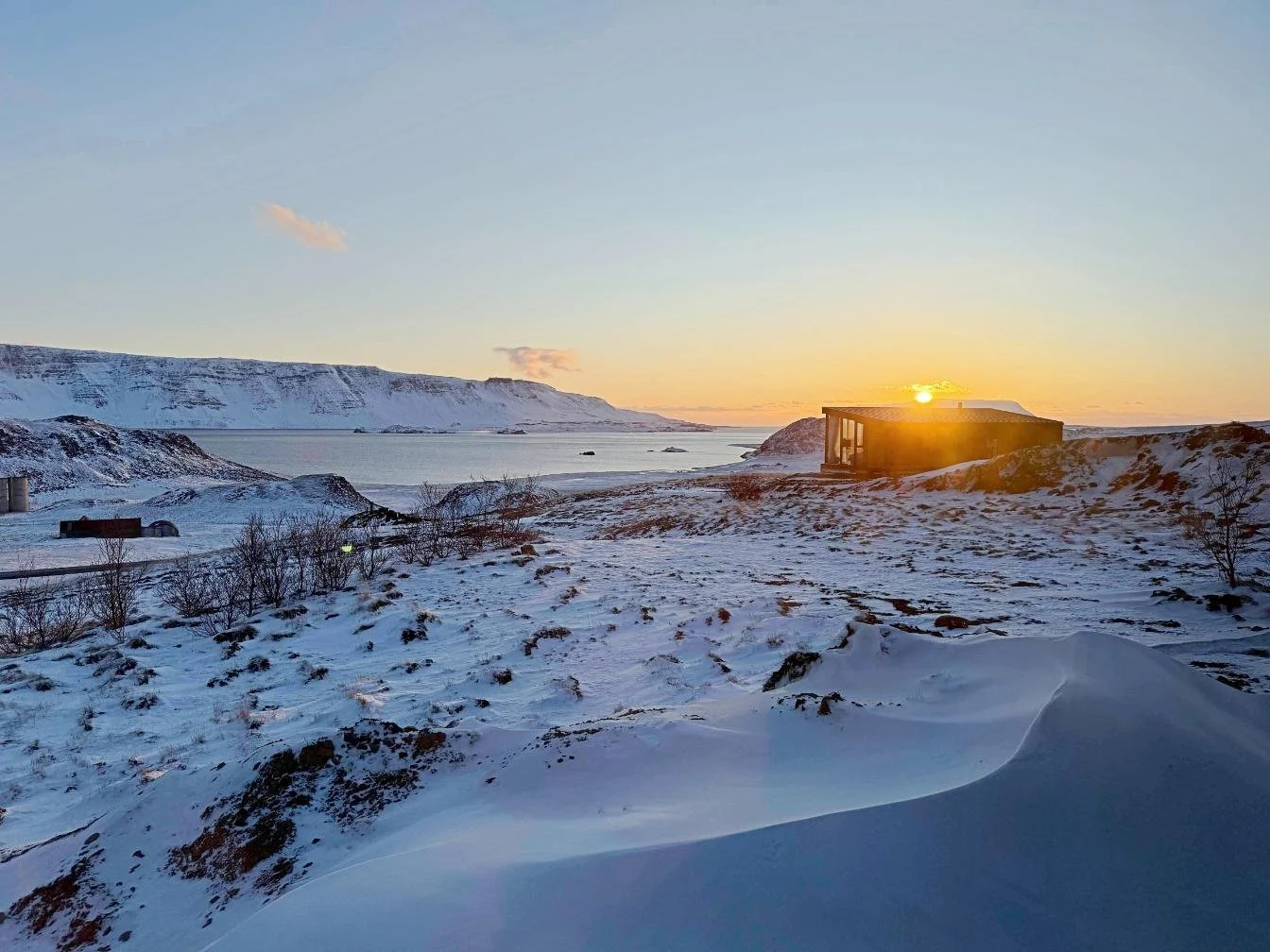
And this time, even though Iceland got way more (too?) popular, we still found exactly this: a 30-kilometre fjord flanked by mountains that drop straight into dark water, a sky that does something different every single hour of the day, and a cabin on a hillside that we didn't particularly want to leave: Brekka Retreat & Spa Suites.

Iceland does not do subtle.
The ground cracks open. Glaciers melt over volcanoes. Geysers blast boiling water into the air every few minutes to remind you of the activity underneath.
And then, in a quietly lit room in Reykjavík's harbor district, a stream of glowing orange lava — real, 1,100°C (2,000°F) molten lava — pours in front of your face while you sit in your seat, feeling your cheeks get very, very warm.
That's the Lava Show.. And yes, it's exactly as spectacular as it sounds.
We experienced it during our recent trip to Iceland, and it earned its place as one of the most fascinating things we've done in a country that is, let's be honest, already full of genuinely fascinating things.
Here's the full story — including how it works, where the lava actually comes from, and what happens when you hold a piece of Iceland's volcanic past in your hands.
Iceland is a land shaped by fire and ice. Volcanoes erupt, glaciers creep across valleys, and the wind does whatever it wants.
In that kind of environment, you need a tough companion.
Enter the Icelandic horse, one of the most beloved symbols of the country.
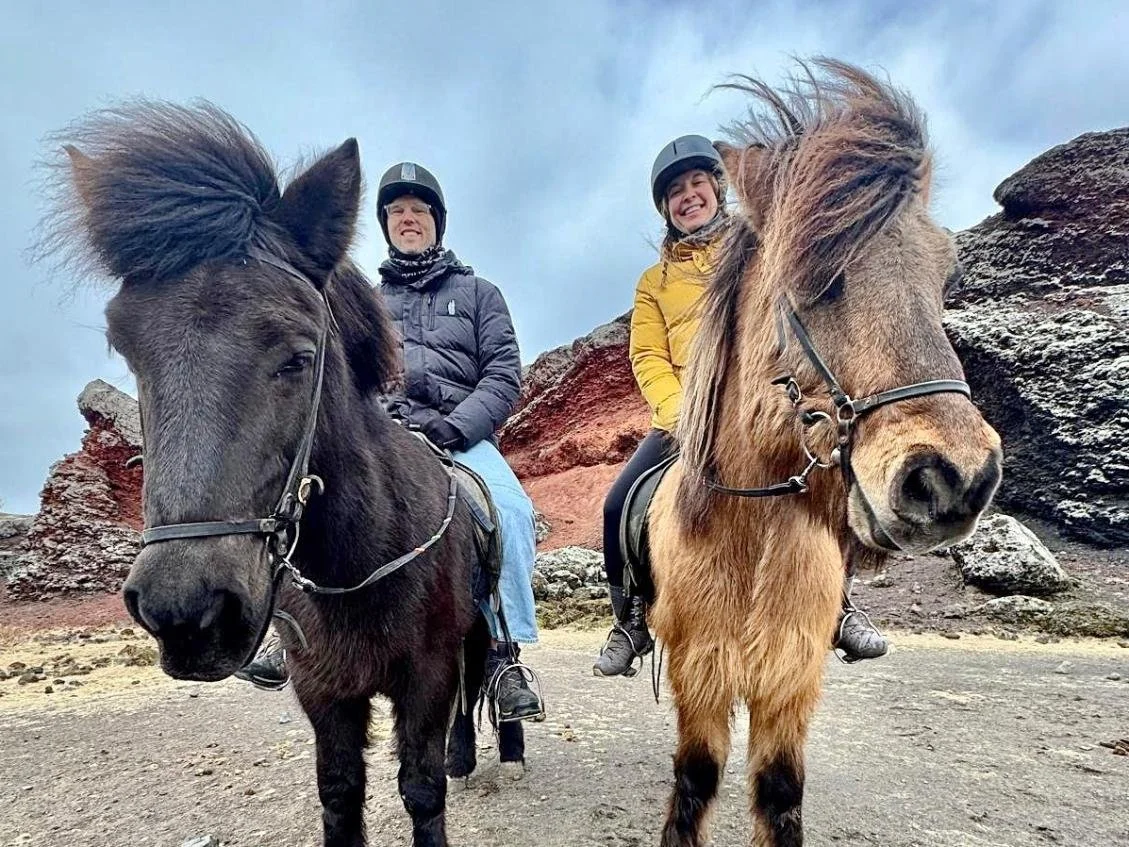
During our recent trip, we rode through the lava fields outside Reykjavík with the team at Solhestar. No crowds, no gimmicks. Just lovely horses, good guides, and miles of volcanic landscape.
And one very opinionated horse named Spirit.
Ready for the ride?
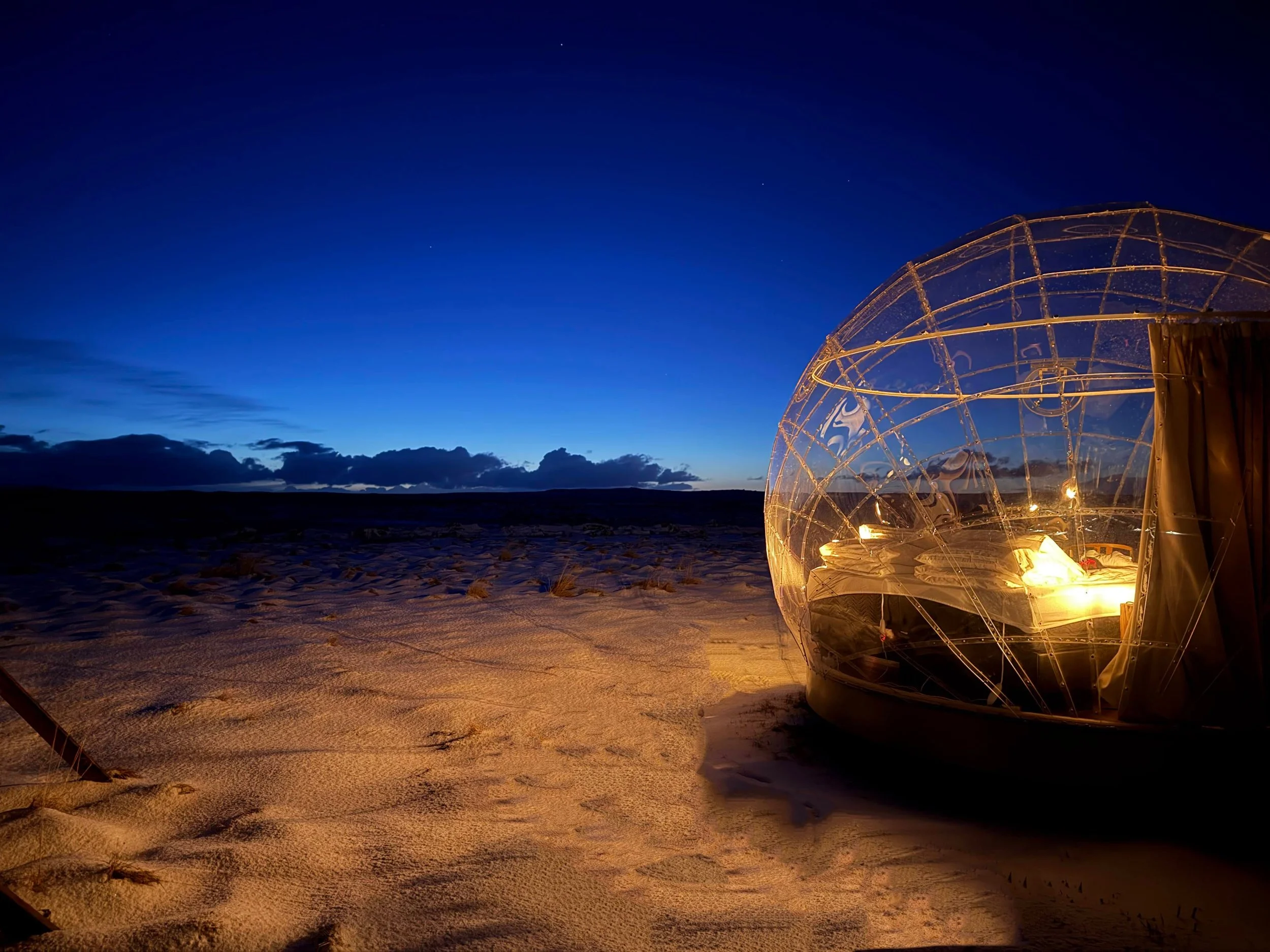
There's a particular kind of overconfidence that comes with booking an igloo in Iceland. You picture yourself lying in a warm, transparent pod, a glass of something good in hand, the northern lights pulsing overhead like the sky has been switched to a setting nobody told you about. It looks incredible on Instagram. It looks incredible in your head.
But, obviously, Lady Aurora (and nature) doesn’t work on a schedule.
We stayed at Aurora Igloo South just outside the small town of Hella on Iceland's south coast, during a night of low KP and stubborn cloud cover. We didn't see the northern lights. What we did see was a gorgeous orange sunset, followed by the kind of star-filled sky you only get when you're far enough from anything to actually notice the dark. It wasn't what we'd planned. It was still worth every minute.
This is the honest version of that stay.

Most people experience Keflavík at approximately forty miles an hour. They land at KEF, get into a transfer bus, and move toward Reykjavík without a second look. The town slides past the window like the obligatory opening credits nobody reads. A petrol station. Some warehouses. Dark lava on both sides of the road.
It's an unfortunate habit.
We arrived at Hotel Keflavik in March, at the tail end of 17 days against Iceland's winter — frozen waterfalls, snowstorms, wind that had a very clear opinion about us being outside. We were tired in the way that active winter Iceland makes you tired, which is a specific, addictive kind of tired that involves sore legs, perpetually damp base layers, and a negotiated peace with the cold. The hotel was meant to be a convenient pre-flight stop. It turned into a proper, blissful ending to the trip.
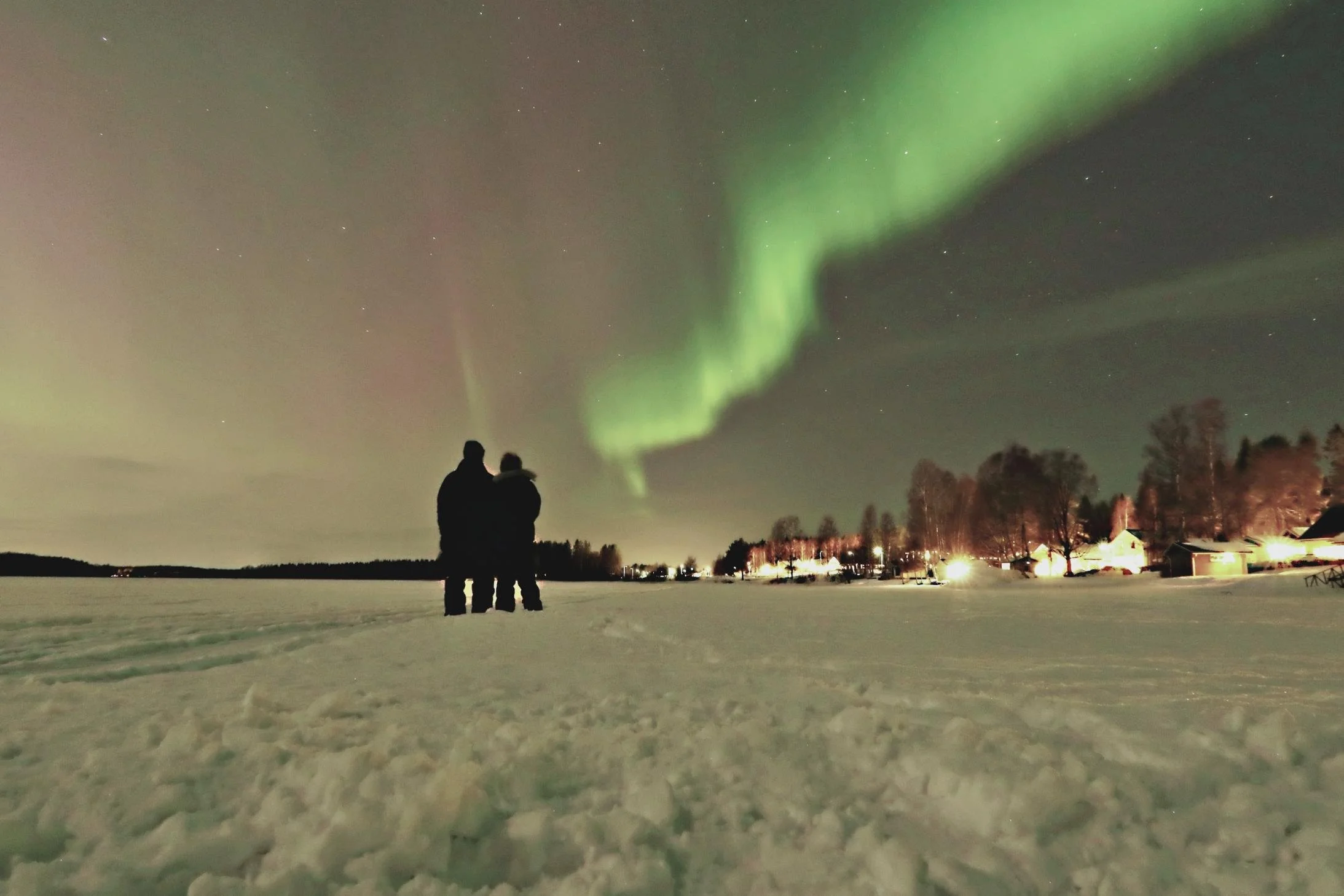
The 2025-2026 northern lights season has been exceptional so far, and one thing is clear: people aren’t just asking where to see the aurora anymore. They’re asking which kind of trip actually fits them.
Short stay or long trip?
Car or no car?
Tour or no tour?
Quiet or social?
First time or return visit?
This guide helps you choose the right northern lights destination based on your travel style, so your trip works in real life — not just on paper.
Seeing the northern lights is one of those travel dreams that feels almost mythic — until you start planning it and suddenly everything involves icy roads, late-night driving, weather stress, and rental car disclaimers written in very small print.
Here’s the reassuring truth: you absolutely can see the northern lights without a car. In many cases, it’s not just easier — it’s smarter. We’ve done it plenty of times — Luleå, Alta, Kiruna, Rovaniemi, etc. — as we usually don’t rent a car in winter.
This guide is for travelers who want the aurora without white-knuckle winter driving, missed turnoffs in the dark, or constant road-condition checks. We’ll show you how it works, where it works best, and how to choose accommodation and tours that do the heavy lifting for you.
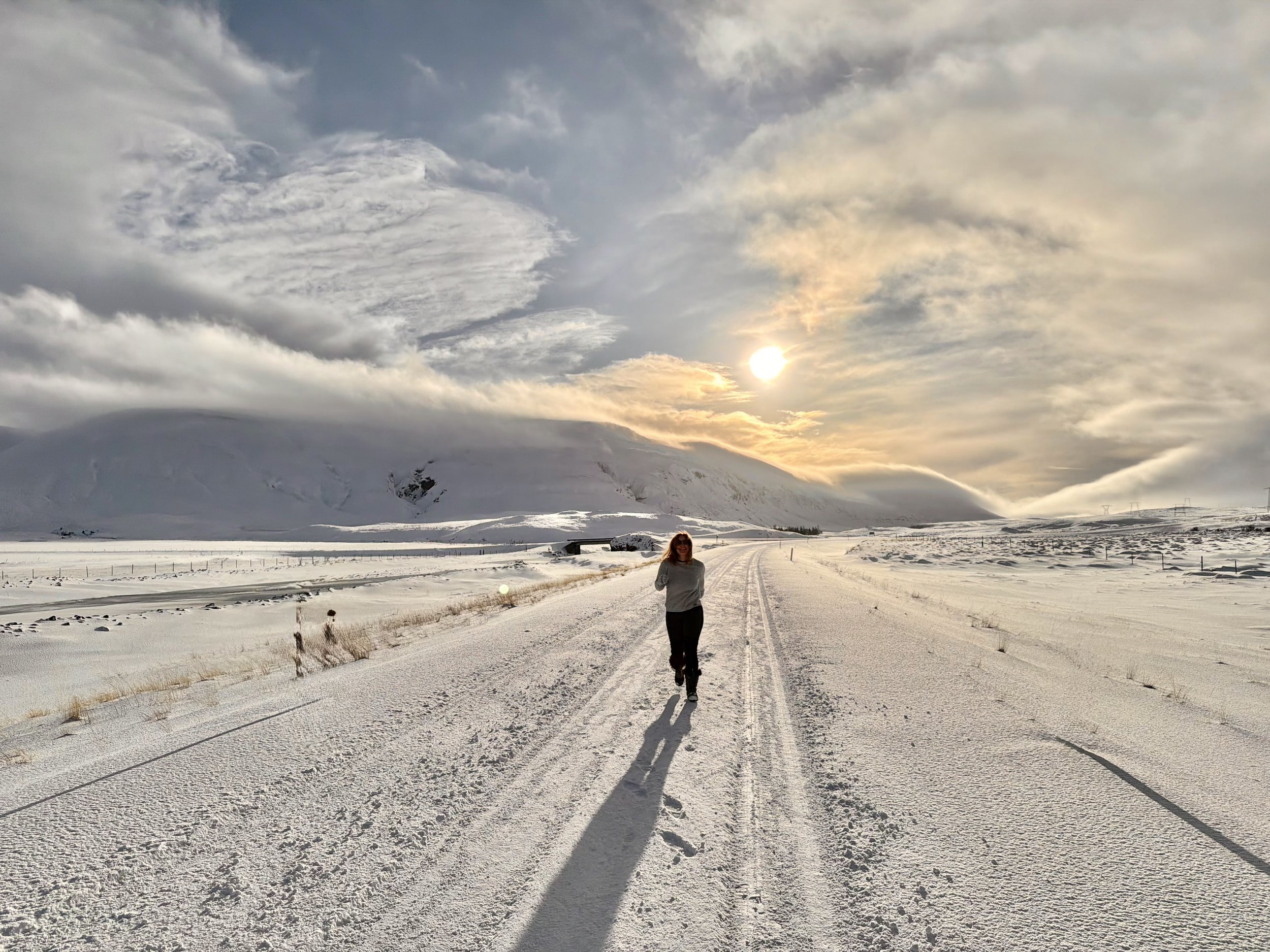
Winter in Iceland feels like a different planet. The sun barely rises, the air smells like snow and sulfur, and every drive turns into an Arctic movie scene. It’s quieter, wilder, and often cheaper than summer — fewer crowds, cheaper hotels, and the magic of the Northern Lights dancing above empty landscapes.
If you can handle icy roads and the occasional blizzard, winter rewards you with scenes so surreal they’ll make your camera battery freeze.
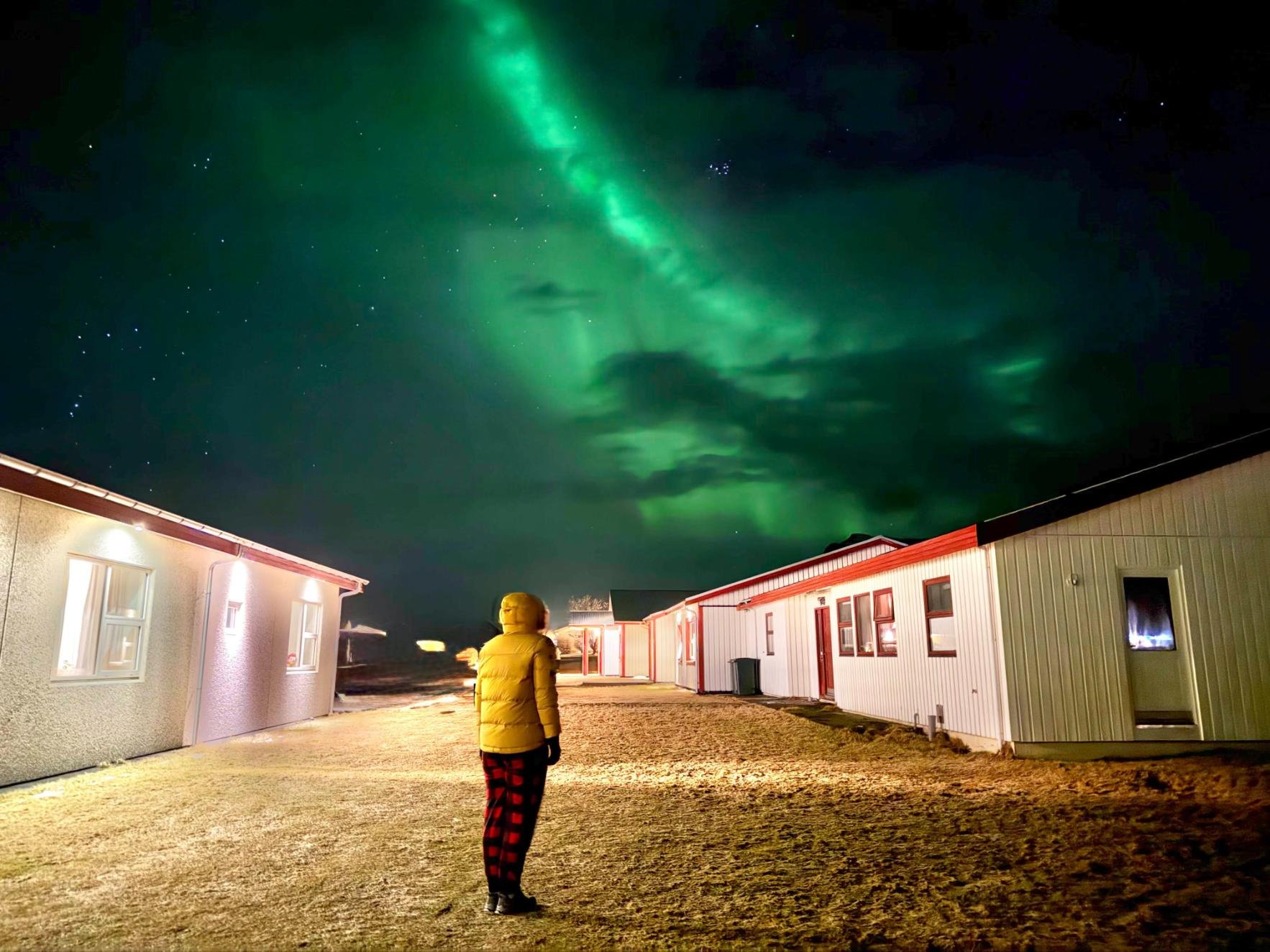
Watching the Northern Lights in Iceland doesn’t have to mean freezing outside with a tripod and a thermos. Although it has its magic and we really like it, we understand it’s not for everyone!
Some hotels let you do it the cozy way — wrapped in blankets, hot chocolate in hand, with green and pink ribbons dancing right above your bed.
We’ve picked the best Northern Lights hotels in Iceland — real places that balance comfort, location, and those once-in-a-lifetime aurora views.

You’ve seen the photos: glass igloos glowing under green skies, cozy cabins deep in Lapland, snow hotels made entirely of ice. It all looks unreal — and it is, until you find yourself standing outside at midnight, in –25°C, watching the aurora swirl above your room.
We haven’t stayed in every one of these hotels (we’re working on it, promise), but we’ve researched them, seen many in person, and talked to travelers who’ve frozen in all the right places. Here’s our handpicked list of the best hotels in Europe to see the Northern Lights in 2025, from Norway to Finland to Sweden — plus a few bonus picks in Iceland worth every chill.

Spoiler alert: Anytime is a good time to visit Iceland!
And it’s because Iceland isn’t just another travel destination; it’s like visiting an entirely different world — or even planet. I (Eli) had always dreamed of venturing through its surreal landscapes, and after experiencing it twice, I’m convinced Iceland is a place everyone should see at least once.
From surreal black-sand beaches to incredibly blue glaciers, every turn will leave you in awe. Keep reading to know more!

If you’re searching for the best places to see northern lights, here’s the short answer: northern Norway, Iceland, Finnish Lapland, Sweden’s Abisko region, Greenland, Alaska, and parts of northern Canada consistently offer the highest visibility rates. The best months run from September to March in the northern hemisphere.
The northern lights don’t understand borders (and sometimes, neither do we).
If you’ve already dreamed your way through Iceland or Norway (see our Europe guide), here’s the global bucket list: the best places in the world to chase the aurora borealis — and even its southern twin, the aurora australis.
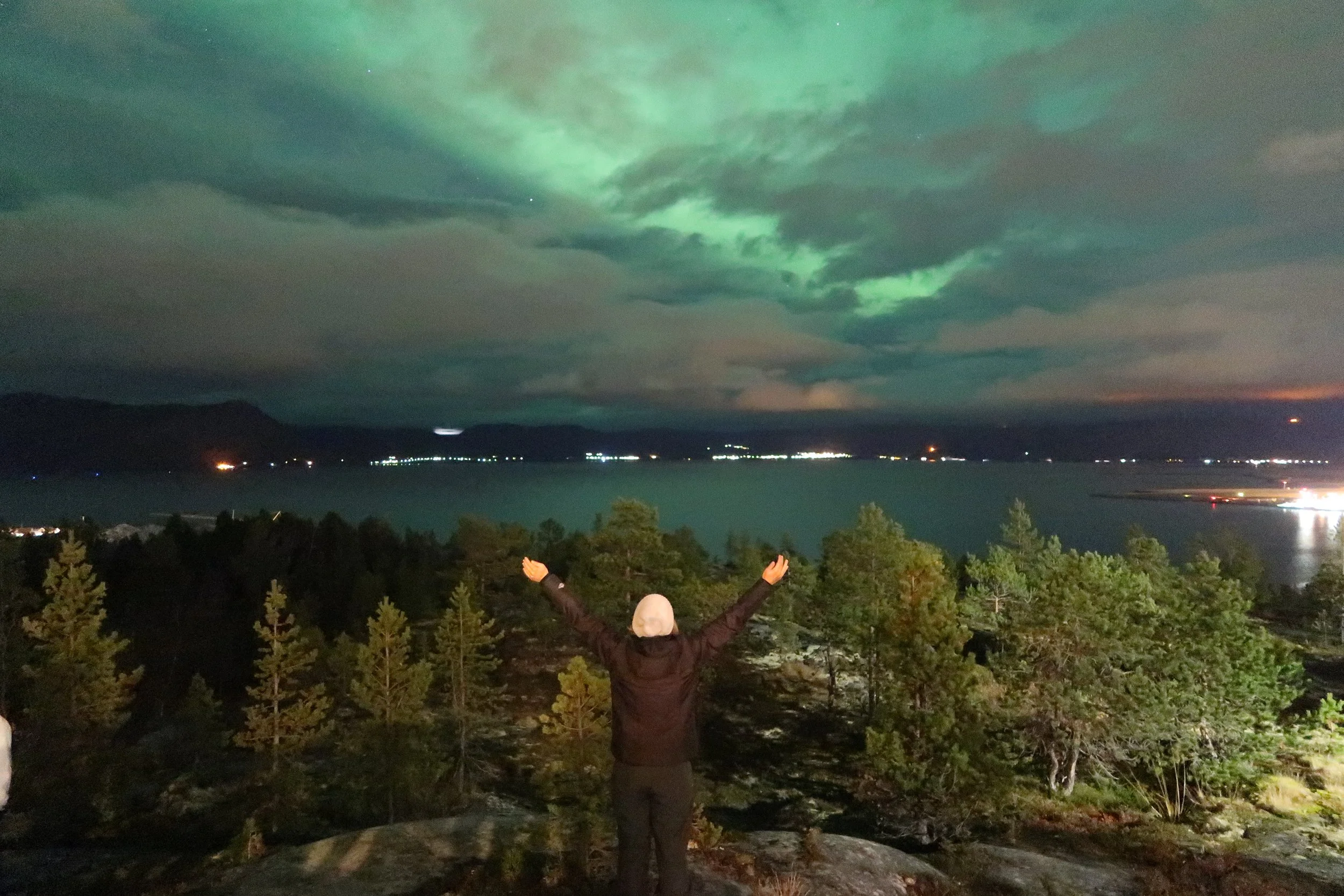
You’ve seen the photos. The swirls of green and purple. The ice hotels and starry skies. But how do you actually plan a Northern Lights trip in Europe without blowing your budget, freezing your face off, or ending up in the wrong place at the wrong time?
We’ve chased the aurora across Scandinavia and beyond — from cozy Finnish cabins to Swedish frozen lakes. We’ve waited hours in the cold, sometimes with a reward and sometimes with nothing except frostbite. We’ve tested apps, gear, and all the local tips we could get.
So, here’s our not-boring, fully practical guide to the best places to see the Northern Lights in Europe — and how to pick the one that matches your vibe.

Are you looking for a complete change of scenery for your next trip? Sometimes, there is no need to travel to the other side of the world (or to space!) for an “out of this world” feeling.
So, check out these 6 places which will make you feel like you’re on a different planet.

For nature lovers, hiking is often the nicest and most eco-friendly way to discover a country.
From day hikes to more challenging treks, there are suitable options for everyone.
We’ve picked 5 destinations which we consider ideal for hikers of all ages and levels, but there are many others to discover!

Free download
Travel Cheaper Cheat Sheet
27 tips on flights, hotels, hidden costs and more — spend less without missing what actually matters.
No spam. Unsubscribe anytime.
Frequently Asked Questions
-
The Ring Road is the backbone of most Iceland travel itineraries — it circles the entire island and gives you access to the south coast, east fjords, and north in one logical loop. Most people do it in 7 to 14 days depending on pace. If you want to get beyond the tourist trail, Northern Iceland and the Westfjords reward the extra effort. And if you want a plan built around your specific dates and travel style, we offer personal 1-hour consultations — honest advice, no agencies involved.
-
Iceland budget travel takes real planning — it's one of the most expensive countries in Europe, and costs add up fast. A mid-range traveler should expect to spend approximately $200 to $300 per day, though it's possible to bring that down with self-catering, camping, and smart accommodation choices. We have guides specifically on traveling Iceland on a budget, including free and cheap things to do in Reykjavik that are actually worth your time.
-
Yes, and it's particularly popular for solo female travelers. Iceland consistently ranks among the safest countries in the world, infrastructure is excellent, and the culture is relaxed and welcoming. The Ring Road is very doable alone — in fact, a lot of people find it's better solo, since you set your own pace and stop whenever you want.
-
Northern Iceland is quieter, less visited, and in many ways more rewarding than the south. Akureyri is the main hub, but the real draw is the surrounding landscape: Lake Mývatn, Goðafoss, the Tröllaskagi peninsula, and some of the best northern lights viewing in the country.
-
That's exactly what we try to do. Most Iceland travel content covers the same south coast waterfalls and the Blue Lagoon. Our guides go further — Silfra snorkeling, Vatnajokull glacier hikes, the Aurora Igloo, Brekka Retreat, Hvamsvikk hot springs, alternatives to main tourist spots, all written from real experience.
-
Anywhere away from Reykjavik's light pollution on a clear night. Northern Iceland gives you the best odds combined with the least crowds — the skies are darker and the aurora season is long. We've put together a full northern lights Iceland guide with the best spots, best time, and what to realistically expect.
Don’t get us wrong: we love Iceland. We first went 17 years ago, in fall, and had the waterfalls, black sand beaches and hostels all to ourselves. We came back twice, and our latest trip in 2026 was way too busy for our taste, even in winter. The country has also become very, very expensive! Since then, the question we get most from friends and readers is some version of this: Where to go instead of Iceland, if I don’t wan crowds or crazy prices?
This is our answer, and every place on it is somewhere we have been. Some are for the northern lights, some are remote islands, and two are for anyone whose favorite part of Iceland was sitting in hot water while the ground steams around them.