
Iceland in Summer: Weather, Things to Do & What to Actually Expect
Midnight sun, puffins, open F-roads, but also crowds — here's what summer in Iceland is really like.
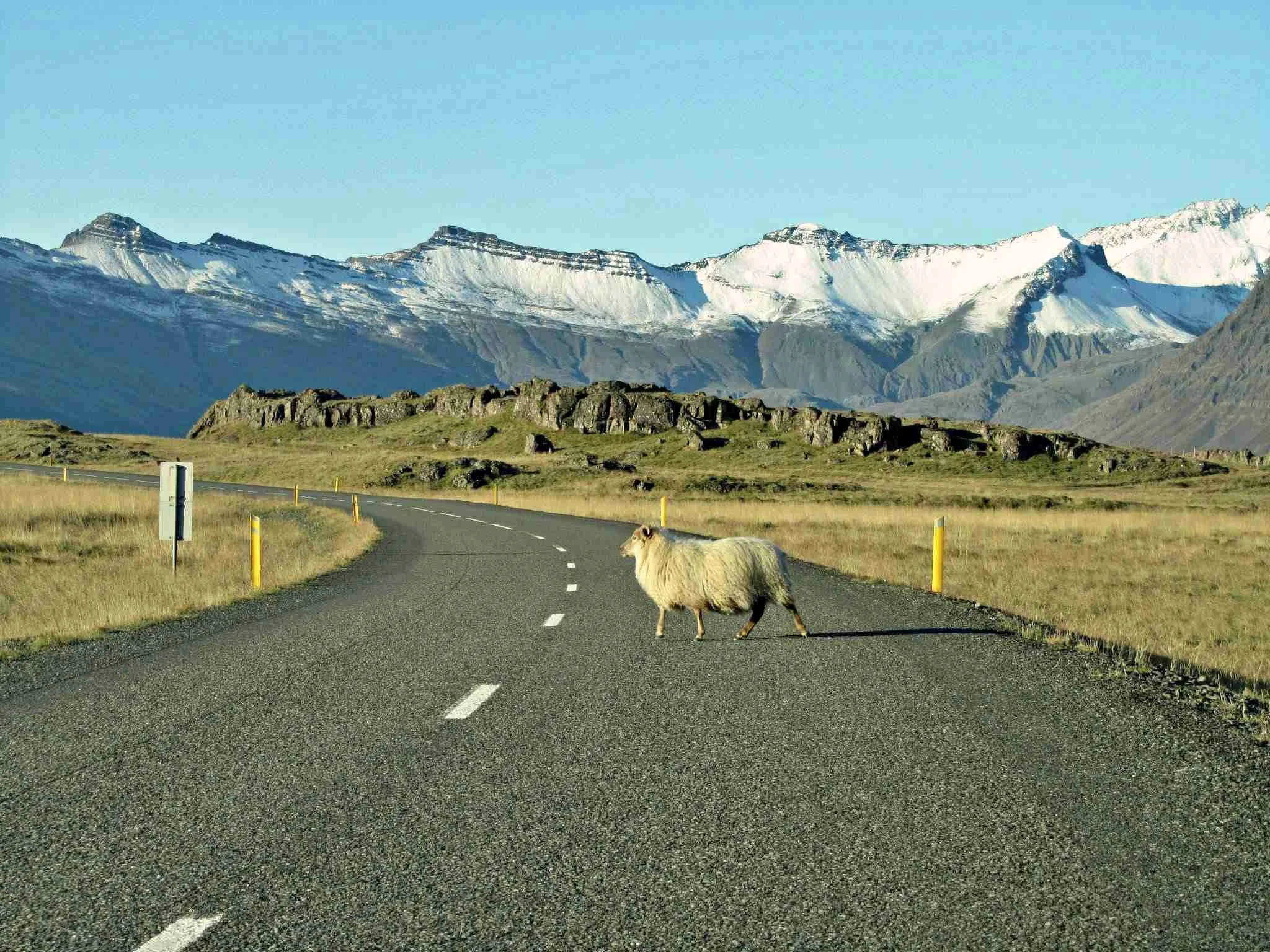
Summer driving is safer than winter driving… but drive slow, sheep own the road! — Here on our way to Skaftafell
Last update: August 2026
A lot of people associate Iceland with winter — northern lights, frozen landscapes, the darkness. We've been to Iceland in every season, and loved each one of them. Iceland in summer is a completely different country than in winter, and in a lot of ways a more surprising one.
Roads that are impassable for eight months of the year become accessible. Puffins arrive. Whales move closer to shore. The sun barely sets, which messes with your sleep and your sense of time in the best possible way. And, if you know where to go, you can escape the crowds. We won’t sugarcoat it, though: popular highlights will be busy (explore our alternatives to Iceland’s main tourist spots here).
This is the summer Iceland most guides skip: the highland interior, the things that only exist between June and August, and what the weather is actually going to do to your plans.
🛌 Where to stay:
• Brekka Retreat, Hvalfjörður — we stayed here. Private sauna and hot tub, near Reykjavík.
• Aurora Igloo South, Hella — we stayed here. Transparent walls, heated beds, open sky, bring s sleeping mask in summer.
• Hotel Keflavik — we stayed here. Solid value right by the airport, good base for the South Coast.
🇮🇸 Top experiences:
• Silfra snorkeling tour, Þingvellir — we did this one. Snorkeling between two continents in glacier water with visibility past 100 meters.
• Glacier tour, Vatnajökull — blue ice on Europe's largest glacier. The one we did.
• Hvammsvík Hot Springs — one of our favorites. Natural geothermal pools right on a fjord, the view changes as the tide does.
🚗 A car is essential in Iceland. Book yours here — the whole country opens up once you leave Reykjavík.
Quick navigation: Summer weather · Midnight sun · Things to do · Tips · FAQ
What are the best things to do in Iceland in summer? Short answer
Summer in Iceland means the highland interior opens up, puffins arrive, and the sun barely sets from late May through July. The F-roads — unpaved 4WD-only highland tracks — are closed most of the year and unlock landscapes like Landmannalaugar's rainbow rhyolite mountains and Kerlingarfjöll's geothermal valleys that most Iceland visitors never see.
Outside the highlands, the main summer activities are puffin watching (Iceland has around 60% of the world's Atlantic puffin population), whale watching from Húsavík or Reykjavík's Old Harbor, hiking routes like Fimmvörðuháls and the Laugavegur trail, glacier tours on Vatnajökull, snorkeling the Silfra fissure in Þingvellir, and riding Icelandic horses.
Temperatures average 9–15°C — mild but unpredictable, always pack waterproofs. No northern lights in summer; aurora season returns by mid-August.
Iceland summer weather — what to actually expect
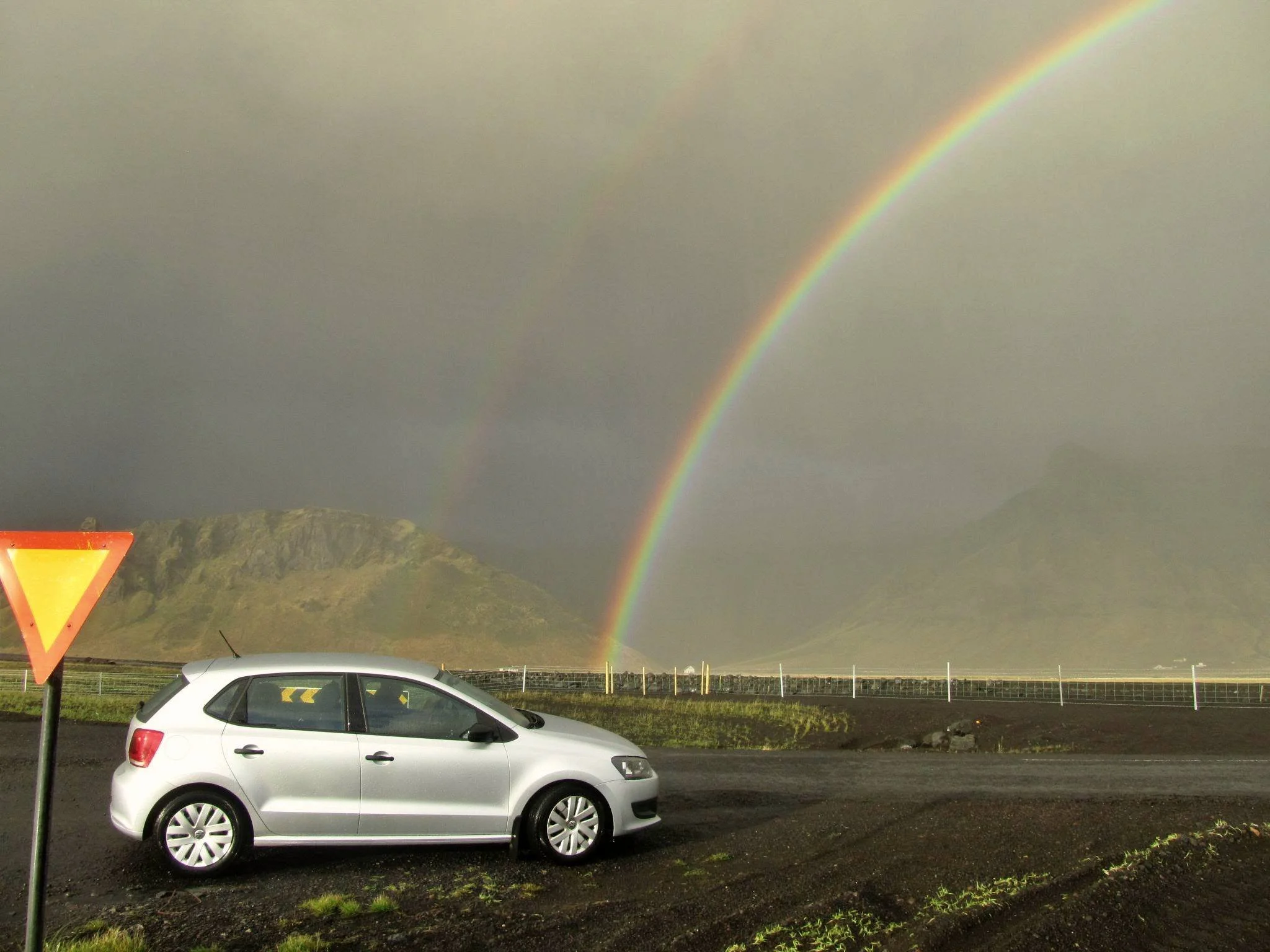
Weather changes so often and fast that rainbows pop up all the time! Here at Dyrhólaey
Let's start with the thing everyone searches first and no one wants to hear: Iceland's summer weather is genuinely unpredictable. The same week can give you 20°C sunshine and a North Atlantic storm. Layers, waterproofs, and zero attachment to a fixed daily plan are not optional.
That said, summer is Iceland's warmest and most stable season. July is the warmest month, with average temperatures around 11–13°C in Reykjavík — occasionally spiking to 20°C or more on clear days. June and August are slightly cooler but follow the same pattern.
| Month | Average temp | What to expect |
|---|---|---|
| May | 6–10°C | Quiet, green starting to appear, some F-roads still closed |
| June | 9–13°C | Midnight sun peaks, puffins arrive, highland roads opening |
| July | 11–15°C | Warmest month, all F-roads open, peak season |
| August | 10–14°C | Crowds thinning, first aurora possible by late month |
| September | 6–10°C | Shoulder season, northern lights return |
One thing that catches people off guard: even on warm days, the wind changes everything. Iceland's summers are not Mediterranean summers. A 15°C day with wind and rain feels closer to 8°C. Pack accordingly — always.
The midnight sun — and what it does to you
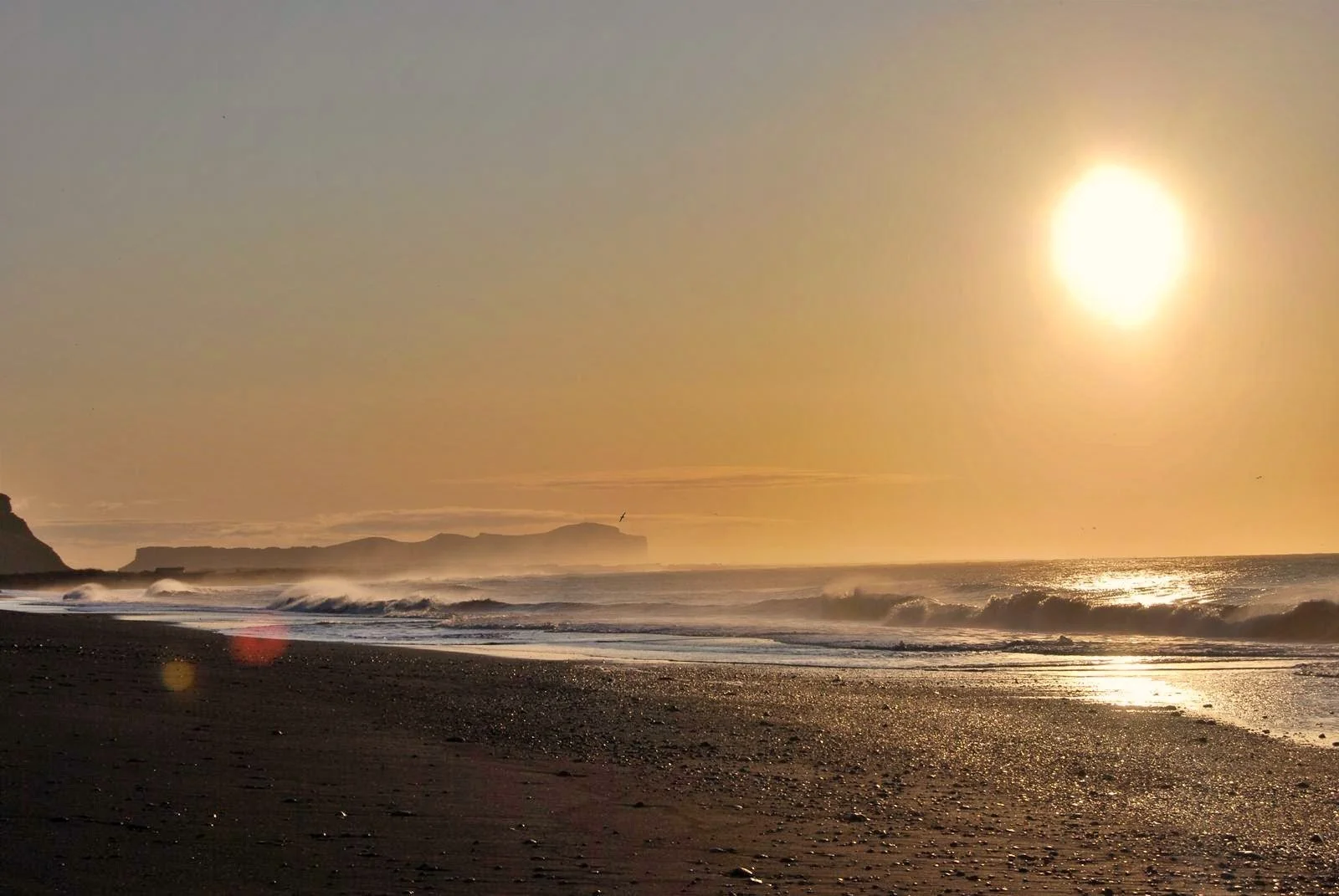
Magical glow in Vík (we included this beach in our favorite beaches in Europe)
Around the summer solstice (June 20–21), Reykjavík gets around 21 hours of daylight and the sun barely dips below the horizon. It doesn't get dark. It gets a deep, golden, slightly surreal almost-dark for a couple of hours around midnight, and then the sky brightens again.
This is magical but also disorienting. We've heard the midnight sun described as "jetlag you chose" — your body loses its reference points entirely. By day three you'll be eating dinner at 11pm without thinking about it because it looks like 6pm outside. It’s super weird to see empty streets in bright daylight, especially in the city!
Practical note: Bring a good sleep mask. Icelandic hotels know about this and most have blackout curtains, but if you're camping or staying anywhere rustic, you'll need help getting your brain to understand that it's bedtime.
The midnight sun window runs roughly from late May through late July. By mid-August, darkness starts returning — and with it, the first realistic chances of seeing the northern lights again (read our guide to the best time to see the aurora in Iceland). If you're visiting in late August specifically, you're in an interesting window: long days, the tail end of summer activities, and the very beginning of aurora season.
Things to do in Iceland in summer

Our mascot Mac is enjoying Vatnajökull as much as we do!
Drive the F-roads and the highland interior
This is the biggest summer-only reason to visit Iceland. The F-roads — unpaved highland tracks requiring 4WD with genuine high clearance — are closed from October to June and sometimes later depending on the year. When they open, they unlock a version of Iceland that feels completely separate from the Ring Road experience.
Landmannalaugar, in the southern highlands, is one of the most otherworldly landscapes we've seen anywhere: rainbow-coloured rhyolite mountains, natural hot springs, and hiking trails that look like another planet. Kerlingarfjöll, further north, is the other major highland destination — geothermal valleys, steam vents, and almost nobody. You need a proper 4WD hire, river crossings are real, and you should check road conditions at road.is before setting out.
Browse cars and 4WD in Iceland.
Watch puffins
Iceland is home to roughly 60% of the world's Atlantic puffin population, and they're here specifically in summer — arriving in May and leaving by August. They nest in cliffs around the country, with the best accessible viewing around the Westman Islands (Vestmannaeyjar), the Látrabjarg cliffs in the Westfjords, and Borgarfjörður Eystri in East Iceland.
Puffins are genuinely chaotic and entertaining birds. Watching a hundred of them crash-land into a clifftop colony at full speed is one of those things that's funnier than any wildlife encounter has a right to be.
The best way to watch them without bothering them is a puffin-watching tour.
Go whale watching
Summer is the best season for whale watching in Iceland — humpbacks, minkes, and blue whales (the largest animals on Earth) move closer to shore following fish migrations. Whale watching tours operate from Reykjavík's Old Harbour and from Húsavík in north Iceland, which has the highest success rate and is worth the detour if whales are a priority.
Explore puffin and whale watching tours:
If you fall in love with these Arctic giants, you can actually follow one’s journey through our partner Fahlo — their Whale Bracelet supports marine research and lets you track a real whale’s migrations across the North Atlantic. You can also follow other Icelandic wildlife like dolphins and seals!
💙 🐋 Our readers get 20% off through this link: Track a real whale with Fahlo
Go hiking
Summer is peak hiking season in Iceland, and the options span every level of ambition. The Fimmvörðuháls trail — connecting Skógafoss waterfall with Þórsmörk through the lava field from the 2010 Eyjafjallajökull eruption — is one of the most dramatic day hikes in the country. The Laugavegur trail, Iceland's most famous multi-day route, runs from Landmannalaugar to Þórsmörk through a landscape of hot springs, obsidian fields, and glacial rivers. Around Snæfellsnes, the trails around the glacier-capped volcano offer coastal and highland hiking in the same day. And in the Westfjords, the Hornstrandir Nature Reserve is as remote as hiking gets in Europe — no roads, no services, and almost no one.
Whatever the level, proper gear and realistic weather expectations matter more in Iceland than almost anywhere else. Iceland's backcountry can turn fast, and remote trails put you far from help. Our travel insurance for Iceland guide covers exactly what hiking and evacuation coverage you need before you set off.
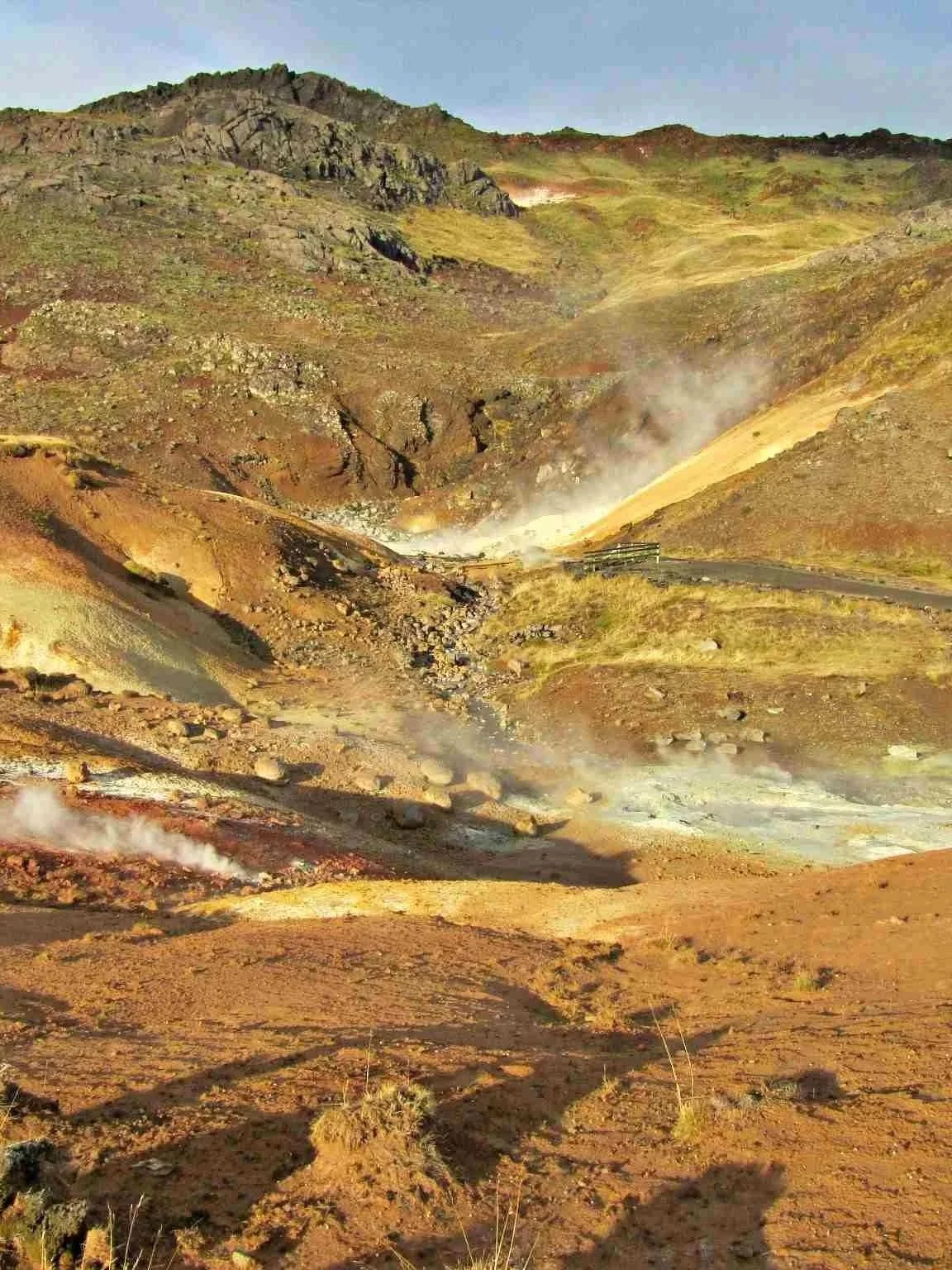
Did you know?
Iceland's interior highland — accessible only in summer — covers roughly a third of the country. It's one of the largest uninhabited wilderness areas in Europe. No permanent settlements, no services, roads that are more suggestion than infrastructure. It's the closest thing to true wilderness you can drive to in Europe, and most visitors to Iceland never see it at all.
Hike or take a glacier tour on Vatnajökull
Glacier hiking is possible year-round, but summer access is significantly better — more tour options, longer daylight for safety, and the landscape around the glacier edges at its most dramatic. We did this in winter and it was extraordinary, with the ice cave bonus. No ice caves in summer, but it adds the contrast of green against the ice.
We've written about our experience with Icelandic Mountain Guides on Vatnajökull in detail.
Compare glacier hike tours:
Snorkel Silfra in Þingvellir
The fissure between the North American and Eurasian tectonic plates, filled with glacial water so clear you can see 100 metres ahead. Water temperature stays around 2–4°C year-round regardless of season, so a drysuit is non-negotiable and provided by any reputable operator. Summer adds easier logistics and longer days.
We swam it in winter and wrote about it if you want the full picture: Silfra snorkeling between two continents, and you can compare Silfra tours here.
Ride Icelandic horses
Icelandic horses are a breed apart — literally. They've been isolated on the island for over a thousand years and developed a fifth gait, the tölt, that's unique to the breed. Smooth, fast, and unlike any horse riding experience elsewhere. We rode across lava fields outside Reykjavík and understood immediately why Icelanders treat these animals with something close to reverence. You can read about our horsebackriding experience in Iceland here, and compare tours here depending on your experience level and preferences.
Tours run year-round but summer adds trail variety and the highland options.
Soak in Hvammsvík hot springs
Not the Blue Lagoon (although it’s awesome yearound, but got a bit too popular and expensive for our taste…). Hvammsvík sits in a fjord in Hvalfjörður, north of Reykjavík, and offers a wilder hot spring experience — pools at the fjord's edge, no megahotel infrastructure, and a setting that actually looks like Iceland rather than a luxury spa brochure. We reviewed it: Hvammsvík — the one that actually feels wild.
For more things to do year-round, read our guide: Best time to visit Iceland & things to do.

Penguin tip:
Iceland's most famous summer spots — Seljalandsfoss, Skógafoss, Jökulsárlón — are spectacular… and packed in July. We wrote about quieter alternatives to Iceland's tourist spots specifically because the originals are sometimes more car park than wilderness in peak season. Go early morning (6–7am) or late evening for the famous ones, and use our alternatives guide for everything else.
Where to stay in Iceland in summer
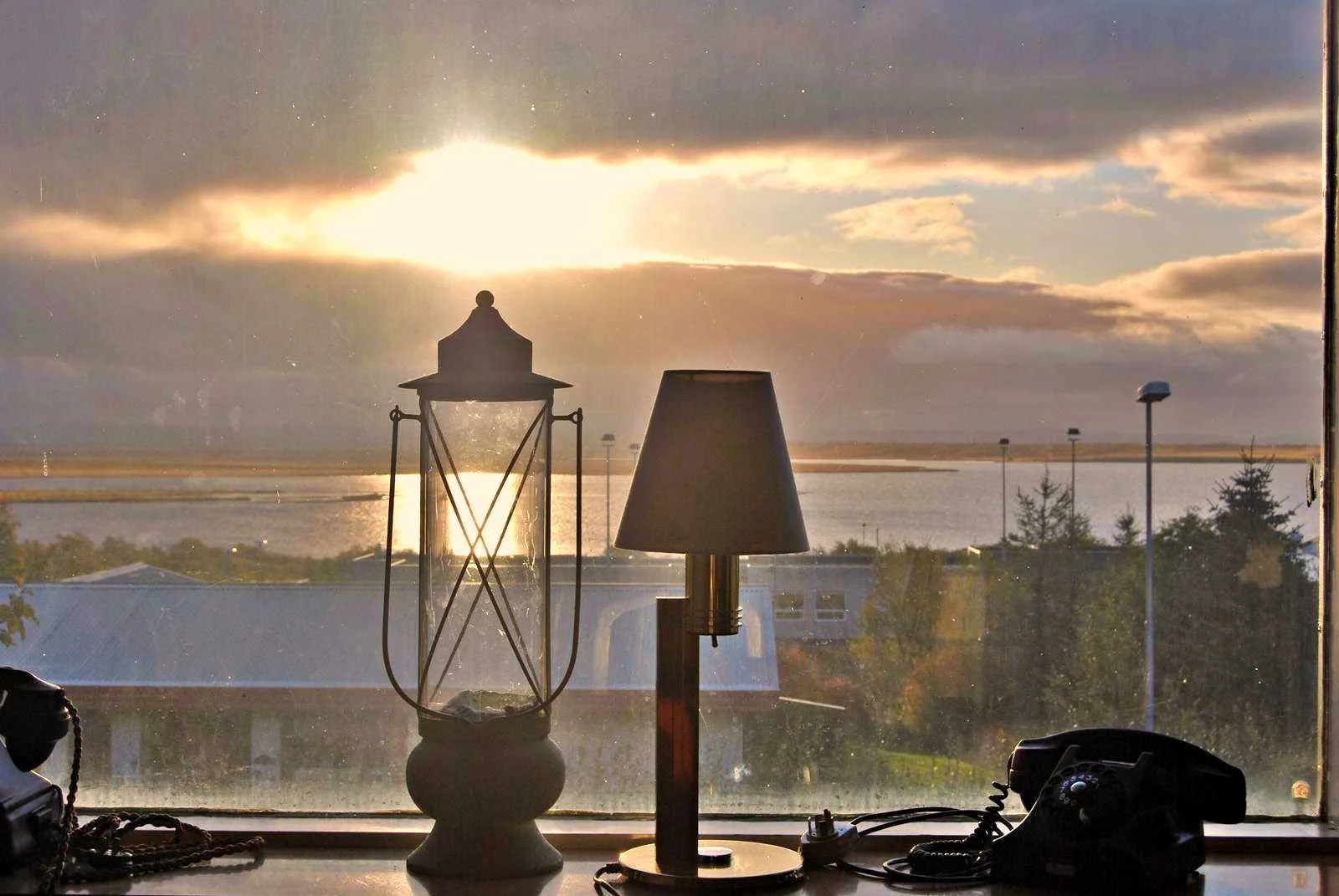
View from our guesthouse in Laugarvatn
Summer accommodation in Iceland books out fast — especially anywhere along the Ring Road and in the highlands. The countryside guesthouses, farm stays, and small lodges that make Iceland worthwhile are mostly small properties with limited rooms, and July in particular fills up months in advance.
For nature lovers, many of the hotels we recommend for northern lights viewing work just as well as summer bases — they're countryside properties chosen specifically for their remote settings and access to dark, open landscapes. Our best northern lights hotels in Iceland guide is worth reading even if aurora isn't your reason for going. For the Ring Road specifically, we've put together a full breakdown of where to stay from Reykjavík to Höfn in our Ring Road accommodation guide — including which sections book out earliest and which areas have the most limited options.
Zoom in on the map below to explore hotels, cabins, guesthouses and apartments in Iceland:
Summer in Iceland vs winter — which is better?

No matter which season you choose, snorkel in Silfra if you can!
Completely different trips. Winter gives you the northern lights, dramatic snow-covered landscapes, and a raw, dark atmosphere that's hard to find anywhere else. Summer gives you the highland interior, puffins, whale watching, long hikes, and that disorienting golden midnight light. It’s also a safer and easier choice for an Iceland road trip, especially with a campervan.
Still not sure about when to go? Read our guide to the best time to visit Iceland & things to do.
If you're choosing, ask what you actually want from Iceland rather than which season is "better." If the northern lights are the reason you're going, you need our best time to see the northern lights in Iceland guide. If you want to drive the Ring Road without winter road closures, hike seriously, and see the highlands, summer is your answer.
Personnally, we also love fall. We went twice, in September and October, and loved the “in-between” feeling: you could still see the green landscape from summer, the weather was not too moody (by Iceland standards), and we got the first snowfall of the season. And a big perk: fewer people and cheaper accommodation!
For a full breakdown of what Iceland costs and how to make it work on a reasonable budget, our Iceland on a budget guide has the practical numbers.
✈️ Find flights
🏨 Explore hotels, apartments, guesthouses, cabins
🧭 Browse activities and tours
🚗 Compare car rentals
🧳 Get travel gear (including for the Arctic)
🛡️ Travel safe with Heymondo Travel Insurance (5–15% off)
📱 Get a travel eSIM
🐾 Protect & track Arctic wildlife with Fahlo Bracelets (20% off)
FAQ: Iceland in summer
What is Iceland like in summer?
Long days, mild temperatures (9–15°C on average), and a completely different landscape from winter Iceland. The highland interior opens up, puffins arrive, whale watching reaches its peak, and the midnight sun means light around the clock from late May through July.
What is the weather like in Iceland in summer?
Unpredictable, as always in Iceland — but summer is the warmest and most stable season. Expect average temperatures of 9–15°C, occasional warm days up to 20°C, regular wind and rain, and a baseline requirement for waterproofs and layers regardless of what the forecast says.
What is Iceland's summer temperature?
July is the warmest month, averaging 11–15°C in Reykjavík. June and August sit slightly cooler at 9–13°C and 10–14°C respectively. Wind significantly affects perceived temperature — a calm 14°C day and a windy 14°C day feel completely different.
When is the midnight sun in Iceland?
The sun barely sets from late May through late July. The peak is around the summer solstice (June 20–21), when Reykjavík gets approximately 21 hours of daylight. By mid-August, proper darkness returns.
What are the best things to do in Iceland in summer?
Driving the highland F-roads (Landmannalaugar, Kerlingarfjöll), watching puffins, hiking Fimmvörðuháls, glacier tours on Vatnajökull, snorkeling Silfra, whale watching from Húsavík, riding Icelandic horses, and experiencing the midnight sun. Summer is also the only season when the full Ring Road is reliably accessible without winter driving conditions.
Is summer or winter better for Iceland?
They're genuinely different trips. Summer is better for hiking, the highland interior, wildlife (puffins, whales), and road trips. Winter is better for the northern lights, snow landscapes, and smaller crowds on the main tourist sites. Neither is objectively better — it depends entirely on what you want.
Do I need travel insurance for Iceland in summer?
Yes — perhaps more so than winter, because summer activities (F-road driving, hiking, glacier tours, horse riding) carry real injury and evacuation risk in remote terrain. We've covered exactly what Iceland travel insurance needs to include in our travel insurance for Iceland guide.
Here is a playlist for your Iceland road trip:
Summer Iceland is the version that takes longer to sell but rewards you more for showing up. Less dramatic in the Instagram sense — no glowing aurora, no frozen world — but richer for anyone who came to actually be in the country rather than just photograph it. The interior alone is worth the trip.
Book your car rental early too: compare Iceland rental options here — securing your vehicle at the same time as your accommodation is one less thing to stress about later.
Finally, explore all our Iceland Travel Guides here.

Free download
Travel Cheaper Cheat Sheet
27 tips on flights, hotels, hidden costs and more — spend less without missing what actually matters.
No spam. Unsubscribe anytime.
Best Northern Lights Hotels in Iceland
Things to Do in Iceland in Winter
Northern Lights in Iceland: Is It Worth It?
Best Time for Northern Lights in Iceland
Ring Road & Practical Planning:
Iceland Road Trip: South Ring Road Self-Drive
Where to Stay on Iceland's Ring Road
How to Travel Iceland on a Budget
Travel Insurance for Iceland
Best Time to Visit Iceland & Things to Do
Things to Do in Iceland in Summer
Free and Cheap Things to Do in Reykjavík
Iceland Without the Crowds
Horseback Riding in Iceland
Lava Show in Reykjavík
Silfra Snorkeling in Þingvellir
Glacier Hike & Ice Cave in Iceland
Stays & Hot Springs:
Brekka Retreat, Hvalfjörður
Hvammsvík Hot Springs, Hvalfjörður
Aurora Igloo South, Hella
Hotel Keflavik & Spa, near KEF Airport & Blue Lagoon
