
Europe
Northern Europe
Welcome to the majestic realm of Northern Europe, where landscapes are carved by ancient glaciers, and the ethereal dance of the northern lights illuminates the night sky.
Nordic countries are a symphony of contrasts. Picture-perfect fjords, forests and lakes harmonize with sleek urban designs, cutting-edge technology, and a deep-rooted respect for sustainability.
From the hipster neighborhoods of Stockholm to the untamed expanses of Lapland and the Faroe Islands, Northern Europe is still relatively under the radar.
Embrace the Hygge lifestyle in Denmark, savor the Finnish sauna culture, visit living Viking camps in Sweden, be a musher in Svalbard, search for elves in Iceland, and hike until you drop in Norway.
Join us on an adventure in our favorite part of the world: The Arctic. Experience its pure magic, and get ready to fall head over heels for these magical regions.
Be warned, though: The journey will leave a permanent imprint on your heart, and a longing for more.
Countries we visited in Northern Europe: Sweden, Norway (including Svalbard), Finland, Iceland, Greenland, Faroe Islands, Denmark, and Russia, among others.
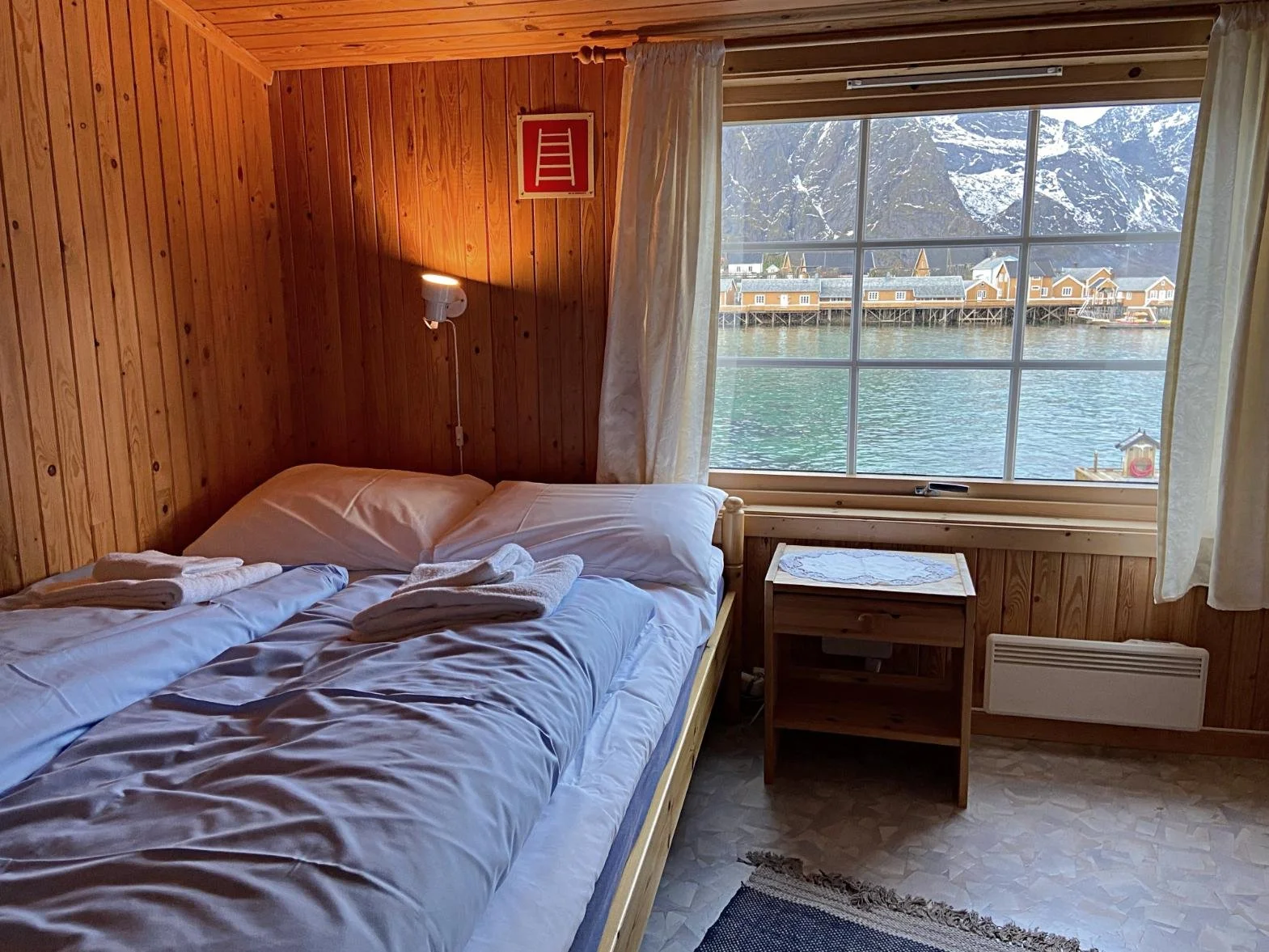
Reine is the name on every Lofoten postcard, but it's not really just one place. What people mean by "Reine rorbuer" usually stretches across a string of small settlements tucked along the same stretch of coastline, Hamnøy, Sakrisøy, Olenilsøy, Toppøy, Andøy, each with its own rorbuer (read fisherman’s houses), its own dramatic view, and its own personality. Here’s our guide to the best rorbuer in Reine and around, because it’s the most authentic and picturesque accommodation you can stay at.

Rovaniemi is Finnish Lapland's main gateway, and it's built for it: an airport that runs seasonal direct flights from all over Europe, an overnight train from Helsinki with a spot for your car, and a bus network that reaches deep into the rest of Lapland once you've landed. We've done this trip both ways ourselves, flying in for a quick visit and taking the train up from Helsinki when we wanted to visit our friend Altti. Here's how each option works, and how to get around once you're here.

Lofoten isn't one destination; it's a chain of islands strung together by bridges and a single road. And where you sleep decides how much of it you see, especially if you have a short amount of time. Base yourself wrong and you'll spend half your trip driving back and forth for dinner. Base yourself right, and everything from the Reinebringen sunrise to the last ferry out is fifteen minutes away. This is a village-by-village breakdown of where to stay in Lofoten, built around what each area is good for.
For the full list of specific hotels and resorts across the islands, our Best Hotels & Resorts in Lofoten guide has the complete picks; this one is about choosing the right base first. We stayed at a few!
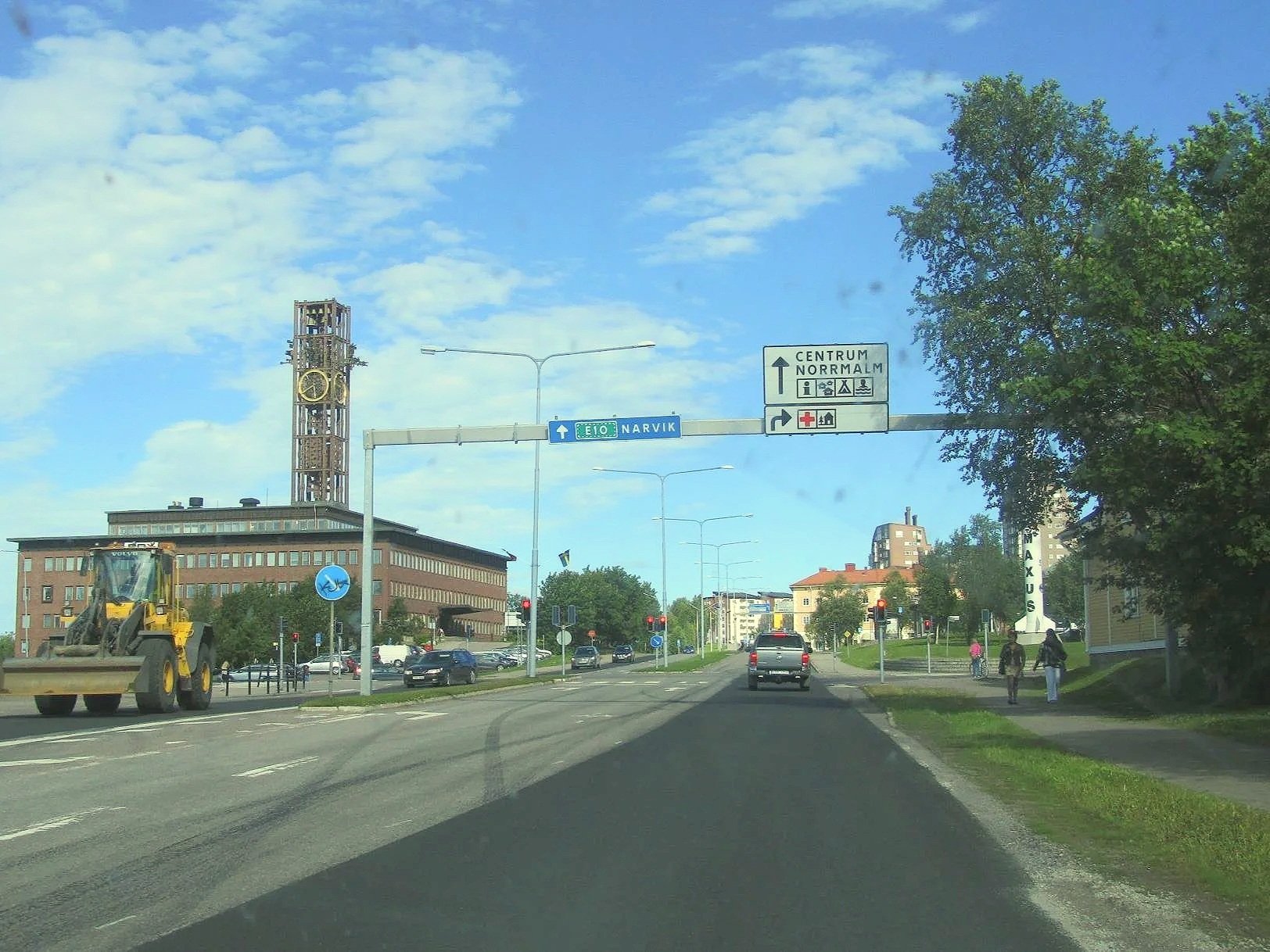
Kiruna, Swedish Lapland, is definitely small enough to walk across, but the moment you want the ICEHOTEL, Abisko, or a run at the aurora somewhere darker than town, you'll want your own wheels. Here's your guide to rent a car in Kiruna. We’ve been there 7 times!
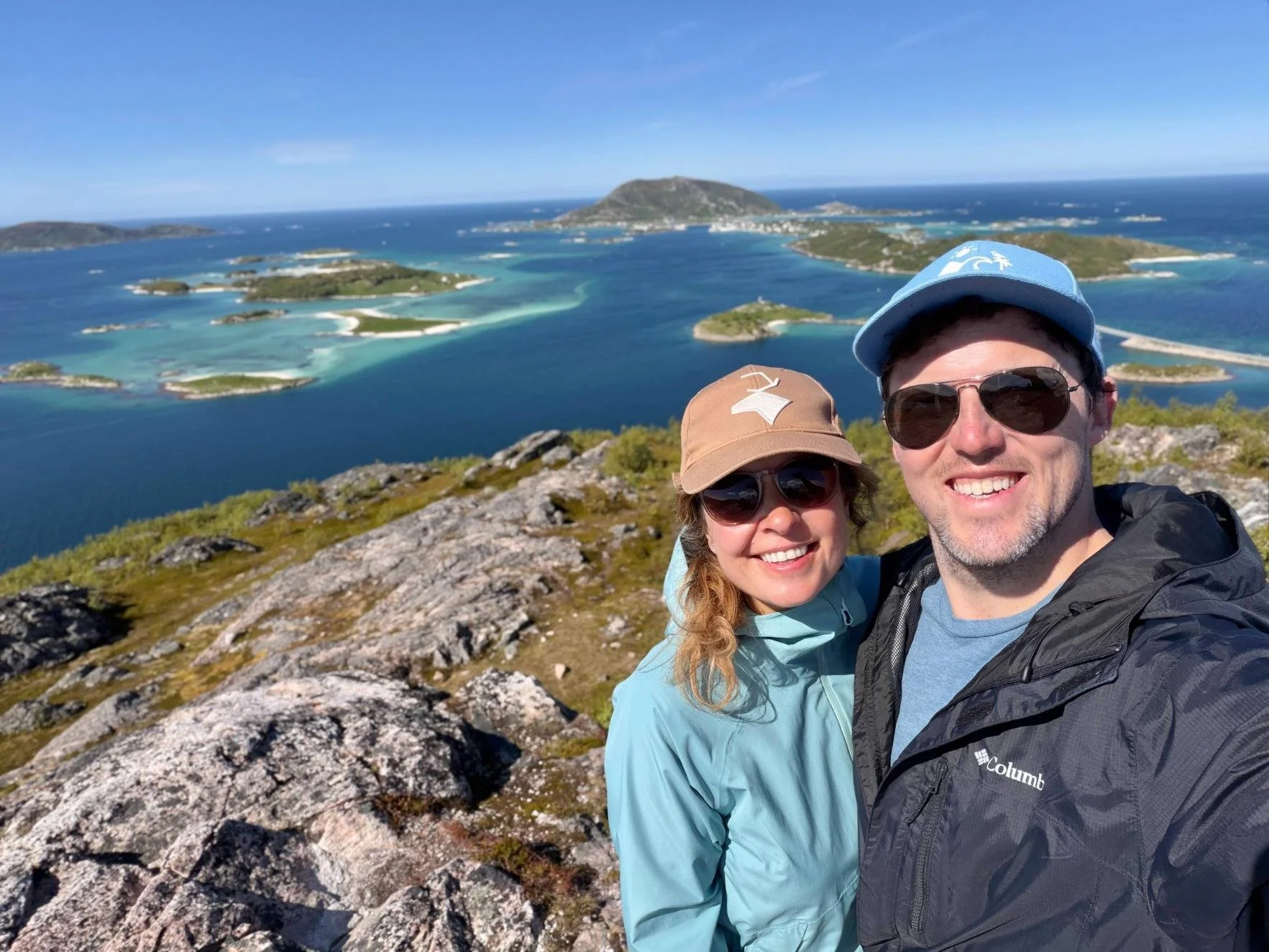
Sommarøy, Arctic Norway, is the kind of place that looks photoshopped until you're standing on it: turquoise water, white sand, and mountains right behind the beach, all an hour from downtown Tromsø. It's earned the nickname the Caribbean of the North for that reason… although the water temperature will quickly bring you back to reality.
We went on a sunny Sunday in May and the place was packed with locals. We did it as a day trip between Kvaløya and Senja, but you can just as easily stay the night. And you probably should. Here are the best things to do in Sommarøy, and everything else you need to know!
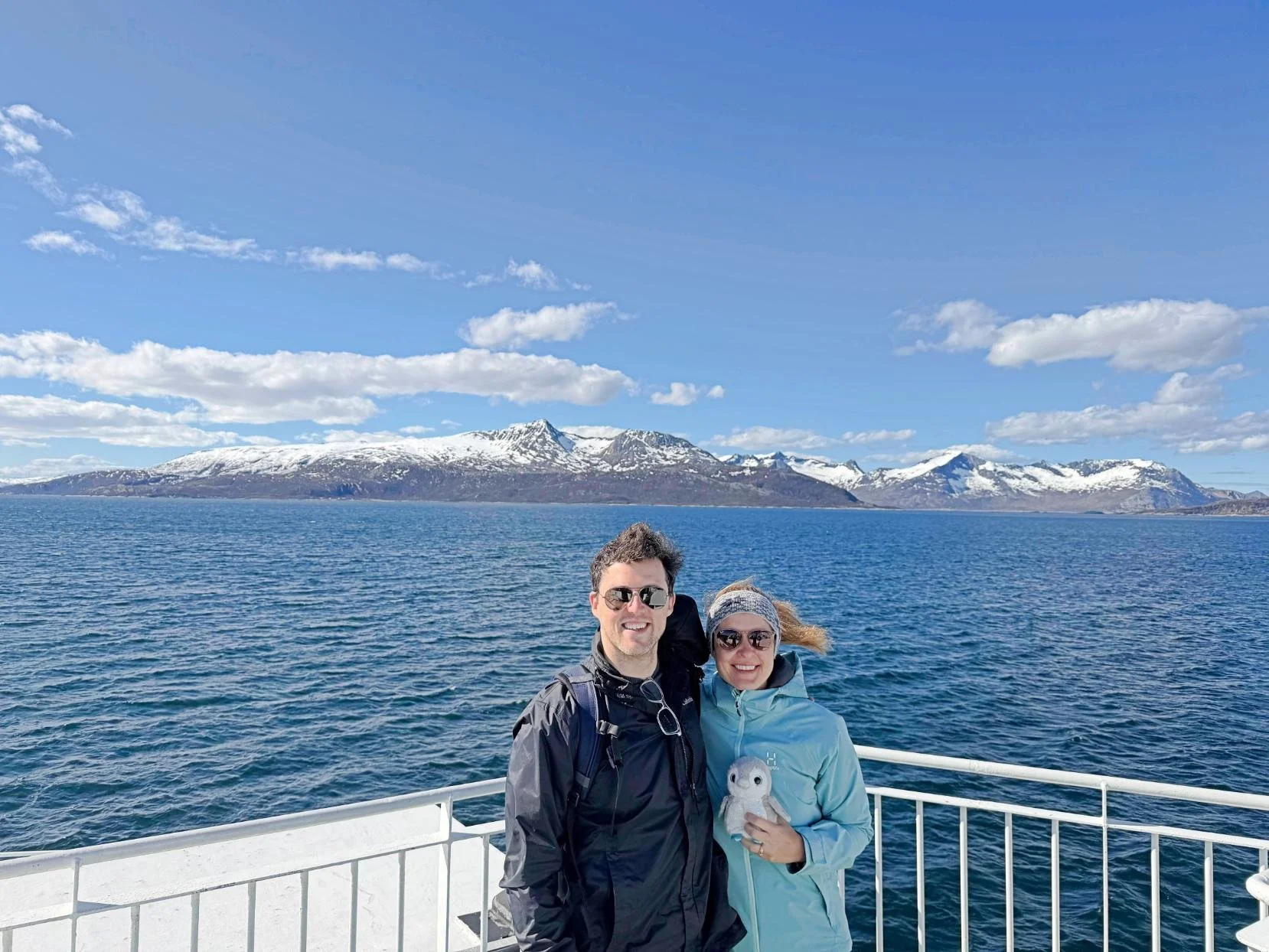
Tromsø, Norway, is better connected than its latitude on the map suggests: a busy airport, a long-haul bus that runs all the way into Finnish Lapland, and a coastal ferry route that's been calling here for more than a century. What it doesn't have is a railway, which throws off a lot of people planning a Norway rail trip around it. Here's how to get to Tromsø, whether you're flying in from Europe or working your way up through Norway, Finland, or Sweden.
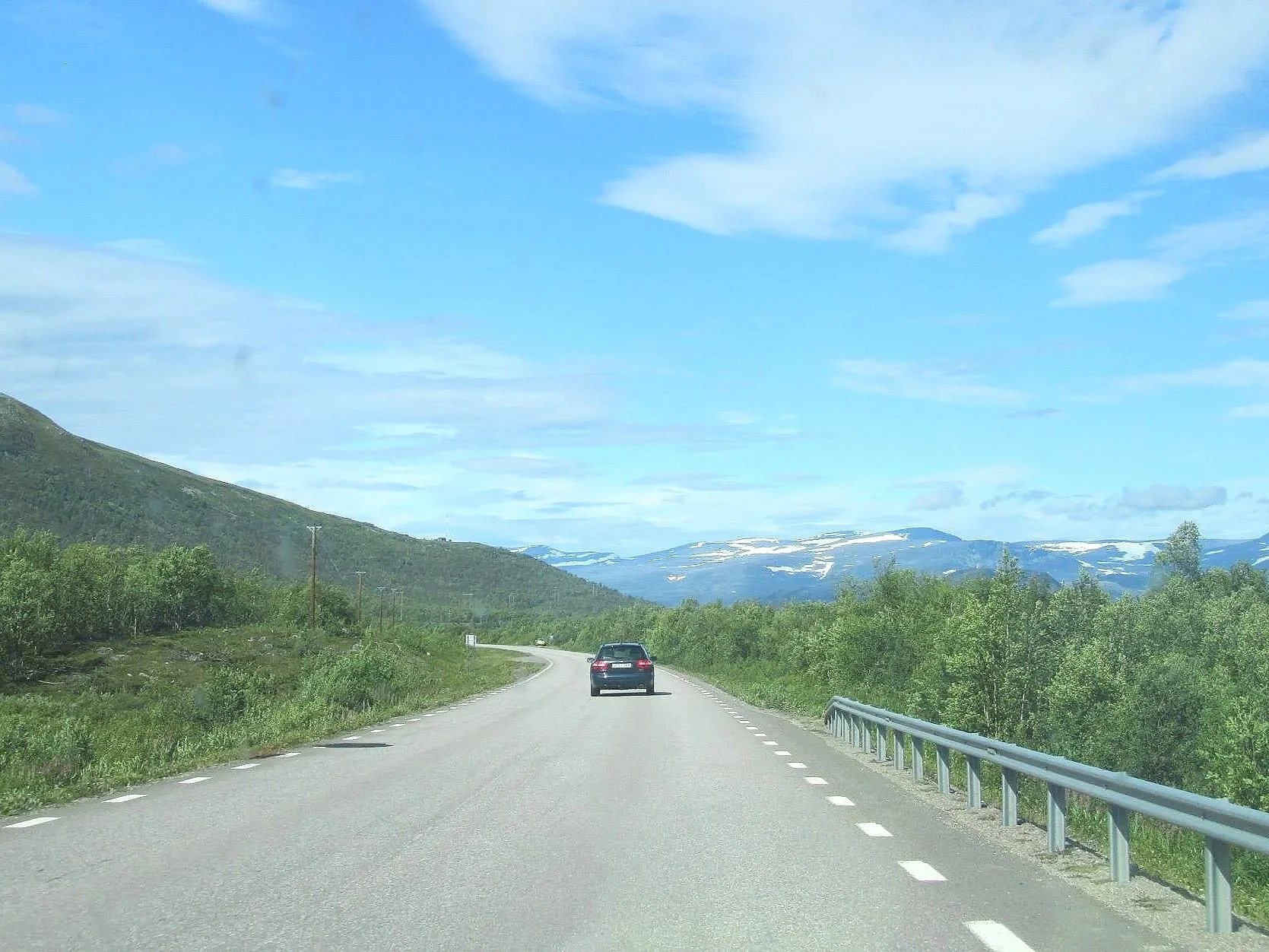
Abisko sits about 94 kilometers northwest of Kiruna, Swedish Lapland, on the same rail and road corridor that continues on to Riksgränsen and across the border into Narvik, Norway. Most people making this trip are headed for Abisko National Park, the Aurora Sky Station, or a stretch of the Kungsleden, and there are three ways to get from Kiruna to Abisko: train, bus, or car. We did the three, and here's how each one works.
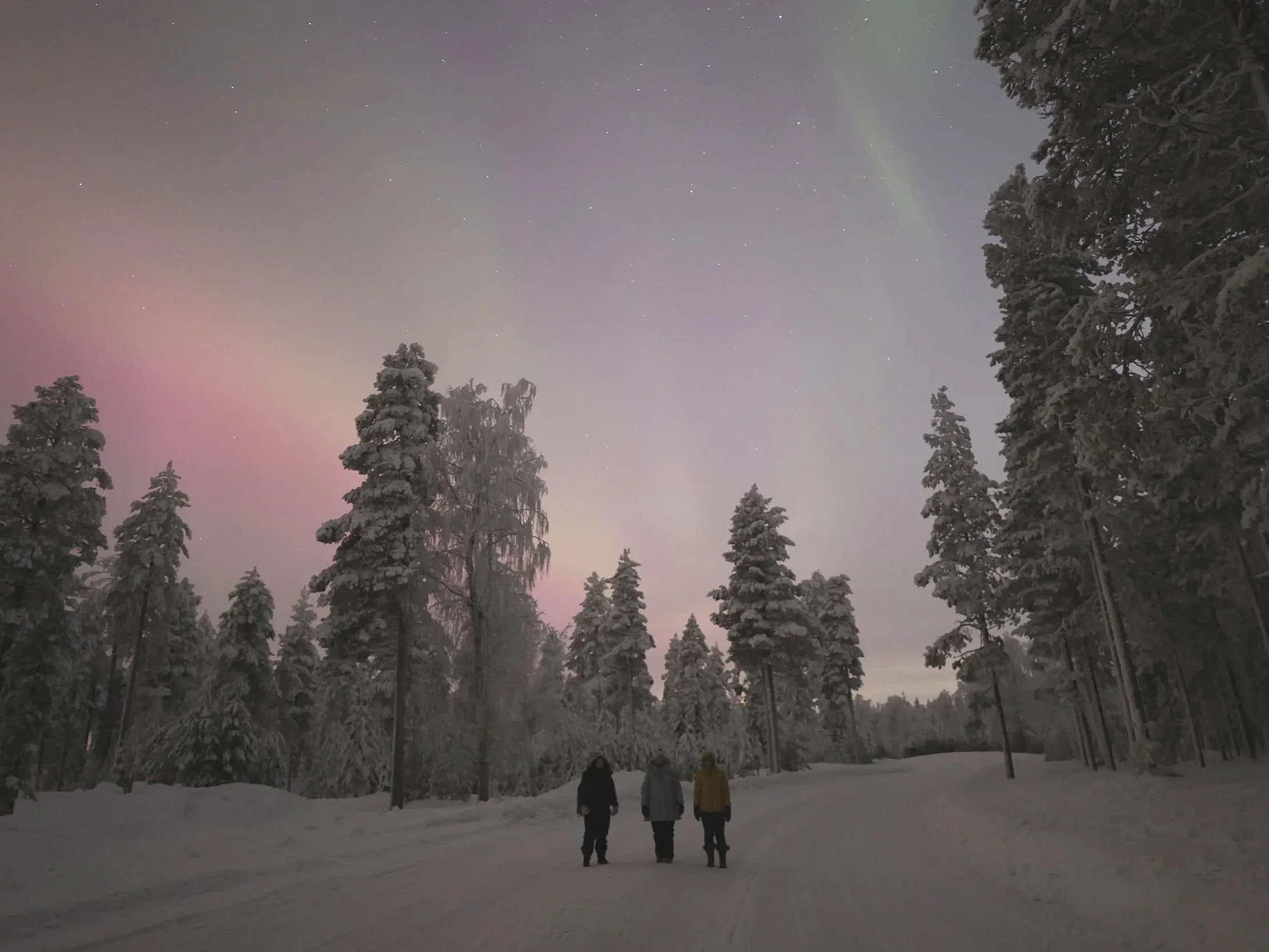
Rovaniemi sits right on the Arctic Circle and is easy to reach from all over Europe, but it's still a city with streetlights, so where you stand does more work here than in a lot of Lapland towns. And whether you've got a car changes everything. Here is how, when, and where to see the northern lights in Rovaniemi with or without a car.
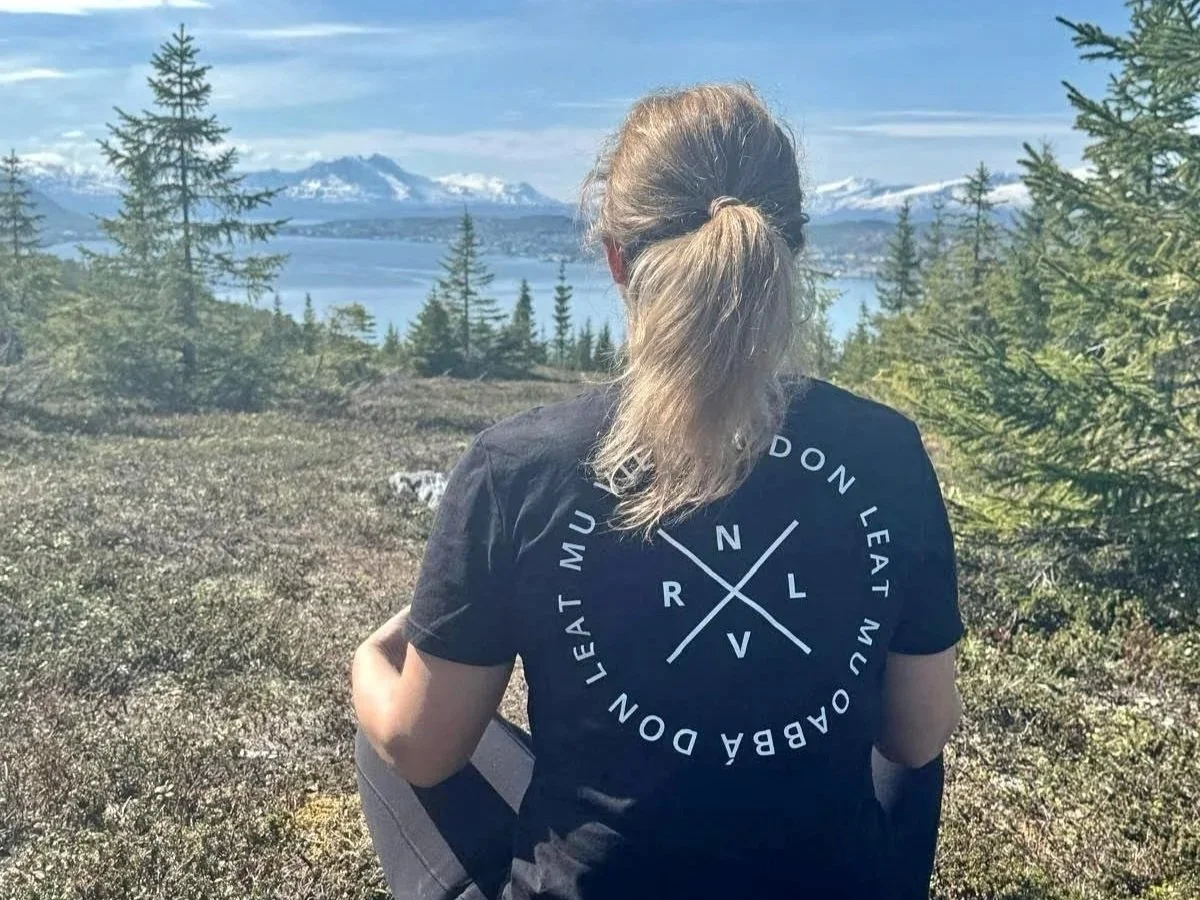
Do you need a car in Tromsø to go hiking? Not always. Our full best hikes in Tromsø guide covers everything, including the ones you need a car for, but plenty of the best trails are doable in Tromsø without a car at all. This is the shorter, more specific version: the 9 hikes here are reachable on Tromsø's local buses, and we added 4 with an overnight stay.
Some of these hikes are possible year-round (with snowshoes or skis in winter), and some are only accessible from late spring to early fall. Also note that buses are infrequent during the weekends and national holidays (sometimes not running at all). Check on Svipper to plan ahead!
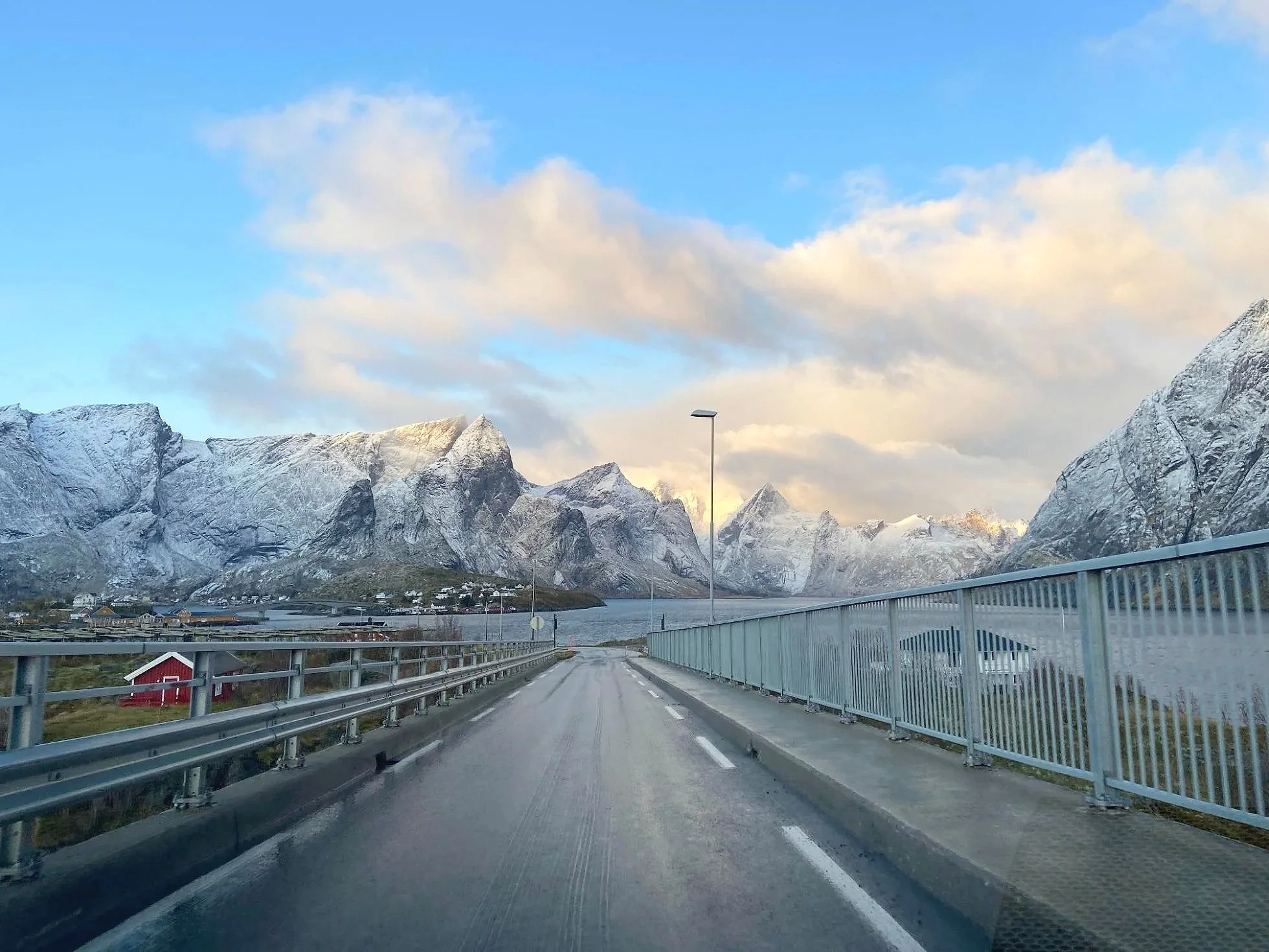
Bodø, Norway, doesn't get talked about as a road trip base the way Lofoten does, but it's often the smarter place to actually pick up your rental. It's a bigger city with more cars and companies; it sits right at the ferry crossing into Lofoten, and its own surroundings are worth exploring by car too, whether you've got an afternoon or a week (or a lifetime?).
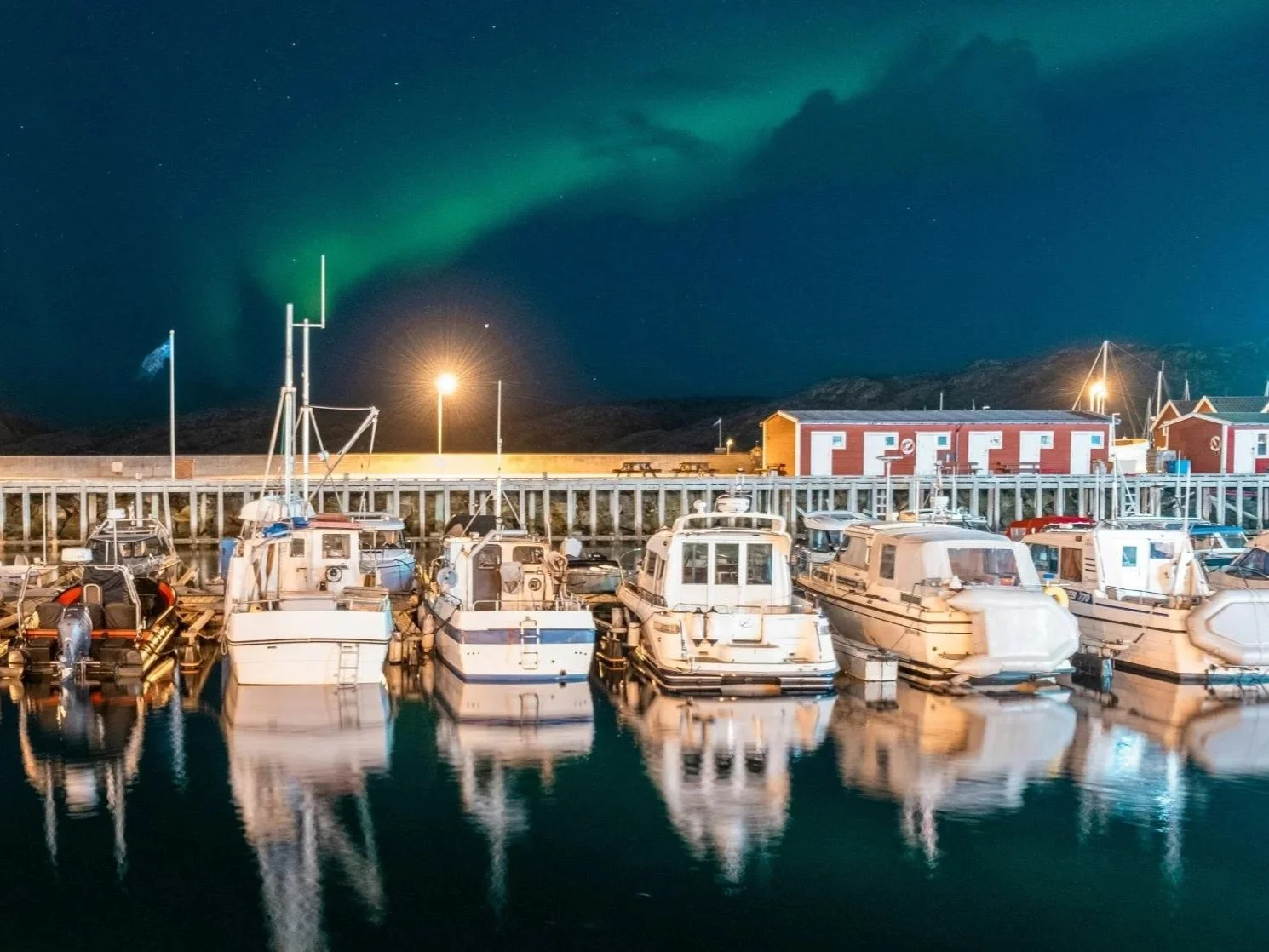
Bodø sits right on Norway's coast above the Arctic Circle, which makes it one of the easier places in the country to catch the aurora. It's also the mainland's usual jumping off point for Lofoten, so plenty of travelers end up chasing the lights in both places on the same trip. Follow our guide to see the northern lights in Bodø!
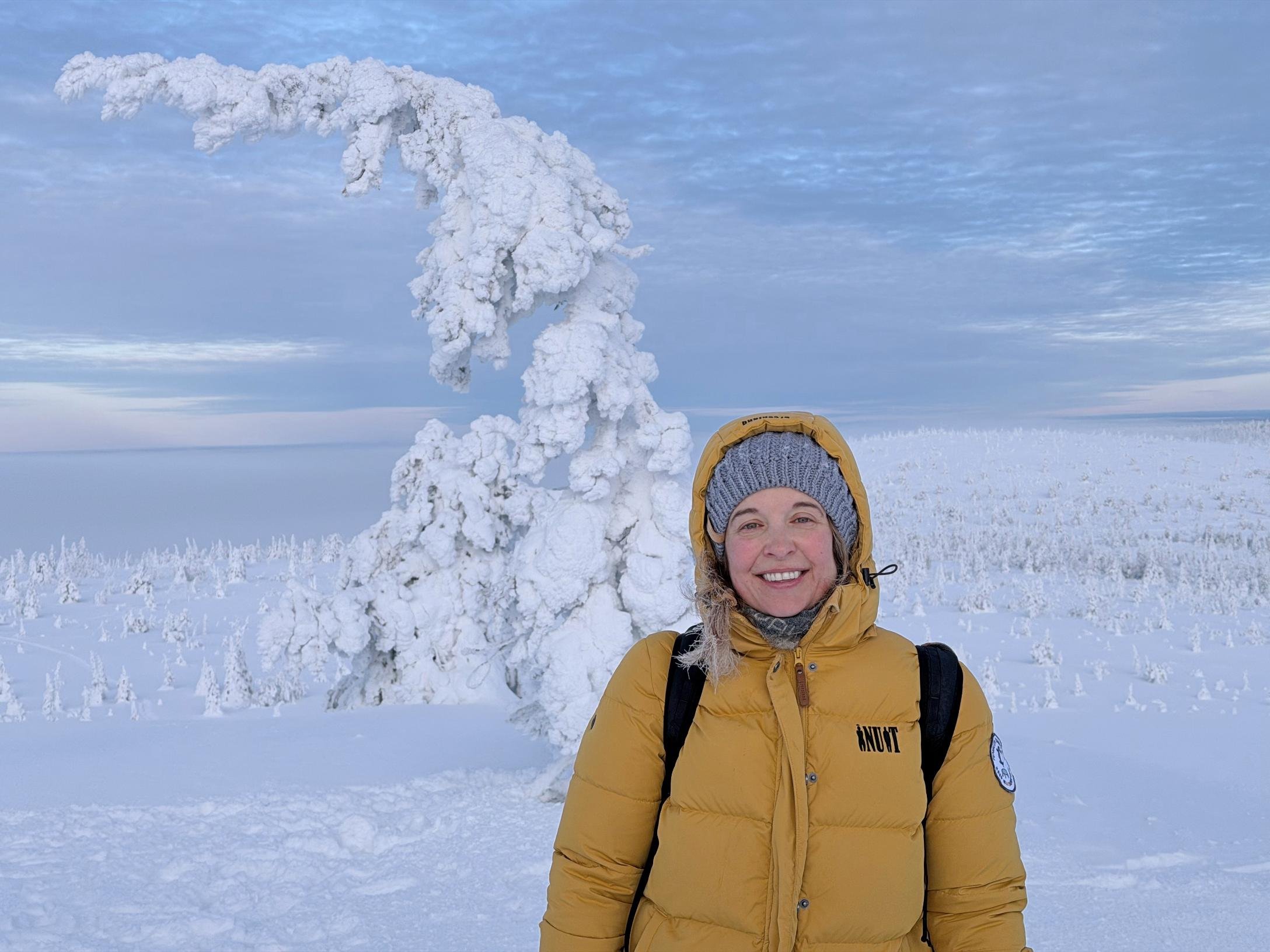
Every year, some people pay somewhere around 400£ to 600£ a person (or more) for an 18-hour coach-and-flight day trip to Finnish Lapland. A flight to Rovaniemi on its own can cost less than a taxi ride across London, if you book it right. Obviously, the Nordics are never cheap, but this guide will help you plan your trip to Lapland “on a budget". It's Finland-focused throughout, since that's what almost everyone searching for "Lapland" actually means.
If you're curious about the Swedish side, particularly Kiruna, we've covered that separately, and you’ll find lots of resources in our Lapland Travel Hub.
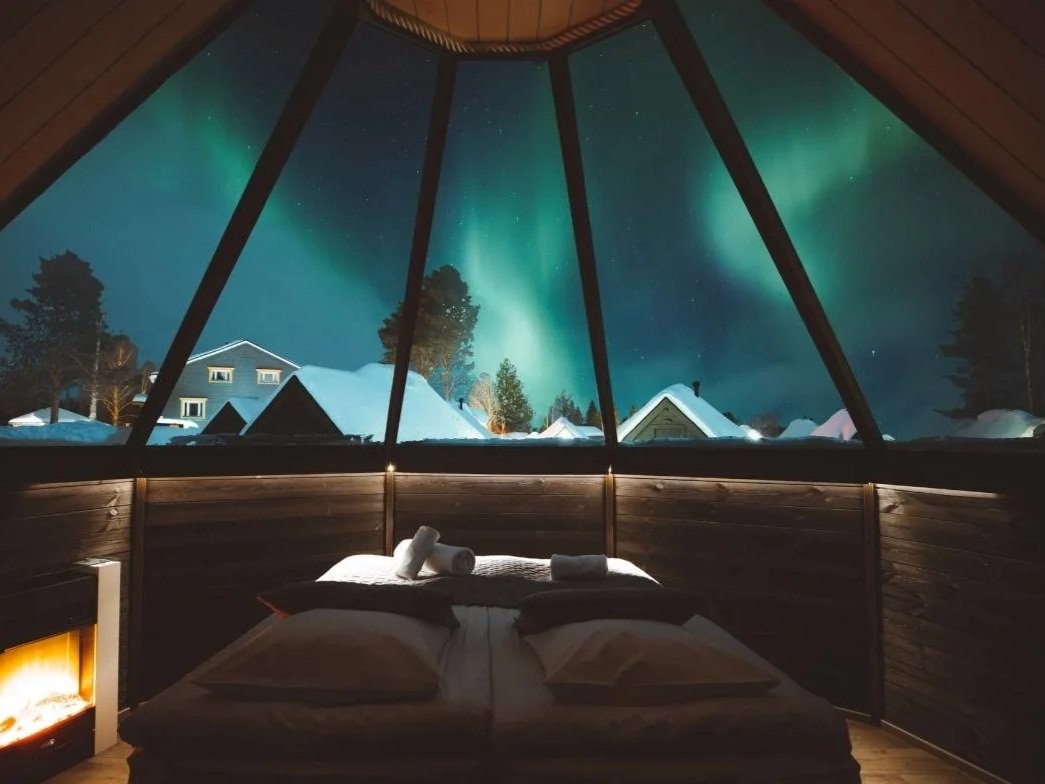
Every "best glass igloo" list in Finland points you toward the same photos. At Penguin Trampoline, we're not going to pretend we've slept in every one of them, because we haven't. We experienced the aurora igloo concept in Iceland, we visited the Arctic SnowHotel property (more on that below), and we dug into the rest property by property.
Here's what's different between them and what tends to move the price, and we also broke them down by region because we understand it’s a once-in-a-lifetime experience and you want to get it right!
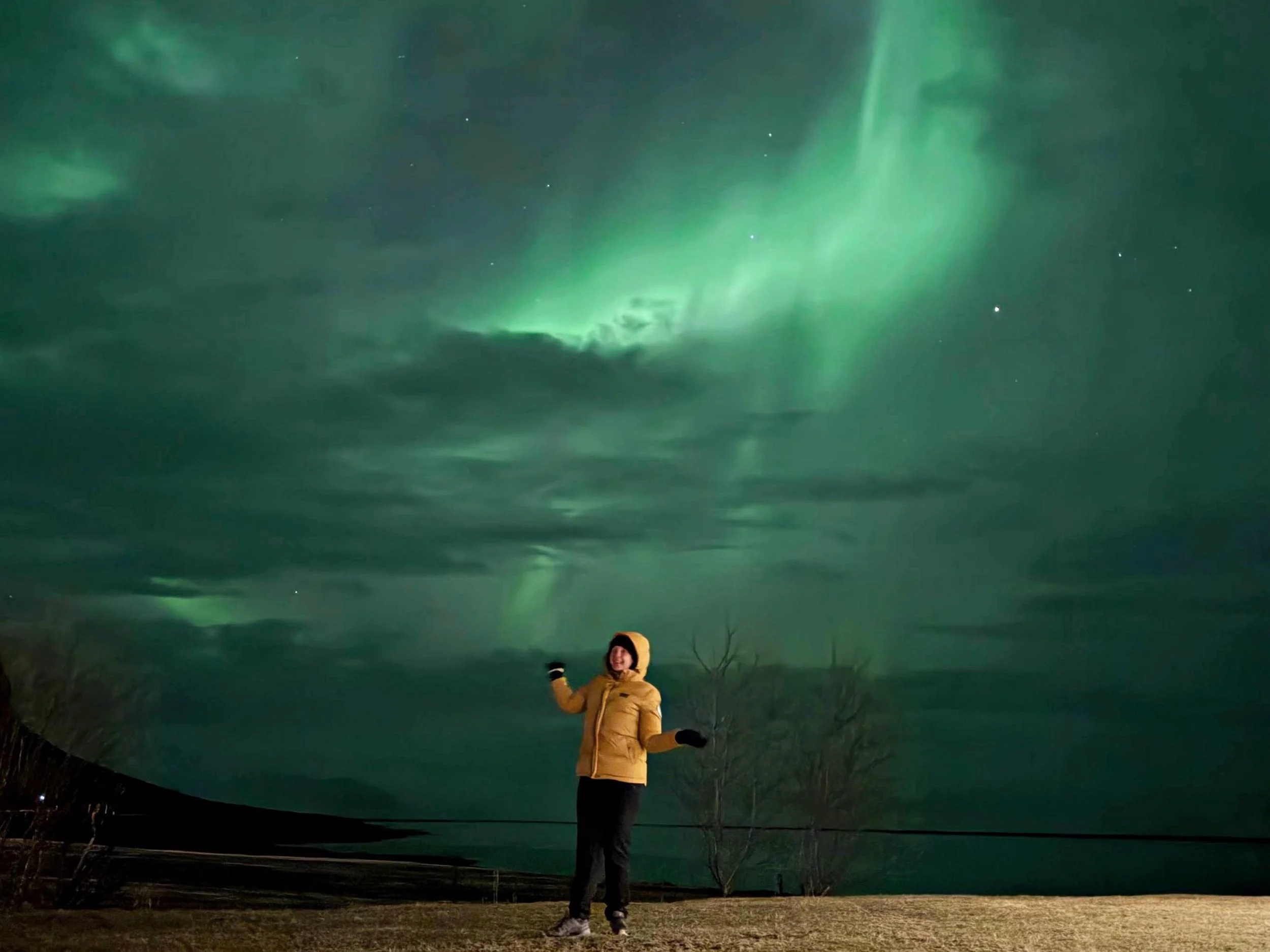
Sweden doesn't have one northern lights destination, it has three, and they don't behave the same way. Kiruna, Abisko, and Luleå, all in Lapland, each give you a real shot at the aurora, but for different reasons, and the right base depends on the kind of trip you're planning. This page is the fast version: where to go, when to go, what your odds really are, and whether you need a tour at all, based on two decades of experience chasing the aurora in the far north.
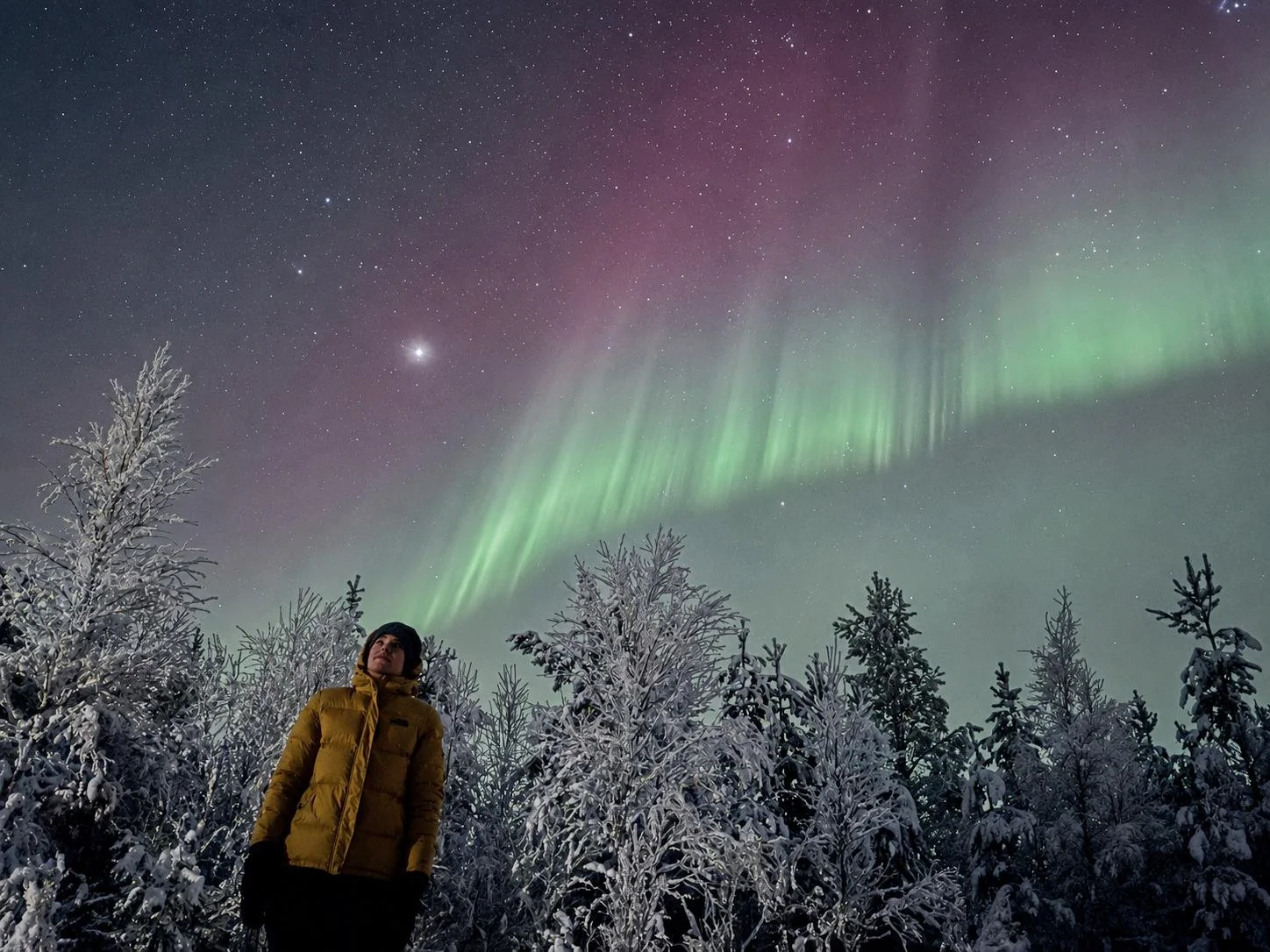
Sweden has three real bases for a northern lights tour: Kiruna, Abisko, and Luleå, all in Lapland. Each has its own tour scene, and we've covered each in depth elsewhere. This page is the fast version: how to pick a destination, what a good tour includes, and whether you need one at all.
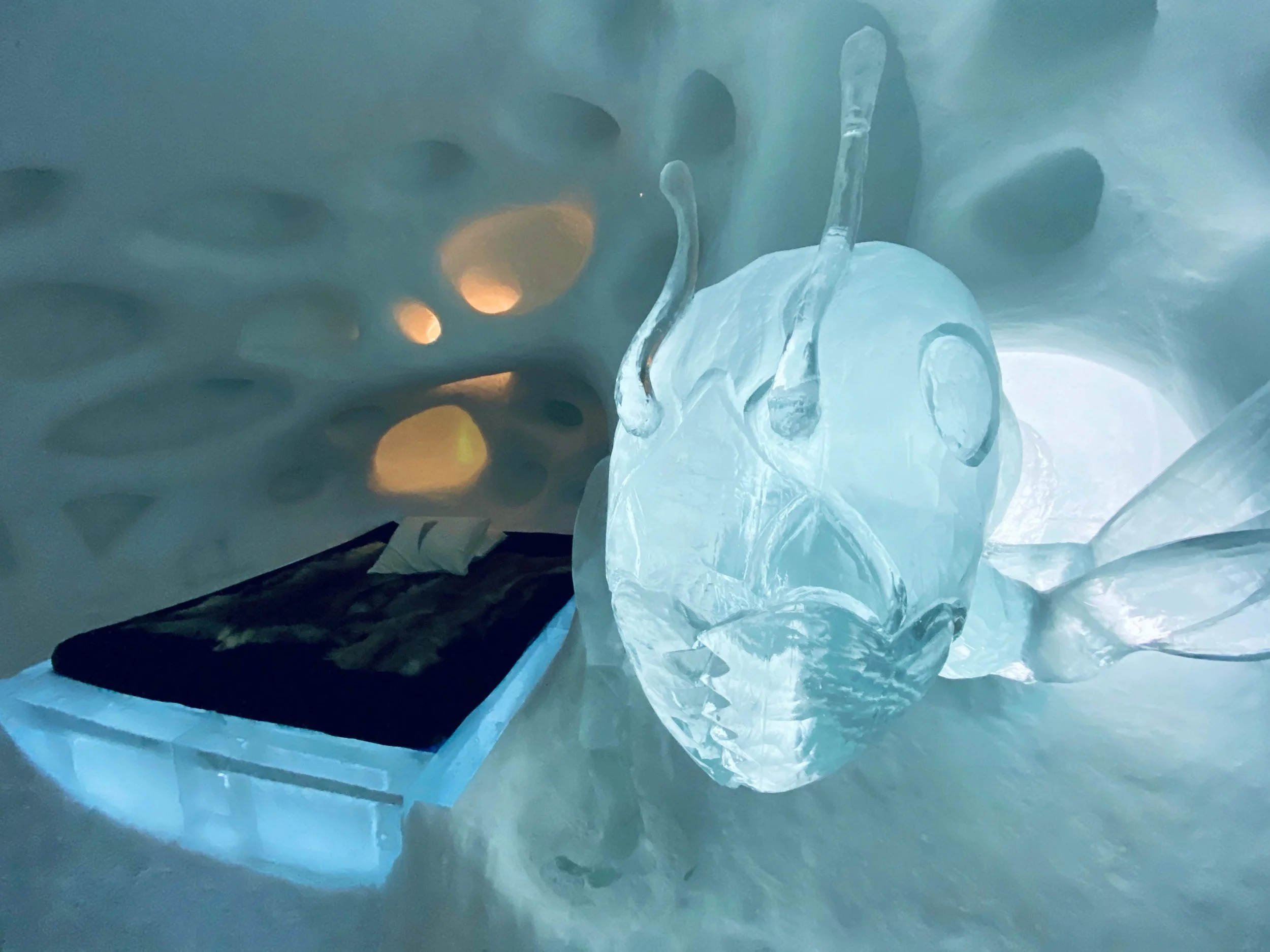
We've visited the ICEHOTEL, Swedish Lapland, seven times, and it's a different icy museum every time! The whole thing melts back into the Torne River each spring and gets rebuilt from scratch the next winter by artists from all over the world. We’ve visited other ice hotels in other countries, but this one is admittedly our favorite.
Sure, it’s pricey (and definitely worth it). But if you’re on a budget, you don't have to sleep on ice to visit. Here's the quick version, then the details. Ice ice baby!
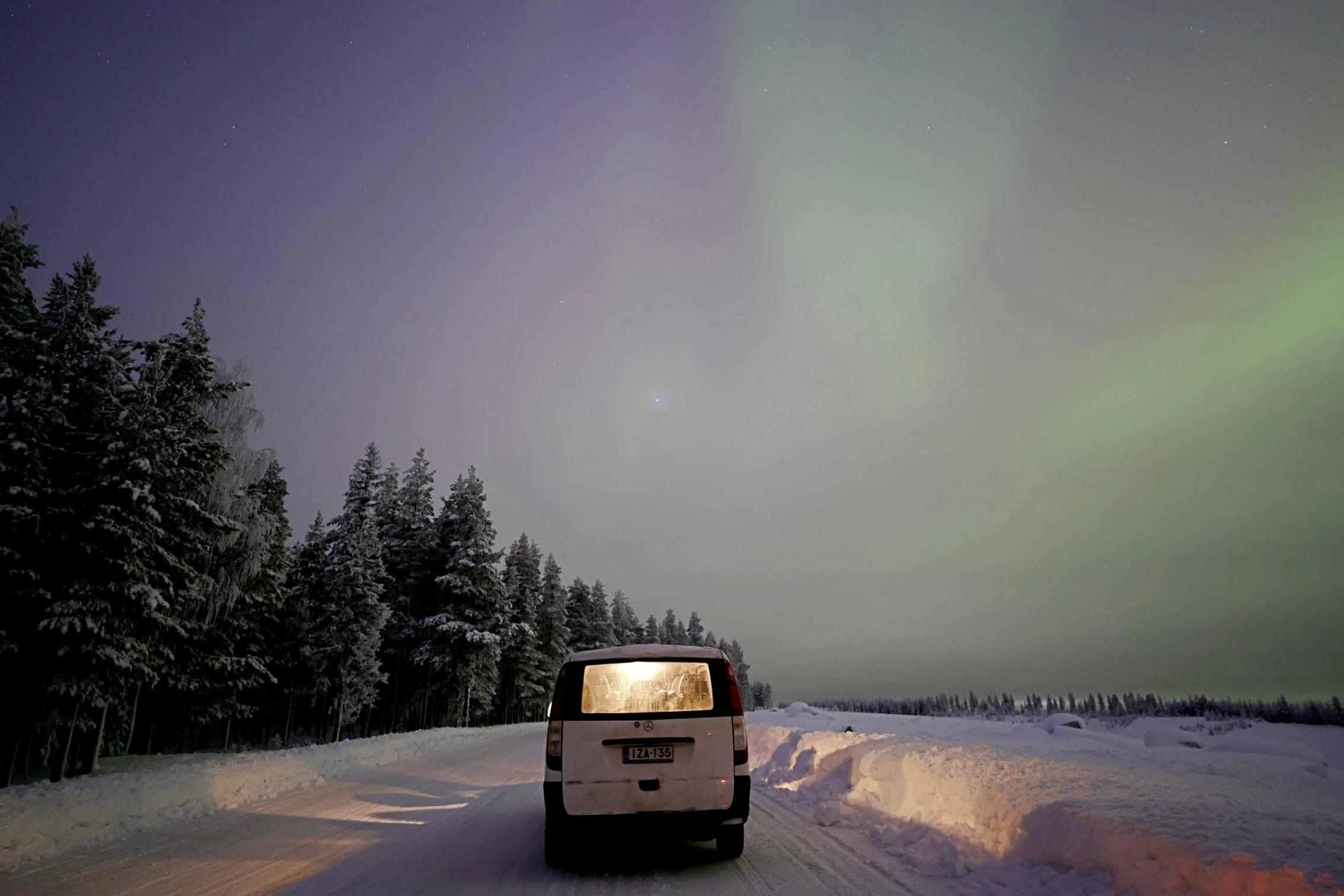
We've booked some aurora tours across Lapland over dozens of trips (including seven trips to Kiruna), sometimes to save ourselves the driving, sometimes because a friend visiting for the first time didn't want to gamble their one night on figuring it out alone. This is the breakdown we wish we'd had the first time: what each tour type gets you, what "guaranteed" tends to mean in Kiruna specifically, and how to choose between a minibus, a snowmobile, and a dog sled when you've only got one or two nights.
For the full picture on when to go, where to watch without a tour, and how Kiruna compares to Abisko, see our Northern Lights in Kiruna guide. This one is about the tours.
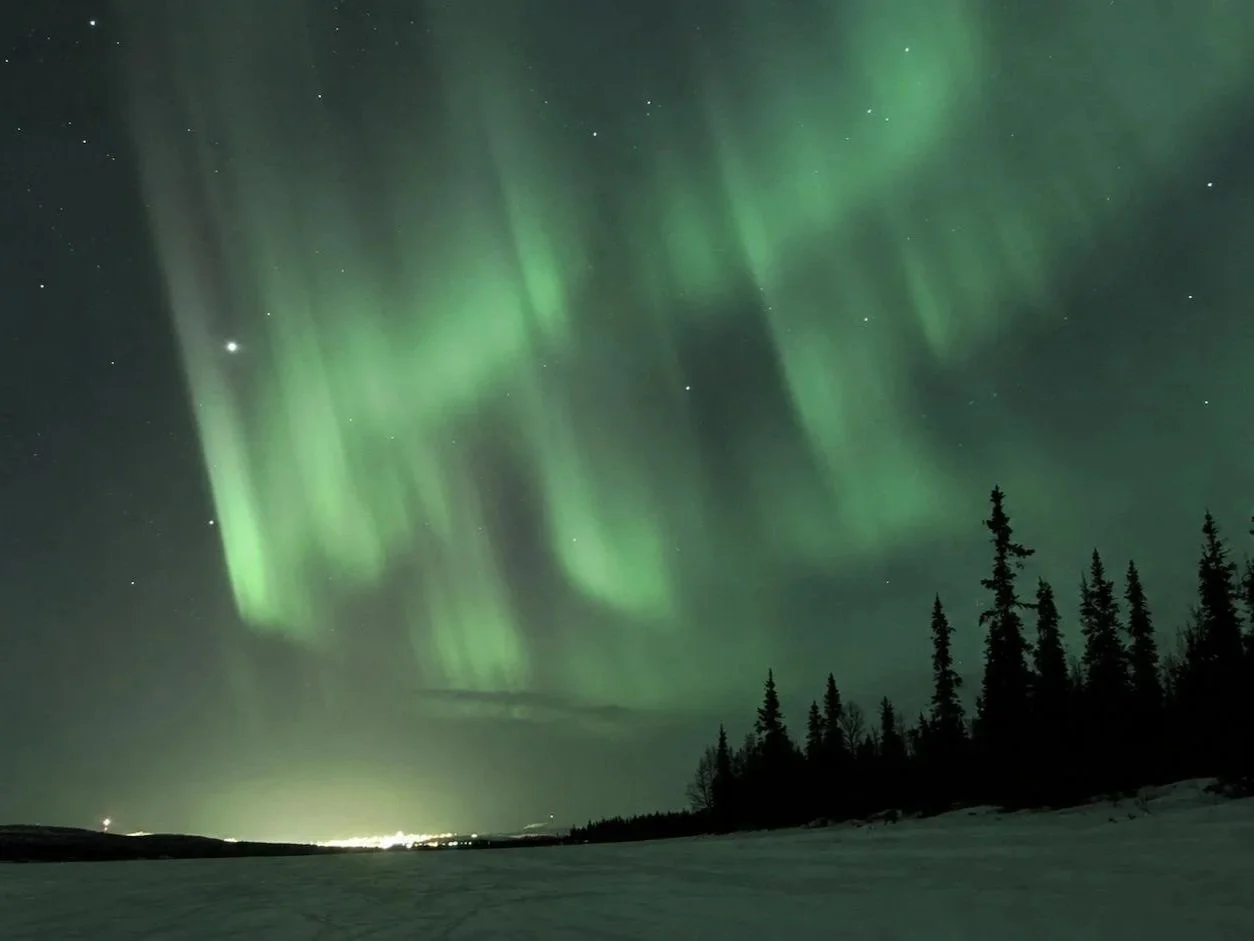
Kiruna, Swedish Lapland, is where my Arctic obsession actually began. I first came here as a student at Dalarna University back in 2007, fell for the place immediately, and ended up writing my master's thesis on polar destinations. I’ve been back seven times since, and Kiruna was also the first Arctic destination I ever brought Jake to. So when we talk about this sky, it's not theoretical!
Kiruna sits at 67.85°N, about 145 kilometers north of the Arctic Circle, which puts it well inside the auroral oval, the band of sky around the North Pole where the aurora shows up most often.
This guide covers when to go, where to watch (with or without a tour), how to check the forecast, and how Kiruna compares to nearby Abisko, since that's the question we get asked the most, and one we can answer from having tried both ourselves, more than once.
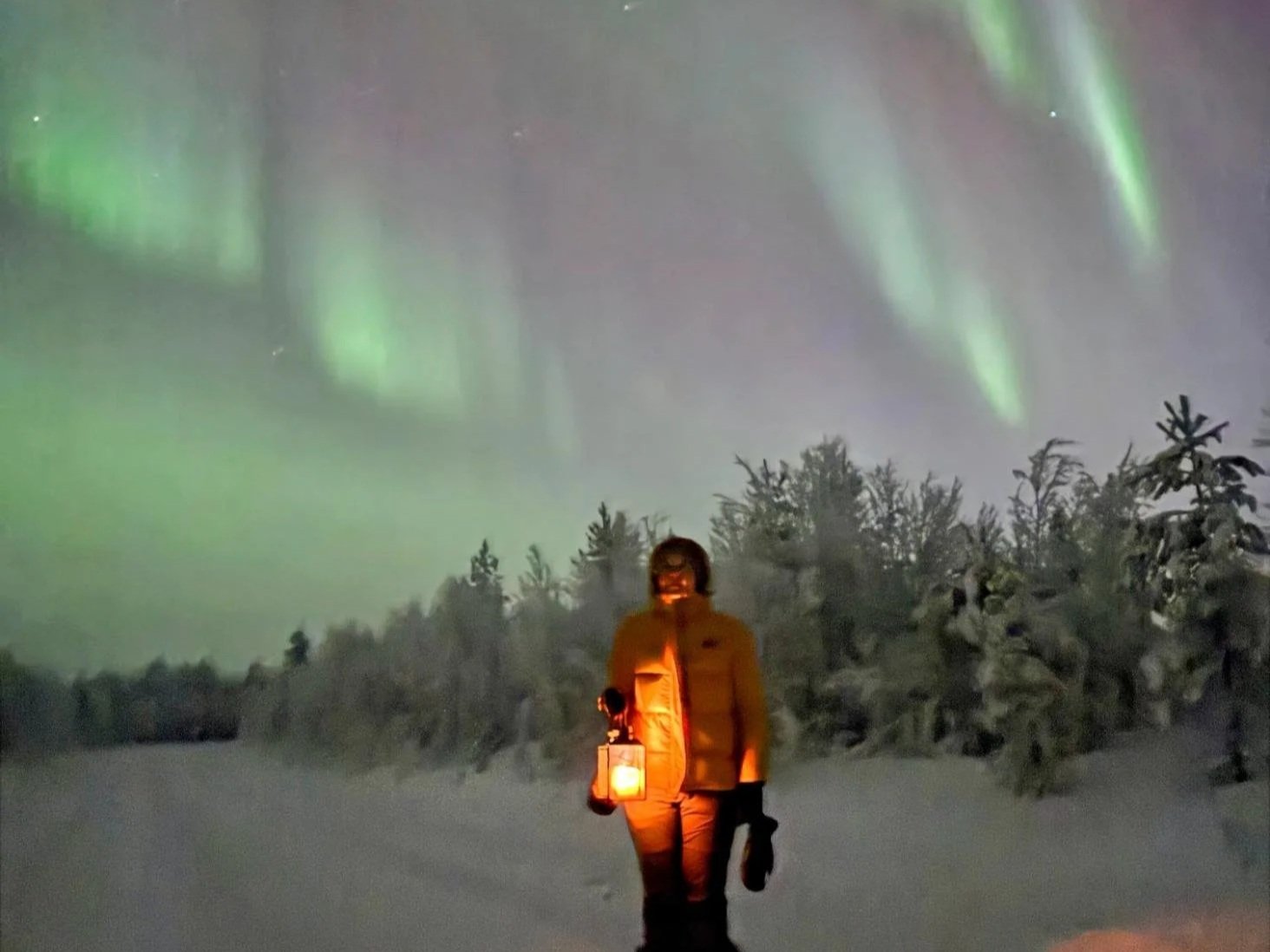
Rovaniemi alone has well over a hundred northern lights tours listed across Viator and GetYourGuide, and a lot of them read like the same three sentences reshuffled: local guide, real-time forecasts, "guaranteed" somewhere in the title. Levi and Saariselkä add their own smaller rosters on top of that. The listings aren't lying exactly, they're just marketing, and it's worth knowing what actually separates them before you hand over your evening.
This is the type-by-type breakdown: which tour gets you what, what "guaranteed" really means in Finnish Lapland specifically, and how to pick between a minibus, a snowmobile, and a husky sled when you've only got one or two free nights.
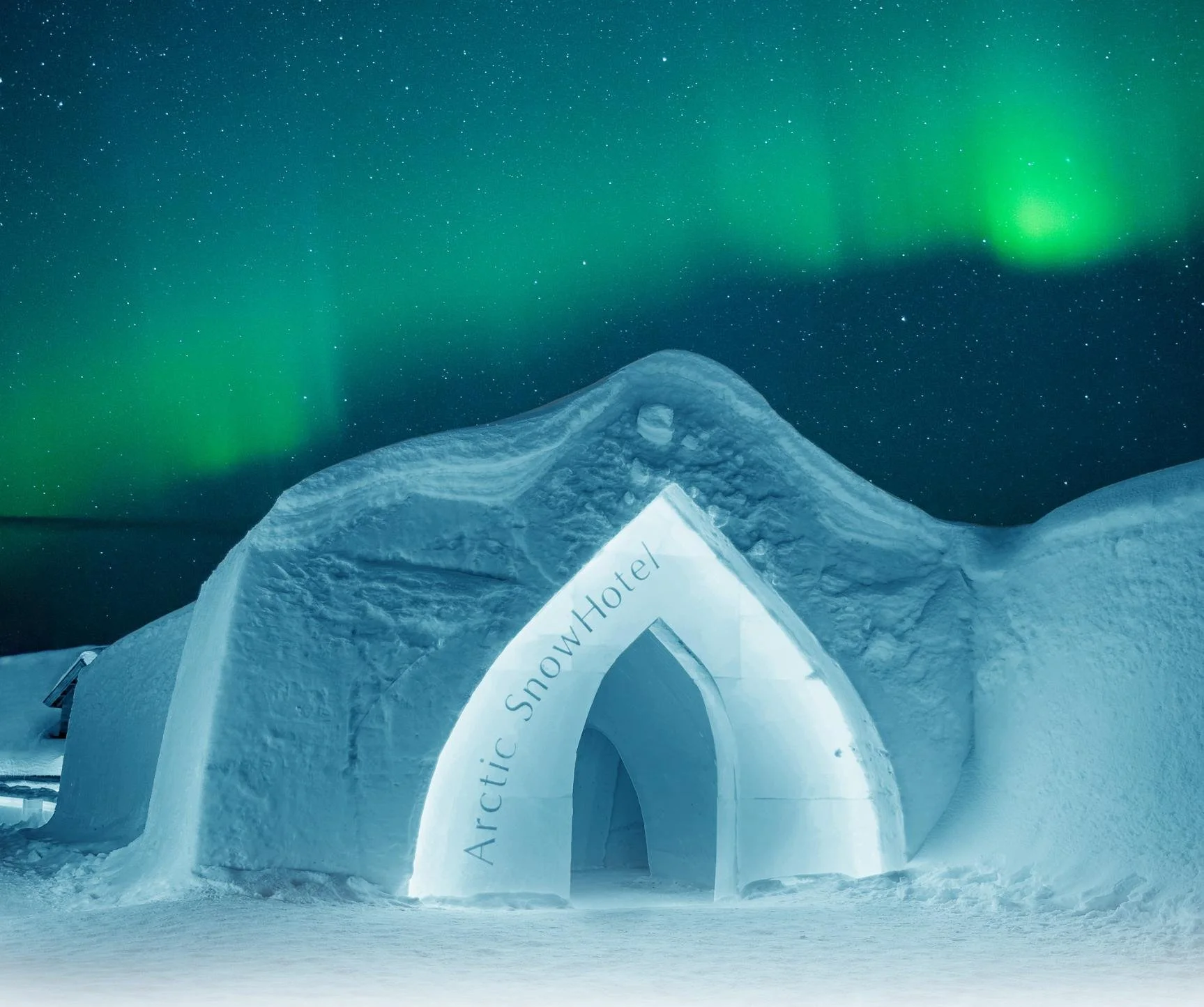
Every Finland aurora hotel roundup eventually points you to the same three glass igloos. Fair enough, they're famous for a reason. But Finnish Lapland runs from Levi in the west to Nellim on the Russian border, and the right bed for watching the sky depends more on which stretch of that region you're in than on whichever photo sold you on the trip in the first place.
We haven't slept in every single property on this list. What we did do is stay in one of these ourselves, visit most of the rest, and quietly drop a few famous names that don't hold up once you look past the marketing photos. Here's what's actually worth booking, split by what you want out of the stay: a glass roof over the bed, an ice hotel experience, a proper wilderness lodge, or a resort with enough going on to fill the hours between aurora checks.
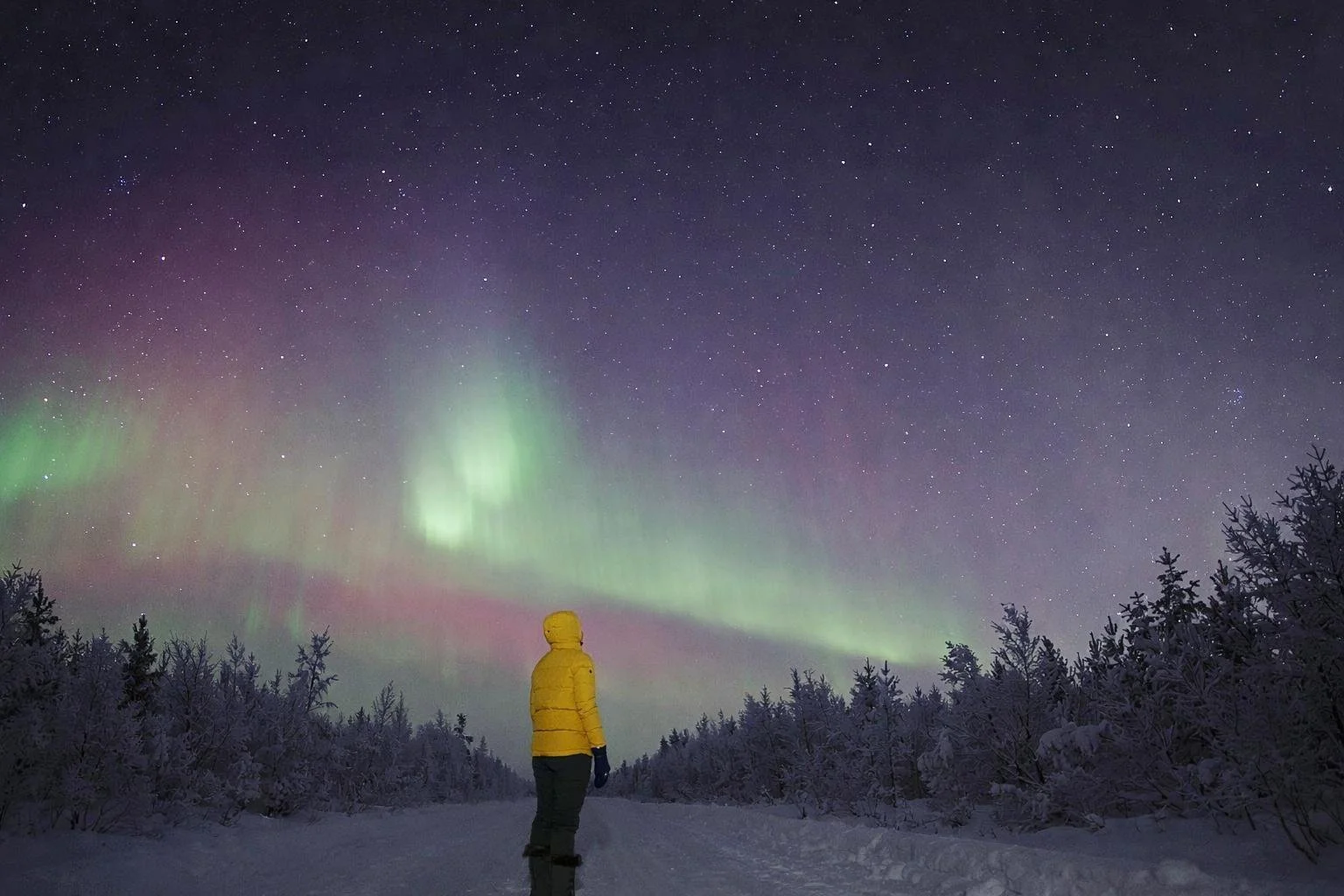
Lapland has a claim to the northern lights that few places can match: most of it sits inside the auroral oval, the band circling the North Pole where the aurora shows up most often and most reliably. We've chased it across the region, and the biggest decision was never really when to go. It was where.
This guide covers the two Lapland regions travelers usually book: Finnish Lapland (Rovaniemi, Levi, Saariselkä) and Swedish Lapland (Kiruna, Abisko, Luleå). Both sit well within aurora range. They just offer a different experience. If you’d rather chase the lights in Norway, we have a dedicated Arctic Norway page.
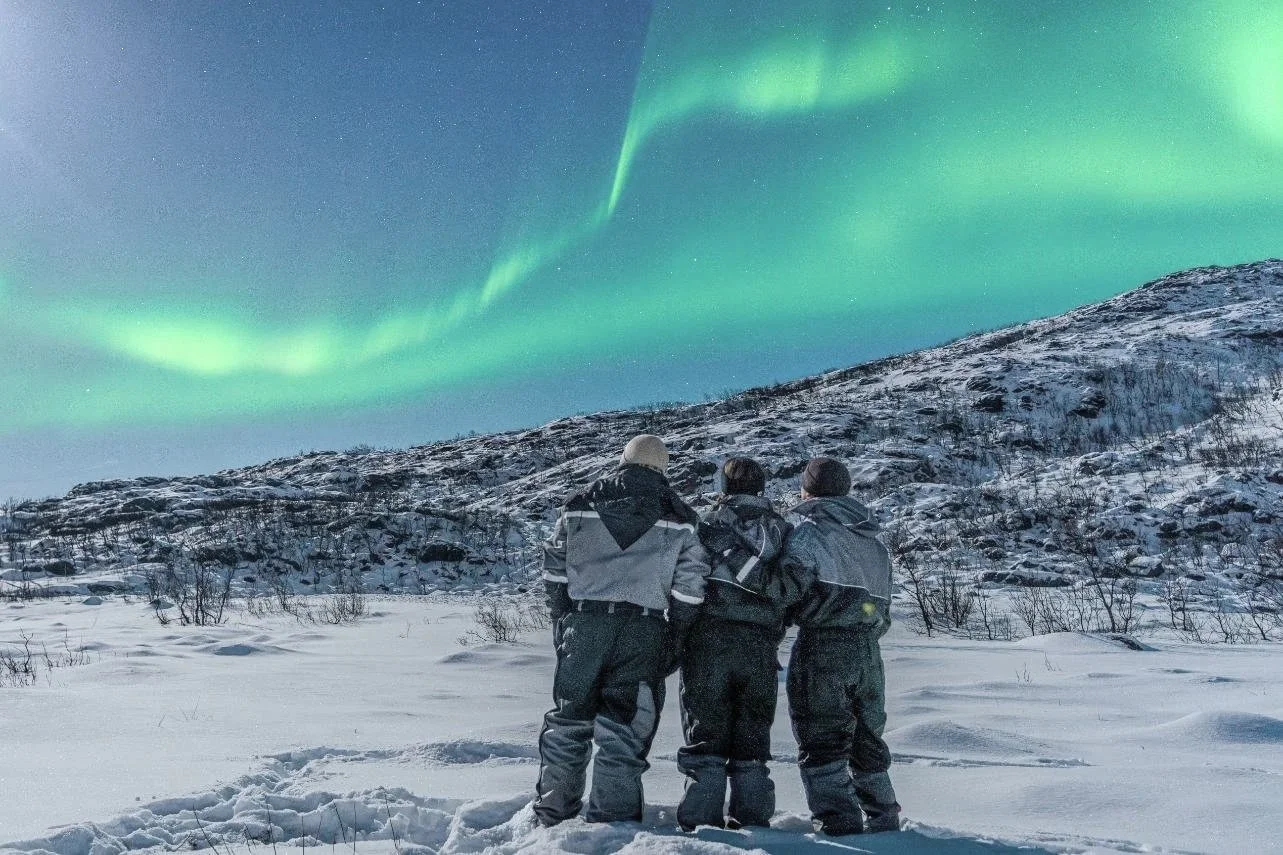
Tromsø, Norway, has more northern lights tour operators than anywhere else in the Arctic. Between Viator, GetYourGuide, and local operators, you're looking at a very long list, and a lot of the listings sound nearly identical: the same campfire photo, the same "expert guides," often the same word "guaranteed" somewhere in the title.
If you haven't already, read our full Northern Lights in Tromsø guide for best time of year, best spots, and forecast tools. This article is just about picking the right tour: what the different types actually mean, what's worth paying more for, and what "guaranteed viewing" really means.
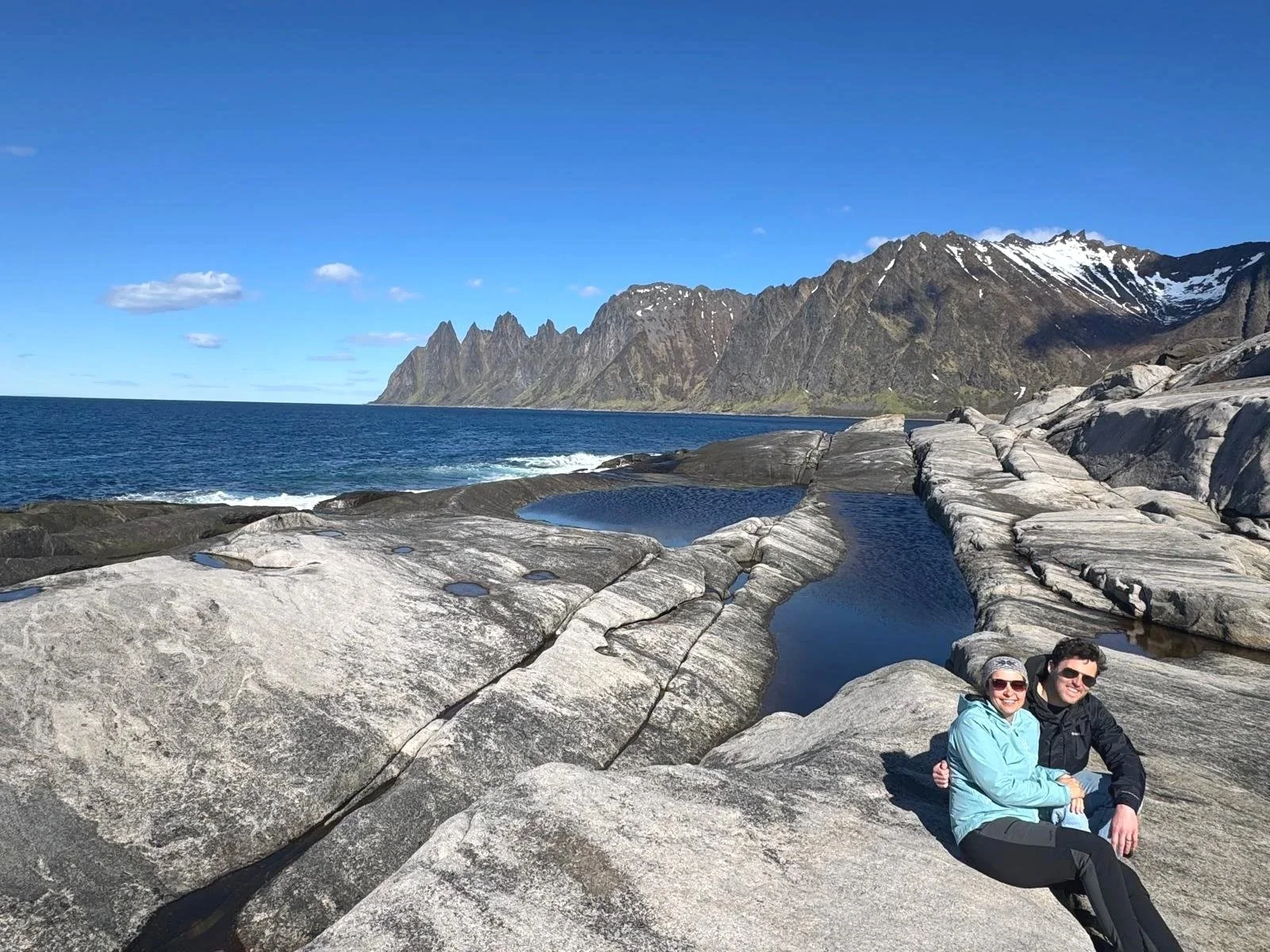
Senja, Norway, gets compared to Lofoten constantly, and the comparison holds right up until you notice how empty the roads are. Same jagged peaks, same fishing heritage, same beaches that shouldn't exist this far north, but far fewer people, far fewer signposts, far fewer villages, and long stretches where you won't pass another car. It's less “developed” as a destination, in the best way. Here are the best things to do in Senja beyond the hiking trails, whether you're not up for a strenuous summit or you just want to fill the days between hikes.
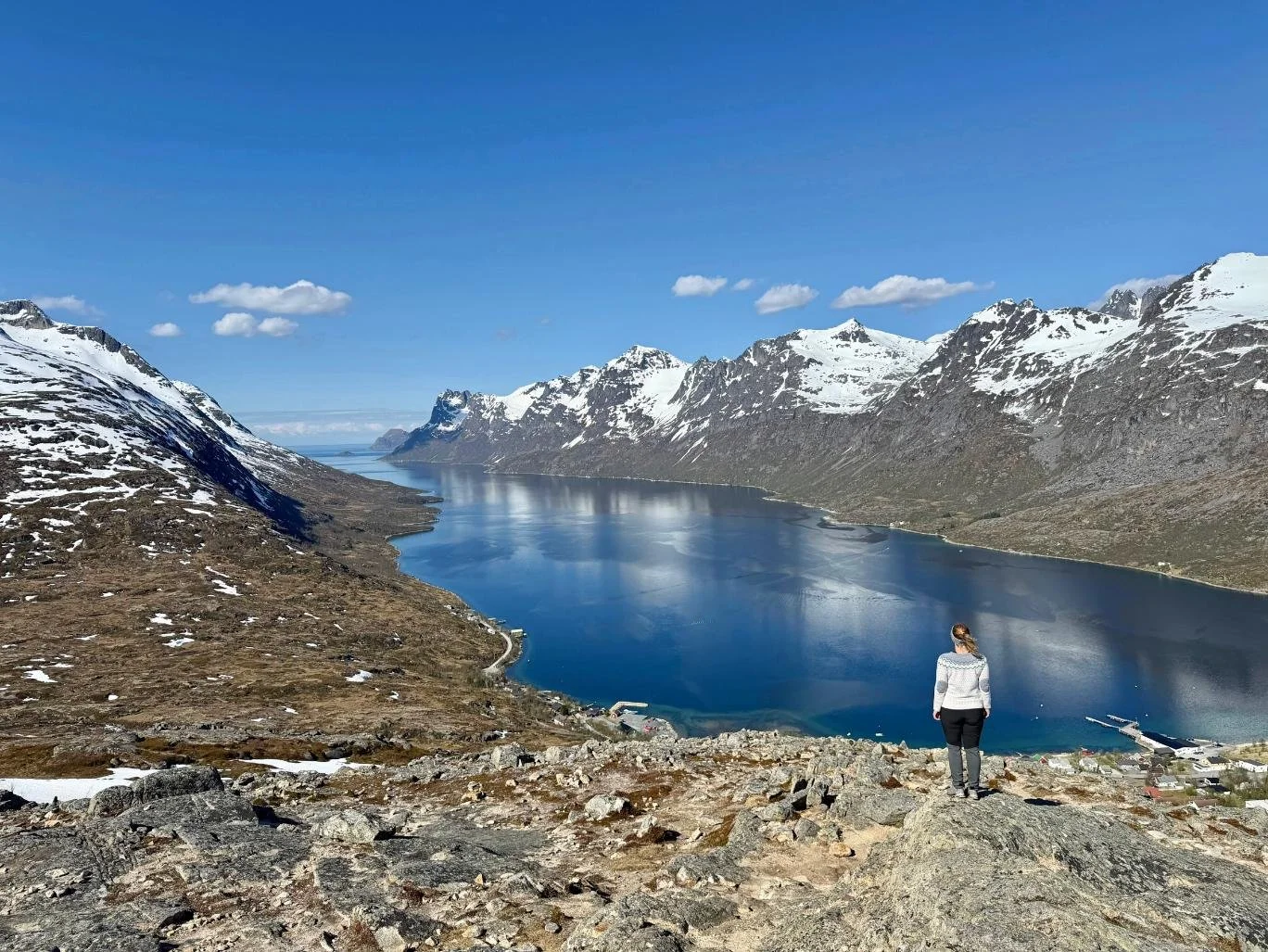
Tromsø, Norway, gets treated as a hiking base camp for the Lyngen Alps or Senja, and a lot of visitors never hike anything closer than the cable car queue at Fjellheisen. That's a shame, because the city itself sits between two mountains, backs onto a forested ridge, and is a short drive from an island (Kvaløya) with some of the prettiest and overlooked trails in Northern Norway. This Tromsø hiking guide covers what's walkable from downtown, what's a short drive or bus ride away, and where to go if you want something bigger.
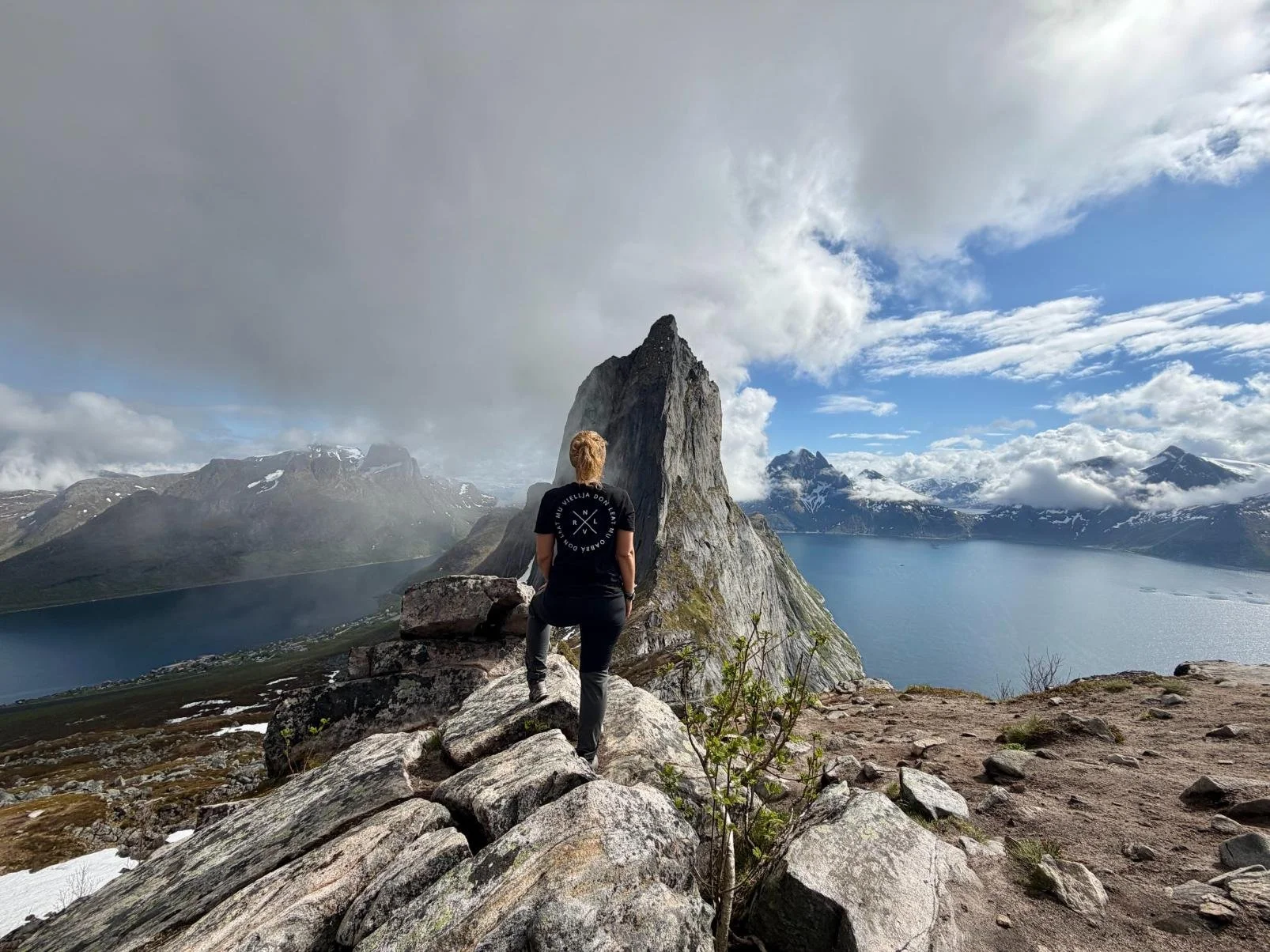
We had four days on Senja, Norway, with variable weather and a rotating window of clear skies. We hiked Hesten, Husfjellet, Knuten above Mefjordvær, and Utsikten near Hamn i Senja. And we can’t wait to go back for more!
This Senja hiking guide covers those four trails from our own experience, plus the big ones we didn't do — Segla, Barden, and Breidtinden — because they deserve their own introduction.
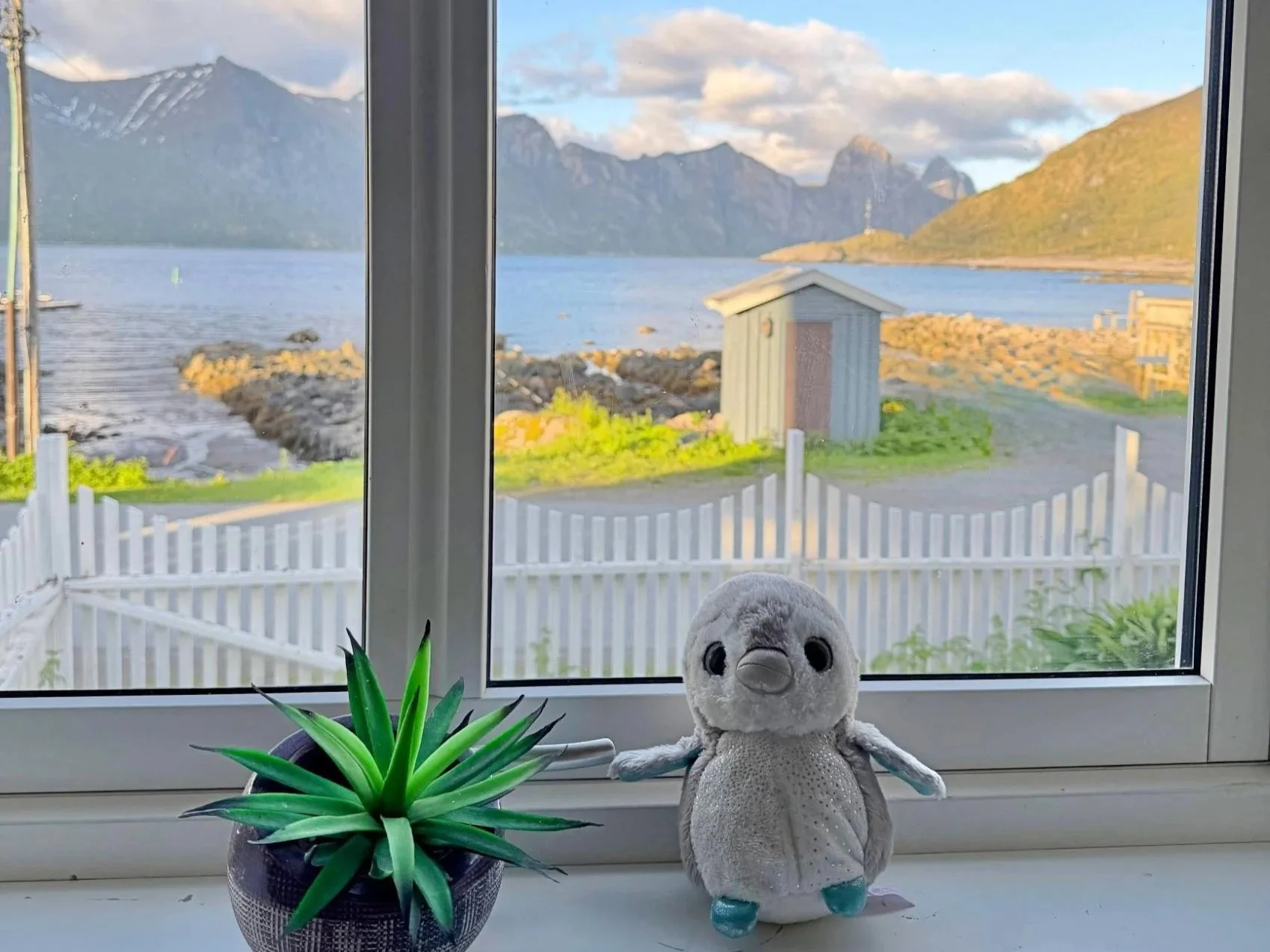
We split our time on Senja across different corners of the island, and the conclusion was fast: everything is spectacular, close to a fabulous hiking trail, and each accommodation is part of the experience.
Norway's second-largest island sits about two to three hours from Tromsø by car and ferry. The question isn't whether Senja is worth the detour. It is, and we’re pretty confident you’ll agree. The question is which part of it you want as your base.
This guide covers the best hotels in Senja, including the ones we stayed at, plus one bonus option just outside the island that's too well-positioned to leave out.
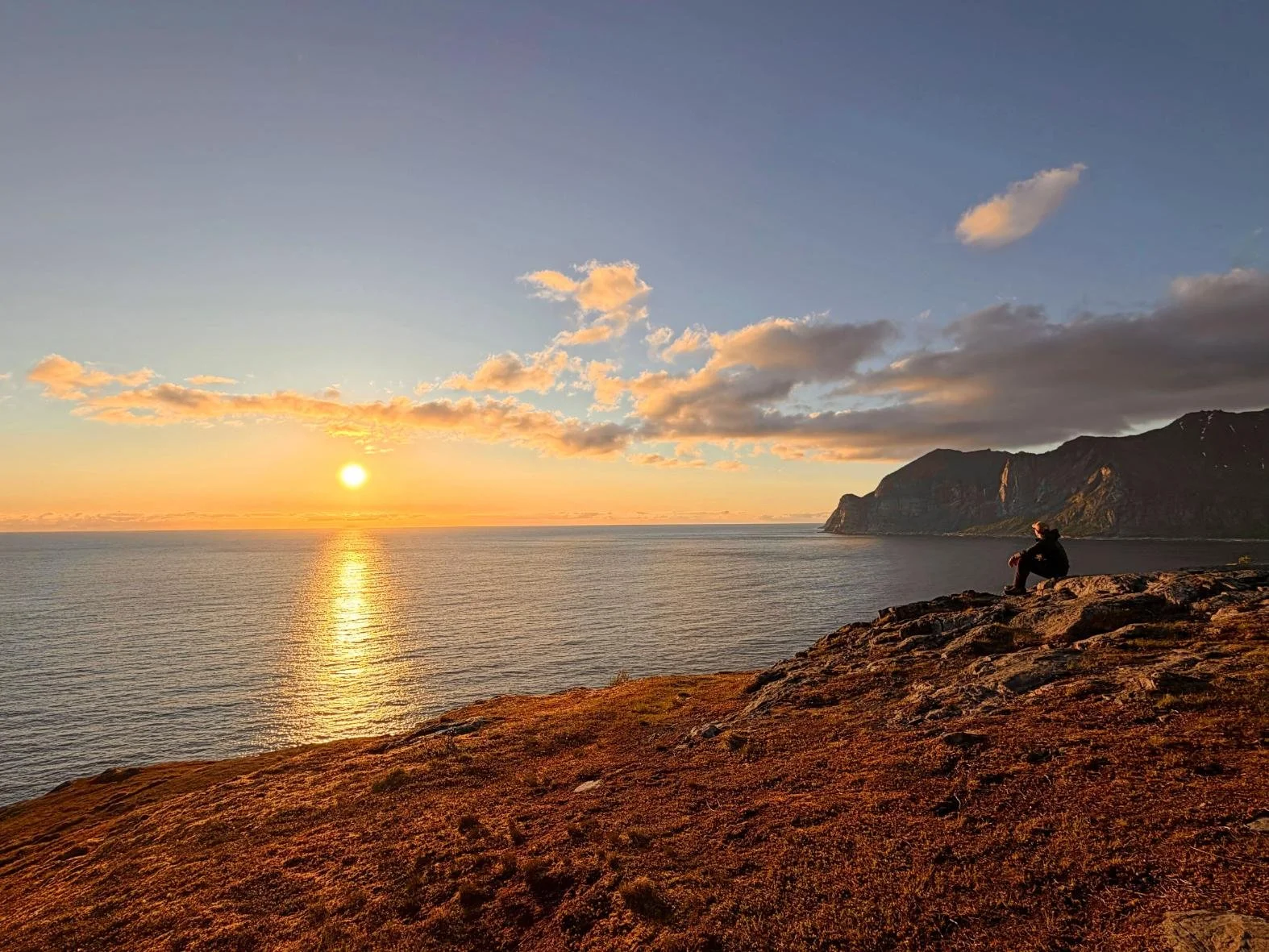
If you live in Southern Europe like us, you’re probably really, really hot right now. So, this summer, go up north!
Most people think of Tromsø, Norway, as a winter destination: northern lights, dog sledding, snow-covered peaks. And yes, that version of the city is real and a bit too crowded for our taste. But summer in Tromsø is different!.
The midnight sun runs from mid-May through late July. That means golden light at midnight, warm enough afternoons to swim (brave souls do, and not just Norwegians), wildflowers on the ridgelines, and an incredible energy in the air. You can hike at 11pm and still have hours of light ahead of you. The beaches — with white sand and turquoise water — fill up with locals who wouldn’t even dream of spending the summer in Spain. Oh, and less tourists!
This is our guide to the best things to do in Tromsø in summer.
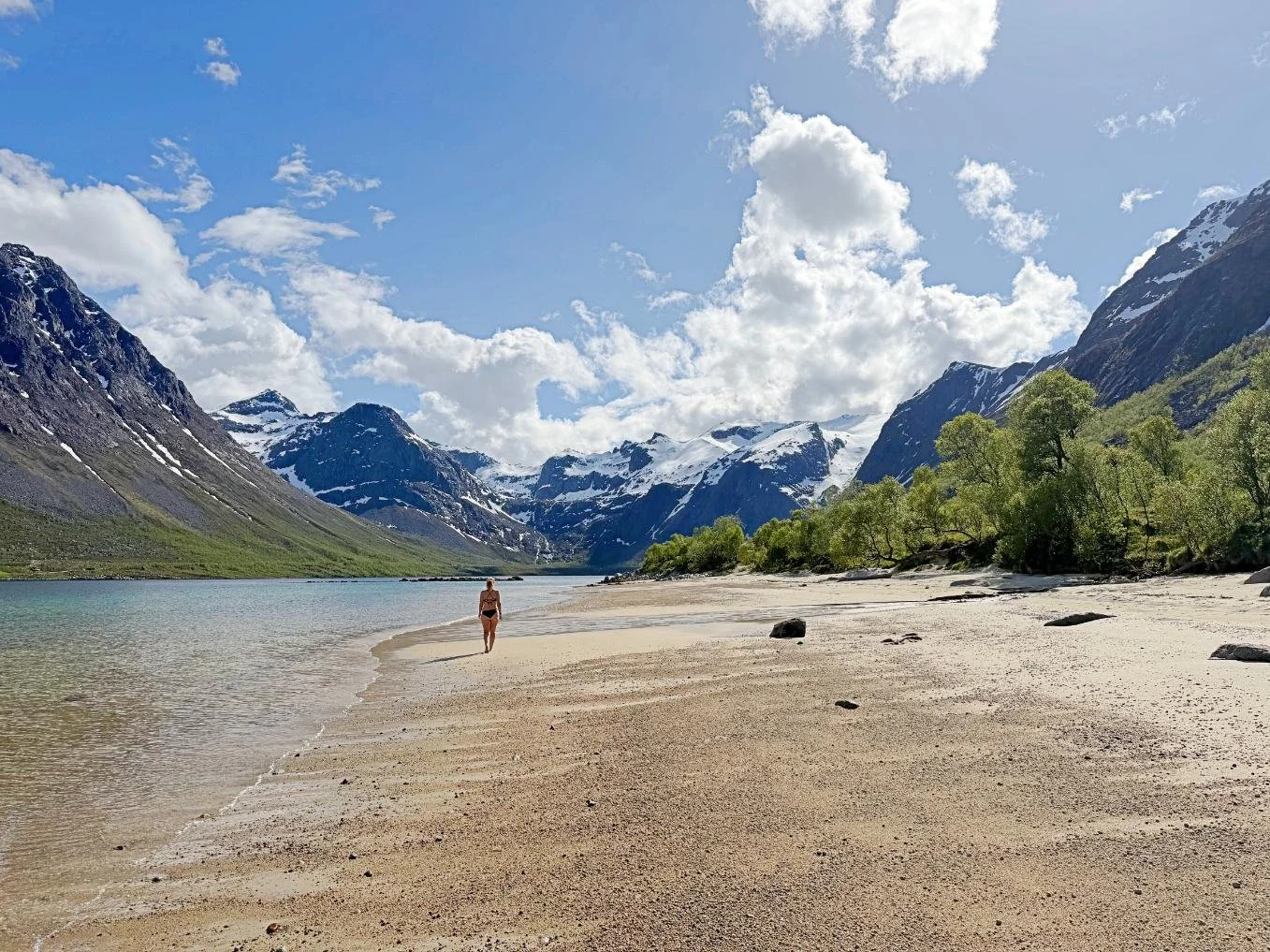
Kvaløya sits twenty minutes from Tromsø by car, connected by a bridge most people cross on their way somewhere else. Most treat it as a northern lights parking spot in winter, or a stepping stone to Senja or Sommarøy. We visited several times, and eventually stayed a couple of nights. And it turned out to be one of the most extraordinary places we've been in Northern Norway — wild, nearly empty, and completely underrated.
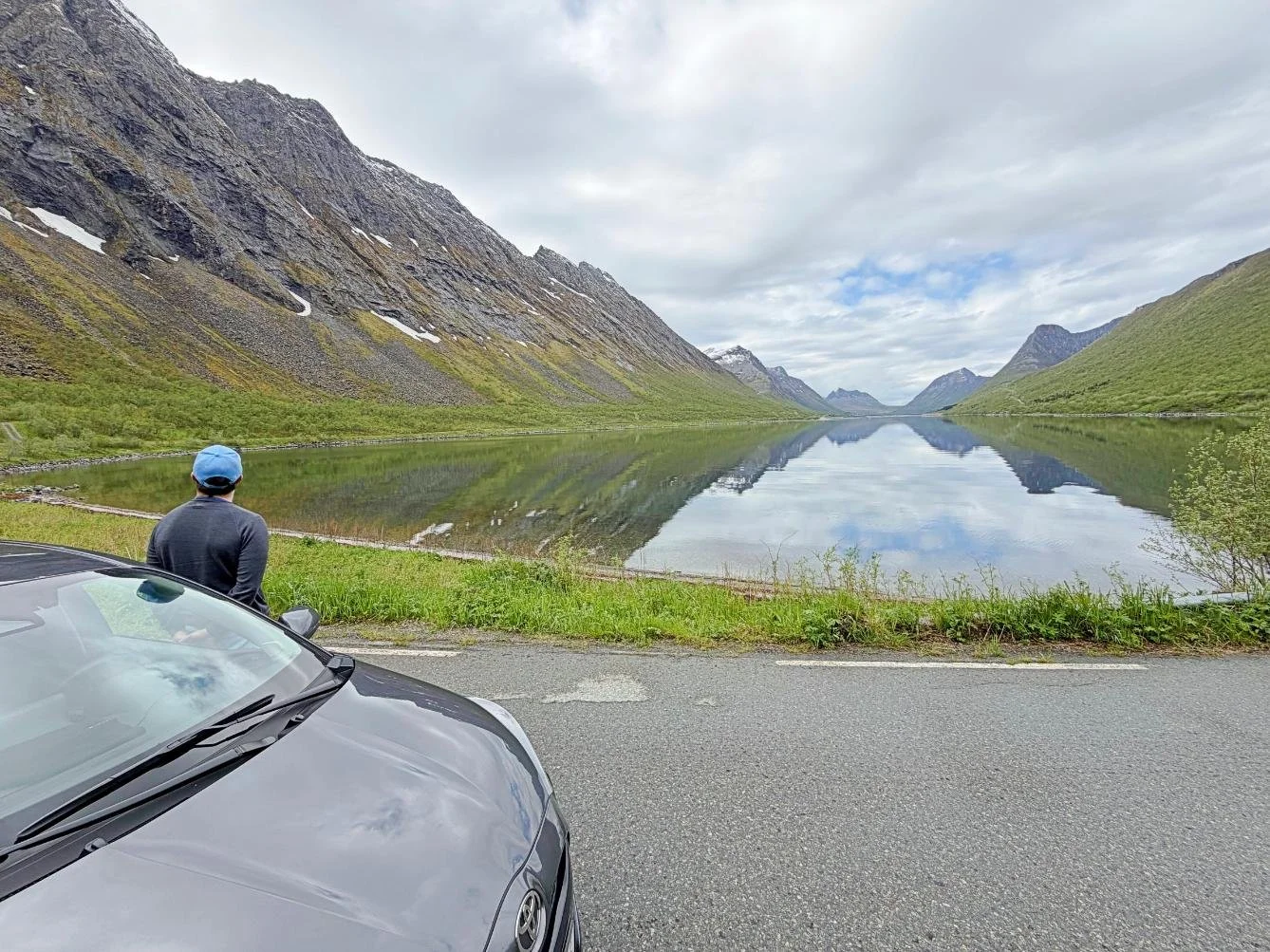
Tromsø, Norway, works perfectly well without a car for a lot of visitors. The city is walkable, the buses are functional, and most of the big tour operators will pick you up from your hotel. If you're spending a few nights chasing the northern lights on guided tours and doing daytime activities in the city, you can get by just fine on foot and public transport.
But if you want to actually explore the region — drive out to fjords on your own schedule, stop where you want, visit Senja (unless you take a day trip), push further toward the Lofoten Islands or the North Cape — a rental car changes the entire trip. Northern Norway is one of the great road trip destinations in the world. A car doesn't just add convenience; it opens up a completely different way of travelling, and absolute freedom.
This guide covers everything you need to know about renting a car in Tromsø, from picking it up at the airport to driving on snow-covered roads in the dark.
Southern Europe
Welcome to the sun-kissed shores and vibrant cities of Southern Europe, a region we’re blessed to call home.
From the postcard beaches of Sardinia and the Balearic to the Greek ancient ruins, Southern Europe is just irresistible.
Stroll along the cobbled streets of Barcelona, where the whimsical designs of Gaudí meet the pulsating rhythm of life in the tapas bars.
Explore the vestiges of Pompeii, and recover with an authentic Neapolitan pizza.
Savor a croissant while admiring a sunrise over the French Alps.
Spot the highest waves in the world in Portugal, and chat with the welcoming locals.
Venture at the edge of the continent and hike the volcanos of the Canary Islands.
With each country offering its own unique blend of flavors, traditions, and landscapes, Southern Europe ignites the wanderlust in every traveler's heart.
So, pack your bags, savor the aroma of freshly baked pastries, sip on velvety wines, and get ready to make your friends jealous!
Countries we visited in Southern Europe: Spain (including the Balearic and the Canary Islands), Italy (including Sardinia), Portugal and France, among others.
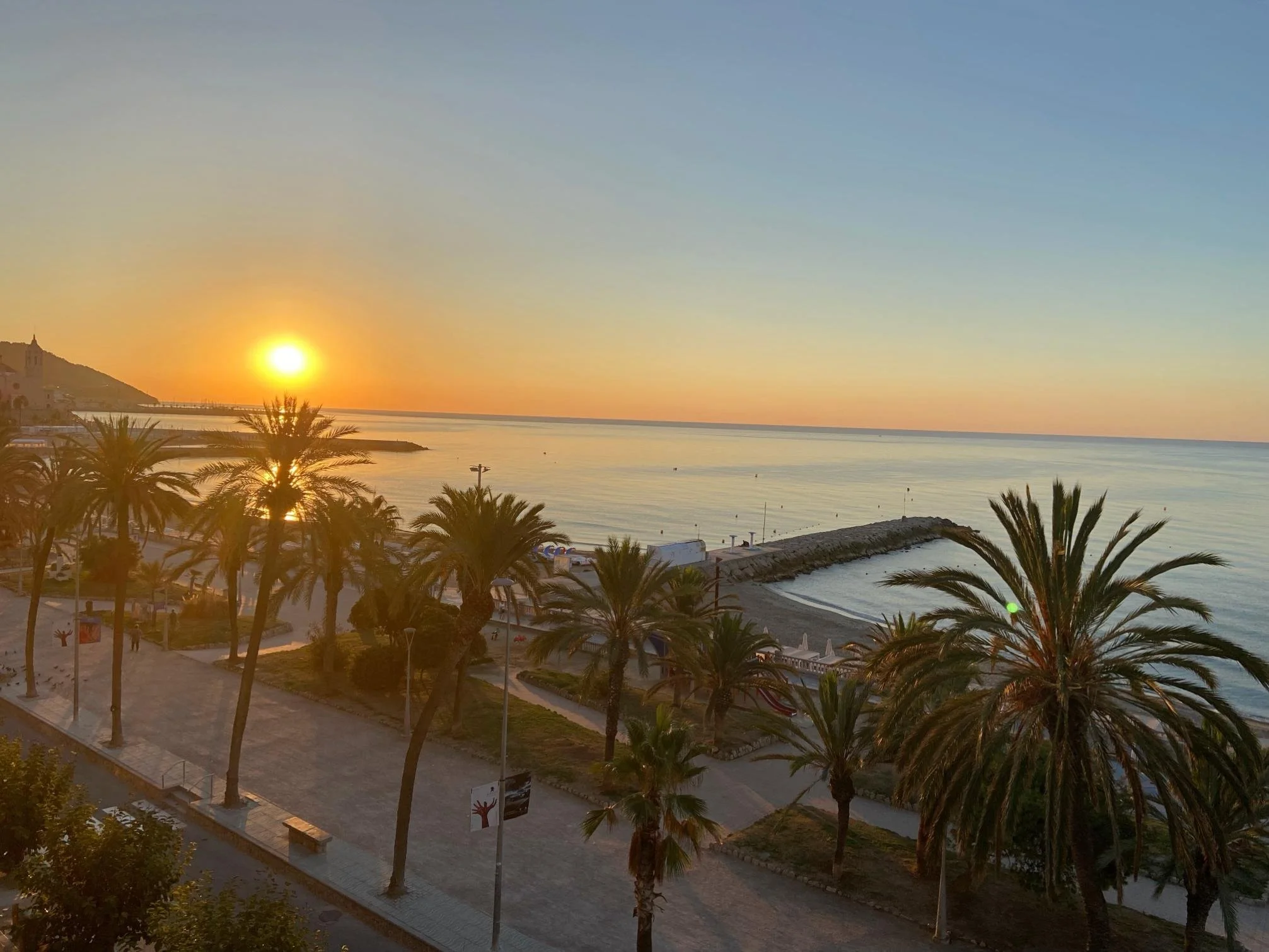
We live in Sitges, Spain, so this list isn't pulled from a search engine. We only included hotels that are consistently well reviewed by our friends or that we personally visited or stayed at.
One thing worth saying upfront: Sitges is one of the most LGBTQ+-friendly towns in Europe, and every hotel below openly welcomes gay travelers. It's not a separate category here, it's just the baseline. If you specifically want to be walking distance from Sin Street and the gay beach at Bassa Rodona, we've flagged which picks put you closest.
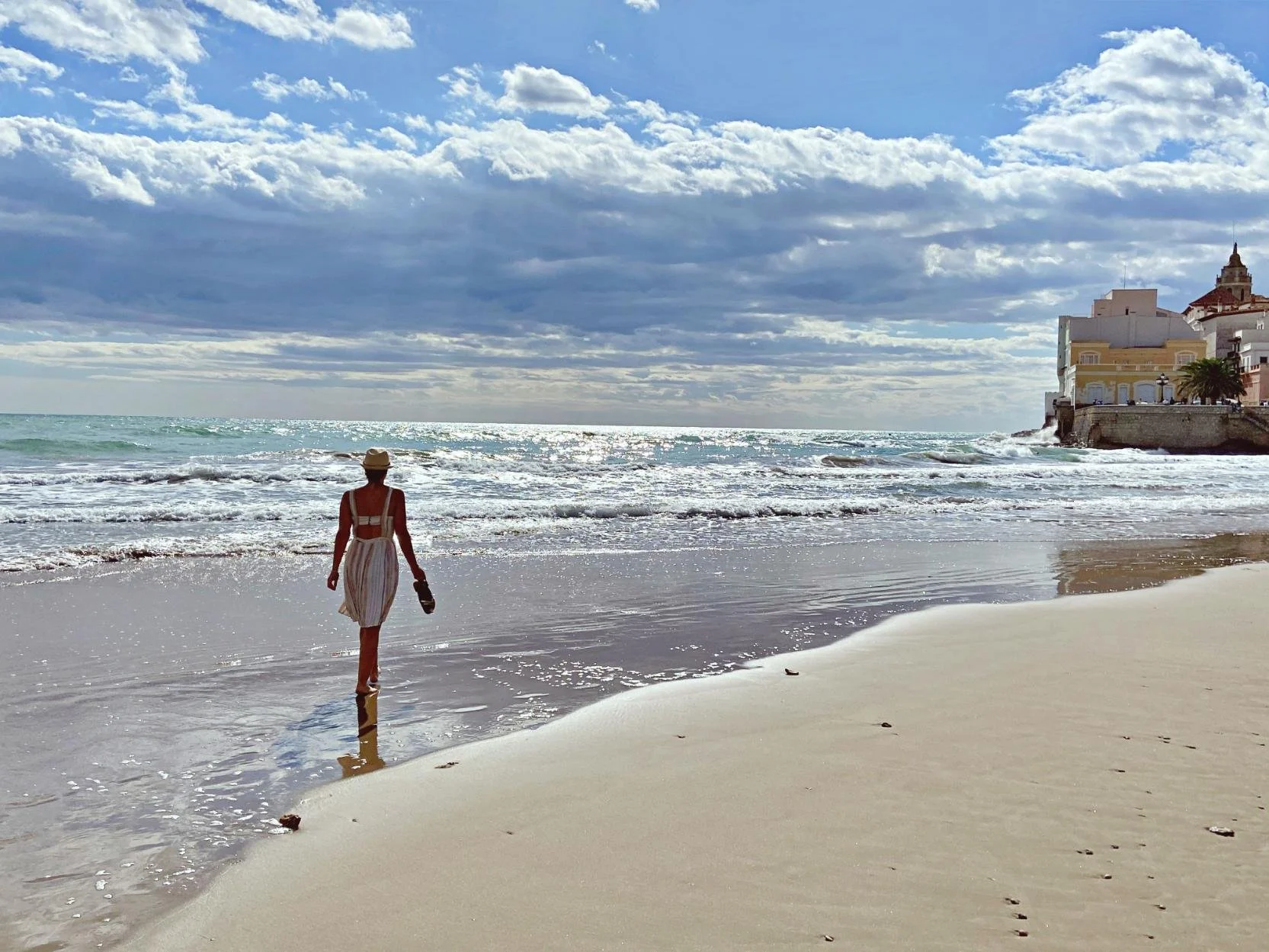
We live in Sitges, Spain, right on the Garraf coast, and one thing surprises people every time they ask us for beach advice: it's not one beach, it's about eleven of them lined up along the town promenade alone, plus a string of wilder, clothing-optional coves just beyond it (and, technically, Garraf village and Port Ginesta in Castelldefels).
That range matters because Sitges gets typecast fast, mostly as either a party town or a gay beach town, and neither label really does it justice. Yes, there's a well-known gay beach and a nude beach, and we'll get into both. But there's also a calm, central family beach that's five minutes from the train station and a run of quiet coves south of town where we go ourselves, as a straight couple, just as often as anyone else does (but maybe a bit earlier in the morning than the party boys).
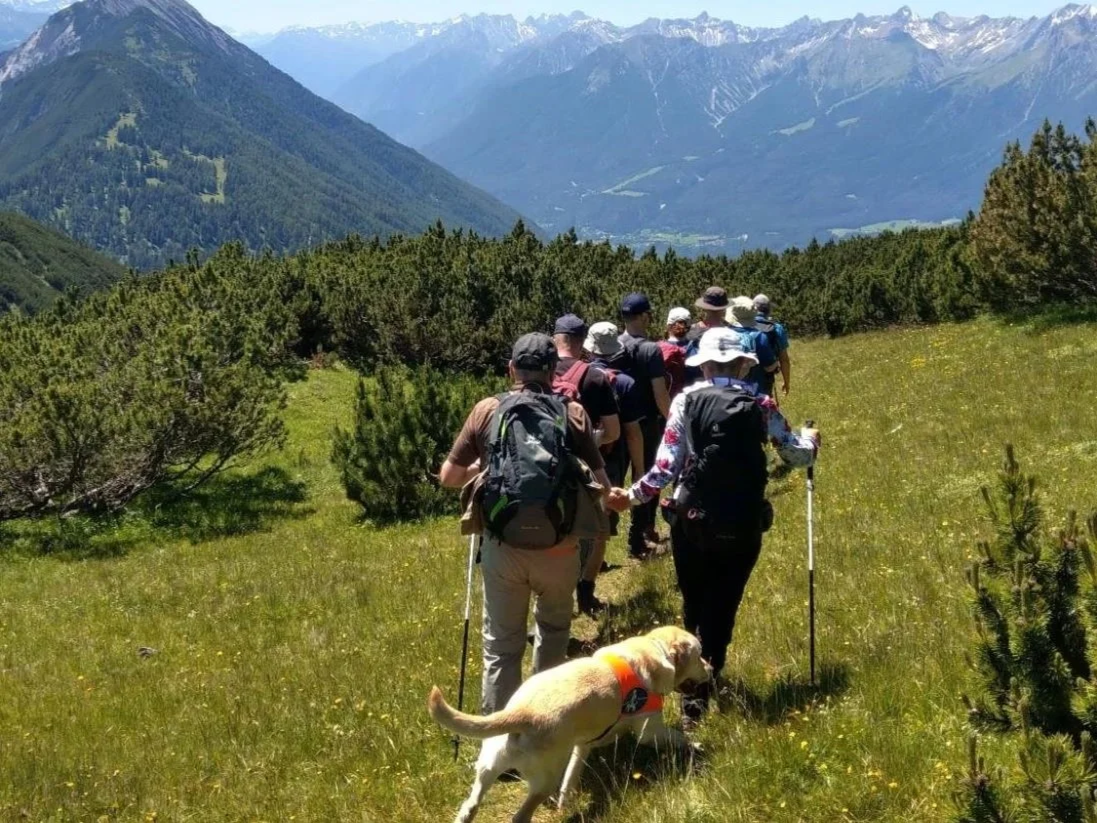
Laura and I met during our Master of Arts in European Tourism Management, a program that moved between Sweden and Spain. Just a few years after we graduated, she was already building what would become Tour de Sens: an inclusive tourism company that organizes trips for blind, visually impaired, and sighted travelers together, built around experiencing the world through all the senses.
It felt natural to invite her to write something for Penguin Trampoline. We're a blog about wonder and respect, about seeing places as they actually are rather than as they're packaged for quick consumption. What Laura does every day sits right at the heart of that. This is her piece — and I think it will change how you experience your next trip.
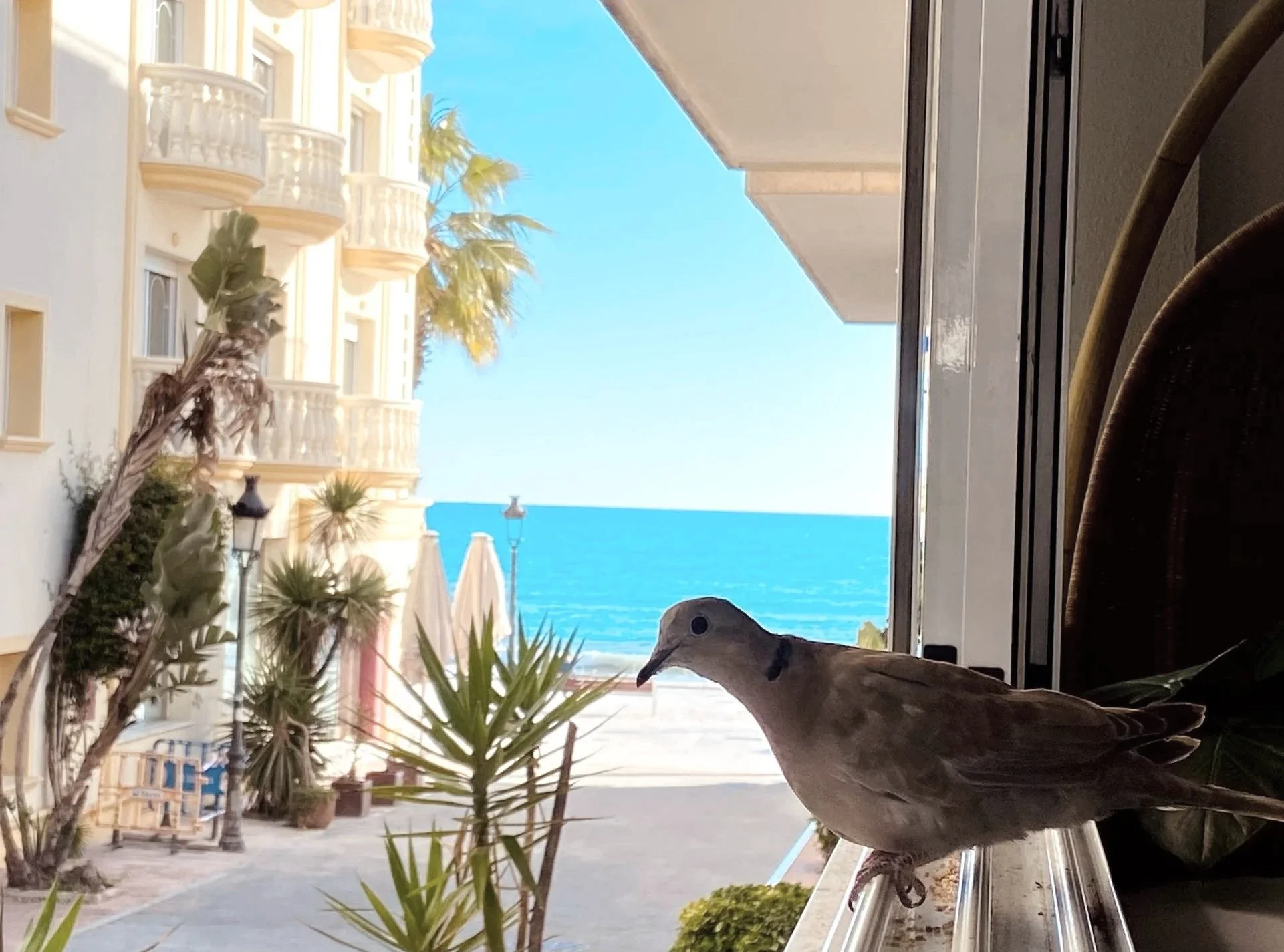
Barceloneta is fine. It's also where roughly four million people go every summer to share a towel-sized patch of sand and a view of someone's discarded Aperol Spritz cup. For everyone else — the people who want actual beach, actual quiet, and an actual reason to leave the city — the answer is a train ride south, a coastal drive north, or a commitment to the Costa Brava.
We live on the Garraf coast, right outside Sitges, so this isn't a list assembled from a search engine. These are the hotels we'd actually recommend to someone who asked us in person — organized around the same coastline we covered in our hidden beaches near Barcelona guide, so if you haven't decided which beach you want yet, that's the place to start.
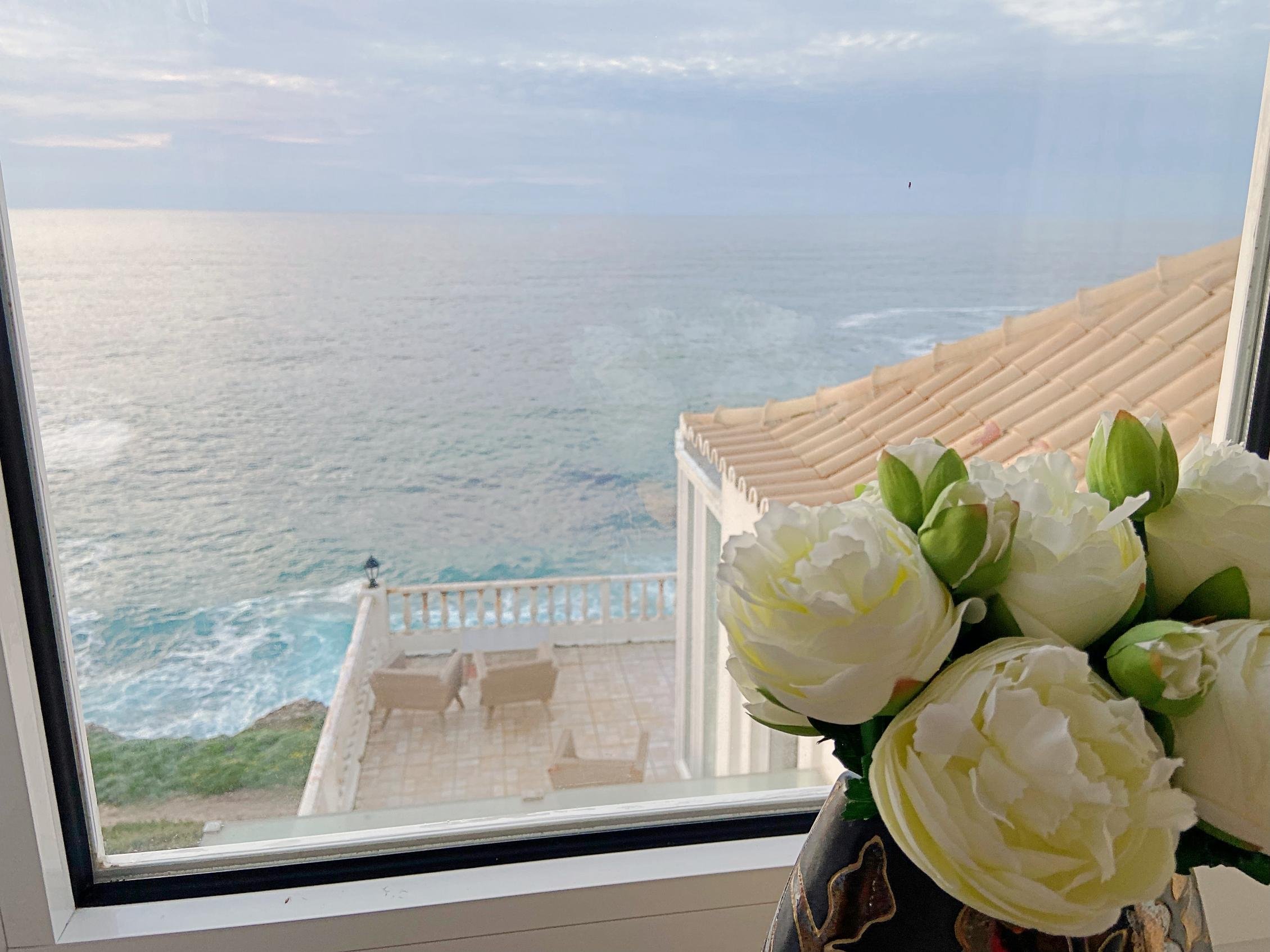
Portugal does boutique hotels exceptionally well, and the reason is mostly architectural. There are centuries of convents, palaces, olive oil mills, quintas, and fishermen's houses to work with — buildings that already have bones and history and character built in. Personally, we prefer hotels with character to big, impersonal chains. If you’re like us, Portugal will be heaven for you! Indeed, the best boutique hotels in Portugal tend to be conversions: a former palace on a Lisbon hilltop, a 16th-century olive mill inside Évora's city walls, a clifftop estate in the Alentejo redesigned by an architect who understood and respected what was already there.
What follows is our region-by-region guide to the best boutique stays across Portugal — from the capital to the wild Atlantic coast. Where we have a full regional guide, we link to it rather than repeating ourselves. Where we don't, we go deeper.
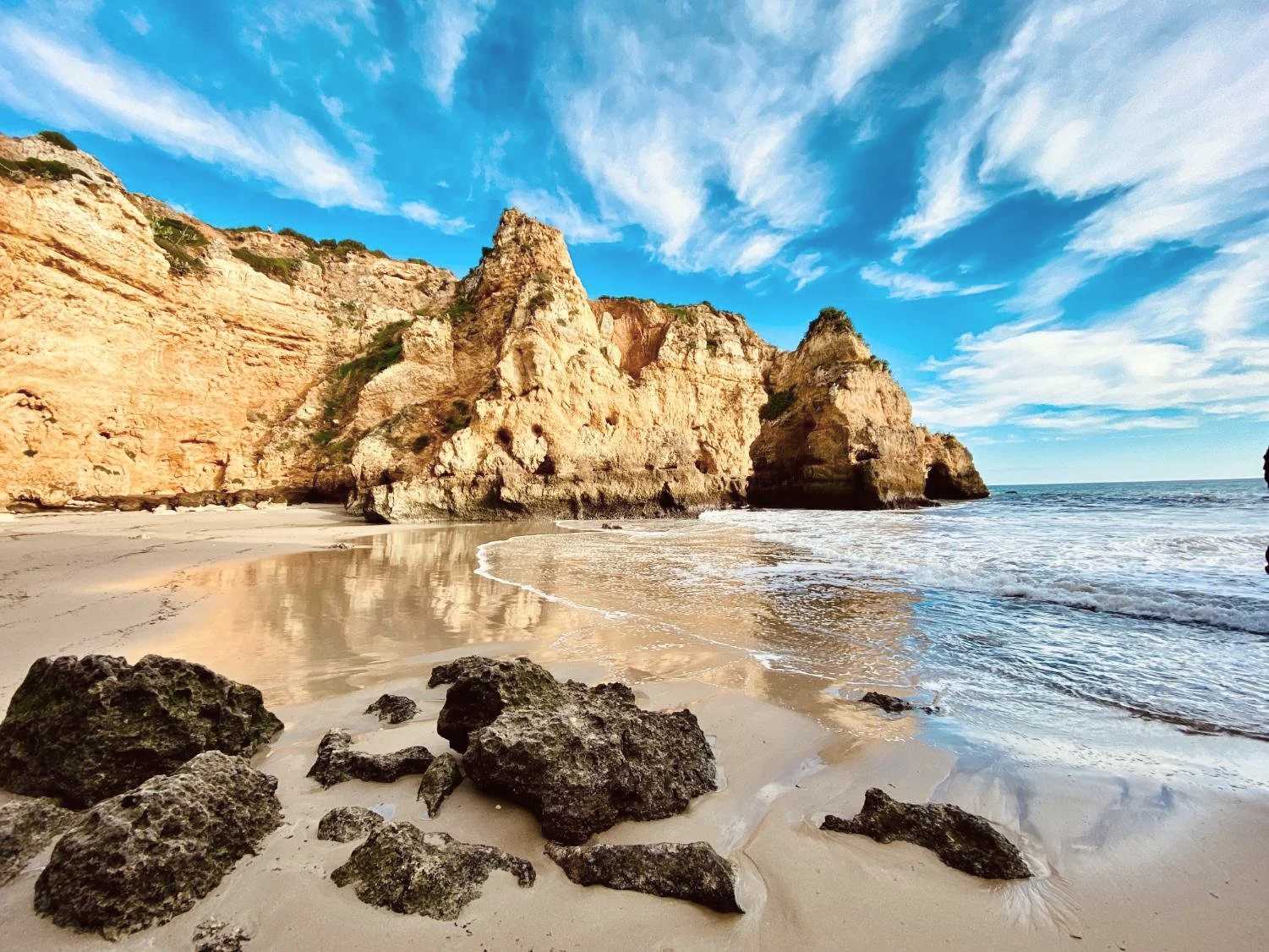
The Algarve everyone knows — the golden sea stacks, the crowded summer beaches, the all-inclusive resorts — is real. But it's a small part of a region that has cork oak forests, protected Atlantic coastline, Moorish architecture, wetland nature reserves, and some of the most characterful small hotels in Portugal.
The accommodation on this list exists across all of it. The best version of an Algarve trip (in our humble opinion) usually combines at least two of these areas: a few days in the backcountry west, a few days in the east near Tavira, and as much time as possible on the beaches in between.

Most people visit Sintra as a day trip from Lisbon. We get it — it's only 40 minutes by train, the palaces are right there, and the Instagram shots basically take themselves. But if you leave when the last bus goes, you miss what Sintra actually is.
Stay overnight and you get the village after the tour groups have gone. Cobblestone streets with no one on them. The fog rolling in off the Serra de Sintra as the light fades. The Pena Palace turning a deep orange in the last hour of sun. And, if you venture towards the sea, you’ll find sweeping ocean views all to yourself. A completely different place from the one 20,000 day-trippers saw.
The other thing nobody tells you: Sintra has some of the most characterful boutique accommodation in all of Portugal. Converted manor houses on century-old estates. Cliff-top guesthouses with rooms named after the Atlantic light. Former town halls turned into seven-suite hotels. The options are unique, and unlike Lisbon, they haven't been swallowed up by big chains yet.
Here's where to stay in Sintra, broken down by area.

The Alentejo is the kind of region that people stumble into without much of a plan and end up rearranging their whole trip around. Cork trees, bone-white hilltop villages, vineyards that stretch to the horizon. Pair it with the Costa Vicentina — the wild, protected coastline that runs south toward the Algarve — and you've got one of the most underrated stretches of Portugal. We absolutely fell in love with it!
The hotels tend to match the landscape. Converted farmhouses on 300-year-old estates. Low-slung whitewashed houses built into the Alentejo plain. Rural guesthouses where breakfast is local cheese, tomatoes, and bread still warm from the oven. Finding the right hotel in the Alentejo or along Costa Vicentina often means the whole trip falls into place around it.
We've split this guide by region, because the Alentejo interior and the coast are different trips (but are ideal when combined).
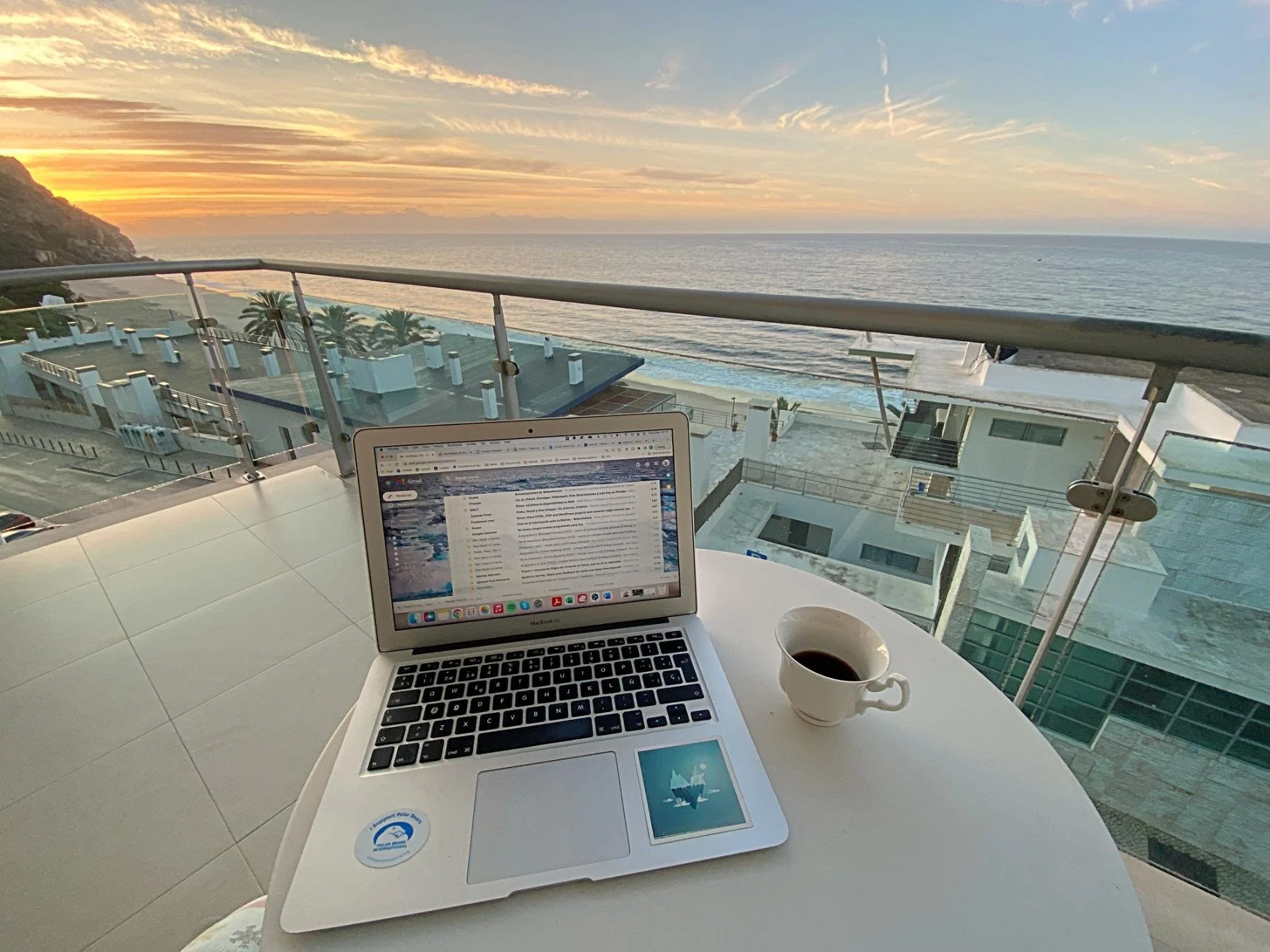
Portugal is one of those countries where the accommodation itself becomes part of the trip. You can find a hotel in Portugal that overlooks an Atlantic cliff, wake up to the sound of cork oaks in the Alentejo, or stumble into a surf lodge where the salt air never leaves. And you can do most of it without paying five-star prices — if you know where to look.
There are a lot of Portugal guides out there, but they all mention the same tourist spots. What follows is our by-region breakdown of where to stay in Portugal — the places we've stayed, the ones we'd book today, and the regions we think are seriously underrated.
Spring is Europe’s most underrated travel season. Landscapes come back to life, prices stay reasonable, and places still belong to the people who live there. If you time it right, spring lets you experience destinations as they actually are — not as they perform in summer.
These off-the-beaten-path destinations aren’t obscure for the sake of it. They simply make more sense in spring. Keep reading to find out why!
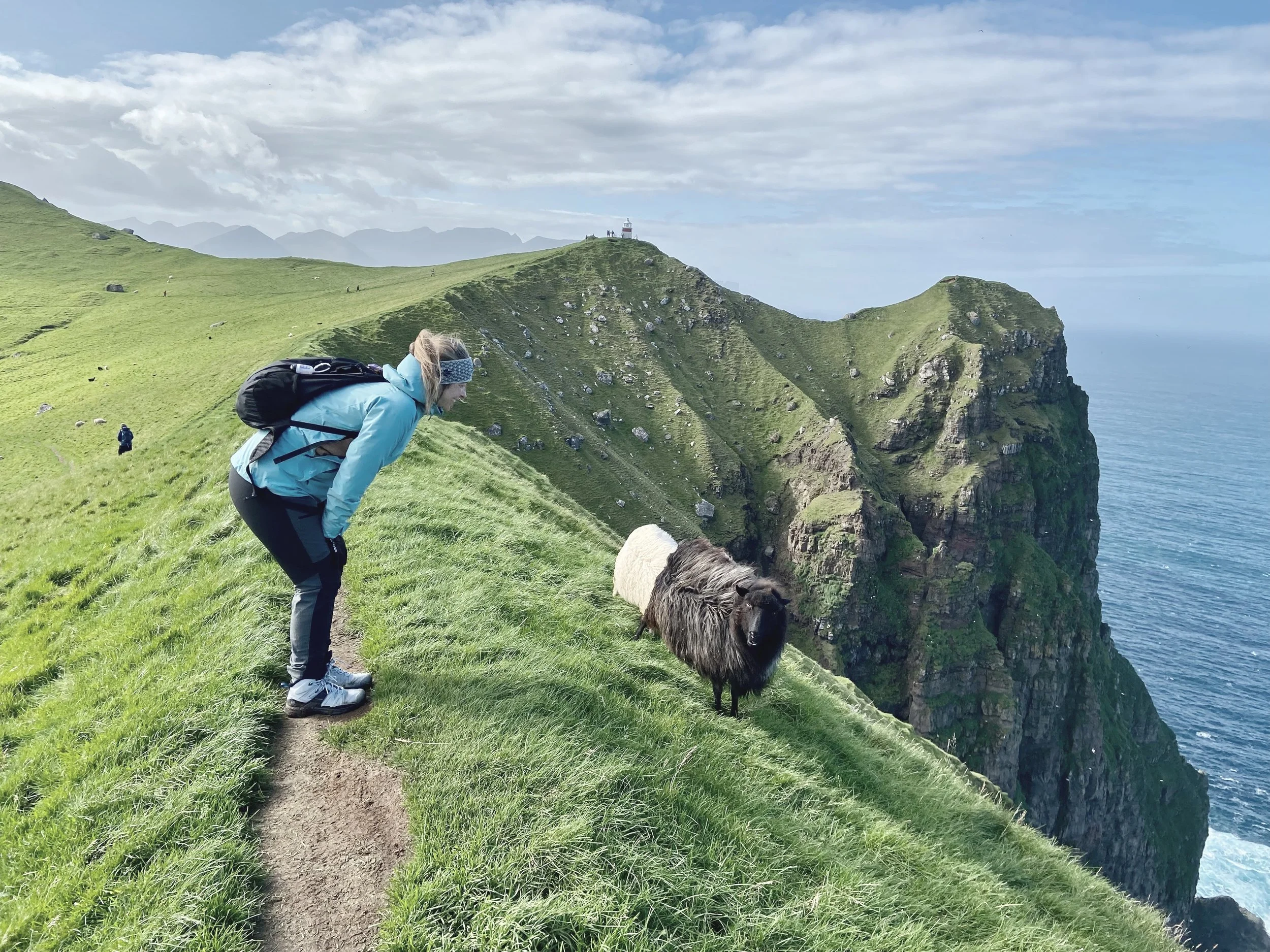
Travel in 2026 isn’t about ticking off famous places anymore. It’s about how you travel, when you go, and what kind of experience you want once you’re there.
After years of over-tourism, rising prices, and destinations that feel more like theme parks than places, travelers are making calmer, more intentional choices. And the data backs it up, as per Booking.com stats: quieter destinations, off-season travel, and colder regions are driving real bookings — not just inspiration clicks.
That makes us very happy at Penguin Trampoline, as we always encourage responsible travelling, and we are constantly looking for the perfect balance between travellers' and locals’ interests.
Here’s what’s actually shaping travel in 2026, and how to use these shifts to choose better destinations.

Sesimbra is one of the easiest coastal escapes from Lisbon if you rent a car (and where we had the best pastéis de nata) — and also one of the easiest to get wrong.
On paper, it’s simple: beach, cliffs, Atlantic views, a locals’ favorite. In reality, some “sea view” stays barely glimpse the water, some central locations get noisy in summer, and the best-value places are often just slightly removed from the promenade.
This guide is strict on purpose. Every place listed below is:
a hotel, pousada, apartment, or alojamento local
chosen because the sea is genuinely part of the experience
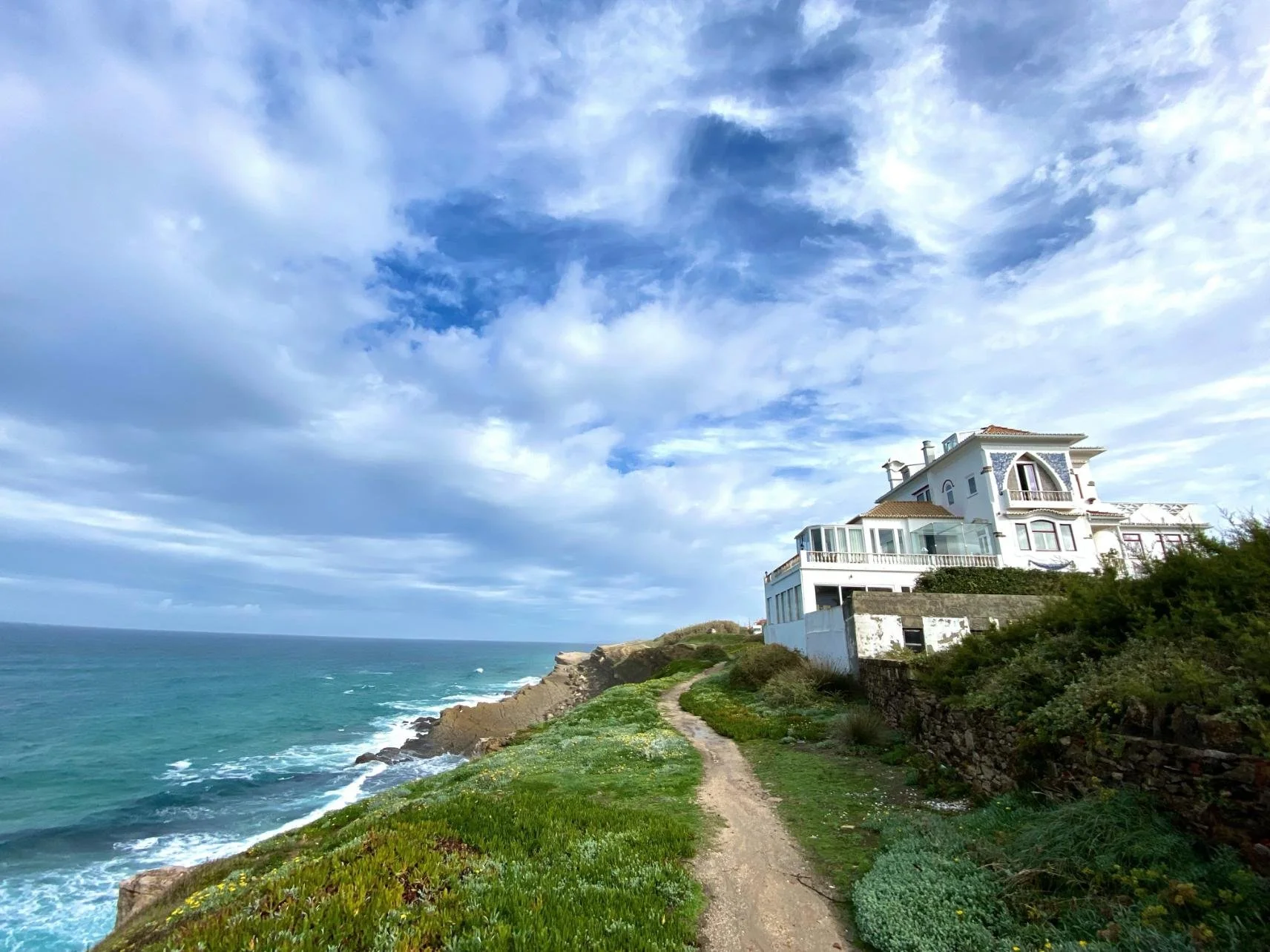
Not everyone flying into Lisbon wants Lisbon.
Some people land, pick up a rental car, and drive straight toward the ocean —looking for cliffs, space, silence, and a hotel room where the sea isn’t a suggestion but the whole point. If that’s you (welcome to the club!), good news: you don’t need to go far, and you definitely don’t need a resort bracelet.
So, if you big windows over nightlife and landscapes over lobby bars, keep reading and discover some of our favorites hotels with sea views near Lisbon.
Oh, and a Portugal travel guidebook is worth packing, even if our tips are fab!

We’ve scouted Europe’s most overlooked corners again — these are the places we’ll be talking about in 2026.
Let’s be honest — over-tourism is real, and sometimes, you just want to escape the crowds and find a place that still feels undiscovered. At least, we do, and this is why we always prefer going off the beaten path. The kind of spot where you don’t have to queue for an overpriced coffee or jostle with selfie sticks just to catch a glimpse of a landmark. It’s also a more sustainable approach to traveling!
And while we do visit famous destinations, we’re all about the hidden gems, the places that still have that raw, unfiltered magic. Here’s our hand-picked list of underrated destinations for 2026 — places we’ve actually been, places we love, and places you should definitely add to your travel plans.

Summer crowds have gone home (and we, penguins, rejoice). Temperatures are down (again, we rejoice). Winter hasn’t yet wrapped everything in snow. And in between, fall (or autumn, depending on where you’re reading this from) quietly transforms Europe’s wildest corners into glowing forests, aurora skies, and solitude you didn’t know you needed.
If you’ve ever wanted to trade pumpkin spice lattes for misty valleys, or swap city noise for the crunch of leaves under your boots, this is your season. Here are five wilderness escapes we’ve loved (or are about to explore) where fall feels like nature’s secret handshake.
Take a deep breathe in… and fall for nature with us!

There’s a stretch of Portugal’s coast where everything slows down — except the waves. Between Nazaré’s cliff-top drama and Ericeira’s surfer charm, the Central Coast is one of those places that still feels wild, real, and deeply local.
We based ourselves in Nazaré, followed the salty wind south, and came back with a list of stays we’d happily move into. Dive (or surf) into our selection of accommodation in this little — but mighty — corner of Portugal!
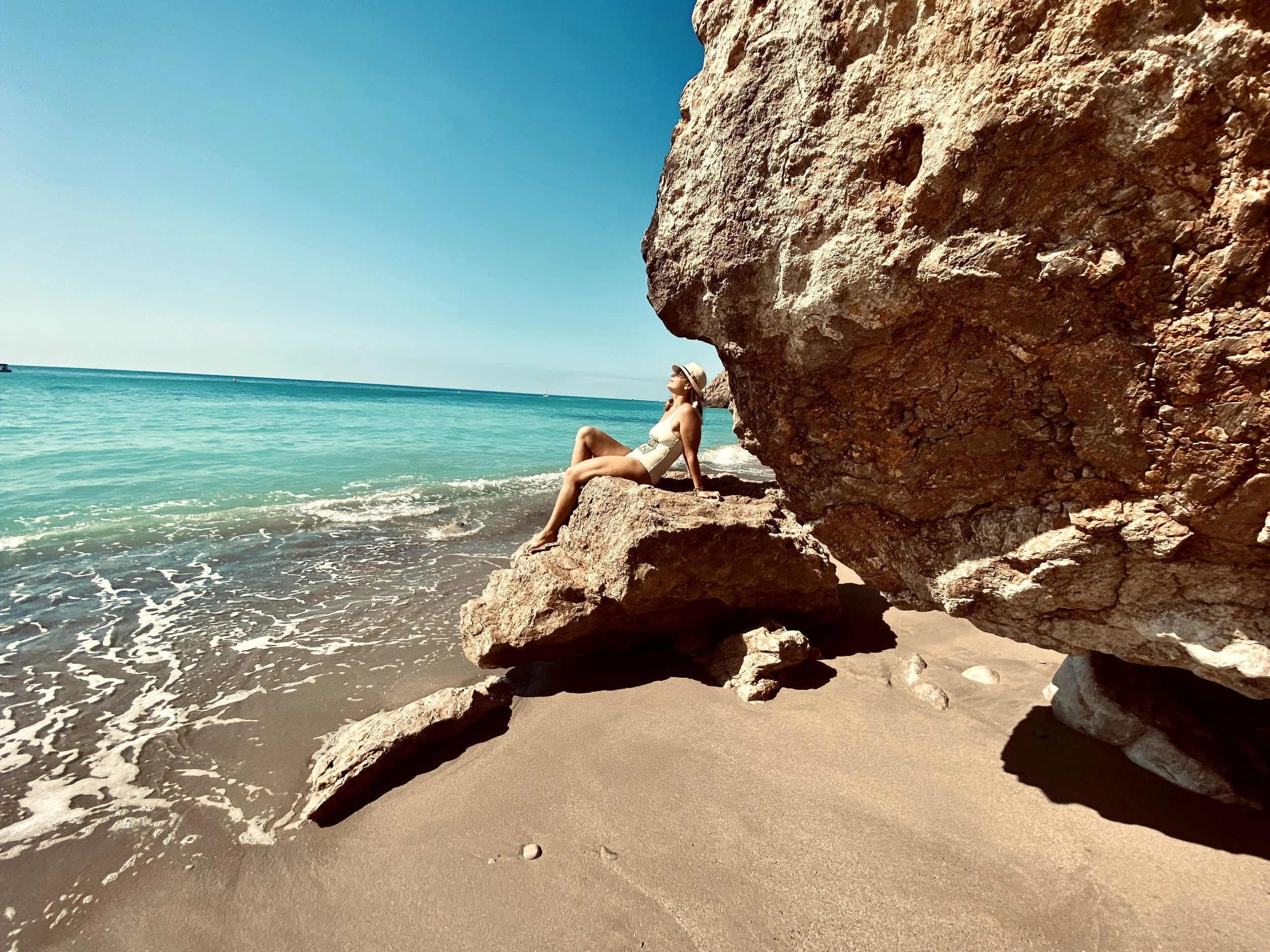
Wild calas, nudist escapes, pine forests, and soft golden sand — all under 50km from the city.
Everyone’s heard of Barceloneta beach, in Barcelona. Too many people, in our opinion. But Barcelona’s coast hides dozens of lesser-known beaches you can reach by train, bus, or rental car — with fewer crowds, better views, and actual space to stretch out your towel.
Whether you want a quick escape or a secret beach day, here’s our pick of the best hidden beaches less than 50km from Barcelona. We’ve split them by direction — south and north — plus a few worth the extra distance. ¿Vamos?

Everyone’s heard of Barcelona. A lot of people have heard of Costa Brava. Some may have heard of Tarragona. But if you keep driving south — past the Roman ruins and beach resorts of Costa Dorada — something quieter and wilder starts to appear. Pine-covered cliffs, secret calas you’ll have to shimmy into, a coastline that smells like fennel and salt, and tuna. Massive, impressive bluefin tuna.
Welcome to Southern Catalonia’s wild coast. Here's how we fell in love with it — and how you can too.

Sure, you’ve seen the photos: turquoise coves in Formentera, impossibly blue beaches in Sardinia, rugged cliffs hugging the Costa Brava. These Mediterranean icons are no secret — and in July or August, they can feel more like open-air festivals than peaceful getaways. Sure, we’re all about Arctic destinations, but we love a good Mediterranean beach too!
And here’s the thing: even the busiest places have quiet corners. You just need to know where to look.
After years of exploring these coastlines (and ducking the crowds like pros), we’ve put together our favorite off-the-beaten-path spots — the secret beaches, small-town stays, wild hikes, and local food joints that still make us feel like we’ve discovered something new.
If you want sun, salt, and (some) space to breathe — this is your summer guide.

Everyone’s heard of Algarve’s golden sands and dramatic cliffs. But here’s the secret: Portugal’s wildest, quietest, most soul-restoring beaches aren’t in the brochures.
From the windy wilds of the Alentejo to the moody cliffs north of Lisbon, here are 10 spots where the Atlantic still roars and the Wi-Fi still sucks (in a good way). Swam in their icy Atlantic waters (check local advice for currents). Got lost on dusty trails. Ate delicious fish along the way.
These aren’t polished. They’re not trendy. They’re not all swimmable — head to Algarve for calmer waters. They’re wild, raw, and totally worth the detour. And yuou’ll definitely need a rental car.
Here are 10 of our favorite underrated beaches in Portugal — the ones we almost didn’t want to share. These are the “praias” we tell our closest friends about — and now, you!

Imagine a place where rainbow flags dance in the Mediterranean breeze, where cobblestone streets lead to hidden calas and iconic beaches, and where the spirit of love and acceptance is palpable in the warm welcome of the locals.
Benvinguts a Sitges, the ultimate destination for LGBTQ+ pride celebrations and a magical place we’re blessed to call home!
Nestled on the stunning Garraf coast, near Barcelona, this postcard-perfect town offers so much more than sol y playa; it’s a vibrant haven of inclusivity and joy. ¿Nos acompañas?

Espot, Spain, is the hidden gem of the Spanish Pyrenees we had been dreaming of. Imagine stepping into a postcard-perfect village, surrounded by dramatic mountains, with welcoming locals.
While there are tourists, mass tourism is not a thing (yet), so we thoroughly enjoyed the peace and quiet!
Espot offers a blend of natural beauty, history, and local charm that's simply irresistible. Ready to dive into this beautiful corner of Catalonia? Let's explore top six things to do in Espot.

Spoiler alert: You won’t find Mykonos or Ibiza here. This is a deeply biased, highly personal list of European beaches we’ve actually been to — and loved enough to forget our towels (and sometimes swimsuit) for. And don’t expect just sea, sun and sand! From lava-black shores in Iceland to dreamy coves in Sardinia, here’s where to go if you’re looking for irresistible landscapes and sweet solitude (well, at least off season).

When we first started exploring Portugal highlights, we thought we knew what to expect: the picturesque tram of Lisbon, the amazing Sintra, the beaches of the Algarve, and, of course, a pasteis de nata or two.
But trust us — Portugal has so much more to offer when you veer away from the typical tourist hotspots. It’s these hidden gems, these tucked-away villages and wild stretches of coast, that really made us fall in love with this place.
If you want to discover Portugal like we did, here are 5 places in Portugal off the beaten path.
Spoiler alert: It’s impossible to eat just a pasteis de nata or two. There’s a reason why they sell them in tubes!

Ah, La Graciosa — Literally “The graceful”, or “The fun one”. Just saying the name brings back the memories of dusty trails, endless turquoise waters, and that peculiar scent of sea breeze mixed with volcanic earth.
It’s hard to believe this tiny island, often overshadowed by Lanzarote’s dramatic attractions, remains such a well-kept secret. It’s not even that remote! But maybe that’s its magic—hidden, untouched, and breathtakingly wild.
This was definitely the highlight of our trip to the Canary Islands, one of those places with an “end of the world” feeling that we love at Penguin Trampoline!
¿Nos acompañas?

If you’re looking for authentic Catalunya, just a few kilometers from the Costa Brava’s beautiful beaches, Garrotxa is the place to go!
This small but mighty region is packed with things that make you go “wow.” We’re talking volcanoes you can hike, villages where time has stopped, and super “grammable” views. Here’s how to make the most of your time in this hidden gem, with five epic adventures you absolutely can’t miss.

It all started with a HBO documentary: 100 Foot Wave. We watched it during lockdown and promised ourselves that we would visit Nazaré as soon as travel resumes!
So, combining a visit to our friends in Ericeira, we headed to Portugal in October, hoping to catch the Big Waves.
We loved every single town and sight we visited in Portugal, but we particularly fell in love with low key Nazaré — apaixonámo-nos pela Nazaré! — this small, off the beaten path town that became famous with Garrett McNamara.
Explore the Big Waves Capital of the World with us and discover the best things to do in Nazaré, Portugal!

Are you looking for a complete change of scenery for your next trip? Sometimes, there is no need to travel to the other side of the world (or to space!) for an “out of this world” feeling.
So, check out these 6 places which will make you feel like you’re on a different planet.
Eastern and Central Europe
Welcome to Central & Eastern Europe — where fairy-tale cities meet wild forests, and history whispers through cobbled streets and misty mountains.
This is the heartland of contrasts: baroque palaces and brutalist relics, ancient woodlands and buzzing modern capitals. Where culture runs deep, nature still feels untamed, and every border crossing tells another story.
From Berlin’s creative pulse to Poland’s lakes and forests, from Latvia’s Baltic calm to Romania’s bear country in the Carpathians, this region is full of surprises.
Venture further east, and Russia unfolds in vast horizons and timeless traditions — a land that defies easy definition.
Wander through mediaeval squares, hike through primaeval forests, and watch sunrise over mountain villages where shepherds still roam.
Whether you come for the culture, the nature, or that quiet sense of discovery, Central & Eastern Europe rewards curiosity at every turn and is still forgotten, patiently waiting to show off their wonders.
Countries we visited in Eastern & Central Europe: Romania, Russia, Germany, Latvia and many more to come.
Summer crowds have gone home (and we, penguins, rejoice). Temperatures are down (again, we rejoice). Winter hasn’t yet wrapped everything in snow. And in between, fall (or autumn, depending on where you’re reading this from) quietly transforms Europe’s wildest corners into glowing forests, aurora skies, and solitude you didn’t know you needed.
If you’ve ever wanted to trade pumpkin spice lattes for misty valleys, or swap city noise for the crunch of leaves under your boots, this is your season. Here are five wilderness escapes we’ve loved (or are about to explore) where fall feels like nature’s secret handshake.
Take a deep breathe in… and fall for nature with us!

Bucharest surprised us.
We came expecting chaos, and sure — there’s traffic, honking, confusing intersections — but under the surface? A strange charm, layers of history, a little grit, and a lot of curiosity. It’s a place where street art creeps up on old villas, bookstores outnumber grocery stores, and you can eat something called a Joffre cake in a building that looks like a Wes Anderson hotel (we weren’t fans of the cake, but the vibe? Spot on).
Admittedly, we didn’t fall head over heels for Bucharest the way we have in other places, but we’re very glad we went — and we’d absolutely recommend it to anyone curious enough to explore Romania’s complex, creative, caffeinated capital.
And after you book your trip, make sure to get a good travel guide!

Romania surprised us — not with flashy resorts or five-star hotels, but with mountain cabins where the fog rolls in like a blanket, family-run guesthouses with woodsmoke and wildflower gardens, and city stays that still feel human.
We didn’t come here for luxury. We came for views, silence, stories. And these are the places we’d actually stay again — the kind that make you want to slow down, grab a coffee or a hot ciorba (soup), and watch the clouds drift past your window for hours.
So whether you’re headed for Dracula’s castle, bear country, or the cobblestone charm of Sibiu, we’ve got a stay to match.

We didn’t plan on the road vanishing. Or the fog rolling in like a movie set. But that’s what happens when you head into the Făgăraș Mountains in October — Romania has a habit of throwing a little mystery your way.
Before the mountains, though, came Sibiu — the kind of town where the buildings literally look back at you. It’s full of baroque charm, slow moments, and sleepy rooftops with “eyes” in the attic. And just outside, the ASTRA Museum offers an awesome open-air museum experience.
We stayed in Cârțișoara, a quiet village at the foothills of the Făgăraș Mountains with sweeping views — when the weather cooperates. Ours didn’t. The famed Transfăgărășan Road closed early, so no drive to Bâlea Lake. But we got monastery bells, steaming bowls of soup, and mountain mist instead.
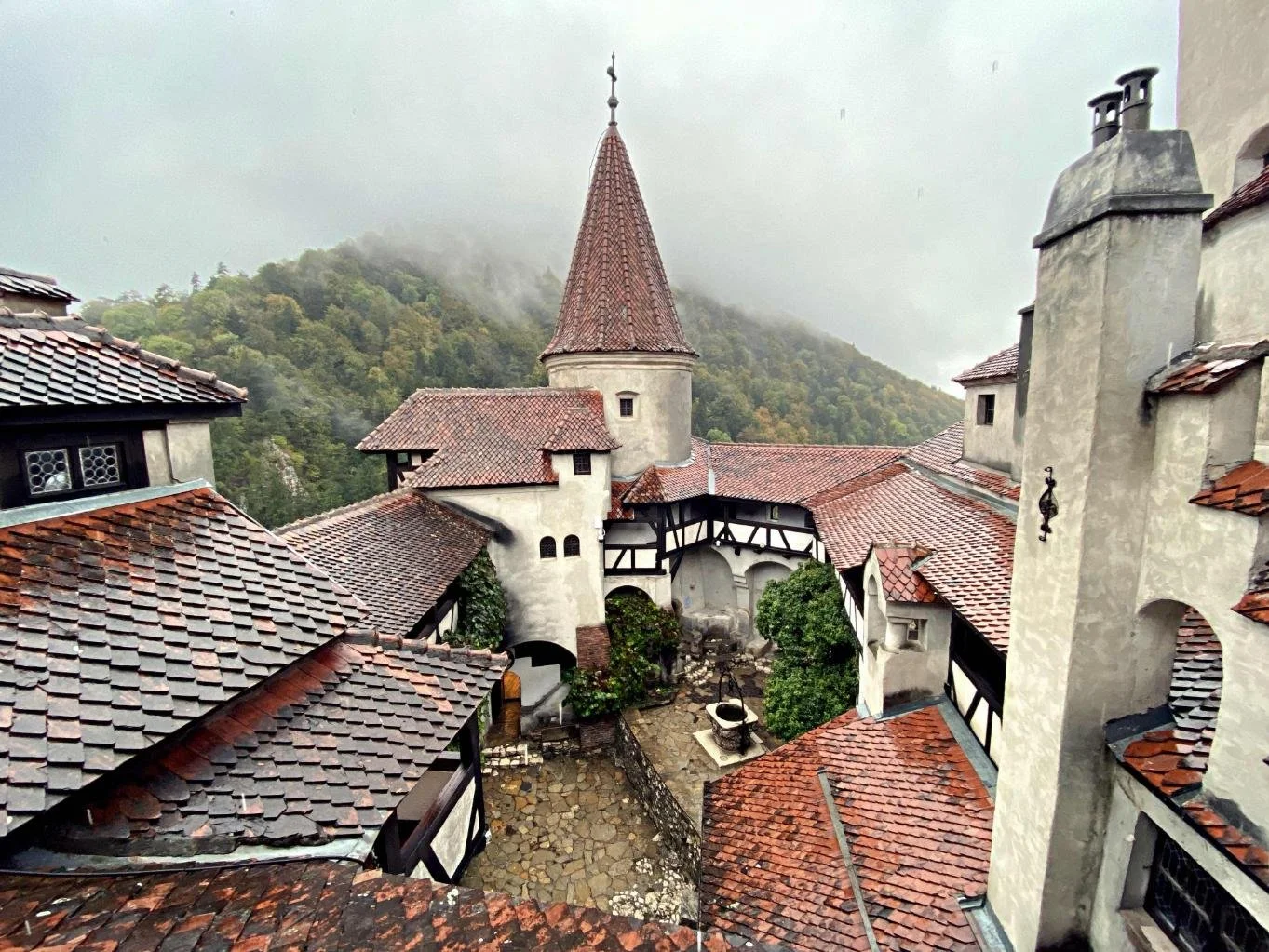
The guidebooks all say the same thing: Start in Brașov.
But here is the thing: we always prefer off-the-beaten path destinations, and Brașov is pretty touristy.
So, we preferred to stay near Zărnești. We were enchanted by foggy valleys and curious cows, but it was pouring rain, so no hike that day. We’d figured we’d swing through the region’s biggest name for the classics — Old Town charm, Dracula’s Castle, and whatever Transylvanian mystery we could cram into a day trip.
Spoiler: We weren’t blown away by Brașov. But that’s not really the point of this story.
Because around the edges of this tourist hotspot, the magic lingers — in weather-worn monasteries, A-frame cabins that vanish into clouds, and backroads that look like they’ve never heard of GPS.
This is Brașov & Beyond. A mini adventure through myth, fog, and a surprising amount of garlic.
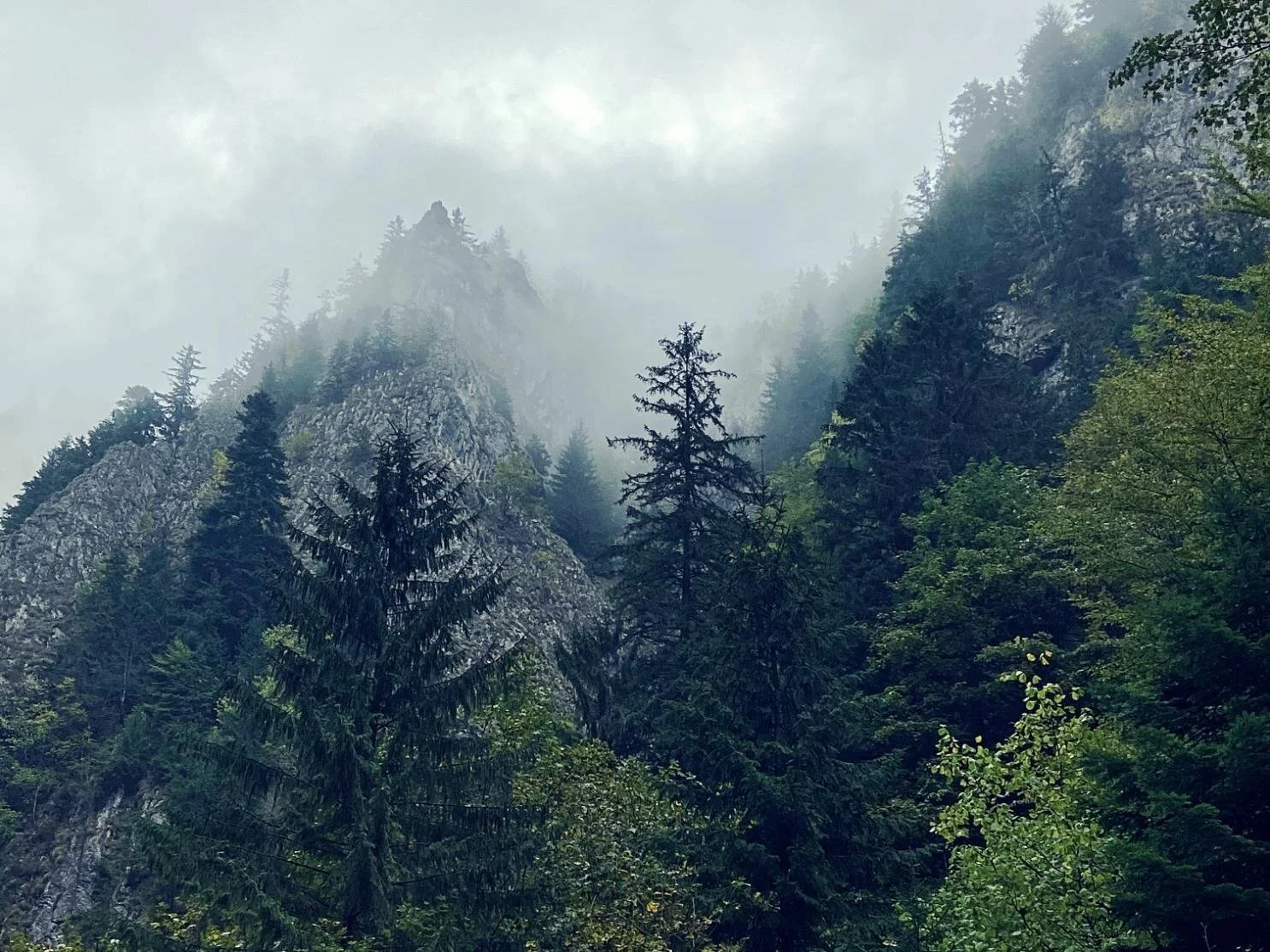
Tucked between the Bucegi and Piatra Craiului Mountains, Măgura and Zărnești are where Romania’s wild soul beats slow and steady.
Here, time moves differently — mornings start in mist, afternoons end with cowbells, and somewhere in between you might meet a bear (from a respectful distance).
We came for Piatra Craiului National Park, and left with muddy boots, a full heart (and belly), and a very loyal village dog.

When Jake found out that the world’s largest bear sanctuary was in Transylvania, he surprised me with a trip!
Our route wound from the Carpathian peaks of Magura to the mediaeval calm of Sibiu, through foggy Făgăraș roads that refused to show their secrets and Bucharest’s creative chaos.
It’s one of those places where nothing goes exactly to plan — and that’s what makes it unforgettable!
Buckle up (literally, because driving there is… can’t even describe it) and follow us!
We've watched the sunset from Mount Aksla, hiked on Runde bird island, tried the floating sauna Svai when the sea was 4 degrees, and almost stayed forever deep in the Summøre Alps & fjords.
Ålesund, Norway, definitely rewards that kind of wandering, and where you stay changes the trip. A harborside room in the Art Nouveau center is a different experience than a night an hour inland with a fjord out the window! Here's our selection of hotels in Ålesund, and in the surrounding Sunnmøre Alps and fjords.