
Best Time to Visit Lofoten (Winter, Summer & Northern Lights Explained)
When is the best time to visit Lofoten? Our seasonal guide covering weather, northern lights, hiking conditions, and crowds.

We took this picture on Mt Ryten in October, and don’t worry, there is something under that rock!
Last update: August 2026
At Penguin Trampoline, we visited Lofoten, Norway, several times. And it’s never just “nice.” It’s dramatic in winter, cinematic in summer, moody in autumn, and quietly magical in spring.
But the experience changes completely depending on when you go.
Are you chasing northern lights? Midnight sun hikes? Empty roads? Snow-covered rorbuer?
Here’s exactly what to expect month by month — so you can choose the Lofoten season that matches your reason for going.
🛌 Where to stay:
• Rostad Retro Rorbuer, Reine — we stayed here on a last-minute deal and it turned out to be one of the best views we've ever had.
• Skarungen, Kabelvåg — we stayed here and it's one of Lofoten's best wellness stays.
• Kaikanten Rorbuer, Sennesvik — we stayed here in October and got a northern lights show right by the pier. Great value.
• Eliassen Rorbuer, Hamnøy — the red cabins from every Lofoten photo you've ever seen.
🇳🇴 Top experiences:
• Midnight sun kayak — paddle past rorbuer and mountain peaks straight into the fjord.
• Northern lights tour from Henningsvær — small group (max 7), guided by a local who tracks the forecast in real time.
• Snowshoe hike — Enjoy the still, frozen beauty of Lofoten without the crowds
🚗 You need a car in Lofoten. The islands stretch 170km and public transport isn't great. Book your rental in Bodø before you cross — significantly cheaper than picking one up on the islands.
When is the best time to visit Lofoten? (Short answer)
Based on our experience at Penguin Trampoline, the best time to visit Lofoten for hiking and long days is June and July (read our hiking in Lofoten guide). For the Northern Lights, go between October and March. If you want a balance of both with fewer crowds, late September or early May are the sweet spots. Keep reading for the details and our best tips!
Winter in Lofoten (November to March)
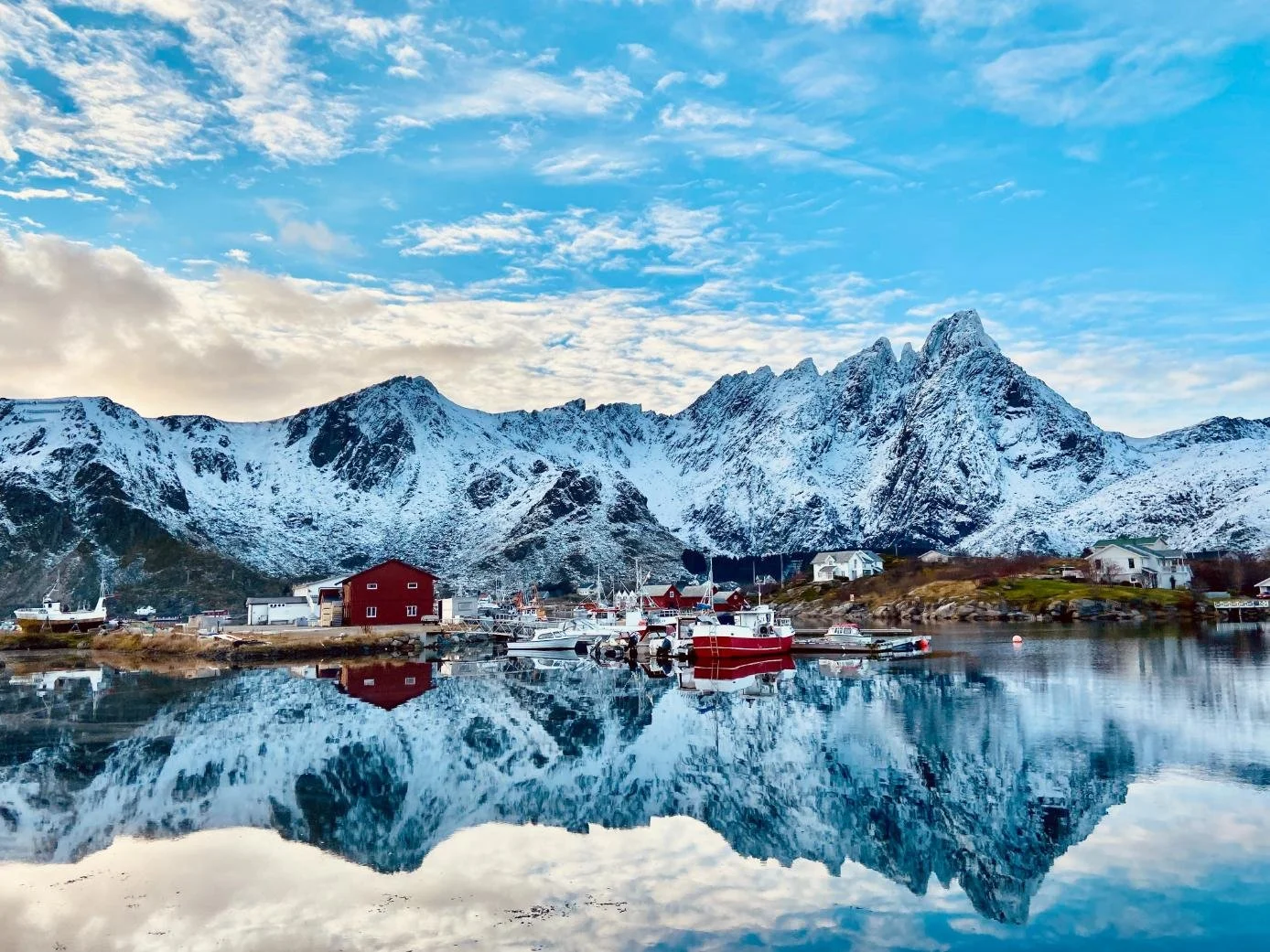
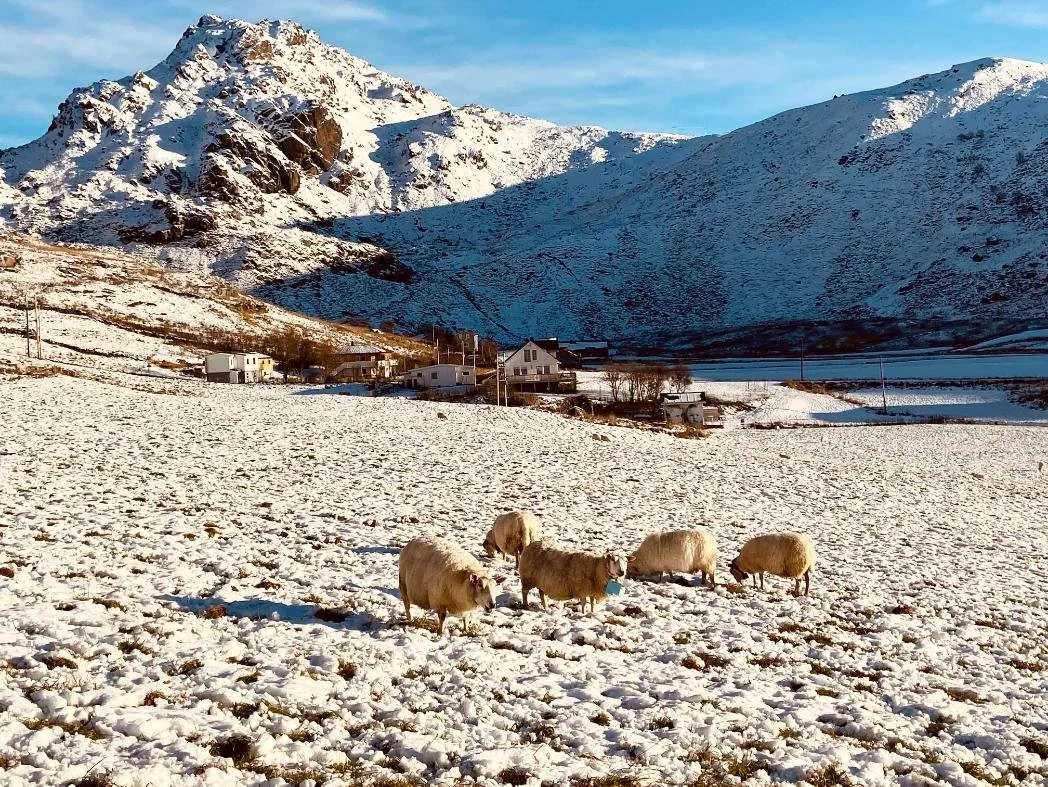
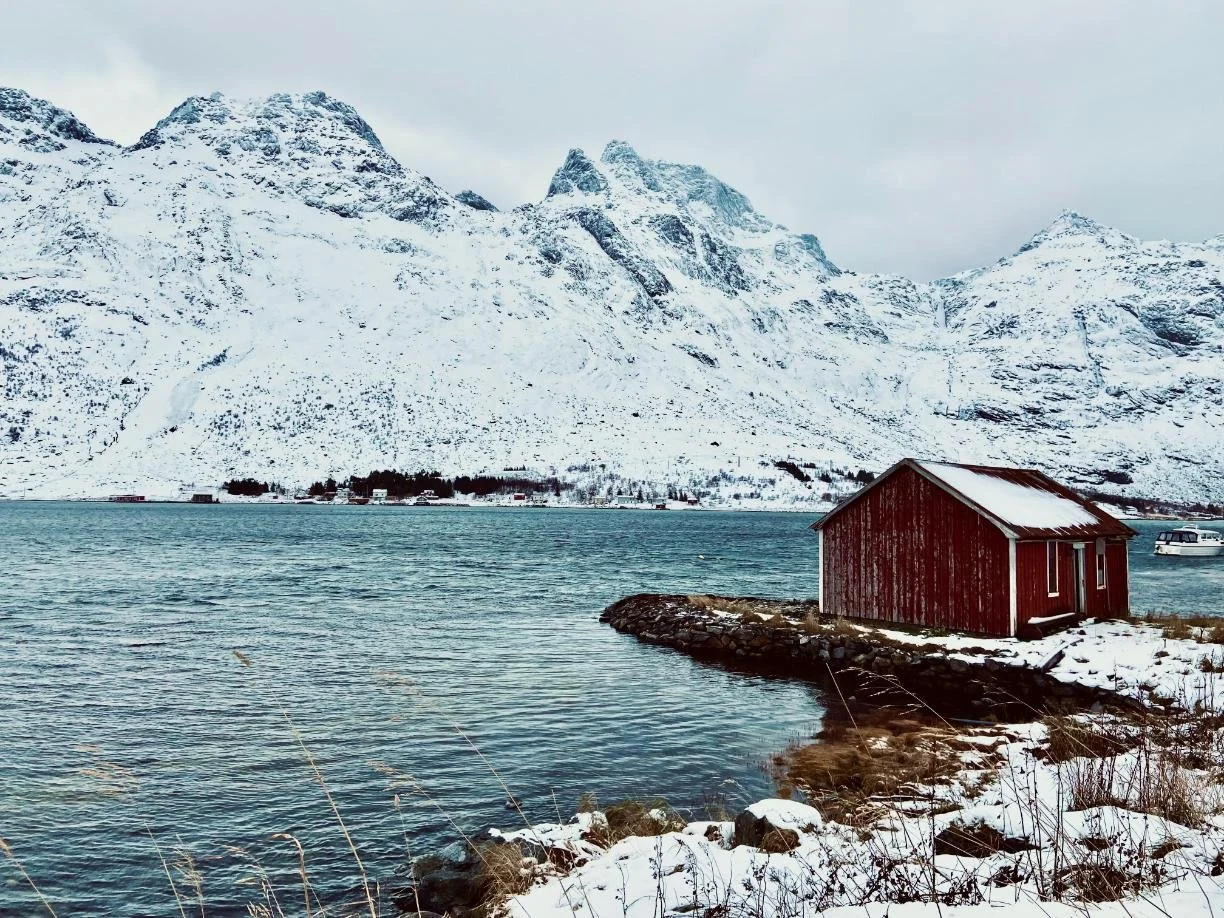
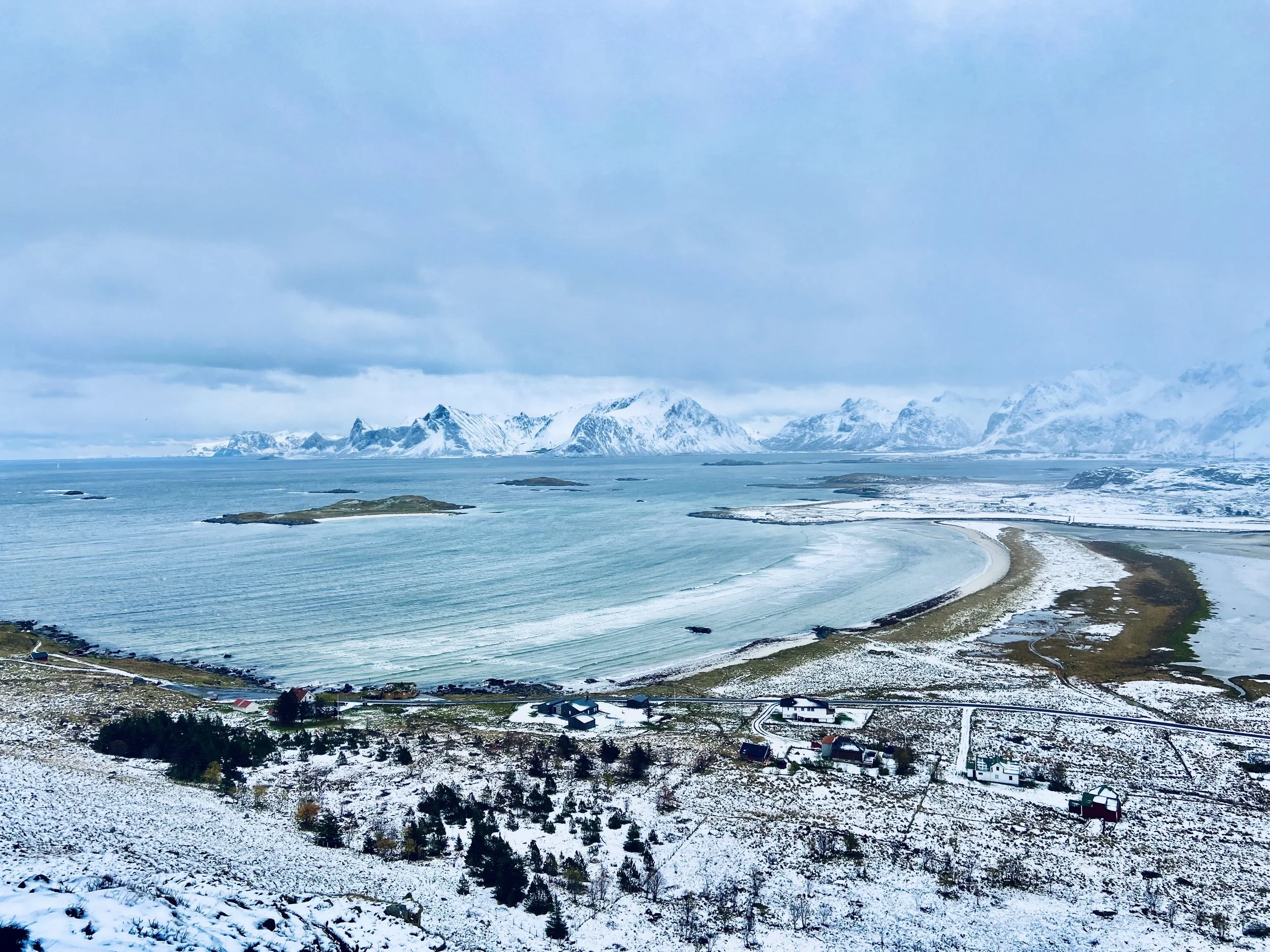
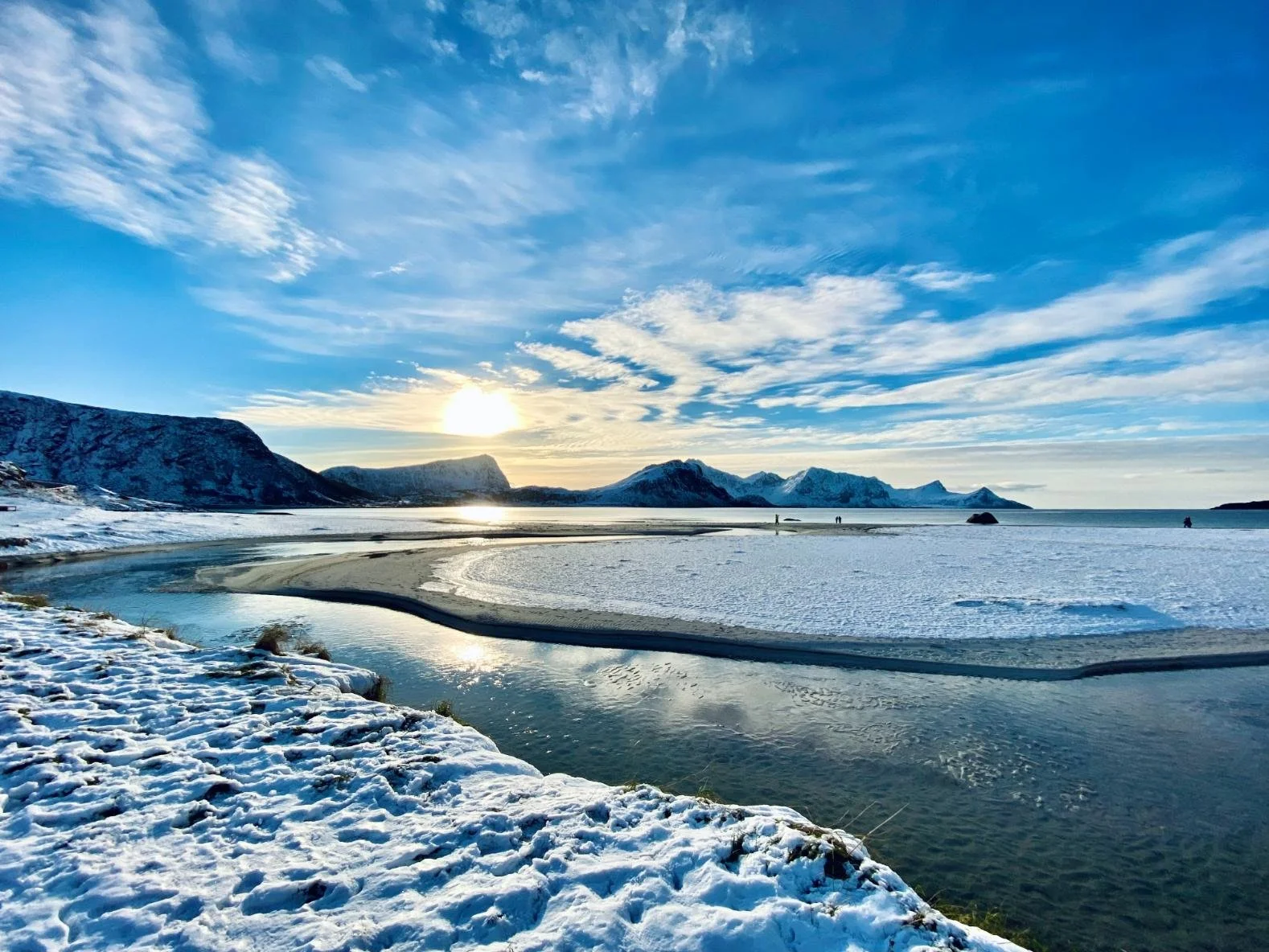
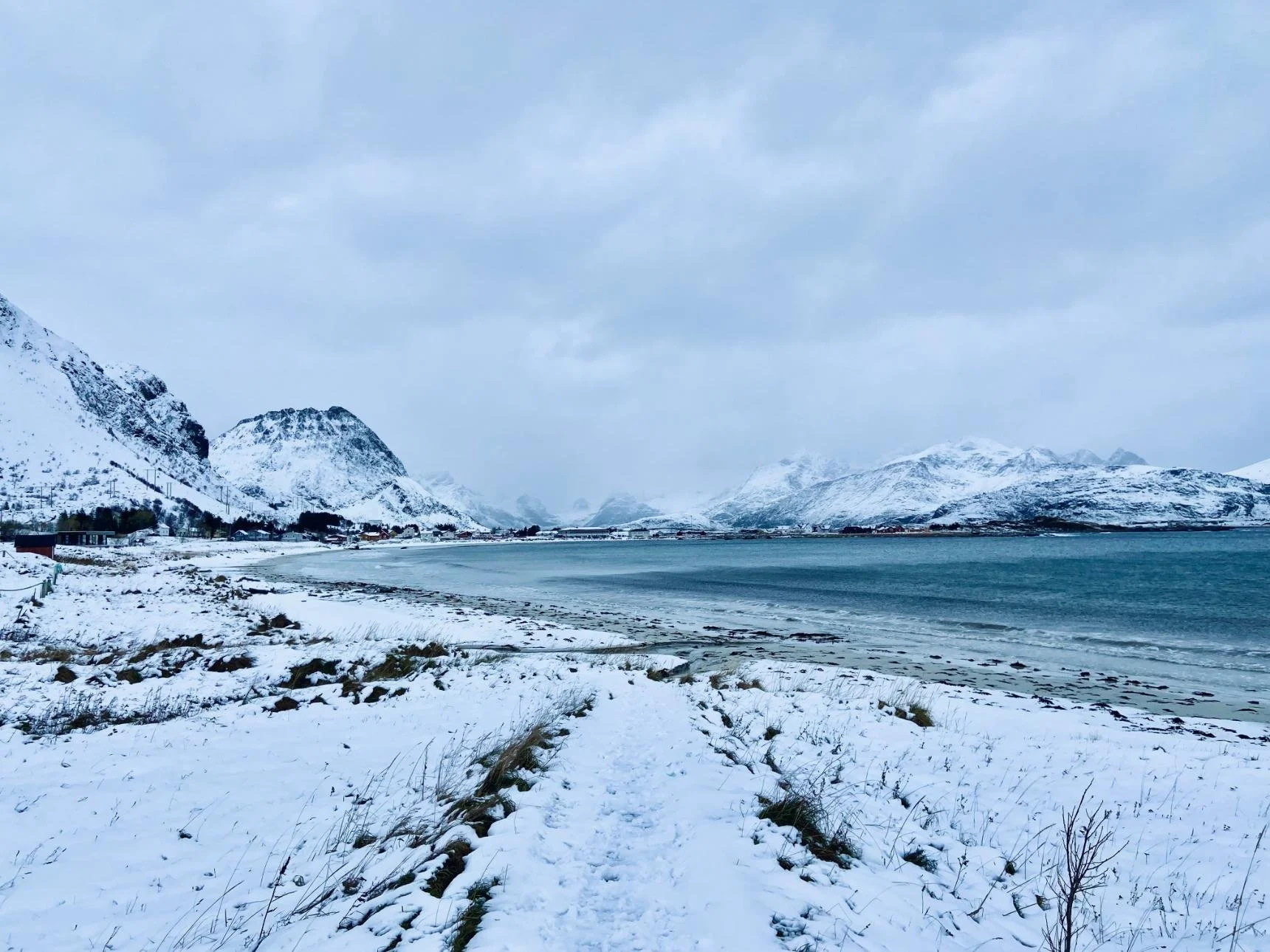
This is the version most photographers dream about.
Snow on jagged peaks. Red rorbuer glowing against icy fjords. Northern lights dancing above fishing villages. We wrote a dedicated Northern Lights in Lofoten guide that covers everything — where to position yourself, what to realistically expect, camera settings, guided tours, and how to read the forecasts.
Daylight is limited — in December and January you’ll have just a few hours of twilight glow — but that blue Arctic light is unforgettable and really not as dark as you would think.
Winter is ideal for:
Aurora chasers
Landscape photographers
Travelers who love dramatic weather
Cozy rorbu stays
Roads are maintained, but storms happen. Flexibility matters.
If this is your season, read our full guide to Lofoten in winter for details on driving conditions and light.
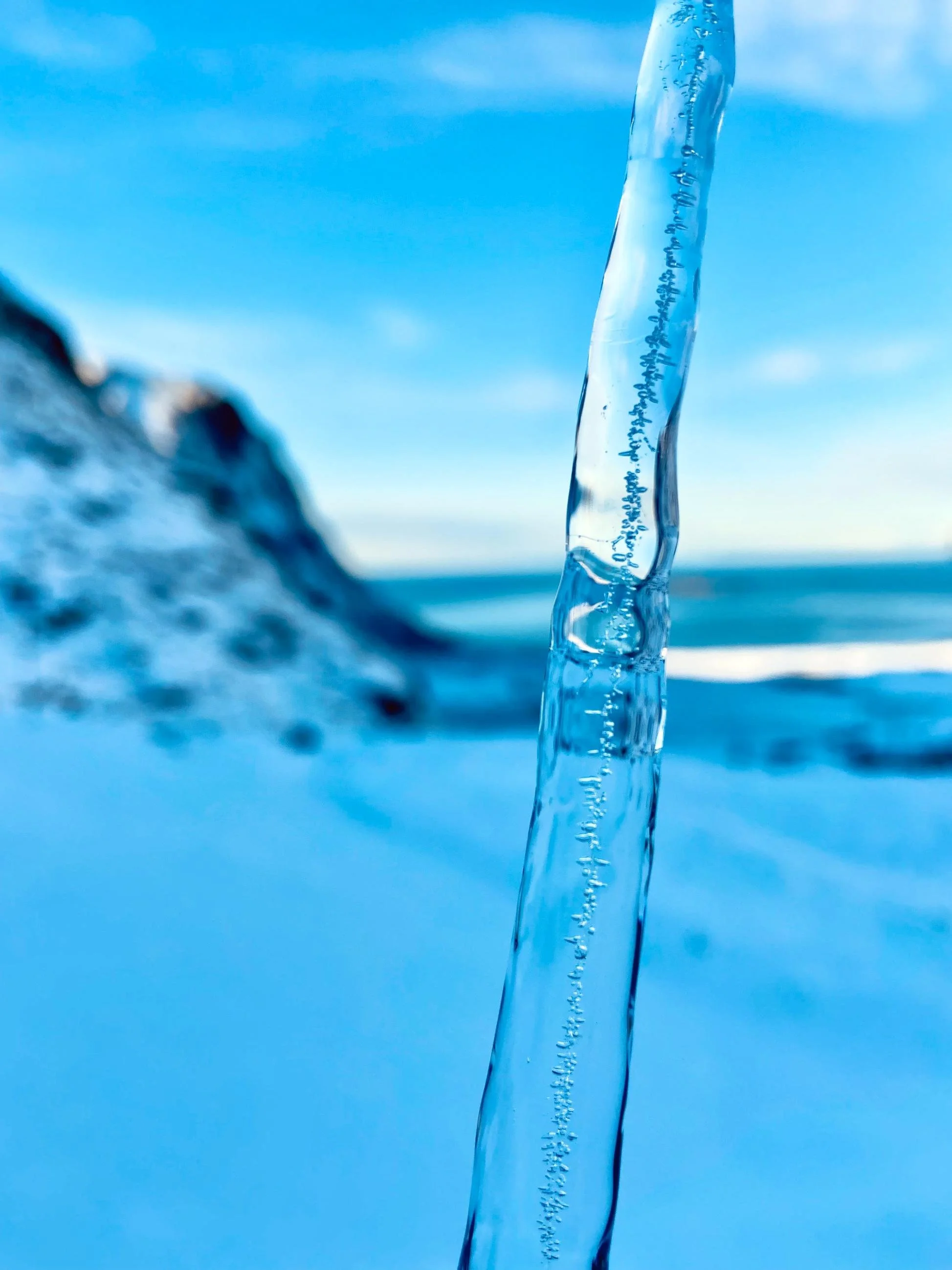
Lofoten hiking in winter
Winter is not hiking season in Lofoten. Well-known trails like Reinebringen become hazardous once snow and ice set in, and serious accidents occur every year. Steep terrain, strong winds, and avalanche risk make independent winter hikes risky. During the colder months, stick to coastal walks, lower-elevation viewpoints, and guided activities designed specifically for winter conditions.
Spring in Lofoten (April & May)
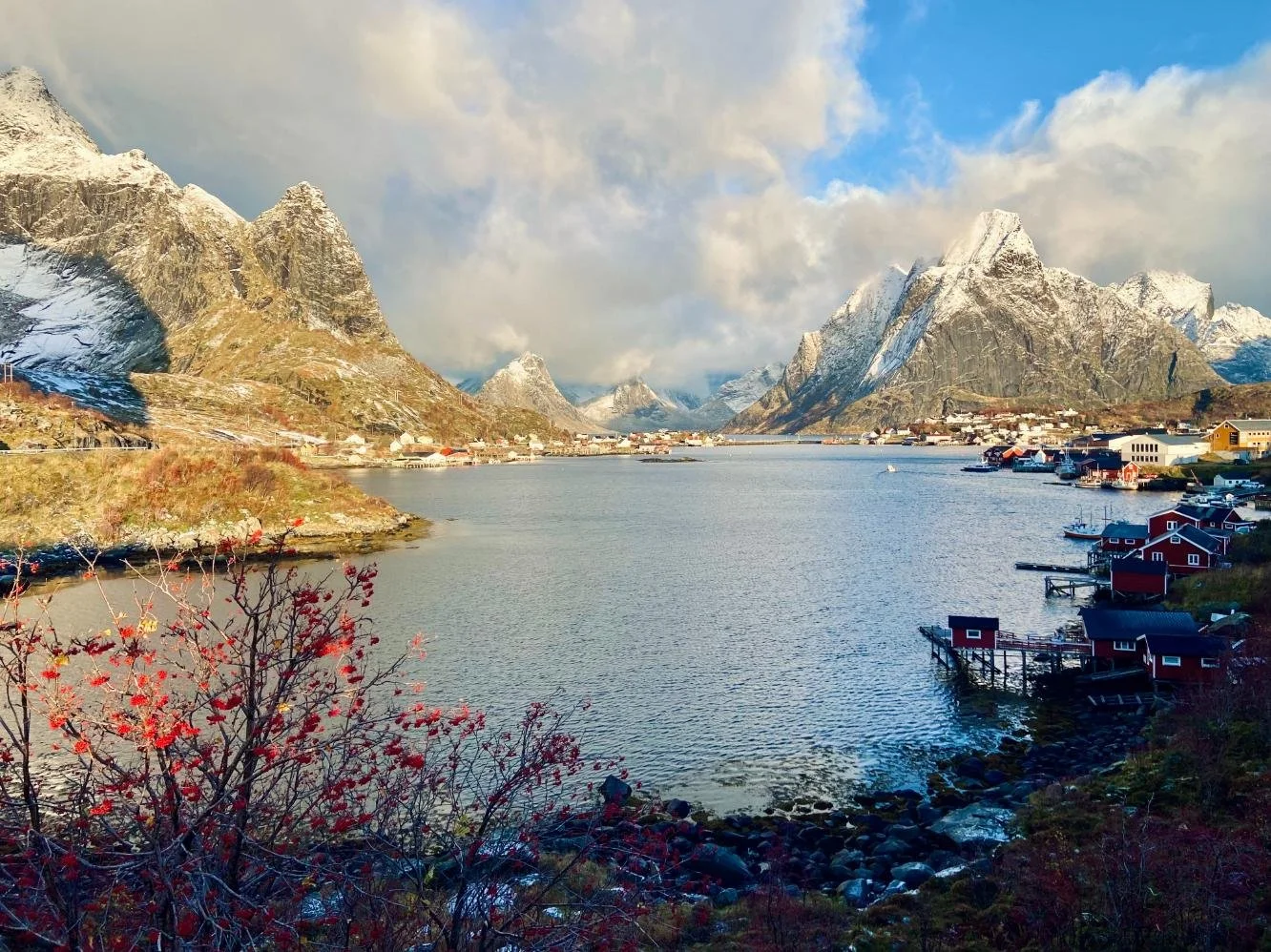
Reine with a light blanket of snow: wow
Spring in the Arctic is underrated.
Snow begins to melt at sea level, but mountains can still be capped in white. Days stretch longer. Tourist numbers remain low.
You get:
More daylight without peak crowds
Easier driving conditions than deep winter if you rent a car (It’s usually cheaper to rent a car in Bodø. You can read our guide to a Rental Car in Bodø here)
A quieter, more local feel
A sense of renewal, as nature is coming back to life very fast
Hiking trails at higher elevations may still be inaccessible depending on snowfall.
Spring suits travelers who want balance: light, space, and slightly calmer logistics.
Explore tours in the Lofoten:
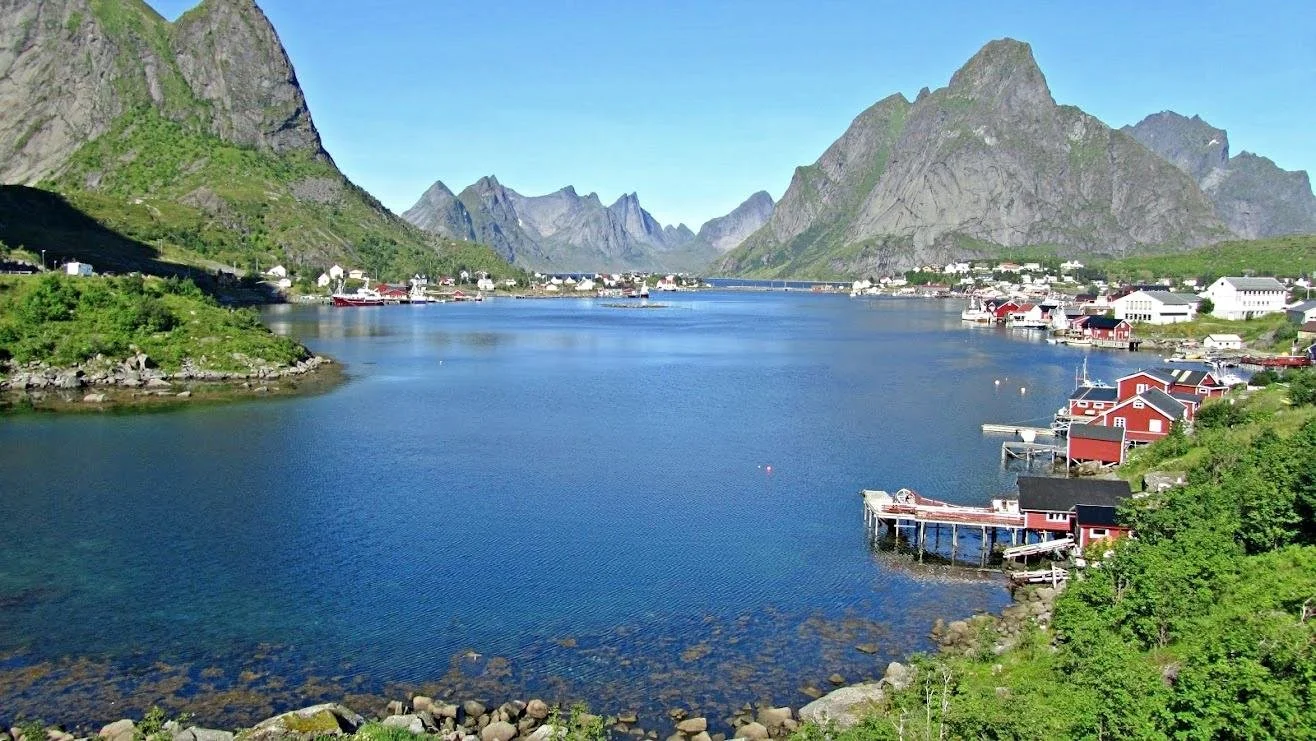
Summer in Lofoten (June to August)
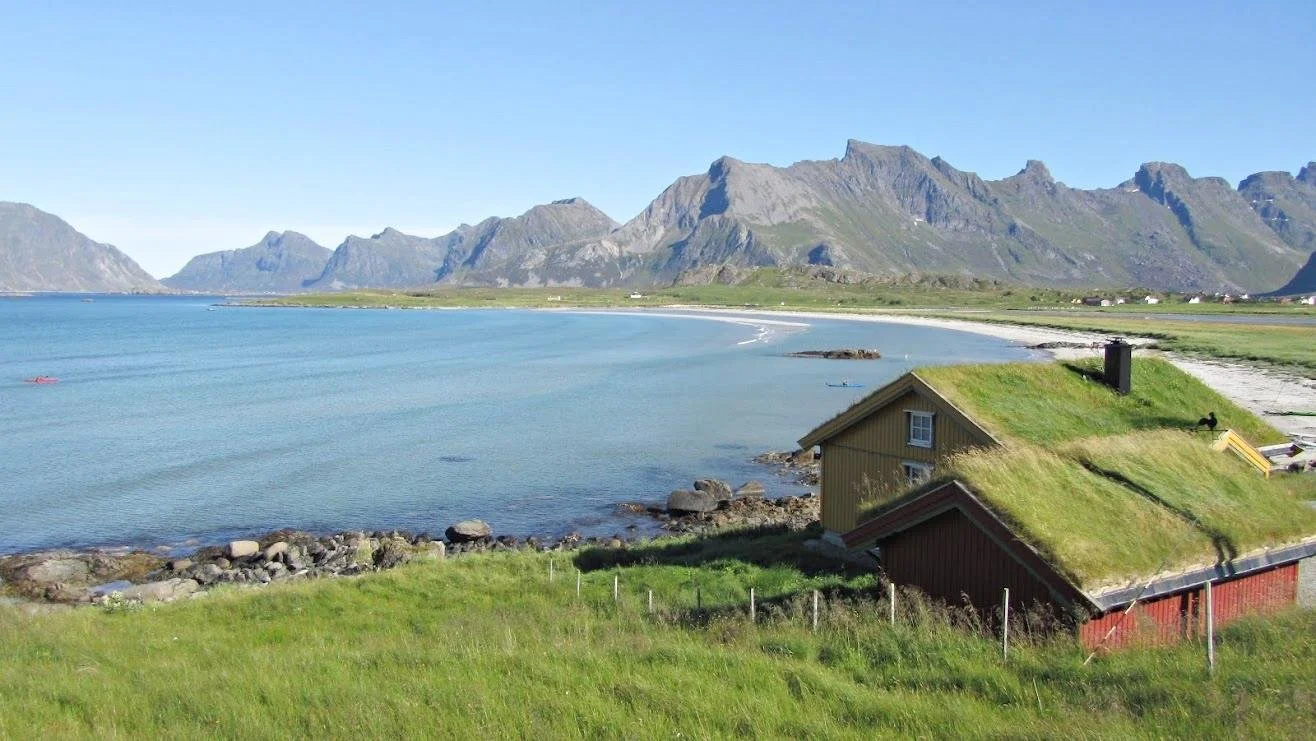
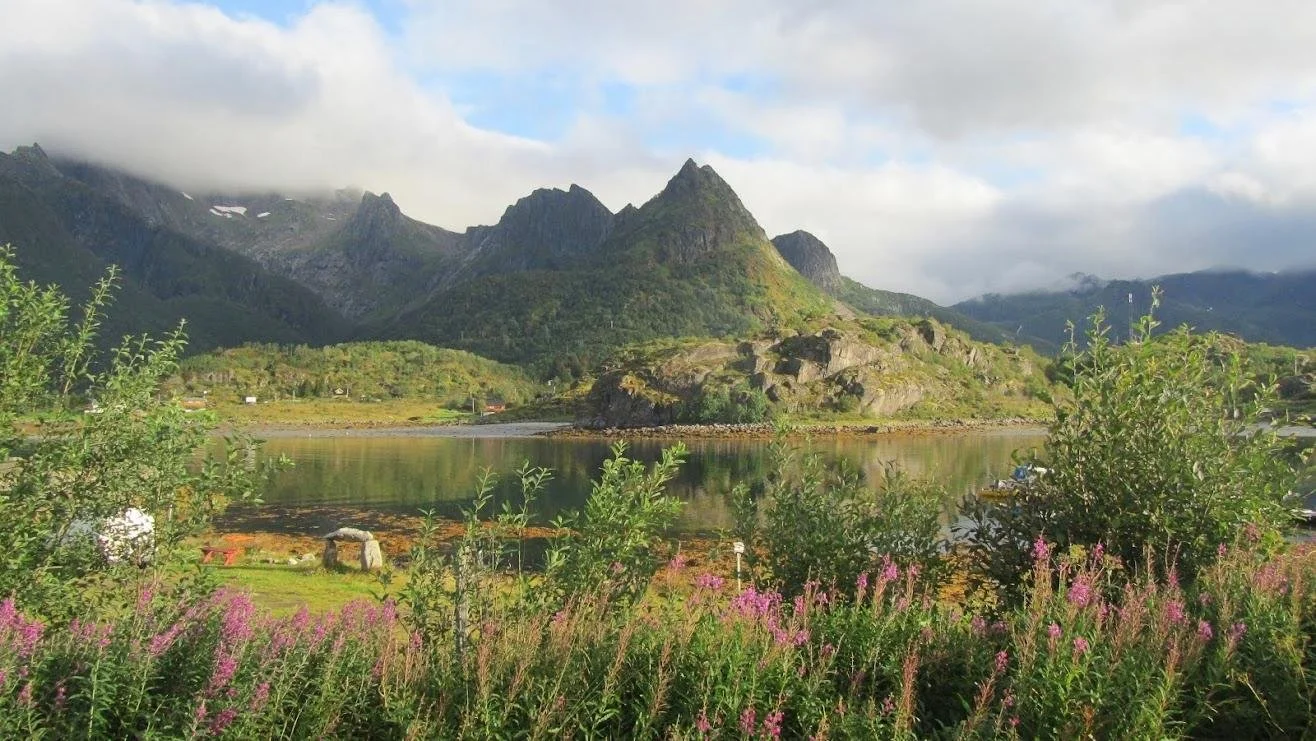
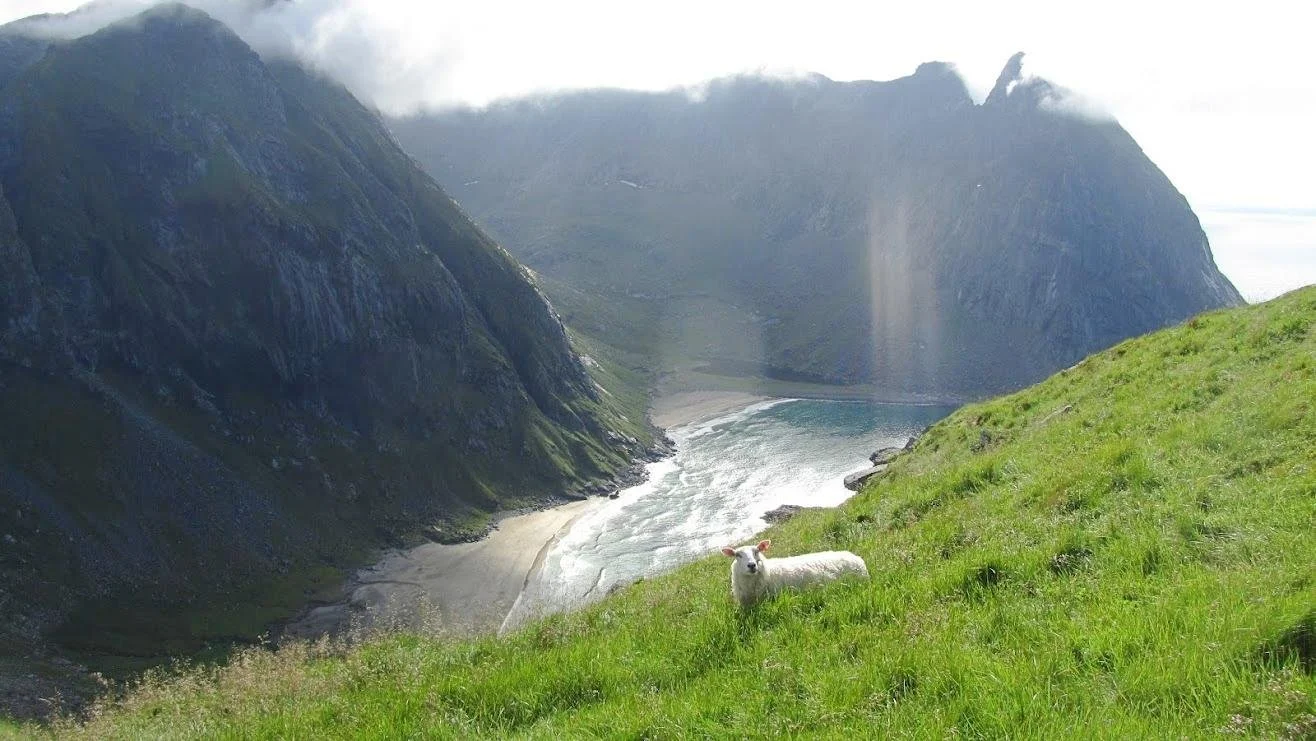
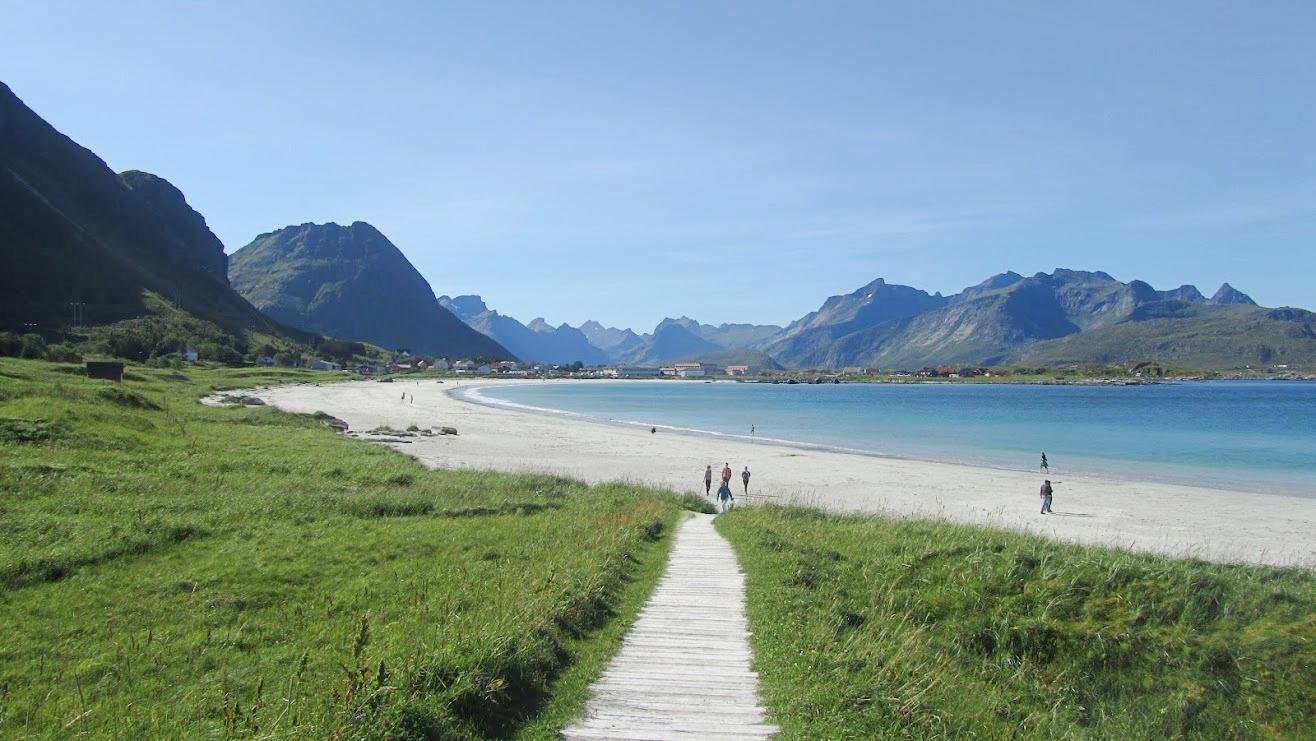
This is peak season.
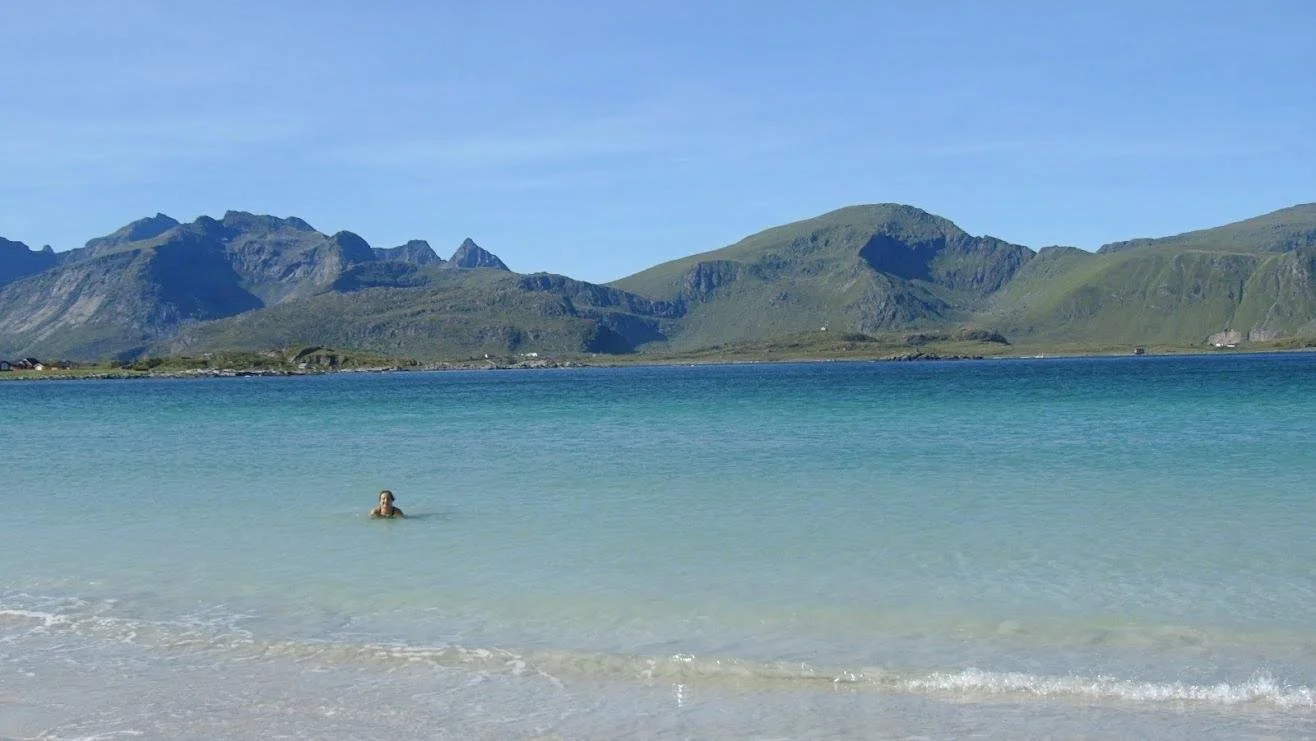
Midnight sun means you can hike at 11pm under golden light. Roads are busier. Popular trails fill up. Accommodation sells out months in advance.
But it’s also when:
Hiking conditions are best
Kayaking and outdoor activities thrive
Access is easiest
If hiking is your priority, summer is the most straightforward choice. You’ll find some of our favorite hikes in our full Lofoten Islands Travel Guide.
Just book rorbuer early, if you want to stay in one. We break down the best accommodations in our Lofoten hotels and rorbu guide.
Find a magical place to stay in the Lofoten (zoom in and out):
Autumn in Lofoten (September & October)
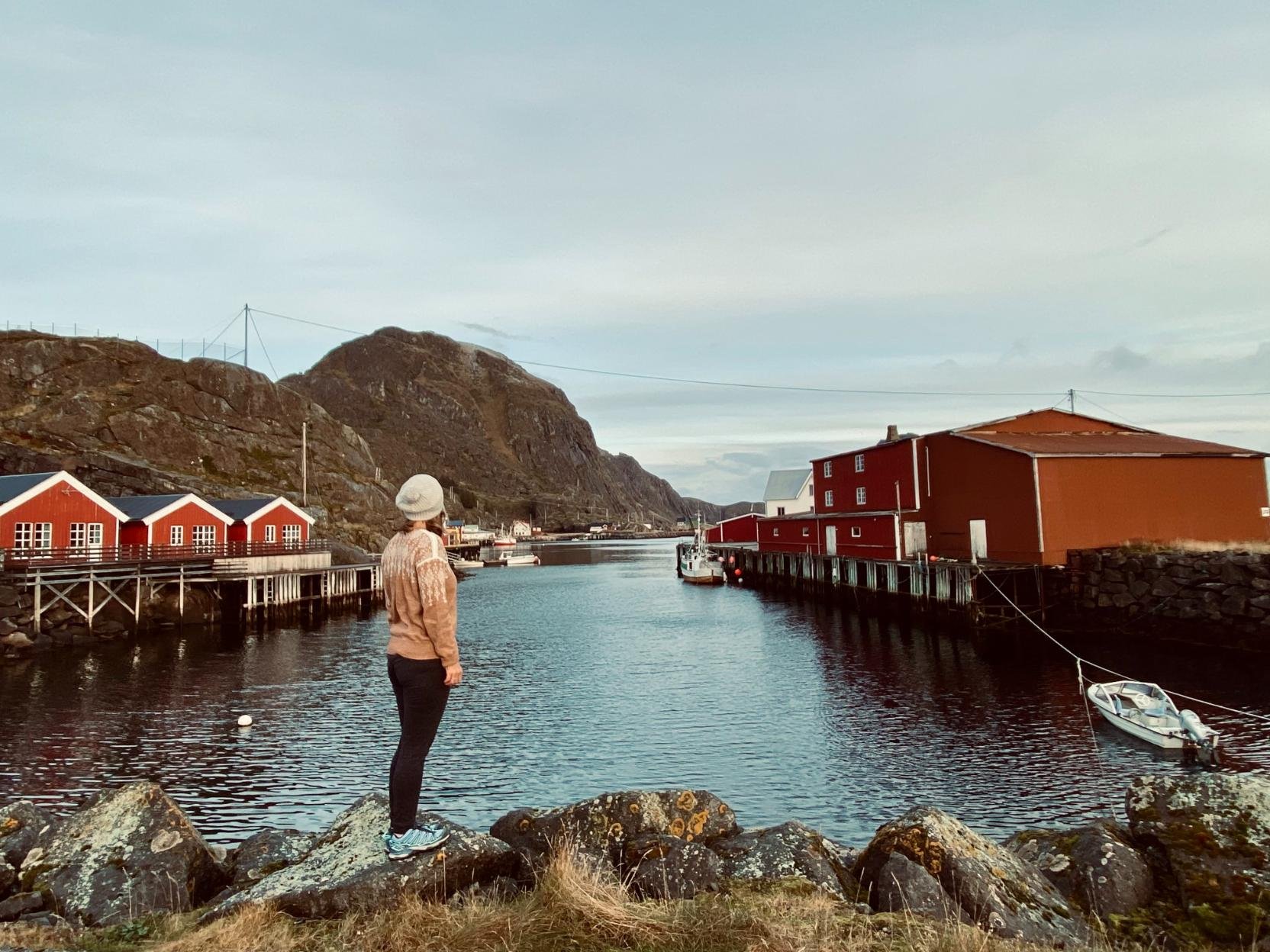
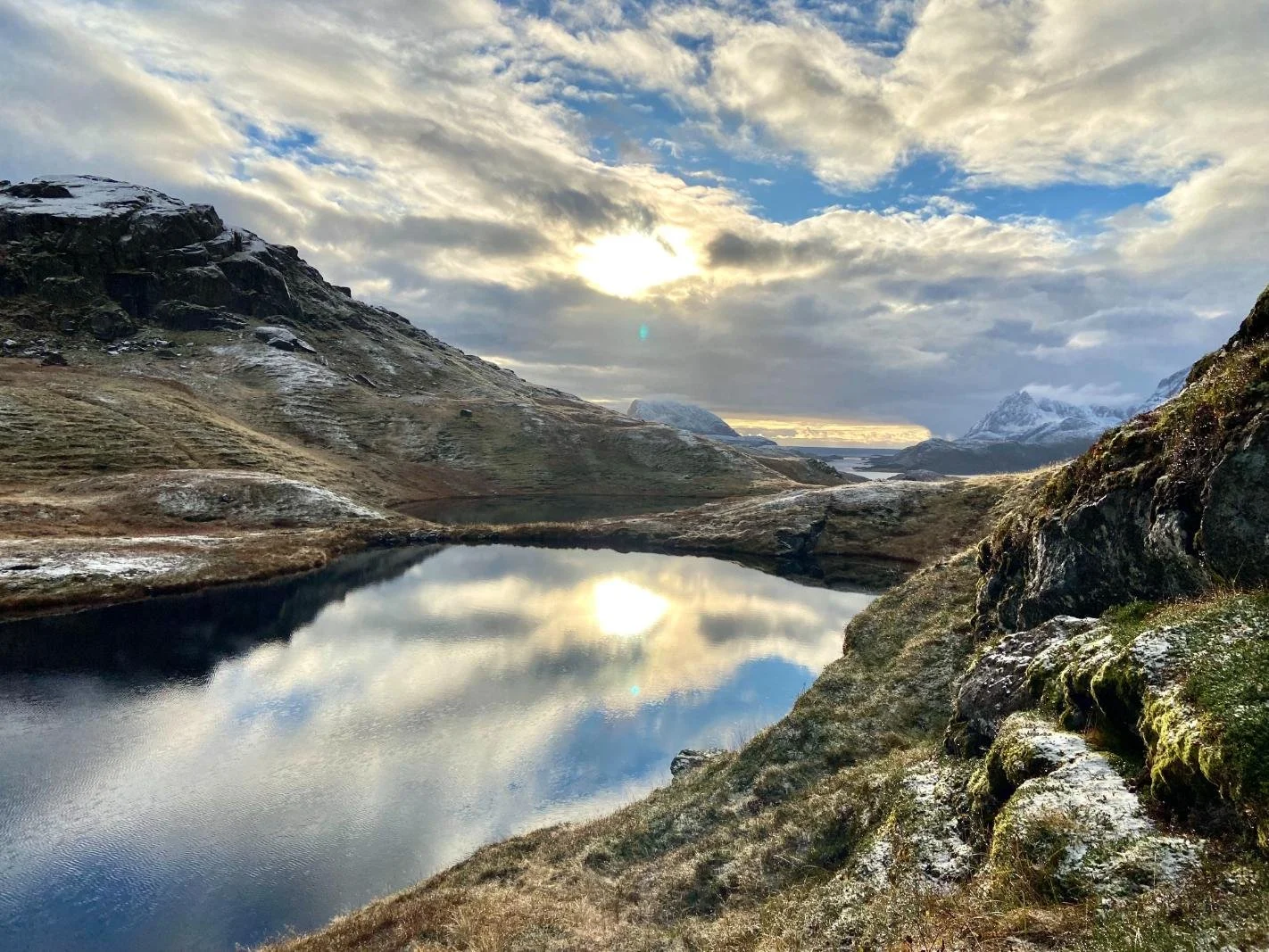
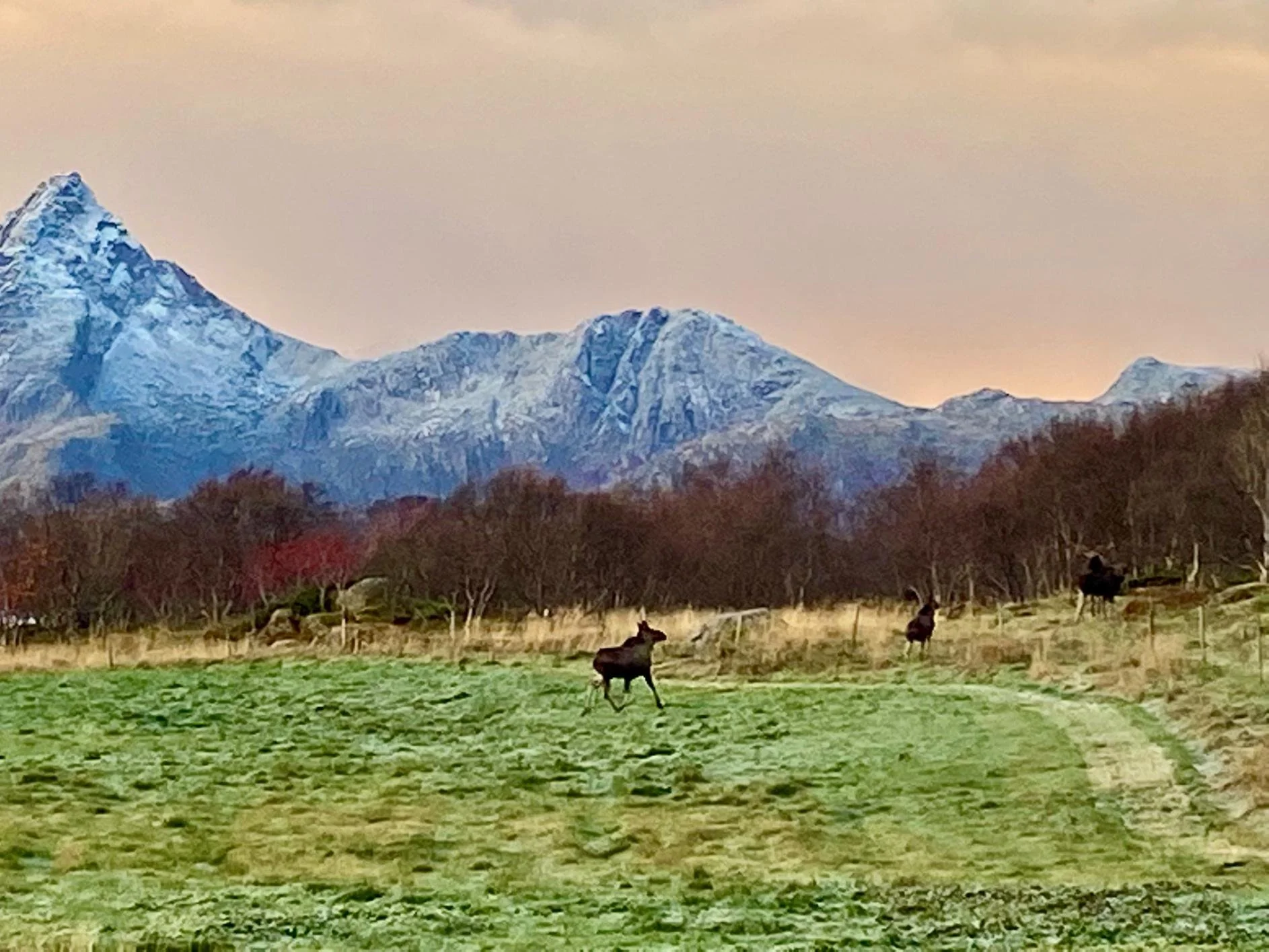
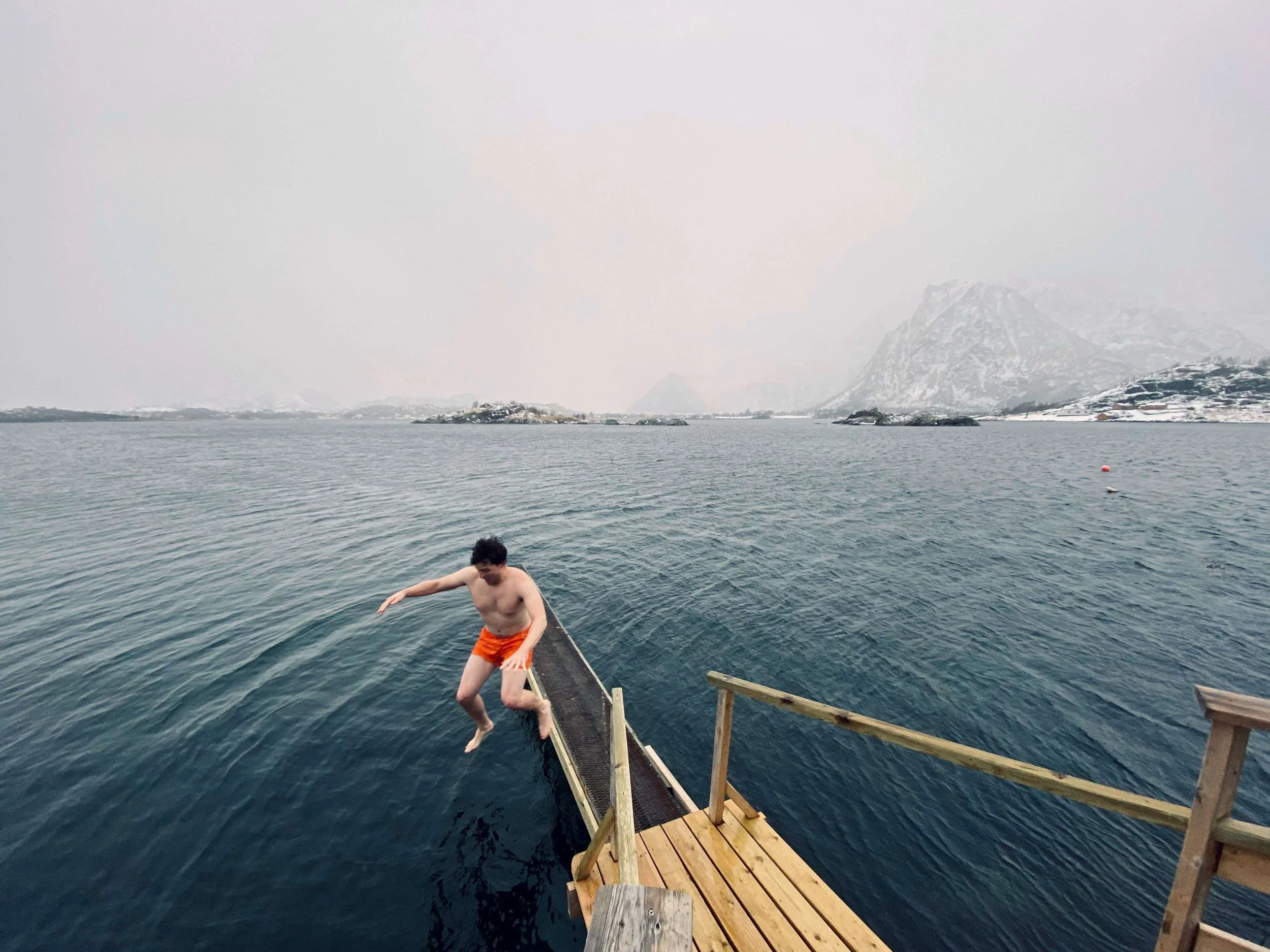
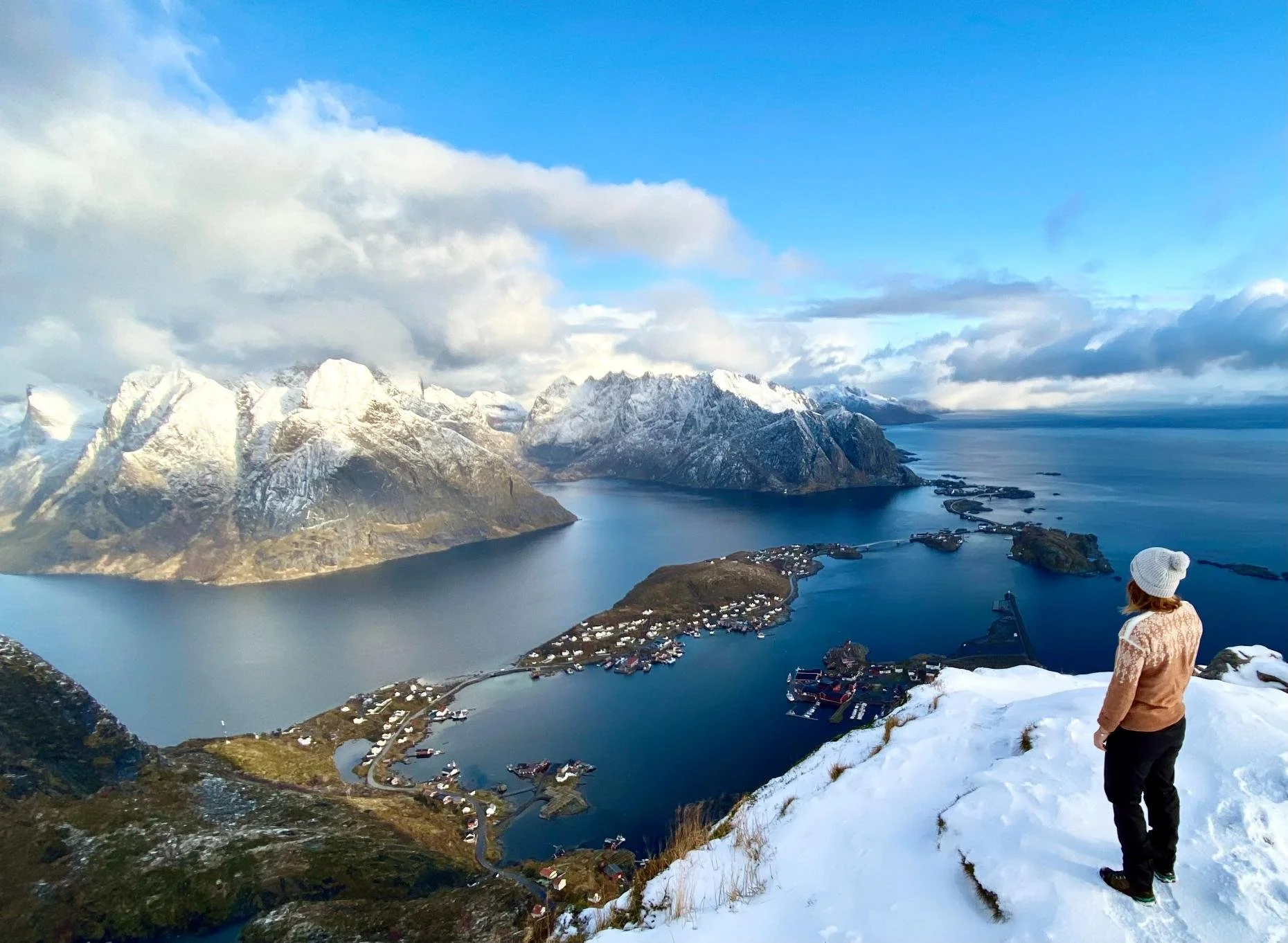
Autumn feels cinematic.
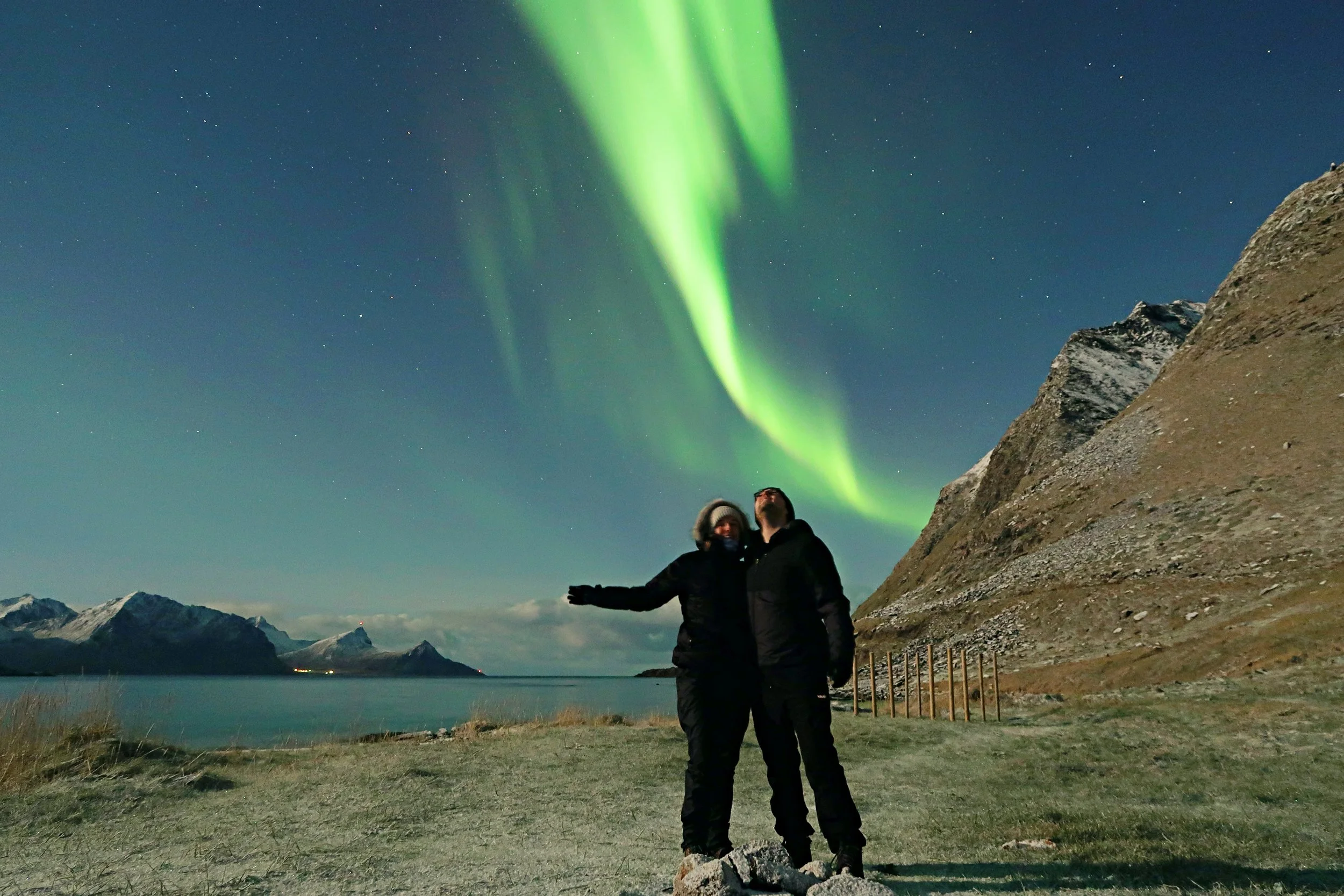
Crowds thin. The light softens. Northern lights begin to reappear in late September as nights darken again.
Weather becomes more unpredictable (that’s an understatement for Lofoten) — storms can roll in quickly — but that drama is part of the magic. We actually love to travel to the Arctic in fall, as accommodations are much more affordable, northern lights tend to peak around the autumn and spring equinoxes, and hiking is still possible. We also love to see the first snowfall of the season, and it makes the landscape incredibly beautiful.
Autumn works well if you want:
Fewer tourists
A chance at aurora without freezing cold temperatures (check our Northern Lights Hub for tips)
Moody photography conditions
Lofoten month-by-month overview
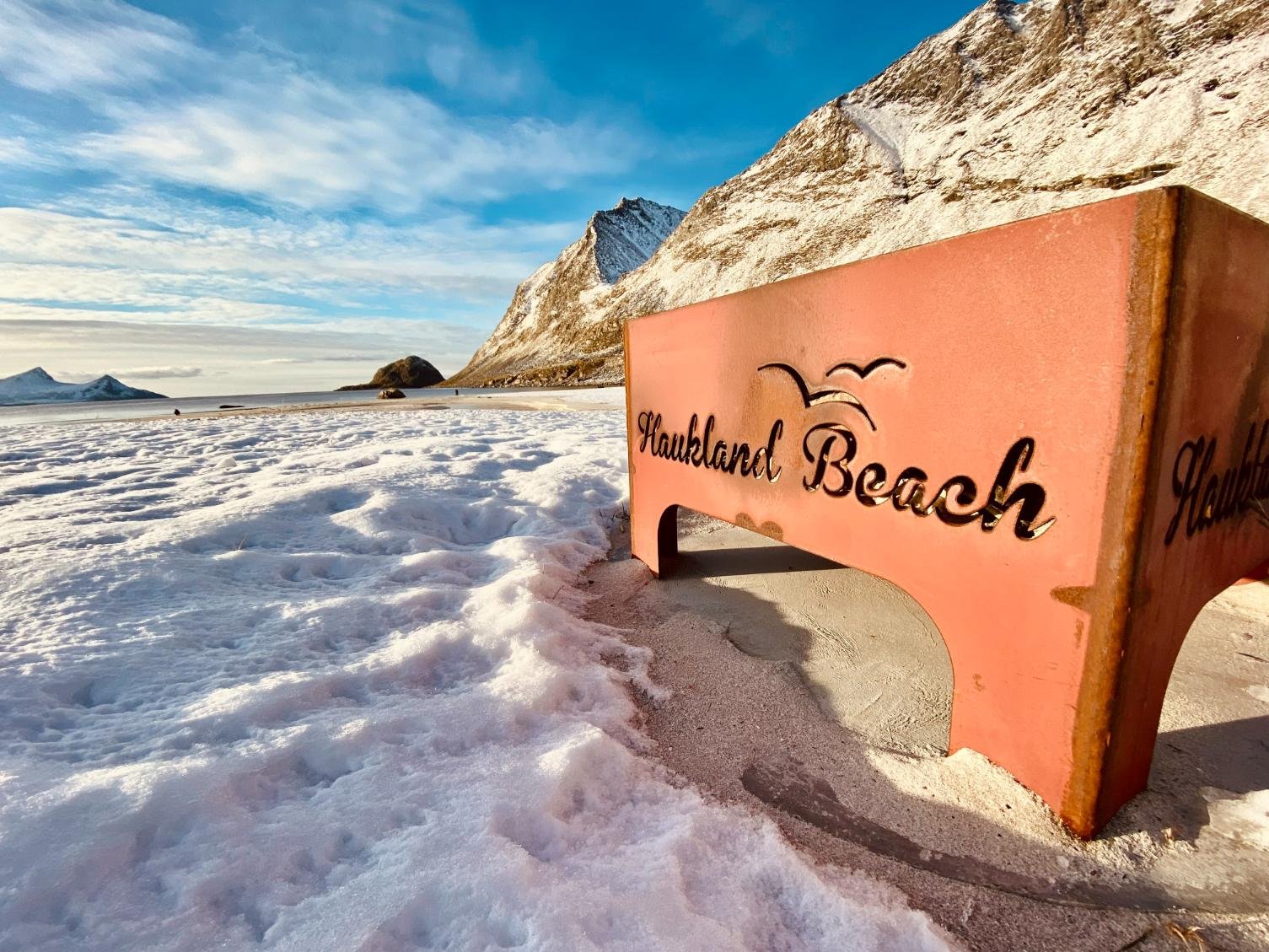
In October, the beach was “packed” on a sunny and freezing day (no joke)
January – Deep winter, strong aurora potential
February – Snowy landscapes, peak winter travel
March – More daylight + aurora chances
April – Transitional, melting snow at sea level
May – Long days, shoulder season calm
June – Midnight sun begins
July – Warmest month, busiest period
August – Popular but photogenic
September – Aurora returns, fewer crowds
October – Moody skies, quieter roads
November – Darker, atmospheric, early winter feel
December – Festive Arctic winter atmosphere

Penguin tip:
Whenever you visit the mighty Lofoten Islands, make sure to have good travel insurance. Get 5 to 15 % with our partner HeyMondo!
So… When is the best time to visit Lofoten?

Whatever the month, the Lofoten Islands are incredibly photogenic. We literally have this picture in every season!
Spoiler alert: there isn’t one universal answer, because the Lofoten Islands are honestly one of the most beautiful places on earth (in our humble opinion) in any season. Every single time we go, we can’t help wondering if this place is real.
So, the best time depends on why you’re going.
Choose winter if you want aurora and Arctic drama.
Choose summer if hiking and endless daylight matter most.
Choose spring or autumn if you prefer space and atmosphere.
Decide what you’re chasing — then let the season shape the rest.
If you're still building your route, start with our article “Things to do in Lofoten” and structure your days around light and logistics.
✈️ Find flights
🏨 Explore hotels, apartments, guesthouses, cabins
🧭 Browse activities and tours
🚗 Compare car rentals
🧳 Get travel gear
🛡️ Travel safe with Heymondo Travel Insurance (5–15% off)
📱 Get a travel eSIM
🐾 Protect & track Arctic wildlife with Fahlo Bracelets (20% off)
FAQ: Best time to visit Lofoten

If you can, stay in a rorbuer — a must in any season!
What is the best month to visit Lofoten?
July offers the warmest temperatures and full hiking access, while February and March are best for northern lights and snowy landscapes.
Can you see northern lights in Lofoten?
Yes, typically from late September to early April, when nights are dark enough.
Is Lofoten worth visiting in winter?
Absolutely. Winter offers dramatic scenery and aurora viewing, but daylight hours are limited.
Is Lofoten too crowded in summer?
July and early August are the busiest months. Accommodation and popular hiking trails can fill quickly.
How many days do you need in Lofoten?
Most travelers spend 3 to 5 days in Lofoten to cover the scenic drives, a couple of hikes, and a few fishing villages without rushing. That said, Lofoten has a sneaky way of making you extend your stay. We visited for just 3 days the first time… and immediately planned a two-week workation the next.
Here is my go-to playlist for an Arctic trip - and to call the northern lights:
So when is the best time to visit Lofoten?
The honest answer is that Lofoten doesn’t have a single “best” season — it has different personalities.
Winter is stark and dramatic, built for aurora chasers and photographers. Summer is expansive and bright, made for hikers and midnight sun wanderers. Spring and autumn sit in between — quieter, moodier, and often more balanced.
So, the real question isn’t when Lofoten is at its best (believe us, it’s always as its best). It’s when it’s at its best for you. Not sure where to base yourself? Read our guide Where to Stay in Lofoten by Area.
Finally, explore all our Northern Norway Travel Guides here.

Free download
Travel Cheaper Cheat Sheet
27 tips on flights, hotels, hidden costs and more — spend less without missing what actually matters.
No spam. Unsubscribe anytime.
