
Blog
Penguin Trampoline: The blog
With Penguin Trampoline, adventures soar to new heights!
Are you ready to bounce into a world of awe-inspiring destinations, where the thrill of exploration meets the grace of a penguin's waddle?
From the icy wonderlands of polar regions to the sun-kissed Mediterranean beaches, our travel blog is your ultimate ticket to discovering hidden gems, unlocking travel tips, and embracing the sheer joy of discovering new horizons.
We're not just about sightseeing; we're about experiencing the heartbeat, culture and gastronomy of each destination, bouncing into moments that leave an indelible mark on our souls.
Join our community of dreamers and explorers as we leap from continent to continent, propelled by curiosity and an insatiable wa/onderlust.
So, buckle up, grab your passport, and prepare to spring into the exhilarating world of Penguin Trampoline!

Free download
Travel Cheaper Cheat Sheet
27 tips on flights, hotels, hidden costs and more — spend less without missing what actually matters.
No spam. Unsubscribe anytime.
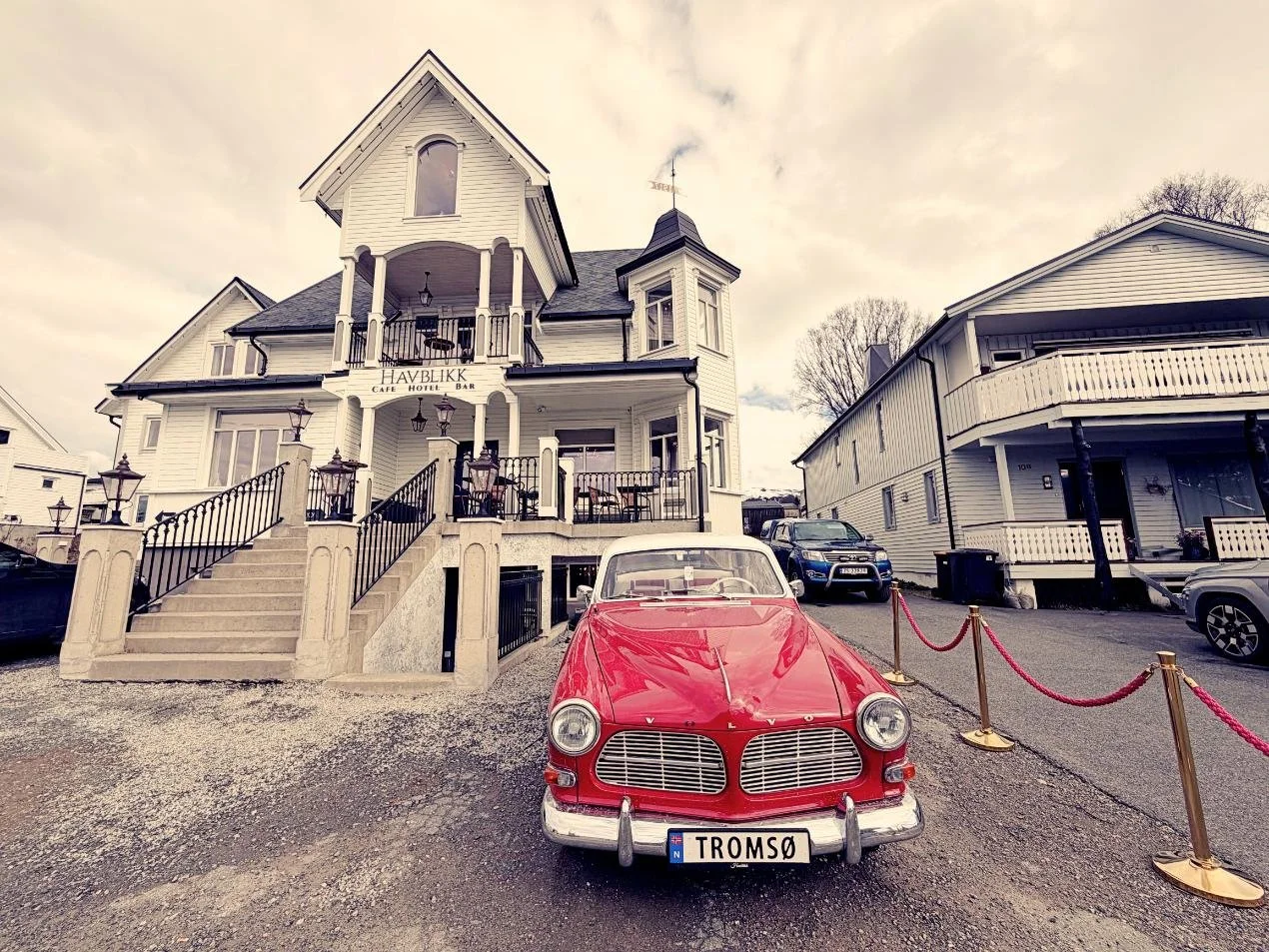
Villa Havblikk, Tromsø: the One Independent Hotel Worth Knowing About
Tromsø's hotel scene is dominated almost entirely by chains. Scandic, Radisson, Clarion — if you've looked at where to stay in the city, you've scrolled through a lot of familiar names. Villa Havblikk is different. The owner found a 1917 Norwegian wooden villa in poor condition, bought it, and rebuilt it from the ground up — modern comforts throughout, but vintage decor and furniture that give a lot of character to the place. It sits directly across the Tromsø bridge from the city center in Tromsdalen, near the Arctic Cathedral and the cable car, with fjord views and a bar that locals enjoy. We spent time here and came away with a clear opinion on who it's right for.
Best Traveling eSIM: Why We Use Airalo
We switched to a travel eSIM a few trips ago, especially for the US. The logic is simple: roaming charges from your home carrier are expensive and unpredictable, hunting for a local SIM on arrival wastes the first hour of any trip, and a traveling eSIM solves both problems before you've left home. This best eSIM for travel guide covers what a travel eSIM actually is, why Airalo is what we recommend, and what you need to check before buying one.
Travel Insurance for Norway: What You Need (+ Discount)
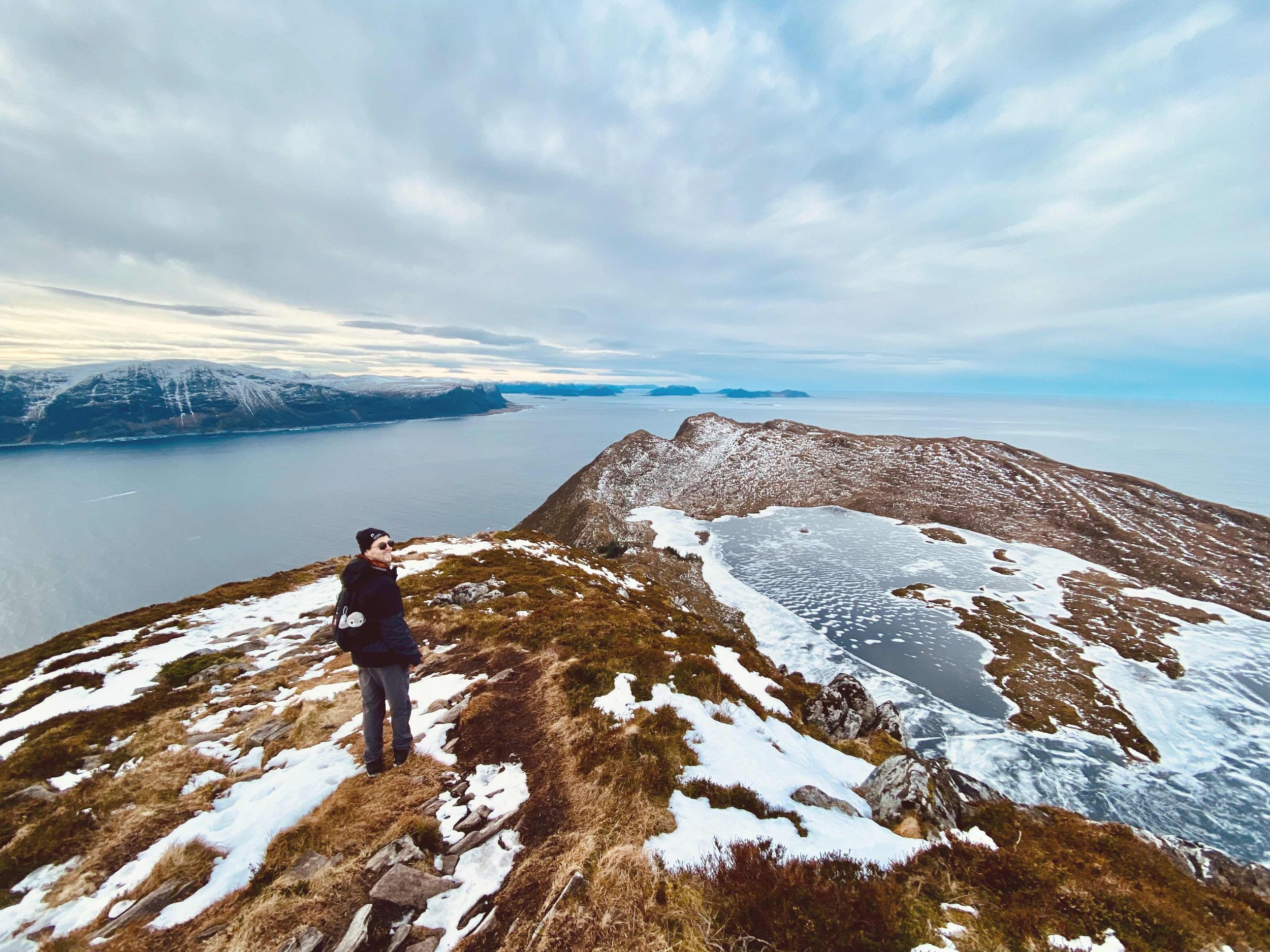
We've spent a lot of time in Norway across different seasons — Lofoten and Alta in fall chasing the aurora, hiking near Ålesund, dogsledding in Tromsø and snowmobiling in Svalbard in winter, exploring the fjords in summer — and the one thing that's been consistent is how quickly conditions can change and how far from the nearest hospital some of the best parts of the country actually are.
Norwegian mountain rescue is world-class. Norwegian hospital bills, for those who aren't covered, are not cheap.
This guide covers what travel insurance for Norway actually needs to do, what activities require specific coverage, what to watch out for if you assume your existing policy already handles it, and an exclusive discount for our readers with Heymondo.

Tours in Nuuk, Greenland: Fjord Boat Trips, City Walks & More
Nuuk offers more tours than most visitors expect. The fjord system surrounding the capital — Nuup Kangerlua, the second-largest in the world — is the main event, and getting out on the water is what most people remember longest (in our opinion, it’s also spectacular from the top of nearby mountains). Add guided city walks that give the colonial quarter and the Greenland National Museum genuine depth, northern lights excursions in winter, and a solid selection available on the major booking platforms, and Nuuk turns out to be one of the more tour-rich destinations in Greenland. This guide covers everything bookable, how to do it, and what to expect in one of our favorite Arctic cities.

Tours in Ilulissat, Greenland: Icefjord Boat Trips & More
Ilulissat has a small but focused tour offering — which suits the destination. The town is compact, the Icefjord is the main event, and the best experiences here are the ones that get you on the water or into the landscape rather than in a bus. Most of what's worth doing is booked directly with local operators rather than through the big international platforms, and this guide covers exactly what exists, how to book it, and what to expect based on our own experience.
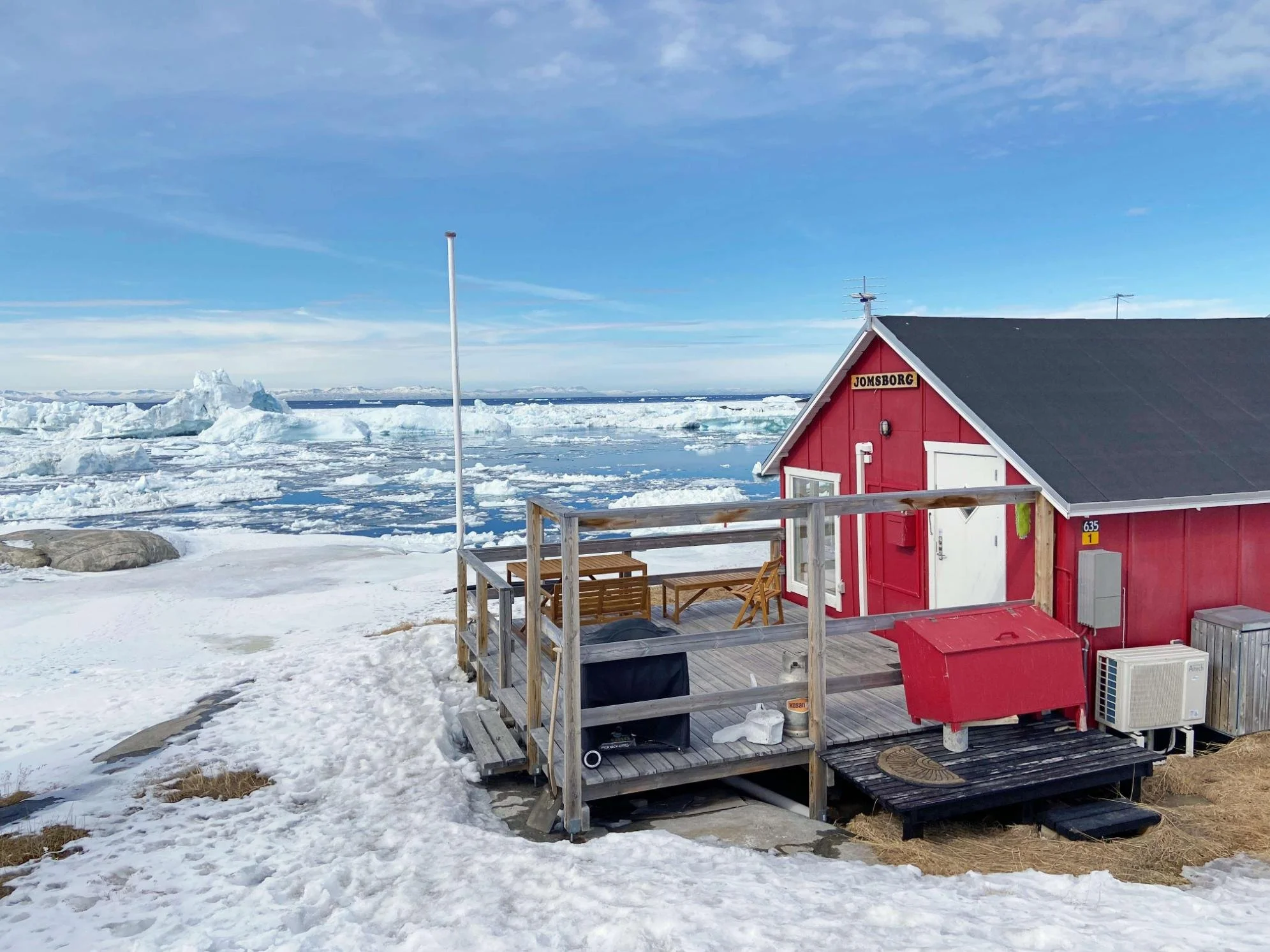
Best Hotels in Ilulissat, Greenland: Where to Stay by the Icefjord (We Stayed at Cabin Jomsborg)
Ilulissat has roughly a dozen hotels, guesthouses, and self-catering cabins for a town of 4,500 people. We've stayed here ourselves — at Cabin Jomsborg, a self-catering cabin sitting ten meters from the water, which turned out to be one of the best accommodation decisions we've made anywhere.
Every property in this guide has icefjord or Disko Bay views in some form. In a town built above a UNESCO World Heritage glacier, there is no such thing as a bad location — only different ways to experience it.
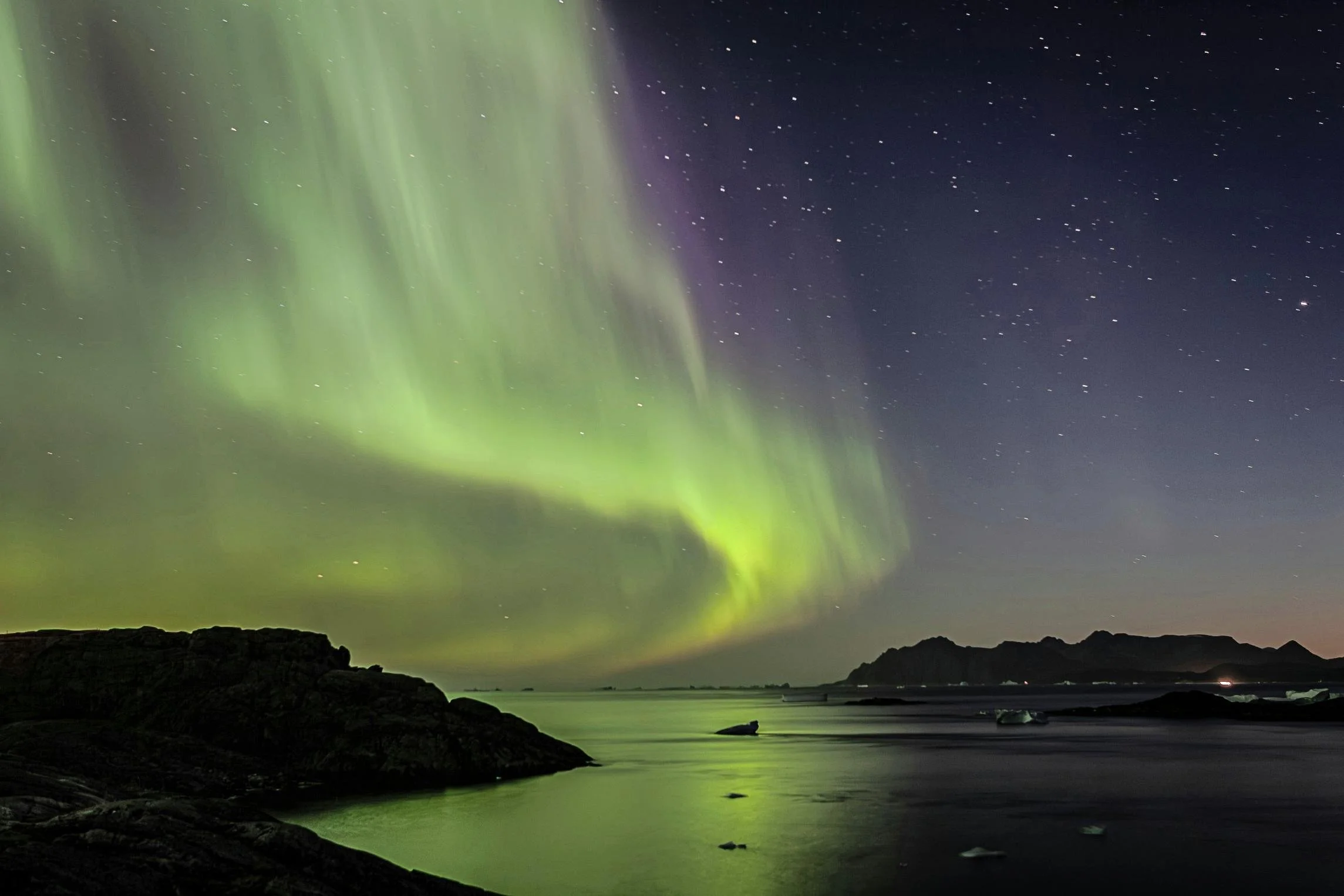
Northern Lights in Greenland: When to Go, Best Spots & What Makes it Different
Most people chasing the aurora fly to Iceland or Norway. A smaller group goes to Lofoten. Almost nobody thinks of Greenland for the northern lights — which is, depending on how you weigh the variables, one of the best decisions any aurora hunter could make. The country spans from 60°N to 83°N, sits squarely inside the auroral oval across most of its territory, has almost no light pollution, and offers a sky backdrop that no other northern lights destination in Europe can match: icebergs the size of apartment buildings, lit green from above.
The reason Greenland doesn't dominate aurora travel lists is the same reason it doesn't dominate any travel list — getting here requires a deliberate decision, not a budget flight from London. But for those who make that decision, Greenland northern lights are a different category of experience.
So what does it actually take to see the northern lights in Greenland — and is it worth the effort compared to Iceland or Norway? Here’s how to think about it, and how to plan it properly.
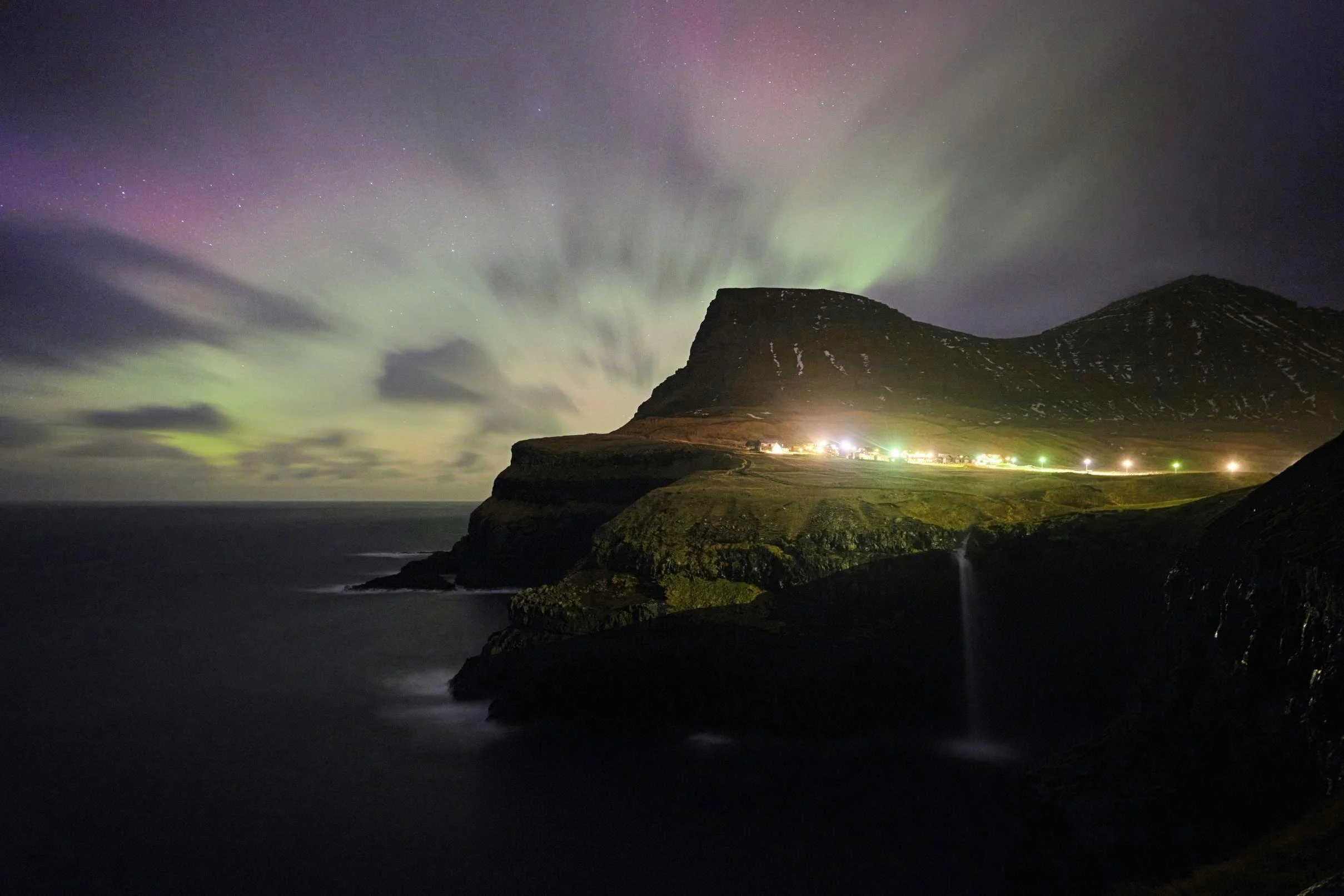
Northern Lights in the Faroe Islands: Can you See Them, When to Go & What to Expect
Yes, you can see the northern lights in the Faroe Islands. The question people should be asking isn't whether the aurora appears here — it does — but what it takes for it to appear, and how honest you're willing to be with yourself about the weather. The Faroes are not Iceland. They are not Lofoten. They sit at a latitude where the northern lights demand stronger geomagnetic conditions to show up, and they sit in the North Atlantic, which means cloud cover is a near-permanent feature of life. None of this means you shouldn't come. It means you should come prepared and have realistic expectations.
When the aurora does appear over the Faroe Islands, the backdrop is incredible. Sea cliffs dropping hundreds of meters into the ocean. Grass-roofed villages clinging to hillsides above invisible fjords. A darkness so complete that the Milky Way fills the gaps between passing storm clouds. The Faroes offer an aurora experience that is different — wilder, more remote, less curated — from anywhere else you can chase the lights in Europe.
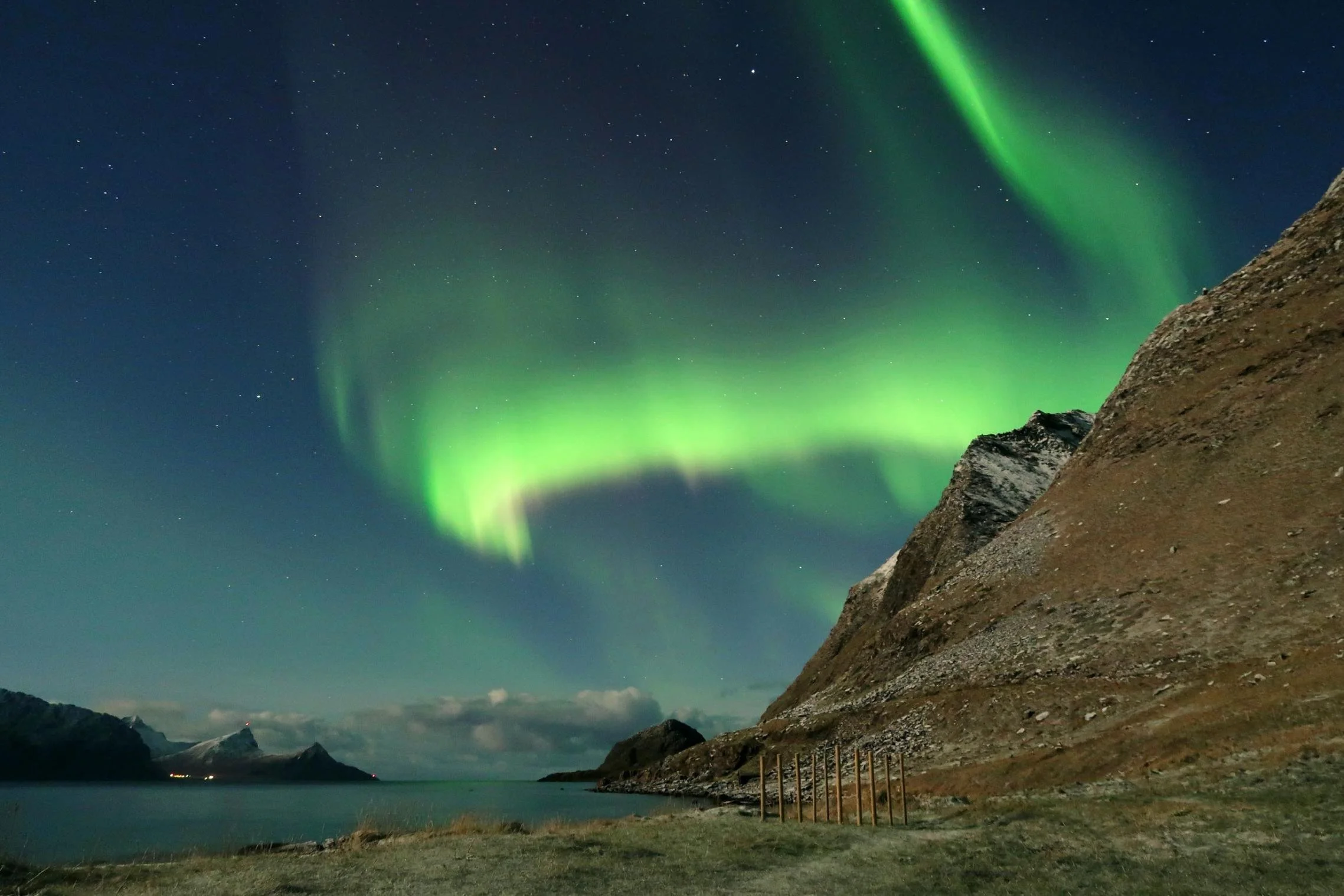
Northern Lights in Lofoten: When to go, Where to see Them & What to Actually Expect
There is a version of the Lofoten northern lights experience that looks like the photos — green curtains filling the sky above a red rorbuer, the aurora reflected in a still fjord, the mountains black against a luminous horizon. That version is real. We've seen it several times. What the photos don't show is the three nights of solid cloud cover that preceded it, the midnight drive to a different beach because the sky looked slightly less terrible to the west, and the moment it cleared just enough, just long enough.
Lofoten is one of the best places in Europe to see the northern lights. It’s also one of the cloudiest. Knowing both things before you go is key if you have high aurora hopes.
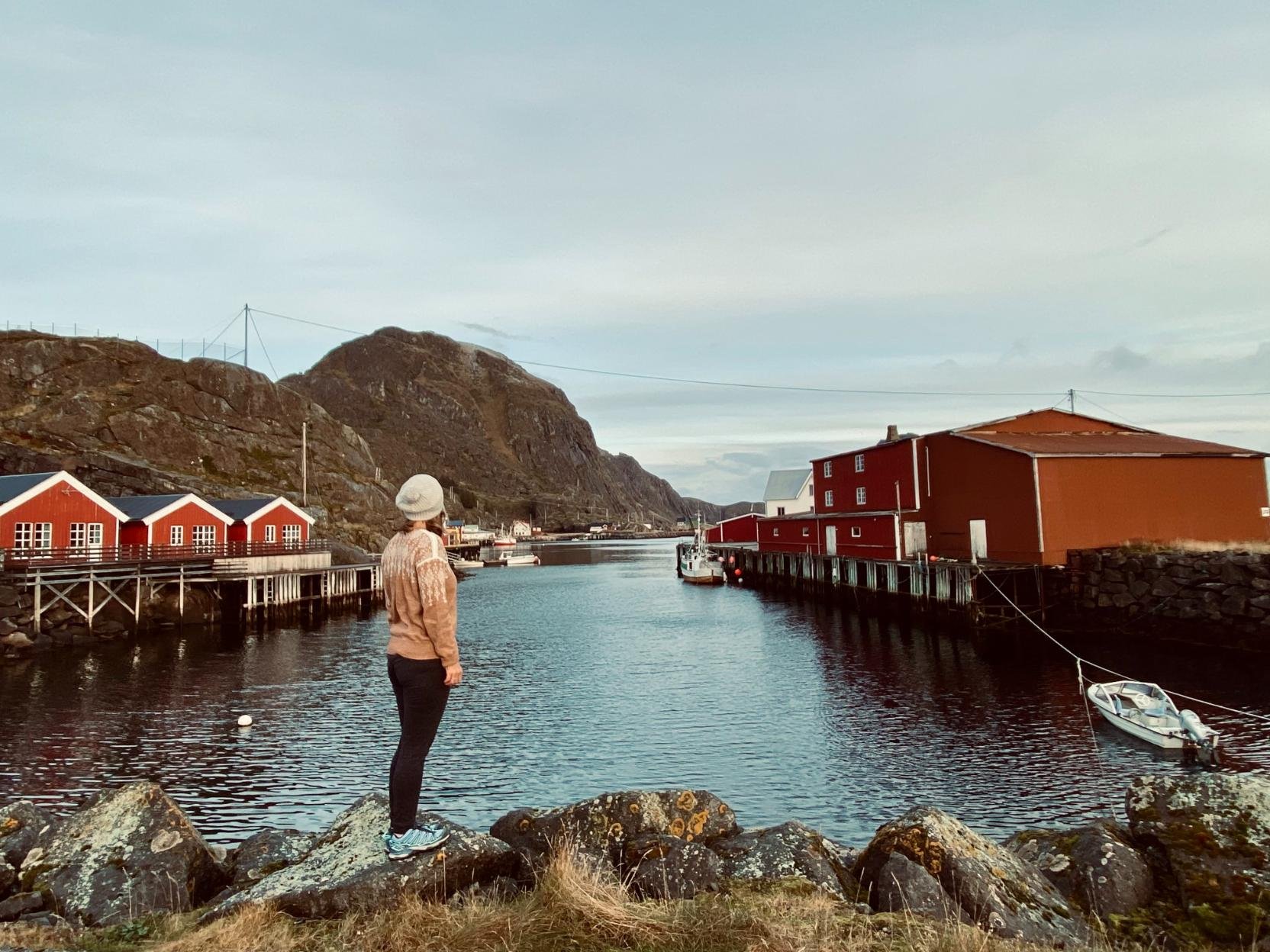
Things to Do in Lofoten: Tours, Villages & Arctic Experiences
Most people come to Lofoten for the scenery and leave surprised by how much there is to actually do in it. Hiking gets most of the attention — and we've written a full hiking guide in Lofoten if that's your priority — but the activities here go well beyond trails. Whale watching in the Arctic dark. Kayaking under the midnight sun. Sea eagles dropping from altitude to snatch fish from the surface beside your boat. A fishing village frozen somewhere between 1890 and now. The Northern Lights over the harbor.
This is everything worth doing in Lofoten beyond the hikes, with honest notes on what each experience is actually like and when to go for it.
So, put on your hiking shoes and follow us on our favorite trails!
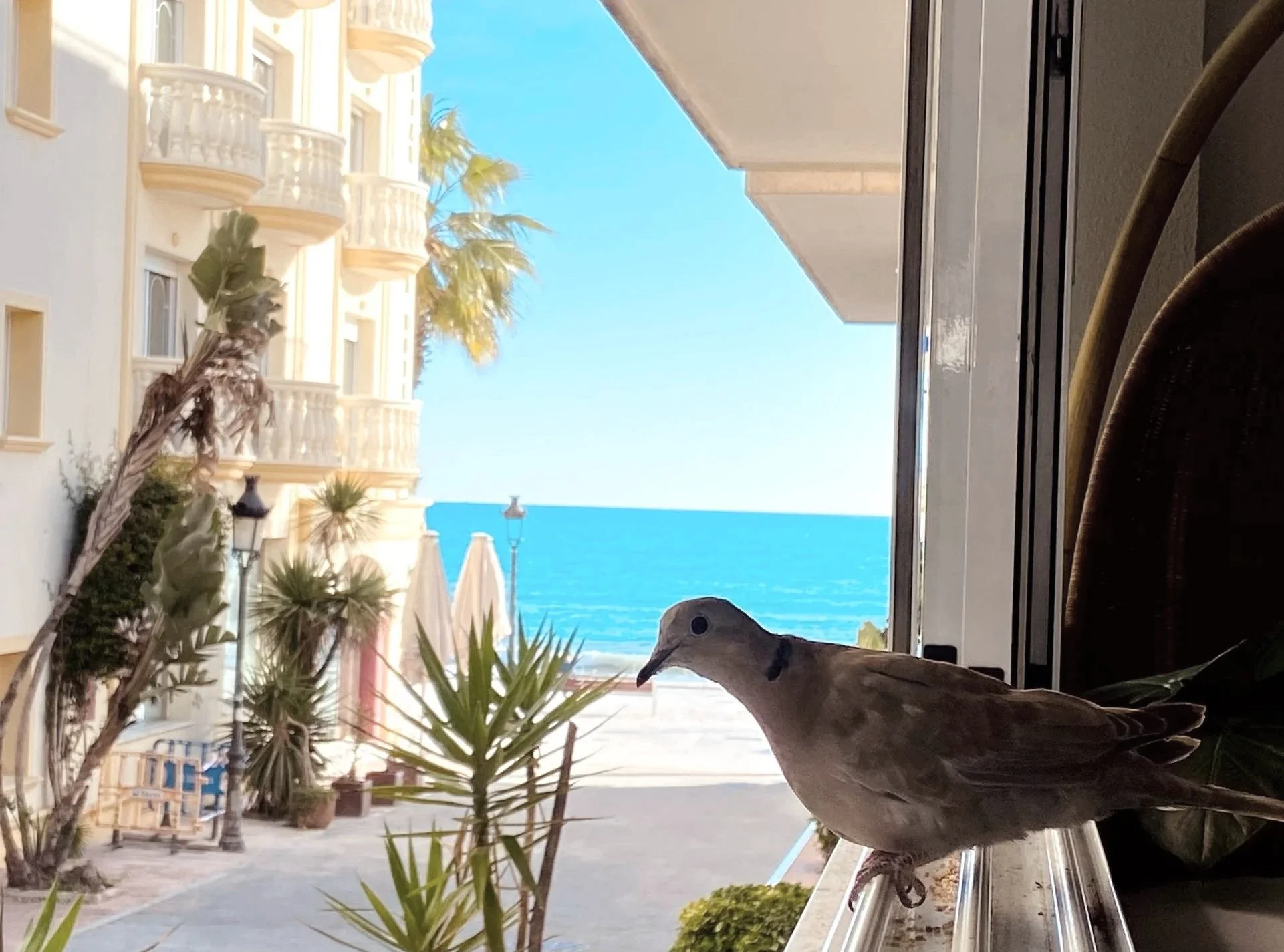
Beach Hotels Near Barcelona: Our Picks (by People who Live Here)
Barceloneta is fine. It's also where roughly four million people go every summer to share a towel-sized patch of sand and a view of someone's discarded Aperol Spritz cup. For everyone else — the people who want actual beach, actual quiet, and an actual reason to leave the city — the answer is a train ride south, a coastal drive north, or a commitment to the Costa Brava.
We live on the Garraf coast, right outside Sitges, so this isn't a list assembled from a search engine. These are the hotels we'd actually recommend to someone who asked us in person — organized around the same coastline we covered in our hidden beaches near Barcelona guide, so if you haven't decided which beach you want yet, that's the place to start.
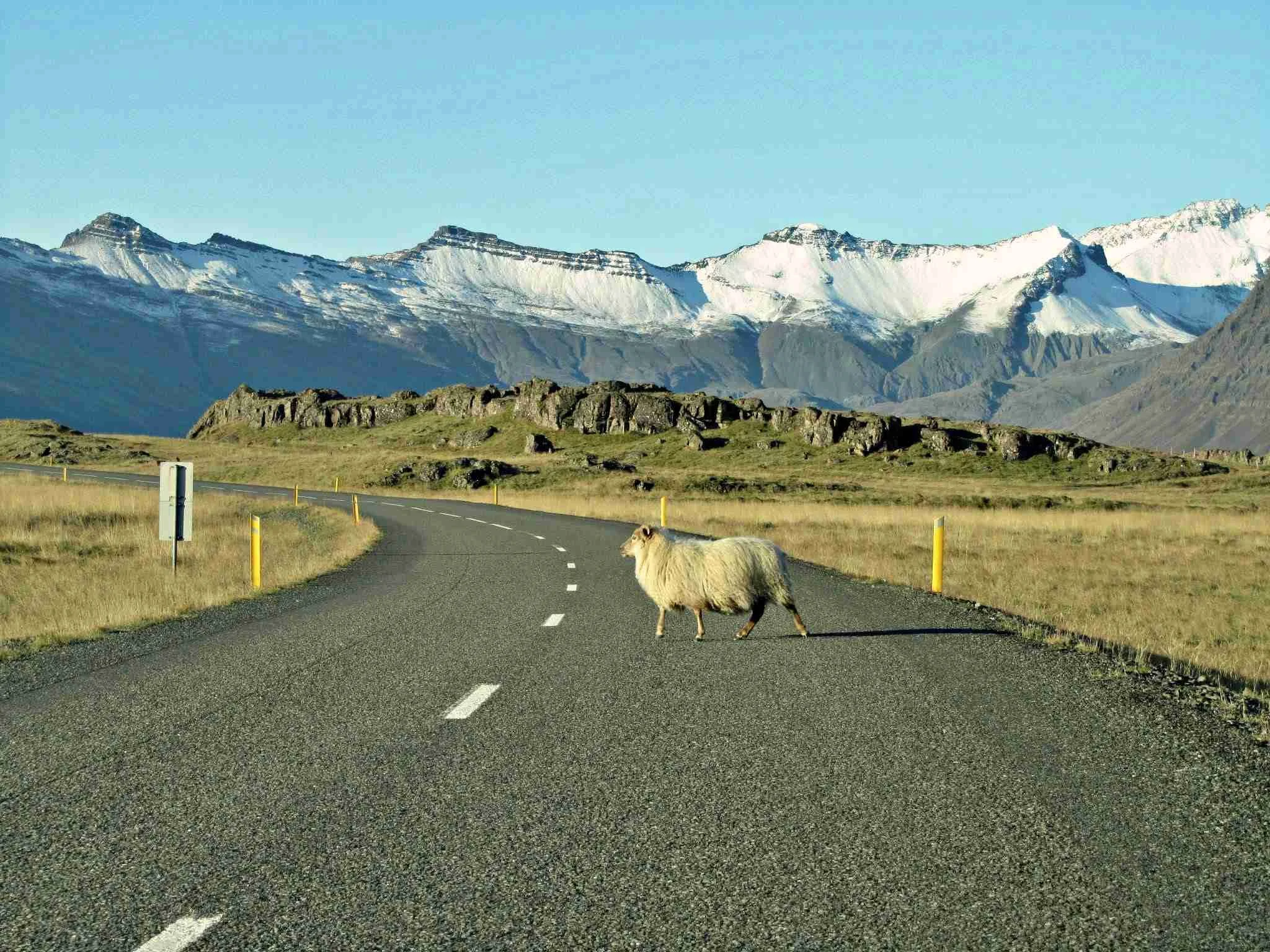
Iceland in Summer: Weather, Things to Do & What to Actually Expect
A lot of people associate Iceland with winter — northern lights, frozen landscapes, the darkness. We've been to Iceland in every season, and loved each one of them. Iceland in summer is a completely different country than in winter, and in a lot of ways a more surprising one.
The interior opens up. Roads that are impassable for eight months of the year become accessible. Puffins arrive. Whales move closer to shore. The sun barely sets, which messes with your sleep and your sense of time in the best possible way. And, if you know where to go, you can escape the crowds. We won’t sugarcoat it, though: popular highlights will be busy (explore our alternatives to Iceland’s main tourist spots here).
This is the summer Iceland most guides skip: the highland interior, the things that only exist between June and August, and what the weather is actually going to do to your plans.
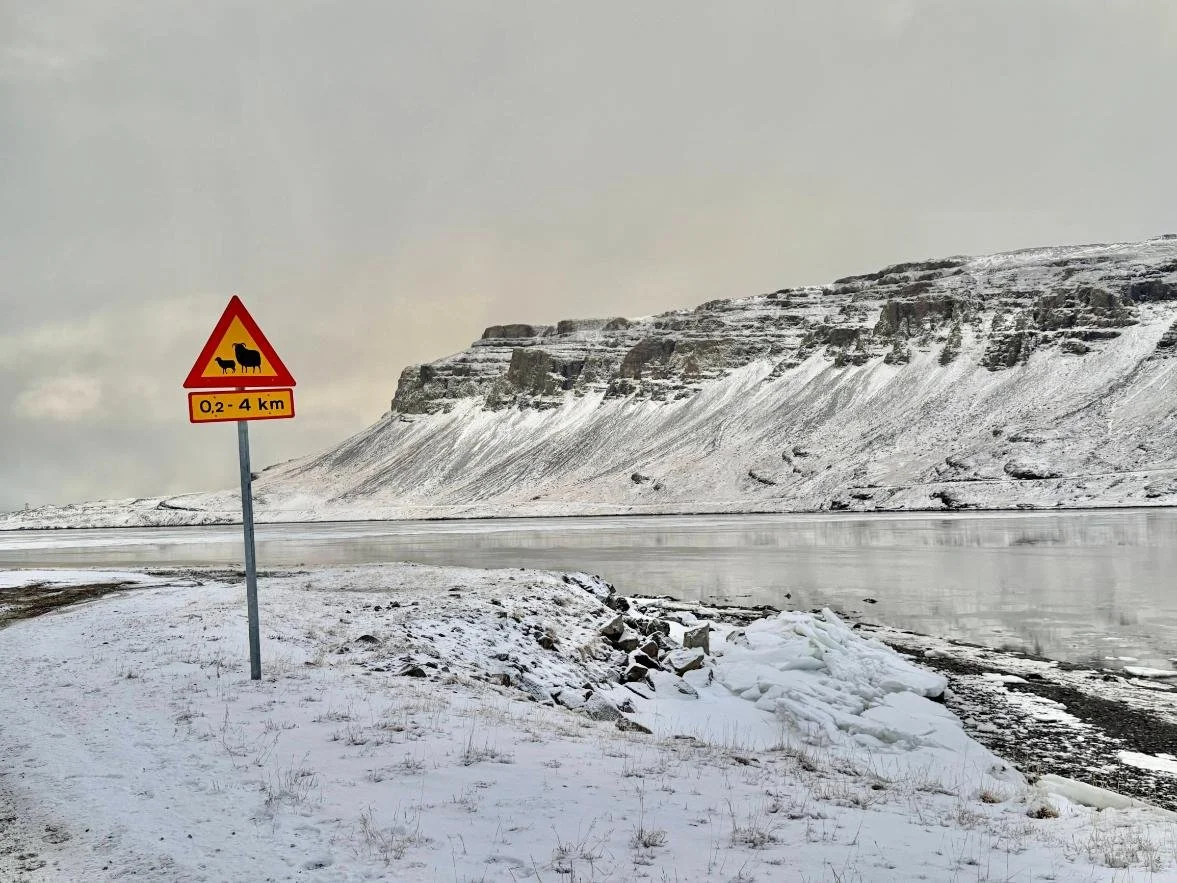
Iceland Road Trip: The South Ring Road from Reykjavík to Höfn (+ Easy Additions for a Self-Drive Tour)
We've driven Iceland three times — twice in fall, once in winter — and every time we've covered a version of the same stretch: Reykjavík east along the south coast to Höfn, with various detours depending on the season and what we had time for. We haven't done the full Ring Road. The north and east of the island are on our list, and we'll be honest about that rather than paste in itinerary days we haven't actually driven.
What we have done, thoroughly and repeatedly, is the section that most people mean when they say "Iceland road trip": the south coast to the glacier lagoon, with additions to the Reykjanes Peninsula, the Golden Circle, Hvalfjörður, and Snæfellsnes when time allows. That's the trip this guide is built around.
One more thing upfront: this self-drive tour is entirely doable in a regular car. You don't need a 4x4 for the route described here. More on that below — and it changes the budget and logistics considerably.
Travel Insurance for Iceland: What You Need (+ Discount)
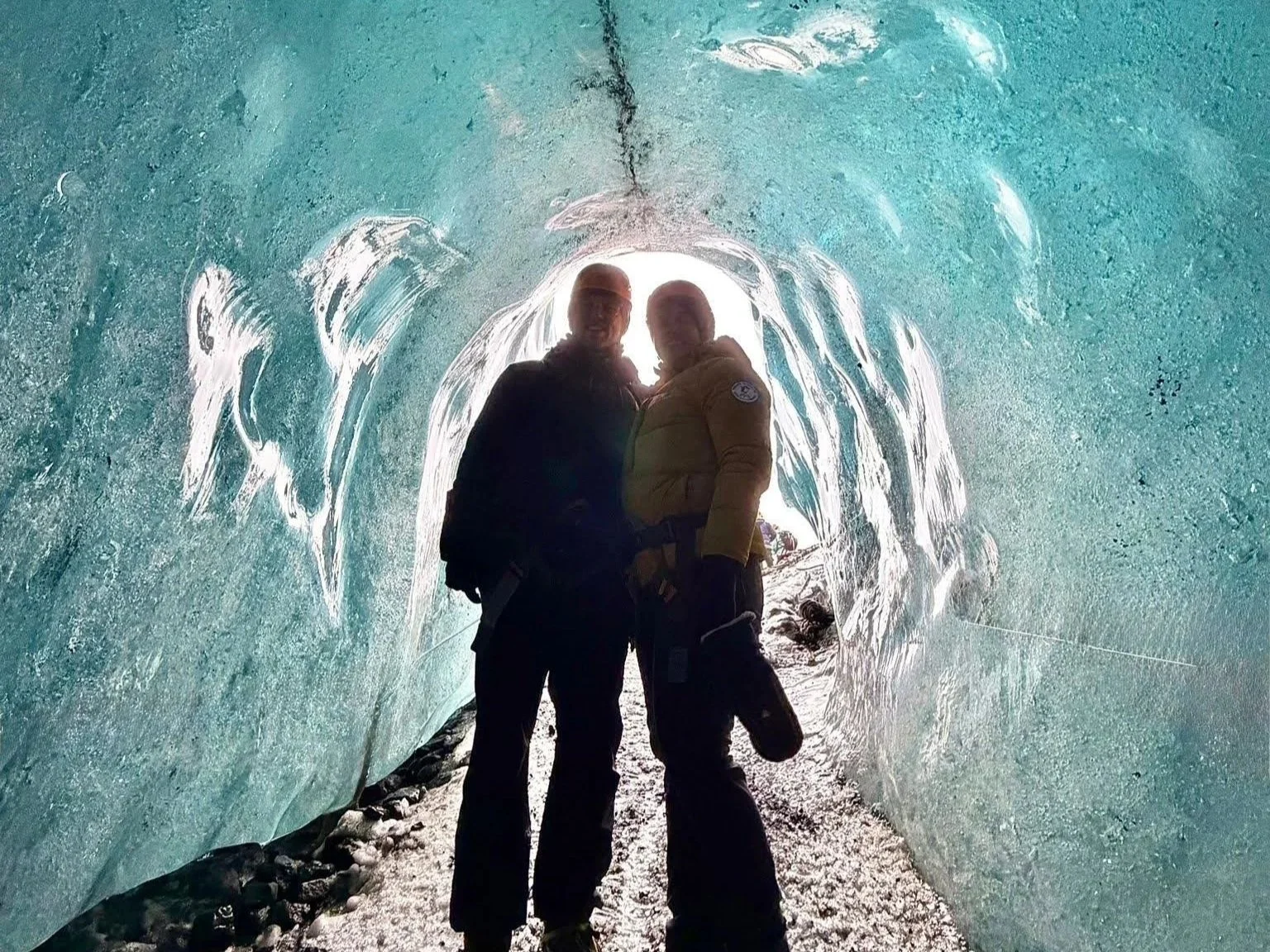
We've been to Iceland three times — in September, October and February — doing the kind of things that make travel insurance less of an afterthought and more of a genuine necessity. Driving remote roads in the dark chasing the northern lights, hiking across lava fields and glaciers, navigating weather that changes faster than any forecast predicted.
Iceland is small but mighty. It's one of the most geographically dramatic countries on earth, and a lot of what makes it worth visiting — the interior highlands, the glacier lagoons, the black sand beaches — is also genuinely remote. The nearest hospital to some of the places we've been is a long drive or a helicopter ride away.
That changes the insurance conversation.
Hiking in the Faroe Islands: the Best Trails and Everything You Need to Know
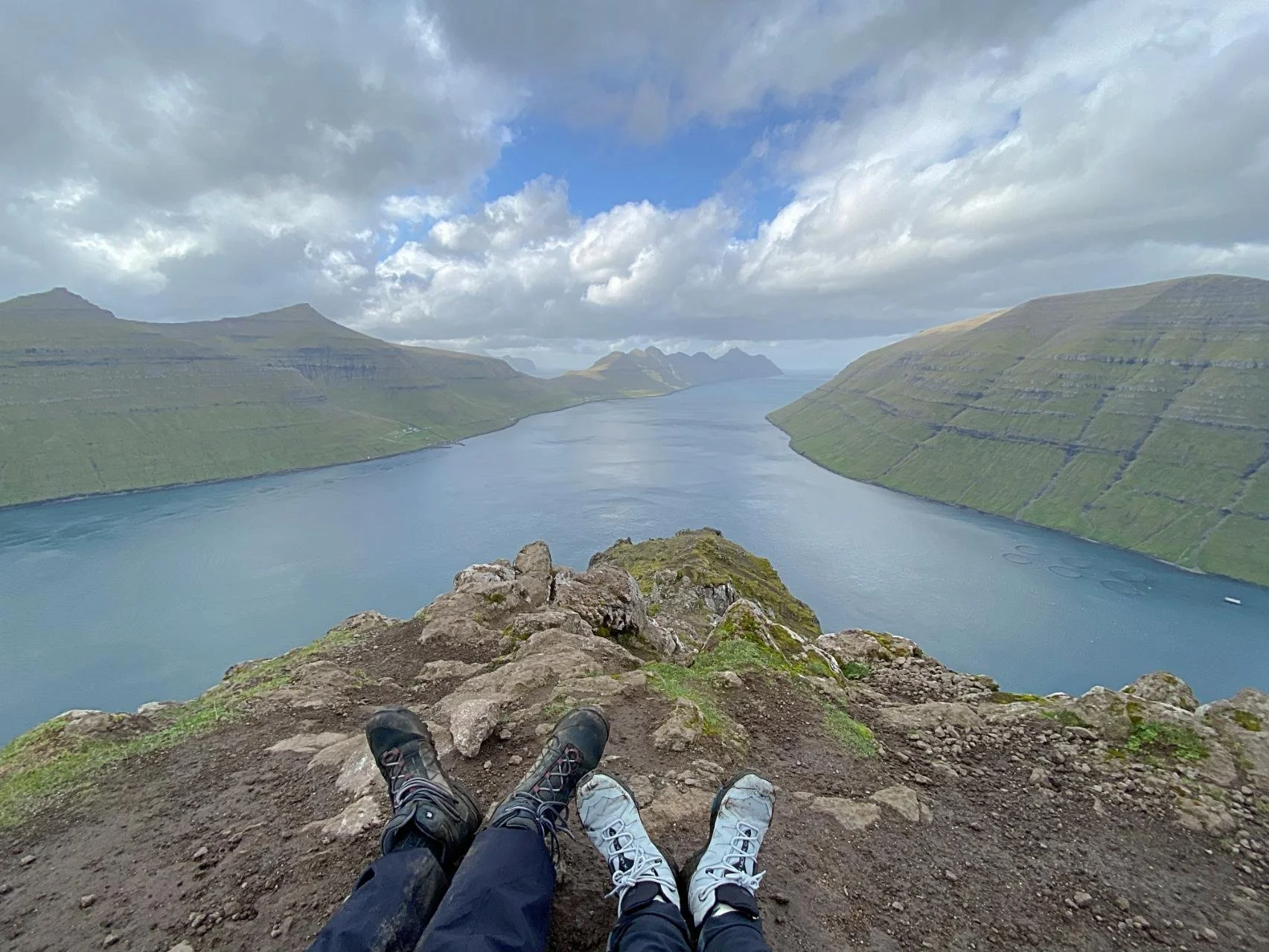
We modified hiking plans twice on our last trip to the Faroe Islands because of wind. Not rain — wind. The trail was fine, the visibility was fine, but the gusts at the cliff edge were the kind that make you reconsider your absence of vertigo. We sat it out in the car, ate some dry fish and tried again. We had a plan B. And a plan C. That, more than anything else, is what hiking the Faroe Islands is actually like. Sure, it’s not as cold or crazy as neighboring Iceland, but Atlantic moody weather is real.
If you can work with that — stay flexible, check the weather obsessively, and genuinely enjoy the possibility that your plans will change — then the Faroes offer some of the best hiking in the North Atlantic. Accessible trails. Dramatic coastal scenery on almost every route. Elevation that rewards without making you cry (hello, Lofoten). And a scale that means you can do a couple of hikes in a day if the conditions cooperate.
What follows is our island-by-island breakdown of the hikes in the Faroe Islands we'd actually recommend — with the real distances, the current fee situation, and the ferry logistics.
Boutique Hotels in Portugal: Our Picks from Lisbon to the Algarve
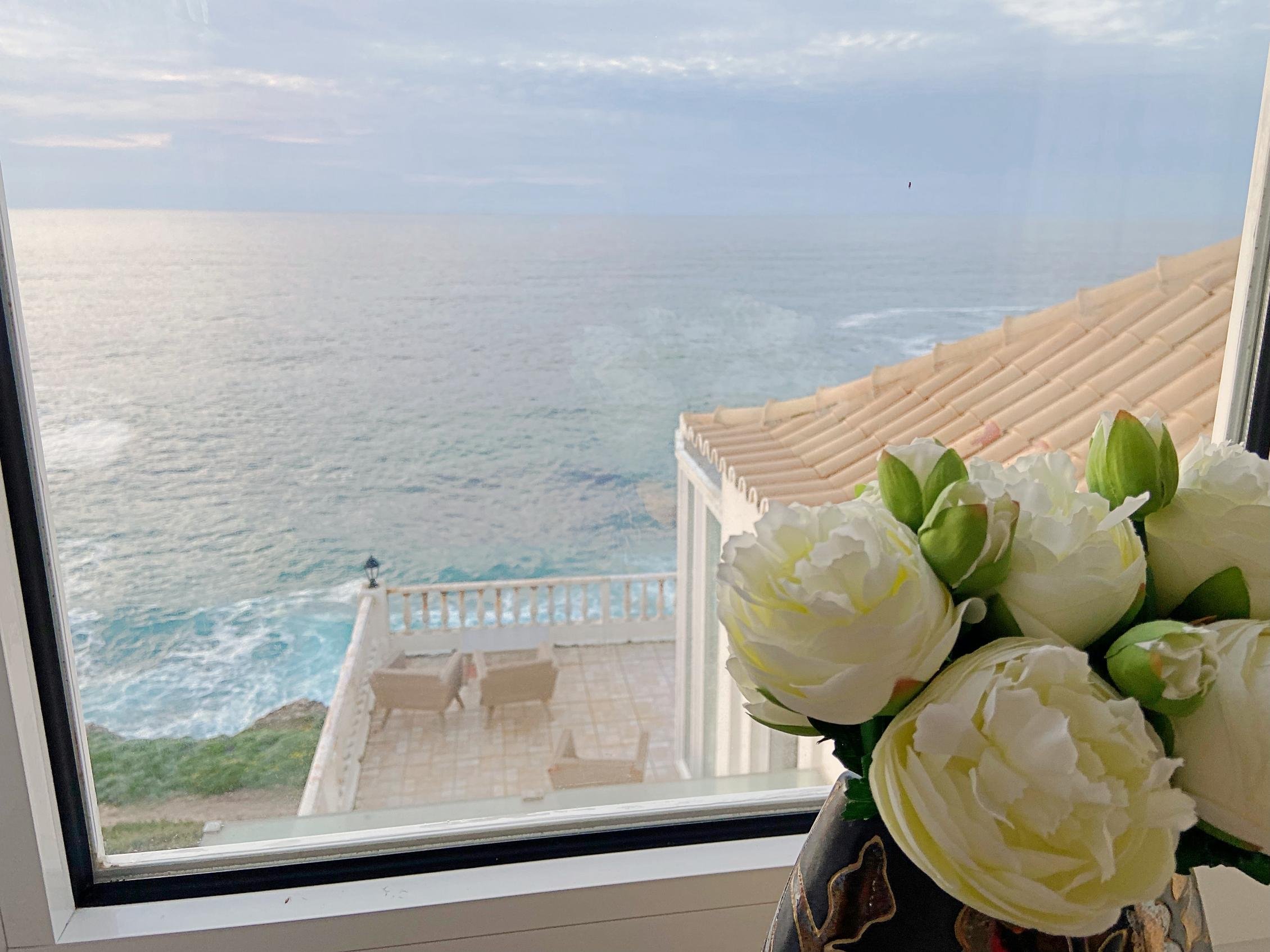
Portugal does boutique hotels exceptionally well, and the reason is mostly architectural. There are centuries of convents, palaces, olive oil mills, quintas, and fishermen's houses to work with — buildings that already have bones and history and character built in. Personally, we prefer hotels with character to big, impersonal chains. If you’re like us, Portugal will be heaven for you! Indeed, the best boutique hotels in Portugal tend to be conversions: a former palace on a Lisbon hilltop, a 16th-century olive mill inside Évora's city walls, a clifftop estate in the Alentejo redesigned by an architect who understood and respected what was already there.
What follows is our region-by-region guide to the best boutique stays across Portugal — from the capital to the wild Atlantic coast. Where we have a full regional guide, we link to it rather than repeating ourselves. Where we don't, we go deeper.
Where to Stay in the Faroe Islands: Hotels Tórshavn & Beyond
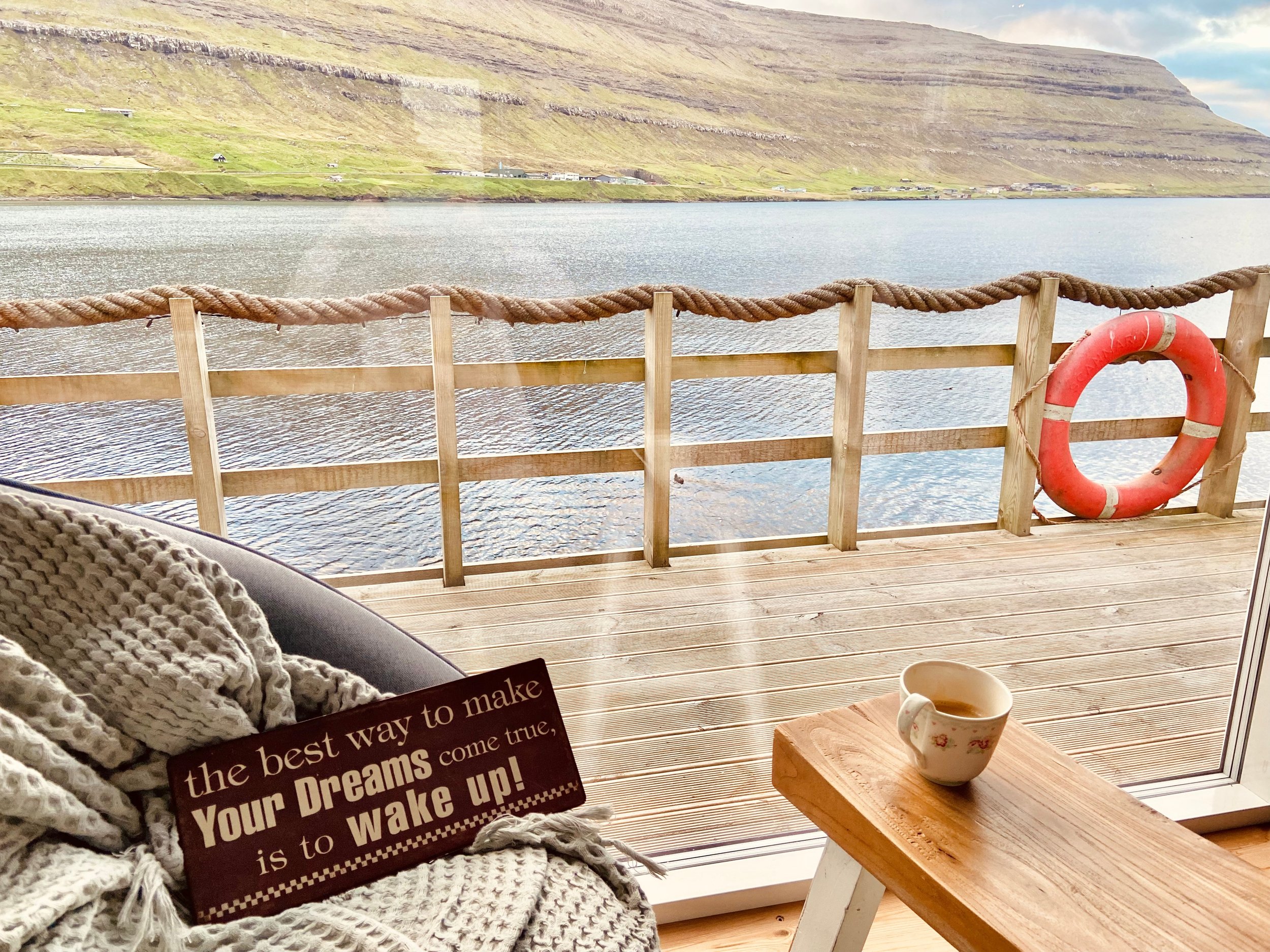
The Faroe Islands have fewer hotels than almost anywhere else in the North Atlantic — and that's part of what makes staying here feel special. You're not choosing between interchangeable chains. You're choosing between a harbor-front hotel in the old capital, a turf-roofed guesthouse in a village of twelve people, or a cottage perched above a waterfall that drops straight into the ocean. The accommodation is part of the experience in a way it rarely is anywhere else, and we love that.
The flip side: options fill up fast, especially in summer. The islands see a lot of visitors for their size, and the best Faroe Islands hotels — particularly anything outside Tórshavn — often book out weeks or months in advance. Read this guide, decide where you want to be, and book early.

Travel Insurance for Hiking & Backpackers: What to Look For Before You Hit the Trail
Most travel insurance policies are written for people who stay on paved surfaces. The fine print tends to assume a hotel, a beach, maybe a city tour. If you're the kind of traveller who plans trips around trails, summits, and carrying everything you need on your back, that fine print deserves more than a skim.
We've hiked in Abisko National Park in freezing temperatures, climbed in the Lofoten Islands, walked alongside icebergs in Greenland, snowshoed through Swedish Lapland, and spent time in some of the more remote corners of Iceland. We've been close enough to needing a claim — a snowmobile incident in Svalbard being the most memorable — to know that having the right coverage matters a lot more than saving €20 on a policy.
Here's what to actually look for when buying travel insurance for hiking and backpacking.
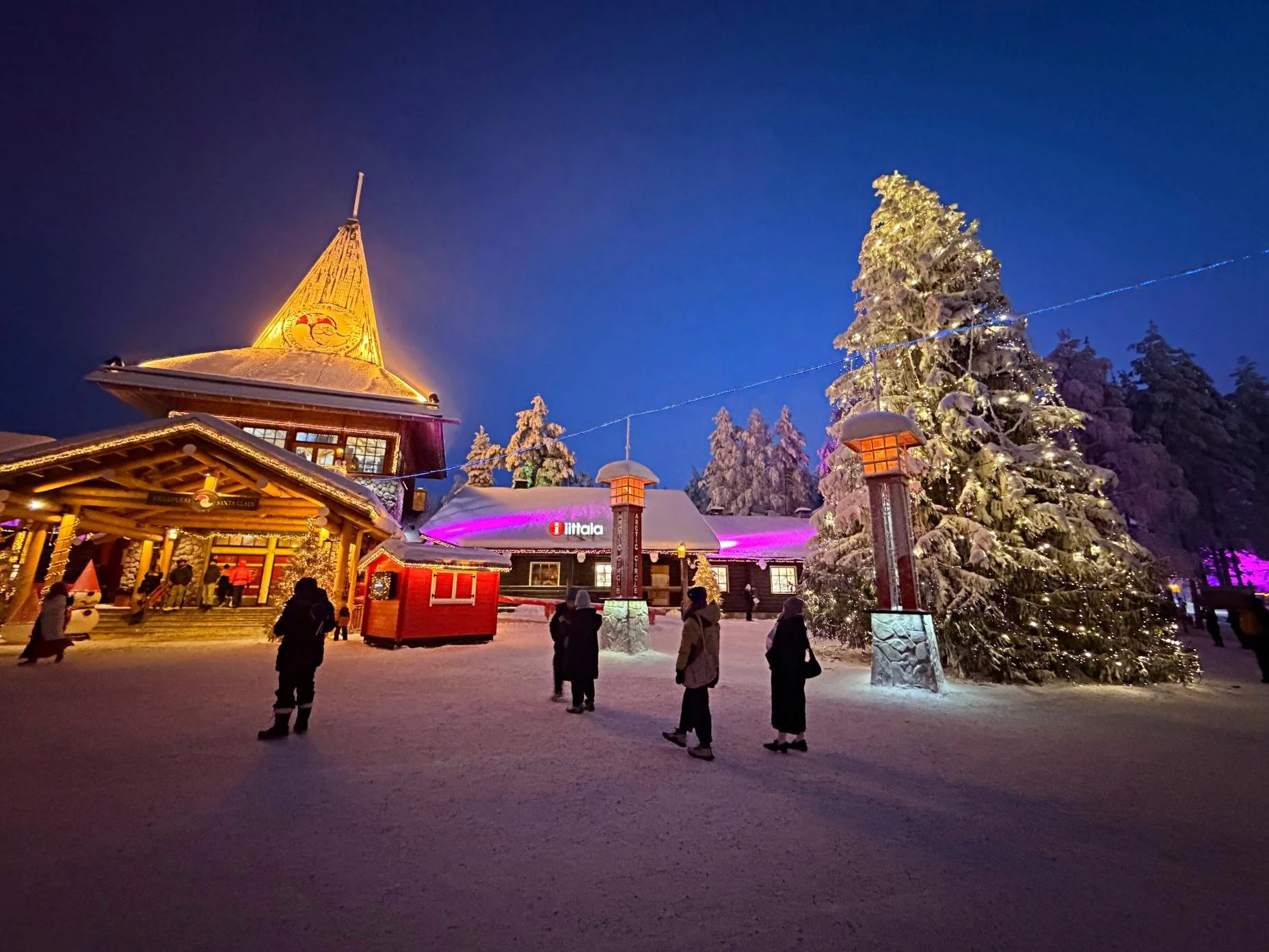
Christmas in Rovaniemi & Lapland: The Real Magic (Beyond the Red Suits)
December in Rovaniemi is one of the most atmospheric things you can do in Europe. Snow so deep it swallows fence posts. Darkness that falls at 2pm and stays until 10am. Reindeer moving in slow single file through the forest. The northern lights ripping green across a sky you've never seen that dark. And a silence — an actual silence — that you feel in your chest.
The problem is that the internet has convinced most people that Christmas in Lapland means one specific thing: elves, a man in a red suit, and a theme park experience that costs a fortune and delivers considerably less magic than the landscape sitting five minutes outside it.
We're not here to tell you what to do. But we are here to be honest about what you're actually booking when you book "Christmas in Rovaniemi" — and what December in Finnish Lapland looks like when you strip the commercial layer back.
Digital Nomad Travel Insurance: What You Actually Need When Work Takes You Everywhere
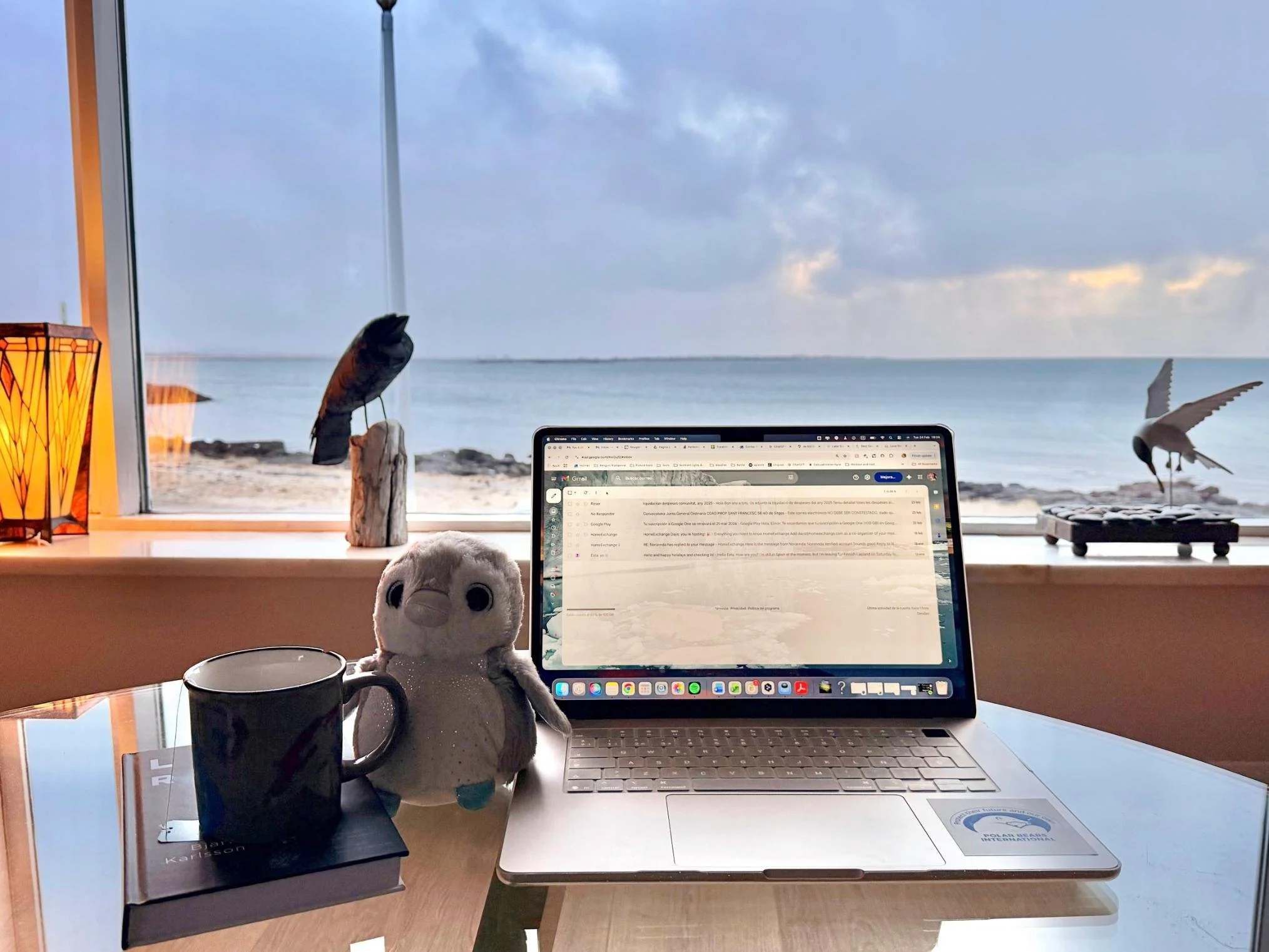
We run a travel blog, and before that, we worked as freelancers. Which means at some point we crossed the line from "people who travel a lot" to "people who work while traveling" — and that changes the insurance conversation in ways that most standard guides don't address.
When you're working abroad, the stakes are different. You're not just covering a two-week holiday. You need health coverage that works for months at a stretch, potentially in multiple countries. You're carrying equipment — laptops, cameras, hard drives — that represents your income, not just your entertainment. And if something goes wrong, you can't just cut the trip short and go home, because the trip is the job.
The good news: there are plans built for exactly this. The less good news: not all of them are worth the money, and the distinctions between them matter more than most people realize before they actually need to make a claim.