
Travel Insurance for Hiking & Backpackers: What to Look For Before You Hit the Trail
Not all travel insurance covers what happens when you leave the road behind — here's what hiking travel insurance actually needs to include, and why the details matter more than the price.
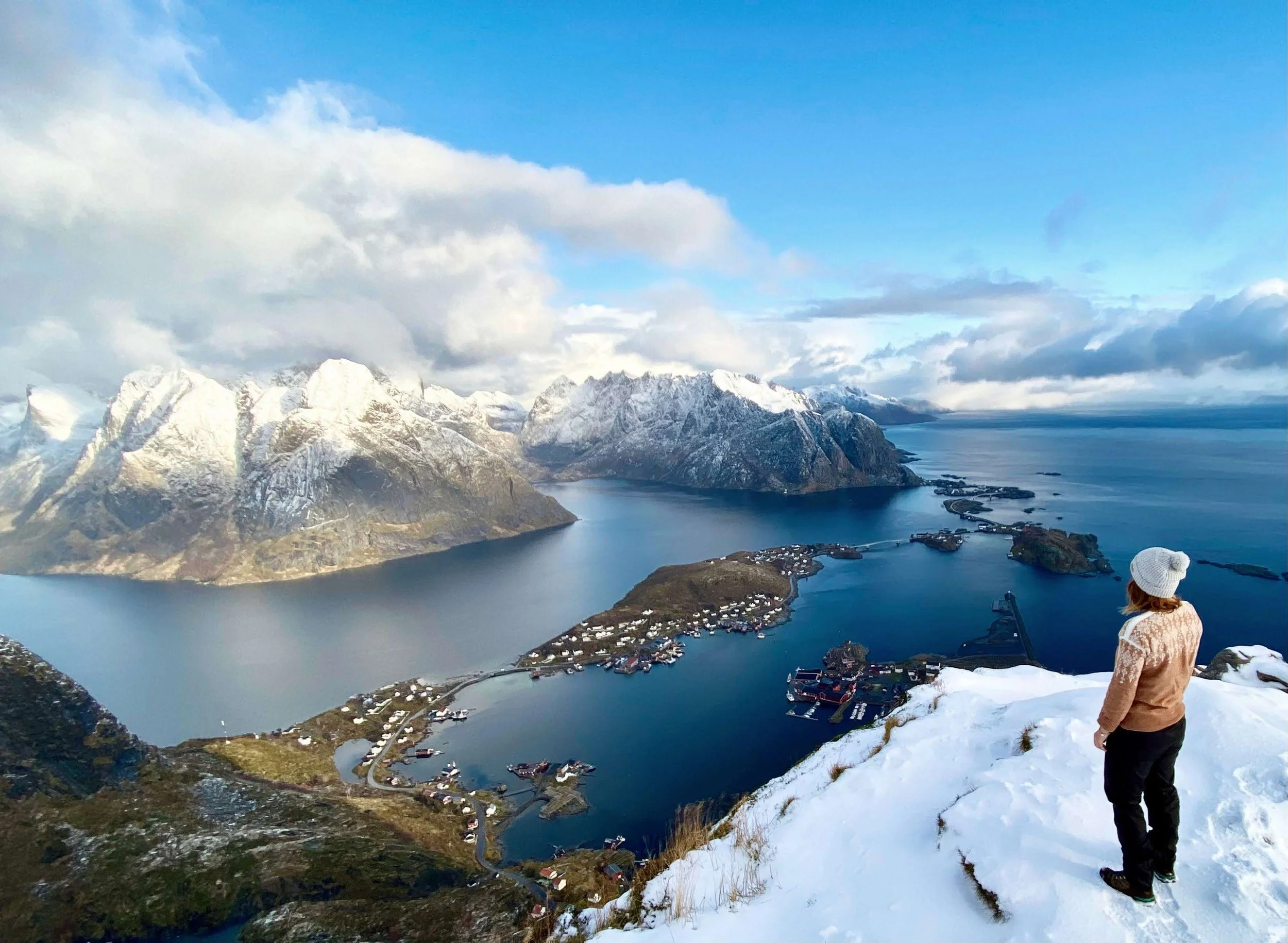
Hiking in Lofoten is challenging but so rewarding… with good travel insurance! Here at Reinebringen
Last update: August 2026
Most travel insurance policies are written for people who stay on paved surfaces. The fine print tends to assume a hotel, a beach, maybe a city tour. If you're the kind of traveller who plans trips around trails, summits, and carrying everything you need on your back, that fine print deserves more than a skim.
We've hiked in Abisko National Park in freezing temperatures, climbed in the Lofoten Islands, walked alongside icebergs in Greenland, snowshoed through Swedish Lapland, and spent time in some of the more remote corners of Iceland. We've been close enough to needing a claim — a snowmobile incident in Svalbard being the most memorable — to know that having the right coverage matters a lot more than saving €20 on a policy.
Here's what to actually look for when buying travel insurance for hiking and backpacking.
Quick navigation: What hiking insurance must cover · The altitude question · Backpackers · Why Heymondo · FAQ
🛡️ Planning a hiking trip? We use and recommend Heymondo for backpackers and hikers, — and you get a 5–15% discount* through our link.
What hiking travel insurance must cover
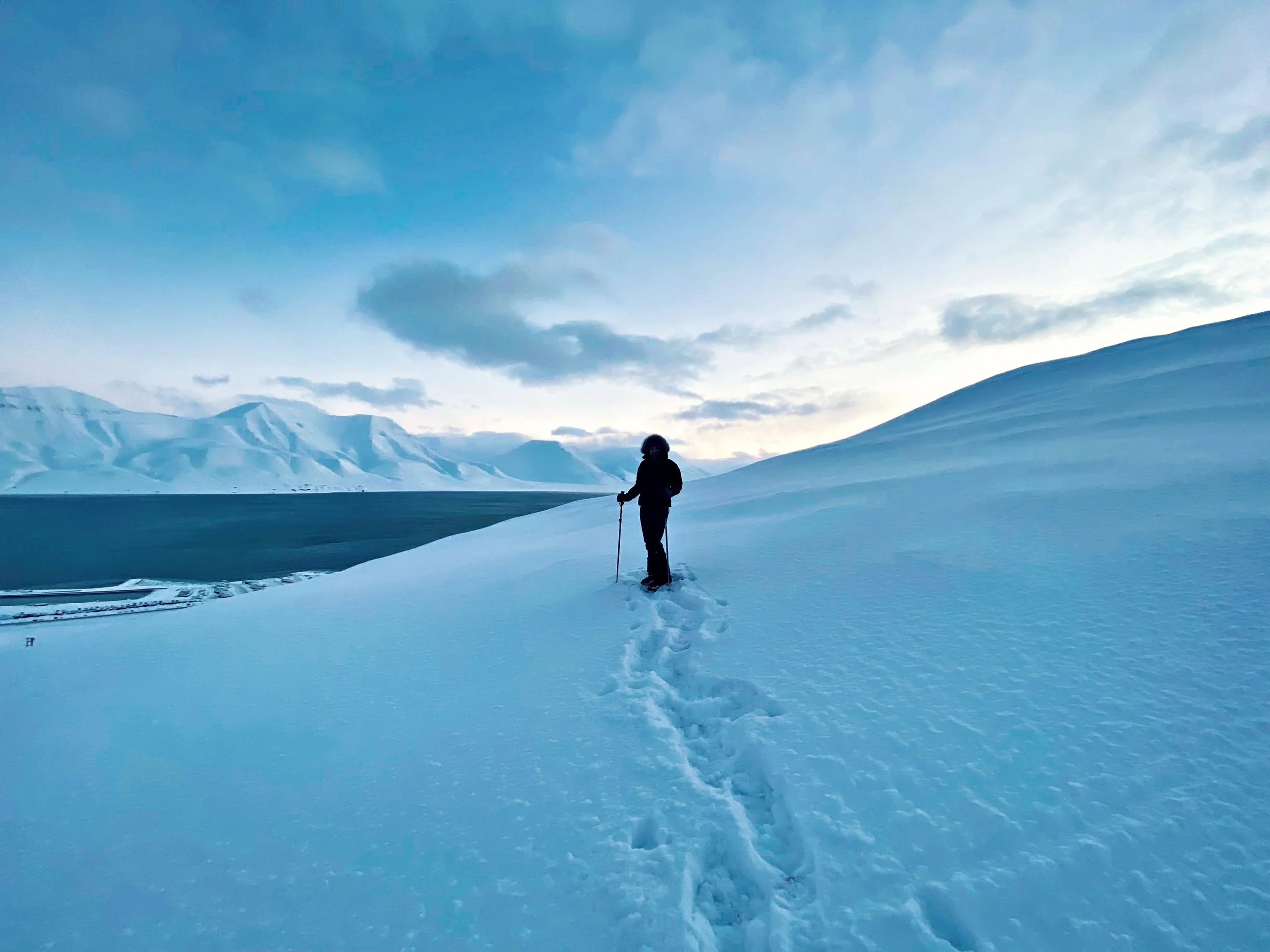
Getting rescued in Svalbard can’t be cheap… Read our guide to travel insurance in Norway for details.
Medical evacuation. This is the one that costs real money if you don't have it. A helicopter evacuation from a remote trail can run into tens of thousands of euros. Most standard policies either exclude this entirely or cap it at a level that doesn't reflect actual costs in mountainous or remote terrain. Check the evacuation limit specifically — not just the overall medical coverage cap.
Search and rescue. Separate from evacuation in many policies. If mountain rescue services are called out for you, the costs can be significant depending on the country. In some places it's covered by the state; but in most, the bill comes to you.
Hiking as a covered activity. This sounds obvious, but standard travel insurance frequently lists hiking as an exclusion — particularly anything described as "trekking," "mountaineering," or activities above a certain altitude. Make sure to read the activity list, not just the headline coverage.
Trip cancellation for gear-dependent trips. If you've booked a multi-week trail with non-refundable logistics and you break an ankle before you leave, cancellation coverage needs to be in place. For backpacking trips with a lot of advance bookings, this matters.
Baggage and equipment. Hiking and backpacking gear is expensive — decent boots, technical layers, a good pack. Check what the per-item and total baggage limits are, and whether outdoor equipment is treated the same as regular luggage.

Penguin tip:
When you're buying insurance for a hiking trip, don't just look at the headline medical coverage number. Look at the evacuation sub-limit specifically. A policy with €1 million in medical coverage but a €10,000 evacuation cap is a gap — and in remote mountain terrain, helicopter evacuation alone can exceed that.
The altitude question
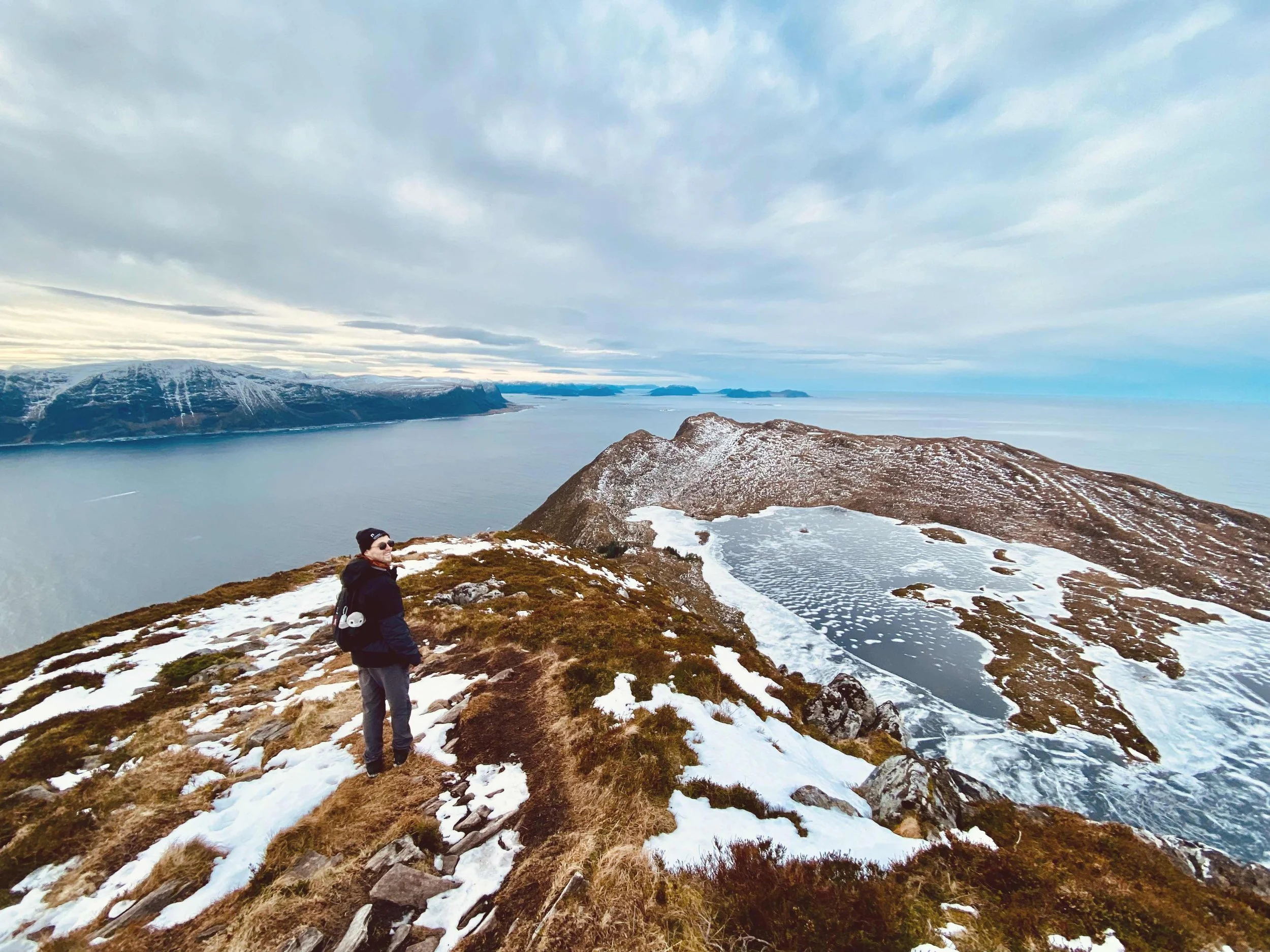
Standard travel insurance covers most hiking trails — here near Ålesund, Norway
Standard hiking is covered under most decent policies. The line shifts when altitude enters the picture.
Heymondo's standard plan covers hiking comfortably — the kind of multi-day trail walking, day hikes, and light trekking that makes up the vast majority of what most travellers do. The add-on territory starts at high-altitude trekking, typically above 3,000–5,000m depending on the plan, and genuinely extreme activities like technical mountaineering.
If you're planning Kilimanjaro, anything in the Himalayas, or high-altitude routes in the Andes or Central Asia, get the adventure sports add-on and confirm coverage before you go — not while you're already at base camp questioning your life choices.
If you're doing the kind of hiking most of us actually do — trails in Norway, multi-day routes in Iceland, walking in the Alps or in the Carpathians below the snowline, trekking in Portugal's natural parks — the standard plan covers you without anything extra.
What backpackers need specifically
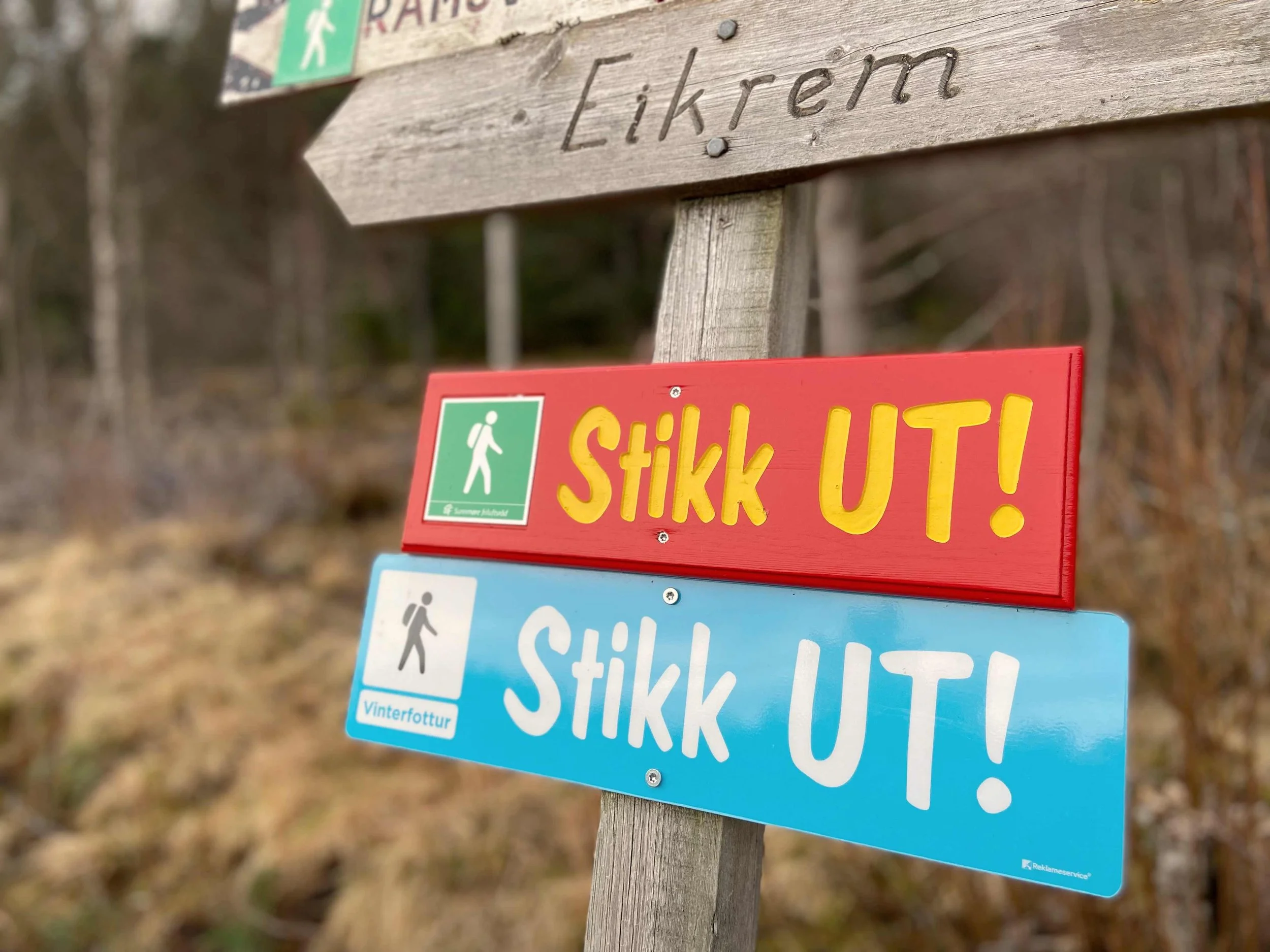
Stikk Hut! (Get out!) is Norway's largest tour organization and engages tens of thousands of people to hike around the country
Backpacker travel insurance is a slightly different conversation from day-hiking coverage, mainly because the trips are longer and the exposure is higher.
Length of trip. A standard per-trip policy works fine for a two-week hiking holiday. If you're backpacking for three months or more, a long-stay policy is the more sensible structure — continuous coverage without reset gaps. We covered this in detail in our annual and long-stay travel insurance guide.
Multiple countries. Most good policies cover worldwide travel, but double-check if your route crosses into regions with specific exclusions — some policies have carve-outs for certain countries or conflict zones that can catch backpackers off guard.
Flexibility on return date. Backpacking itineraries change. A policy that penalizes you for extending a trip or changing return dates is more friction than most backpackers want to deal with mid-route.
Did you know?
Heymondo has a built-in virtual doctor feature in their app — you can start a medical consultation directly from your phone, wherever you are. On a trail in Finnish Lapland, far from any clinic, that's not a gimmick. It's the difference between a manageable situation and a genuinely stressful one.
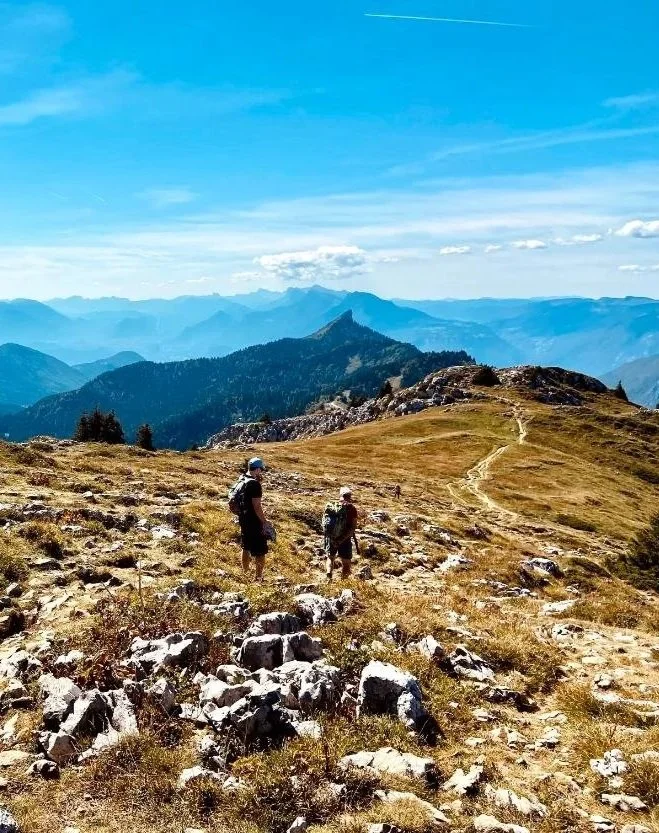
Pic: Hiking in the French Alps
Why Heymondo for hiking and backpacking
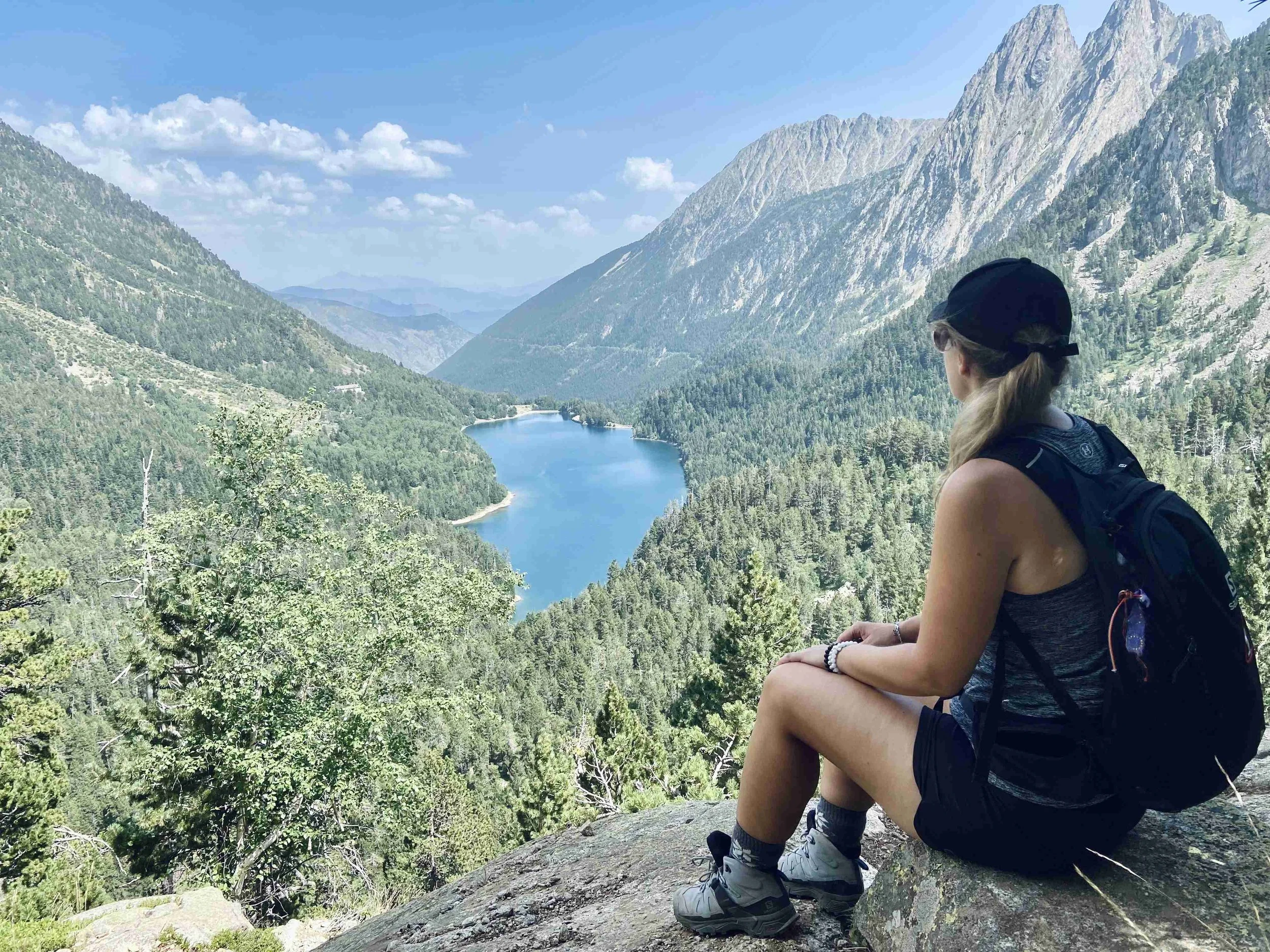
Enjoying the view in Espot, Spanish Pyrenees
We've been using Heymondo for nearly two decades — long before we had a travel blog or any reason to recommend it publicly. The honest reason we keep using it: it covers the activities we actually do without requiring an add-on for every single thing.
Hiking, kayaking, snowshoeing, cycling, surfing — all covered under the standard plan. The adventure sports add-on exists for the genuinely extreme end of the spectrum. For most hikers and backpackers, the standard plan does the job.
We've written a full breakdown of coverage, claims, and comparisons in our Heymondo review. And if you want to make sure you're getting the best price, our guide to saving on travel insurance covers the discount structure — you get 5–15% off through our link automatically.
FAQ: Hiking and backpacker travel insurance
Does travel insurance cover hiking?
Standard hiking is covered by most decent travel insurance policies, including Heymondo's standard plan. The exceptions are high-altitude trekking (typically above 3,000–5,000m) and technical mountaineering, which usually require an adventure sports add-on.
What travel insurance do backpackers need?
For trips under 60 days, a standard per-trip policy works. For longer backpacking trips, a long-stay plan gives you continuous coverage without gaps. Key things to check: evacuation limits, multi-country coverage, activity inclusions, and flexibility on return dates.
Does travel insurance cover mountain rescue?
It depends on the policy. Some include search and rescue costs explicitly; others bundle it under emergency medical assistance; others exclude it. Check this specifically if you're hiking in remote terrain — the cost of mountain rescue operations varies significantly by country.
What is the most important coverage for hikers?
Medical evacuation, hands down. The headline medical coverage number is less important than the evacuation sub-limit — in mountainous or remote terrain, a helicopter evacuation alone can cost more than most people expect. Make sure the evacuation limit reflects realistic costs for where you're going.
Is Heymondo good for backpackers?
Yes — the standard plan covers most hiking and backpacking activities without extras, the app-based medical consultation is useful in remote locations, and the long-stay option works well for extended trips. Full breakdown in our Heymondo review.
The difference between good and bad travel insurance isn't usually visible until something goes wrong. For hikers and backpackers — who tend to be further from clinics, further from airports, and doing things that mainstream policies sometimes exclude — getting the right coverage matters more than for most travellers. Spend ten minutes reading the activity list and the evacuation sub-limit. It's the most important ten minutes of your trip planning.
Want to be the first to know about Heymondo special campaigns — including the ones where you can get up to 15% off? Sign up to our newsletter below.

Free download
Travel Cheaper Cheat Sheet
27 tips on flights, hotels, hidden costs and more — spend less without missing what actually matters.
No spam. Unsubscribe anytime.
*Discount applicable to penguins from all countries except the US, due to legal restrictions.
