
Blog
Penguin Trampoline: The blog
With Penguin Trampoline, adventures soar to new heights!
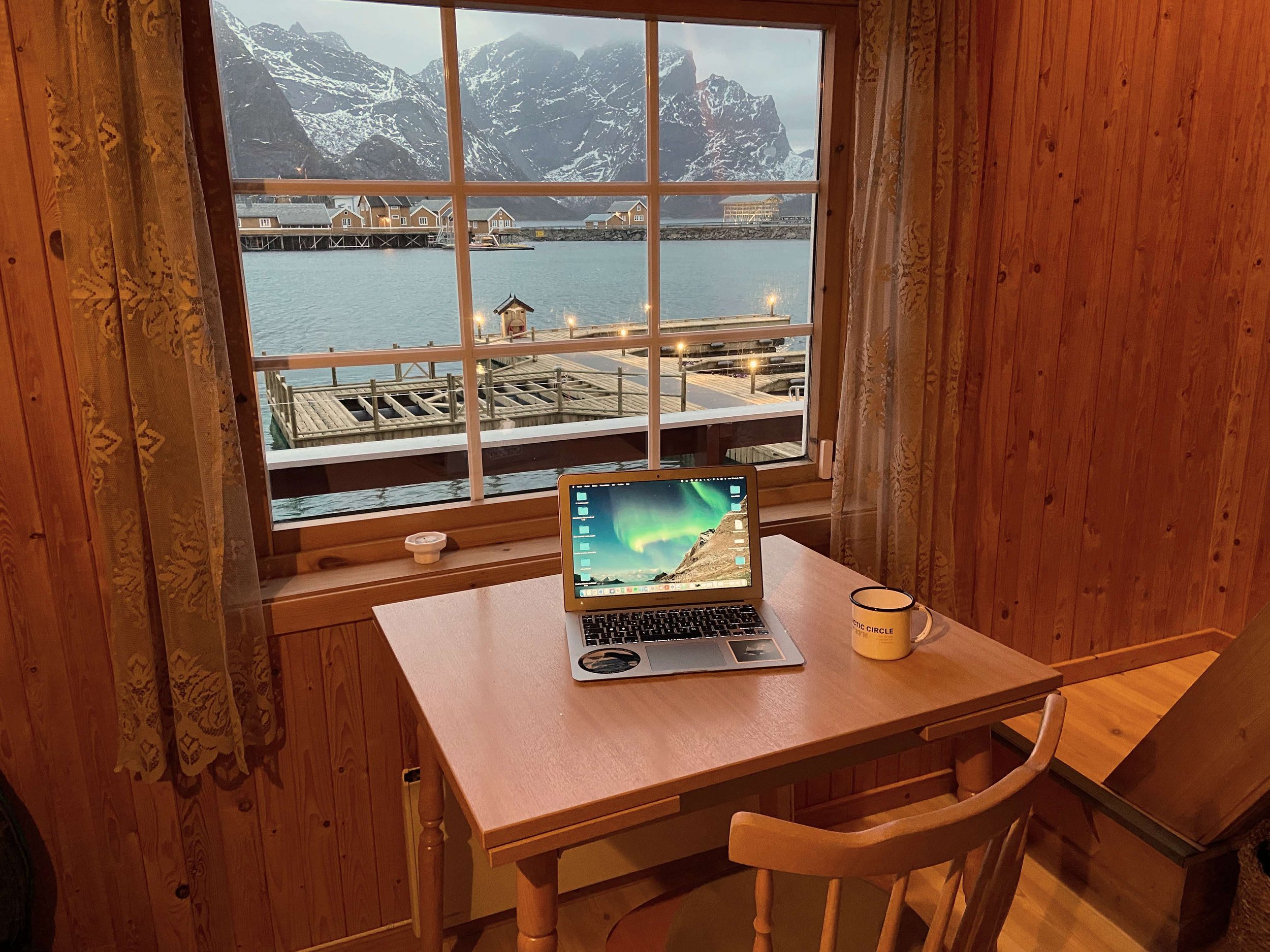
Are you ready to bounce into a world of awe-inspiring destinations, where the thrill of exploration meets the grace of a penguin's waddle?
From the icy wonderlands of Arctic regions to the sunny Spain & Portugal beaches, our travel blog is your ultimate ticket to discovering hidden gems, unlocking travel tips, and embracing the sheer joy of discovering new horizons.
We're not just about sightseeing; we're about experiencing the heartbeat, culture and gastronomy of each destination, bouncing into unforgettable moments.
Join our community of dreamers and explorers as we leap from continent to continent, propelled by curiosity and an insatiable wA/Onderlust.
So, buckle up, grab your passport, and prepare to spring into the exhilarating world of Penguin Trampoline!

Free download
Travel Cheaper Cheat Sheet
27 tips on flights, hotels, hidden costs and more — spend less without missing what actually matters.
No spam. Unsubscribe anytime.
Free and Cheap Things to Do in Reykjavik
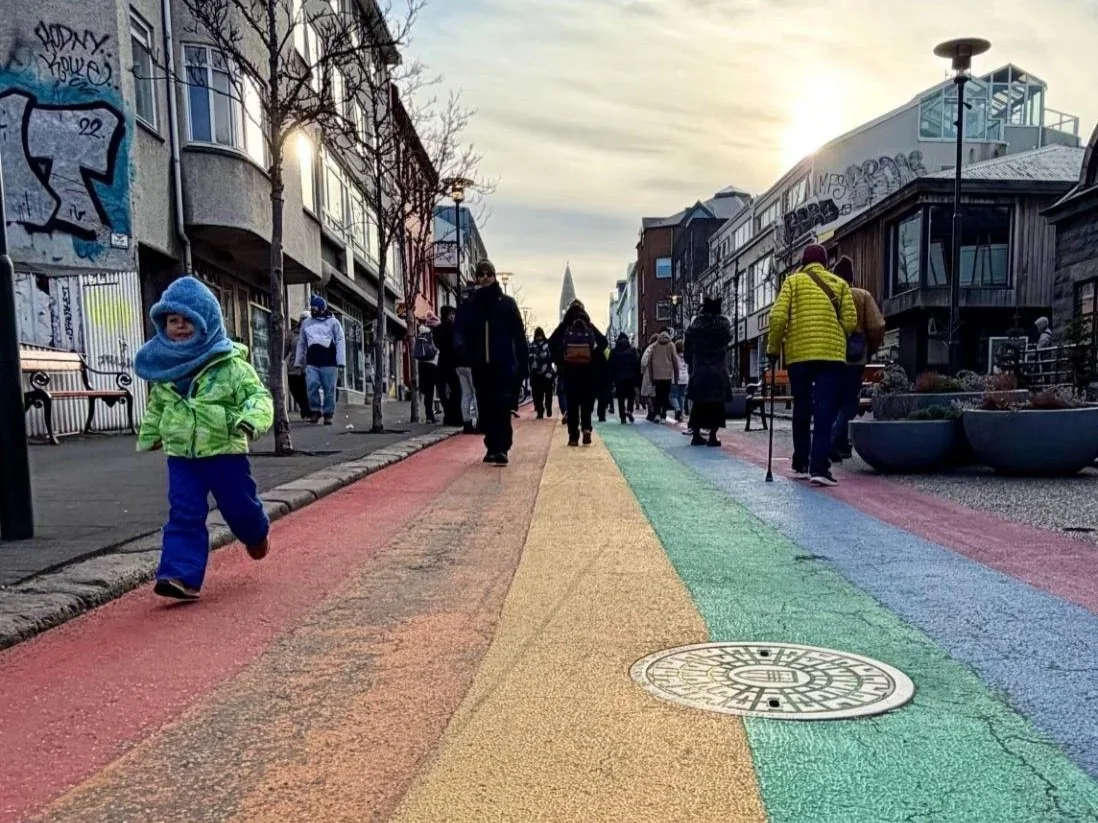
Reykjavik, as cool as it is, has earned its reputation as one of Europe's pricier capitals. A sit-down dinner for two, a round of drinks, a whale watching tour — the numbers add up fast, and they tend to go in one direction. But here's something the typical "budget Iceland" articles gloss over: Reykjavik has a surprisingly solid free list. Not "free in the sense that you're still spending on transport and food" free — genuinely, spend-nothing free.
The locals aren't eating at tourist restaurants or paying for entry to every museum. They're swimming in geothermal pools, walking the harbor, browsing flea markets, and sitting outside bakeries with a coffee and a pastry watching the light do something extraordinary to the sky. Most of that costs very little, and some of it costs nothing at all.
Here's what's actually worth your time — and your money, in the cases where a small amount is well spent.
How to Travel Iceland on a Budget
We've been to Iceland three times. The first was right after the 2008 financial crisis, when the Icelandic króna had collapsed and the country briefly became a very affordable destination. A private room in a hostel for €60. Those days are firmly gone.
If you’re wondering if Iceland is that expensive, let's be direct: Iceland is one of the most expensive countries in the world to visit. That's not a rumor or a rounding error — it's consistently near the top of the global rankings for cost of living and travel costs. A coffee will make you wince. A restaurant meal will drain your budget. The silver lining? It’s so expensive that even Norway will look cheap after it!
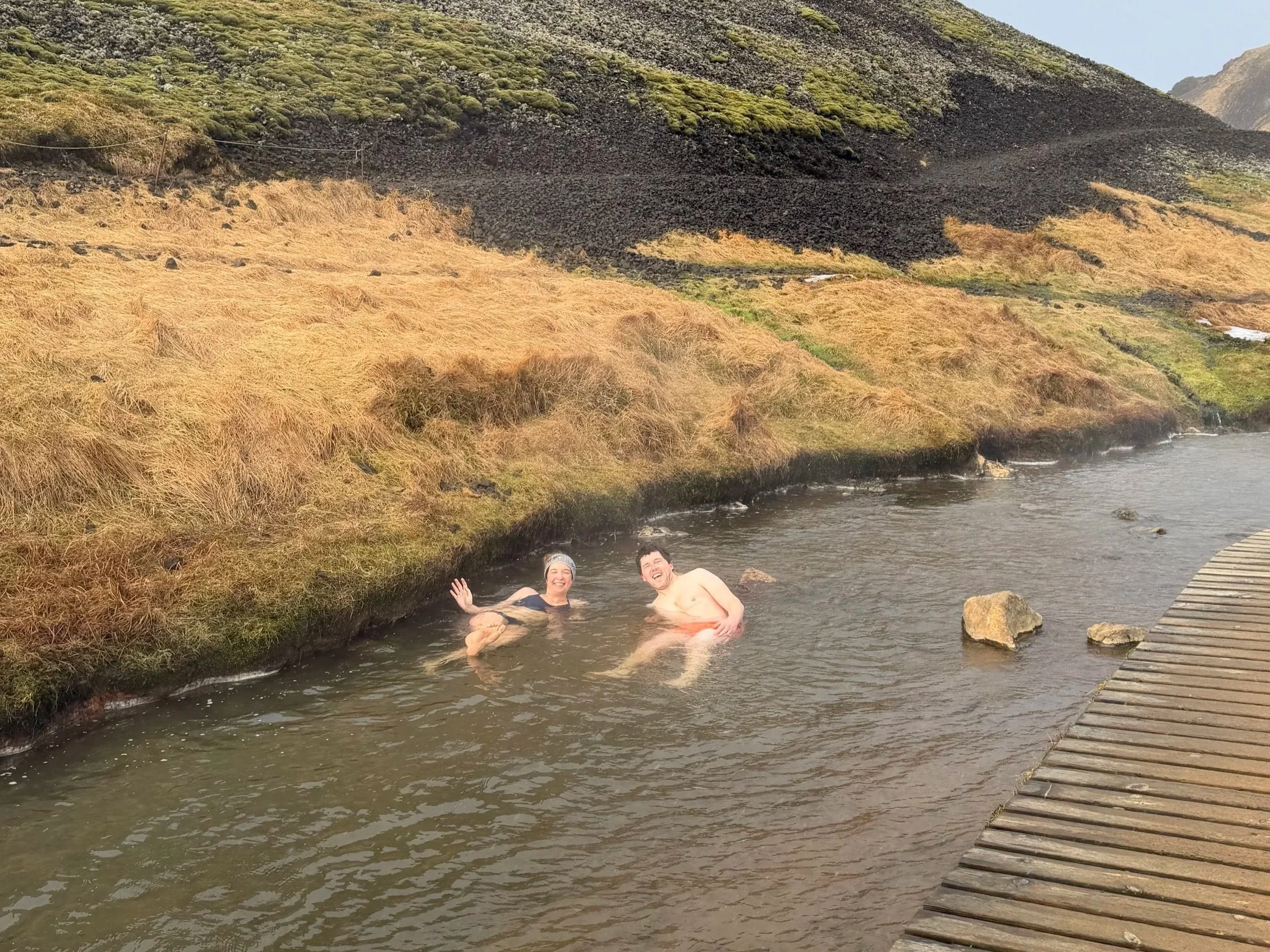
But here's the thing. The gap between a poorly planned Iceland trip and a well-planned one is enormous — larger than almost anywhere else. A few smart decisions on flights, car rental, food, and accommodation can cut your total spend dramatically without touching the parts of Iceland that actually matter. The volcanoes, the waterfalls, the glaciers, the northern lights — those are mostly free. What costs money is everything around them, and that's where the savings are.