
Things to Do in New Zealand: North Island Journal
Our favorite things to do on New Zealand’s North Island, from volcanoes and glowworm caves to coastal trails, geothermal wonders, and beautiful beaches. Looks Photoshoped… but no filter required!

Watch out for skiing kiwis in Tongariro National Park!
Last update: August 2026
The North Island is where New Zealand brings the drama: volcano craters you can hike, geothermal pools bubbling like they have opinions, beaches that flip between black sand and turquoise bays, and Māori culture woven into everyday life. Whether you’re road-tripping, chasing waterfalls, or hunting those “no one else was here” moments, this guide hits the highlights without the tourist fluff.
We chose August, which is winter in the Southern Hemisphere: less crowds, cheaper campervan rentals, and snow-capped mountains.
So, whether you're a seasoned traveler, a Lord of the Rings nerd or a New Zealand newbie, get ready for some serious wanderlust as we explore the North Island’s hidden gems.
Pack your bags, grab your camera, and buckle up for the kiwi adventure of a lifetime in our series: Things to do in New Zealand!
🛌 Where to stay:
• Hotel DeBrett, Auckland — a 5-star boutique right in the city center, highly rated on Booking.com.
• Oceans 88, Whitianga — coastal suites in the heart of Coromandel, minutes from Hot Water Beach and Cathedral Cove.
• Black Swan Lakeside Boutique Hotel, Rotorua — right on the lake, an easy base for the geothermal parks.
• Ohtel Wellington — boutique 5-star in Oriental Bay, a good landing spot after the road trip.
🇳🇿 Top experiences:
• Waitomo Glowworm Caves Guided Boat Tour — a silent boat ride beneath thousands of glowworms.
• Te Puia Maori Cultural Experience, Rotorua — geysers, boiling mud pools, and a traditional haka performance.
• Tongariro Alpine Crossing Guided Day Trek — a full-day guided hike across the volcanic crossing, worth it if track or eruption conditions make a guide the smarter call.
🚗 Compare car rentals: Booking.com car rentals — you'll want one for this route, buses don't reach most of these stops.
What are the best things to do in New Zealand, North Island?
New Zealand's North Island offers volcanoes you can hike, geothermal pools, black sand beaches, glowworm caves, and Maori culture at every turn. This guide covers the highlights from Auckland to Wellington, including the Coromandel Peninsula, Rotorua, Waitomo Caves, and Tongariro National Park. Whether you're road-tripping by campervan, chasing Lord of the Rings filming locations, or just looking for that "no one else was here" feeling, the North Island delivers.
After two days, Auckland, finally!
After more than two days of travel (and a night at Dubai airport), we finally touched down in Auckland. And guess what? This “City of Sails” totally lives up to its reputation. I’m usually not a city person (Eli), but Auckland breathes ocean air and adventure and is miles away from your typical big city. The warm welcome we received as soon as we got off the plane proved that Kiwi hospitality is no myth!
We picked up our campervan, and off we went, jet lagged and excited!
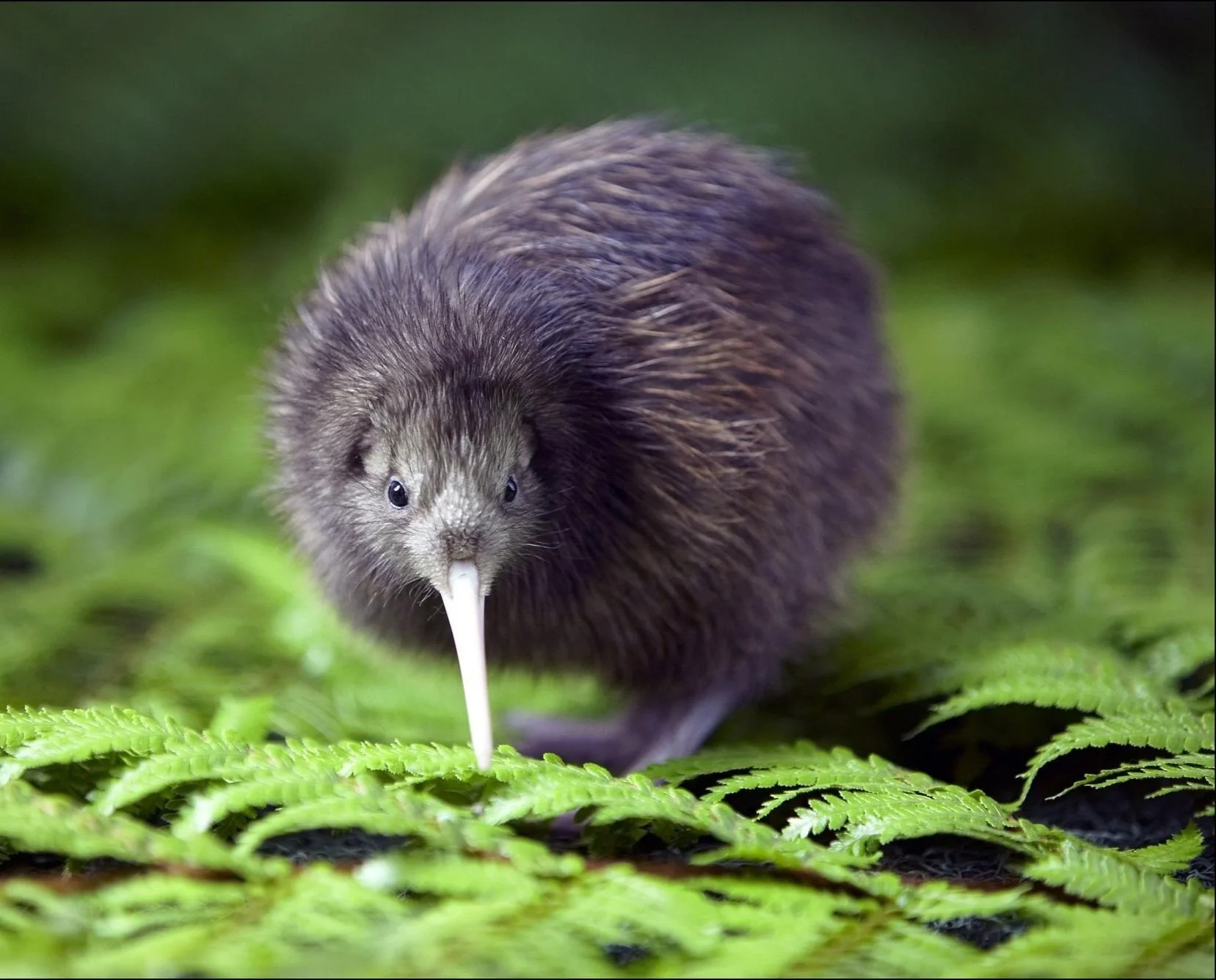
The right kiwi
Kiwi Birds: A small, flightless bird native to New Zealand, known for its long beak and nocturnal habits. It's a national symbol of New Zealand and is endangered.
Kiwi Fruit: A small, fuzzy fruit with green flesh, rich in Vitamin C.
Kiwis (People): A common nickname for New Zealanders, reflecting their friendly, laid-back nature, and pride in their unique culture.
Coromandel: A hidden gem
Our next stop: the stunning Coromandel Peninsula. It’s often overlooked by international visitors — what a shame! — but it’s just a short drive from the capital. Imagine lush jungles, endless ferns, dramatic cliffs, and deserted beaches. Basically, New Zealand in its purest form. You know that feeling when you’re sure a velociraptor — or a dilophosaurus, if you have a Jurassic Park trauma like me — is about to leap out from behind a fern? Or when you’re hiking, and you can just feel Frodo’s footsteps in the distance? Yeah, that’s Coromandel for you.


We took a winding road — not easy when driving on the left-hand side of the road with a campervan and ginormous jet lag — to arrive in Whitianga. This postcard-perfect seaside town is paradise on earth, with dolphins occasionally passing by and an incredibly chill vibe.

Dig your own natural jacuzzi
Hot Water Beach is something out of a fantasy novel. At low tide, you can dig into the sand and discover geothermal springs bubbling up from the earth. Dig deep enough, and you’ve got your own hot tub right there on the beach.
Pic: When low tide is at night and you have nothing other than bowls to dig!
Rotorua: Where Maori culture and volcanic activity collide
It was hard to leave the magic of Coromandel, but our next destination was calling — well, at least we could smell it from the distance! Rotorua, is a region steeped in Maori culture and volcanic drama. The place is alive with geothermal activity: think steaming geysers, bubbling mud pools, and a distinct sulfuric smell in the air.
But the real highlight for us was a traditional Maori haka performance, set against the backdrop of those incredible geothermal landscapes. There’s something surreal about watching the fierce, powerful dance of the Maori while steam rises from the earth all around you.

Dont' call "haka" a dance: it's very serious!
The Maori are the indigenous people of New Zealand, originally from Polynesia. They arrived in New Zealand in several waves over 1,000 years ago, and today they make up about 15% of the country’s population. The Maori culture is rich with traditions like storytelling, weaving, carving, and their famous haka (a traditional war “dance”). Their language, Te Reo Maori, is one of New Zealand’s official languages. Maori society is organized around whānau (family), iwi (tribes), and hapū (sub-tribes), with strong connections to the land and nature.
Glowworms and magic: The Waitomo Caves
From Rotorua, we drove to the enchanting Waitomo Caves. Imagine gliding silently through the darkness in a small boat, the cave ceiling illuminated by thousands of glowworms twinkling like stars in the night sky.
It’s the kind of place that makes you question reality. Are we still on planet Earth? Of course, we had to include these caves in our list of places that make you feel like you’re on a different planet.
For a moment, you’re transported into a magical underworld where time stands still. There’s no word to describe that feeling, you’ve got to live it!
Tongariro National Park: Volcanoes and “my precious”
Next up was the Tongariro National Park, home to three majestic, snow-capped volcanoes: Tongariro, Ngauruhoe, and Ruapehu. They loom large, casting long shadows across the landscape as the sun dips below the horizon.
And for Lord of the Rings fans, Ngauruhoe might look a little familiar — it’s none other than the fearsome Mount Doom (or Mount Ngauruhoe, if you’re a local).


Sadly, Tongariro was erupting during our visit, which meant our original hiking plans — the famous Tongariro Crossing — were, well… doomed. We switched it up and opted for the Tama Lakes hike, which still gave us epic views of the volcanic landscape. Picture the jagged, wild beauty of Mordor, and you’ll get the idea.
Whatever you do, make sure to book a travel insurance — get 5% to 15% off with Penguin Trampoline!

Penguin tip:
Book the Tongariro Crossing ahead of time, as a guide is recommended and you’ll need a drive back — if no eruption occurs, that is! The Tongariro Alpine Crossing is one of New Zealand’s most famous hikes, spanning 19.4 kilometers (about 12 miles) across a volcanic landscape in the Tongariro National Park.
Wellington: The windy capital
After a week in the great outdoors, we rolled into Wellington, and let’s just say, the city life felt like a totally different world. The “windy Welly” delivered, as we visited on a rainy and very windy day. Actually, it was the perfect occasion to visit the great Te Papa Museum!
We found the local vibe to be a mix of quirky and cool.
✈️ Find flights
🏨 Explore hotels, apartments, guesthouses, cabins
🧭 Browse activities and tours
🚗 Compare car rentals
🧳 Get travel gear
🛡️ Travel safe with Heymondo Travel Insurance (5–15% off)
📱 Get a travel eSIM
🐾 Protect & track New Zealand wildlife with Fahlo Bracelets (20% off)
🇳🇿 FAQ: New Zealand North Island
How many days do you need on New Zealand’s North Island?
Give it at least 7–10 days if you want a mix of cities, beaches, geothermal areas, and short hikes. You can do a quick Auckland–Rotorua–Taupō loop in less, but you’ll miss a lot.
Do I need a car for the North Island?
Strong yes. There are buses between major towns, but the best beaches, waterfalls, and viewpoints are often nowhere near a bus stop. A rental car gives you way more freedom.
What’s the best time to visit the North Island?
November–April for warm weather, beaches, and longer days. Shoulder months (November, March, April) are perfect if you want fewer crowds and slightly cooler temperatures.
Is the North Island good for hiking?
Very. From coastal tracks to volcanic day hikes, you’ll find plenty of options that don’t require mountaineering skills. Just always check track conditions and weather — especially on alpine routes.
Is the North Island cheaper than the South Island?
Costs are similar overall. Big cities like Auckland and Wellington can feel pricier, but you can balance that with regional towns, self-catering, and free nature activities.
Do I need to worry about safety or wildlife?
New Zealand is one of the safer countries to travel in. There are no large land predators; the main risks are road conditions, sudden weather changes, and underestimating the ocean.
Here is a playlist to set the vibe:
Wellington marks the end of our North Island journey, but don’t worry — the adventure isn’t over yet. Next up, we’ll be catching a ferry to the South Island, where even more epic landscapes await.

Free download
Travel Cheaper Cheat Sheet
27 tips on flights, hotels, hidden costs and more — spend less without missing what actually matters.
No spam. Unsubscribe anytime.
New Zealand: South Island
New Zealand: North Island
Greenland by Ferry
Southern Catalonia Off the Beaten Path
The Wild Coast: Best Underrated Beaches in Portugal
Off the Beaten Path in Formentera, Sardinia & Costa Brava
Piatra Craiului National Park, Romania's Wild Heart
Best Time to See the Northern Lights
