
Things to Do in New Zealand: South Island Journal
Where nature goes feral in the best way possible — and you get a front-row seat.
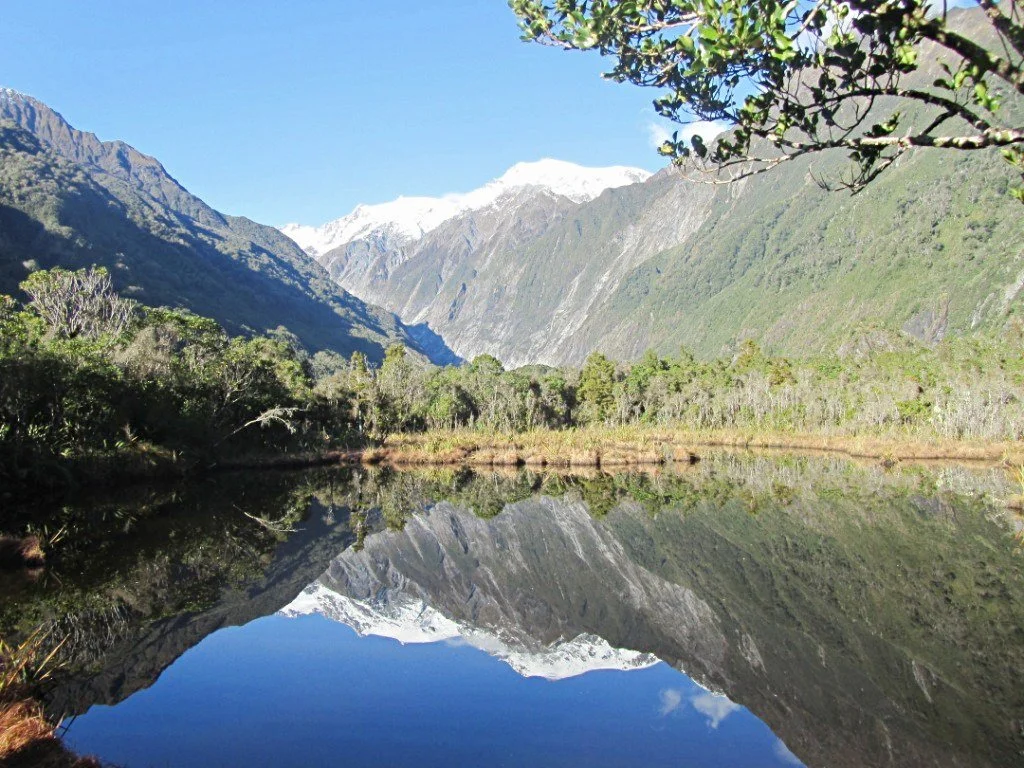
Now that's what we call a reflection pond! (Southern Alps)
Last update: August 2026
New Zealand’s South Island doesn’t just “have nice views.” It’s a greatest-hits album of every landscape humans can stand on: blue lakes, braided rivers, glaciers you can touch, and coastlines that feel stolen from Patagonia. Whether you’re road-tripping, hiking, or chasing quiet corners most tourists miss, here’s how to make the most of the South Island without wasting a kilometer.
Pack your bags, grab your camera, and get ready for the kiwi adventure of a lifetime in our series: Things to do in New Zealand!
We continue our journey south, leaving behind the North Island’s volcanic landscapes and rolling into new adventures. After a stormy, but magical, ferry crossing, the Southern Alps provide a dramatic backdrop as we dock in Picton…
🛌 Where to stay:
• Hapuku Lodge & Tree Houses, Kaikoura — actual treehouse suites above a deer farm, minutes from the coast.
• Peppers Bluewater Resort, Lake Tekapo — right by the lake, under some of the clearest night skies in the country.
🐬 Top experiences:
• Swimming with dolphins, Kaikoura — I did this one. Hundreds of dolphins in clear water, snow-capped peaks in the background. Includes transport from Christchurch
• Stargazing at Lake Tekapo — we did this one. Milky Way visible with the naked eye, and a small chance of the Southern Lights.
🚗 A car (or campervan) is essential on the South Island. Book yours here — the best spots aren't on any bus route.
What are the best things to do in New Zealand, South Island? Quick answer
The best things to do on New Zealand's South Island include hiking and swimming at Abel Tasman National Park, walking up to the Franz Josef and Fox glaciers where ice meets rainforest, kayaking Milford Sound at sunrise before the tour boats arrive, stargazing at Lake Tekapo, watching yellow-eyed penguins in the Catlins, and swimming with dolphins at Kaikoura. A rental car is essentially required — the most extraordinary spots don't show up on bus routes.
Abel Tasman National Park: Beach heaven
After a quick stop in Nelson, we’re off to Abel Tasman National Park, the most visited park in New Zealand, and it’s no wonder why. Even in winter, it looks like paradise. Ok, the water is a bit cold, but that won’t stop me (Eli) from my challenge to swim in every sea and ocean of the world!


Golden beaches, low-tide lagoons, and tropical forests—all in one place. It’s almost hard to believe that snowy peaks aren’t far away, if not for the cute presence of seals and blue penguins!

Penguin Trampoline tip:
Abel Tasman National Park is awesome for a day hike or as part of the Coast Track — just check the tide schedule! If you want to go further, the best way to explore is via water taxi.
Pancake Rocks & glaciers: Nature's crazy contrasts
Heading further south, we make a must-see stop at the quirky Pancake Rocks in Punakaiki National Park. These stacked limestone formations look like — suspense — pancakes and are just as curious as they sound. But nature’s contrasts hit full force when we arrive at the Franz Josef and Fox Glaciers. Imagine icy-blue glaciers flowing right into a tropical jungle. It’s like walking into the Ice Age, and something we hadn’t see anywhere else!
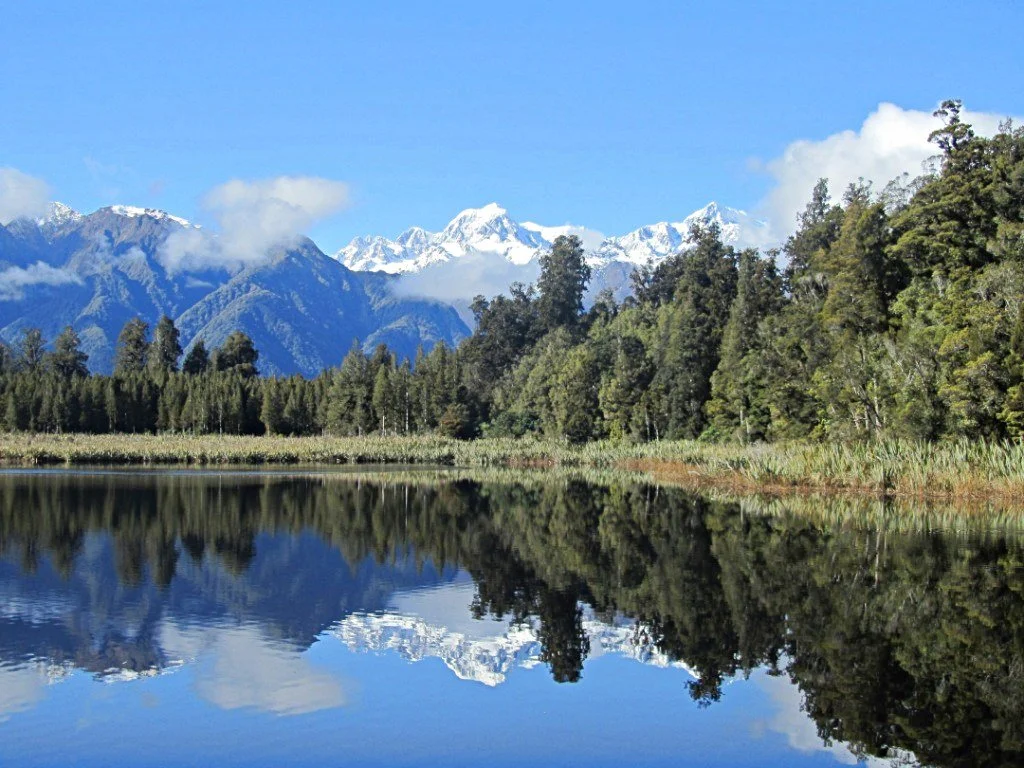
Aoraki and Mount Tasman reflecting in Lake Matheson. What a postcard!
The skies clear just in time to give us picture-perfect views of Aoraki and Mount Tasman, reflected in the mirror-like surface of Lake Matheson. Wow.
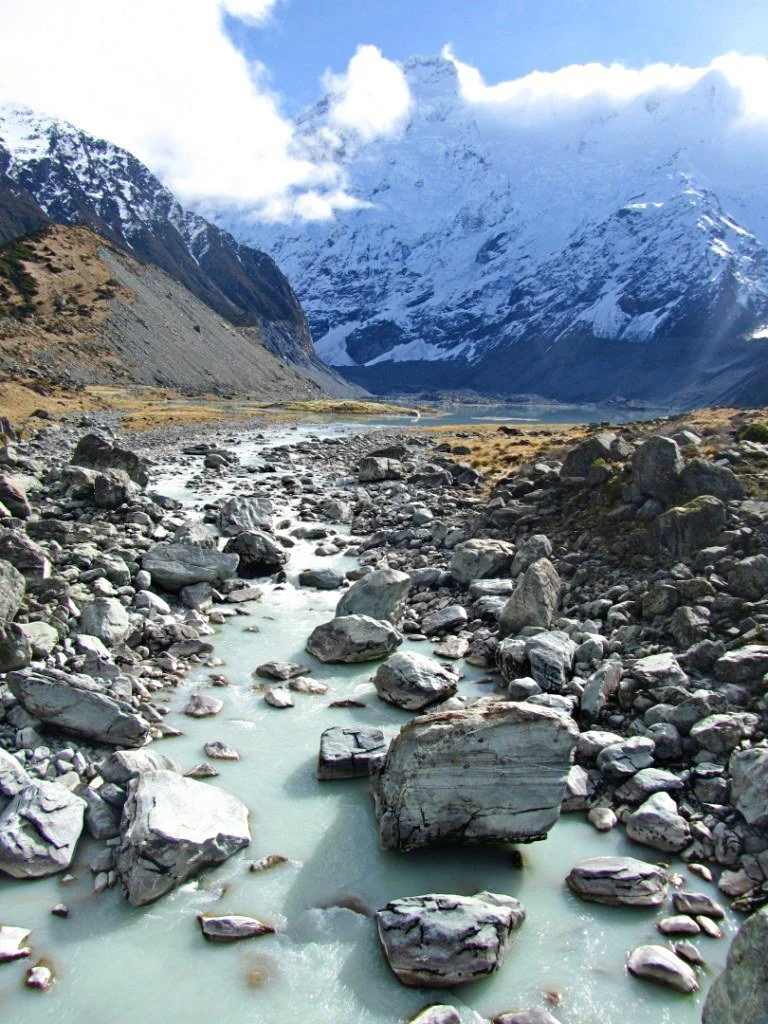
Mount Aoraki or Cook?
Aoraki is the mountain’s original Maori name. Mount Cook was named by European explorers in 1851, after the British explorer Captain James Cook. In 1998, a settlement was reached between the government and the Ngāi Tahu tribe, officially renaming the peak Aoraki/Mount Cook, reflecting both its indigenous heritage and colonial history.
Dolphin magic and dreamy drives
A detour takes us to Jackson Bay — any excuse is good for a detour in this spectacular country! — where dolphins greet us, and the early morning sun with a wave run. Pure magic!
The drive to Queenstown? Let’s just say it’s the kind that leaves your jaw on the floor. There are snow-capped peaks, lakes that shimmer with supernatural blue and turquoise, and tropical plants on the roadside. New Zealand is so talented at mixing things up!


Queenstown: The adventure capital
Welcome to Queenstown, the thrill-seeker’s playground! Bungee jumping, speed boating, snow sports — you name it, they’ve got it.
But as charming as this alpine town is, it feels a bit too much like the rest of the world with so many tourists, so we only spend a day here before moving on to the rest of the magic.
Milford Sound: Lord of the Rings vibes
Next up is Te Anau and the legendary Milford Sound, the Middle-earth wonderland featured in The Lord of the Rings. The towering cliffs and serene fjords make you feel like you’ve wandered into a mythical land. But, in our humble opinion, tour boats kind of kill the peaceful vibe — and the reflection of the majestic peaks in the fjords.
If you really want to enjoy the majesty of the place, we recommend booking an early morning kayak tour instead.
Whatever you chose, remember to book a travel insurance — get 5% off with Penguin Trampoline!

Middle-earth... errr... Milford Sound
The wild Catlins: Penguins and a swim in the Antarctic ocean
From here, we head east to the Catlins, a remote stretch of coast where you can literally swim into the Antarctic Ocean. I had to, for my challenge!
Feeling less adventurous? Snap a photo at the southernmost point of New Zealand.
The highlight was definitely watching yellow-eyed penguins waddle out of the water with their hilarious little hops. An observation cabin was build not to scare these cuties. Well done New Zealand!


Aoraki/Mount Cook National Park: Camping with a view
After some rainy days, the weather finally broke, perfect for a hike in Aoraki Mount Cook National Park. Waking up in our campervan, surrounded by the snow-capped mountains was pure luxury!
We weren’t sure about the hiking conditions, but it was a mild winter and we could hike without any problems. Think glaciers that take your breath away, milky blue rivers, and clear, so clear, azure skies!


Then we went to Lake Tekapo. Surrounded by snow-dusted peaks, it’s one of the best places on Earth for stargazing. And, indeed, we could see the Milky Way so clearly at night! If you’re very lucky, you might even catch a glimpse of the Southern Lights. Check out our guide for tips!
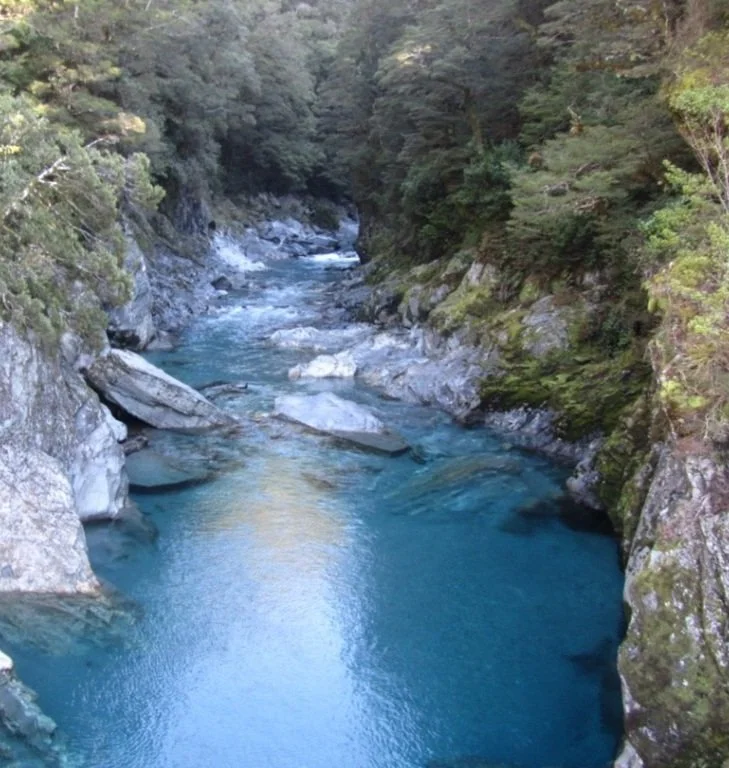
Salmon… in the Alps?
Salmon farming in the New Zealand Alps, particularly in the Mackenzie Basin, uses glacier-fed waters to raise high-quality King salmon. The pristine alpine environment ensures sustainable, low-impact farming, producing some of the best salmon in the world. We concur!
Kaikoura: The Grand Finale
Our journey ends back at the sea in Kaikoura, an animal lover’s paradise. Whales, seals, dolphins, orcas — they’re all here.
I enjoyed the best birthday gift, swimming with a pod of dolphins, hundreds of them, in crystal-clear waters with snow-capped mountains and green meadows as a backdrop. Our definition of paradise.

Hundreds of dolphins to swim with, what a dream!
🐬 Track a Dolphin with Fahlo – 20% off
Dolphins are playful, curious, and smarter than half the people at your last group tour. Now you can track a real one with Fahlo’s dolphin bracelet. Every purchase supports marine research and conservation — and gives you updates on your dolphin’s movements, name, and journey. They also have whales, sea turtles and sharks!
👉 Get 20% off the Dolphin Bracelet
✈️ Find flights
🏨 Explore hotels, apartments, guesthouses, cabins
🧭 Browse activities and tours
🚗 Compare car rentals
🧳 Get travel gear
🛡️ Travel safe with Heymondo Travel Insurance (5–15% off)
📱 Get a travel eSIM
🐾 Protect & track New Zealand wildlife with Fahlo Bracelets (20% off)
🇳🇿 FAQ: New Zealand South Island
How many days do you need on New Zealand’s South Island?
If you want to see more than one region, aim for 10–14 days. One week is enough for a “greatest hits” loop, but you’ll be moving fast. Anything under 5 days and you’re basically speed-dating a continent’s worth of scenery.
Do I need a car to explore the South Island?
Yes, realistically. There are buses and tours between main hubs, but the most beautiful spots live at the end of small roads, mountain passes, or random gravel tracks you’ll want to stop on every five minutes.
What’s the best time to visit the South Island?
December to February for classic summer road trips, March–April for autumn colors and calmer crowds, and June–September if you’re here to ski and don’t mind chilly nights.
Is it safe to drive in New Zealand?
Yes, but you need to respect the roads. Traffic is light, but there are narrow bridges, winding passes, and lots of people underestimating distances. Drive on the left, take breaks, and don’t plan huge days behind the wheel.
Can you see wildlife on the South Island?
Absolutely. Depending on where you go, you can spot seals, penguins, dolphins, whales, and a ridiculous number of birds. Always keep distance, never feed them, and follow local guidelines.
Is the South Island expensive?
It can be. Fuel, eating out, and activities add up fast. Campervans and self-catering help, and travelling outside peak summer can soften the blow.
Here is a playlist to set the vibe:
Saying goodbye to the peaceful shores of Kaikoura to head back to Christchurch and leave New Zealand was very, very hard.
But as the Maori say, Ka Kite Anō (Goodbye, see you again soon). And we’re certain we will.

Free download
Travel Cheaper Cheat Sheet
27 tips on flights, hotels, hidden costs and more — spend less without missing what actually matters.
No spam. Unsubscribe anytime.
More you might love
🥝 New Zealand: North Island
🧊 Greenland by Ferry
🏔️ Southern Catalonia Off the Beaten Path
🌊 The Wild Coast: Best Underrated Beaches in Portugal
🏕️ Off the Beaten Path in Formentera, Sardinia & Costa Brava
🌲 Piatra Craiului National Park: Măgura & Zărnești, Romania’s Wild Heart
🌌 Best Time to See the Northern Lights
