
Costa Rica Ecotourism Guide: Nature, Wildlife & Why This Country Got It Right Early
A practical guide to ecotourism in Costa Rica, from wildlife and national parks to why the country became a global conservation model.

This sign in Cahuita National Park means “Don’t leave anything else other than your footsteps”
Last update: August 2026
Costa Rica isn’t just a place where nature happens to be beautiful. It’s a country that made a conscious decision, decades ago, to protect what it had — and then built its tourism model around that choice.
Long before “eco-friendly” became a marketing label, Costa Rica was already experimenting, failing, adapting, and trying again. Today, more than a quarter of the country is protected land, wildlife corridors connect ecosystems, and tourism revenue directly funds conservation. It’s an absolute paradise for nature addicts.
If you’re wondering what ecotourism in Costa Rica actually looks like — beyond slogans and leaf icons — this guide breaks it down, clearly and realistically.
🛌 Where to stay:
• La Fortuna / Arenal — volcano-view lodges, hot springs access, rainforest at the door.
• Manuel Antonio — jungle-meets-beach stays, howler monkeys included.
• Guanacaste Coast — Pacific surf, sunsets, budget to resort.
• San José — central hub for day trips and flying in/out.
🇨🇷 Top experiences:
• Zip-lining & Tarzan swing, Monteverde — cloud forest canopy, 1km runs, 100m above the trees.
• Arenal volcano hike + hot springs — lava trail, La Fortuna waterfall, Tabacón soak.
• Tortuguero boat tour — caimans, monkeys, sea turtles nesting on the beach at night.
🚗 A car opens up Costa Rica. Book yours here — waterfalls, remote beaches, and volcano trails are all much easier with wheels.
Why Costa Rica became a global ecotourism model
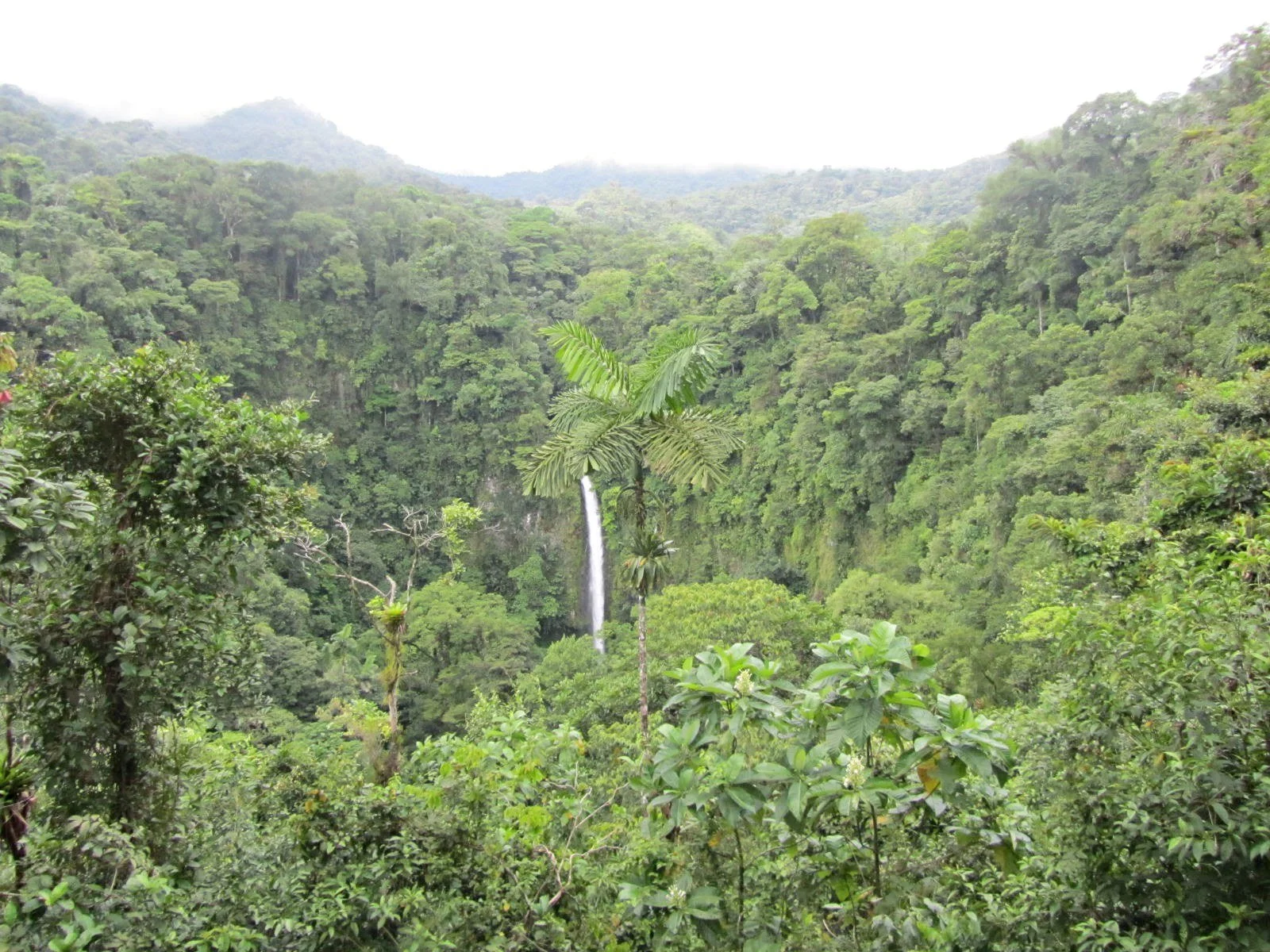
La Fortuna waterfall — The water was sooo refreshing!
Costa Rica’s environmental story didn’t start with tourism. It started with policy.
In the 1970s and 1980s, the country faced severe deforestation, largely driven by cattle ranching. Forest cover dropped dramatically. Instead of doubling down, Costa Rica reversed course.
Key decisions that shaped everything that followed:
Creation of a national park system that now protects roughly 25–30% of the country
Introduction of Payments for Environmental Services, compensating landowners for protecting forests
A national push toward renewable energy, with most electricity now coming from hydro, wind, and geothermal sources
Tourism positioned as a tool for conservation, not a replacement for it
By the time mass tourism arrived, Costa Rica already had rules, limits, and a framework in place. That’s why ecotourism here isn’t a trend — it’s infrastructure.
Why this model has held up over time
What makes Costa Rica stand out isn’t that it claims to be eco-friendly. It’s that the system has been running — imperfectly, but continuously — for decades.
Key reasons it’s endured:
Conservation tied directly to economic benefit
Local communities included, not displaced
Tourism growth capped or controlled in sensitive areas
Environmental education embedded in the visitor experience
Of course, this isn’t a pristine utopia. There are challenges, contradictions, and ongoing debates. But compared to many destinations that adopted “green” language after the fact, Costa Rica built the foundation first.
Costa Rica’s National Parks: Different ecosystems, different rules
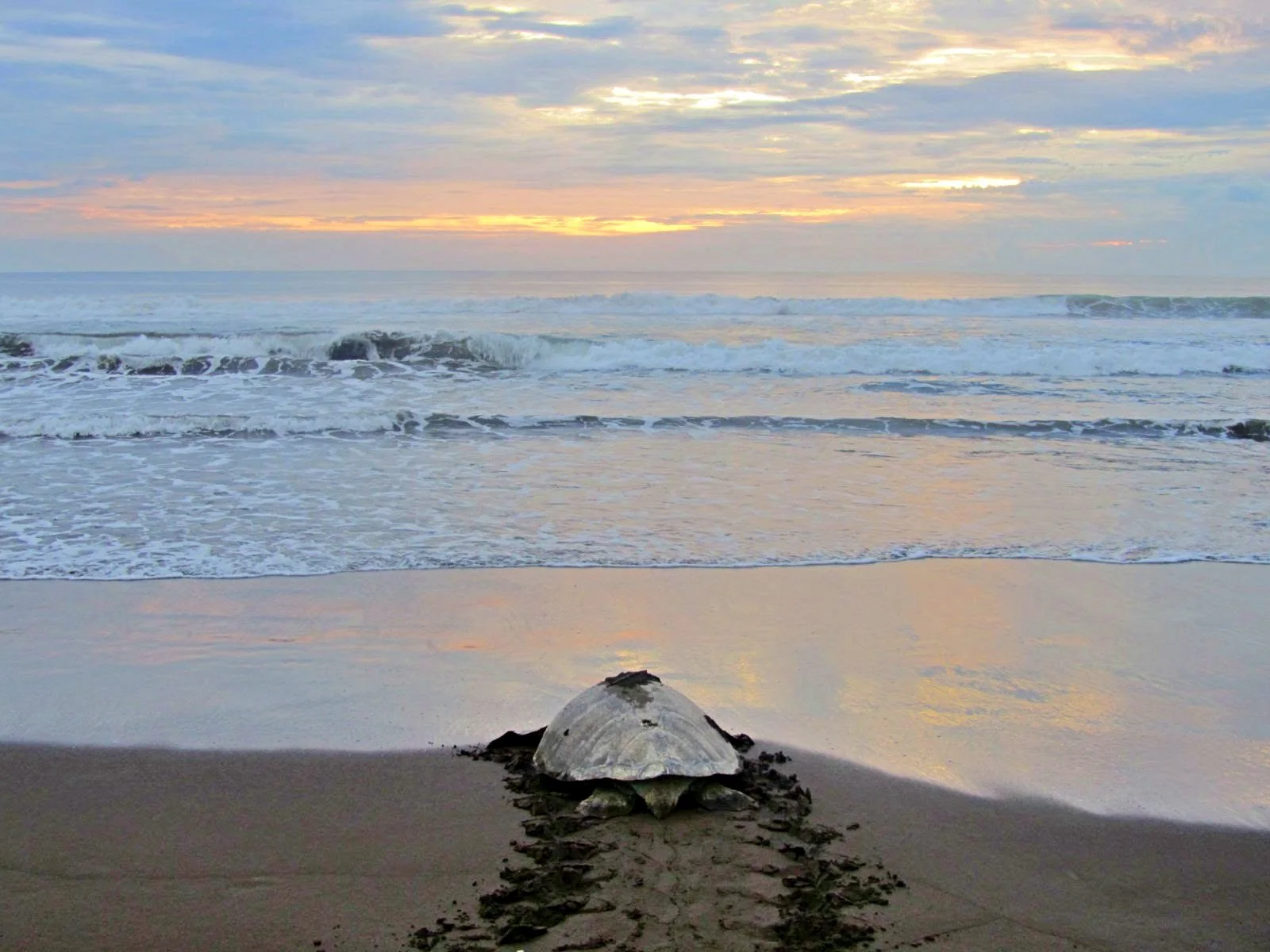
Sea turtle returning to the sea after a long, exhausting night
Beaches and wetlands: Tortuguero
Tortuguero is one of the clearest examples of how Costa Rica turned a conservation problem into a working model.
For much of the 20th century, sea turtle eggs were harvested illegally along Tortuguero’s beaches. Green turtles in particular were heavily targeted, and populations declined sharply.
Instead of relying only on enforcement, conservation groups and park authorities took a different approach:
Former turtle egg poachers were trained as park guards and wildlife guides
Local communities were included in conservation planning
Turtle nesting became a regulated, guided experience, not an open free-for-all
Today:
Night turtle walks are tightly controlled
Group sizes, timing, and behavior are regulated
Tourism revenue supports research, monitoring, and local employment
The result is one of the most successful sea turtle conservation programs in the world — and a model studied globally.
This approach matters because it shows something essential about Costa Rican ecotourism: people weren’t excluded; they were integrated.
I (Eli) got the privilege to join one of these night turtle walks and watch a turtle lay eggs. And the next morning, at sunrise (when you’re allowed to walk on the beach again), I spotted one late turtle returning to the sea. I will never forget these incredibly moving experiences, and I now volunteer for a turtle protection organization here in Spain.
You can find out more about this experience in our article: 5 things to do in Costa Rica.
If you want to help protect turtles, you can track one through our partner Fahlo and their turtle bracelet.
👉 Get 20% off your Fahlo Sea Turtle Bracelet!
Find activities and places to stay in Tortuguero:
Cloud forests: Monteverde
Monteverde’s cloud forests are fragile by nature. Trails are limited, access is controlled, and research stations play a major role. Birdlife, orchids, and endemic species are the focus here, not adrenaline activities.
This is slow tourism by design.
Did you know?
Around 1,400 meters above sea level, the Monteverde Cloud Forest is one of Costa Rica’s richest biodiversity zones. With roughly 3,000 mm of rainfall each year, it supports more than 2,500 plant species, including around 420 varieties of orchids, and close to 400 bird species. This small area represents just 0.1% of Costa Rica’s land surface while containing an estimated 10% of its total biodiversity.
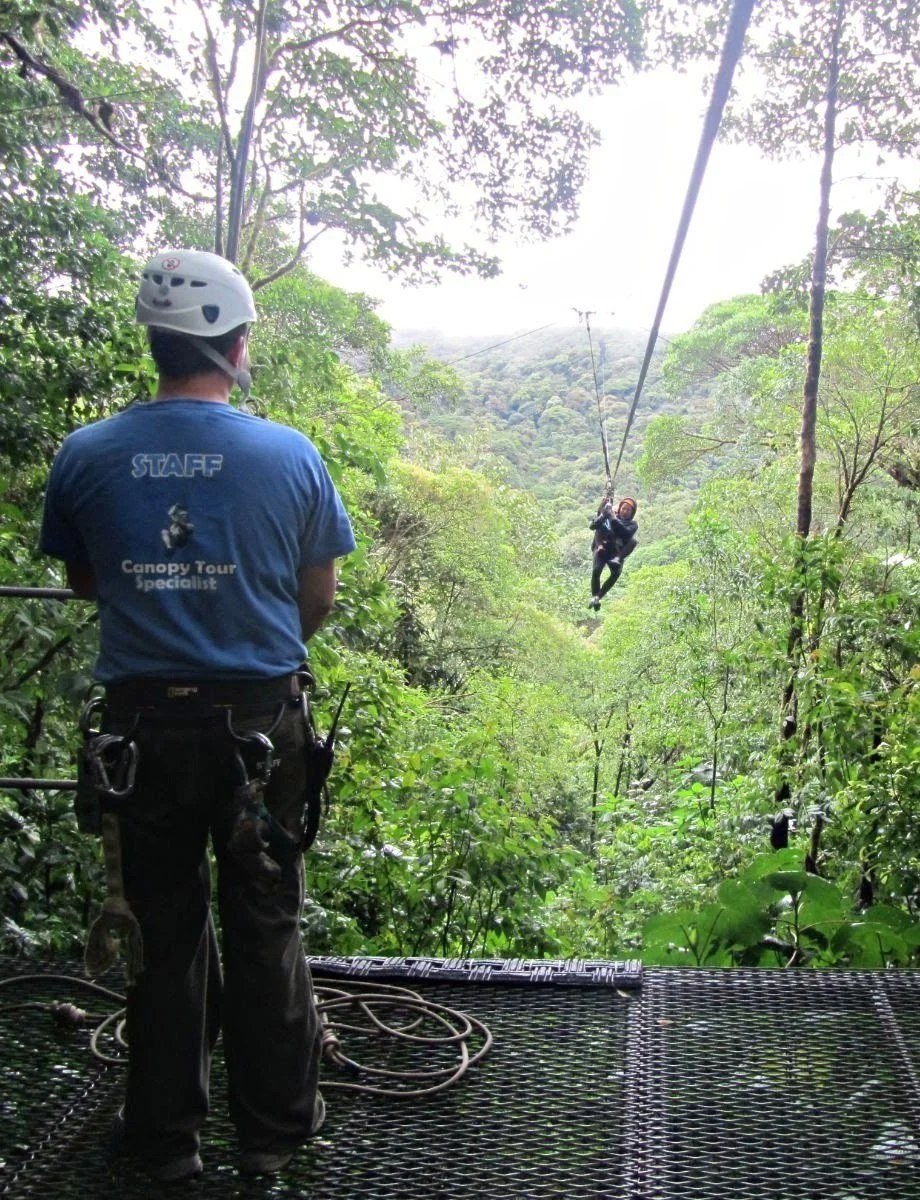
On the picture: Ziplining above the Monteverde canope is one of the coolest things I’ve ever done!
Want to fly like a squirrel monkey above the Costa Rican canope? Make sure to book a good travel insurance! You can get 5% to 15% off with our partner HeyMondo.
Find a tour and where to stay in Monteverde
Rainforests & lowlands: Corcovado and the Osa Peninsula
Often cited as one of the most biodiverse regions on Earth, Corcovado National Park operates with strict entry limits. Some areas require certified guides, and overnight stays are regulated.
The goal is exposure without degradation.
Explore tours and where to stay near Corcovado National Park
Dry forests & volcanoes: Guanacaste Conservation Area
This region protects one of the largest remaining tropical dry forests in Central America. Fire management, seasonal access, and restoration projects are core to how tourism is handled here.
Different ecosystems, different rules. That’s not accidental — it’s ecological realism.
Find things to do and accommodation near Guanacaste
Wildlife tourism without the circus
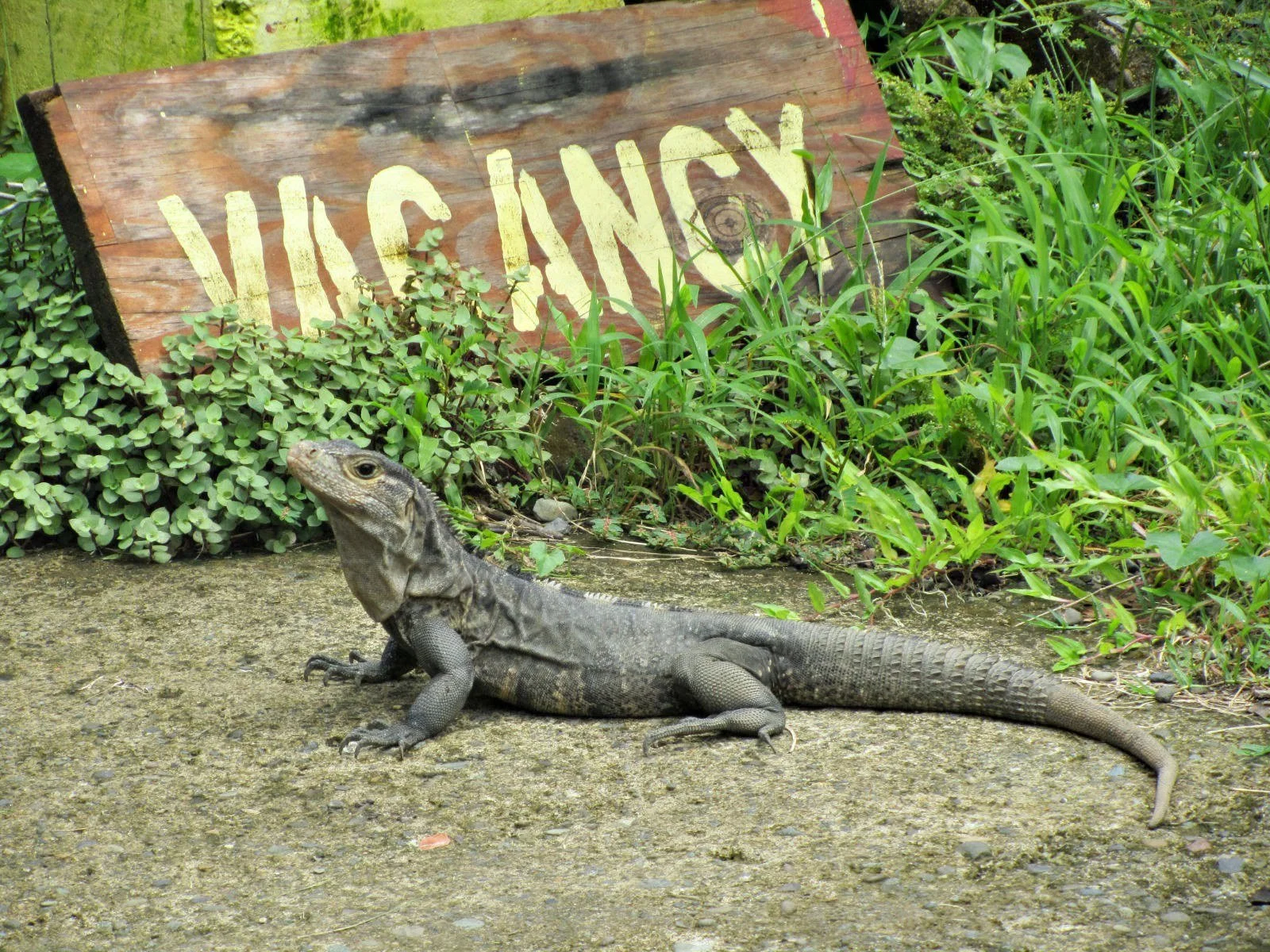
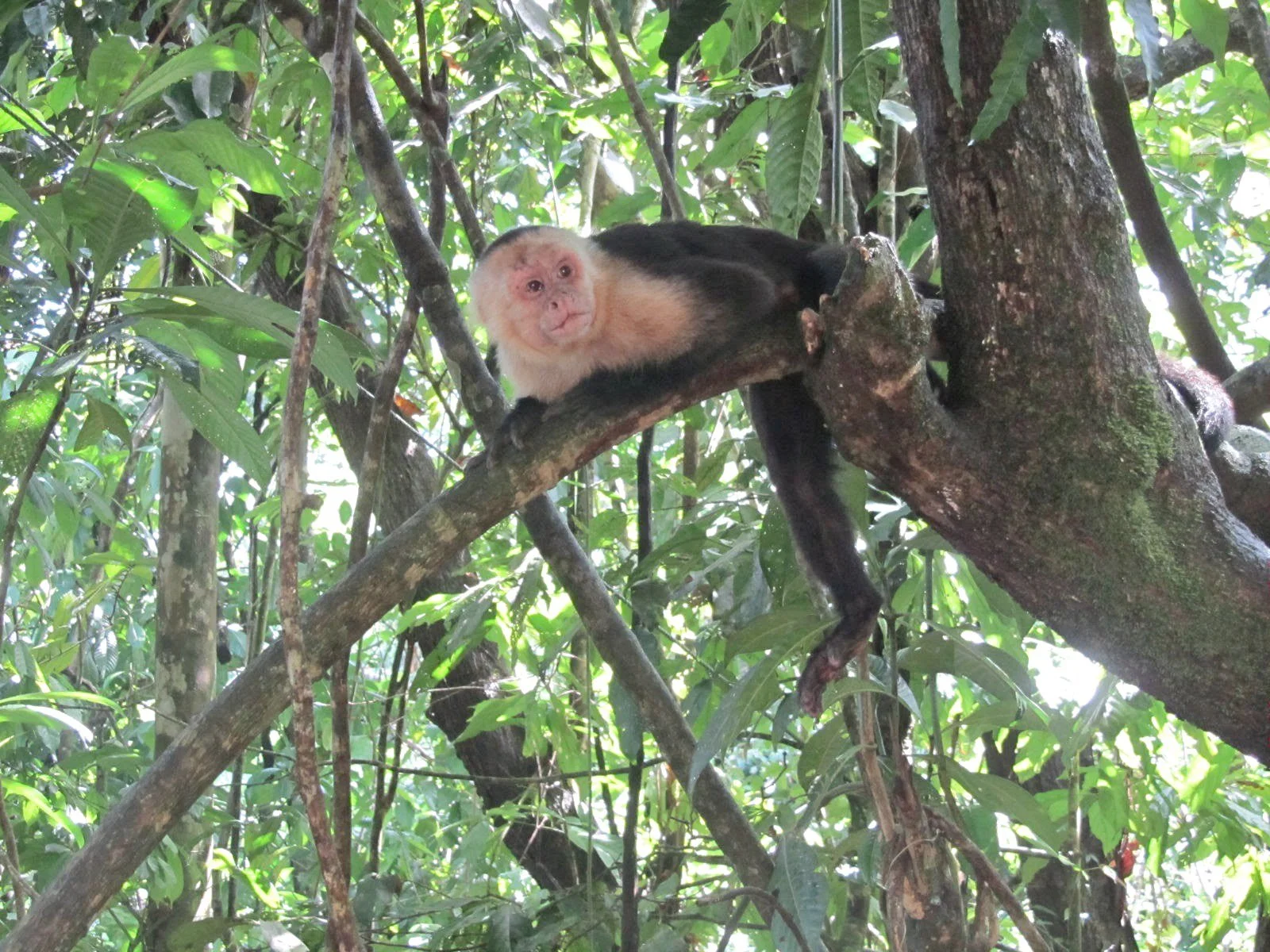
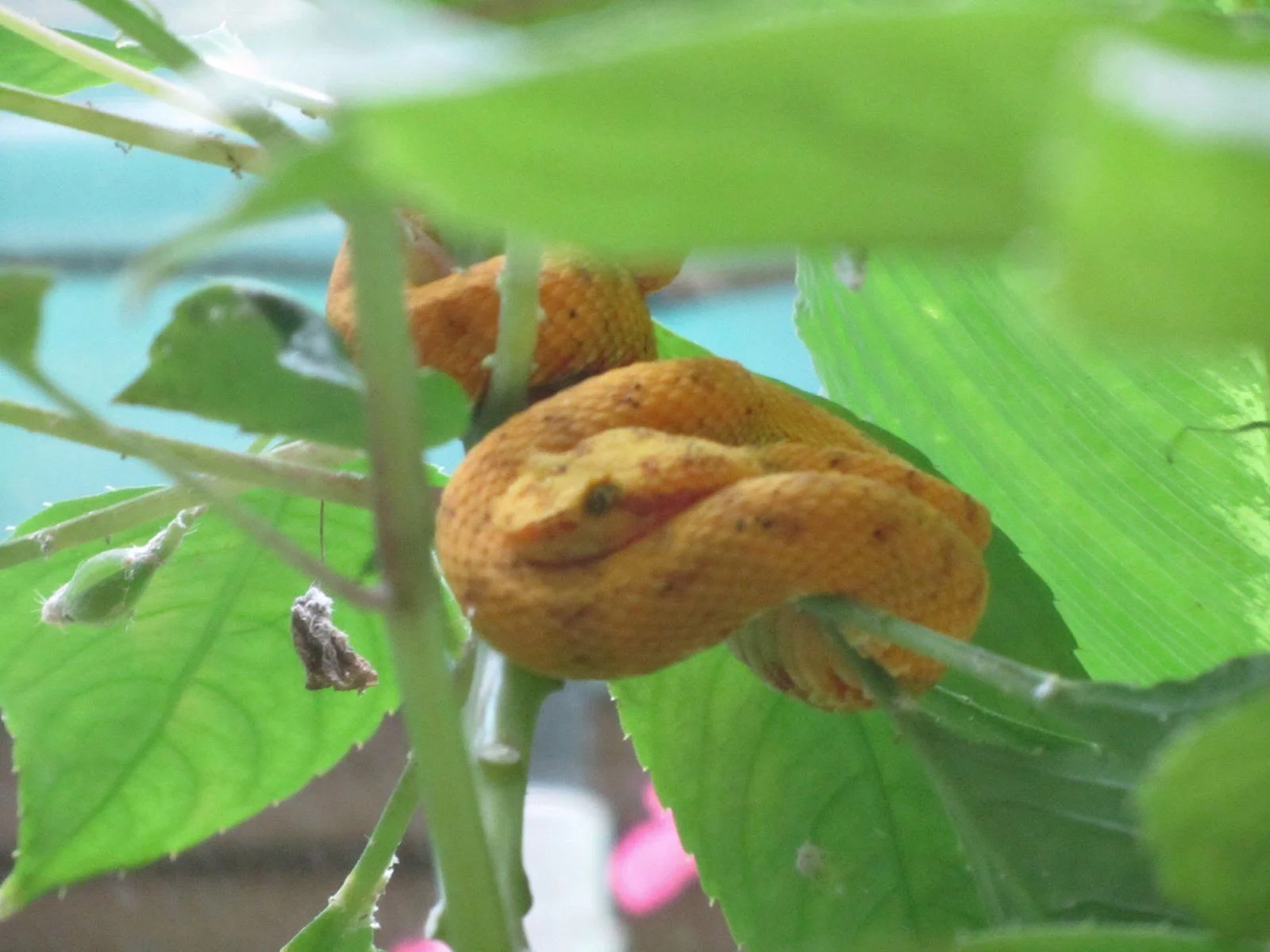
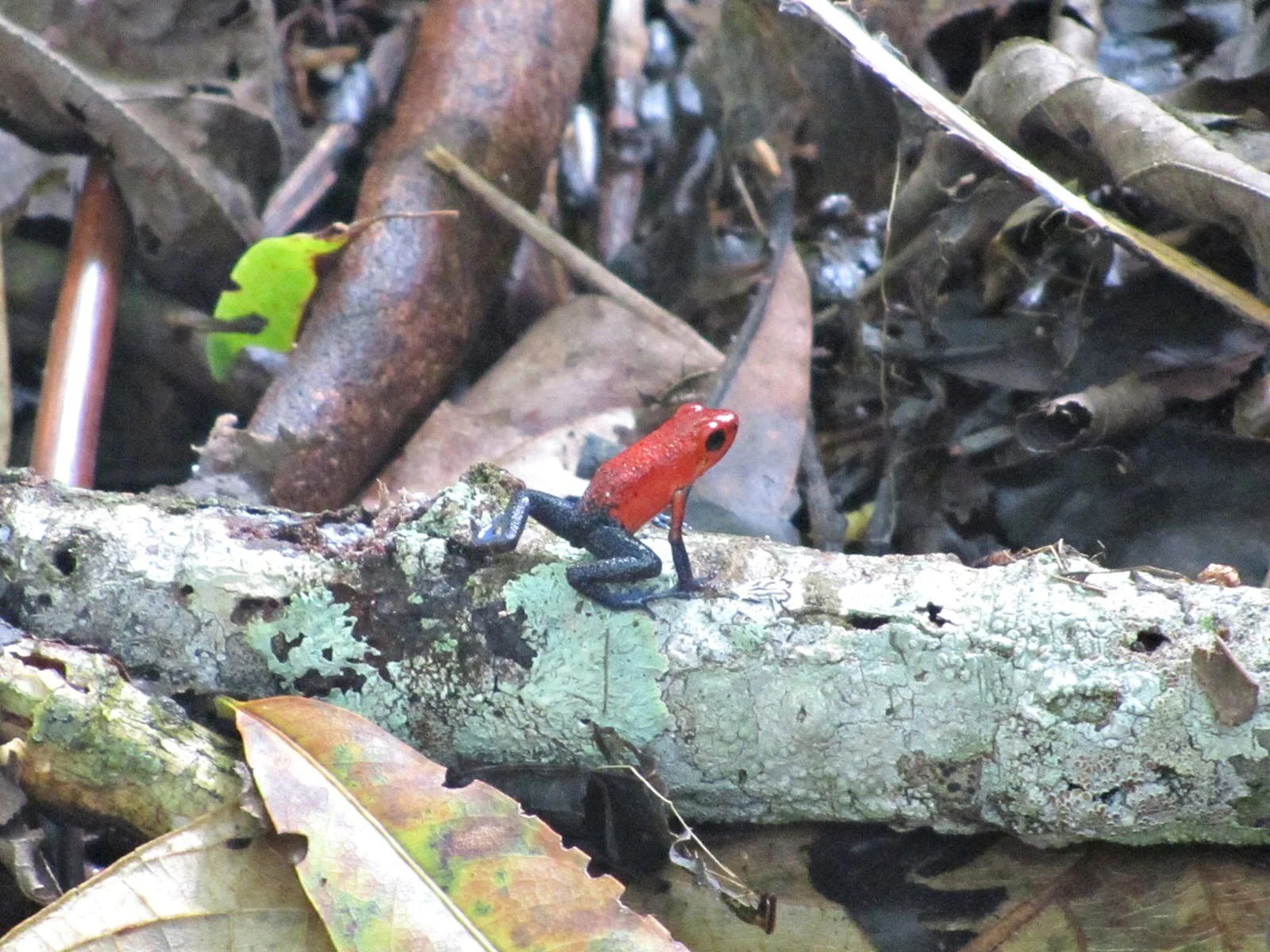
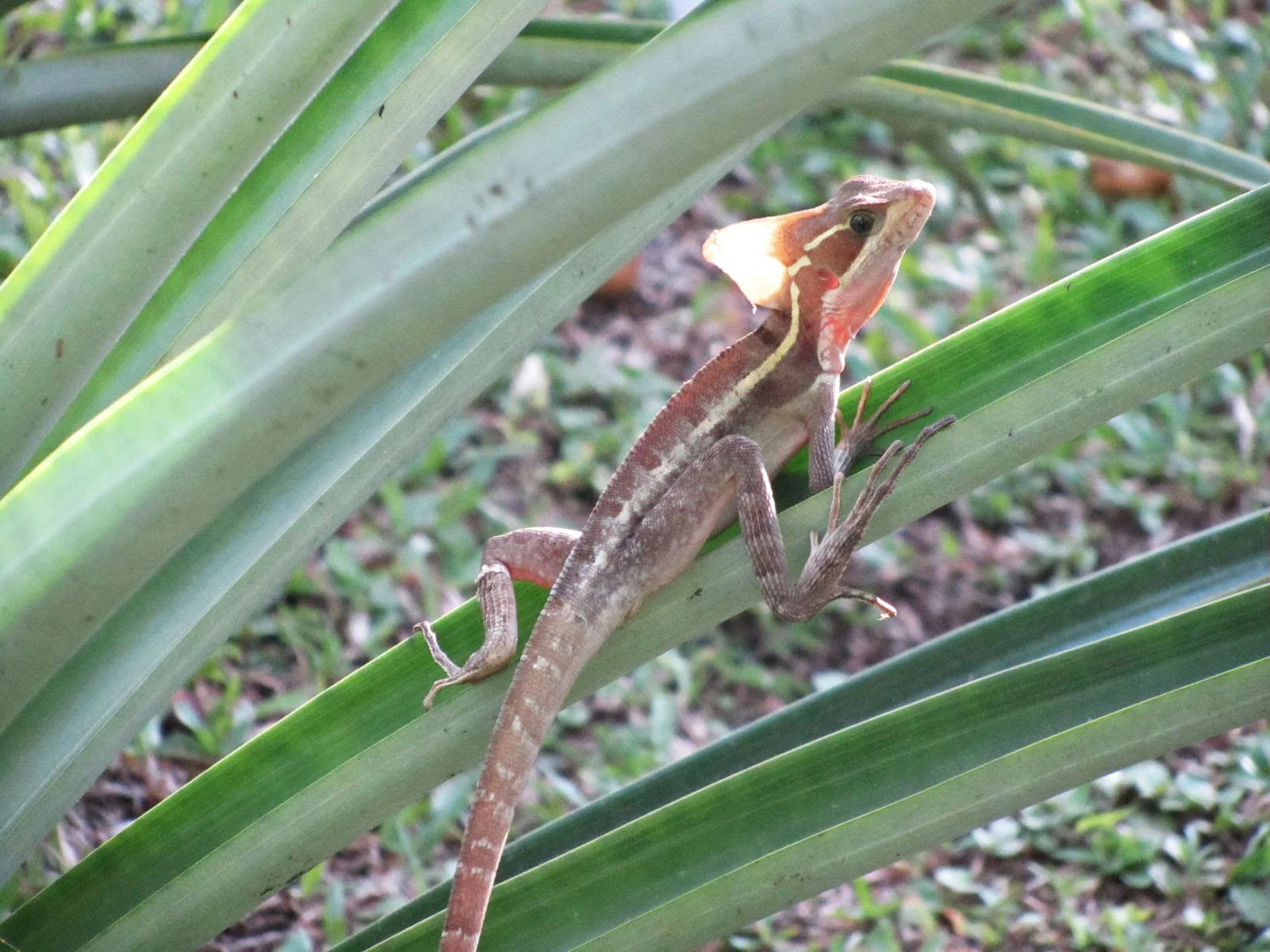
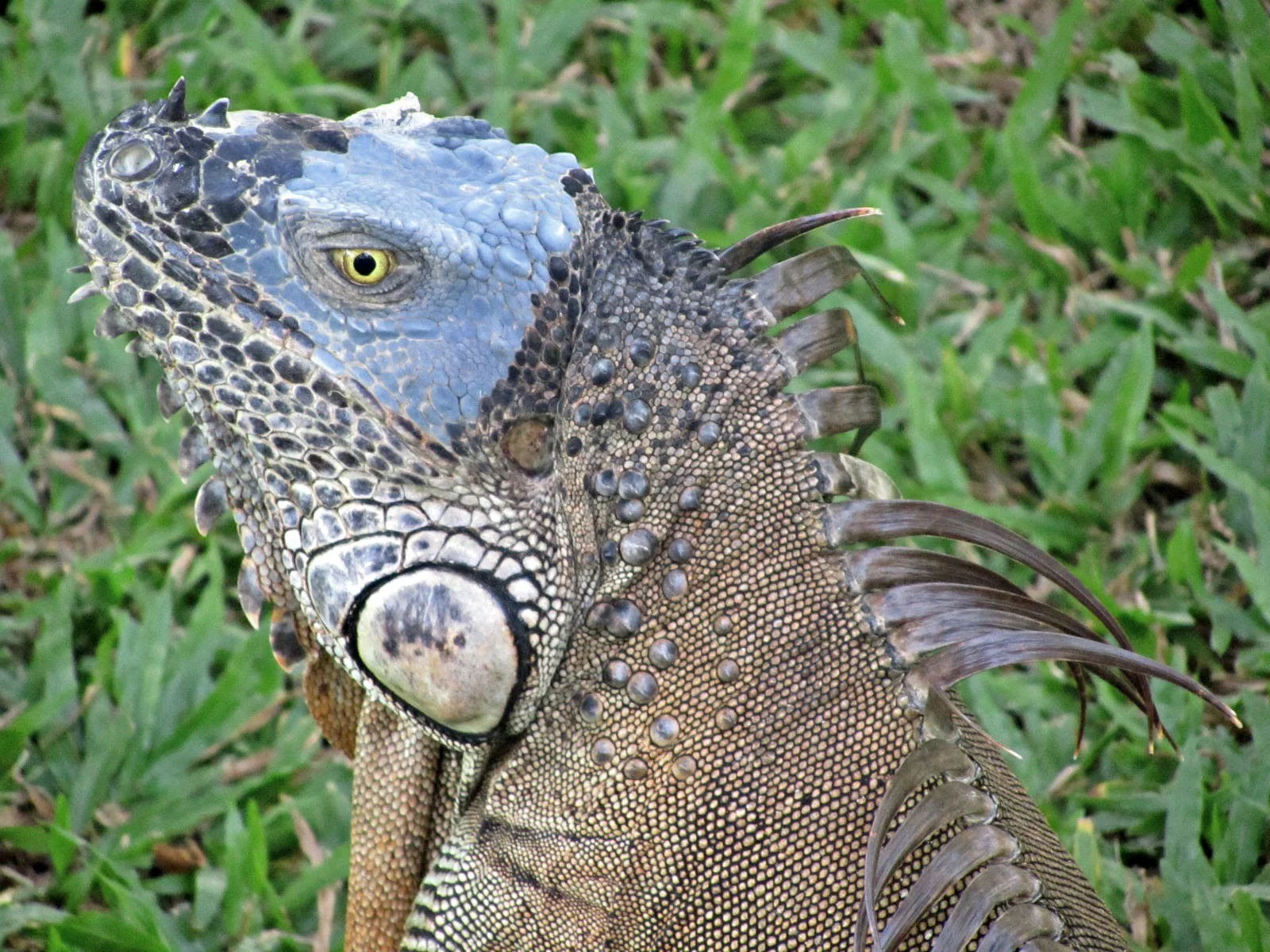
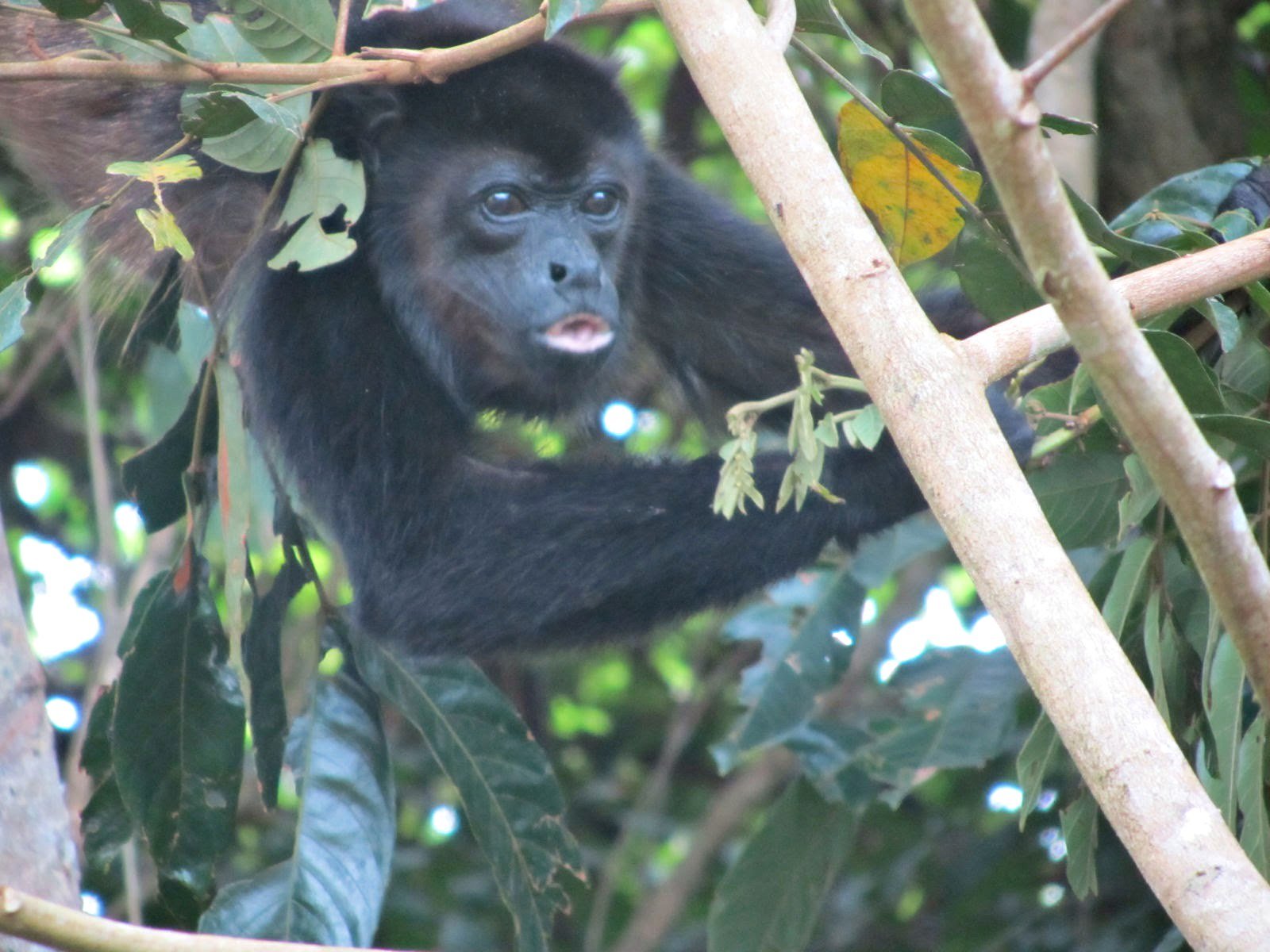
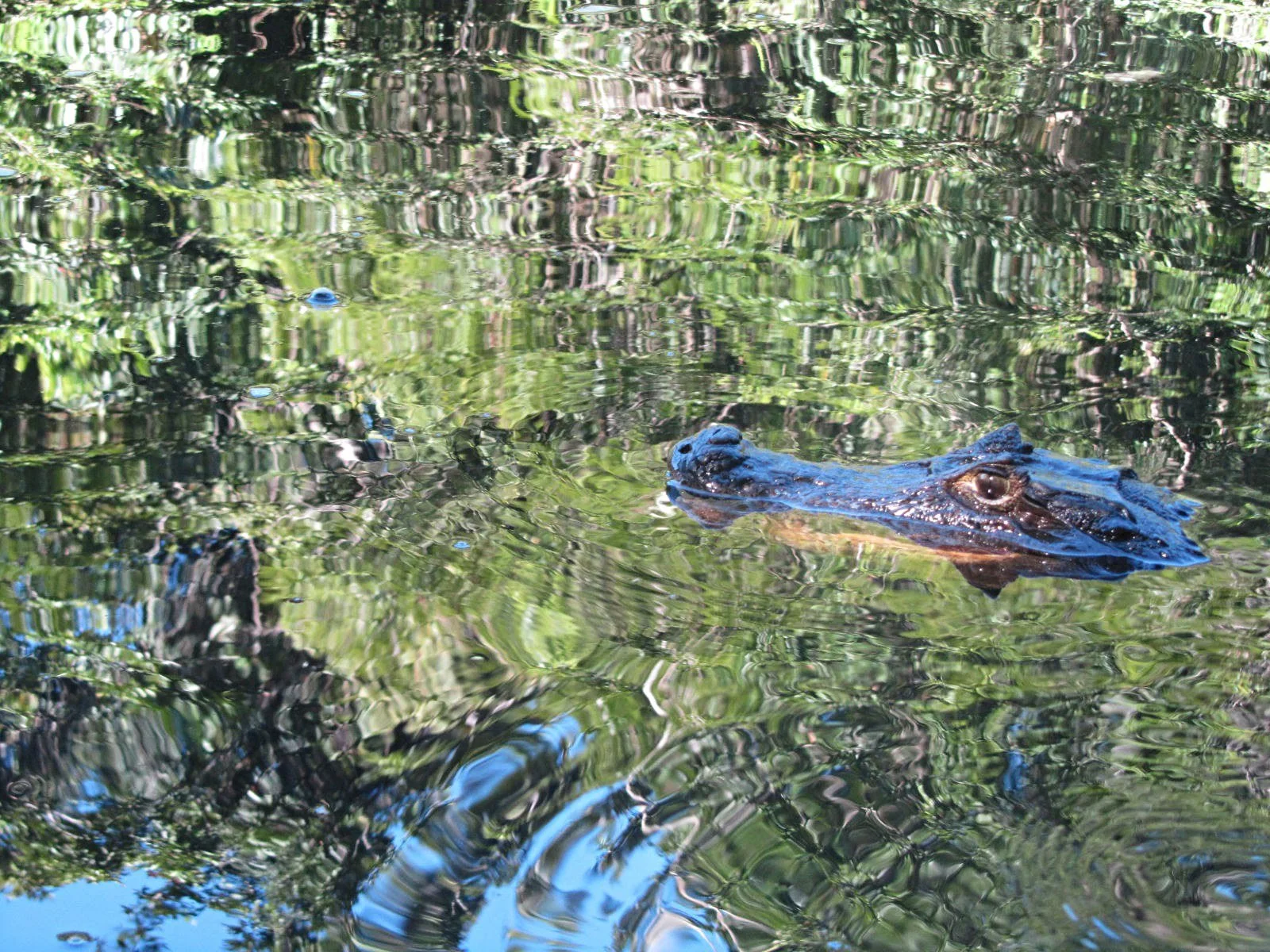
Costa Rica’s wildlife experiences tend to follow one principle: observe, don’t interfere.
You won’t find:
Animal performances
Feeding sessions designed for photos
Direct interaction with wild animals
What you will find:
Certified guides trained in biology or ecology
Viewing distances that prioritize animal behavior over visitor convenience
Sanctuaries and rescue centers focused on rehabilitation, not entertainment
This makes wildlife sightings less predictable — and more meaningful.
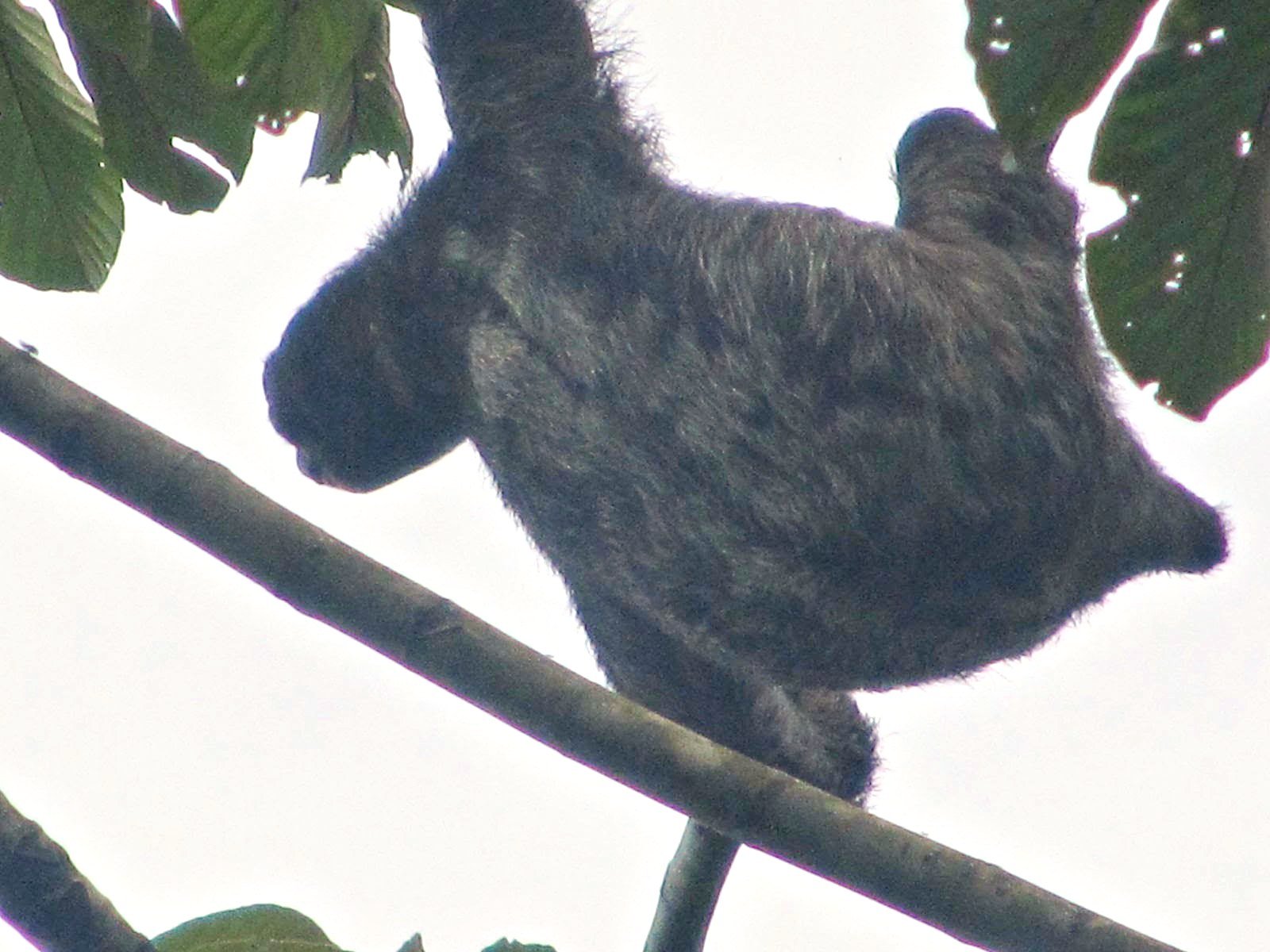
Seeing a sloth high in a canopy or a tapir crossing a trail isn’t guaranteed. That uncertainty is part of the experience, and it’s intentional.
That being said, I saw many animals when I was there without even looking for them. And locals will happily show you hidden sloths!

Penguin tip:
Spotting wildlife in Costa Rica isn’t about luck — it’s about patience. Slow down, stay quiet, and look up as much as around you. Early mornings and late afternoons are when animals are most active, and a good local guide will almost always see what you’d walk straight past.
Ecotourism beyond national parks: Where you stay matters
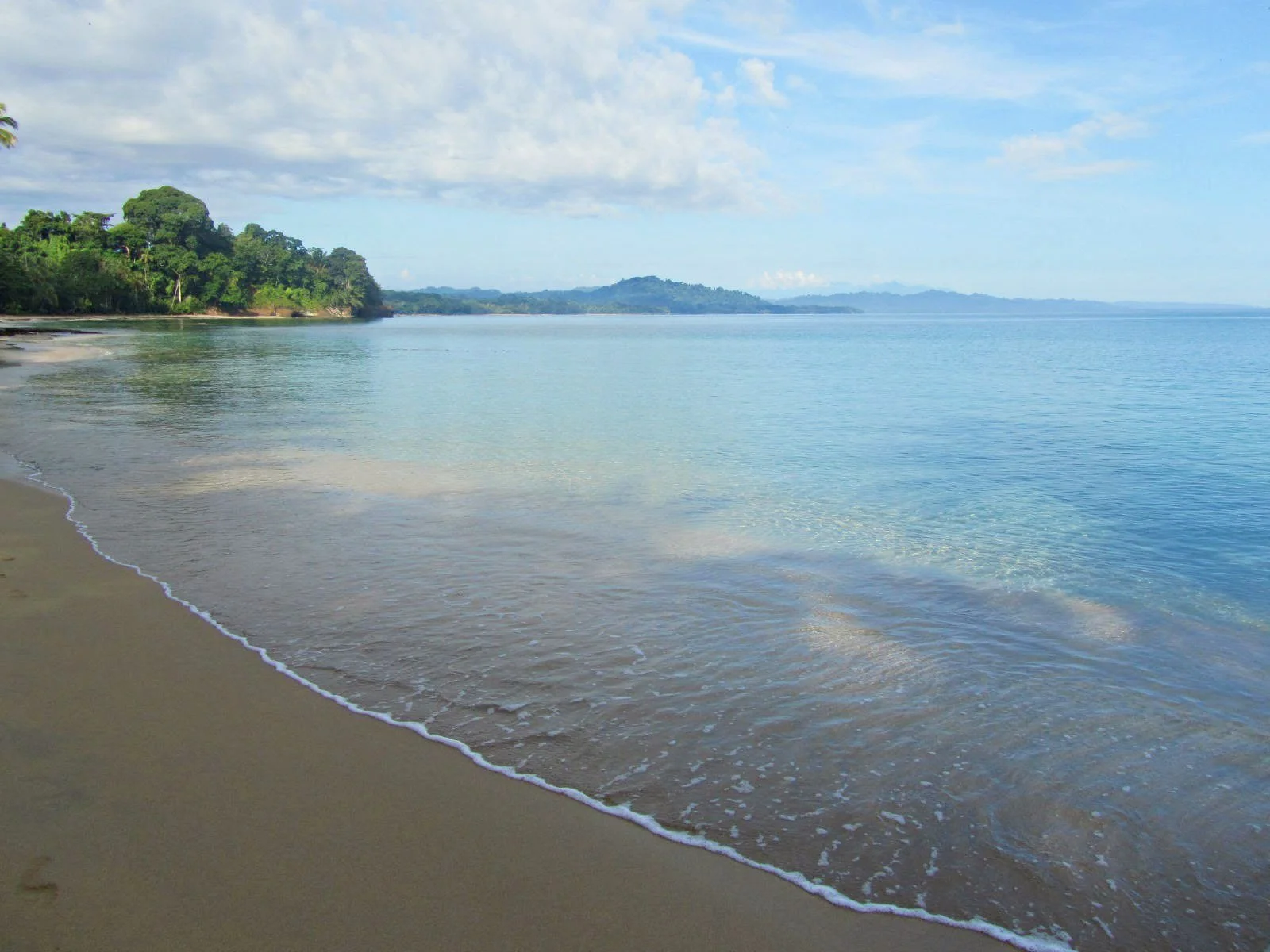
I took this picture 5 min away from my eco-cabin in the forest near Manzanillo
Costa Rica’s conservation story doesn’t stop at park boundaries.
Many eco-lodges and small hotels:
Protect private reserves
Participate in reforestation programs
Use renewable energy and water-saving systems
Employ local staff year-round, not seasonally
The country’s Certification for Sustainable Tourism (CST) program, developed by the Costa Rican Tourism Board, evaluates accommodations based on environmental, social, and economic criteria.
It’s not perfect, but it’s one of the oldest and most structured systems of its kind — and it gives travelers a framework for making informed choices.
Is Costa Rica still worth it for ecotourism today?
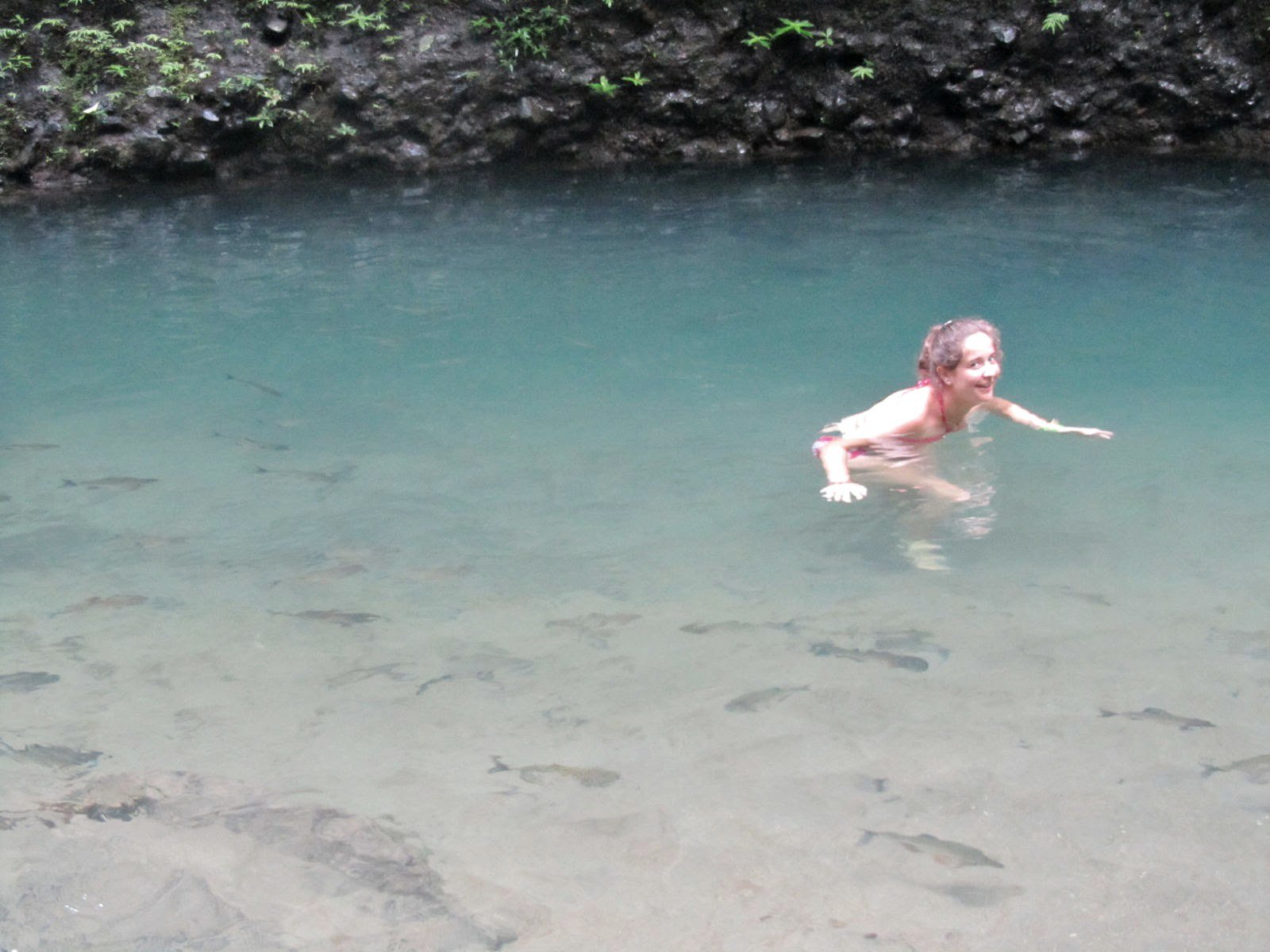
Mingling with the locals!
Yes — but with realistic expectations.
Costa Rica is:
Well-organized
Popular
More expensive than it used to be
Highly regulated in protected areas
That’s not a failure of ecotourism. It’s a consequence of success.
If you’re looking for untouched wilderness with no rules, Costa Rica might feel structured. If you’re looking for a place where conservation isn’t an afterthought — where tourism actively funds protection — it remains one of the strongest examples worldwide.
✈️ Find flights
🏨 Explore hotels, apartments, guesthouses, cabins
🧭 Browse activities and tours
🚗 Compare car rentals
🧳 Get travel gear
🛡️ Travel safe with Heymondo Travel Insurance (5–15% off)
📱 Get a travel eSIM
🐾 Protect & track Costa Rica's wildlife with Fahlo Bracelets (20% off)
FAQ: Ecotourism in Costa Rica
Is Costa Rica good for ecotourism?
Yes. Costa Rica is widely considered one of the world’s strongest ecotourism destinations because a large share of its land is protected, many wildlife experiences are regulated, and tourism revenue often supports conservation and local jobs.
What is the best ecotourism destination in Costa Rica?
It depends on what you want:
For turtle conservation and wetlands: Tortuguero
For cloud forest biodiversity: Monteverde
For big wildlife and remote rainforest: Osa Peninsula and Corcovado
What is the most eco-friendly way to travel in Costa Rica?
Choose fewer regions and stay longer, use shared shuttles when practical, book guides and lodges with credible sustainability practices, and follow park rules that protect wildlife and habitats.
Is Tortuguero worth visiting if you care about sustainable travel?
Yes. Tortuguero is often cited as a conservation success story, and turtle nesting visits are typically controlled through guided access and rules designed to protect the animals and their habitat.
How do I choose an eco-lodge in Costa Rica?
Look for clear sustainability information that goes beyond buzzwords:
transparent waste and water practices
local employment
support for conservation projects
credible certifications or third-party standards
If a property can’t explain what they do, assume it’s marketing.
What should I avoid to travel more responsibly in Costa Rica?
Avoid wildlife handling experiences, feeding wild animals for photos, and tours that encourage close contact. In protected areas, follow trail rules and keep noise low. The best wildlife encounters happen when you don’t try to control them.
When is the best time for wildlife viewing in Costa Rica?
Wildlife is present year-round, but conditions vary by region. Dry season often makes travel easier, while green season can mean fewer crowds and lush landscapes. For turtles, timing depends on species and coastline, so check local guidance for Tortuguero and the Pacific beaches.
Do I need a guide for Costa Rica’s national parks?
Some parks and sections are best with a guide because wildlife is hard to spot without trained eyes. In certain protected areas, guides may be required for access or strongly recommended for safety and conservation reasons.
Here’s the playlist to get you into the Pura Vida mood:
Costa Rica didn’t stumble into ecotourism. It chose it, tested it, adjusted it, and stuck with it. As a tourism professional, I’ve seen many destinations talk about sustainability. Costa Rica stands out because it built a working model early — one that ties conservation, local livelihoods, and tourism together in a way that’s still functioning decades later.
From turtle conservation in Tortuguero to nationwide forest recovery, the country shows what happens when environmental policy, tourism, and local livelihoods are treated as part of the same system.
That’s why Costa Rica keeps showing up in conversations about sustainable travel — and why it’s still worth understanding, not just visiting.

Free download
Travel Cheaper Cheat Sheet
27 tips on flights, hotels, hidden costs and more — spend less without missing what actually matters.
No spam. Unsubscribe anytime.
